

Could a small shift in musical pitch help you feel more grounded? The title’s “miracles” point to a hopeful mindset and a personal sense of calm, not a guaranteed supernatural result.
Hertz measures how many vibrations happen each second. Many listeners explore 432 music during meditation, a work break, evening relaxation, or sleep preparation. This tuning differs only slightly from the common 440 standard, yet some people describe the sound as warmer or softer.
A National Library of Medicine study compared both tunings and reported lower heart rates and less anxiety with the lower setting. Still, early findings do not show that one frequency works best for everyone. Your response may depend on taste, setting, and mood.
WAVwatch offers more than 1,000 sound frequencies across 166 sets, making it easy to try calm audio and notice what feels right. Think of this practice as a gentle invitation, not a promise.
Key Takeaways
- The title uses “miracles” as hopeful language, not a guarantee.
- 432 music may fit meditation, relaxation, or sleep routines.
- Research findings are interesting but remain limited.
- Personal listening preferences matter.
What Is 432 Hz and Why Are People Drawn to It?
Sound becomes easier to understand when you picture it as a wave. Hertz tells us how many vibrations occur each second. A higher number creates a faster vibration, while a lower number creates a slower one. This simple measure helps explain musical pitch.
How Hertz Relates to Music and Sound
The term 432 frequency describes a tuning reference used across a piece of music. It does not mean one tone changes every part of the body. Most modern recordings use a 440 reference, while this alternative adjusts the pitch slightly lower.
For example, imagine two recordings played with the same instruments and tempo. Their notes follow the same musical pattern, but the tuning shifts the pitch. That small change can affect how the sounds blend.
Why Listeners Describe It as Warm and Calming
Many listeners call this music softer, warmer, smoother, or more grounding. Those impressions may come from the tuning, arrangement, instruments, tempo, and listening environment. Personal taste also plays a major role.
“A calming listening experience begins with what feels comfortable to you.”
People often choose it for relaxation, quiet reflection, or gentle background music. Treat these responses as personal experiences, not guaranteed effects.
432 Hz vs Standard 440 Tuning
The difference between these two references is small, but it can change a recording’s overall pitch. Knowing the numbers helps you compare them without treating either choice as medically better.
How the Two Tuning Systems Differ
In standard 440 tuning, the A above middle C vibrates at 440 cycles per second. With 432 tuning, that same note drops by about 8 cycles per second. The gap equals roughly 31.77 cents, which is a subtle shift in musical pitch.
440 tuning became a widely used international benchmark during the 20th century. The International Organization for Standardization helped support A=440 as a global reference. This makes standard 440 common in orchestras, studios, and digital recordings.
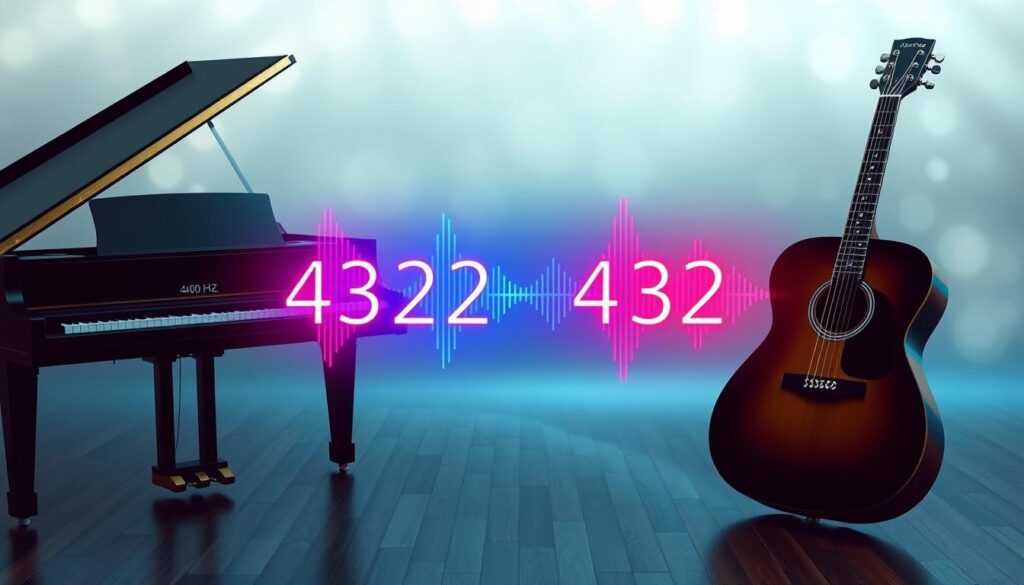
Why Musicians Choose 432 Tuning
Some musicians select music tuned 432 for its perceived warmth or relaxed character. The approach appears in ambient, acoustic, classical, and world music. Arrangement, instruments, tempo, and recording quality also shape the final sound.
Neither choice guarantees a special result; the best option depends on the project and the listener.
Many listeners enjoy both styles. Try each version at a comfortable volume, then choose the one that suits your mood.
The History and Symbolic Meaning of 432 Hz
Across many cultures, sound has carried meaning beyond entertainment. Ancient Egyptians and Greeks used chanting, drums, flutes, architecture, and ritual to support meditation and ceremony. These practices helped people create focus, reverence, and a sense of connection.
Ancient Sound Practices and Musical Tuning
Pythagoras viewed music as a mathematical reflection of cosmic order. However, historians cannot confirm that he used modern 432 tuning. Today, the 432 frequency attracts interest because some listeners connect it with harmony, healing, and inner balance.
These ideas describe cultural beliefs, not proven effects on the mind or body. A calm setting, slow rhythm, and personal expectation may also shape the experience of music.
Nature, Sacred Geometry, and Spiritual Beliefs
Modern spiritual communities often connect this sound with sacred geometry. Numerology gives added meaning to 4, 3, and 2 because their sum is 9, a symbol of completion and spiritual awakening. Some people also compare it with the approximately 7.83 Hz Schumann Resonance.
Science does not show that these links create special frequencies or guaranteed peace. Still, the symbolism may encourage relaxation and a more grounded environment. For many listeners, nature, gentle sound, and quiet reflection support a meaningful ritual.

- Historical practices offer cultural context.
- Symbolic links remain matters of belief.
What 432 Hz May Do for the Mind and Body
Individual responses often depend on mood, setting, and listening habits. Some people use 432 music during meditation or evening relaxation because gentle sound may help create a slower, steadier state.

Relaxation, Heart Rate, and the Nervous System
Calm music may support the parasympathetic nervous system, which manages “rest and digest” functions. A National Library of Medicine study found lower heart rates and less anxiety with this tuning than with 440 music. These results do not prove healing or replace medical therapy.
Calmer Thoughts and Emotional Balance
Many listeners report improved focus, clarity, and emotional balance. Others notice no change. Personal effects can vary, so use music as a wellness tool rather than a promise.
“Early findings can guide curiosity, but they cannot settle the question.”
What Early Research Suggests
A 2016 Explore study examined heart rate and blood pressure. A small 2019 sleep study reported greater calm and better sleep quality for some people. More research is needed before firm conclusions about the mind or body.
| Reported area | Early observation | Important limit |
|---|---|---|
| Relaxation | Calmer states | Responses differ |
| Heart rate | Lower readings | Small studies |
| Sleep | Improved quality | Needs more evidence |
Potential 432 Hz Benefits for Relaxation and Stress
A gentle listening ritual can create space between a busy moment and a calmer one. Many listeners choose 432 music for stress relief, emotional balance, and a steadier mood. These effects vary, so treat the practice as support rather than healing.
Creating a Calmer Mental State
A five-minute session is a simple place to begin. Sit in a quiet spot, set a comfortable volume, and take slow breaths. Let the sound sit in the background without forcing your mind or body to relax.
Try this routine after a crowded commute or during a tense afternoon:
- Play gentle music at a low, clear volume.
- Breathe slowly and release tight shoulders.
- Notice thoughts without judging them.
Using 432 Music to Unwind After a Busy Day
Use 432 music while journaling, stretching, reading, or practicing meditation. An afternoon or evening session can become a repeatable relaxation habit. Nighttime listening may also support quiet reflection, though it cannot replace care for ongoing anxiety.
Choose consistency over intensity; calm often grows through small habits.
| When to listen | Helpful activity | Simple goal |
|---|---|---|
| Morning | Breathing | Start with balance |
| Afternoon | Stretching | Ease mental tension |
| Evening | Journaling | Release busy thoughts |
Can 432 Hz Support Better Sleep?
A thoughtful bedtime ritual can make it easier to shift from daytime activity toward rest. While no single frequency works for everyone, gentle audio may support a calmer setting for sleep.
Building a Peaceful Bedtime Routine
Try an ambient 432 music playlist with dim lights and a low volume. Pair it with reading, light stretching, or five minutes of meditation. Keep the session short at first, so the sound supports sleep instead of becoming a distraction.
A small 2019 study in the Journal of Sleep Disorders & Therapy reported better sleep quality among some participants who listened to this tuning. The finding is promising, but it does not prove a universal effect.
Quieting Racing Thoughts Before Bed
Many listeners pair calming sounds with slow breathing or a brief journal entry. Write down unfinished tasks, then return attention to each steady breath. A consistent bedtime also helps the body recognize when it is time to rest.
Use this practice as gentle support, not as a promise of healing.
Persistent insomnia, pain, or intense nighttime anxiety deserves qualified healthcare guidance. Relaxation tools can complement care, but they should not replace it.
432 Hz for Meditation, Yoga, and Mindfulness
Quiet movement and steady breathing can turn a simple listening session into a mindful pause. Many people choose 432 music for meditation, yoga, breathwork, or evening relaxation. The goal is not guaranteed healing. Instead, a gentle routine may help create focus and balance for the mind and body.
Choosing Music for Breathwork and Meditation
Select slow-tempo music with soft instruments, singing bowls, or nature recordings. A steady sound gives attention a simple anchor during meditation. You can also use 432 music during stretching or yoga, then switch to silence when you need deeper focus.
- Keep the volume low and comfortable.
- Match the pace to your breathing.
- Stop if the sound feels distracting.
Setting Up a Calming Space
Place a cushion in a quiet space with soft light and a comfortable temperature. Reduce phone alerts and other digital interruptions. Ancient chanting, drums, and rhythmic sounds inspired many modern practices, but personal preference matters most.
“Let the sound support your practice, not control it.”
Music tuned 432 may support peace and wellness for some listeners, yet it cannot replace therapy or promise healing.
| Practice | Helpful sound | Simple purpose |
|---|---|---|
| Meditation | Soft tones | Steady attention |
| Yoga | Slow rhythm | Gentle movement |
| Breathwork | Nature sound | Even breathing |
Using 432 Hz Music for Focus and Mental Clarity
A calm audio bed can make routine tasks feel more manageable. Some listeners use 432 music while reading, studying, writing, or handling simple computer work.
Background Sound for Work and Study
Start with instrumental music when your task involves words. Lyrics may compete with language-heavy work and pull your attention away from the page.
Nature-integrated tracks offer another option. Soft rain, flowing water, or light outdoor ambience can create a gentle environment for people who dislike silence but avoid busy music.
Testing Your Best Listening Style
Try one 20-minute session with sound and another without it. Notice changes in focus, clarity, mental chatter, and task speed. These personal effects matter more than claims about a special frequency or tuning.
- Keep the volume low and clear.
- Choose steady tracks for study.
- Take ear breaks when needed.
- Use silence if music becomes distracting.
The best background is the one that supports your attention.
| Task | Suggested audio | Practical choice |
|---|---|---|
| Reading | Instrumental music | Limit lyrical distractions |
| Study | Nature-integrated tracks | Support steady focus |
| Meditation or sleep preparation | Soft ambient sound | Encourage relaxation |
How Musicians and Sound Therapists Use 432 Tuning
Artists and wellness practitioners approach pitch in different ways. Musicians focus on tone, mood, and creative choice. Sound therapists often build a calm setting for meditation, relaxation, or sleep preparation. Neither approach proves a guaranteed healing effect.
Retuning Instruments and Recorded Music
Most modern recordings follow the standard 440 tuning system. Musicians can lower a live instrument with a compatible tuner. They can also shift a finished track with digital audio software. This process changes pitch while keeping the arrangement familiar.
Ambient, classical, acoustic, and world music often suit this warmer character. Discussions sometimes link Andrea Bocelli, Coldplay, and parts of Verdi’s operas with this approach. Such links may vary by recording, so listeners should check the specific performance.
Sound Baths, Tuning Forks, and Wellness Sessions
Practitioners may combine tuning forks, singing bowls, chanting, drums, and gentle soundscapes. These tools can support a focused wellness experience. They do not repair cells or replace medical therapy.
“Use sound as a mindful tool, not as a promise of healing.”
Research on specific frequencies remains limited. Keep volume comfortable, and stop if sound causes discomfort.
How to Listen to 432 Hz in Everyday Life
Making this practice part of your day can stay simple. Start with music you enjoy, a comfortable volume, and a quiet space. For a brief overview, explore this frequency guide before building your playlist.
Finding Music on Streaming Platforms
Search YouTube, Spotify, meditation apps, and online playlists for tracks labeled with this tuning. Read titles and descriptions carefully, since labels may vary. Save songs that feel pleasant instead of chasing a supposedly perfect frequency.
Choosing Headphones, Speakers, or Nature Sounds
Headphones offer privacy, while speakers keep your surroundings open. Wearable technology may suit short sessions on the go. Comfortable volume matters more than expensive equipment. You can also blend music with rain, ocean waves, or forest sounds for a more natural setting.
Matching Sessions to Your Routine
- Morning: Try five minutes of meditation.
- Afternoon: Take a short relaxation break during work.
- Evening: Play gentle music while reading.
- Night: Choose soft sounds for sleep preparation.
“The best listening routine is one you genuinely enjoy.”
What Science Can and Cannot Confirm About 432 Hz
Curiosity is useful, but strong claims need strong evidence. Current findings do not show that this tuning is medically better than standard 440 tuning. Doctors do not rank either option as superior for healing or disease care.
Research Limits and Listener Experiences
A National Library of Medicine study found lower heart rates and less anxiety after participants heard 432 frequency music. A 2016 Explore study also examined heart rate and blood pressure. A small 2019 report noted calm, lower heart rates, and improved sleep for some participants.
These results are interesting, yet they do not prove a special biological effect. Sample sizes, study design, musical style, tempo, and setting can shape the outcome. Expectations may also create a placebo response. That experience can feel real without proving unique properties in the tuning.
Wellness support is not the same as medical evidence.
Many listeners may help their mind settle through music, meditation, or relaxation. Musicians and therapists can use sound as a helpful routine, but persistent anxiety or sleep problems need professional care.
| Evidence area | What it suggests | What remains unknown |
|---|---|---|
| Heart rate | Lower readings in early studies | Whether the effect lasts |
| Sleep | Better rest for some people | Whether tuning caused it |
| Medical use | No proven superior standard | Results from larger research |
Wearable Sound Tools for 432 Hz Wellness
Wearable audio gives people another way to add gentle sound to a daily wellness plan. It can suit those who prefer not to wear headphones or carry a separate speaker.
Using Sound During Work, Relaxation, and Sleep Preparation
Music tuned 432 can play softly during desk work, relaxation, meditation, or sleep preparation. A steady frequency may help create a calm setting, support focus, or signal that the day is ending. Keep the volume comfortable and stop if the sound feels distracting.
How WAVwatch Fits Into a Daily Routine
Linda Bamber founded and invented WAVwatch to make frequency wellness easier to include in ordinary routines. The device has a small built-in speaker that rests gently against the skin on the wrist.
WAVwatch includes more than 1,000 frequencies arranged in 166 sets. These options support routines for relaxation, sleep, focus, and emotional balance.
- Use it during work without blocking outside sounds.
- Try it during a short meditation or calm break.
- Explore it before sleep without carrying a speaker.
Sound can support a wellness habit, but it cannot replace healing care or therapy.
Finding Your Own Sense of Calm With 432 Hz
There is no single soundtrack for a calmer day. For some listeners, 432 music may help create a gentle setting for meditation, sleep preparation, relaxation, focus, or quiet reflection.
Compared with 440 Hz tuning, this lower reference creates a subtle pitch change. Your preference may depend on the track, tempo, instruments, and room. Test both styles during short sessions at a comfortable volume. Notice your thoughts, body tension, balance, clarity, and sense of peace.
Early studies offer clues about heart rate, anxiety, and relaxation. They do not prove a universal healing method, and music cannot replace medical care. Keep what supports your wellness routine. Stay curious about other frequencies, calming music, and different sounds. Let personal experience guide your listening, meditation, and daily choices. The best music is the kind that helps your mind settle and brings a sustainable sense of calm.