Awakening may feel less like a dramatic vision and more like a shift in daily life. You may notice sharper intuition, steadier attention, or a deeper sense of self-awareness. These changes can appear quietly as you make choices, handle stress, and connect with others.
In Dr. Ram Jain’s 2020 guide, the main signs include stronger inner guidance, greater clarity and focus, and vivid dreams or creative spiritual insight. Dr. Jain founded Arhanta Yoga Ashrams in 2009 and Arhanta Yoga Online Academy in 2017.
This beginner-friendly guide introduces the sixth chakra and explores common mental and physical experiences. It also offers gentle ways to reflect, stay grounded, and explore your inner world without pressure.
Keep an open mind, but stay practical. Chakra language comes from yoga and spiritual traditions. A headache, poor sleep, or mood change does not prove awakening. Notice how your experience shapes your decisions, relationships, and sense of direction.
Key Takeaways
- Awakening may appear through everyday changes, not dramatic events.
- Inner guidance, focus, and vivid dreams are common themes.
- Spiritual ideas should be balanced with practical self-care.
- Physical symptoms need careful attention and should not be dismissed.
- Personal reflection can reveal how inner changes affect daily life.
What Is the Third Eye Chakra?
In yoga tradition, the third eye chakra is the sixth of seven main chakras. It is also called Ajna, the eyebrow center, or the eye chakra. “Ajna” may mean “to perceive,” “command,” or “foremost.” These terms describe a symbolic energy center, not a structure confirmed by medical science.
Ajna Chakra Location and Meaning
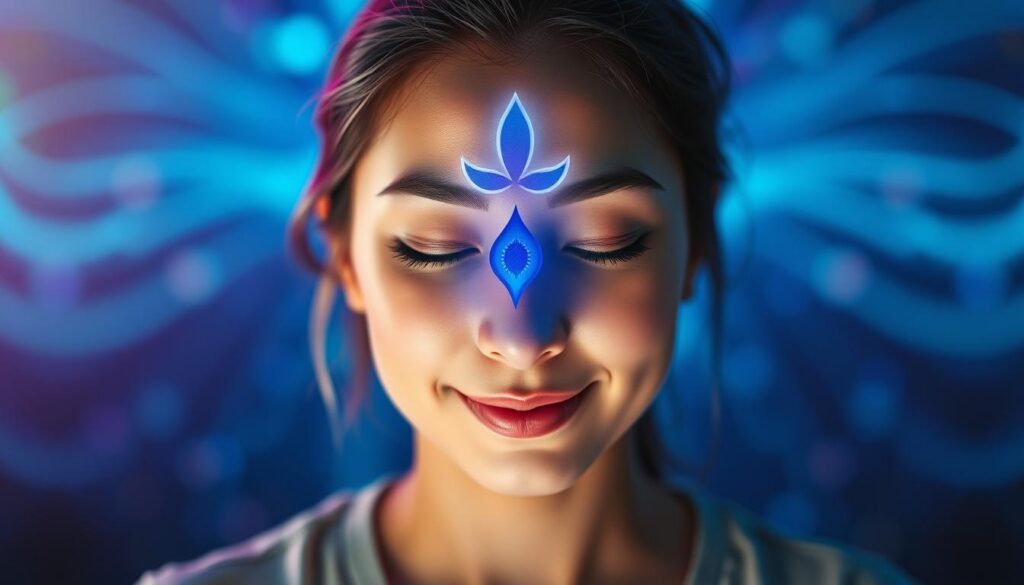
Traditional teachings place Ajna in the center forehead, between the eyebrows. Dr. Ram Jain describes its astral location as four inches behind this point. Its symbols include an indigo color, light, and a two-petaled lotus. They represent clarity, understanding, and spiritual insight rather than measurable physical effects.
How Ajna Relates to Intuition and Awareness
This concept connects inner perception with intuition, knowledge, and wise choices. Reflection or meditation can help you notice thoughts before you act on them. Yoga sources also associate this area with the brain, pituitary and pineal glands, hypothalamus, ears, nose, and eyes. That spiritual map should not replace medical care.
Ajna sits below Sahasrara, the crown chakra. Together, they symbolize growing awareness, balance, and a broader view of life.
Third Eye Chakra Awakening Signs to Notice
Subtle changes in how you think and respond may point to a new stage of inner growth. These experiences do not prove a spiritual event, but they can invite calm reflection. Notice patterns over time, and keep daily choices grounded in facts and personal values.
Stronger Intuition and Inner Guidance
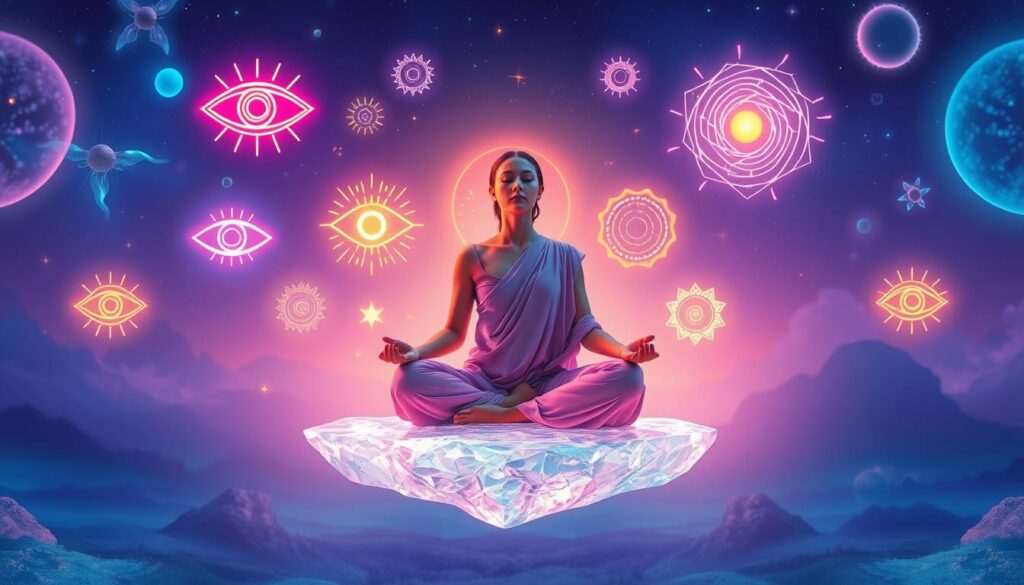
You may recognize an answer or direction before you can explain it. This feeling can become clearer when the mind grows quiet through meditation, time in nature, or a steady yoga practice. Trust intuition, then check it against evidence, safety, and your values. Inner wisdom should guide thoughtful action, not replace sound judgment.
Greater Clarity, Focus, and Self-Awareness
A second sign is closer attention to thoughts, emotions, habits, and choices. Greater alertness may help you pause before reacting. This wider awareness supports clarity and focus, especially during stressful moments. In yoga tradition, Ajna chakra represents an energy center for mindful perception and knowledge.
Vivid Dreams, Creativity, and Spiritual Insight
Vivid dreams, visualization, or fresh ideas may also arise. Solutions can seem to appear naturally, giving you a clearer path or creative spark. Still, unusual dreams alone do not confirm awakening. The third eye symbolizes perception beyond ordinary sight; it does not replace the physical eye.
How Awakening May Feel in Your Mind and Body
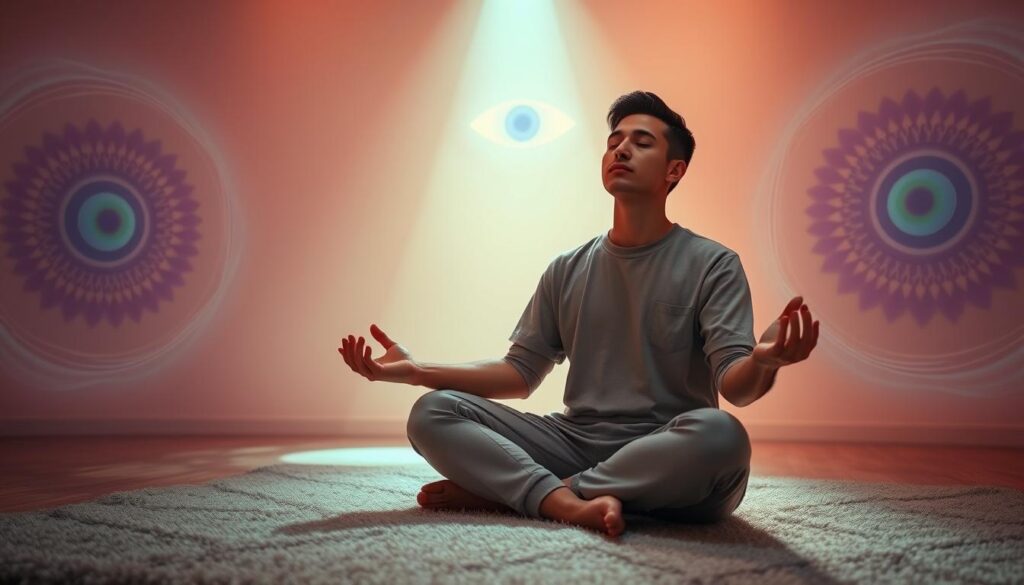
Inner change can show up as a calmer response to daily events. Some people feel more reflective, less reactive, or more open to another person’s view. These shifts are sometimes linked with balanced third-eye chakra energy, but they are not proof of a spiritual event.
Emotional Shifts and a Wider Perspective
A wider view may help you notice patterns, lessons, and competing opinions. You may pause before acting and weigh facts with intuition. This blend of focus, clarity, and inner wisdom can support balance in life. Meditation and yoga may encourage awareness, yet sound knowledge and practical judgment still matter.
Forehead Pressure, Headaches, and Changes in Sleep
Traditional sources associate Ajna, or the eye chakra, with headaches, vision concerns, sinus discomfort, ear issues, and sleep changes. The center between the brows is symbolic; it is not the physical brain, eyes, or glands. Recurring pain or vision changes need care from a qualified professional.
Stress, medication, screens, or a changed routine can affect sleep and dreams. Track timing, intensity, and habits during meditation. Although sources connect this energy center with the pituitary’s anterior and posterior lobes, chakra practice does not control hormones.
Third Eye Chakra Balance Versus a Blocked Chakra
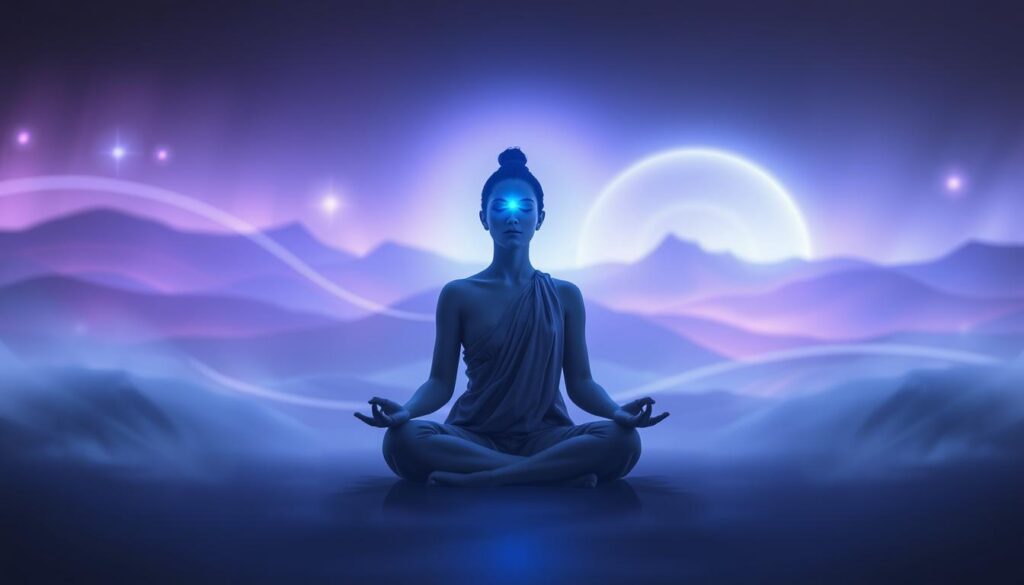
Not every difficult day points to an energy imbalance. In traditional yoga, this model offers a gentle way to explore patterns in thought, emotion, and behavior. A balanced third-eye chakra may relate to calm awareness, flexible thinking, creativity, and clear choices. These ideas support reflection, not fear.
Common Signs of Blocked Ajna Energy
Traditional descriptions include mental fog, poor concentration, anxiety, low mood, irritability, and trouble seeing the bigger picture. You may also find it hard to trust intuition, access imagination, or remain open to other views. Jade Doherty links downward-flow imbalance with anger, judgment, provocation, and head tension.
These signs can also reflect stress, poor sleep, long screen time, or an emotional strain. A headache does not prove an issue with this energy center. Vision changes, sinus trouble, ear concerns, or lasting sleep problems deserve medical attention.
- Check sleep, stress, screen use, and mood.
- Notice whether focus improves after rest.
- Review decisions before blaming blocked energy.
- Use meditation for awareness, not self-diagnosis.
Recurring patterns may call for rest, trusted support, or professional care. With patience, balance can begin through practical self-care and inner wisdom.
Simple Practices to Support Third Eye Chakra Balance
Simple routines can help you settle a busy mind and notice inner signals with care. Start with five quiet minutes. Sit comfortably, breathe at a natural pace, and bring gentle attention to the space between your eyebrows. Do not strain your eyes or hold your breath.
Breathwork and Meditation for Clarity
Try Alternate Nostril Breathing to support calm, clarity, and focus. Bumble Bee Breathing offers another option. Its soft humming sound gives the mind one steady point of attention. Stop if you feel dizzy, anxious, or uncomfortable.
Sri Sri Yoga blends asana, pranayama, and meditation. You can also explore Gurudev Sri Sri Ravi Shankar’s free seven-day Secrets of the 7 Chakras journey. For added context, read this Ajna awakening guide.
Candle Gazing, Om Chanting, and Affirmations
Use a candle flame, deity image, or wall dot as a visual focus. Blink naturally rather than forcing a long stare. You may mentally repeat Om for 5 to 15 minutes while resting attention at the brow center.
Try affirmations such as, “I trust my inner wisdom.” These prompts support reflection, not guaranteed energy fixes. Pause when practice causes strain, panic, or pain, and seek professional guidance for lasting symptoms.
Yoga Poses That Encourage Focus and Inner Awareness
Let movement become a quiet way to sharpen attention. Gentle yoga can support clarity, steady breathing, and a calm sense of inner wisdom. It may also help you notice intuition without forcing a special feeling.
Begin with Balasana, or Child’s Pose. This restful position may create light pressure near the brow center. Keep your neck soft and use a folded blanket if your knees or hips need support.
- Dolphin Pose: Work on your forearms and keep your neck relaxed. Avoid pressure near the face or eyes.
- Eagle Pose, or Garudasana: Use its balance demand to build focus. Stand near a wall if needed.
- Wide-Legged Forward Fold: Bend your knees and move slowly. Stop if you feel strain.
- Headstand, or Shirshasana: Treat this as an advanced posture associated with the third-eye chakra. Beginners should not attempt it without qualified instruction.
Pair these poses with calm breathing and short meditation. This simple practice supports awareness and spiritual insight while respecting your body’s limits. Stop when pain, dizziness, or eye pressure appears.
| Pose | Main focus | Safety note |
|---|---|---|
| Child’s Pose | Rest and balance | Support knees and neck |
| Dolphin Pose | Steady attention | Relax the neck |
| Garudasana | Focus and balance | Use a wall |
| Shirshasana | Advanced energy work | Get expert guidance |
Trusting Your Experience as Your Awareness Grows
The path becomes clearer when you observe your experience with patience. Dr. Ram Jain’s guide, published on October 7, 2020, presents Ajna as a traditional center for perception and inner guidance. Common themes include stronger intuition, clearer self-awareness, and vivid dreams, creativity, or spiritual insight.
Let awareness grow slowly. A steady meditation or yoga practice matters more than dramatic sensations. Trust intuition, then check facts, speak with people you trust, and choose what supports safety. If your third eye chakra feels blocked, pause, rest, journal, or seek support instead of judging yourself.
For a wider view, explore this inner awareness guide. In tradition, a balanced third eye chakra offers a path from focused perception toward the crown center. Your lived experience remains the best guide as spiritual awareness and inner wisdom unfold.