
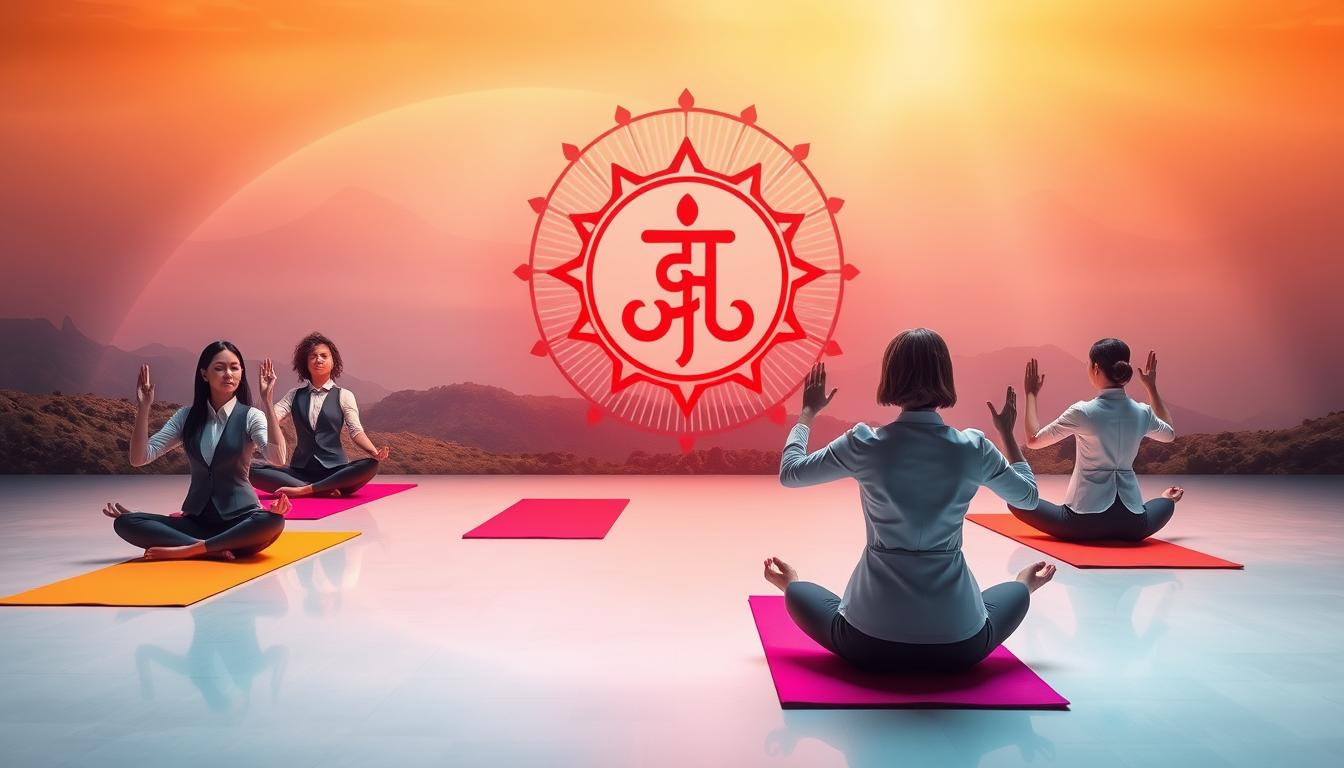
Could a deeper sense of safety change the way you handle money? Root chakra healing is not a magic path to massive wealth. It offers a traditional wellness practice that may help you feel steadier, more focused, and ready to make wise choices.
Dr. Ram Jain, PhD (Yoga), explored Muladhara in his August 24, 2020 guide. In yoga philosophy, it represents foundational support at the base of the spine. The seven main chakras are viewed as energy centers that may support balance in the body and mind.
For people who feel anxious or scattered around money, simple practices can offer a useful starting point today. Yoga, breathwork, meditation, time in nature, affirmations, and practical budgeting may reduce stress and support clearer decisions. Real wealth grows through steady habits, not supernatural promises. Explore this Muladhara meditation guide for traditional context.
Key Takeaways
- This practice does not guarantee financial results.
- Muladhara symbolizes stability and support.
- Grounding may encourage calmer choices.
- Simple routines can support financial confidence.
- Wellness practices do not replace medical or mental health care.
What Root Chakra Healing Means for Safety, Stability, and Wealth
Money choices often improve when your nervous system has room to pause. In traditional yoga, Muladhara means “root” and points to support, stability, and a firm base for daily life.

The Root Chakra at the Base of the Spine
Many traditions place this energy center at the perineum, between the anus and genitals, near the base spine. It is also linked with the lower spine and the body’s sense of survival. Practitioners describe it as a foundation for the chakra system, not a medical structure.
This view can create a helpful connection between physical awareness and emotional balance. Meditation, yoga, and slow breathing may help you notice tension without treating those practices as financial or medical advice.
How Grounding May Shape Your Relationship With Money
When you feel grounded, you may pause before panic spending or an impulsive purchase. That pause can support a calm budget review, clearer priorities, and more confidence about asking for support.
Steadiness supports better choices; it does not promise wealth.
| Practice | Possible money benefit | Practical next step |
|---|---|---|
| Breathing | Creates a pause | Wait before buying |
| Body awareness | Reveals stress | Review your budget |
| Routine | Builds stability | Schedule weekly check-ins |
Root Chakra Basics: The Muladhara Energy Center
Muladhara gives traditional yoga a symbol for steadiness, support, and belonging in the body. It is known as the first chakra and sits at the foundation of the wider system of seven energy centers. These ideas come from spiritual teachings, not settled medical science.
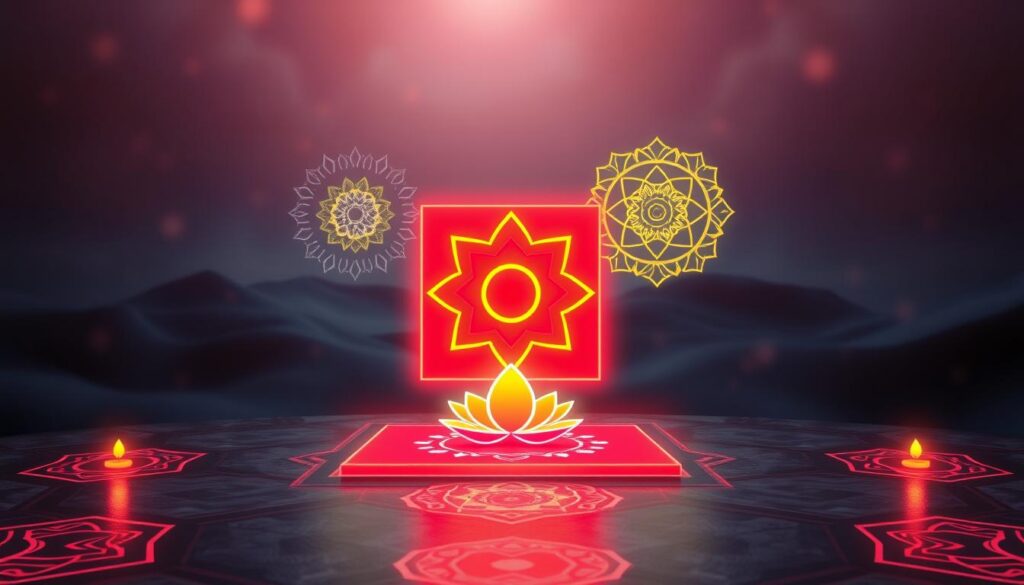
Earth Element, Red Color, and the LAM Sound
The earth element represents firmness and a steady base. Deep red, or the color red, suggests strength, vitality, survival, and self-preservation. During meditation, some practitioners repeat the seed sound LAM, written as लं. They use this sound to support focus and a calm flow of breath.
A traditional Muladhara image includes a four-petaled lotus, a square, an inverted triangle, and the LAM symbol. Each part offers a visual guide for reflection rather than a proven treatment.
Survival, Support, and the Foundation of the Chakra System
This teaching connects the lower spine with safety and basic needs. Dr. Ram Jain began formal yoga training at age eight at a Vedic school in India. His work reflects a traditional approach to energy and the body. Use these practices as personal reflection, not as a promise of wealth or health.
Signs Your Root Chakra May Feel Unbalanced
Noticing patterns can build self-awareness without creating fear. In this traditional model, an imbalance may feel like insecurity, anxiety, isolation, or a weak connection to daily life. These ideas describe reflection, not a diagnosis.

Fear, Financial Stress, and the Feeling of Never Having Enough
Thoughts about homelessness, unpaid bills, or constant scarcity can keep the body alert. Poverty, trauma, and ongoing stress may shape these fears, so people deserve compassion rather than blame. A grounding pause can help you notice the reaction before making a money decision.
Disconnection, Overwork, Hoarding, and Trouble Asking for Support
Some patterns include overwork, mistrust, hoarding, family tension, or pulling away from others. They may point to a need for safety and support, not greed or personal failure. Honest conversations and practical financial assistance can restore a sense of balance.
Physical Clues Linked to Grounding and Body Awareness
Notice stiffness, back pain, constipation, digestive trouble, poor sleep, or pelvic discomfort. Traditional teachings place this energy center near the perineum at the base spine, but symptoms can have many causes. Use meditation and grounding practices for awareness only; seek qualified medical or mental health care for lasting concerns.
Deficient and Overactive Root Chakra Patterns
Behavior around safety can swing between shutting down and gripping too tightly. In this traditional model, a deficient root chakra pattern reflects too little energy flow. A person may seem passive, sluggish, anxious, suspicious, or withdrawn.
These signs do not prove an imbalance. Fatigue, trauma, financial pressure, or daily stress can affect how the body responds. Someone who feels unsafe may avoid decisions, distrust support, or struggle to meet basic needs.
An excessive pattern moves in the opposite direction. Its energy may feel lively, agitated, reactive, or aggressive. Hoarding, workaholism, greed, anger, and constant control can appear when survival fears drive behavior.
Look for repeated habits, not a permanent label. Your circumstances and responses can change over time. The goal is balance: enough stability to pause, assess risk, and choose a useful next step.
Grounded action does not mean passivity or force. A steady foundation can support honest money conversations, sensible boundaries, and practical help when stress feels too heavy.
Root Chakra Healing Practices for Emotional Balance
A quiet daily ritual can help you reconnect with your body and feel more settled. These practices may support focus and emotional balance, but they don’t promise wealth or guaranteed energetic results.
Grounding Meditation, Breathwork, and Red-Light Visualization
Settle into a chair with both feet on the floor. For five to ten minutes, notice your breath, your body, and the support beneath you. Then try Alternate Nostril Breathing, also called Nadi Shodhan Pranayama, to settle attention.
If it feels comfortable, picture a soft red ball of light near the groin area. Treat this color red image as an optional wellness exercise, not proof of energy movement. Stop if you feel uneasy.
Root Chakra Affirmations for Trust and Security
Repeat one of these affirmations slowly:
- “I feel safe and secure.”
- “I am grounded.”
- “I have abundance in my life.”
Affirmations can shape mindset, but they aren’t magic formulas. Pair this practice with sleep, trusted support, therapy when needed, and practical steps that improve daily safety.
Yoga Poses That Help You Feel More Grounded
Simple movement can help you notice how your body meets the floor. These yoga poses support awareness, balance, and calm focus. They do not cure symptoms or guarantee energetic change. Move slowly, breathe with ease, and adjust each practice for comfort.
Mountain Pose, Warrior II, Tree Pose, and Child’s Pose
Stand in Mountain Pose, or Tadasana, with your feet hip-width apart. Notice your alignment, steady breathing, and the length of your spine. In Warrior II, or Virabhadrasana II, keep both feet connected with the floor while you build gentle strength.
Tree Pose, or Vrkshasana, adds a balance challenge. Place one hand near a wall, and keep your lifted foot low if needed. For a quieter option, rest in Child’s Pose. This position may suit anyone who feels tired or overstimulated.
Garland Pose, Forward Bend, and Supported Rest
Try Garland Pose, or Malasana, for one minute and repeat it three times only if it feels safe. Stop when your knees, hips, ankles, or feet hurt. A Forward Bend or supported Shavasana can offer restful meditation. Comfort matters more than depth.
| Pose | Main focus | Helpful adjustment |
|---|---|---|
| Tadasana | Alignment | Soften the knees |
| Vrkshasana | Balance | Use a wall |
| Malasana | Mobility | Support the hips |
Food, Nature, Sound, and Other Root Chakra Techniques
Daily choices can make a traditional chakra practice feel simple and personal. Food, outdoor time, sound, and mindful touch may support calm attention, but they do not treat illness or guarantee wealth.
“Let each practice offer support, not pressure.”
Root Vegetables, Fresh Meals, and Grounding Daily Routines
Sweet potatoes, beets, radishes, oats, rice, sprouted grains, legumes, and fresh meals fit traditional grounding ideas. Choose balanced foods that suit your health needs. Eating slowly can improve body awareness and bring more steadiness to your routine.
Walking Outdoors, Earthing, Mantras, and Mudras
Walk on grass, notice birds and wind, or try earthing, which means walking on grass or earth to reconnect with nature. LAM chanting, thunder-like sounds, Mongolian throat singing, and didgeridoo music may add focus. Gyan, Chin Maya, Adi, and Merudanda Mudras are hand positions used in yoga and meditation traditions.
Crystals and Essential Oils Used in Chakra Practices
Traditional guides mention garnet, hematite, black obsidian, black tourmaline, red jasper, smoky quartz, and carnelian. Oils include sandalwood, cinnamon, frankincense, patchouli, cedarwood, vetiver, cloves, black pepper, and ginger. Never swallow oils. Dilute them, patch-test first, and stop if irritation occurs. These practices support reflection, not medical healing.
Building a Safer and Healthier Money Mindset
Financial calm grows from small choices made with clear information. Spiritual practices may help you pause, but stability also depends on income, expenses, debt terms, and access to support. No ritual can remove poverty, job loss, or unexpected bills.
Replacing Scarcity Reactions With Practical Financial Habits
When fear takes over, you may panic-buy, hoard supplies, control every household purchase, or assume one bill will cause disaster. Notice these signs without shame. Take three slow breaths, place both feet on the floor, and choose one useful step.
- Check account balances once a week.
- Automate bills when your income allows.
- Build a small emergency buffer, even with modest deposits.
- Review spending as data, not a judgment.
- Set limits on work hours to reduce burnout.
Root chakra healing can support reflection, not financial results. Ask a trusted person, nonprofit counselor, or qualified financial professional for help. This guide to surviving a recession offers practical ideas for difficult times. Meditation, affirmations, and yoga can complement care, but they never replace medical or mental health support.
Start Your Root Chakra Healing Practice Today
Begin today with five minutes of meditation, three slow breaths, and attention on your feet touching the floor. This gentle pause can build a stronger connection with your body and lower stress.
Next, try Mountain Pose, Child’s Pose, a soft LAM sound, and a grounding affirmation. Choose a red color image if it helps you focus. Finish with one money step, such as tracking an expense or reviewing a bill.
Yoga, food, nature, sound, and other practices work best as supportive tools within a wider wellness system. These methods may help you reflect on survival needs, balance, and energy. They cannot replace practical resources or professional care.
If pain, panic, depression, trauma symptoms, or severe financial stress continues, contact a qualified provider or community service. With steady action and support, chakra healing can become a meaningful guide for stability and sustainable growth.