

Karmic debt is a spiritual idea about unresolved karma from a past life. Some traditions say it can shape choices, relationships, and challenges in this life. It may also explain why certain patterns repeat across a lifetime or why some connections feel unusually intense.
This idea comes from spiritual belief, not medical science or a proven diagnosis. It should never become a reason to blame yourself for every hard event. Sarah Regan’s May 19, 2021, article for mindbodygreen Spirituality and Relationships also warns that fear and shame do not support growth.
In this guide, you will explore common signs, including strong fears, repeating patterns, intense relationships, and numbers that may feel meaningful. You will also learn how to know karmic debt in a grounded way, through reflection, responsible actions, amends, compassion, and service to others. Kaitlyn Kaerhart, author of You Are Cosmic Code, offers insight into numerology. The goal is balance, not a reward, instant cure, or promise that every problem will end.
Key Takeaways
- Karma is a spiritual belief, not a proven diagnosis.
- Repeating patterns may invite honest self-reflection.
- Compassion can guide healthier choices.
- Making amends supports personal growth.
- Helping others can bring a deeper sense of balance.
What Is Karmic Debt and How Might It Shape Your Life?
People use this spiritual idea to explore why certain struggles feel familiar. It isn’t a proven fact or a fixed label. Instead, it can offer a reflective way to examine choices, patterns, and personal growth.

Karma Across Past Lives and Present Experiences
Numerology author Kaitlyn Kaerhart describes it as an unresolved responsibility from a past life that someone may address in the current lifetime. In this view, karma means cause and effect. It focuses on how actions may shape future experiences, not on simple punishment.
Clairvoyant and acupuncturist Deganit Nuur says unfinished lessons can repeat until a person learns from them. A similar conflict may appear in relationships, work, or emotional reactions. Still, traditions interpret past lives in different ways, so treat this idea as a prompt for understanding, not certainty.
Karmic Debt Versus Karmic Lessons
A lesson may reveal a missing skill, such as patience or trust. A heavier challenge may feel like a repeating cycle. Compassion helps people choose wiser responses toward others and the wider world.
Signs Karmic Debt May Be Showing Up
Some life challenges repeat in ways that invite closer attention. These signs do not prove a spiritual cause, but they can help you notice habits, triggers, and choices. For a broader karmic debt guide, compare reflection with practical support.

Repeating Patterns That Feel Impossible to Escape
Similar conflicts, missed chances, or self-sabotage may return after you think you have moved on. Avoiding self-awareness can turn an unfinished pattern into a habit. Track the trigger, your reaction, and the result before deciding what it means.
Heavy or Fated Relationships
Some relationships feel unusually intense. A person or dynamic may seem to teach the same lesson across a lifetime, or even across past lives. Still, healthy boundaries matter more than a sense of destiny. Harm is never something you must accept.
Unexplained Fears and Emotional Reactions
Deganit Nuur mentions fear of open water, distrust of authority figures, and an aversion to joy as possible past-life themes. Ordinary experiences can explain these feelings too. Trauma, persistent fear, or relationship harm deserves qualified mental health support, not spiritual interpretation alone.
How Karmic Debt Numbers Appear in Numerology
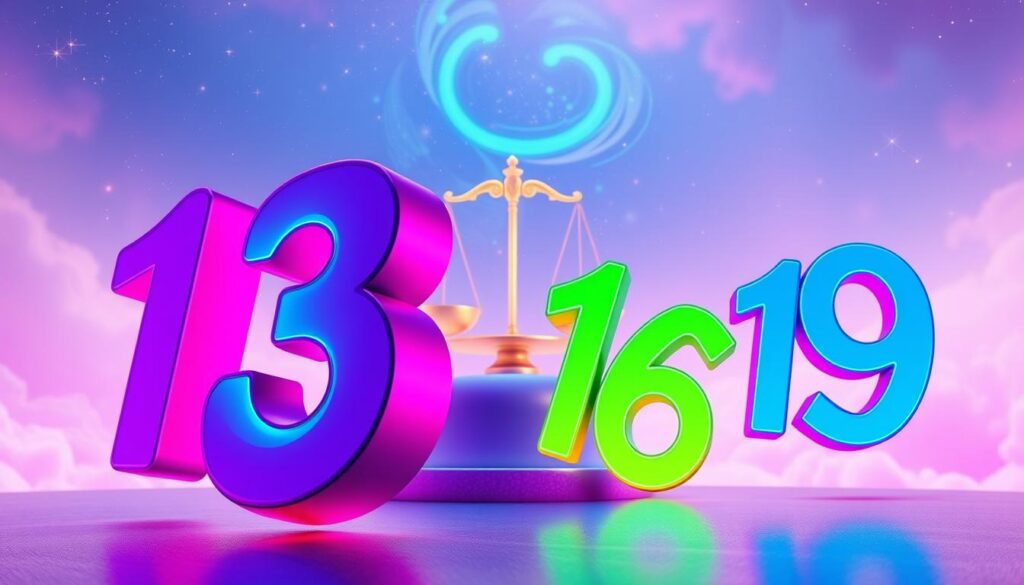
Numerology gives certain numbers a symbolic meaning, but it cannot prove a person’s character, future, or past life. Kaitlyn Kaerhart identifies 13, 14, 16, and 19 as the four commonly recognized karmic debt numbers. Use them as prompts for reflection, not as labels or judgments.
Selfishness and Responsibility
Number 13 points to themes such as laziness, selfishness, blame, stubbornness, and control. Its helpful lesson involves owning your actions instead of placing fault on others. Small, steady effort can support a healthier path.
Freedom, Self-Control, and Commitment
Number 14 relates to freedom without limits. It may reflect indulgence, poor self-control, dominating behavior, or trouble with commitment. Balance, honesty, and respect for personal boundaries can turn freedom into responsible choice.
Ego, Relationships, and Abuse of Power
Number 16 centers on ego, emotional distance, and repeated relationship problems. Number 19 is linked with manipulation, narcissism, public image, and abuse of power in karma traditions. Caring for others and considering the impact of your choices may encourage growth. For more context, explore this numerology guide.
How to Know Your Karmic Debt Number
Start with a numerology chart, then compare each unreduced total with 13, 14, 16, or 19. These numbers may offer a reflective prompt, not a fixed judgment about your life or karma.
Reading Your Numerology Chart
For an August 14 birth, add 8 + 1 + 4 = 13. Reduce 13 to 4 for the personality number, while keeping 13 as a possible karmic number. The birth day number uses only the calendar day. The personality number uses the month and day without the year.
For August 14, 2001, add every digit to reach 16. Then reduce 16 to 7, giving a life path number of 7. Kaitlyn Kaerhart treats 16 as the underlying number to review. This can help you know karmic debt without assuming it controls your path.
Checking Names and Core Numbers
Use the full name for the expression number. With the supplied chart, Jackson totals 19 and reduces to 1. For the soul urge, use consonants only. In Jane Doe, J + N + D = 10, which reduces to 1 and signals completion rather than debt. Treat each result as a tool for reflection, not a measure of moral worth.
| Letters | Value | Letters | Value |
|---|---|---|---|
| A, J, S | 1 | B, K, T | 2 |
| C, L, U | 3 | D, M, V | 4 |
| E, N, W | 5 | F, O, X | 6 |
| G, P, Y | 7 | H, Q, Z | 8 |
| I, R | 9 | Use totals before reduction | 13, 14, 16, or 19 |
A Practical Way to Repay Karmic Debt
Change begins with honest review, not fear or promises of instant spiritual rewards. Deganit Nuur explains that repaying karma is not as simple as being kind today because someone acted badly in the past. The aim is steady growth, safer relationships, and less harm.
Acknowledge the Patterns Behind Your Actions
Choose one repeating conflict and write down its trigger, your reaction, and its effect on other people. Then name one choice that could change the next outcome. Kaitlyn Kaerhart’s view of past-life behavior can support understanding, but it should never create shame.
Make Amends Without Expecting Anything Back
Consider an apology, repayment, correction, or honest conversation. Respect the other person’s right to stay silent. For example, replace manipulation with direct communication and follow through over time. Do not demand instant trust.
Practice Compassion and Keep Helping Others
Compassion includes accountability. Volunteer, listen, share useful support, or give generously without treating kindness as spiritual credit. This balanced approach can help you repay karmic debt while accepting that no award, holy place, or guaranteed result follows. Responsible choices matter more than repeating positive words.
Spiritual Practices That Support a Fresh Start
A fresh start can begin with simple practices that create space for honest awareness. Meditation helps you notice thoughts, feelings, and habits before they become harmful actions toward others.
Yoga, prayer, or quiet reflection may support steadier choices during a difficult lifetime. These tools do not erase karmic debt. Their value comes from guiding daily behavior toward care, patience, and repair.
“Om Mani Padme Hum” is a Sanskrit mantra linked with Avalokiteshvara and compassion. You may repeat it as a calm reminder to treat yourself and others with respect. Fasting or a personal ritual can also mark a change in course, but ethical conduct remains central.
- Pair reflection with honest conversations.
- Repair harm when it is safe and appropriate.
- Practice helping others without seeking spiritual credit.
Beliefs about karma, past lives, and several lifetimes differ across cultures. For broader context, the Centre of Excellence Religious Studies Diploma Course costs £29 and saves students more than £100. Learn with respect, then apply insight through consistent choices in this life.
| Practice | Helpful focus | Grounded next step |
|---|---|---|
| Meditation | Notice habits | Pause before reacting |
| Prayer or yoga | Build steadiness | Choose calm communication |
| Ritual or fasting | Create reflection | Make practical amends |
When Karmic Cycles Begin to Resolve
Change often starts in a quiet moment: you meet an old trigger and choose a new response. This does not promise instant healing or a fixed finish line. Yet steady choices can soften a repeating cycle and shape a healthier path.
How New Choices Can Break Repeating Cycles
Imagine a relationship that once led to silence, blame, or fear. A healthier response may include setting a clear boundary, speaking honestly, and leaving an unsafe situation. These actions do not erase consequences, but they stop the same pattern from directing your life.
Beliefs about karma offer no universal timetable. Some traditions describe resolution within one lifetime, while others include several lifetimes. Results may seem immediate, appear after years, or remain part of spiritual experiences beyond this life.
A karmic debt number may suggest a theme for reflection, but it cannot predict the date a cycle will end. Look for real progress instead: healthier relationships, changed behavior, and fewer repeated harms. Hope grows through practice, not dramatic signs.
| Old pattern | New response | Visible progress |
|---|---|---|
| Fear and silence | Honest communication | Clearer relationships |
| Unsafe attachment | Firm boundaries | Greater personal safety |
| Blame and control | Accountability | Fewer repeated harms |
Moving Forward With More Balance and Compassion
You can view karmic debt as a spiritual framework for noticing repeated behavior and taking responsibility. It does not define your worth or control your life. Let reflection guide kinder choices, not fear or shame.
Numerology numbers such as 13, 14, 16, and 19 may provide useful prompts. A karmic debt number cannot prove a past life or predict your future. The idea of karma can support reflection, while real change depends on daily behavior.
- Examine your choices with honesty.
- Make amends when it is safe and appropriate.
- Set healthy boundaries with others.
- Use meditation, prayer, or yoga to build awareness.
- Seek professional help when distress feels serious.
A balanced life grows through small steps repeated over time. Whether you see one life or many, choose actions that reduce harm and add care to the world. You can move forward with compassion, accountability, and hope.