
Amethyst has become a popular calming stone in modern wellness circles. Its connection to anxiety relief comes from spiritual practice and traditional use, not medical science. Many people turn to it when they want a quiet pause during a busy day.
This violet variety of crystalline quartz has a long history. Ancient cultures linked it with clarity, protection, and spiritual connection. Today, lithotherapy practitioners often include it in meditation, relaxation, and emotional balance routines.
This article explores practical ways to use amethyst for calm. You’ll learn how it may fit into routines for stress, sleep, meditation, intuition, and everyday comfort. Try holding the stone, wearing it as jewelry, placing it near your bed, or keeping it in a peaceful space.
Keep your expectations grounded. A crystal may support a soothing routine, but it cannot diagnose or treat an anxiety disorder. If worry affects daily life, talk with a qualified health professional.
Key Takeaways
- Traditional use connects this crystal with calm and clarity.
- It can add focus to meditation and bedtime routines.
- Simple options include holding it or wearing jewelry.
- It may support emotional comfort during stressful moments.
- It is not a replacement for professional mental health care.
What Is Amethyst and Why Is It So Popular?
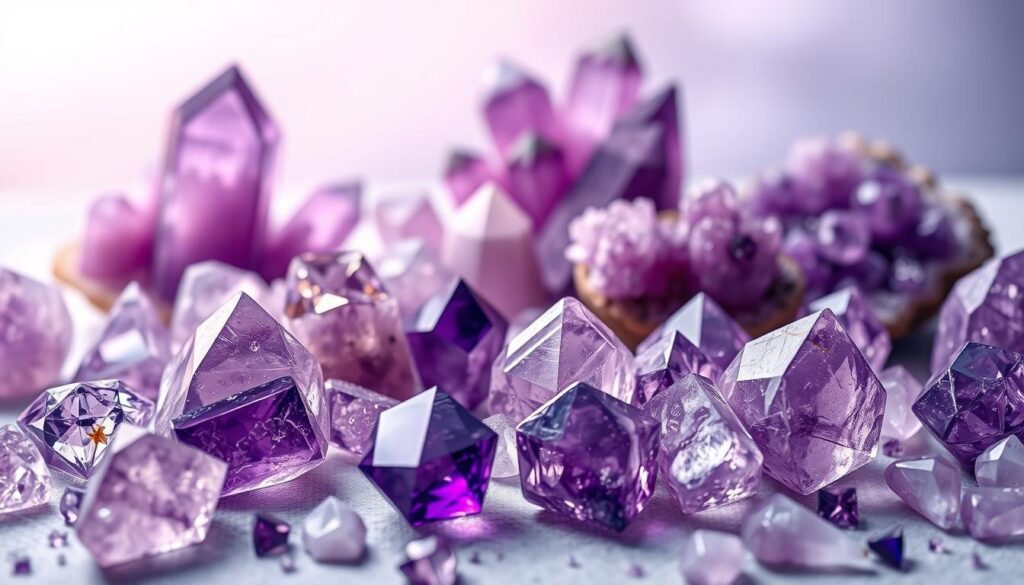
Its rich purple color makes this gemstone easy to spot in a jewelry case. It is a variety of crystalline quartz and belongs to the quartz family. With a Mohs hardness of 7, this durable stone suits rings, necklaces, and bracelets.
Amethyst’s Place in the Quartz Family
Quartz forms when silicon and oxygen join in a crystal structure. This variety is common enough for everyday jewelry, yet each piece can show a distinct pattern. Brazil, India, Russia, Canada, Bolivia, the United States, and Mexico all have notable deposits.
How Violet Hues Form in the Stone
The color range runs from pale lilac to deep violet. Iron levels, natural radiation, and trace elements shape these hues. Lighting can also change how the purple color catches the eye.
Sources often differ in appearance. Rio Grande do Sul in Brazil is a major supplier. Uruguay is known for intense violet material with blue undertones. Madagascar offers a broad variety, while Zambia produces smaller stones with strong color and clarity. Color, clarity, uniformity, and size influence value, with some pieces priced at $20 to $50 per carat.
| Source | Typical look | Common appeal |
|---|---|---|
| Brazil | Broad color range | Large supply |
| Uruguay | Deep violet hues | Blue undertones |
| Madagascar | Lilac to violet | Varied shades |
| Zambia | Saturated color | Clarity in smaller pieces |
Amethyst Benefits for Anxiety and Stress Relief
When a busy day feels overwhelming, a calming ritual can help create space to pause. Many people use amethyst as a visual anchor during stressful moments. Its deep violet color may remind you to slow your breathing and return attention to the present.
Creating a Calmer Mind
AGLAIA describes this crystal as traditionally soothing for stress and anxiety. Some practitioners believe its energy forms a protective bubble around difficult emotions. These traditional properties may support reflection, but they do not offer proven clinical healing or replace mental health care.
Amethyst also fits well with a simple grounding exercise. Hold the stone, name five things you see, and take several slow breaths. Then notice whether fear or frustration feels different before you respond.
Supporting Relaxation During Emotional Stress
The story of Dionysus in Greek mythology helps explain the gem’s long link with protection and sanity. Today, its calming benefits may come from the meaning people give it and the pause it creates. Use it as a gentle reminder, not a promise to stop anxiety.
How Amethyst May Support Better Sleep
A quiet bedtime ritual can help signal that the day is ending. For some people, this purple mineral adds comfort and focus to their sleep routine.
Using a Calming Stone Near Your Bed
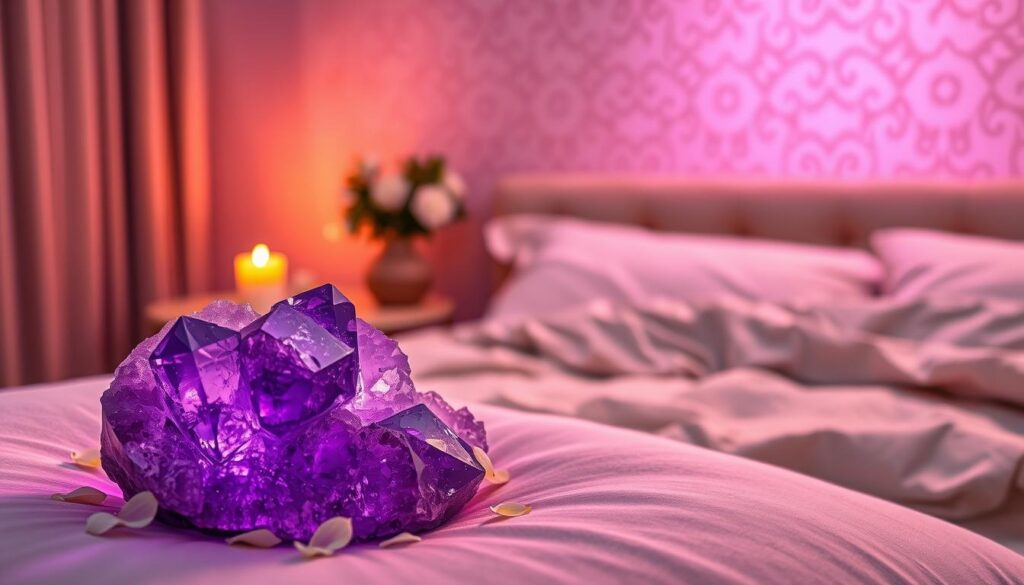
Lithotherapy traditions associate this stone with insomnia support and improved sleep quality. Practitioners also believe it may help prevent nightmares. These claims reflect spiritual practice, not proven changes in sleep physiology.
Place the amethyst crystal on a nightstand as a steady visual cue for winding down. Some people put it under a pillow, but a bedside surface may feel more comfortable and reduce pressure during the night. Explore these sleeping with this crystal ideas before choosing an approach.
Pair the ritual with proven sleep habits. Dim the lights, limit late caffeine, and keep a regular bedtime. Its calming role comes from personal meaning and perceived energy, rather than established healing evidence. If poor sleep continues, discuss it with a qualified healthcare professional.
Amethyst Benefits for Meditation and Inner Calm
A five-minute pause can turn a scattered routine into a steady moment of focus. Amethyst is widely used in meditation and spiritual practices, yet its value often comes from the meaning you give it. Treat it as a tactile reminder, not a promise of healing.
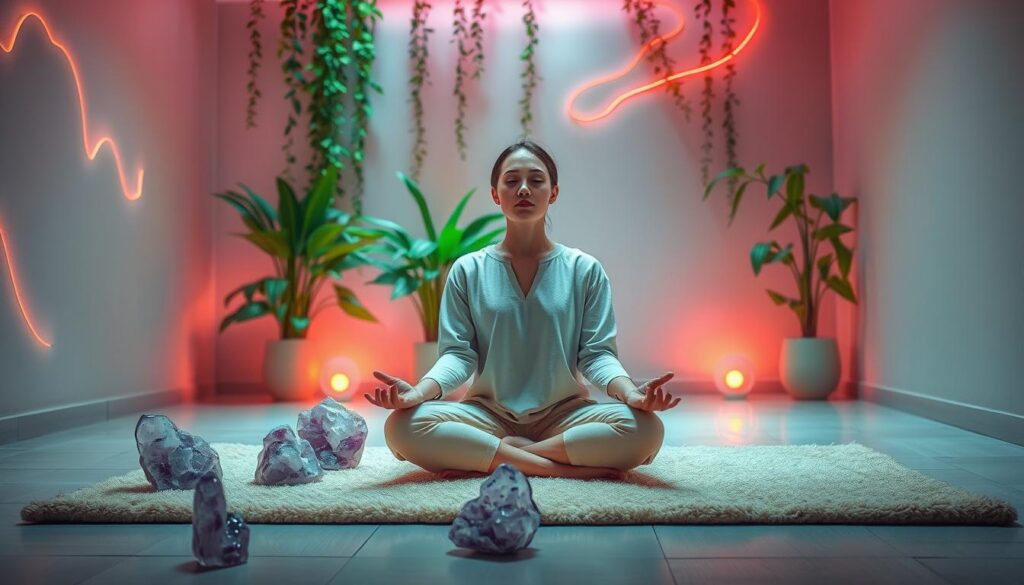
Holding a Small Stone During Meditation
To use amethyst, sit comfortably and hold a small crystal in one hand. Notice its shape, weight, and cool surface. When the mind wanders, return your attention to those details. Some practitioners place it over a selected chakra, while others keep it beside a yoga mat.
Small, repeatable actions can make calm easier to practice.
Pairing the Crystal With Breathing Exercises
Slow breathing gives your intention a clear pattern. Inhale for four counts, then exhale for six. Repeat this cycle for several rounds without forcing your breath. This simple practice may help you feel more present during stress, but it does not treat anxiety.
- Keep the stone near your mat or meditation seat.
- Practice at the same time each day.
- Notice changes in focus, mood, and energy.
These spiritual practices connect movement, breath, and reflection in a friendly daily ritual.
Intuition, Clarity, and the Third Eye Connection
Many people view this violet stone as a prompt for inner listening. In crystal traditions, the third eye represents reflection, intuition, and inner vision. It is a spiritual idea, not a physical eye or a proven medical system.
Amethyst and the Third Eye Chakra
Some people place an amethyst crystal on a selected chakra during meditation. They may focus on a question, feeling, or choice. Traditional properties connect this practice with intuition, psychic awareness, and subtle energy, but these claims do not replace professional advice or established healing care.
Reflection can reveal what constant mental noise tends to hide.
Supporting Reflection and Spiritual Awareness
To build clarity, sit quietly for two minutes. Write down your thoughts, then note patterns in your feelings and values. This simple habit can help the mind slow down and make intuition easier to notice. Its benefits come from focused reflection and personal meaning, with or without spiritual practices.
- Name the decision you face.
- Record your first emotional response.
- Review the note before acting.
| Practice | Focus | Grounded purpose |
|---|---|---|
| Hold the stone | Intuition | Notice feelings |
| Journal | Clarity | Find thought patterns |
| Pause and breathe | Third eye | Reduce mental clutter |
Amethyst and the Crown Chakra
Some spiritual traditions place the crown chakra at the top of the head. It symbolizes awareness, wisdom, and a sense of connection beyond daily concerns. This idea belongs to chakra teachings, not human anatomy or medical science.
The purple color of amethyst often supports this symbolism. Many people link its shade with quiet thought, spiritual connection, and universal consciousness. These traditional properties can give a personal ritual more meaning, without promising higher awareness.
Try a simple practice when you need a calm pause. Sit comfortably, relax your shoulders, and breathe at an easy pace. Hold the stone near your lap rather than placing it on your body. Let your attention rest on each breath.
Use chakra work as a reflection tool, not a guarantee.
Notice your thoughts without judging them. This gentle exercise may help you explore emotional balance and personal meaning. Its energy comes from the ritual, your focus, and the story you connect with it. The crown is a symbolic idea, while chakras remain part of spiritual traditions.
| Symbol | Traditional meaning | Grounded practice |
|---|---|---|
| Crown chakra | Awareness and connection | Quiet reflection |
| Purple color | Wisdom and spirituality | Visual focus |
| Breath | Balanced energy | Slow, relaxed breathing |
Physical Healing Properties People Associate With Amethyst
Physical healing claims often appear in crystal wellness guides. Some people believe this gemstone may ease pain, calm inflammation, support immune function, or improve sleep. These traditional healing properties are not medically proven.
Common Claims About Pain, Inflammation, and Energy
Supporters may place the stone near the body during rest or self-care. They may also describe its energy as soothing. Some skincare products use crystal themes and suggest exfoliation, better circulation, oxygenation, or collagen support. Those claims need reliable clinical research.
A comforting ritual can support wellness, but it cannot replace medical treatment.
Why Crystal Healing Shouldn’t Replace Medical Care
A crystal cannot repair tissue, treat an infection, or replace prescribed medicine. Its healing properties may offer personal comfort, yet that feeling is different from a proven medical effect. Consider crystal healing an optional ritual, not a cure.
Seek licensed medical advice for lasting pain, swelling, skin changes, sleep trouble, or other symptoms. A qualified professional can check the cause and recommend safe care. Keep these healing properties in the realm of tradition and personal meaning.
| Claim | Traditional view | Grounded choice |
|---|---|---|
| Pain or swelling | May feel calming | Seek clinical evaluation |
| Skin care | Linked with circulation | Check product evidence |
| Sleep or immunity | Associated with support | Follow medical guidance |
Ways to Use Amethyst in Everyday Life
Everyday objects can turn a calming idea into a simple habit. Choose a piece that fits your routine, then let it remind you to pause, breathe, and reset. This gemstone can add meaning without taking over your day.
Jewelry and Personal Accessories
Wear a ring, necklace, bracelet, or pair of earrings as a quiet cue during busy hours. Hair pins, brooches, barrettes, and cuff links offer less common options. The best choice is one you will use often. Treat it as a prompt for calm, not a promise of healing.
- Pick jewelry that feels comfortable for daily wear.
- Pause for three slow breaths when you notice it.
- Match colors and cuts to your personal style.
Geodes, Clusters, and Home Décor
Large geodes and polished clusters can bring visual interest to an office, bedroom, entryway, or quiet corner. Brazilian, Uruguayan, Madagascan, and Zambian material offers a wide variety of color, size, and clarity. Display crystals where natural light lets their details stand out.
A Space for Meditation or Yoga
Keep the stone near a meditation cushion or yoga mat. During spiritual practices, hold it or place it beside your setup. This steady location helps connect the crystal with breathing, movement, and focused energy.
Let the ritual support your attention, not replace practical care.
Amethyst Throughout History and Across Cultures
Few gemstones carry such a wide cultural story. From ancient Egypt to modern American gift traditions, this purple mineral has held many meanings throughout history. Its appeal blends beauty, belief, and careful craftsmanship.
The Greek Meaning Behind the Name
The name comes from the Greek word amethystos, meaning “not drunk.” Greek and Roman writers linked the stone with sobriety and believed it could protect against drunkenness. Archaeologists have also found Egyptian jewelry made with it that dates to about 3,000 BC.
These early examples show that quartz jewelry mattered long before modern wellness culture. Its deep violet color, natural hues, and spiritual connection helped it travel across regions and generations.
A Symbol of Royalty and Spirituality
In Medieval Europe, amethyst used in bishops’ crosses and religious ornaments represented piety, devotion, power, and protection. This practice inspired the nickname “Bishops’ Stone.” During the Renaissance, royalty and nobility favored the gemstone for its beauty and sacred symbolism.
Today, it remains one of February’s birthstones and often appears in Pisces-themed gifts. Its history reflects cultural meaning, not proven healing or special energy.
| Culture or era | Meaning or use | Lasting influence |
|---|---|---|
| Ancient Egypt | Jewelry by 3,000 BC | Early adornment |
| Greece and Rome | Sobriety and protection | Name origin |
| Medieval Europe | Religious devotion | “Bishops’ Stone” |
| Modern West | Birthstone and astrology | Gift traditions |
How to Clean, Store, and Care for Amethyst
Good care keeps a favorite piece bright and ready to wear. Regular cleaning also helps you spot loose settings, chips, or buildup around the stone.
Cleaning With Mild Soap and Water
Rinse the crystal with lukewarm water, then use a small amount of mild soap. A soft-bristle brush can lift dirt from small grooves. Avoid bleach, alcohol, and harsh chemical cleaners, which may harm the surface or jewelry setting.
- Wash gently for a short time.
- Rinse away all soap.
- Dry fully with a soft cloth.
Its Mohs hardness of 7 makes it suitable for jewelry, but harder materials can still cause scratches. For more tips, read this jewelry care guide.
Why Direct Sunlight Can Fade the Color
Prolonged direct sunlight may soften its violet color, especially beside a bright window. Keep it away from direct sunlight when possible. Store the stone alone in a soft cloth bag or lined box so it does not rub against other crystals.
Clean gently, dry completely, and store separately.
These simple steps protect its appearance and preserve the properties people value in crystal healing rituals.
Bring More Calm Into Your Day With Amethyst
Calm often grows from small habits, not dramatic changes. Add this stone to breathing practice, quiet reflection, meditation, or a peaceful bedtime routine. These benefits come from creating space to slow down and notice your needs.
The deep violet shade and purple color can serve as a gentle visual cue. When stress or anxious thoughts rise, pause for a few steady breaths. Let that moment bring a sense of clarity before you respond.
Wear a small crystal, keep it near your bed, or place it beside a yoga mat. Choose a variety that fits your style and care for it well. Other crystals can join the space if they feel meaningful.
Keep expectations grounded. Traditional healing properties and energy claims may support personal meaning, but they do not replace medical or mental health care. Use amethyst in the way that helps daily life feel a little calmer.