What if a miracle looked ordinary? It might be warm sunlight across the kitchen, a repaired dryer, a kind neighbor, or enough quiet time to breathe. These small moments already live inside daily life, yet a busy mind can miss them.
This simple two-minute gratitude practice helps you pause and notice what supports you now. You don’t need a perfect routine, costly tools, or a major change before the day begins. You only need a little attention and an open mind.
Research offers a reason to try it. In Martin Seligman’s gratitude visit study, direct appreciation led to strong increases in happiness and lower depression. The findings suggest that appreciation can shape your mood beyond one brief moment.
The idea also connects with The How of Happiness, excerpted with permission from Penguin Press in 2008. Follow each step now, then choose a rhythm that feels natural. You may practice gratitude daily, weekly, or whenever life feels crowded.
Key Takeaways
- A miracle can appear in an ordinary moment.
- The exercise takes about two minutes.
- You can begin without special tools or planning.
- Noticing good things can support happiness.
- Appreciation may improve mood over time.
- A daily or weekly rhythm can work.
Why a Gratitude Practice Can Change the Feel of Your Day
A short pause can shift your focus from pressure to support. It helps you see the good already present in daily life, even when stress feels loud.
How Attention Reveals Everyday Goodness
Psychology professor Robert Emmons defines gratitude as affirming goodness and recognizing how other people contribute to it. A bus that arrives on time, sunlight through a window, or help from family can become a meaningful reminder.

When you practice gratitude, you train attention to notice useful details. This simple exercise may soften difficult emotions and help relationships with friends, family, and coworkers feel more connected.
The Link Between Appreciation, Happiness, and Mental Health
Research links gratitude with better sleep, optimism, generosity, and less loneliness. The Greater Good Science Center calls it social glue for strong relationships. Martin Seligman’s study of gratitude visits also found short-term gains in happiness and mood.
Prathik Kini and colleagues found possible brain changes among depressed participants. These areas relate to emotion control, bonding, stress relief, and pain. This habit supports mental health, but it never replaces care from a qualified health professional.
What You’ll Need for This Quick Gratitude Practice
Starting this simple routine requires less than most morning habits. Set aside two quiet minutes, find a comfortable spot, and choose a tool that feels natural.

A gratitude journal can hold a list of up to five specific blessings. Paper, a phone note, or a small journal works well. You might also use a book, record a voice memo, or write a short letter. Each option gives you a useful way to notice what supports you.
- Choose a calm time, such as lunch, bedtime, or a morning break.
- Name a few meaningful things instead of searching for perfect answers.
- Skip writing if needed and quietly recall one good detail.
- Select formats and ways that feel easy to repeat.
“We write to taste life twice, in the moment and in retrospect.”
Reflection lets you experience a moment now and revisit it later. You do not need a daily entry. Writing one to three times each week may feel more helpful than forcing a flawless schedule. Keep this practice light, personal, and simple enough to continue.
Find a Quiet Moment to Pause and Breathe
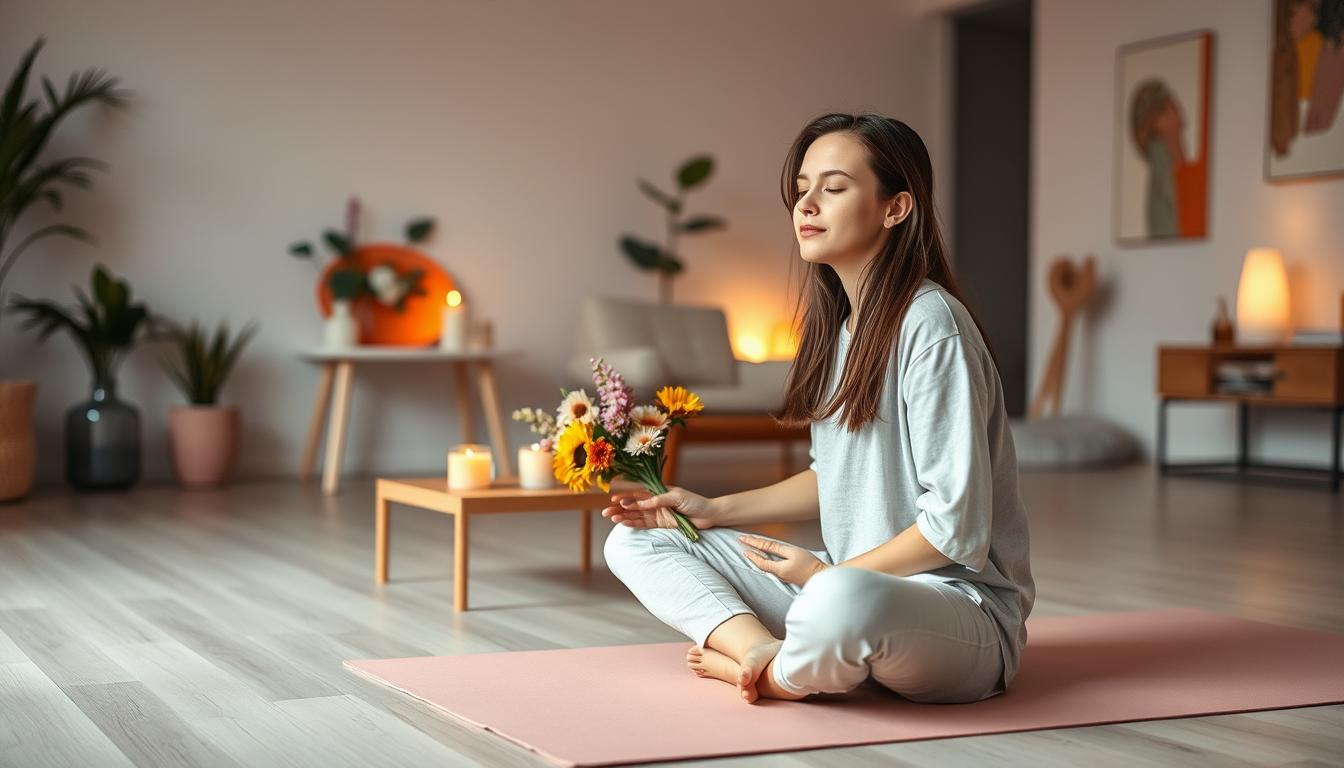
You can begin wherever you are. Lower your shoulders, unclench your jaw, and take a few comfortable breaths. There is no need to sit in a perfect pose or create complete silence.
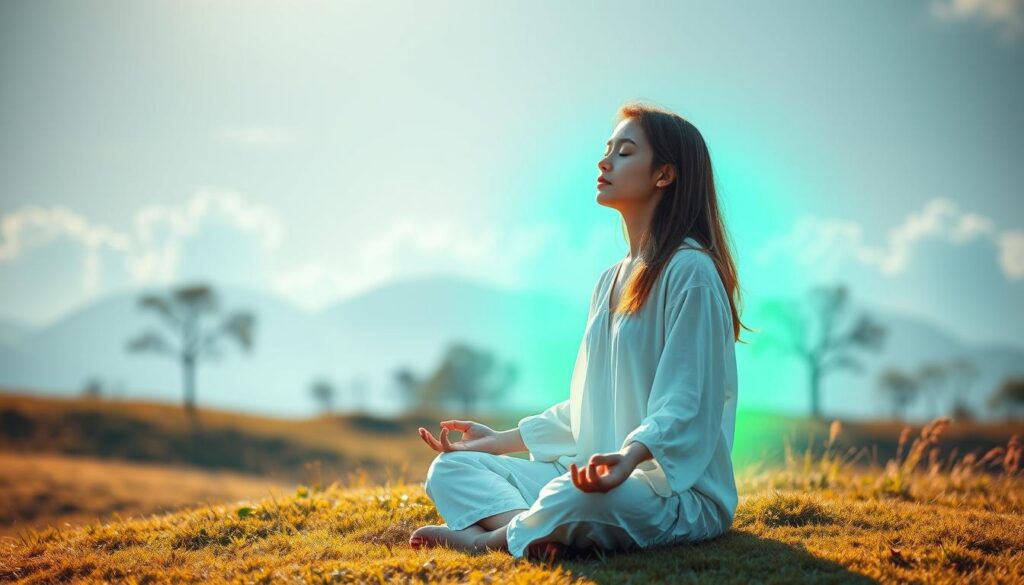
A steady breath gives a busy mind one clear point of attention. It can slow the urge to rush toward the next task and create space for a more genuine sense of gratitude.
Use Your Breath to Settle a Busy Mind
Try this gratitude practice at a desk, in the kitchen, or while resting in bed. Breathe in gently, then breathe out without forcing a deep breath. Let your body choose a pace that feels safe and easy.
Calm breathing may support stress relief and basic emotion control. It can also help you notice what your body needs. If sitting still feels uncomfortable, sway, stretch, or take a slow walk instead.
This short pause cannot solve every health concern. Still, it can help you arrive in the present moment. After a few breaths, name one good detail from your day and allow gratitude to feel personal rather than automatic.
Name One Thing You Appreciate Right Now
Let your attention land on one ordinary detail that feels good or helpful. This step makes gratitude personal. Choose what stands out in this moment, not what sounds impressive.

Choose a Small, Specific Detail
Write one clear sentence in your list. “My sister called after work” gives your mind more to feel than “I’m grateful for family.” You might mention warm coffee, clean sheets, a repaired dryer, or flowers finally blooming.
Specific details also capture kindness at different times. Maybe a bus arrived on time, a coworker brought soup on Tuesday, or a stranger held the door open. These small blessings can make a hard day feel less heavy.
Include a Person, Place, or Simple Comfort
Think of a friend’s voice note, a favorite park, a good meal, a pet, or a book. You can also name a time you moved through something difficult. Appreciation does not require you to pretend that every part of life feels good.
Try this sentence: “I appreciate my friend’s message because it made today feel less lonely.” This simple way to practice gratitude honors people, relationships, and the support others bring.
Feel the Gratitude Instead of Rushing Through It
Give the feeling a few breaths before you move on. Notice whether your jaw softens, your chest feels warmer, or your shoulders drop. These quiet signals show how appreciation can touch your body and emotions.
Stay with that sense of connection instead of checking your phone or returning to work at once. It may feel like calm relief, a small smile, or a lighter mood. It does not need to feel dramatic to matter.
A laboratory study found that people who wrote letters for 15 minutes once a week for eight weeks reported substantial gains in happiness. This result suggests that repeated attention may offer more benefits than one isolated exercise.
Brain networks linked with appreciation also relate to stress relief, pain reduction, and emotional regulation. Nicole, an undergraduate student, said rereading her letter quickly made her happier and less stressed during a frustrating task.
- Pause for several slow breaths.
- Notice one body signal.
- Let the feeling settle before moving on.
A two-minute gratitude practice is a starting point, not a promise to erase stress or replace needed health support. Let the experience be honest, gentle, and easy to repeat.
Let Your Senses Reveal More Reasons to Be Thankful
A familiar room can offer fresh details when you slow down enough to notice them. Sensory awareness brings gratitude into everyday life without needing a special event or much time.
Notice What You Can See, Hear, Touch, Smell, and Taste
Move through the five senses in a relaxed way. Spot one color, listen for music or children laughing, feel a warm blanket, notice coffee’s scent, and taste each bite. You may hear a pet nearby or the quiet rhythm of someone’s breathing.
- Look at sunlight, plants, design, or art in your place.
- Listen to near and distant sounds.
- Feel wood, fabric, a pet’s fur, or warm water.
- Notice a fresh scent or a favorite flavor.
Savor an Ordinary Moment Like Coffee or a Favorite Book
Hold a mug, read a page, or enjoy a meal slowly. Consider the people, work, and resources behind it. This small act of appreciation can soften emotions and make one part of the day feel richer.
When words feel flat, use other ways to capture gratitude. Take a photo, make a collage, or paint with watercolor. Each sense can turn an ordinary thing into a meaningful reminder.
Express Appreciation to Someone in Your Life
A kind message can turn a private feeling into a meaningful connection. Choose one person and name the support that made your day, week, or life better.
Send a Short Thank-You Text or Note
Write what the person did and how it affected you. Try, “Thanks for checking on me after my appointment. Your call helped me feel less alone.” A text to family, friends, a teacher, coach, neighbor, or coworker takes less than two minutes.
Specific appreciation strengthens relationships because people can see the impact of their actions. It may also lift happiness, ease stress, and support mental health.
Try a Gratitude Letter When You Have More Time
With paper or a blank document, describe one memory and its lasting effect. Martin Seligman’s study found that gratitude visit participants felt happier and less depressed. Benefits remained after one week and one month. One former student even thanked a Deer Park High School English teacher more than 30 years later.
You can practice gratitude through words, time, help, gifts, or touch. Match your message to the person’s preferred love language.
| Love language | Simple gesture | Example |
|---|---|---|
| Words | Send a note | “You encouraged me.” |
| Quality time | Share a meal | Invite them for coffee |
| Acts of service | Offer help | Handle one useful task |
Turn the Practice Into a Gratitude Journal Habit
Writing can help ordinary moments stay visible after they pass. Anaïs Nin described it as a way to experience life both now and in memory. A gratitude journal offers that pause, but it should never feel like homework.
Use paper, a private note, or a digital file. Record up to five things, with one entry about a person or event in clear detail. “My coworkers brought soup on Tuesday” gives your mind more to recall than a general list of blessings.
- Name what happened.
- Explain why it mattered.
- Notice how your emotions changed.
You can also try subtraction. Imagine life without a helpful person, safe place, valued ability, or familiar comfort. This view may reveal support you often overlook.
Research suggests writing one to three times per week may work better than forcing a daily schedule. One study asked participants to write letters for 15 minutes each week for eight weeks, with gains in happiness.
Your journal can include sketches, photos, or art. Revisit a letter and ask what you received, what you gave, and how your feelings shifted. This flexible gratitude practice can support mental health without requiring perfect writing.
Keep Gratitude Fresh Without Forcing It
A flexible routine can keep appreciation sincere instead of turning it into another task. Change your focus often, and allow your schedule to guide the process.
Change Your Focus Across Family, Friends, Work, Health, and Nature
Move beyond the same list of things. Consider a family member, a helpful coworker, a health improvement, a peaceful view, or a past challenge you overcame. Ask, “What did I receive today?” or “Who made something easier for me?”
- Monday: supportive relationships
- Wednesday: work or personal progress
- Friday: nature, comfort, or health
- Weekend: lessons from a difficult time
Choose a Rhythm That Fits Your Life
Research found weekly writing most likely to boost happiness on average. Still, a daily pause, three times each week, or twice-monthly reflection may suit others better. Use a gratitude journal after work, during a weekend, or when you need emotional space.
Vary the format, too. Try a conversation, a walk, a photograph, or a direct message. These simple ways to practice can protect the benefits from routine fatigue and support healthier relationships.
Simple Ways to Practice Gratitude Beyond Writing
Appreciation can fit into your day without a notebook or long reflection. Small cues and kind actions help you notice support in fresh ways.
Use Visual Reminders and Gratitude Prompts
Place one thing on your path that invites a pause. Try a mirror note, calendar alert, wallet card, photograph, or favorite quote. Artwork, a book page, or a note inside your lunch bag can also bring helpful thoughts to mind.
If writing is not your style, explore these guided exercises. Choose a reminder that feels natural, not demanding.
Try a Gratitude Walk, Kind Act, or Creative Project
Take a short walk and notice trees, neighborhood sounds, or a helpful person. Text friends, offer an errand, shop locally, or give an honest compliment. You might take a photograph, make art, build a music playlist, or cook slowly.
Movement, quiet rest, and a digital break can support health, too. Small eco-friendly choices, such as LED bulbs or cold-water laundry, extend care to others and the planet. Smiling and saying thank you may also support positive feelings linked with dopamine and oxytocin.
| Option | Simple action | Best moment |
|---|---|---|
| Reminder | Leave a note on a mirror | Before work |
| Connection | Send a kind text | During a break |
| Creative reset | Take a photo or make art | After dinner |
Carry the Feeling of Gratitude Into the Rest of Your Day
A calmer outlook can travel with you long after the timer ends. During errands, meals, work, or quiet moments, notice one helpful detail and let it guide your next choice. A quick thank-you to a person who helps can turn a two-minute gratitude practice into warm connection.
When stress clouds happiness, return to a letter, paper note, photo, or sensory memory. Take a few breaths and name what it brings to mind. This small act may steady emotions, lift mood, and support relationships over time.
There is no perfect schedule. You can practice gratitude by writing, walking, speaking, making art, resting, or appreciating others. Research links appreciation with health benefits, but personal care still matters. For extra support with daily choices, explore these money-saving ideas.
One specific good thing may not change every circumstance. Yet it can shape what your mind notices and how the rest of your day unfolds.