

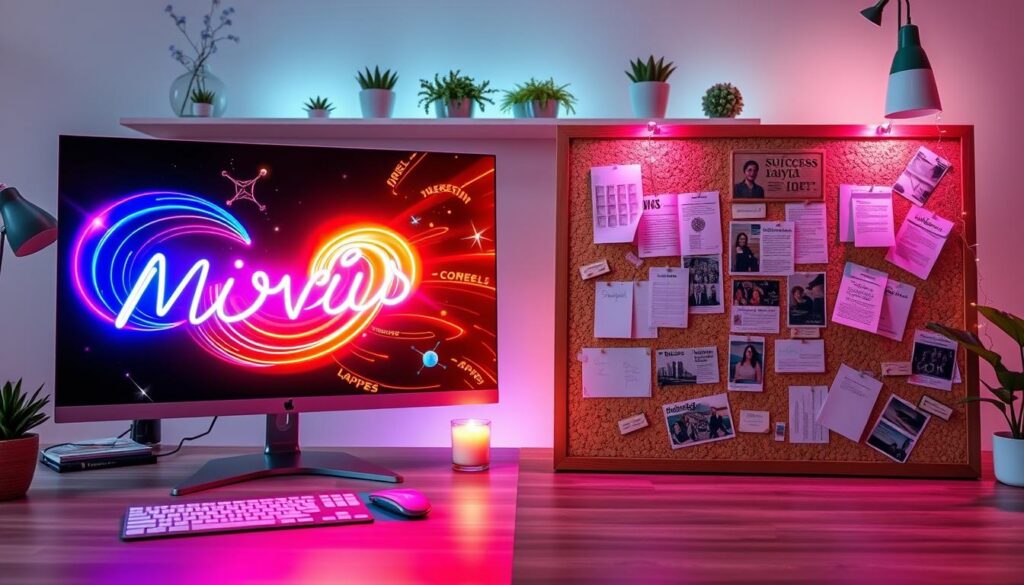
Kath Kyle describes a mind movie as an animated digital vision board. Instead of sitting still, it brings photos, words, music, and emotion together in one short video. That moving format can make a dream feel more vivid and easier to revisit.
A two-minute movie can fit into a busy day without adding much work. It places your goals, vision, and daily choices on one screen, giving your brain a clear reminder of what matters. You can watch it in the morning, during a break, or before bed.
Kyle reports that two items in her own mind movie appeared in less than one week. Her experience is encouraging, but results vary. Visualization works best when it supports practical steps, steady choices, and a clear plan for life.
This guide explores mind movies manifestation as a simple practice. You’ll also see how to build one with free Google Slides or Canva, without expensive software. The “10X faster” title is an engaging comparison, not a promise, and the process may work differently for each person.
Key Takeaways
- A mind movie turns a static vision board into an animated digital experience.
- A short two-minute video can support focus during a busy day.
- Images, text, music, and emotion can make goals feel more personal.
- Google Slides and Canva offer simple, low-cost ways to create one.
- Visualization is most useful when paired with practical action.
What Is Mind Movies Manifestation?
Mind movies manifestation is a digital vision practice. It turns photos, short videos, affirmations, and music into a brief slideshow. The goal is to make a desired future feel more vivid and personal.

Unlike a paper board, a mind movie uses movement and sound. Each scene can guide your attention toward a goal, value, or part of life you want to explore. A two-minute video often gives enough time to feel engaging without becoming hard to watch.
How a Digital Board Becomes Video
You can create mind content with one slide at a time. Add personal images, a short phrase, and a visual that carries meaning. This simple process makes the experience feel less like a task and more like a story.
The Role of Images, Affirmations, Music, and Emotion
Natural Brain STAMPs use words you would genuinely say. For example, “I am building a calm, secure home” may feel more useful than a forced affirmation. Music can deepen emotion and help the scene stay memorable. The subconscious may notice repeated cues, but results still depend on real choices.
- Images: show what matters.
- Words: clarify the vision.
- Sound: adds emotional weight.
| Element | Purpose | Simple Example |
|---|---|---|
| Image | Creates a clear scene | Photo of a welcoming home |
| Affirmation | Expresses a goal | “I choose steady progress” |
| Music | Supports feeling | Calm instrumental track |
Why Mind Movies Can Feel More Powerful Than Vision Boards
A still board offers a quick visual reminder. A mind movie adds audio, text, changing images, and video on one screen. This flow may make a goal feel more vivid because it guides attention instead of asking you to picture every detail alone.
The effect can resemble a television ad. Repeated scenes, words, and music keep a product in view. In the same way, a short movie can bring goals back into focus during daily life. A two-minute format also feels easy to absorb.
Jessica Massey shared that home images helped her notice a dream neighborhood after one week of daily viewing. The house offer was not accepted, however. Her story supports emotional engagement, not proof that manifestation or the law of attraction caused the result.
- Vision boards: offer a simple, visible reminder.
- Moving videos: add rhythm, sound, and atmosphere.
- Both: can support a useful mindset when paired with action.
The best choice depends on your routine. A board can stay on a wall, while a movie creates a more active viewing experience.
| Format | Main Strength | Best Use |
|---|---|---|
| Vision board | Constant visual access | Daily room reminder |
| Mind movie | Sound and movement | Focused two-minute practice |
The Science Behind Mind Movies and the Subconscious Mind
The science behind this practice involves attention, memory, and emotion. Joe Dispenza helped popularize digital visualization by linking associative memory with new brain patterns. His idea of “reverse memories” describes future scenes imagined with enough detail to feel familiar, not guaranteed results.
How Repetition Helps Your Brain Notice Opportunities
The Reticular Activating System acts like an attention filter. Think about buying a blue car. Soon, blue cars seem to appear everywhere. The cars were already there, but your brain now notices them. Repeated affirmations can work in a similar way by directing attention toward useful choices and goals.
How Neuroplasticity Shapes New Thought Patterns
Neuroplasticity means the brain can adapt through repeated experiences. Watching a mind movie may reinforce a hopeful mindset, especially when its words feel believable. Still, the process does not create physical results by itself. Daily actions help turn a vision into reality.
Why Emotion Helps Goals Feel More Real
Positive emotions can make a scene more vivid and memorable. One short movie may help connect an affirmation with a desired life change. This can support manifestation as a reflection tool, while practical decisions remain essential.
How to Create a Mind Movie for Free
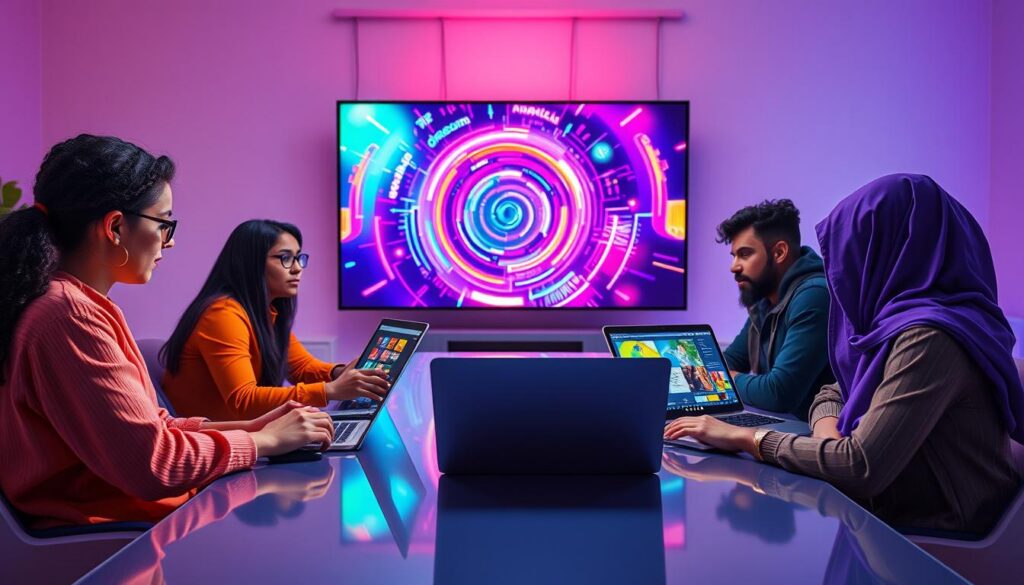
A free slideshow can turn a personal vision into a focused video without costly software. Google Slides works with any Gmail account through Google Drive, which includes free cloud storage. Canva, iMovie, Windows Movie Maker, and Animoto also offer useful editing options.
Build a Simple Slideshow With Google Slides or Canva
- Visit drive.google.com, select New, choose Google Slides, and open a blank presentation. Delete the default boxes for a clean first slide.
- Find reusable images with Google Images. Under Tools, select a Creative Commons license filter. Add photos that match your goals, dream, or daily life.
- Duplicate the slide. Use Insert and Text box to place a natural affirmation over each image. Adjust the font color and size for easy reading.
- Add audio through Insert. Set it to play automatically, loop, and continue by disabling Stop on slide change.
For a quick result, follow Jessica Massey’s Canva format: an introduction of 15 seconds and category slides of 15 seconds each. Her project stayed under 90 seconds. You may also create a longer video of three to five minutes. Choose the time that feels easy to watch.
How to Choose Images, Videos, Affirmations, and Music
Choose content that feels personal, vivid, and easy to believe. The best mind movie uses images that place you inside the scene, not photos that invite jealousy or comparison. Pick visuals that reflect your own vision, values, and preferred way of life.
Short videos can help the brain stay engaged when movement adds meaning. Use your own clips or licensed videos to avoid copyright problems. Keep each slide focused, with one idea and a few photos rather than a crowded board.
Write affirmations in words you would say aloud. “Money is flowing in at the moment” may feel more natural than “I’m rich.” A believable affirmation supports focus without making legal claims or promising results. Use emotions as a guide, not proof of manifestation.
Choose music that creates a clear feeling, such as happiness or calm. Jessica Massey used “Good Day” by Forrest Frank for her project. Your music should match the tone of the movie and feel enjoyable after several minutes.
| Content | Helpful Choice | What to Avoid |
|---|---|---|
| Images | Personal, inspiring photos | Jealousy or comparison |
| Videos | Short licensed clips | Unclear copyright |
| Affirmations | Natural, believable words | Forced claims |
| Music | Emotionally fitting songs | Distracting tracks |
How to Use Your Mind Movie as a Daily Practice
A simple viewing routine can keep your goals visible without taking over your schedule. Treat the practice as a short reset, not a test of belief or a promise of manifestation.
When to Watch Your Movie
Watch in the morning after waking to set a clear focus for the day. You can also watch at night, before bed, when your home becomes quieter. Jessica Massey viewed her movie every evening for one month after putting Everly to bed. Her video took less than two minutes.
A Google Drive shortcut on your phone can remove extra steps. Save it near your daily apps, then press play when you have a calm moment. Consistency matters more than a perfect schedule.
How to Stay Emotionally Connected Without Overthinking
Let the images and affirmations create a gentle feeling. You do not need to force excitement, analyze each scene, or feel guilty when a day gets busy.
“Use the practice to guide your choices, not to replace them.”
After viewing, take one useful step. Reply to an opportunity, update a plan, or complete a task that supports your desired life. This turns visualization into steady action.
Let Your Mind Movie Support Real Progress Toward Your Goals
Let your vision guide a useful choice each day. A mind movie can give your brain a repeated picture of the life you want, yet reality changes through decisions, habits, and steady effort.
Keep the process simple. Use clear goals, personal images, believable words, and music that fits your routine. Kath Kyle says two items appeared within a week, but her story is personal experience, not a promise of manifestation. Jessica Massey’s neighborhood example also suggests that focused attention can help you notice options that once faded into the background.
Start with one short video in Canva or Google Slides. Watch it for a few minutes or less, then refresh it as your priorities change. Pair inspiration with a practical step, such as using this guide to save money. When your vision feels honest, it can support progress without replacing action.