

The 1951 animated film Alice in Wonderland follows Alice as she chases the White Rabbit and tumbles down a rabbit hole. That strange journey now inspires the alice in wonderland method, a visualization practice tied to reality shifting.
Reality shifting gains attention among young people on TikTok and other social platforms. The trend focuses on imagining movement from current experiences toward a desired reality. This article also gives context from Deauna Nunes, an associate editor for YourTango. Her source article, published August 30, 2022, helps explain why this practice has drawn so much interest.
You will explore each step, from meditation and a comfortable bed position to choosing a guiding person or animal. The process also uses a locked door and the feeling of falling asleep. Still, keep expectations grounded. The source notes that this method may not work for every person during the first attempt. Treat it as a personal visualization exercise, not an advertisement or a promise of instant change.
Key Takeaways
- The practice draws inspiration from Alice Wonderland and the White Rabbit.
- Social media helps explain its growing popularity.
- Visualization guides attention toward a desired reality.
- The process includes meditation, comfort, and sleep.
- Results can vary from person to person.
What Is the alice in wonderland method?
This practice uses the opening scenes of the 1951 animated story as a guide for reality shifting. Instead of relying only on scripting, it turns a familiar rabbit chase into a focused visualization. A person, pet, or wild animal from your desired reality may take the rabbit’s role.

How the Rabbit Hole Visualization Works
Start with 10 to 15 minutes of meditation. This quiet time can help settle busy thoughts, but it isn’t a guarantee. Social media also features the raven method and julia method among popular shifting methods. Each approach gives people a different path toward imagined realities.
Why Affirmations and Desired Reality Imagery Matter
Clear imagery gives your attention something steady to follow. Try affirmations such as:
“I am now shifting.”
“I am now in my desired reality.”
Some people report floating, sweating, blurry vision, body detachment, or a falling feeling. These symptoms are reported signs, not requirements or proof. A missing sign doesn’t mean the practice failed. Treat the experience as personal visualization, never as an advertisement or promise.
Prepare Your Mind and Bed Before Shifting
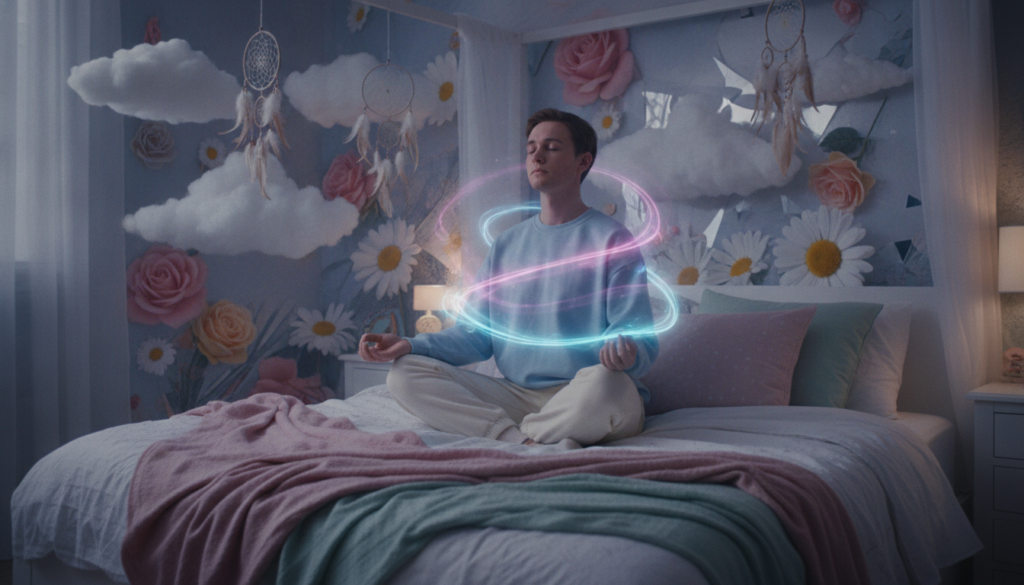
Start with a calm setting before trying this method. Set aside 10 to 15 minutes for meditation, then let your breathing slow. A quiet routine helps you focus without treating the practice as an advertisement or a promise.
Meditation, Comfort, and Body Position
After meditation, choose a comfortable bed position. Lying on your back may work well, but no single position guarantees a result. If your arms feel strained, place a pillow between them. A second pillow can support your knees or neck.
The starfish position remains optional. Your body should feel relaxed, not forced. You can also explore a staircase or piano image, yet neither detail is required. A staircase may lead toward a new scene, while a piano may add sound. The raven method and julia method offer other ideas, but this method should fit your needs.
Keep your focus gentle. Picture a staircase, hear a piano, or return to a staircase when thoughts drift. Your current reality remains your starting point, not a problem to escape. Read this reality-shifting guide for added context.
| Preparation choice | Simple guidance | Purpose |
|---|---|---|
| Meditation | 10 to 15 minutes | Settle busy thoughts |
| Position | Back or another comfortable pose | Relax the body |
| Visual detail | Staircase or piano | Support focus |
Visualize the Path Into Your Desired Reality
Let your imagination create a calm path toward a chosen desired reality. Keep your physical body relaxed on the bed, and let each scene form at its own pace. This wonderland method works best as gentle visualization, not an advertisement or a promise.

Meet the Person or Animal From Your Desired Reality
Picture your back against a tree. A trusted person, pet, or wild animal from your desired reality appears nearby. Follow the guide as it walks, then runs toward a rabbit hole. Let the scene feel natural rather than forced.
Follow Them Through the Rabbit Hole
Step through the hole and imagine a fall. Photos or videos from your desired reality may appear along the walls. As the rabbit leads you, recite affirmations:
“I am now shifting.”
“I am now in my desired reality.”
Use the Door, Key, and Bedroom Scene
When the fall ends, picture a small room with a table, key, and locked door. The same guide waits nearby. Let it open the door and lead you toward your desired reality bedroom. Recite affirmations again, then enter desired reality without pressure.
| Scene | Focus | Reminder |
|---|---|---|
| Tree | Calm setting | Relax your back |
| Rabbit hole | Guided movement | Use gentle imagery |
| Door | Bedroom arrival | Follow the guide |
Finish the Method by Falling Asleep in Your DR
Once you reach the desired reality bedroom, lie down on the imagined bed and let yourself fall asleep. Keep the same body position you used while resting on your physical bed. This shared position can create a calm link between your current reality and the imagined scene.

Before your focus fades, review the path at an easy pace. Picture the key, the open door, the room, and the journey through the hole. Then see yourself arrive at the bedroom. You may recite affirmations once more, but they offer support, not a promise or advertisement.
Next, allow the scene to soften as you fall asleep. The source presents waking afterward as the point where you fully enter desired reality. Treat that ending as part of the visualization, since people experience realities differently. If sleep comes without a shift, you can still view the practice as a peaceful bedtime exercise. There’s no need to force your body or repeat the method beyond your comfort.
Keep Exploring Reality Shifting Without Pressure
The alice wonderland method turns meditation, a tree, and a trusted guide into a path through a rabbit hole. It then uses a door and a bedroom scene to help you enter desired reality. Keep the story gentle and personal.
If nothing happens the first time, do not feel discouraged. Practice may take time. Floating or a falling feeling can be personal signs, not fixed rules or proof. Affirmations may support focus, but they are not an advertisement for guaranteed results.
Explore other reality shifting methods at a comfortable pace. A piano, familiar room, or simple sensory detail can add interest. Learn more about reality shifting while remembering that people experience realities differently. Let curiosity guide your attention, and choose what feels safe. You do not need to force shifting or spend a lot of time on it. Patience matters more than pressure.