

Feeling tense? Start with a ten-second slow-breathing reset. Inhale gently, then exhale a little longer. This simple pause can calm the body and create space for a better choice.
This guide explores practical ways to shift mood and inner energy. You’ll find ideas involving breathing, movement, nature, food, and gratitude. Each one offers a small way to make the day feel lighter and more focused.
Spiritual growth may not happen in one dramatic moment. New York City-based writer and artist coach Cari Cole reported moving from 250, linked in her account with courage, to 525, linked with love, across six years. She also said she was born at 100, which she associated with fear. That honest story shows how hard experiences can shape an inner life while growth unfolds over time.
Use these ideas as gentle support, not a cure. They may help build a steadier feeling and encourage success, but serious mental or physical concerns deserve care from a qualified professional.
Key Takeaways
- A ten-second breath reset can help during stressful moments.
- Small daily habits may support a calmer mood.
- Growth often happens through steady practice.
- Nature, movement, food, and gratitude can influence well-being.
- Professional help matters when concerns feel serious or persistent.
What It Means to Raise Your Frequency
In spiritual communities, frequency and vibration describe a person’s mood, outlook, or sense of inner energy. They are not proven medical measurements. Still, this language can offer a useful way to notice habits that support calm, hope, and success.
Frequency, Vibration, and Everyday Energy
Dr. David R. Hawkins was an author, clinician, physician, scientist, and consciousness researcher. His books, Power vs. Force and The Map of Consciousness Explained, shaped the framework that Cari Cole cites. Alejandro Ferradas and Elena Bensonoff also reported personal vibrational readings using scalar-wave measurements. These ideas remain outside standard medical testing.

Why Thoughts, Food, and Surroundings Matter
Cole connects thoughts, food, surroundings, and daily habits with a person’s perceived level of energy. Colorful vegetables, uplifting reading, time in nature, and supportive routines may help someone feel more grounded. They do not guarantee a change in consciousness.
Cole said her personal level moved from 250 to 525 over six years. Her story presents frequency as a belief system tied to growth, reflection, work, and life experience—not a promise that one practice can change the whole world or body.
The Ten-Second Breathing Reset
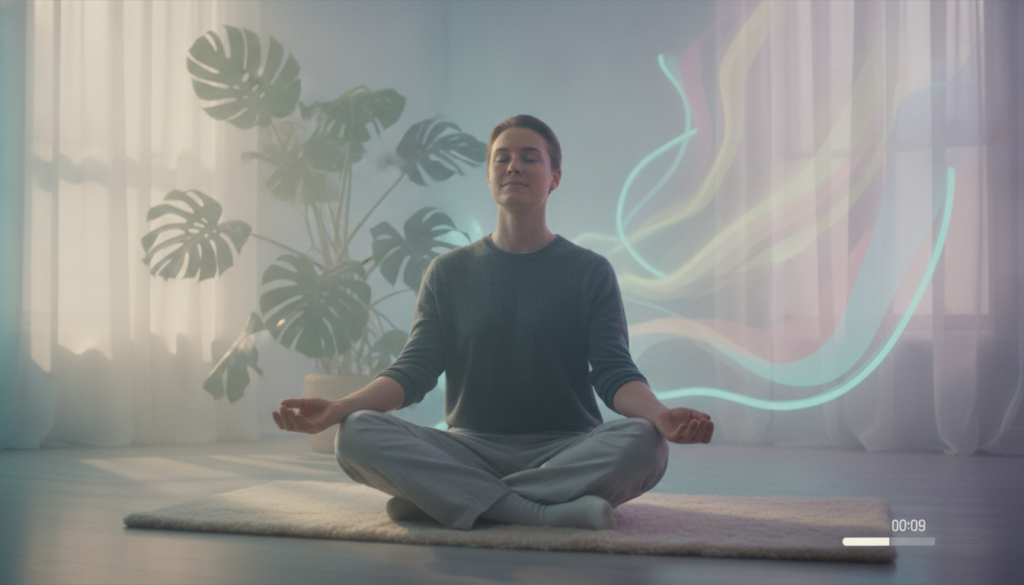
A calm pause can change what happens next. This simple practice uses one gentle cycle to slow the mind and create room before a stressful reply or sudden worry.
Place both feet on the floor. Inhale softly for five seconds, then exhale for five seconds. Notice the chest, shoulders, and belly without forcing a deep breath or a dramatic spiritual experience.
One cycle may be enough to give the body a quiet pause. Use it before opening a difficult email, joining a tense conversation, or choosing the next action. This is one of the simplest ways to raise vibration through steady attention.
“Let the breath be easy, not perfect.”
How to Use Slow Breathing in the Moment
Repeat the cycle for a few minutes if it feels comfortable. The practice can fit beside meditation, prayer, or a short break at work. It may support a calmer sense of energy, vibration, and personal frequency, but it does not promise instant change.
Some people also use an Epsom salt foot bath for up to 20 minutes as a separate relaxation option. Stop breathing exercises if dizziness, pain, or trouble breathing appears. Seek appropriate medical guidance instead of pushing through discomfort.
| Step | Timing | Focus |
|---|---|---|
| Inhale | 5 seconds | Gentle, steady breath |
| Exhale | 5 seconds | Relaxed release |
| Pause | As needed | Choose the next action |
Shift Your Energy With Gratitude
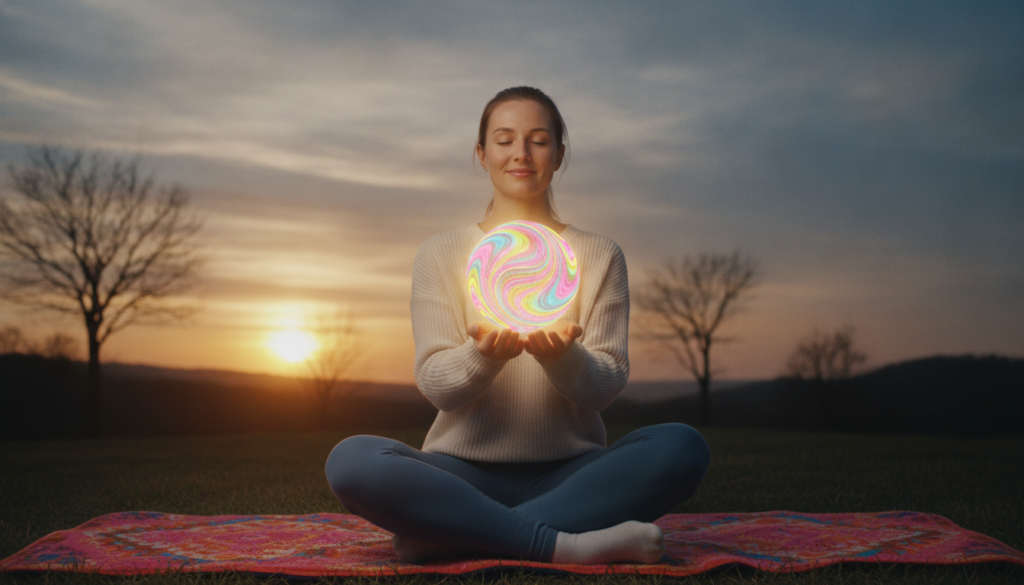
Gratitude can turn attention toward support without ignoring what hurts. It does not erase stress, grief, or anger. Instead, it helps the heart notice one steady detail in the middle of a hard day.
A short practice can fit into the morning or evening. Keep a note on a phone or beside the bed, and practice gratitude with three specific things. Name a person, place, or small comfort that mattered.
A Quick Practice Gratitude Exercise
- Write one kind act from friends or family.
- Record one simple comfort, such as sunlight or a favorite meal.
- Choose one moment that brought calm, laughter, or connection.
Finding Something Good on a Difficult Day
Practice gratitude for one week, even when the feeling seems far away. A small note can sit beside sadness or loss. No one must pretend that life feels easy.
To add love and kindness, send a sincere message or offer practical help. This gentle action can support other people while creating a warmer sense of connection.
Open the Windows and Refresh Your Room
Sometimes, a few simple changes can make a familiar space feel lighter. When weather and air quality permit, open two windows for several minutes. Fresh air can change the mood of a room and help clear stale smells.
Next, wipe dusty mirrors and remove cobwebs from corners. These small tasks reduce visual irritation and make the house feel more welcoming after a long day. A tidy place may also support calm energy without any mystical promise.
For a gentle scent, try a simple positivity spray. Mix cooled water with ten drops of lavender essential oil and ten drops of lemon essential oil. Some recipes add a small amount of vodka or gin to help the oils blend, but this mixture is not a cleaner or disinfectant.
Use care before spraying throughout the home. Check essential-oil safety around children, pets, allergies, and asthma. Label the bottle, keep it out of reach, and test a small area first.
“A refreshed space can make a fresh start feel easier.”
Choose one easy way to reset the room today. Even opening a window or clearing one surface can make the space feel more comfortable.

Move Your Body to Release Stuck Energy
Gentle movement can help shift attention when the mind feels crowded. It may loosen tension, support steady energy, and create a more positive sense of vibration. Choose an option that fits the current body, health, and available time.
Try Dancing, Walking, Yoga, or Stretching
Start with one song. Dance in the kitchen or living room without changing clothes or planning a workout. Music can make movement feel playful. A short walk, five-minute stretch, or gentle yoga flow also works well during a busy day.
- Park farther away and add a few walking minutes.
- Take a walk during lunch when the schedule allows.
- Try yoga, swimming, hiking, running, or rebounding.
- Use light weights for simple strength work.
For a slower pace, try yoga once in the morning and yoga again before bed. A third yoga session can fit on a flexible day. Stop if pain, dizziness, or unusual breathlessness appears. Movement can help raise vibration, but it cannot solve every medical or mental health concern alone.
Choose Food and Water That Support Your Body
What you eat and drink can shape how steady you feel. Instead of chasing a quick fix, choose simple options that nourish the body and fit real life.
Colorful Fruits and Vegetables
Build meals around berries, leafy greens, peppers, carrots, and tomatoes. Fresh herbs, raw produce, and organic choices can add variety when they suit your budget. The phrase high vibrational food belongs to spiritual language, not medical science. A balanced eating pattern offers a more practical goal.
Limit highly processed food when possible, but avoid strict rules that leave you tired or discouraged. Try one manageable change for the next week, such as adding vegetables to lunch or keeping fruit nearby.
Hydration Without the Hype
Keep a bottle of plain water close during the day. It can support normal body functions without the sugar found in many drinks. Spring water or glass-bottled options, such as Aqua Panna, may appeal to some people, but costly bottled water is not required.
Drink to comfort and thirst rather than forcing large amounts. Spend a few minutes planning meals and filling a reusable bottle. Small choices can support energy throughout life without promising a change in consciousness.
Use Music, Singing, and Sound to Lift Your Mood
Turn an ordinary task into a tiny concert. Play one song that feels fun, sing along, or hum while making coffee. This easy habit can shift attention and help raise vibration during a busy routine.
Music can change emotion quickly, but each person responds in a different way. A cheerful playlist may feel high vibrational to one listener, while another may prefer soft piano or rain sounds. Let comfort guide the choice.
Some spiritual audio guides suggest 432 Hz or 528 Hz tracks. These options may suit a personal listening ritual, yet no frequency can promise healing or a guaranteed spiritual result. Try a track for a few minutes and notice the response.
Other formats include isochronic beats, binaural beats, and guided meditation around 400 Hz or higher. These sounds may support focus or relaxation for some people. For more ideas, explore this guide to music-based vibration practices.
Keep the volume comfortable and stop if the sound causes discomfort. The best choice is the one that leaves the mind calmer, lighter, or more engaged.
| Sound option | Simple use | Possible goal |
|---|---|---|
| Favorite song | Sing or move along | Lift mood |
| 432 or 528 Hz track | Listen during quiet time | Personal ritual |
| Binaural beats | Use with headphones | Support focus |
| Guided meditation | Follow a short session | Encourage calm |
Spend Time in Nature
Outside, ordinary places can become quiet settings for a mental reset. A backyard, park, trail, beach, or small patch of grass can offer a break from screens and indoor noise. Spend time outdoors without chasing a dramatic result.
Simple Ways to Connect With the Outdoors
Sit on the grass and notice clouds, leaves, birds, temperature, and nearby sounds. You can also walk through a neighborhood park or take a slow trail walk. Let each step bring attention back to the present.
Try a brief gratitude meditation by silently thanking the land, weather, or people who care for the local place. Melissa Hiemann, co-founder of The Centre for Healing, has highlighted nature as a supportive part of personal wellness. This practice may help create a grounded feeling in daily life.
If a beach is nearby, walk beside the water and watch the tide. Far from the coast, a shady street or quiet garden can offer a similar pause. Light yoga, slow breathing, or simple observation can fit this outdoor ritual.
Choose safe conditions. Check heat, storms, allergies, wildlife, and mobility needs before leaving home. The goal is a gentle connection with the natural world.
| Outdoor option | Simple practice | Helpful focus |
|---|---|---|
| Backyard or grass | Sit and observe | Grounding |
| Park or trail | Walk at an easy pace | Screen break |
| Beach | Watch the water | Quiet reflection |
Protect Your Attention From Draining Influences
What fills the mind can shape the tone of a day. Attention needs care, much like sleep and meals. A steady media plan can leave more energy for work, rest, and real connection.
Rethinking News, Gossip, and Negative Content
Check news at one planned time instead of opening alarming headlines throughout the day. Then choose other input, such as documentaries, educational audio, or comedies.
Uplifting magazines, inspiring books, and positive podcasts can also add balance. These options do not ignore serious events. They simply prevent fear-heavy content from taking over every part of life. If gossip begins, change the topic or step away.
Creating Healthier Boundaries With People
Notice how people affect mood: calm, tense, hopeful, or depleted? One hard conversation does not make someone toxic. Look for patterns, then set a clear limit.
- Mute a group chat during focused work.
- Postpone a debate until emotions settle.
- Say no to plans when energy feels limited.
- End gossip with a polite change of subject.
Supportive friends can make demanding seasons easier. Choosing healthier input is one practical way to raise vibration while protecting peace.
Clear Your Home of Low-Energy Clutter
Some spaces feel harder to enjoy when old items keep pulling attention. Begin with one small room or a single surface, not the whole home. Remove things that bring sadness, annoyance, or guilt each time you see them.
Sort usable belongings with care. Donate, recycle, or sell items that no longer fit life. Broken objects, stale paperwork, old desktop files, and gifts that no longer belong in the house offer simple starting points. Keep useful items, and let the rest go without self-criticism.
- Clear one surface with a ten-minute reset.
- Wipe mirrors and remove cobwebs.
- Plan one focused decluttering session each week.
A cleaner place may change how a space feels and help restore a sense of energy. It is not a cure for emotional distress. If sadness or anxiety remains strong, consider speaking with a qualified professional.
An Epsom salt foot bath for up to 20 minutes may feel relaxing for some adults. Avoid it during pregnancy, and ask a pharmacist first if medications or diagnosed disorders apply. A tidy house can make the home feel more welcoming.
Practice Meditation, Prayer, or Quiet Reflection
A quiet ritual can create space for calm, focus, and personal meaning. Choose a form that fits current beliefs, needs, and available time. It may help raise vibration, but it is not a cure or a substitute for licensed care.
Breathing and Mindfulness for a Calmer Mind
Try two to five minutes of quiet sitting, candle watching, shower awareness, or slow breathing. Mindfulness means returning attention to present sensations. An empty mind and perfect posture are not required.
If sitting feels stiff, gentle yoga can help the body settle first. A peaceful room, much like a Zen house setting, may also support focus.
Visualization and Connection With Your Higher Self
Prayer, white-light imagery, or connection with a higher self may feel meaningful for some readers. Visualize soft white light around the body, then rest with the feeling of safety. Others may prefer a simple candle or a reflective book.
Dr. David R. Hawkins founded the Path of Devotional Nonduality and directed The Institute for Spiritual Research, Inc. His books explored consciousness, including spiritual views of frequency. Hawkins died in 2012. These ideas remain personal frameworks, not medical proof or guaranteed healing.
| Option | Simple focus | Suggested length |
|---|---|---|
| Quiet sitting | Notice sensations | 2–5 minutes |
| Candle watching | Follow a steady flame | 2–5 minutes |
| Prayer or imagery | Connect with meaning | As comfortable |
Bring More Joy, Love, and Creativity Into Life
Joy often returns through small acts that feel honest. Make one thing today: a song, sketch, poem, meal, photograph, or handwritten note. Creative work can bring focus to the day and help the heart feel open again.
Cari Cole has worked with artists for 38 years as a songwriter, vocal coach, artist development expert, and A&R director. Her work shows how music, art, and writing can support identity, purpose, and a sense of success. Even ten minutes with a book or pen can reconnect a writer with a forgotten dream.
Choose connection over performance. Spend time with friends and people who welcome honest conversation, laughter, and affection. A kind message, sincere compliment, or offer of help can make love feel practical. Self-acceptance matters too; it gives personal power a gentle place to grow.
Try these simple steps:
- Open books that once inspired curiosity.
- Laugh with someone who helps life feel lighter.
- Practice one creative skill before bed.
- Help another person without expecting praise.
Happiness does not need to look impressive. It only needs to feel real.
| Small action | Possible benefit |
|---|---|
| Write for ten minutes | Clearer self-expression |
| Share a laugh | Stronger connection |
| Make something by hand | Fresh focus |
When Raising Your Frequency Feels Difficult
Some seasons feel heavy, and that does not mean anything is wrong with you. Grief, burnout, depression, anxiety, illness, and major change can affect mood, energy, and the body. No one can maintain a bright mood every day.
When distress lasts, professional help is a valid form of healing. Cari Cole recommends talk therapy, Internal Family Systems, and neurofeedback as possible tools. Choose qualified providers, and focus on mental health rather than blaming yourself for a low frequency.
Making Space for Healing and Support
Rest, sleep, self-care, and self-acceptance may support a balanced life more than chasing a constant frequency. A therapist can help people understand difficult thoughts and build safer ways to cope. Meditation or yoga may offer comfort, but neither must become another task to perfect.
Choosing Small Practices You Can Keep
Pick one gentle practice for the next week: take a five-minute walk, complete one breathing cycle, or clear one surface at home. A calmer house can help, but progress may look modest. If mood changes, troubling thoughts, or physical symptoms continue, contact a qualified health professional.
Carry the Higher Vibration Into Your Day
Begin with the ten-second breathing reset. Inhale gently, exhale slowly, and notice the body before choosing the next step. This pause can help raise vibration in a simple, grounded way.
Blend gratitude, nature, water, music, meditation, yoga, and supportive routines into an ordinary day. Try one song, then enjoy a second piece of music if it helps. Explore more practical ways to shift vibration. The phrase frequency describes a personal spiritual view, not a proven health level. Keep what supports a steadier mood and leave the rest.
Choose one repeatable action linked to a dream, caring relationship, creative project, or healthier habit. With practice, it can shape consciousness and bring a kinder frequency to the heart, the world, and each day. A better way forward is not perfect happiness. It is meeting life with patience and care.