
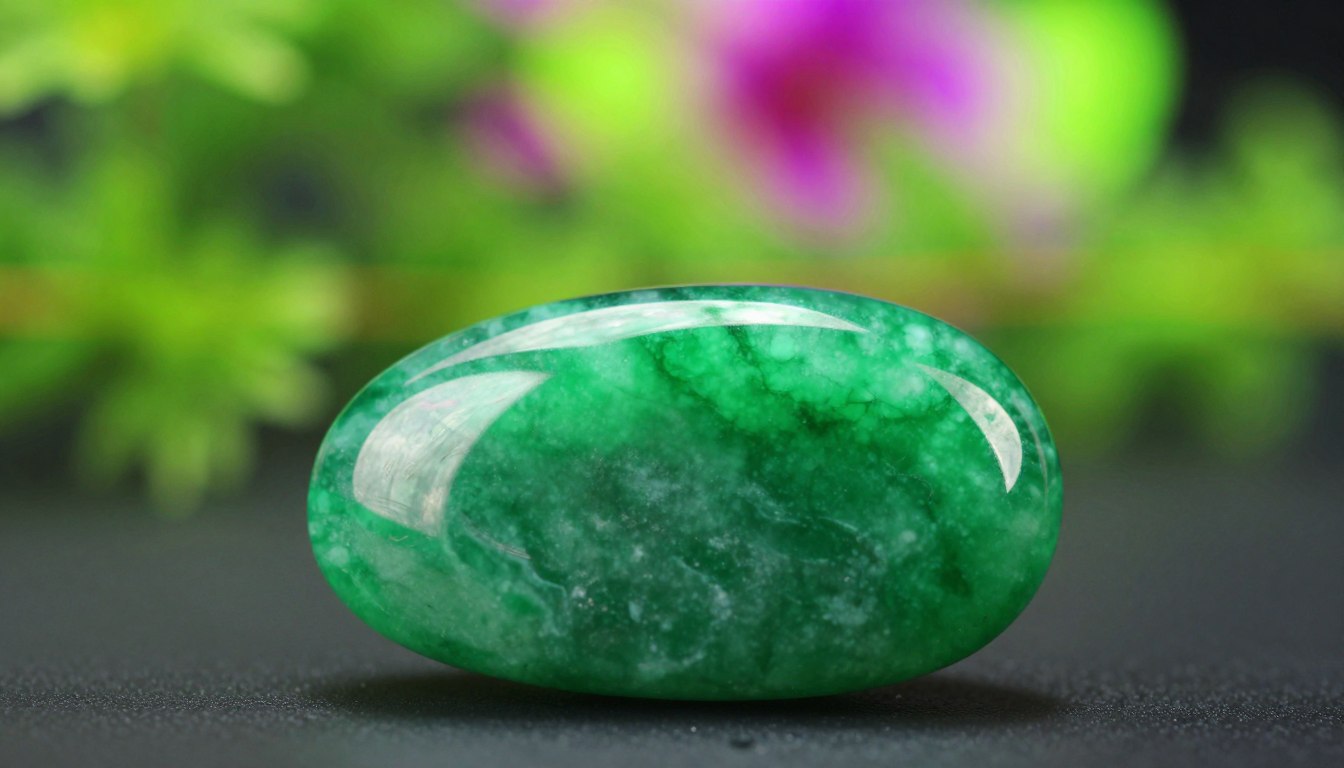
Jade stone benefits draw attention because this treasured gem has long been linked with luck, grounding, emotional healing, and prosperity. In many traditions, people turn to it when they want calm energy and a stronger sense of purpose.
Carol Boote describes jade as a symbol of fortune, steady growth, and maturity in relationships. She also connects it with courage and love as people work toward their dreams. These ideas reflect spiritual tradition, not proven medical facts.
For nearly 6,000 years, cultures around the world have shaped, worn, and treasured this gem. That history gives its meaning depth before we explore how people use it today.
This guide separates cultural beliefs, crystal practices, and evidence-based health information. You’ll learn how to recognize, wear, place, clean, and thoughtfully use this gem while keeping realistic expectations about healing, good luck, and prosperity.
Key Takeaways
- Jade carries a long history across many cultures.
- Traditions connect it with fortune, love, and grounding.
- Carol Boote links it with courage and emotional maturity.
- Crystal practices differ from evidence-based health care.
- You’ll discover simple ways to wear, place, and clean it.
- Its spiritual meaning can support personal reflection.
What Is Jade Stone and Why Is It Linked to Prosperity?
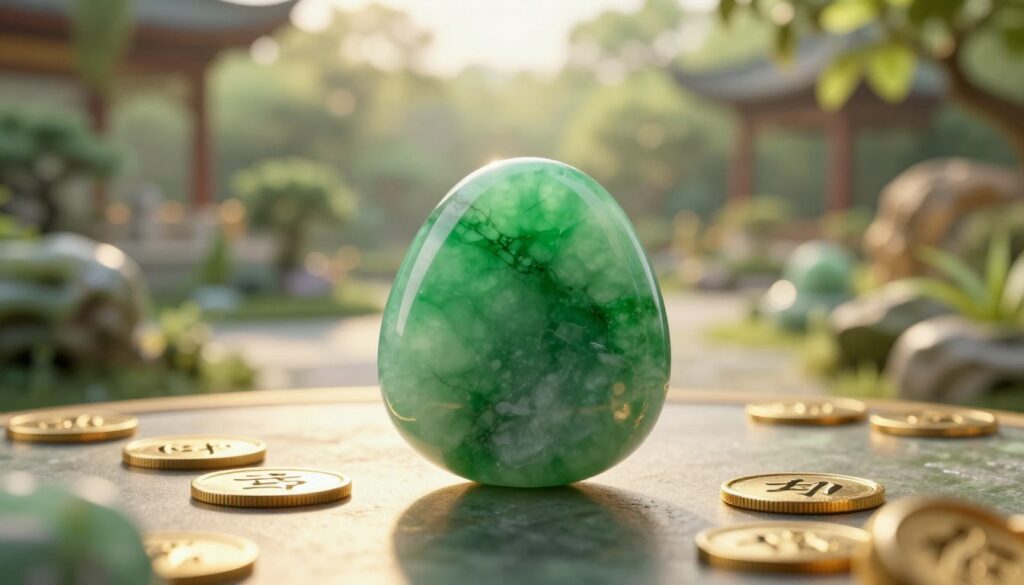
This gemstone has two mineral forms, so its color and value can vary. Its long history also gives its symbols a rich cultural meaning.
Jadeite and Nephrite Explained
Jadeite is a sodium aluminum silicate. It is rarer, harder, and more lustrous than nephrite. This makes fine jadeite highly sought after.
Nephrite is a calcium magnesium silicate. It is more common and may appear creamy white, olive green, brown, or black. Both types jade share strong, durable properties, but they differ in chemistry and appearance.
How It Became a Symbol of Luck and Happiness
People have valued jade for nearly 6,000 years. China has honored it throughout recorded history, while other cultures also used it in jewelry, statues, ritual objects, and lucky carvings.
These items helped connect the gem with happiness, protection, and prosperity. Those ideas reflect tradition and personal belief, not proven medical effects. For many people, wearing this stone offers a meaningful reminder of hope and steady goals.
| Type | Mineral makeup | Common traits |
|---|---|---|
| Jadeite | Sodium aluminum silicate | Rare, hard, lustrous |
| Nephrite | Calcium magnesium silicate | Common, durable, varied shades |
Jade Stone Benefits for Luck, Wealth, and Good Fortune
Prosperity rituals often turn a meaningful crystal into a daily reminder of growth. Traditional beliefs connect this gem with luck, confidence, and a hopeful approach to money. These ideas offer reflection, not a promise of financial results.
Green Jade and Abundance
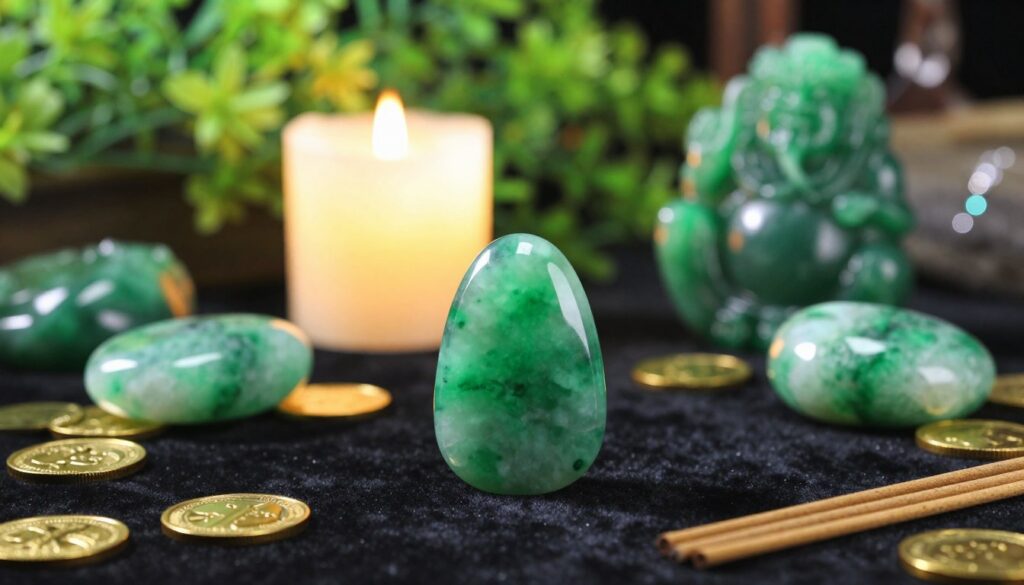
Green jade represents renewal, steady growth, and material prosperity in many crystal practices. Its soft energy may inspire patience while you set work goals, review spending, or plan a business venture. Some people also connect its properties with emotional healing and a positive money mindset.
Feng Shui Placement for Prosperity
Feng shui traditions recommend placing a prosperity piece in the southeast corner of a home or workplace. This area relates to wealth and good fortune. A disk with a central hole may symbolize access to heavenly support.
Jade Talismans for Business and Money
A fish or frog holding a coin is another popular symbol of good luck. Use it as a prompt to read contracts, weigh risks, and make calm choices. Carol Boote also links this tradition with creative money use and business confidence.
- Set clear income and work targets.
- Track purchases each week.
- Keep the piece near a desk as a practical reminder.
The History and Cultural Meaning of Jade
Across time, this treasured gemstone has carried different meanings in different communities. Its story includes art, ceremony, protection, status, and a close connection with life.
Jade Traditions in China
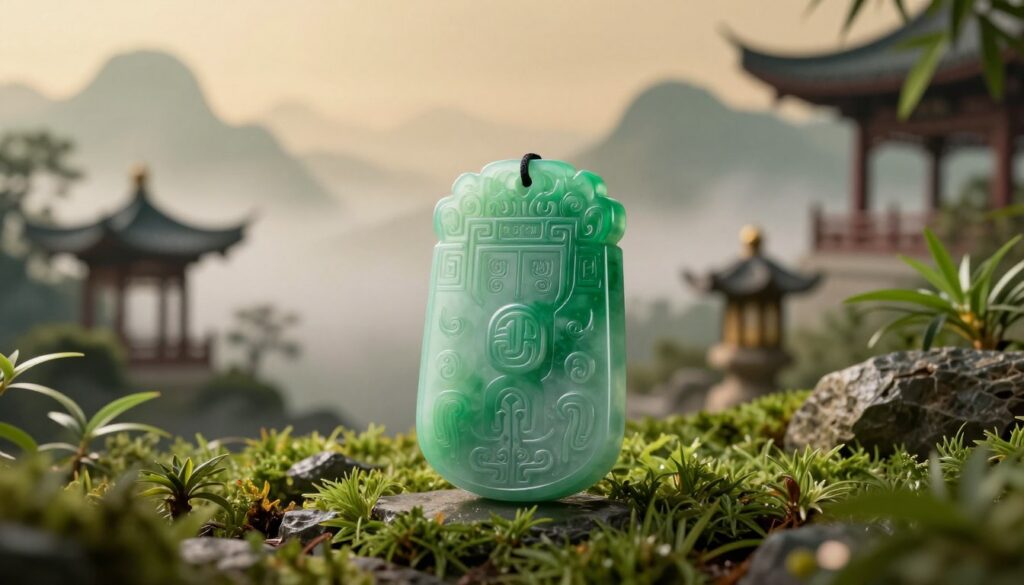
Chinese cultures have valued this material for thousands of years. Artisans shaped jadeite and nephrite into vessels, incense burners, beads, pendants, statues, and burial objects. Some traditions also linked it with healing and protection.
These uses show how meaning can change with context. A pendant may express family ties, while a ritual object may honor ancestors or spiritual values.
Jade in New Zealand and Mesoamerican Cultures
In New Zealand, Māori communities used greenstone to decorate masks and create offerings connected with water spirits. In Mexico and Central and South America, Indigenous cultures carved the gemstone into deity masks and ritual artifacts.
Spanish explorers called it piedra de ijada, or “stone of the loin or flank,” due to older kidney and bladder associations. These traditions are distinct, yet stones often reflect protection, ceremony, and social identity.
| Region | Traditional use | Cultural theme |
|---|---|---|
| China | Vessels, beads, burial objects | Honor and protection |
| New Zealand | Masks and offerings | Water and ceremony |
| Mesoamerica | Deity masks and ritual art | Spiritual identity |
Jade Stone Properties and How to Recognize Genuine Jade
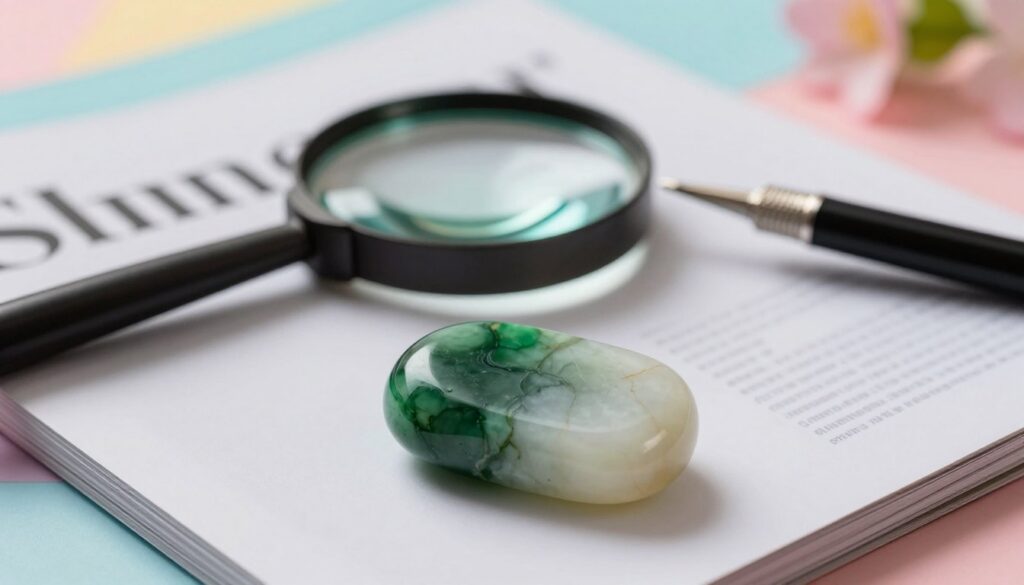
Appearance offers useful clues when you assess this gemstone, but no home check can confirm authenticity. Color, texture, translucency, and surface glow all shape its visual meaning and value.
Color, Luster, and Translucency
Natural material may look opaque, lightly translucent, or softly glowing. Shades include white-gray, leafy green, blue-green, lavender, pink, red, orange, greenish-black, and black.
Look for a cool, smooth, soap-like feel. A flashlight may reveal a gentle glow through thinner areas. Small pits or rough spots can occur naturally. By contrast, a perfectly uniform surface deserves closer inspection.
Why Jadeite and Nephrite Look Different
Jadeite is usually harder and brighter, while nephrite often shows a smooth polish with a waxy sheen. These traits explain why the two mineral forms can appear so different.
Imperial jade describes translucent emerald-green material colored by chromium. It is the rarest and most valuable variety. For a confident result, ask a qualified gemologist to perform professional testing.
Green Jade Healing Properties for Calm and Balance
Many crystal traditions view green jade healing properties as a gentle path toward calm, balance, and grounding. People may hold this jade stone during stressful moments when they want a quieter mind and a steadier heart.
Carol Boote associates green jade with tranquility during difficult situations. Still, scientific research does not confirm that its energy produces healing effects. These ideas describe spiritual practice rather than medical fact.
Traditional sources connect jade with the spleen, kidneys, bladder, skeletal system, and fertility. Such claims do not mean the crystal can diagnose, prevent, or cure illness. It cannot replace qualified medical advice or treatment.
Try simple comfort practices that support reflection:
- Hold the crystal during slow breathing.
- Place it beside a journal during quiet time.
- Use it as a reminder to pause and reset.
These rituals may add comfort to daily life, while professional care addresses health concerns. Use the object alongside treatment, never instead of it.
Emotional Healing, Self-Love, and Relationship Harmony
Emotional healing can begin with honest reflection. Carol Boote says jade may support maturity, self-love, and self-acceptance. Jade also gives people a simple reminder to face hard feelings instead of hiding behind perfection.
Honesty and Self-Acceptance
Traditional sources call this stone a dream stone. They say its calming energy may ease irritability and quiet negative thoughts. These healing properties describe spiritual beliefs, not medical treatment. Still, the practice may help clear the mind and encourage kinder choices.
Peace in Love and Family Life
Green jade traditionally represents trust, fidelity, and steady love. People may use jade while journaling about guilt, self-criticism, or family tension. A small stone can prompt slower talks, active listening, and greater harmony.
- Write one honest feeling each day.
- Pause before answering during conflict.
- Choose kindness over perfection.
These rituals may support emotional healing, but counseling remains the right choice for deep distress. Explore more practical crystal meaning and care.
| Practice | Helpful reminder | Relationship focus |
|---|---|---|
| Journaling | Name feelings | Self-acceptance |
| Slow breathing | Calm the heart | Patient listening |
| Quiet talks | Speak with care | Family harmony |
Jade and the Heart Chakra
Many people use the heart chakra as a simple map for connection, boundaries, and emotional balance. Chakra traditions place this center near the middle of the breastbone. They link it with compassion, trust, and the ability to give and receive care.
In these practices, green jade is a traditional crystal for balancing the heart chakra. Its calming symbolism may encourage peace, harmony, openness, and thoughtful self-reflection. These energy concepts describe spiritual beliefs, not proven medical therapy or guaranteed healing.
Some traditions say an unsettled heart chakra can appear as controlling others, feeling controlled, or reacting sharply to small problems. The idea invites honest questions: Am I listening well? Do I respect healthy limits? Can I express my needs with care?
For a quiet ritual, place the stone near your chest and breathe slowly for a few minutes. Let the practice support awareness, not replace professional care. The real benefits grow from daily actions, such as clear communication, empathy, and consistent boundaries. These skills create more lasting harmony than any chakra object alone.
- Notice your feelings without judgment.
- Speak directly and kindly.
- Respect your needs and those of others.
Jade Colors and the Energies They Represent
Color adds another layer of meaning to crystal traditions. Each shade carries cultural or spiritual associations, not guaranteed results. Use these ideas as prompts for reflection, meditation, or personal intention.
Black, Brown, and Blue
Black jade is traditionally chosen for protection and a sense of inner strength. Brown jade suggests grounding, comfort, reliability, and a steady bond with the earth. These darker stones may suit routines that focus on stability.
Blue jade is linked with calm, peace, and reflection. Some people choose it for quiet meditation, visions, or dream-focused practices. Its gentle energy can represent a pause from daily noise.
Lavender, Yellow, and Red
Lavender jade often symbolizes emotional comfort, intuition, and spiritual nourishment. It may offer a thoughtful reminder to process hurt with patience. Yellow jade is traditionally cheerful, energetic, and tied to wisdom. Red jade represents life-force energy, courage, and action.
- Green shades suggest abundance and renewal.
- Imperial jade is a rare emerald-green jadeite variety linked with prestige.
- A chakra ritual can use color as a focus for personal meaning.
These color energies may inspire mindful choices, but they do not replace practical care or professional support.
Simple Ways to Use Jade in Daily Life
Small rituals can add focus to a busy schedule. They work best as reminders, not promises of instant wealth or healing.
Wearing Jade Jewelry
A jade stone necklace, bracelet, or pendant can remind you to practice calm, self-trust, love, and prosperity. Green jade jewelry often rests near the heart chakra because many traditions connect that area with compassion and connection. Physical closeness, however, does not prove a healing effect.
Choose one piece that feels comfortable for work, errands, or quiet time. Let its presence prompt a kind question: What choice supports my life today?
Meditating With Jade
During meditation, hold olive beads and repeat a short mantra. Count each word as you move from bead to bead:
“May all be at peace.”
You can also hold the crystal while reviewing a budget, weighing an investment, preparing a business contract, or planning a difficult conversation. This practice may steady your energy and clear the mind. Still, use practical facts, trusted advice, and careful judgment before making decisions.
| Routine | Mindful focus | Practical action |
|---|---|---|
| Wear jewelry | Calm intentions | Pause before reacting |
| Count olive beads | Steady breathing | Repeat a mantra |
| Hold one piece | Clear thinking | Review facts and plans |
Using Jade for Protection, Travel, and Grounding
Travel traditions often present green jade as a helpful companion for people journeying alone. Carrying it may create a calm pause before leaving, checking directions, or entering a new place. Its traditional properties support reflection and a sense of good fortune, not guaranteed safety.
Some beliefs say this travel stone offers protection for children and pets who may stray or face danger on a trip. These ideas can feel reassuring, but close supervision, identification tags, secure carriers, and clear travel plans matter far more.
A pendant or necklace can serve as symbolic protection from deception, intimidation, or abusive authority at work or home. Let it remind you to check facts, trust warning signs, and seek support when a situation feels unsafe. Its healing properties remain spiritual, not medical.
For grounding, combine dark stones with hematite, onyx, obsidian, jet, or black tourmaline. This practice may help focus your energy during outdoor time or meditation. It does not replace emergency planning or professional help.
- Keep a piece in a pocket or travel bag.
- Place it near the home entryway as a safety cue.
- Use a chakra ritual to encourage calm breathing.
- Remember that practical care creates the strongest benefits.
Jade Stone Benefits and the Science Behind Crystal Healing
Traditional belief can feel powerful, yet science asks a different question: does a crystal create a measurable health change? Current evidence for jade healing remains limited. Centuries of use and personal stories show cultural value, but they do not prove medical action.
Reports presented at international conferences in 1999 and 2001 suggested that perceived effects from crystals may partly reflect the placebo response. This response can feel real and meaningful. However, it does not show that a crystal changes organs, hormones, infections, or other conditions.
Material worth also differs from medical proof. Rare imperial jade may command a high price because of its color, clarity, and history. Those traits do not confirm healing properties.
Enjoy stones as a mindfulness aid, cultural object, or personal symbol. Use a stone during breathing, journaling, or quiet reflection. Never use it as a substitute for qualified treatment. People with symptoms should speak with a licensed health professional and follow an appropriate care plan.
How to Clean, Store, and Care for Your Jade
Good care keeps a treasured item attractive and ready for mindful use. Gentle handling also helps you spot damage before it becomes a larger problem.
Safe Cleaning and Storage
Wipe the surface with a soft, damp cloth. Avoid bleach, alcohol, oils, and abrasive cleaners. These products can dull the polish or leave fine scratches on the stone.
Store the item in a cool, dry place at home, away from direct sunlight. Wrap it separately from harder jewelry, such as diamonds or metal chains. This simple step lowers the risk of chips, fading, and surface wear.
- Clean after heavy handling or outdoor use.
- Keep it away from sharp objects.
- Inspect used jade jewelry for loose settings, cracks, or chips.
Recharging With Light and Intention
Some people place stones in rock salt, sunlight, or moonlight as a traditional recharging ritual. These practices may add meaning, but science has not shown that they restore energy or healing properties. Keep direct sun brief, and avoid salt if it could reach metal fittings.
| Care method | Recommended choice | Reason |
|---|---|---|
| Cleaning | Soft, damp cloth | Protects the polished surface |
| Storage | Cool, dry, shaded area | Limits fading and damage |
| Inspection | Check settings and edges | Improves safe wear |
Bringing Jade’s Prosperity and Peace Into Everyday Life
Its history across China, New Zealand, Mesoamerica, and Europe shows how one stone can hold many layers of meaning. Each culture adds its own story, purpose, and respect.
Green jade remains a popular symbol of luck, prosperity, emotional balance, and heart-centered harmony. These ideas are not scientifically proven, but they can support personal reflection and gentle healing rituals.
Bring this stone into daily life through jewelry, meditation, feng shui placement, travel rituals, or a pocket stone. Let its energy remind you to pause and choose peace.
- Use good luck symbols with practical planning.
- Let meaning guide patient, honest actions.
- Care for the piece so it lasts.
Whether you value it for good fortune, beauty, or peace, thoughtful use keeps this stone connected to everyday life. May it inspire patience, care, and wise choices.