
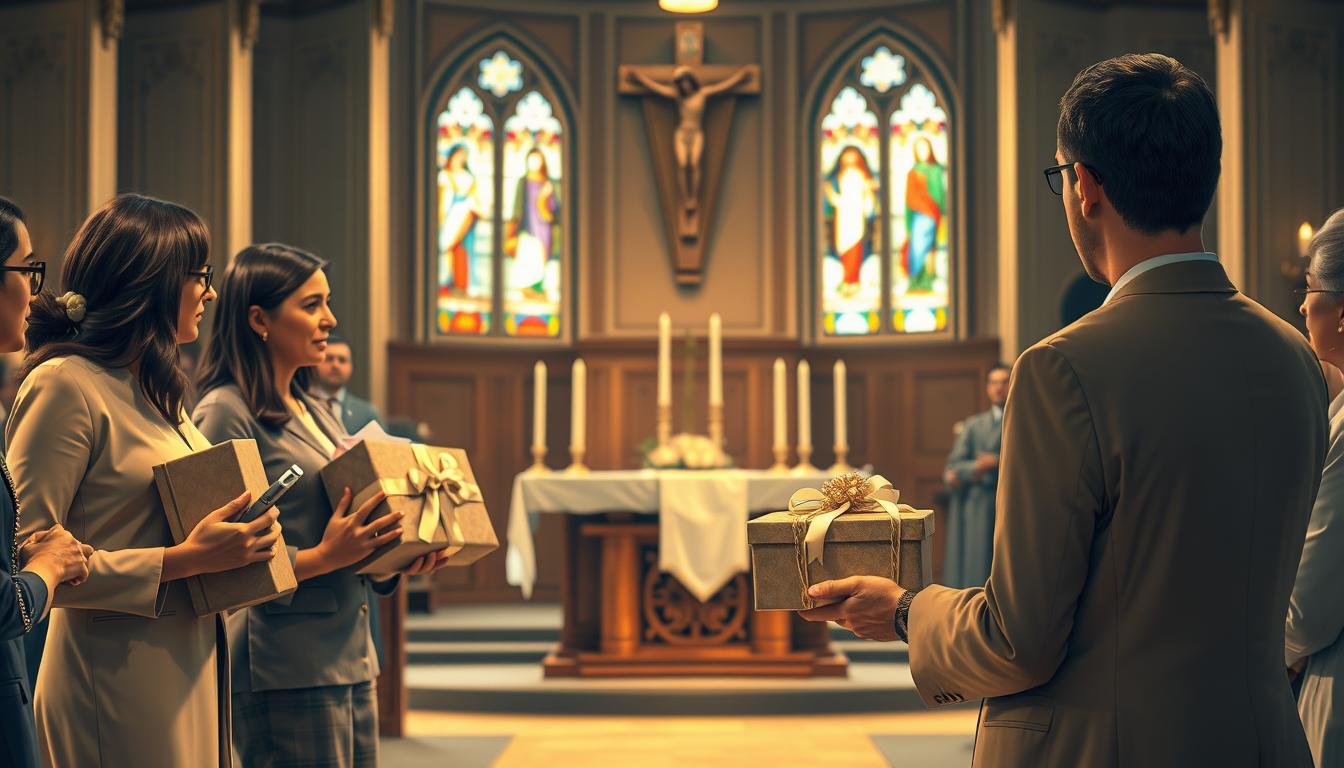
Attending Mass can be a rich and rewarding experience, especially when it comes to understanding the significance of certain rituals. One moment that often catches attention is the presentation of gifts. This occurs during a specific time in the service, right after the Prayers of the Faithful. It’s a moment filled with meaning and purpose.
As the priest moves from his chair to the altar, it signals a transition from the Liturgy of the Word to the Liturgy of the Eucharist. This isn’t just a change in scenery; it marks the beginning of a sacred process. The bread and wine, carried by members of the congregation, are not mere items. They represent the community’s offerings and the gifts God has given us.
Originally, this rite was simple, with bread and wine placed on the altar in silence. Over time, it evolved into a procession, emphasizing its importance. Pope Benedict XVI highlighted this gesture as humble yet significant, connecting it to the Last Supper and the transformation of ordinary elements into something divine.
Key Takeaways
- The gift presentation occurs after the Prayers of the Faithful.
- It marks the transition to the Liturgy of the Eucharist.
- The priest’s movement to the altar is a significant signal.
- This moment sets the stage for the Eucharistic celebration.
- The bread and wine symbolize the community’s offerings.
- The act is tied to the Last Supper’s pattern of thanksgiving and sharing.
When Do You Bring Up the Gifts at Catholic Mass?
Understanding the right moment for the presentation of gifts during Mass can enhance the experience for everyone involved. This significant act occurs during the Liturgy of the Eucharist, right after the Prayers of the Faithful. It’s essential to know the signs that indicate when it’s time to participate.
Signs That It’s Time: The Priest and the Prayers of the Faithful
The moment to act is clear. As the Prayers of the Faithful conclude, the lector will say, “Lord, hear our prayer,” and the congregation responds. This marks the end of a vital intercession period. If you’re a gift bearer, it’s time to prepare.
Most parishes ask gift bearers to leave their pews when the priest begins the Creed with, “Let us profess our Faith.” This timing allows you to make your way to the back of the church without rushing. A tip: sitting at the end of the pew can make it easier to slip out.
Once at the back, wait for the offertory collection to finish. The gifts are typically located on the left-hand side. You’ll want to hold off until the monetary offering is ready. Keep an eye on the priest; when he stands and approaches the altar, that’s your cue to proceed.
What’s Happening During the Offertory?
The offertory is more than just moving items from one place to another. It’s a moment filled with meaning. The priest prepares the altar while altar servers assist. During this time, the collection is taken from the congregation, making it a communal effort.
The presentation of gifts symbolizes the fruits of labor from the faithful. The bread and wine represent not only human work but also God’s creation coming together. This act is a profound gesture of sacrifice and gratitude.
Even if you’re not bringing gifts, your presence is still significant. The individuals walking down the aisle represent the entire parish, embodying the community’s spirit.
| Order of Presentation | Gift Bearer | Item |
|---|---|---|
| 1 | First Gift Bearer | Collection Bowl |
| 2 | Second Gift Bearer | Wine |
| 3 | Third Gift Bearer | Bread |
After presenting the gifts, the priest may express gratitude. Everyone bows, and the gift bearers return down the center aisle. This whole section of the Mass is rich in tradition, rooted in the early Church. Originally, people simply placed bread and wine on the altar in silence. Over time, the processional aspect and hymns were added, enriching the experience.
For more detailed guidelines on being a gift bearer, check out this resource.
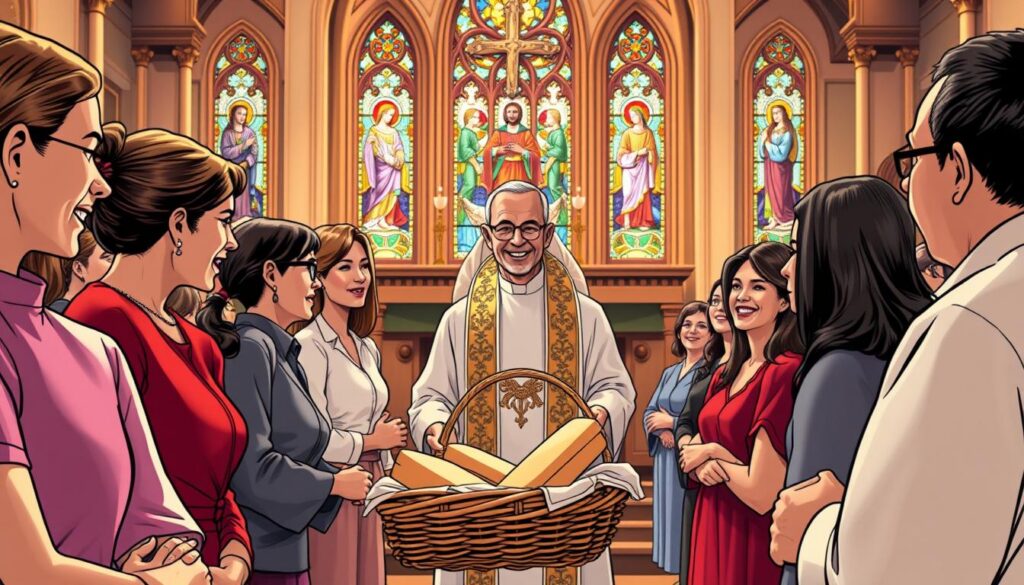
Who Brings the Gifts and What Exactly Is Carried?
The act of presenting gifts at Mass involves specific roles that contribute to the community’s worship. Understanding who carries these items can enhance your connection to the service.
The Roles of Gift Bearers: Collection, Bread, and Wine
So, who actually gets to carry the gifts? Typically, there are three gift bearers assigned for each Mass. One handles the collection bowl, one carries the wine, and the last brings the bread.
The person with the collection bowl must be an adult. This rule is standard across most parishes. The collected money represents the material support of the whole community, so it makes sense to have a grown-up handle that.
Families can serve as gift bearers together, which is a wonderful way to get kids involved. If there are more than three family members, the extra folks can walk reverently alongside the main gift bearers. They don’t need to carry anything; just being present is a meaningful way to participate.
How Families and Individuals Can Participate
Participation in this sacred moment can be a beautiful experience for families. If your family is serving as gift bearers, it’s a chance to bond and share in the worship together.
When you arrive at church, let the hospitality ministers know you’re there. This way, they won’t scramble to find someone else to fill your role. Also, sitting near the end of the pew makes it smoother for everyone involved.
The Order of Presentation at the Altar
The order of the procession is important. It’s not a free-for-all. The usher goes first with the Book of Intentions, followed by the adult with the collection bowl. After that, the person with the wine comes next, and finally, the bread bearer goes last.
When approaching the altar, don’t stop too far away from the priest. Stand close enough that he can take the gifts from you easily. Hold them upward and forward toward him. For the wine, hold the cruet in your left hand and use your right hand to support it. If the cruet has a handle, make sure it’s facing the priest for easy grasping.
After each person presents their gift, they step slightly to the side to allow the next person room. Once everything has been presented to the priest, he may express a quick thank you. Then, he and the servers bow, and the gift bearers bow together toward the altar before returning down the center aisle.
| Order of Presentation | Gift Bearer | Item |
|---|---|---|
| 1 | Usher | Book of Intentions |
| 2 | First Gift Bearer | Collection Bowl |
| 3 | Second Gift Bearer | Wine |
| 4 | Third Gift Bearer | Bread |
Why Does Bringing Up the Gifts Matter? Understanding Its Meaning
The presentation of offerings during Mass carries deep significance, reflecting the heart of Catholic worship. This act goes beyond mere ritual; it embodies the community’s collective spirit and the sacrifices made in daily life.
The Symbolism of Bread, Wine, and Human Work
Think about what’s actually being carried. It’s not just bread and wine. Each item represents countless hours of human work. Someone grew the grain, milled the flour, and baked the loaf. The same goes for the wine; grapes were cultivated, harvested, crushed, and fermented. All of this labor comes together in a beautiful offering.
When the priest receives the bread, he prays:
“Blessed are you, Lord, God of all creation. Through your goodness we have this bread to offer, which earth has given and human hands have made.”
This line highlights the connection between our daily efforts and the sacred act of worship. It emphasizes that our work is valuable and worthy of being presented to God.
How This Gesture Connects Us to Christ’s Sacrifice
The wine prayer echoes this idea:
“Blessed are you, Lord, God of all creation. Through your goodness we have this wine to offer, fruit of the vine and work of human hands.”
These simple elements are transformed into something divine. In this moment, all creation is taken up by Christ and presented to the Father. Pope Benedict XVI beautifully explained that this gesture carries all the pain and suffering of the world, affirming that everything has value in God’s eyes.
Pope Benedict’s Take on the Presentation of Gifts
Pope Benedict XVI noted that this humble gesture is significant. It connects us to the ancient practice of Melchizedek, who offered bread and wine. By presenting these offerings, we participate in a long-standing tradition that invites us to share our lives with God.
What happens next is truly remarkable. Those gifts of bread and wine become the Body and Blood of Christ. This exchange illustrates how our imperfect offerings are transformed into something perfect. It’s a powerful reminder that our sacrifices and daily lives hold profound meaning.
| Element | Significance |
|---|---|
| Bread | Represents human labor and sustenance |
| Wine | Symbolizes joy and the fruits of creation |
| Presentation | Connects community and individual sacrifices to Christ |
This simple act doesn’t need to be complicated. The bread and wine already carry the weight of our lives. In their simplicity, they hold everything, reminding us of the beautiful exchange between man and God.
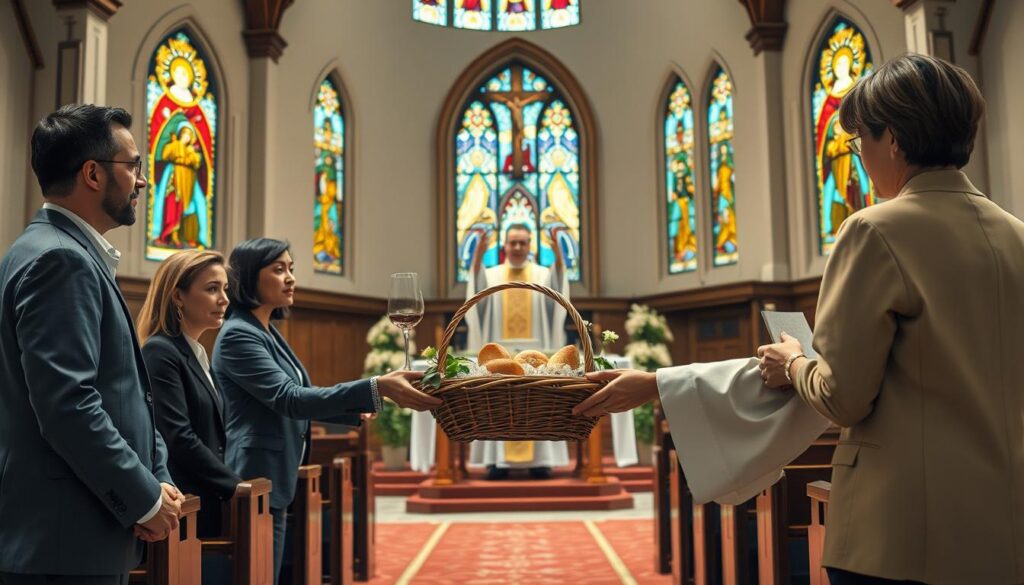
How to Take Part in the Gift Presentation at Mass
Participating in the gift presentation during Mass can be a fulfilling experience for everyone involved. If you’ve been asked to take part, it’s natural to feel a bit nervous. But don’t worry! Here are some helpful tips to make it easy.
First, let the Hospitality Ministers know you’re there. They’ll check you off the list, so no confusion arises. Sitting at the end of the pew is also key. It gives you a clear path when it’s time to present.
As the Prayers of the Faithful conclude, quietly stand and head to the back of the church. The gifts will be on the left side. Wait for the offertory collection to finish and for the priest to stand before moving to the center aisle.
Remember to walk slowly and reverently. This moment is special. Stand close to the priest when you reach the altar. Hold the gifts upward and forward, making it easy for him to take them.
After presenting your gifts, step aside for the other bearers. Once everyone has presented, bow toward the altar and walk back down the aisle. Remember, you’re not just carrying items; you’re representing the entire parish and its sacrifices.
For those not presenting, your role is important too. Pay attention and connect your heart with the gifts as they go to the altar. Everyone’s participation enriches this beautiful celebration.