The crown chakra, also called Sahasrara, is the seventh and highest energy center in the body. In yogic thought, it relates to higher awareness and a wider view of life. This idea of “infinite riches” points to wisdom, inner peace, meaningful connection, and mental clarity, not a promise of money or instant results.
Dr. Ram Jain, PhD (Yoga), published key guidance on October 8, 2020. His work links a balanced chakra with steadier thinking and calmer responses. Dr. Jain also founded Arhanta Yoga Ashrams in 2009, where traditional yoga remains central to spiritual learning.
With a grounded approach, this guide explores the chakra’s meaning and location, common signs of imbalance, meditation, yoga, and simple daily practices. You’ll also see how yogic philosophy discusses consciousness, purpose, enlightenment, and spirituality. These ideas may support reflection and focus, but they don’t replace professional medical care.
Key Takeaways
- Sahasrara represents higher awareness in yogic philosophy.
- Abundance can include wisdom, peace, and meaningful relationships.
- Dr. Ram Jain’s 2020 guidance emphasizes steadier thought.
- Meditation and yoga can encourage mindful self-reflection.
- Daily practice works best when it stays balanced and grounded.
- Spiritual ideas should not replace qualified medical advice.
What Is the Crown Chakra and Why Does It Matter?
Sahasrara gives a name to the mind’s search for meaning, connection, and calm. In yogic tradition, it is the seventh chakra and the highest energy center. These teachings offer a spiritual lens, not a claim supported by laboratory science.
Sahasrara and the Meaning of the Thousand-Petaled Lotus
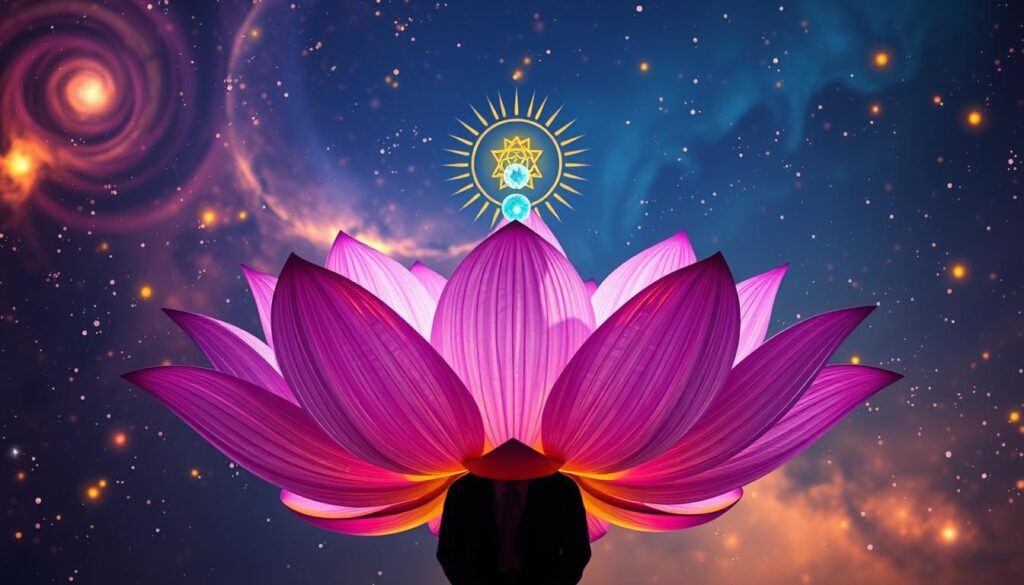
The Sanskrit word Sahasrara means “thousands.” It points to a lotus with a thousand petals. The lotus represents awareness as it opens, with each petal reflecting the many layers of human consciousness. Its main value is the wisdom it can inspire through quiet reflection.
“Awareness grows when we learn to watch the mind with patience.”
How the Seventh Chakra Relates to Consciousness and Unity
This tradition encourages people to notice thoughts without treating every thought as a fixed part of the self. That small shift may create more space for choice. It can also bring a sense of unity instead of constant separation.
When someone feels confusion, lost purpose, or spiritual distance, daily life may feel unsettled. A balanced view does not promise instant change. Instead, it invites a grounded state of observation, compassion, and connection with life.
Where Is the Crown Chakra Located?
Sahasrara is traditionally mapped to the highest point of the body. It rests at the top of the head, near the place where the skull meets the spine. This symbolic spot marks the upper end of the seven-center energy system.
The Energy Center at the Top of the Head
The phrase “located top head” describes an energetic map, not a structure that a medical scan can confirm. In this tradition, attention may feel as if it moves upward or spreads above the head. Some teachers compare this feeling to a fountain flowing over the crown head.
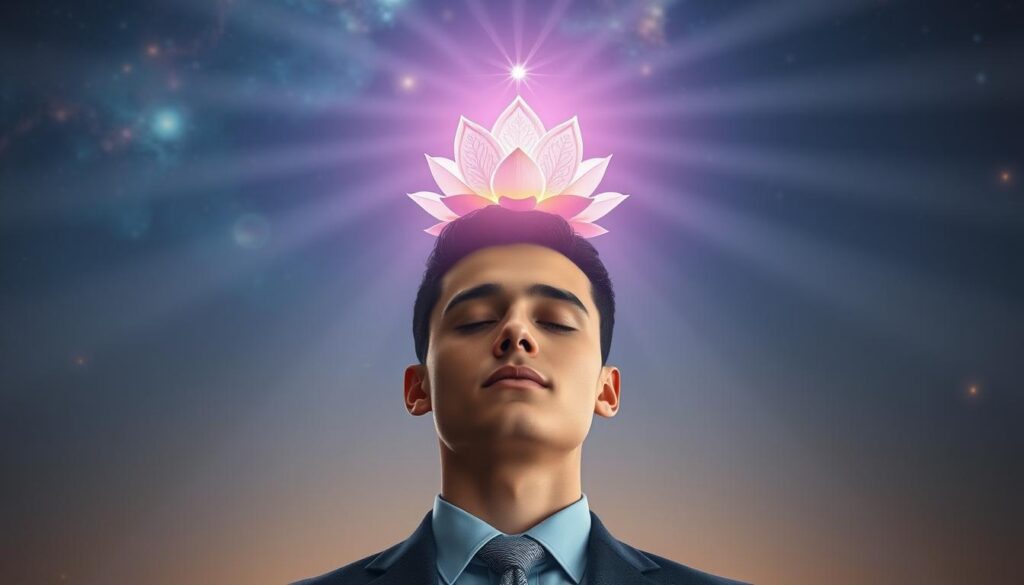
Sahasrara sits above the brow center and represents the system’s highest point. Its symbolic location differs from nearby physical structures, such as the brain and glands sometimes linked with energy teachings. Use this model for reflection, not diagnosis.
| View | Location | Meaning |
|---|---|---|
| Traditional map | Top head near the skull and spine | Highest energy point |
| Subtle-energy view | Extends above the crown head | Upward awareness |
| Medical view | Brain and nearby glands | Physical anatomy |
Crown Chakra Color, Symbol, Mantra, and Spiritual Meaning
Symbols give this spiritual practice a simple way to explore awareness. They are tools for reflection, not proven medical treatments or cures.
Violet, White, and the Lotus Symbol
Violet is the main color linked with the crown chakra. It often represents spirituality, purity, and enlightenment. White may suggest expanded awareness, divine connection, and a clear sense of purpose.
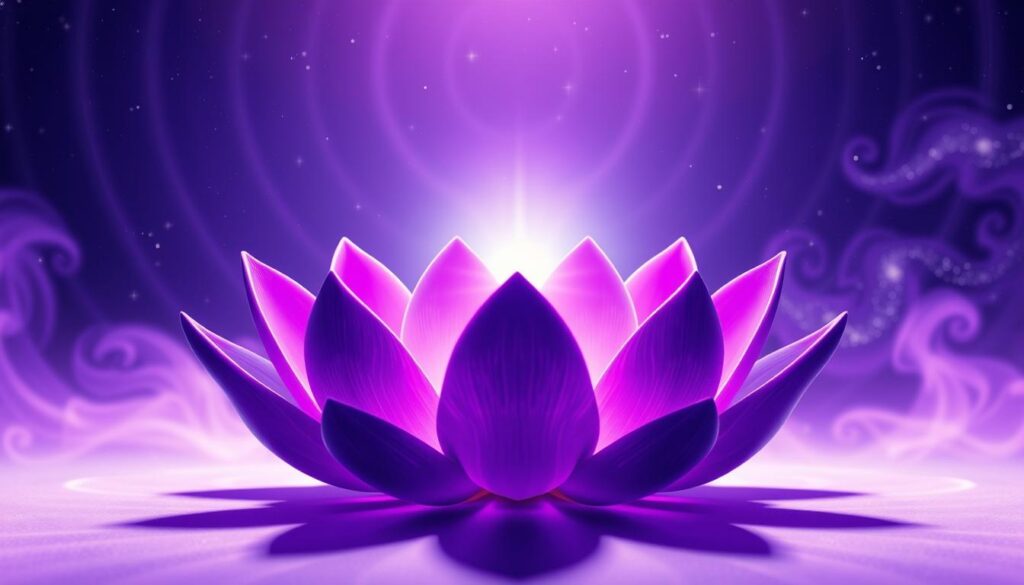
The thousand-petaled lotus shows consciousness unfolding. Its open petals can represent growth beyond a limited identity toward wisdom, unity, and inner peace.
OM and Dhyana Mudra for Quiet Reflection
OM, or Aum, is the traditional seed mantra for this energy center. A soft chant can give meditation a steady rhythm and help settle busy thoughts. Dhyana Mudra supports this practice. Rest the hands together in the lap, with the palms facing upward, and breathe with ease.
Thought, Wisdom, and Higher Awareness
Stephanie Snyder’s August 18, 2021 article names thought as the chakra-associated element. In this tradition, thought links the head, consciousness, and higher awareness. A calm practice may support insight, but it should remain grounded in daily life and sound judgment.
Signs of an Open and Balanced Crown Chakra
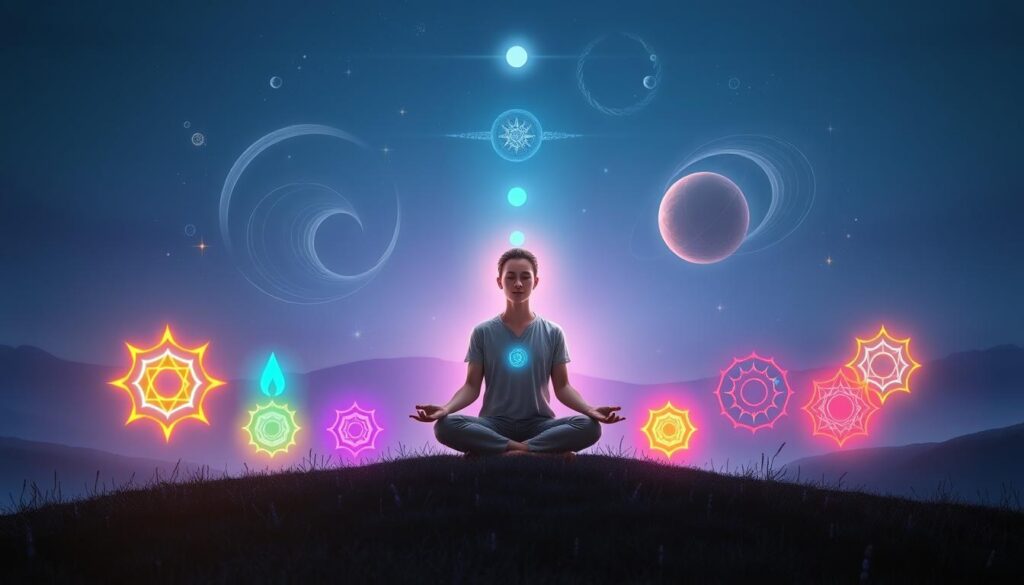
People describe balance as a calm shift in how they meet each day. These signs come from yogic traditions and reflect personal experience, not a medical test. A quiet practice, supportive routine, or zen-inspired home aesthetic may help create space for reflection.
Mental Clarity and a Greater Sense of Purpose
Mental clarity may feel like a quieter relationship with thoughts. Dr. Ram Jain observed that balanced practice can ease everyday overanalysis. You may pause before reacting and notice your values more clearly.
A stronger purpose can guide decisions, work, and relationships. Daily life may feel more directed, even when challenges remain. This state does not promise enlightenment or perfect certainty.
Inner Peace, Intuition, and Spiritual Connection
Reported signs include intuition, empathy, compassion, and inner peace. Some people also describe a sense of unity with others and the wider world. Stephanie Snyder’s August 18, 2021 reporting connects alignment with a more relaxed, clear-headed feeling.
Use these observations with care. They may support wisdom and self-awareness, but they do not prove physical well-being. If meditation causes distress, pause and seek qualified support.
| Reported sign | How it may feel | Grounded response |
|---|---|---|
| Mental clarity | Less overthinking | Make one thoughtful choice |
| Purpose | Clearer values | Set a practical goal |
| Connection | More empathy and calm | Practice kind listening |
Blocked Crown Chakra Symptoms to Watch For
Some people use traditional energy teachings to describe a loss of clarity or connection. These signs belong to yogic philosophy, not medical science. They may offer a prompt for reflection, but they cannot confirm a health condition.
Emotional and Mental Signs of Disconnection
Reported concerns include confusion, poor focus, isolation, and a lack of purpose. You may feel distant from daily life or unsure how your values guide your choices. Stephanie Snyder’s article, published on August 18, 2021, also discusses hyper-spiritualization.
Hyper-spiritualization can mean using meditation or spiritual language to avoid ordinary duties and unresolved problems. Healthy practice should support real life, not replace it.
“Reflection can guide your next step, but it should not silence practical care.”
Physical Patterns Linked With Imbalance
Traditional lists mention poor coordination, imbalance, low physical function, headaches, migraines, insomnia, fatigue, and sensitivity to light or sound. These patterns may have many causes and are not proof of an energy issue.
Seek qualified medical support for lasting pain, sleep problems, depression, fatigue, or neurological symptoms. A healthcare professional can assess your body safely and suggest suitable care.
Overactive and Underactive Crown Chakra Energy
Spiritual growth works best when it stays connected to ordinary life. An overactive or underactive chakra may describe patterns in thought, mood, and behavior. These ideas support self-reflection, not medical diagnosis.
When Spiritual Practice Pulls You Away From Daily Life
Overactive energy can appear as constant overthinking, intense spiritual focus, or detachment from work and relationships. Spiritual bypassing may create a sense of elevation while hidden stress remains untouched. Missed meals, poor sleep, and weak boundaries can also signal a need for grounding.
Avoid treating every concern as a sign of higher consciousness. Balance meditation with movement, honest conversations, chores, and time with loved ones. Healthy spirituality should help you participate more fully in life.
How Mental Fog and Lack of Purpose Can Show Up
Underactive patterns may include confusion, skepticism, emotional distance, and a persistent lack of purpose. You might feel tired, unfocused, or unsure how your values guide daily choices. A blocked crown can reflect a need to pause and review your routine, rather than proof of an energy problem.
| Pattern | Possible experience | Practical support |
|---|---|---|
| Overactive | Overthinking and detachment | Sleep, meals, and movement |
| Underactive | Fog, doubt, and disconnection | Simple goals and social contact |
| Balanced | Clear values and steady focus | Mindful, grounded practices |
How to Open and Balance the Crown Chakra
A gentle routine can help you explore higher awareness without losing touch with daily needs. Start with five to ten minutes of meditation each day. Sit comfortably, notice your breath, and let thoughts pass without force. Dr. Ram Jain also recommends OM, silence, and honest self-reflection.
Breath Awareness and Quiet Time
Try Nadi Shodhan, or alternate nostril breathing, as taught by Stephanie Snyder. Breathe slowly and stop if you feel dizzy or strained. This practice may ease tension and support concentration. It can also create a calmer sense of consciousness.
Why the Lower Chakras Still Need Attention
Traditional yoga suggests balancing the lower chakras before intense work at the top. Stable routines help keep spiritual energy connected to the body. Add gentle yoga, regular meals, and steady sleep to your plan.
Nature, Gratitude, and Grounding Practices
Take a walk outdoors, name three things you appreciate, and limit late-night screen use. Return attention to your feet, hands, and breathing. These simple practices can support mental clarity and inner peace. Energy work does not diagnose or treat illness, so seek medical care for lasting symptoms.
Crown Chakra Yoga Poses and Meditation Practice
Begin with gentle movement and steady breathing. These simple yoga choices can help you notice your body, settle the mind, and explore awareness without chasing instant enlightenment. For added guidance, read this guided energy meditation.
Savasana, Rabbit Pose, and Safe Inversions
Savasana offers the gentlest start. Lie on your back for five to ten minutes. Keep your arms relaxed and palms facing upward. Notice your breath and the top of your head.
Rabbit Pose, or Sasangasana, folds the body forward and lengthens the spine. Move slowly, and avoid pressing hard into the head. Headstand, also called Shirshasana or Sirsasana, is an advanced pose. Learn it with a qualified teacher, not through casual home practice.
A Simple Violet Light Meditation for Beginners
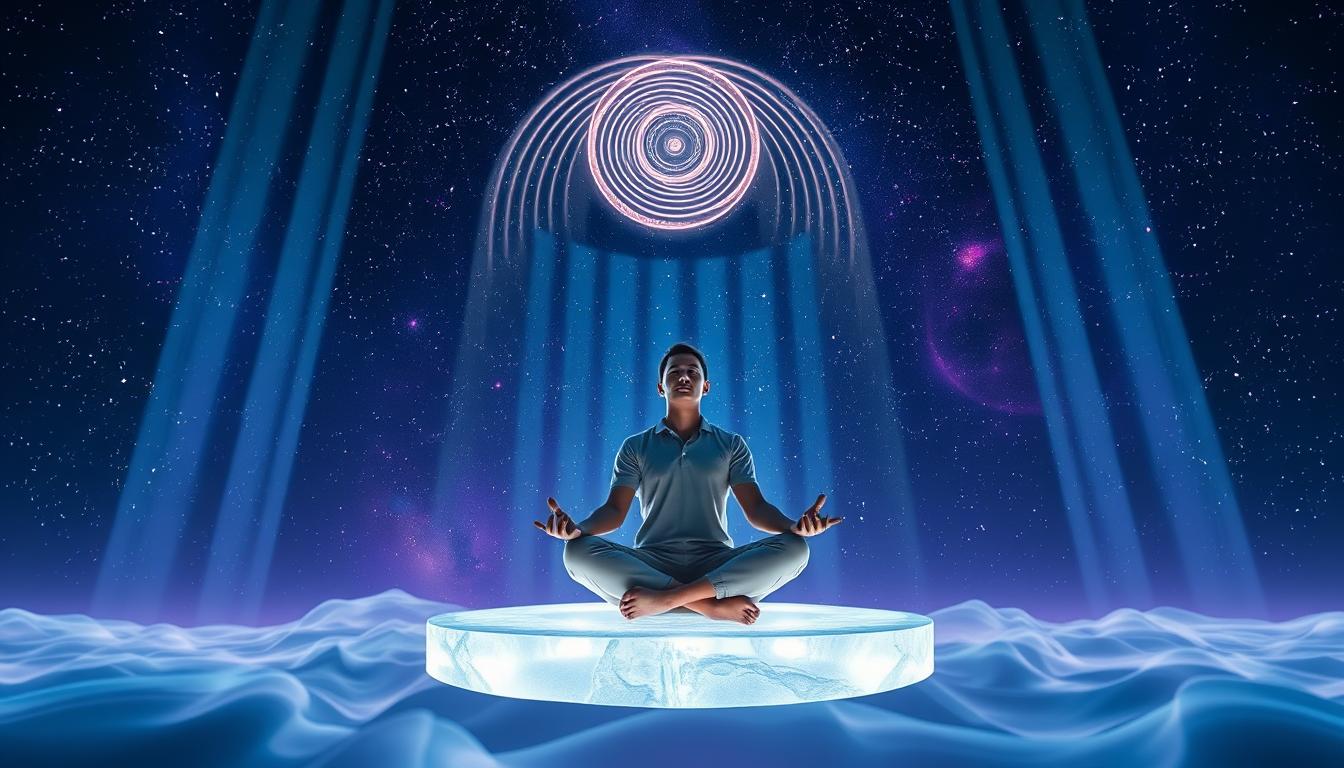
Sit comfortably, close eyes, and breathe slowly. Imagine a soft violet or white light above the head. Let it represent calm consciousness rather than a promise of healing. Continue for five to ten minutes, then return attention to the room.
Stop at once if you feel pain, pressure, dizziness, or strain. A safe practice supports your life and leaves you feeling steady.
| Practice | Time | Safety focus |
|---|---|---|
| Savasana | 5–10 minutes | Relaxed body and easy breath |
| Rabbit Pose | Short, gentle hold | No pressure on the head |
| Headstand | 5–10 slow breaths | Qualified supervision required |
| Light meditation | 5–10 minutes | Stop if discomfort appears |
Carry Your Crown Chakra Connection Into Everyday Life
Let awareness guide your conversations, work, rest, and choices. Meditation is not separate from ordinary life. Sit quietly for two minutes, close eyes, and follow each breath. Add one gratitude thought, then take one useful action shaped by purpose. This simple practice can build mental clarity without chasing enlightenment.
For structured study, Dr. Ram Jain founded Arhanta Yoga Ashrams in 2009 and the Arhanta Yoga Online Academy in 2017. A 200-hour yoga teacher training can add guided practice, teaching methods, and deeper study of yoga and consciousness. It can also help you explore energy with care.
Real connection stays grounded. It joins wisdom, unity, inner peace, and the physical world. Notice the body, return to the top head or crown head with a calm sense of consciousness, and let your practice support life—not become an escape from it.