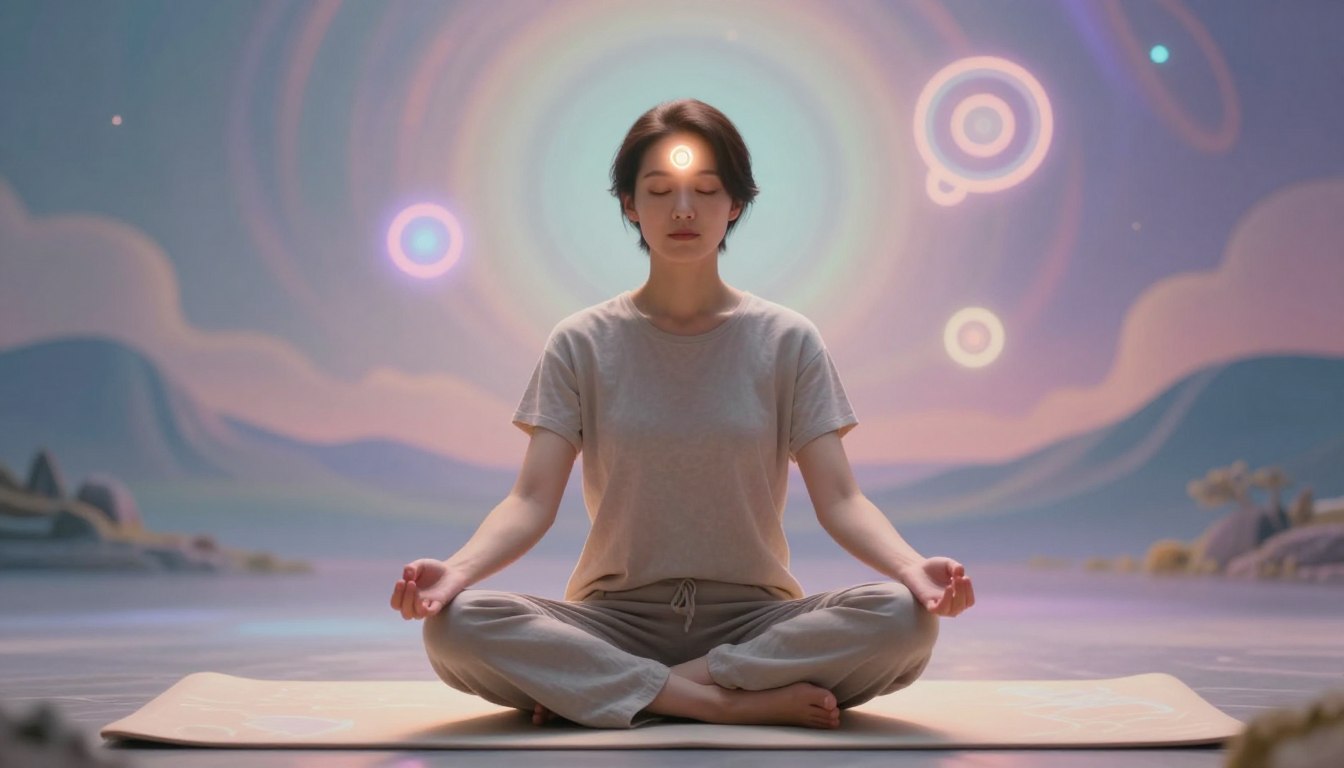
Many people explore the third eye as a symbol of inner perception, not ordinary eyesight. In yoga traditions, the area between the brows connects with the Ajna chakra, which Christine Chen Velazquez describes as a center for intuition, knowledge, clarity, and awareness.
This guide keeps that idea practical. Tingling, vivid dreams, or unusual sensations may feel meaningful, but they don’t prove supernatural powers. Instead, meditation can become a calm way to notice thoughts, emotions, and patterns in daily life.
You’ll find gentle practices for setting an intention, moving the body, meditating, journaling, working with color, and staying grounded. These steps support mental clarity while leaving room for sleep, relationships, and professional care.
Insight Timer offers guided meditations and helpful spiritual resources. Still, no app or teacher can promise a specific experience. The goal is steady self-awareness, patience, and a practice that fits real life.
Key Takeaways
- The practice focuses on inward reflection, not proof of special powers.
- Ajna traditions connect with intuition, knowledge, and awareness.
- Gentle meditation should support daily health and stability.
- Journaling and grounding can help you process new sensations.
- Insight Timer provides guidance, but results will vary.
What the Third Eye Really Means
The third eye is best understood as a symbol of inner awareness, not a physical organ. In Hindu traditions, it relates to spiritual perception and enlightenment. Buddhist teachings connect it with moving beyond ordinary perception. These ideas point toward reflection, intuition, imagination, and wisdom rather than proof of a hidden realm.
Ajna Chakra, Intuition, and Inner Awareness
The third eye chakra, also called the ajna chakra, is the sixth chakra. Traditional teachings place it between the eyebrows and toward the center of the head. The seven chakras describe energy centers that extend from the spine’s base to the crown.
For many practitioners, the eye chakra represents inward attention. Meditation may help you notice thoughts, values, and emotional patterns. It does not mean you will literally see another world.
How the Pineal Gland Fits Into the Conversation
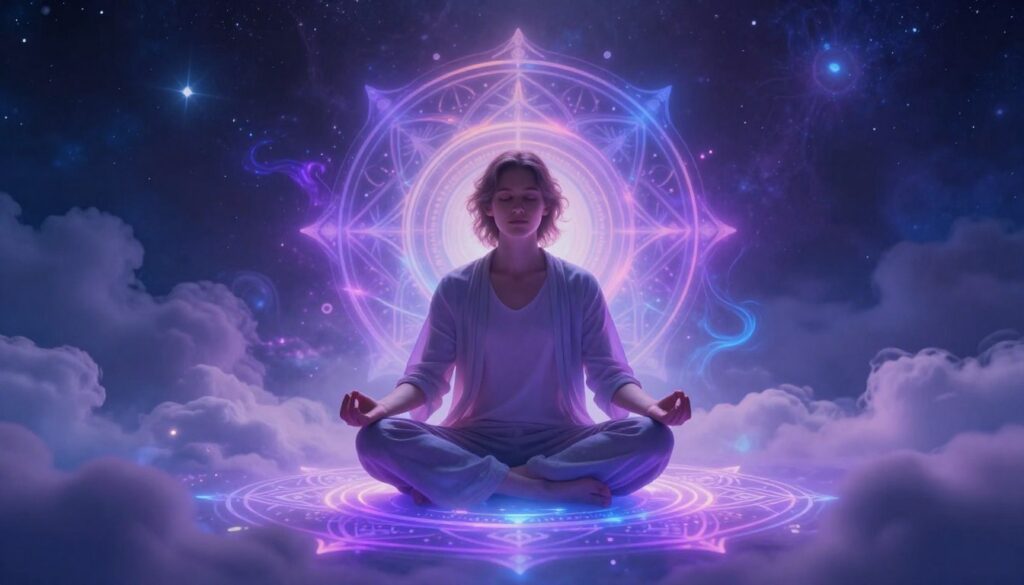
The pineal gland is a pea-sized gland in the brain. It produces melatonin in darkness, helping regulate sleep and wake rhythms. René Descartes called it the “seat of the soul,” but modern biology does not support that spiritual claim. The pineal gland has a known role in sleep, while the third eye remains a meaningful spiritual metaphor.
Prepare Your Mind and Body Before Opening Your Third Eye
Before beginning, choose a simple aim. You may want stronger self-awareness, better decisions, or more clarity in daily life. A clear intention keeps attention steady and reduces pressure to create unusual experiences.
Set a Clear Intention for Your Practice
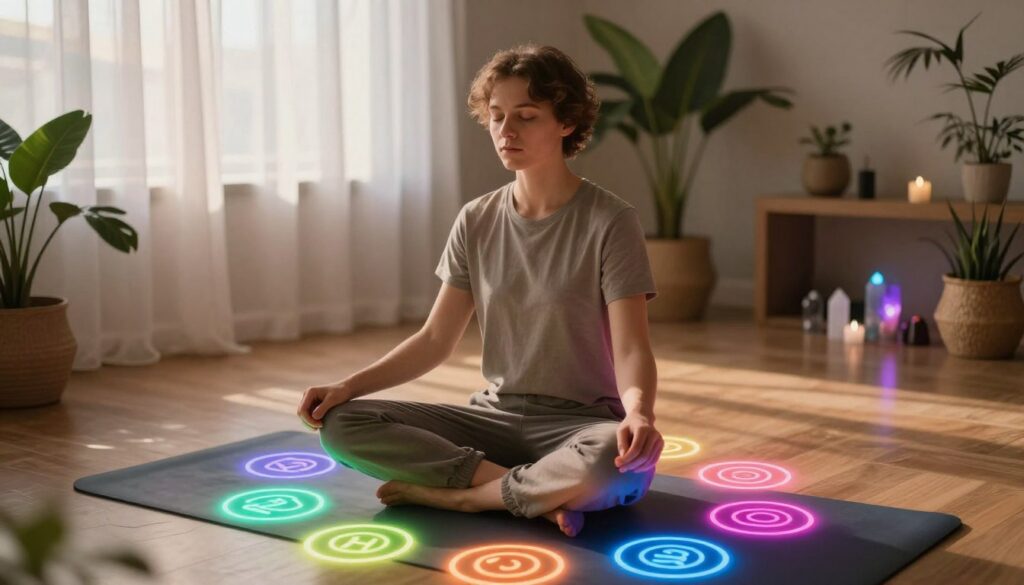
Write one sentence about what you hope to learn. For example, “I will notice my feelings without judging them.” This approach supports intuition while keeping your sense of balance. Insight Timer’s mindfulness guidance can also support present-moment awareness.
Build a Grounded Routine With Sleep, Food, and Movement
Start with regular sleep. The pineal gland produces melatonin, which helps manage the body’s daily rhythm and recovery. Eat balanced meals, drink water, and avoid claims that one food can activate a chakra.
Gentle walking, stretching, or yoga can settle the body before meditation. The root chakra grounds the seven chakras, while the crown chakra completes the traditional system. Begin with one or two practices, track your response, and seek qualified guidance if strong energy or distress affects life.
How to Open Third Eye Safely With Meditation
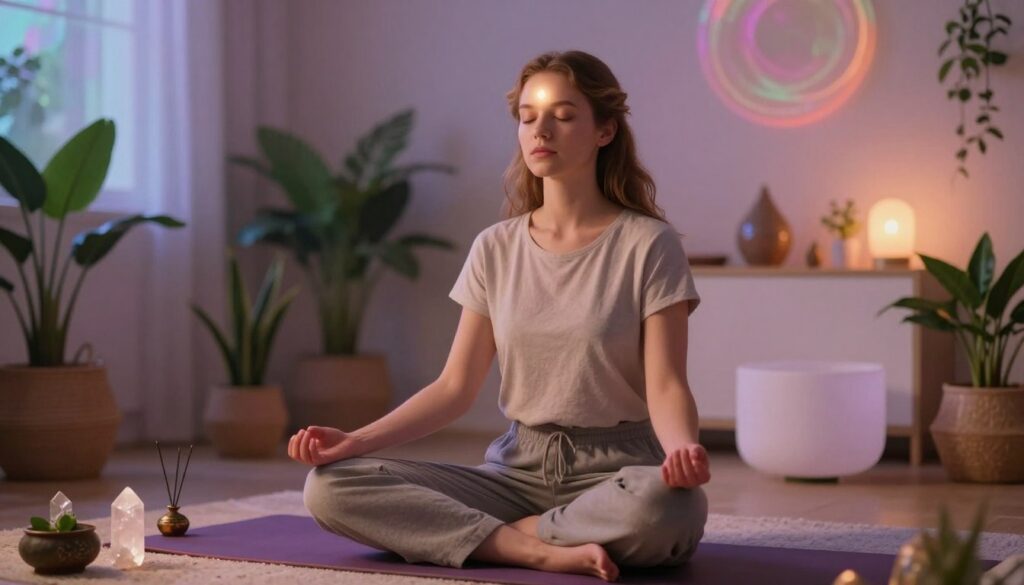
A quiet room, a comfortable seat, and a straight spine create a steady start. Let your forehead and eyes remain relaxed. This meditation supports calm awareness, not proof of a supernatural realm.
Use Gentle Breathwork and Focused Attention
Take several natural breaths. You may also try gentle Nadi Shodhana, or alternate-nostril breathing. Stop at once if you feel dizzy, panicked, or short of breath. Keep your focus between the brows without pressing the skin.
Try Indigo Light Visualization With Your Eyes Closed
With closed eyes, picture a soft indigo light near the third eye chakra. Let it represent clarity, intuition, and the eye chakra’s inward focus. Treat each image as imagination, not evidence of hidden energy.
Keep Sessions Short and Let Thoughts Pass
Try five minutes at first. Allow thoughts and sensations to pass without judgment. If discomfort grows, lift your gaze, look around, and ground yourself. Balasana, Sukhasana, or gentle yoga can help end the practice.
| Step | Simple approach | Safety cue |
|---|---|---|
| Seat | Relaxed posture | Keep the spine easy |
| Breath | Natural or alternate-nostril breathing | Stop with dizziness |
| Light | Soft indigo image | Release it if tense |
| Time | Begin with five minutes | Return to daily tasks |
Grounded Practices for Third Eye Chakra Awareness
Simple rituals can make inner work feel calm and familiar. Treat these tools as optional ways to build focus, awareness, and balance, not as guaranteed routes to psychic ability.
Explore Yoga Poses, Drishti, and Gyan Mudra
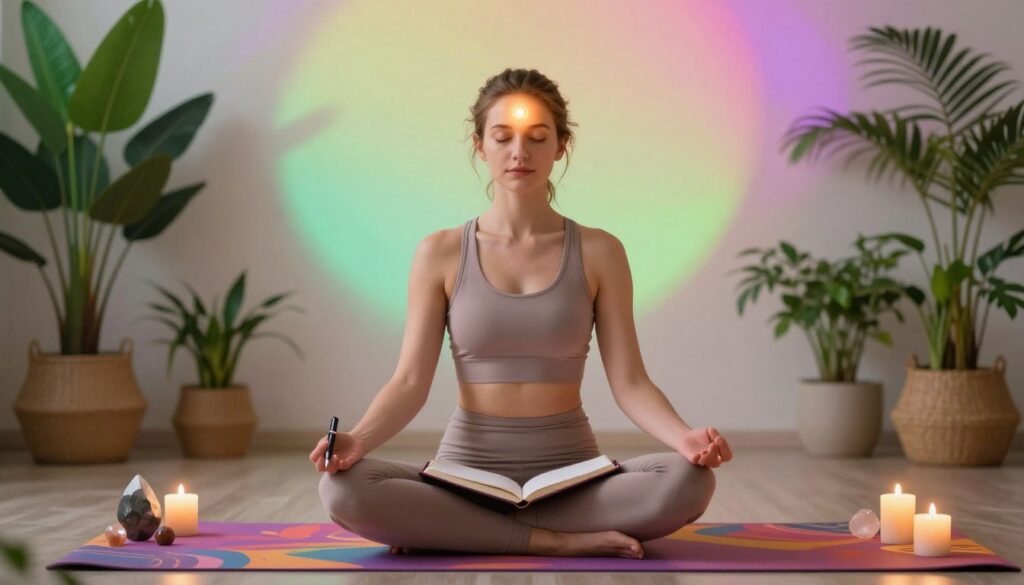
Drishti means “gaze” or “point of focus.” During Tree Pose, a forward fold, or quiet sitting, softly direct attention toward the space between the eyebrows. Keep the forehead relaxed and stop if strain develops. Balasana, Sukhasana, and Child’s Pose may support reflection through gentle yoga.
For a steady hand anchor, try Gyan Mudra. Touch the thumb to the index finger while extending the other three fingers. Let the posture support meditation without forcing energy or unusual sensations.
Use Chanting, Journaling, and Creative Practice
Repeat the Ajna bija mantra, “Sham,” at a comfortable pace. This sound exercise can settle the mind, but it is not medical treatment or proof of opening third eye abilities.
- Record dreams, feelings, and choices, then compare impressions with real events.
- Use drawing, music, or writing to give imagination a grounded outlet.
- End each practice by noticing your body, surroundings, and daily responsibilities.
Support Your Practice With Light, Color, Crystals, and Oils
Visual symbols can add meaning to a calm routine. Use them as reminders of reflection, not as tools that change the brain or guarantee special powers. Keep each choice simple, personal, and easy to pause.
Work With Indigo Colors and Stones Like Lapis Lazuli
Indigo has a traditional link with the third eye chakra. Clothing, artwork, or a small stone can support focus during meditation. Lapis lazuli, kyanite, azurite, amethyst, sodalite, and labradorite may carry personal meaning. Hold lapis lazuli or wear it as jewelry, but do not treat it as medicine.
Blue and purple foods add real nourishment. Blueberries, grapes, plums, blackberries, and purple kale contain anthocyanins. These compounds support a balanced diet, but they do not activate a chakra or alter the pineal gland.
Use Essential Oils Carefully and Skip Unsafe Sun Gazing
Lavender, juniper, and frankincense are common essential oils in Ajna-inspired routines. Dilute oils and follow the label. Natural products can irritate skin, lungs, or the body. Diffuse a blend, such as doTERRA Serenity, only in a well-ventilated space and stop if discomfort appears. Never stare at the sun; no spiritual goal justifies eye damage. The pineal gland needs healthy sleep, not intense light.
What Third Eye Opening May Feel Like
People describe inner practice in different ways. Some notice tingling between the brows, vivid dreams, clearer thinking, or stronger intuition. These sensations can feel meaningful, yet they remain personal experiences rather than proof of a hidden realm.
Notice Dreams, Intuition, and Mental Clarity
A dream journal can reveal themes over time. Record images, emotions, and daily events soon after waking. Stress, memory, and imagination may shape dreams, so look for patterns instead of treating every symbol as a message. Greater awareness may bring insight, calm, or a sharper sense of wisdom.
- Track mood, sleep, and meditation time.
- Compare intuitive feelings with real outcomes.
- Pause when attention feels intense or distracting.
Why Light Sensitivity Needs Attention
Some people feel more aware of surroundings or energy during spiritual practices. However, light sensitivity can also point to a physical concern. The pineal gland helps regulate sleep, but it does not explain every symptom. Stop the practice and seek medical guidance if vision changes, pain, or persistent sensitivity affects daily life. There is no fixed timeline; insight may develop quickly or gradually.
Warning Signs, Grounding Steps, and When to Get Help
Inner work should leave you more steady, not less connected to daily life. If a session feels intense, pause the third eye practice and return to simple tasks.
How to Stay Connected to Everyday Reality
Open your eyes, drink water, eat a light snack, and name five ordinary objects in the room. Feel your feet on the floor. A short walk in nature, contact with earth or water, or a household chore can bring attention back to the body.
Choose calm surroundings, such as a peaceful living room. Insight Timer also offers groups, guided meditation, and wellness resources. An experienced teacher can offer useful guidance when an Ajna chakra practice feels confusing.
When Symptoms Need Support
Anxiety, lasting insomnia, confusion, poor direction, or headaches are not proof of chakra progress. Stop meditation and speak with a qualified health professional. Frightening visions that disrupt work or make daily reality hard to trust need prompt mental health support.
New or worsening light sensitivity, called photophobia, deserves a conversation with a medical doctor. The pineal gland supports sleep rhythms, but it cannot explain every symptom.
Keep Your Practice Balanced as Your Awareness Grows
Lasting spiritual growth comes from balance, not dramatic signs. A grounded third eye practice should support clarity, self-awareness, relationships, work, and rest. Let meditation, journaling, creative work, sleep, and gentle movement fit your daily rhythm.
Within the seven-chakra model, the third eye chakra and Ajna chakra can serve as symbols for reflection. Review dreams and impressions over time. Compare them with real events, and let evidence guide your insight. These practices should never increase fear, poor sleep, confusion, or physical discomfort.
Insight Timer reports more than 18,000 teachers and 150,000 free resources, so you can find varied support and community. Keep sessions brief, avoid looking at the sun, and use oils with care. Go slowly, stay grounded, and ask a health professional for help when symptoms persist.