
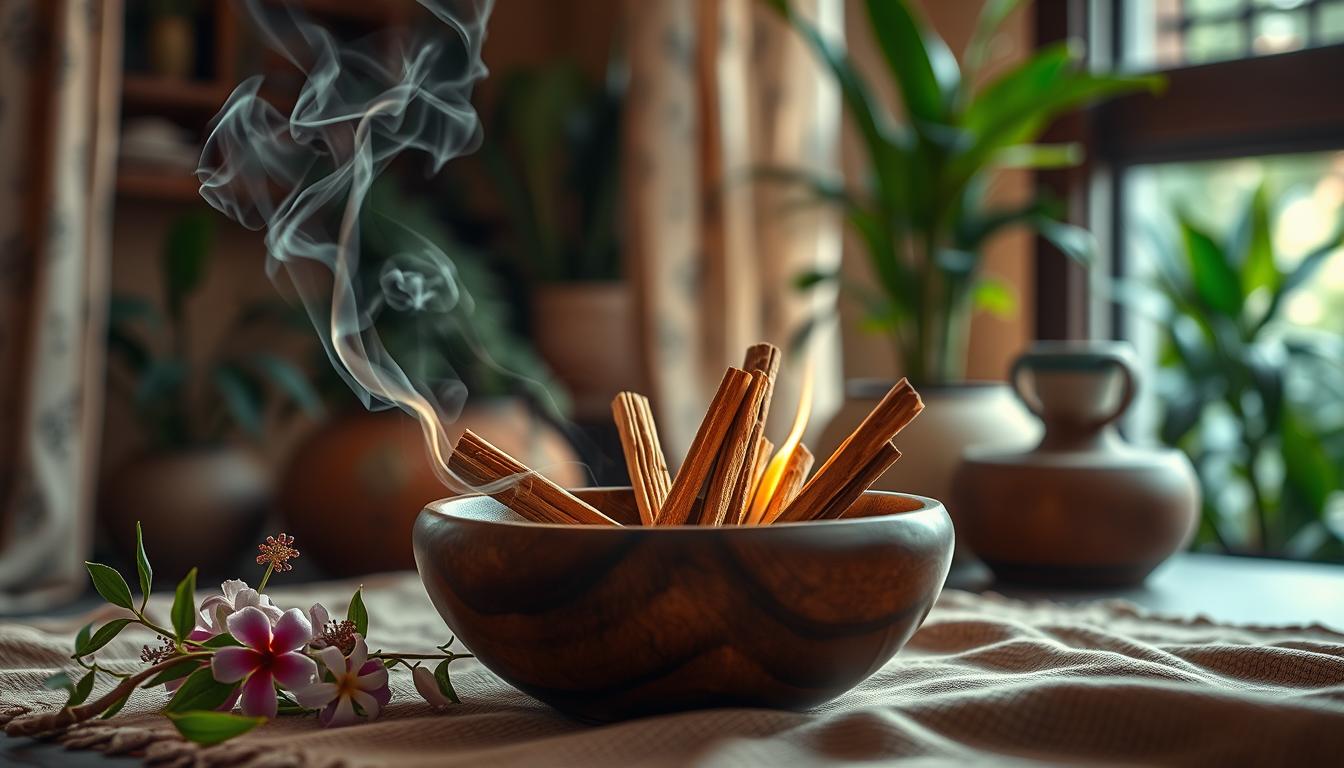
Many people in the Andes and modern wellness spaces turn to palo santo for a calm, fragrant pause in a busy day. Also called Holy Wood and Wood of the Saints, this tree is native to Central and South America.
Indigenous communities have used it for centuries in spiritual purification and energy-cleansing practices. Its rich scent blends pine, mint, and lemon, making it one of the most fragrant woods in the world. These traditions deserve respect, context, and cultural awareness.
For modern readers, the benefits can feel simple and personal. A brief ritual may create a peaceful atmosphere, lift your mood, support focused breathing, and give your day a stronger sense of intention. These experiences reflect personal practice, not medical proof.
This guide covers safe ways to burn the wood, explore its oil, build a mindful ritual, and choose responsibly harvested products. Burning it every day is a personal choice, not a requirement. Fresh air, moderation, and fire safety should always come first.
Key Takeaways
- The fragrant smoke can support a calm daily pause.
- Andean traditions call for respect and cultural awareness.
- Personal rituals may encourage focus and intention.
- Use fire safely and keep the space well ventilated.
- Choose products from responsible, ethical sources.
- Daily use is optional, not a wellness requirement.
What Is Palo Santo, and Why Is It Called Holy Wood?
To understand its appeal, start with its name and natural home. Palo santo is the common name for Bursera graveolens, a tree found in tropical dry forests across Ecuador, Mexico, and Peru in South America.
Its name, meaning “holy wood,” reflects its role in sacred ceremonies and traditional aromatherapy. Indigenous people have used it for centuries, while modern people often include it in quiet rituals. The tree belongs to the Burseraceae family, which also includes frankincense and myrrh. That family link helps explain its warm, resin-like character.
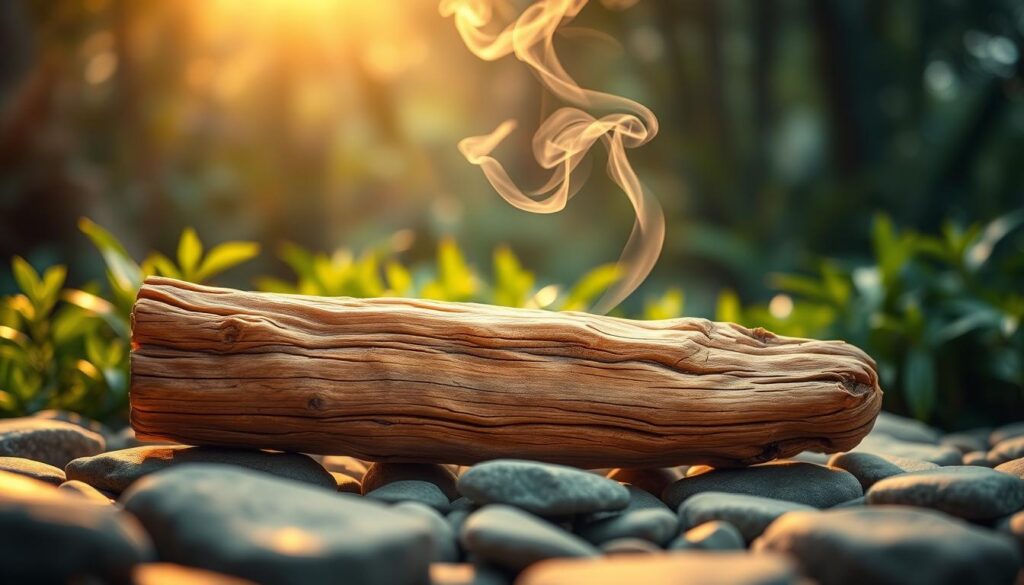
Bursera graveolens and Its South American Roots
Ethical sourcing matters. Properly collected palo santo wood comes from naturally fallen or dead trees. Harvesters wait at least three years after natural death before collecting the wood or its oil. This practice supports the forest and respects local traditions.
The Sweet Pine, Mint, and Lemon Scent
The aroma is intense yet familiar. Burning wood releases sweet, citrusy, and earthy notes of pine, mint, and lemon. A second lemon note may linger after the smoke fades, giving the scent a lasting sense of warmth. For a balanced overview, explore these reported wellness uses.
Palo Santo Benefits for Energy, Calm, and Clarity
The value of this fragrant practice depends on personal belief, cultural context, and mindful use. Traditional teachings differ from modern aromatherapy, so it helps to keep spiritual claims separate from medical evidence.
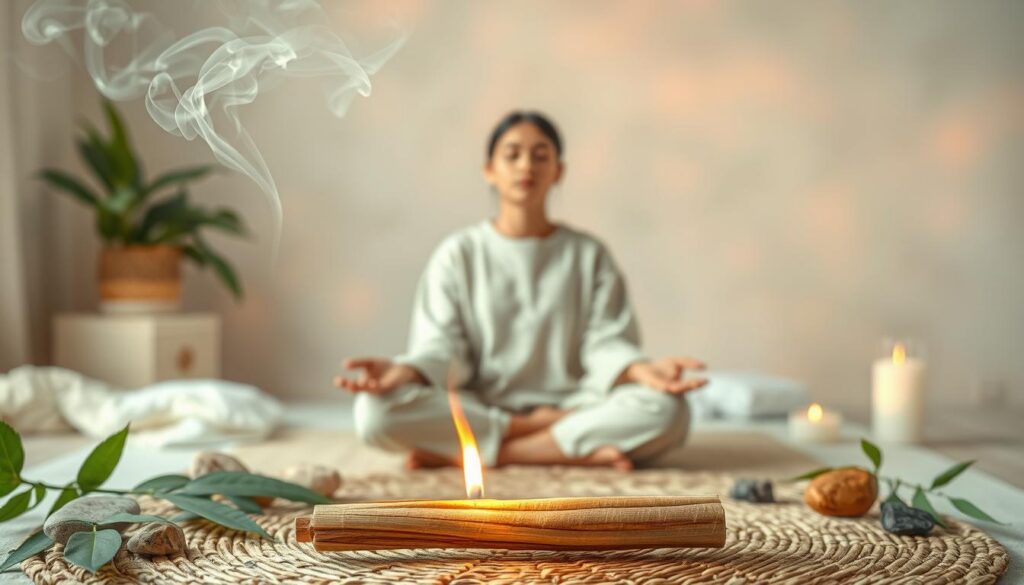
Energy Cleansing and a More Peaceful Space
Peruvian curanderos, often called shamans, have used this wood in spiritual purification for generations. Believers say smudging can move negative energy, bad energy, and invite positivity. These ideas describe faith-based experiences, not proven physical effects. Avoid copying closed ceremonies without cultural guidance.
Stress Relief and a Calmer Mind
The citrus scent may make a room feel calmer when paired with slower breathing and a clear intention. Its aroma may engage smell and memory pathways linked with relaxation. This stress support is an aromatherapy impression, not a cure for anxiety, depression, or insomnia. Never treat the oil as a substitute for professional care.
Creativity, Positivity, and Deeper Meditation
A short ritual may improve focus, clarity, and concentration for some people. Meditation with palo santo wood can also encourage a deeper connection to Earth and inner awareness. Traditional shamans may view cleansing as healing, while modern users should keep expectations modest.
A quiet intention can turn scent into a mindful pause.
| Practice | Common aim | Important note |
|---|---|---|
| Smudging | Spiritual cleansing | Belief-based tradition |
| Aromatherapy | Calm and clarity | Personal sensory response |
| Meditation | Focus and deeper connection | Not medical treatment |
How Palo Santo Fits Into a Mindful Daily Ritual
A daily ritual works best when it feels simple, personal, and easy to repeat. Choose one clear aim, such as focus before work or calm before sleep. Let the scent mark a pause rather than fill the room with smoke.
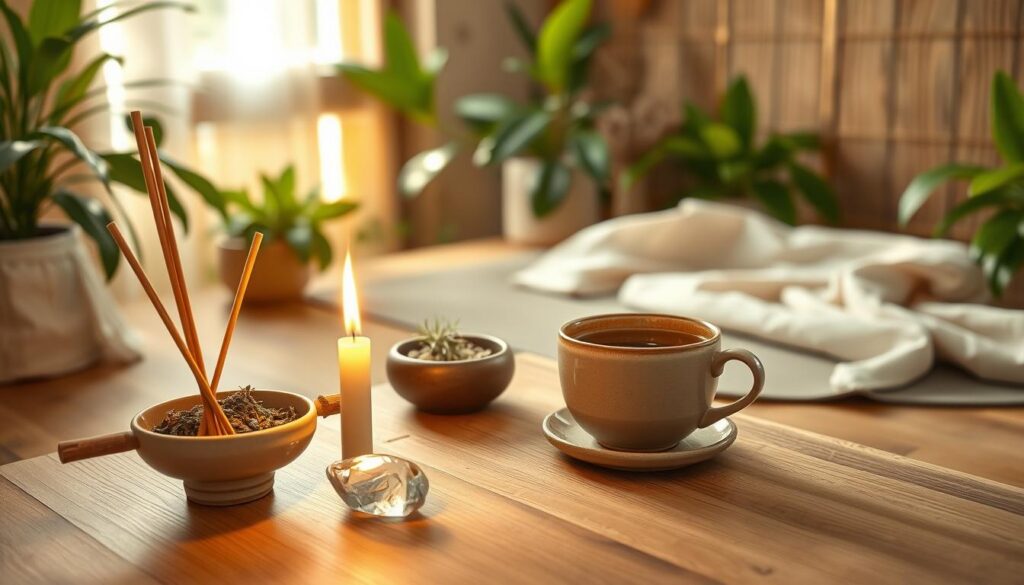
For respectful space cleansing, begin at the front door and move through your home room by room. Open doors and drawers, then give extra attention to corners. Traditional practitioners may view these spots as places where negative energy or bad energy gathers.
- Set a quiet intention before you light the wood.
- Walk slowly while practicing mindful breathing or smudging.
- End with gratitude, a blessing, or your own short statement.
Writing in a journal, stretching, or taking three slow breaths can add meaning. This approach honors energy cleansing without copying a closed Indigenous ceremony. Shamans have distinct traditions, so general use should remain respectful. You may also choose oil in a diffuser when smoke does not suit your space.
Let the ritual support your attention, not replace it.
| Time | Intention | Simple addition |
|---|---|---|
| Morning | Focus | Journal one priority |
| Midday | Reset | Take three breaths |
| Evening | Calm | Stretch for five minutes |
Potential Benefits of Palo Santo Oil for the Body
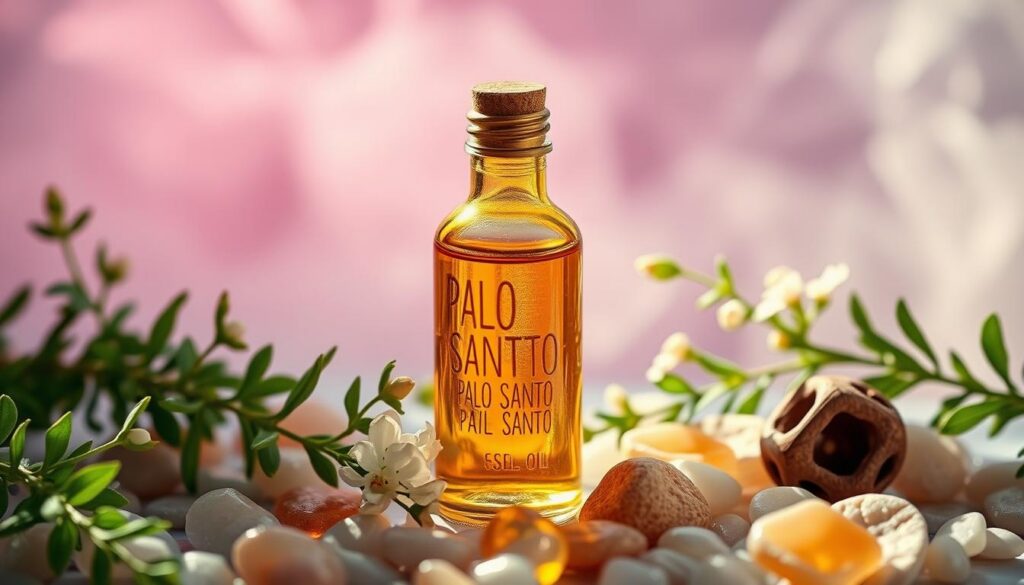
Palo santo oil offers a bright aroma for personal care and aromatherapy. Medical research remains limited, although early laboratory findings suggest useful properties. For background, see this traditional wood oil guide.
Soothing Aromatherapy for Headaches and Tension
One analysis of steam-distilled oil found 89.33% limonene, plus alpha-terpineol, menthofuran, and carvone. A 2017 NIH-linked study connected limonene with analgesic and anti-inflammatory activity. Still, this does not prove a cure for headaches, stress, or pain. Try a diffuser only as a comfort ritual, and stop if the scent causes irritation.
Skin, Muscle, and Joint Care With Diluted Oil
For sore muscles, stiff joints, or localized pain, mix the oil with a carrier oil at a 1:1 ratio, unless the label gives different instructions. Patch-test first. Undiluted essential oils may irritate skin, especially on the face or sensitive areas. Soaps, scrubs, and lotions can offer gentler body care.
- Do not use oil on broken skin.
- Ask a clinician about ongoing pain.
- Do not ingest products unless labeled for use.
Traditional tea made by simmering the wood appears in remedies for colds and flu. These claims need more evidence and should never replace medical treatment.
Easy Ways to Use Palo Santo at Home, Work, or While Traveling
This fragrant wood fits neatly into small moments at home, work, or on the road. Use palo santo to refresh a bedroom, kitchen, office, or meditation corner, but keep the amount small and the room well ventilated.
Refreshing Rooms, Crystals, and Personal Spaces
Light a small piece, let it glow briefly, then place it in a fire-safe holder. Gentle smudging can create a clean, focused sense of space. A diffuser offers a smoke-free choice at work or near sensitive smoke detectors. Properly diluted palo santo oil also works well in a diffuser. Never apply undiluted oil to skin.
Compact sticks travel easily in a car, backpack, or suitcase. They suit hikes, hotel rooms, and temporary workspaces better than a large bundle. Some people cleanse rose quartz, amethyst, jasper, and citrine every two to three days as part of a personal ritual.
- Use a diffuser with essential oils when smoke is not practical.
- Keep the wood sealed during travel to preserve its scent.
- Aromatic resins may discourage mosquitoes and flies, but they do not replace tested insect protection.
How to Burn Palo Santo Safely and Respectfully
A careful setup keeps this fragrant practice calm, controlled, and respectful. Remember that its use has deep cultural roots, so approach smudging with awareness rather than treating it as a trend.
Lighting and Extinguishing the Wood
Hold the palo santo wood at about a 45-degree angle, with the tip pointed toward the flame. Let it burn for 30 seconds to one minute. The goal is fragrant smoke, not a large flame, so gently blow it out before placing it in a safe bowl.
- Use a metal, glass, or clay bowl that will not catch fire.
- Set it on a stable, heat-resistant surface.
- Keep curtains, paper, children, and pets away.
Choosing a Safe Setup
Ventilate the room based on your comfort, asthma concerns, smoke detectors, and room size. Do not chase a stronger scent by adding more smoke. Avoid open windows with strong drafts, and never leave burning wood unattended.
When the Stick Will Not Stay Lit
A damp or smooth stick may struggle to burn. Trim about the top inch to expose a better section. If you use palo santo oil instead, follow its label directions. Confirm the ember is fully out before discarding ash.
Palo Santo Oil Safety and Responsible Sourcing
Safe use starts with the label and ends with a thoughtful buying choice. Palo santo oil can irritate skin when used without dilution, so mix it with a carrier oil such as coconut or jojoba oil. A 1:1 blend offers a simple starting point for topical use.
Why Dilution and a Patch Test Matter
Test a small amount on your forearm or foot first. Wait for a reaction before applying the blend to a larger area. Stop use if you notice redness, itching, or burning. Keep essential oils away from the eyes, inside the nose, and other mucus membranes. Store every oil away from children and pets. Do not ingest a product unless a qualified professional approves it.
How to Look for Ethically Harvested Palo Santo
Check that the label lists Bursera graveolens wood oil. Be cautious with very cheap products that only say “holy wood oil.” Ecuador restricts cutting or removing these trees. Responsible brands should explain permits, natural death, fallen limbs, and traceable harvesting. Choosing clear sources supports conservation and respects Indigenous relationships with this South American tree.
Make Palo Santo a Meaningful Part of Your Everyday Practice
A meaningful ritual begins with purpose, not habit. When used with care, palo santo wood can create a calming atmosphere and support reflection, clear thought, and personal intention. Its scent may also help mark a quiet pause during a busy day.
Indigenous communities and shamans have used this tree in spiritual rituals for centuries. Respect that history by learning its cultural context and choosing naturally harvested wood. The potential benefits of aroma, calm, and space cleansing remain personal, while clinical evidence is limited.
- Burn one small piece for a short time.
- Set a clear intention before lighting it.
- Keep fresh air moving through the room.
- Extinguish the ember fully after use.
Daily use is optional. If smoke or scent feels unpleasant, skip it or choose a smoke-free option. Let palo santo used in your routine feel meaningful, safe, and respectful—not constant. A mindful practice can support your sense of energy without making medical promises.