
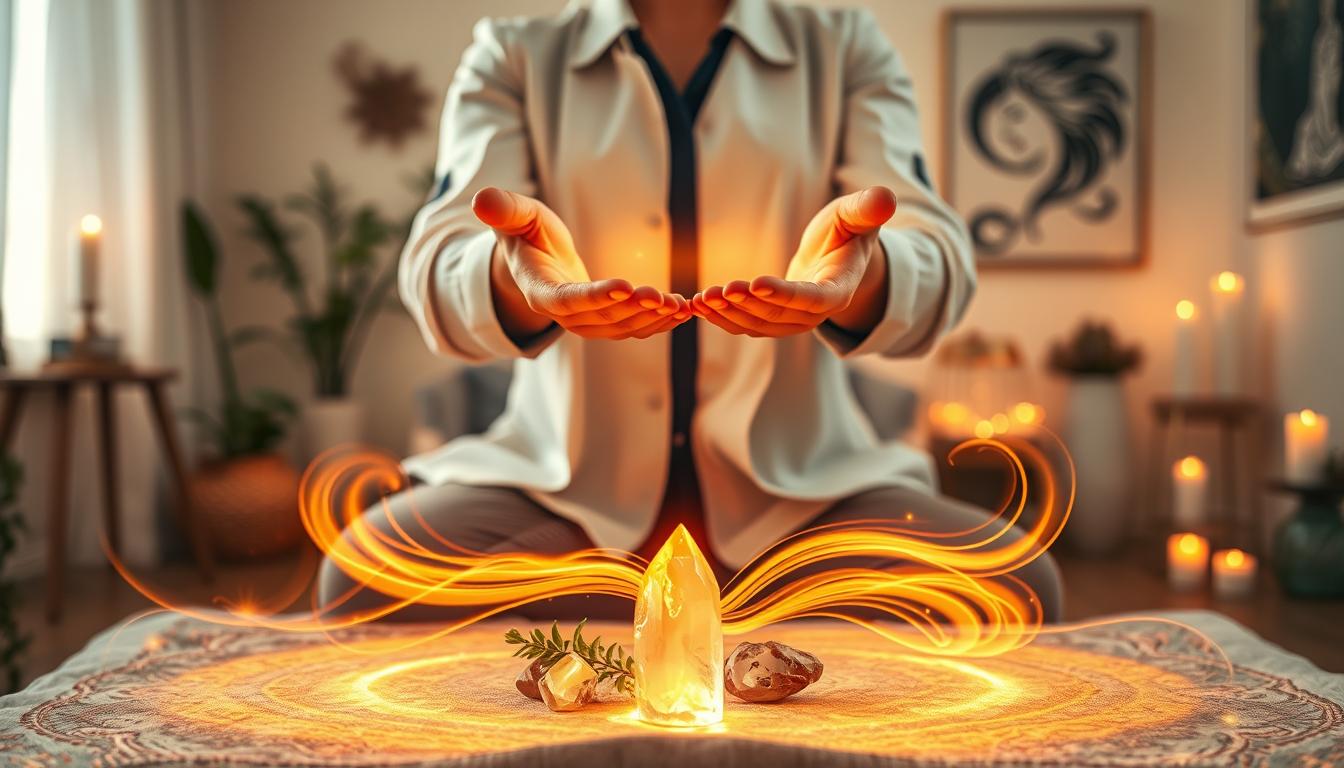
People often search for reiki healing benefits when stress, fatigue, or worry starts to shape daily life. This gentle practice comes from Japanese energy traditions. Mikao Usui founded the system in the early 1900s, and Hawayo Hiromi Takata later introduced it to the Western world, where it gained attention in the United States.
Supporters connect this therapy with calm, better sleep, less pain, and a stronger sense of balance. Some also describe a deeper connection with universal life energy. However, it does not cure disease or replace medical treatment. Think of it as a complementary option to discuss with a qualified health professional.
A 2024 systematic review of five cancer studies found lower fatigue, pain, and stress, along with improved quality of life and no reported side effects. Still, research quality varies, so fair questions remain. This guide explores the claims with a clear, practical view of health and daily life.
Key Takeaways
- The practice began with Mikao Usui in Japan.
- Takata helped bring it to the United States.
- People seek it for calm, comfort, and balance.
- It should complement, not replace, medical care.
- Early research shows promise but needs careful review.
What Reiki Is and How Energy Healing Works
Before booking a session, it helps to understand the ideas behind this gentle practice. Its language comes from Japanese tradition, yet its proposed energy field has not been scientifically established.

The Meaning of Rei and Ki
In this tradition, “rei” means universal, while “ki” loosely means life-force energy found in living things. Some followers describe it as universal life moving through a person. Others view the practice as a quiet way to focus, rest, and notice physical sensations.
“Rei” means “universal,” while “ki” refers to life-force energy.
How Reiki Differs From Massage and Medical Treatment
Mikao Usui founded Reiki in the early 1900s. The Usui system remains the most common form. A master or practitioner acts as a channel according to tradition. It is not a religion, so each person may follow personal beliefs.
Unlike massage, reiki therapy uses light touch or hands held above the body. It does not press muscles, move joints, or adjust bones. Consider it a complementary therapy, not a stand-alone health treatment or replacement for medical care.
Reiki Healing Benefits for Stress, Anxiety, and Mood
Calm can feel distant when worry fills your day. Research offers a measured view of how reiki sessions may support mood, while reminding readers that results can vary.
What Research Says About Anxiety and Depression
A 2022 review examined 14 controlled trials against placebo care. It found strong evidence for clinical stress and depression symptoms, plus moderate-to-high evidence for clinical anxiety. Yet findings for everyday stress and burnout remain limited.
A 2021 review assessed 11 studies across 30 years. Together, these reviews suggest possible effects on mood, but they don’t prove universal life energy causes them.
Why a Session May Help You Relax
In one 2021 caregiver study, adults received 45-minute weekly visits for six weeks. Compared with placebo, they reported less stress and fewer physical complaints. Blood pressure and pulse also showed relaxing effects. Quiet time, gentle touch, and slow breathing may explain part of this response.
Emotional Balance and Everyday Coping
This therapy may help some people pause, notice feelings, and cope with daily pressure. It should not replace counseling, medication, crisis support, or prescribed treatments. Speak with a qualified practitioner about your health needs.
| Evidence | Finding | Practical meaning |
|---|---|---|
| 2022 review | 14 controlled trials | Promising mood findings |
| 2021 review | 11 studies | Broader research context |
| Caregiver trial | Six weekly visits | Lower stress reports |
Can Reiki Ease Pain and Fatigue?
Persistent discomfort can affect sleep, movement, mood, and daily life. Current research suggests this gentle therapy may offer supportive effects for some people, but results remain mixed.

Findings From Cancer and Chronic Pain Studies
A 2024 review of five cancer studies reported lower pain, fatigue, and stress, plus better quality of life. A 2025 infusion study also found that most participants reported less pain, fatigue, anxiety, and nausea.
In a 2021 breast cancer study, six sessions were linked with less tiredness and improved quality of life. Another 2021 study followed 180 Turkish cancer patients for seven months. Three weekly sessions supported lower pain and fatigue than standard care alone.
Possible Support for Osteoarthritis and Fibromyalgia
A 2024 trial included 42 people with knee osteoarthritis. It used 39 minutes of face-to-face Reiki and two distant sessions. Participants reported lower pain and stronger well-being scores.
Some studies also report lower pain or anxiety among people with fibromyalgia. However, research does not show that Reiki treats this or other conditions. Use Reiki therapy beside prescribed treatments, regular appointments, and advice from your health care team.
Reiki, Sleep, and Quality of Life
Rest can shape how a person handles mood, pain, energy, and daily tasks. Early studies suggest this gentle approach may support sleep, but it does not cure insomnia or an ongoing condition. It works best as part of thoughtful health care.

Sleep Support for People With Ongoing Health Conditions
A 2024 controlled trial followed 87 people with cancer who received hormone therapy and had insomnia. After four weeks of reiki therapy, the group reported significantly better sleep quality. Small 2024 studies also explored people with epilepsy and those with multiple sclerosis. The multiple sclerosis study reported better sleep quality and quality of life.
Better rest may improve mood and reduce how strongly people notice discomfort. Still, check possible causes with a medical professional. Medication effects, sleep apnea, pain, and anxiety may need direct care. A quiet session can support a bedtime routine, yet prescribed treatment and proven sleep strategies remain important.
- Track bedtime, awakenings, and daytime energy.
- Tell your care team about new or lasting sleep problems.
- View these findings as possible support, not proof of a cure.
| Study group | Reported result | Practical note |
|---|---|---|
| Cancer and hormone therapy | Better sleep after four weeks | Discuss insomnia with an oncology team |
| Multiple sclerosis | Improved sleep and quality of life | Keep standard treatment in place |
| Epilepsy | Small study with early findings | More research is needed |
What Happens During a Reiki Session
Your first visit is usually quiet, simple, and fully clothed. A typical session lasts 60 to 90 minutes, allowing time to settle in, discuss your needs, and rest. The practitioner may ask you to complete a health form before beginning.
Preparing for Time on the Massage Table
Most people lie on a massage table while soft music plays, though silence remains an option. This therapy does not involve rubbing, pressure, or joint movement. Tell the practitioner about pregnancy, scars, pain, digestion concerns, or any treatment needs.
Hand Positions, Gentle Touch, and Common Sensations
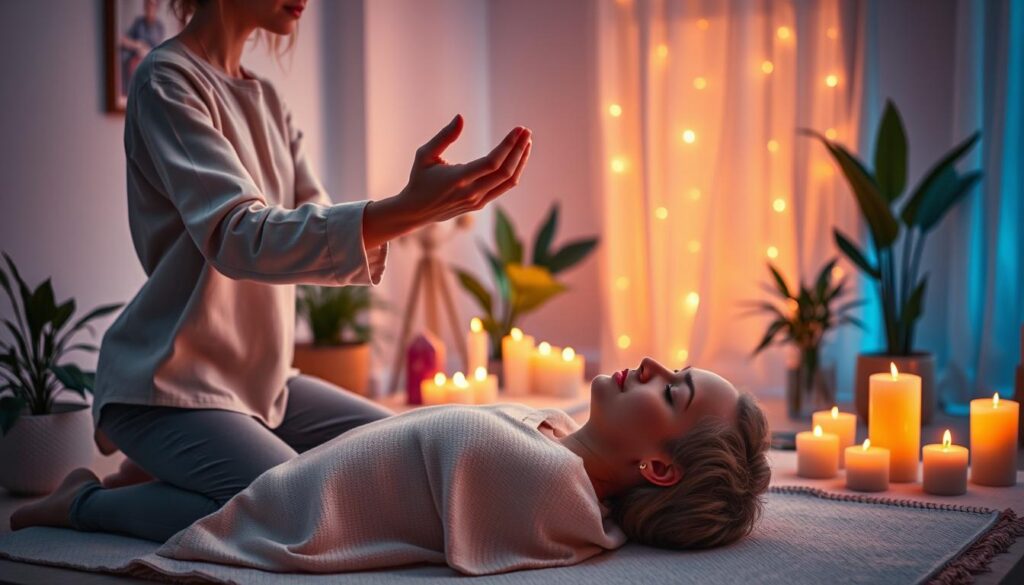
During the reiki session, the practitioner may use up to 15 hand positions on or above the body. The hands may rest lightly on approved areas, or hover nearby. Traditional language may describe universal life energy, but science has not confirmed that idea.
Some people notice warmth, tingling, pulsing, deep relaxation, or sleepiness. Others feel nothing unusual. These effects can differ from one person to another. You can ask questions, change positions, or stop at any time.
- Agree on music, silence, and touch before treatment.
- Share comfort needs clearly with the practitioner.
- Remember that relaxation is not proof of a medical result.
| Part of the visit | What to expect | Your choice |
|---|---|---|
| Length | 60 to 90 minutes | Take breaks as needed |
| Position | Fully dressed on a massage table | Request adjustments |
| Touch | Up to 15 hand positions | Approve or decline touch |
How Long Reiki Sessions Take and How Many You May Need
Planning the timing of a wellness visit can make the experience feel easier. Most reiki sessions last 60 to 90 minutes, but hospitals, homes, and private studios may use shorter schedules. A first reiki session may also include questions about your goals, health, and comfort.
Some practitioners suggest three to five treatments spaced one to two weeks apart. This schedule is not a medical rule. Your needs, condition, budget, and personal goals should guide each choice. A master or practitioner should explain the approach without promising fixed results.
Between visits, track sleep, stress, pain, mood, and daily function. These notes can show whether the therapy feels useful. They can also help you discuss changes with your care team.
Ask about prices before booking. Avoid long packages if someone pressures you to buy them. People receiving care for cancer, chronic pain, anxiety, or another condition should coordinate this treatment with a medical professional. If discomfort occurs, or the effects do not seem helpful after a fair trial, stopping remains a reasonable choice.
| Planning point | Common guidance | Best next step |
|---|---|---|
| Visit length | 60 to 90 minutes | Confirm the schedule |
| Visit pattern | Three to five visits | Review progress each time |
| Spacing | One to two weeks apart | Adjust for personal needs |
| Safety | Use alongside medical care | Inform your health team |
Choosing a Reiki Practitioner in the United States
Finding the right practitioner takes a little research. The United States has no national certifying exam, and most states do not require a specific license for this practice. Check credentials yourself, then choose a person who respects your comfort, health goals, and boundaries.
Questions to Ask About Training and Experience
Ask how the practitioner trained, how many years they have worked, and whether a Reiki master taught them through apprenticeship, rituals, or attunement. Discuss session style, touch, privacy, and work with conditions such as anxiety. A trustworthy master will not promise to cure illness or replace medical advice.
- What training and experience do you have?
- How will you use your hands, and may I decline touch?
- Do you coordinate care with doctors or other treatments?
- What safety steps and boundaries do you follow?
Session Costs, Insurance, and Local Options
The International Center for Reiki Training lists common prices from $25 to $100. Some providers work for free or accept donations. Ask insurers about complementary therapy coverage, referrals, preauthorization, limits, and reimbursement. The International Association of Reiki Professionals offers a search tool. Doctors, hospitals, and hospices may also suggest local options. Complete a health form honestly before your first session.
Reiki Risks, Side Effects, and Medical Safety
Available evidence generally describes Reiki therapy as safe for most people, including children and those with chronic conditions. Still, safety research remains limited. No clear physical or mental health risk appears in current evidence, but that does not prove every person will respond alike.
A 2024 review examined five cancer studies and reported no side effects. Larger, stronger trials would provide more confidence. Mild tiredness or emotional discomfort may also reflect the quiet setting, stress, or personal expectations rather than the energy practice itself.
Share important details before a Reiki session. Tell the practitioner about:
- pain, pregnancy, scars, or recent surgery;
- medications and ongoing treatments;
- mental health concerns or severe stress;
- conditions that require regular medical care.
Use this approach as a complementary option, never as a substitute for diagnosis, emergency help, medication, psychotherapy, or other medical treatment. Ask a doctor for medical advice when symptoms are new, severe, or worsening. A qualified practitioner should welcome questions and respect your choice to stop.
Is Reiki Right for Your Path to Greater Balance?
A balanced choice starts with curiosity, clear limits, and care that fits your needs.
For some people, this quiet practice feels calming and supports pain, anxiety, depression, sleep, fatigue, or quality of life. Research has not shown it can cure disease, and ideas about universal life energy remain unconfirmed. Reported benefits are not guarantees.
If you want to try Reiki, speak with a doctor first, especially if you have a serious health concern. Choose a qualified, respectful practitioner. Ask about training, touch, privacy, cost, and how the session may affect your body. A master should welcome questions, not make promises.
Current evidence identifies no clear physical or mental side effects, but safety research remains limited. Stop if you feel unwell and seek medical advice for worsening symptoms. One Reiki session can help you decide whether this therapy fits your personal healing routine. Keep regular care in place, and let realistic expectations guide your next step.