
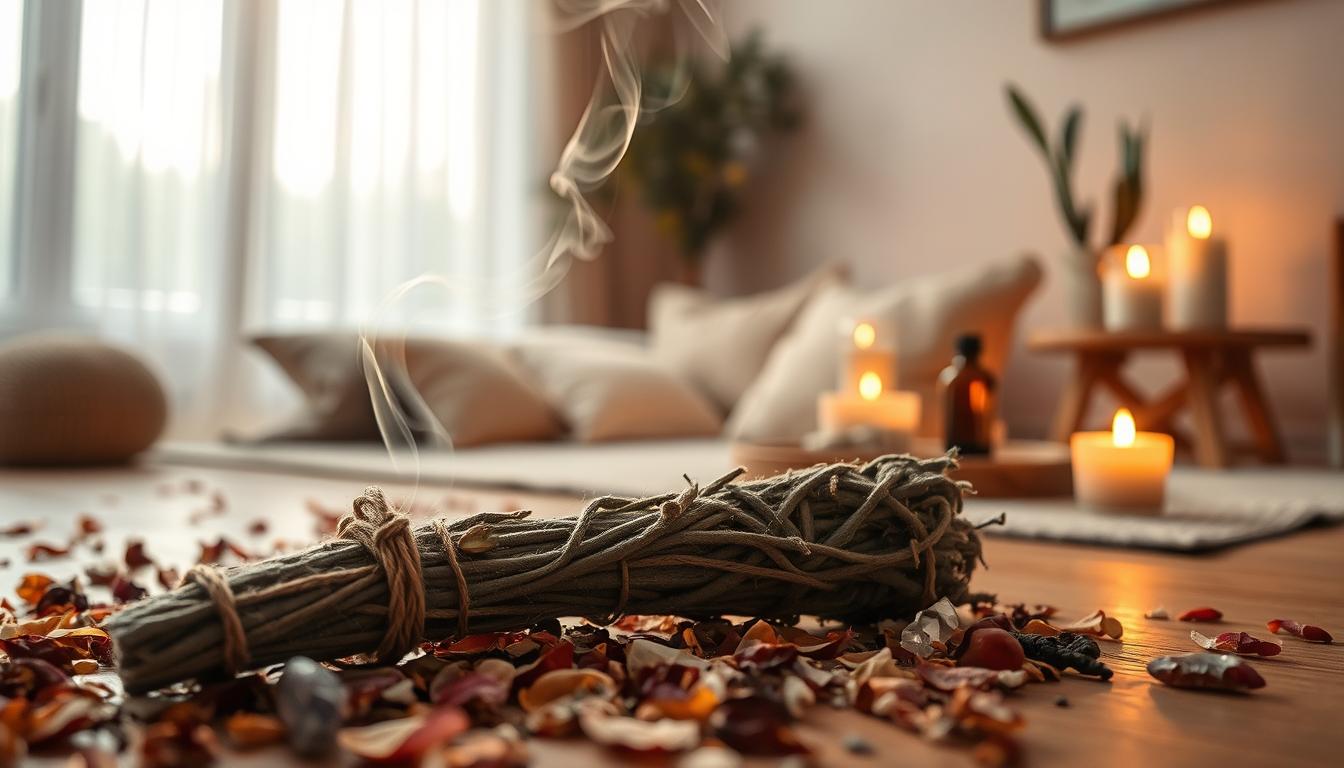
Sage smudging can feel calming and grounding. Yet careless habits may turn a meaningful ritual into a stressful home task. Too much smoke, rushed movement, or poor preparation can affect the space, your mind, and the energy you hope to shift.
This guide covers cultural, practical, and safety mistakes. It doesn’t treat every smoke-clearing method as the same. Seven Generation Education Institute identifies Mashkodewashk as the Anishinaabemowin word for sage, which adds important context to this tradition.
A tidy space can support a steadier mind and clearer intention. Still, cleansing is always voluntary. If fire, smoke, or this practice doesn’t feel right, choose another form of clearing. Respect, care, and safety matter more than following a ritual perfectly.
We’ll walk through the process from start to finish. You’ll learn about cultural respect, preparation, safe lighting, orderly movement, limited smoke, and careful closure for a more mindful day.
Key Takeaways
- Prepare your space before beginning.
- Learn the cultural meaning behind the tradition.
- Keep fire and smoke under control.
- Set a clear intention for the ritual.
- Participation is always your choice.
What Sage Smudging Means and Why the Tradition Matters
Before lighting a bundle, pause to learn what the ceremony means. This tradition is not one fixed process. Indigenous tribes, bands, nations, and communities may use different medicines, words, movements, and purposes. Some do not call it smudging at all.

Smudging Is Not the Same in Every Indigenous Culture
Anishinaabe teachings may include sage, sweetgrass, or cedar. In Treaty #3 territory, a method may place tobacco in an abalone shell or copper vessel, followed by a tightly balled sage bundle. The person who lights it traditionally begins with themselves before offering the bowl to other people. One online routine cannot represent every Native American community.
Why Respect, Consent, and Cultural Guidance Matter
Elders and knowledge keepers guide culture-specific practice. Consent also matters. No one should feel pressured to join. Seven Generation Education Institute states that participation is voluntary.
“Smudging is voluntary.”
Retail kits from Anthropologie, Sephora, World Market, and Walmart may hide deeper concerns. White sage faces serious over-harvesting, while commercial sales can encourage cultural appropriation. Read this guide to cultural appropriation before bringing the practice into your home. Respect protects the space, the people, and the meaning behind the ceremony.
Skipping the Right Preparation Before Burning Sage
A calm setup makes the ritual easier to manage. Preparation is not about perfection. It is a simple act of care that helps your space, mind, and process feel more settled.
Failing to Tidy the Space and Set an Intention
Renee B.’s March 28 preparation guide presents cleaning as stewardship, not a demand for a spotless home. Clear clutter from the room, silence notifications, and turn off the television or radio. Then set intention with one honest phrase, such as “I welcome peace and release what no longer helps.”
Gather a fire-safe vessel before you begin. An abalone shell, candle lid, or fire-safe dish can hold ash. Tie back long hair, and choose comfortable clothing without loose sleeves.

Choosing a Rushed or Distracted Time
Do not squeeze this practice between meetings in a home office. Pick a time when you feel ready, present, and undistracted. A slower pace supports better care and keeps each step clear.
Ignoring Ventilation in Your Home Office or Room
Open a window or door when weather allows. Fresh airflow helps smoke move through the room without making dramatic claims about energy. If the air feels harsh, stop and choose another clearing method.
| Preparation step | Helpful action | Purpose |
|---|---|---|
| Space | Tidy and reduce noise | Improve focus |
| Safety | Set out a fire-safe dish | Protect surfaces |
| Timing | Choose an undistracted period | Support mindful care |
Unsafe Sage Smudging Habits That Put Your Home at Risk
Fire safety belongs at the center of this process. A mindful intention cannot replace a heat-safe vessel, steady lighting, and close attention. One careless step can damage a room or turn a peaceful ritual into a stressful event.

Using the Wrong Shell, Dish, or Burning Vessel
A decorative bowl is not automatically safe. Choose an abalone shell, copper container, candle lid, or approved fire-safe dish that can catch heat and ashes. In the Treaty #3 example, an abalone shell or copper vessel supports the practice. Keep the vessel on a stable, nonflammable surface.
Never hold a smoking bundle above carpet, paper, bedding, electronics, or wooden furniture. This matters in a home office, bedroom, or any busy space. Good care protects both the physical home and the meaning of the ritual.
Leaving Smoke, Ashes, or a Bundle Unattended
Glowing embers can remain after flames fade. Place the sage bundle in the secure dish, away from children, pets, curtains, and loose papers. Stay in the room until it goes out fully.
- Let ashes cool completely before disposal.
- Consult local Elders about cultural ash protocols.
- Stop lighting if smoke feels harsh or unsafe.
Moving Through the Space Without a Clear Order
A clear route gives this practice a calm rhythm. It also helps you stay aware of heat, airflow, and the people around you. Choose a simple order instead of moving from place to place while distracted.
For a practical home method, Renee B. begins in one corner. This sequence offers a useful framework, not a universal rule for every Indigenous community. Traditions vary, so follow cultural guidance when it is available.

Starting Anywhere Instead of Following a Simple Path
Start in one corner of the room. Move through the remaining corners, then cover the center, furniture, electronics, windowsills, and doorframe. Keep the sage bundle small and let the smoke travel naturally. You do not need to perform each step for a long time.
- Finish one room before entering the next.
- Move slowly and watch where smoke goes.
- Handle front, back, and side doorframes last.
This order marks completion rather than chasing negative energy. A steady path can support your intention and create a more mindful home. For more ideas, explore this zen house aesthetic.
Using Too Much Smoke or Treating Sage Like a Daily Fix
More burning does not create a better result. A mindful process works best when it stays gentle, brief, and guided by care. The goal is not to fill every space with smoke or manage each difficult thought at once.
Letting a Small Stream Do the Work
Treaty #3 guidance states that a small stream of smoke is enough. Extra burning can cause irritation, more ashes, and added fire risk. If breathing feels uncomfortable, stop, open a window, and let the room settle.
People like to assume that more means stronger. Yet this practice does not need to overpower your home or office. One calm step, paired with clear intention, may offer a simple way to mark a transition.
Releasing Instead of Fighting
Renee B. describes sage as an act of release, closure, or readiness, not daily maintenance. You do not need to smudge after every tense day or treat negative energy as an enemy. Name the thoughts you are ready to leave behind, then allow the process to end.
People like different ways of clearing. Try fresh air, soft sound, tidying, or quiet sitting instead. For a careful guide, explore mindful home and office clearing.
| Situation | Better choice | Reason |
|---|---|---|
| Heavy smoke | Stop and ventilate | Protects breathing |
| Restless thoughts | Pause in silence | Supports calm |
| Need for closure | Set one intention | Creates focus |
Finish the Ritual With Care and Let the Space Settle
Closure gives the practice a safe ending. Place the sage bundle in a fire-safe container, then wait until it cools fully before leaving the space. Follow local rules for ashes. Seven Generation Education Institute recommends asking Elders or knowledge keepers about proper protocols.
Give your home and mind a few quiet minutes. Let fresh air move through the room, or sit near the door before returning to notifications. Clarity grows from honest intention, not extra smoke or a daily routine. Set intention, offer thanks, and allow the space time to settle.
If you prefer non-burning cleansing, try an open window, gentle music, sound, light tidying, or a short acknowledgment. These choices can support clearing without flame.
Respectful smudging is voluntary, contained, and used sparingly. When you burn sage, show care for people, plants, homes, and living traditions. A thoughtful ending protects the process and supports clarity throughout your day.