
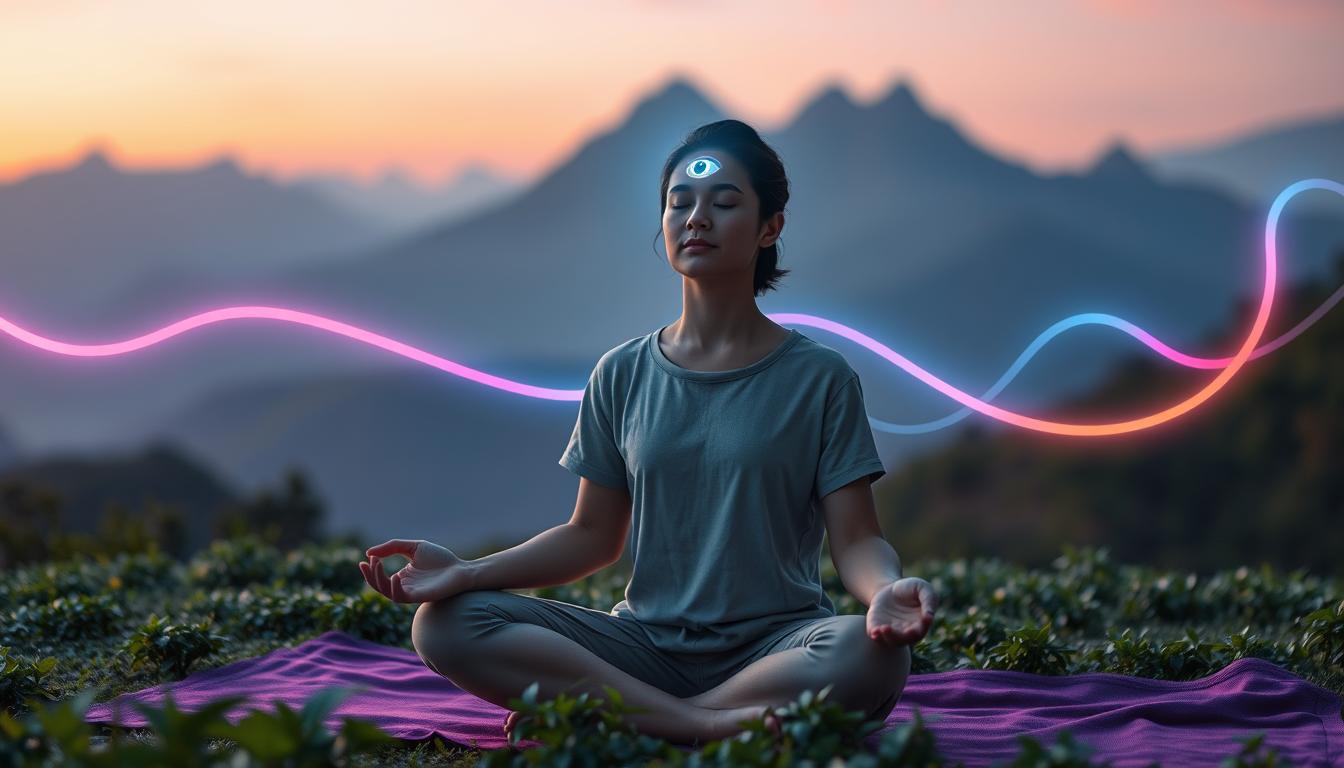
Many people view awakening third eye experiences as a spiritual interpretation of shifts in dreams, attention, intuition, and self-awareness. It isn’t a medical diagnosis, and every person’s process can look different.
Some report tingling between the eyebrows, vivid dreams, light sensitivity, clearer thoughts, or a stronger sense of inner guidance. The brow center is traditionally placed between the eyebrows, while modern discussions sometimes connect it with the pineal gland and brain function.
Changes may appear quickly or unfold slowly over time. Sleep, stress, meditation, personal beliefs, and daily practices can shape the experience. Calm exploration supports clarity, wisdom, and a deeper connection with your own consciousness.
You don’t need to force unusual sensations. This guide explains gentle ways to explore opening third eye practices while staying grounded. Headaches, lasting vision changes, severe anxiety, or feeling detached from reality deserve care from a qualified health professional.
Key Takeaways
- Common signs may include tingling, vivid dreams, and stronger intuition.
- The experience can develop at a different pace for each person.
- Sleep, stress, and meditation may affect what you notice.
- Grounded practices can support awareness without pressure.
- Serious physical or emotional symptoms need professional care.
What Third Eye Awakening Means
This idea describes an inward focus, not a literal physical organ. In spiritual traditions, it points to intuition, insight, inner wisdom, and a closer connection with consciousness. A spiritual perspective on inner awareness can offer useful context while still leaving room for personal interpretation.
The Third Eye Chakra and Inner Awareness
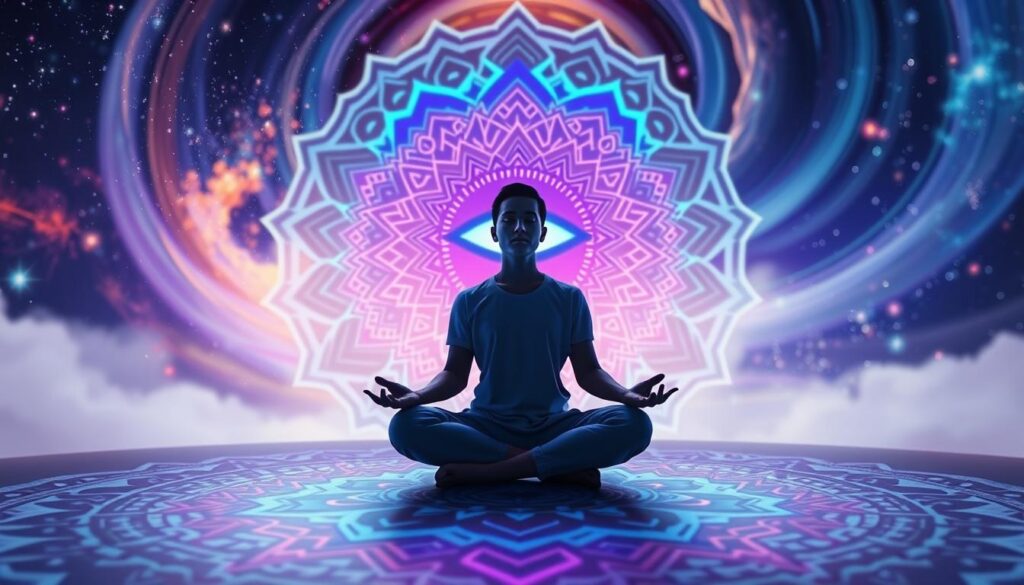
The Ajna chakra is the sixth chakra in the seven-chakra system. In Sanskrit, Ajna means “command” or “perceive,” so teachers connect it with inner direction and clear thought. This energy center rests between the brows, above the nose. Traditional symbols use indigo, a two-petaled lotus, and the seed sounds Ham and Ksham.
Some teachings link this chakra with higher consciousness and an eye chakra. Modern biology offers a different lens. The pea-sized pineal gland sits near the brain’s center and releases melatonin in darkness. The pituitary gland also appears in traditional comparisons. These facts do not prove psychic abilities. Still, meditation may support focus, emotional balance, awareness, and mental clarity. Use the practice to explore perception, not to chase unusual states.
| View | Main focus | Grounded takeaway |
|---|---|---|
| Traditional | Intuition and wisdom | Explore symbols gently |
| Biological | Sleep and perception | Respect body signals |
| Practical | Mindful meditation | Build clarity over time |
Signs of a Third Eye Awakening You Can’t Ignore
People may notice subtle changes in the brow area, dreams, emotions, and daily awareness. These experiences can feel meaningful, yet they do not confirm a spiritual change. Observe them with curiosity rather than fear or pressure.
Brow and Visual Sensations
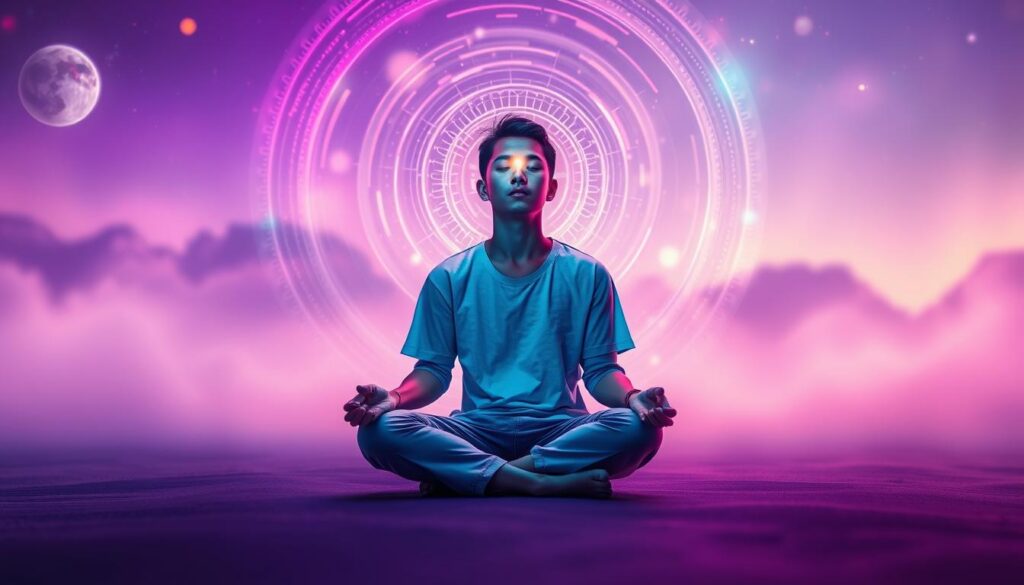
Some report tingling between the brows, forehead pressure, strain, or temporary changes in visual awareness. A traditional Ajna chakra practice places this energy center just above the bridge of the nose. Increased sensitivity to light or nearby energy may also occur.
Dreams and Inner Symbols
Vivid dreams and symbolic images may seem unusually clear and memorable. Keep a dream journal beside your bed. Writing soon after waking can reveal patterns over time without forcing a fixed meaning.
Changes in Feeling and Perception
Clearer thought, fewer second guesses, stronger intuition, and deeper emotional contact can feel like inner guidance. Spiritual traditions may call this an awakening process. However, poor sleep, stress, migraines, medication, and anxiety can cause similar sensations. Seek medical or mental health support for lasting vision changes, severe distress, or confusion.
How to Tell Spiritual Shifts From Health Concerns
Spiritual practices can shape perception, but physical and emotional symptoms deserve equal care. A calm process helps you protect your body while exploring a third eye experience. The pineal gland produces melatonin, which supports sleep and circadian rhythms. That fact does not confirm a spiritual cause for new symptoms.

When Light Sensitivity or Headaches Need Medical Care
Brow tingling may occur during meditation. However, lasting headaches, eye pain, vision loss, or new photophobia need medical assessment. Photophobia means light sensitivity, and it can signal a physical concern rather than a third eye chakra shift.
- Pause intense practices if symptoms become painful or frightening.
- Contact a doctor or eye specialist for persistent changes.
- Return to regular meals, hydration, rest, and daily routines.
Recognizing Mental Health Symptoms That Need Support
Seek mental health support for prolonged insomnia, panic, severe depression, racing thoughts, confusion, or trouble functioning. Meditation may improve focus and emotional regulation, but it cannot replace prescribed treatment.
Get urgent help for self-harm thoughts, extreme agitation, inability to care for yourself, or feeling detached from reality.
Prepare Your Mind, Body, and Space
A steady routine gives spiritual exploration a safer and calmer starting point. Before opening third eye exercises, choose one clear aim. You might seek self-awareness, better emotional balance, or a stronger sense of intuition. This simple step gives your practice direction without promising instant awakening.
Create a quiet place with comfortable seating, soft light, and a relaxed posture. Keep enough time to stop without feeling rushed. Five calm minutes often build more trust than forcing a long session. Let clarity grow through patience, not pressure.
Support your body with regular meals, joyful movement, enough sleep, and brief mindfulness breaks. Gentle yoga, slow breathing, and time outdoors can ease overstimulation. A nature walk may help restore balance when focused energy feels intense.
Healthy preparation keeps the third eye chakra practice grounded. You do not need visions, colors, or unusual signs. Steadier attention, wiser choices, and greater awareness can offer meaningful guidance in daily life. Insight Timer also provides worksheets for emotional awareness and stress support.
| Preparation | Simple action | Helpful result |
|---|---|---|
| Intention | Choose one honest goal | Clearer direction |
| Space | Use soft light and comfort | Less distraction |
| Body | Eat, rest, move, and breathe | Steadier energy |
Meditation Practices for Opening the Third Eye
Gentle meditation can support focus, self-awareness, and calm. It does not promise psychic abilities or instant awakening. Begin with five to ten minutes daily, since a consistent practice matters more than intense effort.
Ajna Meditation, Visualization, and Om Chanting
Sit comfortably, close your eyes, and rest soft attention on the space between your eyebrows. Picture an indigo light as a traditional symbol of the third eye chakra, not a medical treatment. You may also chant Om, a sound linked with the Ajna chakra. Stop if sound or focus causes anxiety.
Breathwork and Gentle Brow Center Focus
Try Trataka for candle-gazing concentration, Bhramari for a calming hum, or Nadi Shodhana for alternate-nostril breathing. Keep your brow relaxed; never strain the eyes. Hold Gyan Mudra for five to fifteen minutes. Some traditions repeat affirmations 108 times with mala beads.
One source reports Alpha and Theta states after about 15 minutes of breathwork, but timing varies. Let clarity and intuition develop naturally.
Support Awakening With Sleep, Yoga, and Daily Awareness
Simple daily habits can help spiritual practice feel calm and practical. Rest, movement, food, and nature time support focus without promising unusual results. They also connect inner work with whole-body health.
Keep a regular sleep schedule when possible. In darkness, the pineal gland produces melatonin, a hormone that helps guide the sleep-wake cycle and circadian rhythms. Consistent rest may support mood, attention, and meditation.
Healthy Sleep, Food, Movement, and Nature Time
Choose nutrient-dense foods such as blueberries, grapes, plums, blackberries, and purple kale. Their color does not activate an eye chakra, but these foods can fit a balanced eating pattern. Drink water and notice how your body responds.
Try gentle yoga poses, including Balasana, Adho Mukha Svanasana, Garudasana, and Prasarita Padottanasana. A morning walk, soft daylight, or quiet nature time can settle attention. Never stare directly at the sun.
- Use sandalwood, clary sage, frankincense, or rosemary as optional scents.
- Dilute essential oils and follow product safety guidance.
- Pair meditation practices with ordinary routines and relationships.
Let steady habits guide your intuition, not pressure.
With patience, this practice can deepen connection and awareness across daily life. Stop any routine that harms your health.
Stay Grounded When Intuition and Sensitivity Increase
Heightened sensitivity can feel meaningful, but steady habits keep inner work useful. Treat each impression as a question, not proof.
Balancing Intuition With Rational Thought
Before making a major choice, test intuition against evidence, likely results, and information gathered over time. Ask what a trusted person might notice. This approach supports clarity, wisdom, and balance while honoring personal perception.
- Write down the feeling and the facts.
- Consider practical risks and benefits.
- Wait before acting on strong guidance.
Journaling, Grounding, and Community Support
Keep a dream journal with the date, emotions, symbols, and waking-life context. Recurring patterns may offer insight, but vivid images do not predict the future.
After intense meditation, try slow breathing, a nature walk, yoga, or a simple household task. Protect sleep and take digital breaks when content about the third eye increases fear or overstimulation.
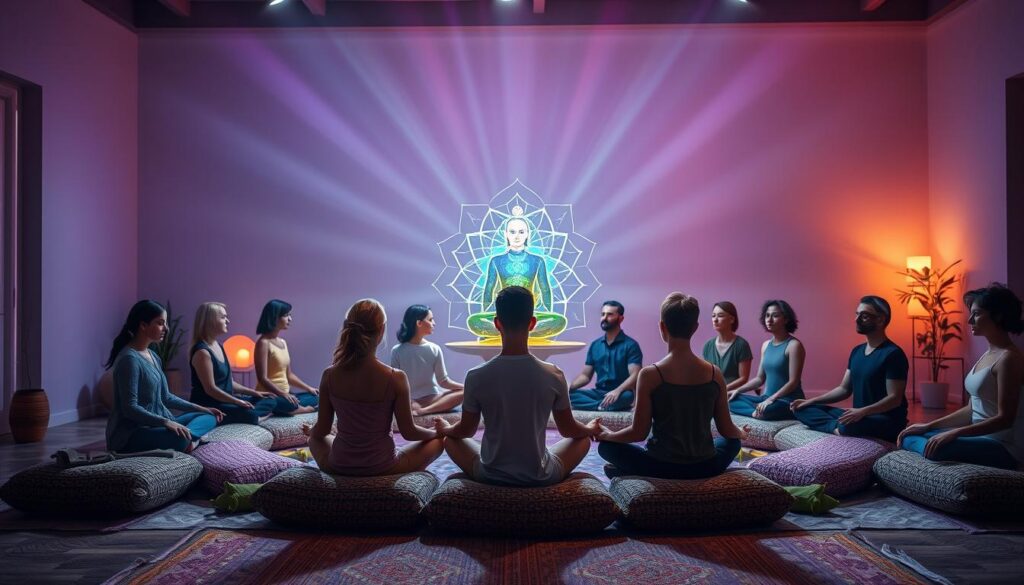
Amethyst, lapis lazuli, and clear quartz may carry traditional meaning, yet they cannot replace health care. For support, consider a trusted friend, therapist, qualified teacher, or respectful community. Insight Timer offers over 18,000 teachers and 150,000 free resources. Choose guidance that respects boundaries, evidence, and mental health.
Trust Your Inner Guidance as the Practice Unfolds
Your spiritual path can unfold in its own time. An awakening third eye is personal, so patience and a steady mind matter more than instant results. Brow sensations, vivid dreams, emotional sensitivity, clearer thought, stronger intuition, and shifts in perception may feel meaningful, but they do not prove psychic ability.
Use opening third eye meditation for reflection, not to explain every physical symptom. Build a supportive routine with sleep, movement, journaling, gentle meditation, and time in nature. Let insight grow through calm practice and honest self-awareness.
Trust inner guidance after checking it against facts, lived experience, and advice from people who care about you. The third eye chakra may hold spiritual meaning, while professional support remains wise when symptoms affect daily life. Insight Timer offers more than 18,000 teachers and 150,000 free resources for guided support.
Stay curious, grounded, and kind to yourself as your path develops.