

Have you ever heard about the gifts of the Holy Spirit and wondered how they fit into everyday life? You’re not alone! Many people have a vague idea but don’t fully grasp their significance. Catholic teachings can sometimes feel overwhelming, but don’t worry. This guide will walk you through everything step by step, making it easy to understand.
Most folks remember hearing about these gifts during Confirmation prep, but they might not have gotten the complete picture back then. The phrase “12 gifts” actually refers to two connected ideas: the seven gifts and the twelve fruits. It’s important to clarify this right away so there’s no confusion.
These gifts aren’t just abstract concepts; they’re real helps for daily living, given to every baptized Christian. They come from Scripture, specifically Isaiah 11 and Galatians 5. By the end of this guide, you’ll know each gift and fruit, how they work together, and practical ways to grow in them.
These gifts are meant for everyone, not just saints or mystics. This ultimate guide covers everything from understanding these gifts to how Baptism and Confirmation bring them to life, along with practical ways to live them out every day.
Key Takeaways
- Gifts of the Holy Spirit are practical aids for daily living.
- There are seven gifts and twelve fruits, both rooted in Scripture.
- Every baptized Christian receives these gifts.
- They are designed for ordinary life, not just for saints.
- This guide will help you understand and grow in these gifts.
What Are the 12 Gifts of the Holy Spirit Catholic?
Many people wonder how the gifts from the Holy Spirit can influence their daily lives. When folks mention the “12 gifts,” they often mean two distinct lists that are commonly grouped together. The Church teaches about seven gifts and twelve fruits, which are sometimes referred to as the 12 gifts in casual conversation.
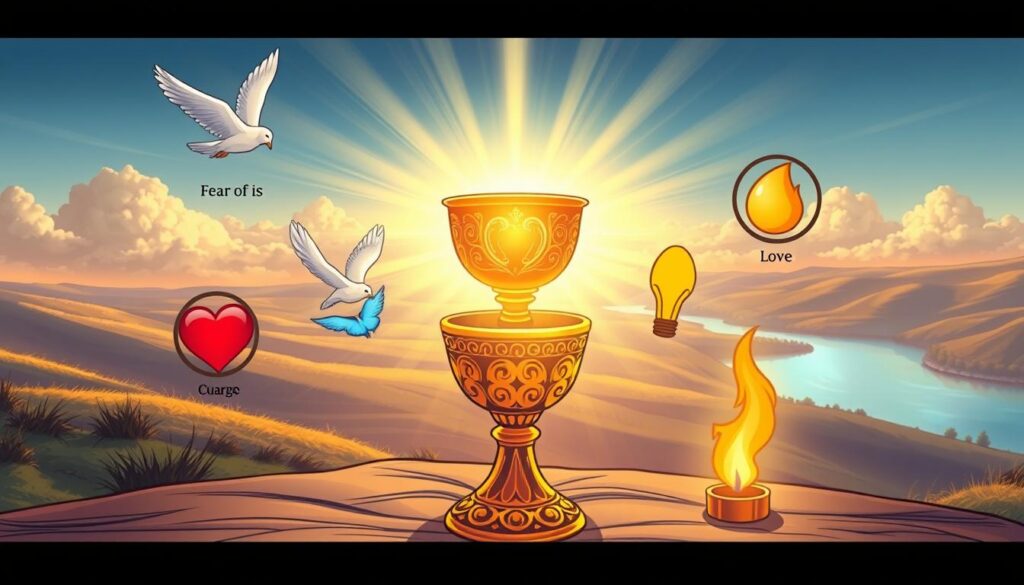
The seven gifts include wisdom, understanding, counsel, fortitude, knowledge, piety, and fear of the Lord. These gifts are given at Baptism and strengthened during Confirmation. They help guide us in following the Holy Spirit’s lead in our lives.
On the other hand, the twelve fruits represent the results of these gifts in action. They serve as evidence that the gifts are alive and working within us. Think of the gifts as the roots of a tree, while the fruits are the beautiful blossoms that grow from those roots.
St. Thomas Aquinas wrote extensively about these seven gifts in his work, Summa Theologiae. He described them as habits or dispositions that help us rise above our human limitations. The fruits, listed in St. Paul’s letter to the Galatians, showcase what a life led by the Spirit looks like.
Both the gifts and the fruits are meant for every baptized Christian. They aren’t just for priests or particularly holy individuals. It’s perfectly normal to feel confused about the terminology; many Catholics never received a clear explanation.
Now that we’ve clarified these concepts, we’ll look at each of the seven gifts one by one, followed by a dive into the twelve fruits.
| Category | Gifts | Fruits |
|---|---|---|
| Seven Gifts | Wisdom, Understanding, Counsel, Fortitude, Knowledge, Piety, Fear of the Lord | Charity, Joy, Peace, Patience, Kindness, Goodness, Generosity, Gentleness, Faithfulness, Modesty, Self-control, Chastity |

The Seven Gifts of the Holy Spirit Explained
Ever wondered how the gifts from the Spirit can change your daily life? The seven gifts come straight from the prophet Isaiah, who described them resting on the Messiah. Now, through Baptism, they rest on every Christian. These gifts aren’t just for the chosen few; they’re meant for all of us, helping us navigate our everyday challenges.
Wisdom
Wisdom isn’t just about being smart. It’s about seeing life through God’s eyes. It means knowing what really matters and making choices that align with divine truth. Think of it like a parent who instinctively knows what’s best for their child. This gift helps you discern the right path in tough situations.
Understanding
Understanding is that “aha” moment when faith clicks. It’s when you grasp something deep about God or yourself that you couldn’t quite articulate before. This supernatural insight goes beyond mere facts. It helps you connect with the essence of your beliefs.
Counsel
Counsel is all about good judgment. It’s that inner nudge that guides you when you’re stuck. Imagine having a wise friend whispering the right advice in your ear just when you need it. This gift helps you make decisions that lead you closer to God.
Fortitude
Fortitude gives you the guts to keep going when things get tough. It’s the strength to stand up for your faith, even when it’s unpopular. This courage is essential for facing life’s challenges without giving up. Everyone needs this kind of strength at some point.
Knowledge
Knowledge isn’t just about memorizing religious texts. It’s about knowing God’s will and seeing the world through His lens. This gift helps you understand what draws you closer to Him and what leads you away. It’s about making informed choices that reflect your faith.
Piety
Piety is a tender, childlike love for God. It’s not just about following rules; it’s about genuinely wanting to honor Him and serve others. When you see God in those around you, it fosters a natural affection, like the love you have for a caring parent.
Fear of the Lord
Fear of the Lord can sound intimidating, but it’s really about awe and reverence. Picture standing at the edge of the Grand Canyon, feeling small yet deeply loved. It’s not about being terrified; it’s about being amazed by God’s greatness and wanting to stay close to Him.
These seven gifts work together as a team, each supporting the others. They’re meant to help us live a holy life amidst our ordinary routines. Remember, these gifts are already within you through Baptism, waiting to be awakened and used.
| Gift | Description |
|---|---|
| Wisdom | Seeing life through God’s eyes and making choices aligned with divine truth. |
| Understanding | Deep insight into faith and personal truths that resonate within. |
| Counsel | Good judgment and guidance in decision-making. |
| Fortitude | Courage to face challenges and stand firm in faith. |
| Knowledge | Understanding God’s will and discerning right from wrong. |
| Piety | A loving reverence for God and a desire to serve others. |
| Fear of the Lord | Awe and reverence that draws you closer to God. |
The Twelve Fruits of the Holy Spirit and Their Meaning
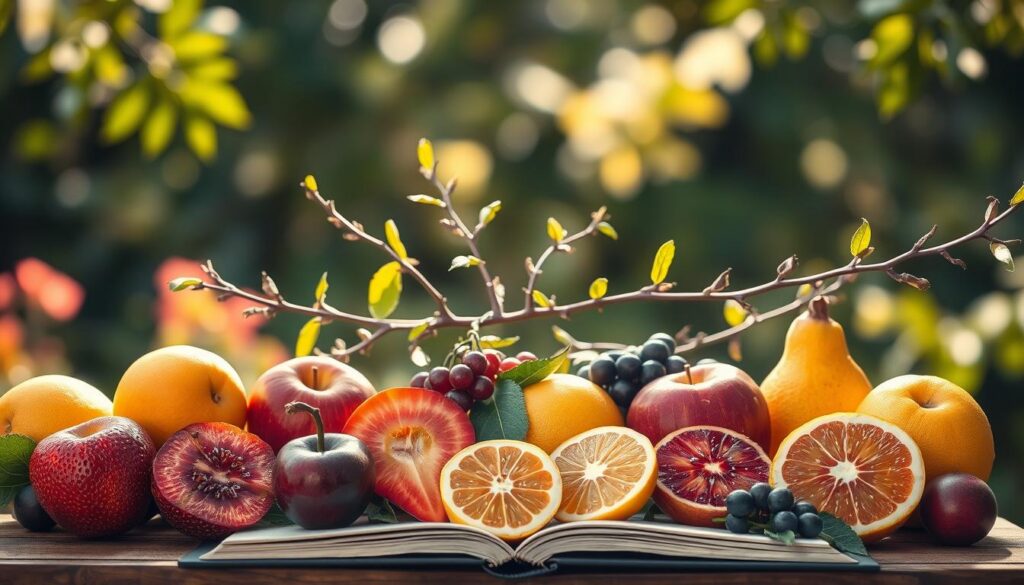
The fruits of the Holy Spirit are like visible signs that show how the Spirit works in a person’s life. These qualities can be seen in how someone acts and treats others. They reflect the inner transformation that happens when we open our hearts to God.
Charity (Love)
Charity is the greatest of all fruits. It’s not just a feeling; it’s a choice to put God and others first. St. Paul beautifully describes this selfless love in 1 Corinthians 13. When you practice charity, all the other fruits flow from it, shaping your interactions with everyone around you.
Joy
Joy isn’t merely about being happy when life is smooth. It’s a deep, steady gladness that remains even during tough times. This joy is rooted in knowing that God loves you, allowing it to coexist with grief and struggles.
Peace
Peace brings an inner calm that often doesn’t make sense to outsiders. It’s a tranquility that comes from trusting God, even when life feels chaotic. This peace encourages you to share it with others, creating a ripple effect of serenity.
Patience
Patience is the ability to bear with difficult people and situations without losing your cool. It’s that long-suffering quality St. Paul mentions, which every parent, spouse, and coworker needs. This fruit helps you respond with grace rather than frustration.
Benignity (Kindness)
Kindness is all about going out of your way to be good to others. These small acts of thoughtfulness can brighten someone’s day. It’s treating others the way you’d want to be treated, reflecting the love of Christ in your actions.
Goodness
Goodness serves as your moral backbone. It’s about choosing what’s right over what’s easy. This fruit encourages you to turn away from sin and embrace virtue in your daily decisions.
Longanimity (Perseverance)
Perseverance means staying faithful for the long haul. It’s quietly enduring provocation and not giving up when challenges arise. This steadfastness is crucial for maintaining relationships and keeping your spiritual life vibrant.
Mildness (Gentleness)
Gentleness is the opposite of being harsh or reactive. It involves having a gentle demeanor that makes others feel safe. By showing forgiveness and grace instead of anger, you create a welcoming environment for those around you.
Faith
Faith represents fidelity and reliability. It’s about being true to your commitments and living according to God’s will. This fruit helps you stick with the teachings of Jesus and the Church, even when they go against the grain of society.
Modesty
Modesty is about humility in how you present yourself. It’s not drawing attention to your achievements or your body in ways that distract from your identity as a child of God. This quality reflects an inner peace and respect for yourself and others.
Continence (Self-control)
Self-control is the power to say no to impulses that lead you away from God. It’s about moderation in all things. This fruit doesn’t deny your needs but helps keep your wants in check.
Chastity
Chastity involves ordering your sexual desires according to your state in life. It means being faithful in marriage or living celibately if you’re single. This fruit sees sexuality as a gift from God, to be respected and lived out with integrity.
These fruits aren’t just a checklist to follow. They naturally emerge when you stay connected to the Holy Spirit, like grapes growing on a vine. As you nurture your relationship with God, these qualities will flourish in your life.
How Baptism and Confirmation Bring the Gifts of the Holy Spirit to Life
Many Catholics may not realize the profound impact Baptism and Confirmation have on their spiritual journey. For many, these events are just memories from childhood, perhaps moments they went through because their parents signed them up. However, there’s something powerful happening in both sacraments.
At Baptism, the seven gifts are planted in the soul like seeds. This is a permanent endowment that doesn’t get taken back, even if we ignore them for years. These gifts can lie dormant, just sitting there unused, until we start cooperating with the Holy Spirit and putting our faith into action.
Confirmation is the moment when those gifts get sealed and strengthened. Think of it like a booster shot that amps up what was already given at Baptism. St. Thomas Aquinas taught that the virtue of charity unlocks these gifts. The more we love God and our neighbors, the more these gifts start to wake up and work in us.
The gifts are meant to perfect the virtues. As we practice prudence, justice, fortitude, and temperance, the gifts step in to elevate those human efforts with supernatural help. Imagine a soldier being equipped for battle. This modern framing shows how Confirmation gives you the tools you need to handle life’s challenges with faith.
Parents and godparents play a big role in helping children activate these gifts. They do this by teaching them to pray and live out their faith at home. It’s important to remember that it’s never too late. Even if someone was baptized as a baby and confirmed as a teenager but never really understood what they received, the gifts are still there waiting.
Consider your own Baptism and Confirmation not as one-time events in the past but as ongoing sources of grace you can tap into every day. By nurturing your relationship with the Holy Spirit, you can awaken these gifts and allow them to flourish in your life.

Why the Gifts and Fruits Matter in Your Spiritual Life
Navigating life can be challenging, and that’s where the gifts and fruits come into play. Life can throw curveballs, and trying to be a good person on your own only gets you so far. This is exactly why these gifts and fruits matter so much.
These gifts aren’t just for monks or mystics. They’re for parents raising decent kids, workers facing ethical dilemmas, and anyone wanting to live with purpose and integrity. Each gift serves to perfect the four cardinal virtues: prudence, justice, fortitude, and temperance, along with the three theological virtues: faith, hope, and charity.
Consider how the gifts work together with the virtues. For example, fortitude gives you the courage to practice patience when every fiber of your being wants to snap at someone. This interplay is crucial for living a balanced life.
The fruits act as evidence that your spiritual life is healthy. Just like you can tell a tree is alive by the fruit it produces, the fruits of love, joy, and peace show your growth. When you’re growing in these qualities, it changes how you show up in your relationships, work, and even how you handle stress and disappointment.
These gifts also help you navigate life’s gray areas, where the right choice isn’t always obvious. They provide wisdom and counsel when you need direction. And let’s not forget that the fruits make your faith attractive to others. People notice when someone is genuinely peaceful, patient, and kind in a world that’s often the opposite.
It’s important to acknowledge that nobody exhibits all these fruits perfectly all the time. That’s okay! It’s a gradual process of growth, not a pass-fail test. The gifts and fruits connect to the Beatitudes, illustrating the path Jesus laid out for living a blessed life.
Ultimately, paying attention to these gifts and fruits isn’t about being holier-than-thou. It’s about becoming the person God made you to be, which is the most fulfilling way to live.
Common Misunderstandings about the Gifts of the Holy Spirit
There’s a lot of buzz around the gifts from the Holy Spirit, and many folks are left scratching their heads about what they really mean. If you’ve felt mixed up about this, you’re in good company. Even Catholic catechesis has dropped the ball on it over the years.
One major misconception is that these gifts are only for super holy people like saints and mystics. The truth is, the Church teaches that they’re given to every baptized person, no exceptions. This means you, too!
Another point of confusion arises when people mix up the seven gifts with charismatic gifts like speaking in tongues or healing. Those are different things entirely and not what Isaiah 11 or the Catechism is talking about.
Now, let’s talk about “fear of the Lord.” This phrase can trip people up because it sounds like being scared of God. In reality, it’s about awe and reverence—like the overwhelming wonder you feel looking at the night sky.
Some folks think the gifts automatically make you wise or courageous overnight. However, they actually need to be developed through practice and cooperation with grace. It’s a journey, not a sprint!
Also, the gifts aren’t about being perfect or never making mistakes. They’re helps for the journey, not a magic wand that erases human weakness. We all have our ups and downs, and that’s perfectly okay.
Many people believe these gifts are outdated or only for those in religious life. But they’re grounded in Scripture and meant for everyday life in the world. They help us navigate our daily challenges.
It’s worth noting that many Catholics were poorly catechized after Vatican II. Textbooks often offered confusing or made-up definitions, so it’s no wonder people are unclear about the gifts.
Lastly, the gifts and fruits aren’t separate tracks; they work together. You can’t really have one without the other growing alongside it. They complement each other beautifully.
And remember, it’s never too late to learn about and start living out these gifts. No matter how old you are or how long you’ve been away from the Church, there’s always room for growth.
| Misunderstanding | Clarification |
|---|---|
| Only for holy people | Given to every baptized person, no exceptions. |
| Mixing with charismatic gifts | Seven gifts differ from charismatic gifts like healing. |
| Fear means being scared | Fear of the Lord is about awe and reverence. |
| Instant wisdom or courage | Gifts need to be developed through practice. |
| Outdated or only for religious | Grounded in Scripture, meant for everyday life. |
| Gifts and fruits are separate | They work together and complement each other. |
Growing Your Gifts: Practical Ways to Live Them Out
Growing in your gifts isn’t about cramming more tasks into your busy schedule. It’s about tuning into the Holy Spirit right in the middle of your daily life. Here are some practical steps to help you nurture these gifts.
Start your day with a simple prayer. You might say, “Come, Holy Spirit, give me wisdom and patience today.” This small act can set a positive tone for everything that follows.
Regular Confession is also essential. It clears away the clutter that can block the gifts from working. Sin can dull your ability to hear the Spirit’s promptings, so don’t skip this important step.
Practice the virtues in small, concrete ways. For instance, hold your tongue when you want to snap at someone—that’s fortitude and patience at work. Or, do one kind thing for someone without expecting anything in return. This embodies charity and kindness.
Reading Scripture, especially the Gospels and Isaiah 11, can help you understand how these gifts manifest in Jesus’s life. Familiarizing yourself with these stories makes the gifts feel more relatable and accessible.
Consider finding an accountability partner or a spiritual friend. They can help you notice where the fruits are showing up in your life or where you might need to grow.
Serving others, particularly those who can’t repay you, is one of the quickest ways to see the fruits start blooming. It shifts your focus from yourself to others, allowing the gifts to flourish.
At the end of each day, take a moment for a nightly examen. Reflect on where you cooperated with the gifts and where you might have ignored them. This practice can help you stay aware of your spiritual growth.
Don’t forget that the Eucharist is vital for your spiritual life. Regularly receiving Communion strengthens the gifts you received at Baptism. It’s like fuel for your journey.
Remember, growth takes time. Grace builds on nature, so don’t get discouraged if you don’t see dramatic changes overnight. Just keep showing up and cooperating with the Spirit.
Finally, stepping out of your comfort zone can help your gifts grow. Whether it’s speaking up for what’s right or forgiving someone who hurt you, these actions can deepen your faith.
Every small effort matters. The Holy Spirit is eager to help you along the way, not waiting for you to be perfect before He starts working. Embrace the journey!
Carrying the Spirit Forward: Living Your Faith Every Day
Every moment is an opportunity to practice the gifts and fruits of the Spirit. This guide isn’t just information to file away; it’s an invitation to live differently starting today. The gifts and fruits are not reserved for Sundays but are meant to shape how you treat your family, handle conflict, and make decisions throughout the week.
Living out these gifts means becoming a person who brings peace into tense situations, responds with patience when provoked, and loves without keeping score. Your ordinary life—whether in a kitchen, office, or classroom—is where the Holy Spirit wants to work.
Remember, prayer doesn’t have to be complicated. Just talk to God like a friend, asking for wisdom and thanking Him for the fruits you see. Every act of kindness, generosity, and gentleness carries the Spirit forward into a world that needs it.
This way of living may be countercultural and challenging, but the gifts provide the strength to persevere. Your example matters, especially to children and younger people who observe how you live your faith.
Stay close to the sacraments, particularly the Eucharist and Confession, as they are sources of grace that keep the gifts alive. There’s joy in cooperating with the Holy Spirit, a deep satisfaction in becoming who you were made to be.
Remember, the gifts are already yours, and the Spirit is at work. Each new day is a chance to practice, grow, and let God’s love flow through you to those around you. Take one small step today, whether it’s a short prayer, an act of patience, or a moment of silence to listen to the Spirit’s voice.