
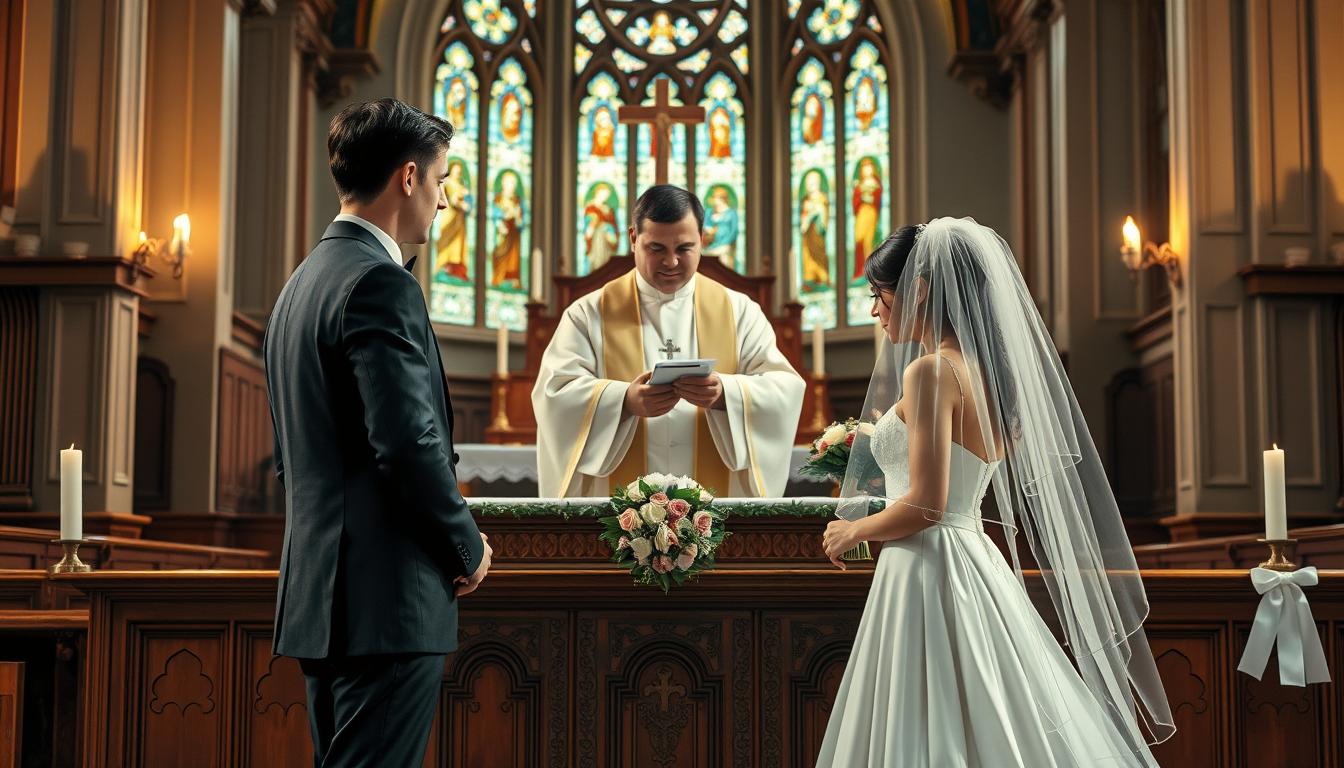
If you’re in the midst of planning a Catholic wedding, you might be curious about the role of gift bearers. It’s a small but significant part of the ceremony. This moment is known as the Preparation of the Gifts, and it marks the start of the Liturgy of the Eucharist. It’s truly one of the most sacred parts of the Mass.
Typically, two people carry bread and wine to the altar. Sometimes, a whole family, including children, can take on this role. The couple might even choose to bring the items themselves or ask someone special to do it.
This detail can be tricky for couples wanting to honor the right people while respecting church traditions. Luckily, there’s plenty of flexibility here. You can make this moment feel personal and meaningful. By the end of this article, you’ll know exactly who to ask and how everything fits into the Mass.
This isn’t just a random ritual. It connects deeply to the Catholic faith, emphasizing the belief that bread and wine become the body and blood of Christ during the Eucharistic Prayer. So, whether you’re knee-deep in wedding planning or just curious about Catholic ceremonies, you’re in the right place.
Key Takeaways
- Gift bearers play an important role in the ceremony.
- The Preparation of the Gifts starts the Liturgy of the Eucharist.
- Couples can choose anyone to present the gifts.
- This moment can be personalized for your wedding.
- Understanding this tradition can ease your planning stress.
Understanding the Tradition of Bringing Up the Gifts
When it comes to a wedding Mass, understanding the significance of the gifts is essential. This moment, often overlooked, plays a vital role in the ceremony. So, let’s back up a bit and talk about what these gifts actually are. If you didn’t grow up in the Catholic faith, the whole thing might seem a little mysterious.
What Are the Gifts and Why Do They Matter?
The gifts are pretty straightforward: they’re the bread and wine that will be used during the Liturgy of the Eucharist later in the wedding Mass. Sometimes, people also bring up other offerings, like a basket of food for a local pantry or a monetary donation for the poor. This ties the celebration to acts of charity right there in the ceremony.
The bread isn’t a loaf you’d slice for sandwiches; it’s usually a flat wafer, similar to what you’d see at any Sunday Mass. The wine is typically a blush or red variety that the priest will consecrate. In the Catholic faith, this isn’t just symbolic. The church teaches that during the Eucharistic Prayer, the bread and wine actually become the body and blood of Christ, which is a pretty big deal.
The Role of Bread and Wine in the Wedding Mass
That’s why the moment when those gifts get carried up to the altar carries so much weight. It’s not just a nice gesture; it’s the start of the most sacred part of the entire Mass. The altar itself is seen as both a place of sacrifice and a table where the community gets fed spiritually. Bringing the gifts forward is like setting the table before a meal.
How This Tradition Connects to the Catholic Faith
This tradition connects every Catholic wedding right back to the Last Supper and to every Mass that’s ever been celebrated. It’s kind of beautiful when you stop and think about it. Even if your guests aren’t all Catholic, understanding this background helps everyone appreciate why the church treats this moment with such reverence.
| Aspect | Description |
|---|---|
| Gifts | Bread and wine used in the Liturgy of the Eucharist. |
| Additional Offerings | Monetary donations or food baskets for the poor. |
| Symbolism | Transformation into the body and blood of Christ. |
| Altar Significance | Place of sacrifice and spiritual nourishment. |
| Connection to Tradition | Links to the Last Supper and the Mass. |
For more insights on roles in a wedding, check out this helpful guide.
Who Brings Up the Gifts at a Catholic Wedding and Why It’s Special
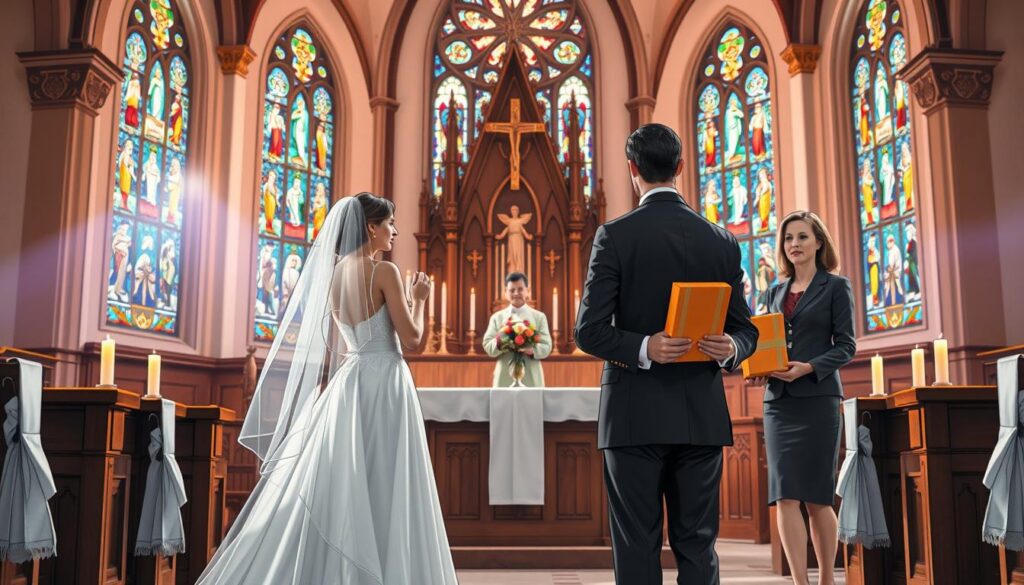
Choosing who will present the gifts during your wedding Mass can be a meaningful decision. This moment is not just a ritual; it’s a chance to include loved ones in a sacred part of your ceremony. So, who gets to take on this special role?
Typical Gift Bearers: Family Members and Close Friends
Most couples ask two people to serve as gift bearers. The most common choices are family members or close friends who mean a lot to both of you. This could be:
- Your mothers, which is a sweet gesture if they aren’t already doing something else during the ceremony.
- Siblings, godparents, or even grandparents, allowing you to honor those who might not have another formal role.
- Close friends who have supported your relationship over the years.
Can the Bride and Groom Bring the Gifts Themselves?
Yes, the bride and groom can absolutely bring the gifts up themselves if that feels right. Some parishes actually encourage this, as you two are the ministers of the sacrament of matrimony. Just remember, your main job during the wedding is to be fully present as a couple. If you prefer not to add another task to your plate, that’s perfectly fine.
Including Children or Larger Groups as Gift Bearers
If you have a larger family or a group of people you want to honor, consider including them as gift bearers. The church doesn’t limit the number of people, so if you want a family of five or a group of cousins to walk up together, just check with your priest beforehand to ensure everything flows smoothly.
What makes this moment special isn’t the number of people involved but the love and connection shared during this sacred act. It’s about inviting those you cherish to participate in a meaningful part of your wedding.
How the Gift Presentation Fits Into the Wedding Mass Ceremony
Understanding how the gift presentation fits into your wedding Mass can enhance your ceremony. This moment occurs right at the start of the Liturgy of the Eucharist, which follows the Rite of Marriage and the Prayers of the Faithful. By this point, you and your partner have already exchanged vows, setting the stage for this sacred act.
The Liturgy of the Eucharist and the Gift Offering
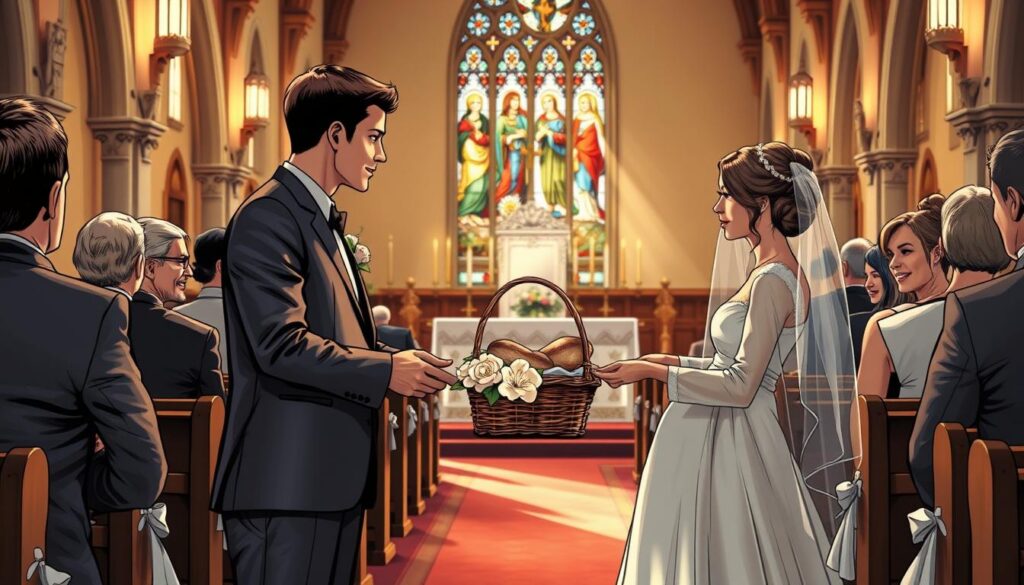
When the time arrives, your gift bearers will walk up from their seats, typically from the front rows. They’ll approach the altar, holding the bread and wine in hand. This is a beautiful moment that signifies the community’s participation in the Mass.
What Happens When Gifts Are Presented at the Altar
Your gift bearers will hand the bread and wine to the priest. Sometimes, he or a deacon will receive them with a brief moment of quiet reverence before placing them on the altar. After this presentation, the priest will say the Prayer over the Gifts, leading into the Eucharistic Prayer, where the consecration occurs.
The Priest’s Role and Other Assistants in the Ceremony
The priest plays a central role at the altar, guiding the ceremony. Altar servers may assist with practical details, like handling the paten and chalice. If you have Extraordinary Ministers of Holy Communion, they’ll come into play later during Communion, not during the gift presentation itself.
Your gift bearers don’t need to say anything fancy. They simply walk up, hand over the bread and wine, and maybe share a small smile with the priest before returning to their seats. This quiet, simple moment is packed with meaning. It signals that the community is offering these gifts together as part of the sacrifice of the Mass.
Tips for Planning the Gift Presentation at Your Catholic Wedding
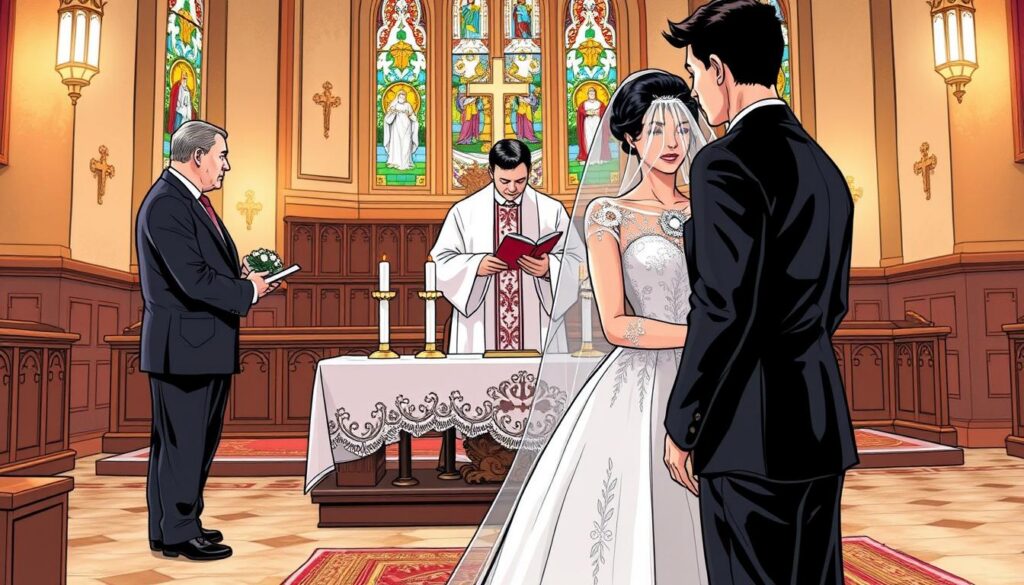
As you prepare for your wedding day, it’s important to think about how the gift presentation will unfold. Planning this part of your ceremony doesn’t have to be stressful. A little thought ahead of time can make everything run smoothly.
Start considering who you want as gift bearers a few months before the wedding. This way, you won’t be scrambling at the last minute. A quick chat with your priest or deacon can clarify any specific guidelines your church may have.
If you’re including family members, ensure they know where to sit and when to come forward. Walking through this during the rehearsal can ease any confusion. Think about the music during the Preparation of the Gifts, too. Many couples choose a quiet hymn that sets a prayerful mood.
Lastly, don’t overthink this moment. It’s simple yet beautiful, and whatever you decide will be meaningful because it’s your wedding and your loved ones standing there with you.