

Could a relaxed evening help you see a problem from a fresh angle? That question explains why silva mind control attracts curious readers. The idea is not a guaranteed cure or a proven way to fix every issue overnight. Instead, it presents sleep as a quiet time for reflection, creative thought, and useful insight.
José Silva began developing his approach in 1944. He later introduced it to the public during the 1960s. Today, the official organization reports that more than 12 million people in 110 countries have experienced the Silva Method. It also calls the approach America’s first personal growth program.
This article explores the method as a self-help and meditation practice. It uses relaxation, visualization, and focused attention. Beginners can try a simple routine before bed while keeping realistic expectations. A book by José Silva and the wider program may support personal development, but your results can vary. The human mind is complex, and nighttime ideas still need practical testing in daily life.
Key Takeaways
- The practice links relaxation with problem-solving before sleep.
- José Silva started developing the approach in 1944.
- The public program gained attention during the 1960s.
- It includes meditation, visualization, and focused attention.
- Popularity does not prove that the technique works for everyone.
- Use nighttime insights as ideas, not guaranteed answers.
What Is Silva Mind Control and Where Did It Come From?
The story began in Laredo, Texas, with an electronics repairman who wanted to help his children learn. José Silva, born August 11, 1914, studied psychology and began testing relaxation exercises in 1944. He worked with family members and friends before offering the program commercially during the 1960s.

How José Silva Developed the Method
José Silva died on February 7, 1999. Robert B. Stone later described his life in a 1990 biography. The official organization says his family and certified trainers continue the work through courses such as the beginner Silva Life System.
What the Silva Method Claims to Help With
The program links calm focus with learning, healing, intuition, and clairvoyance. It also promotes “higher brain” powers like improved memory and creative insight. These claims describe the program’s goals, not proven results for every individual.
“The work continues through his family and certified trainers.”
Some reference writers classify it as a self-religion or new religious movement. Others use stronger labels, including cult. Those descriptions remain disputed, so readers should compare the official program with independent evidence.
| Period | Development | Who Took Part |
|---|---|---|
| 1944 | Early experiments began | Family and friends |
| 1960s | Commercial launch | Public students |
| Today | Courses and training continue | People worldwide |
How the Silva Method Uses Relaxation and the Alpha State
Relaxation changes the pace of attention and may make problem-solving feel less rushed. The Silva Method presents brainwave labels as a simple guide, not proof that a person can switch mental states on command.
Moving From Alert Beta to Relaxed Alpha
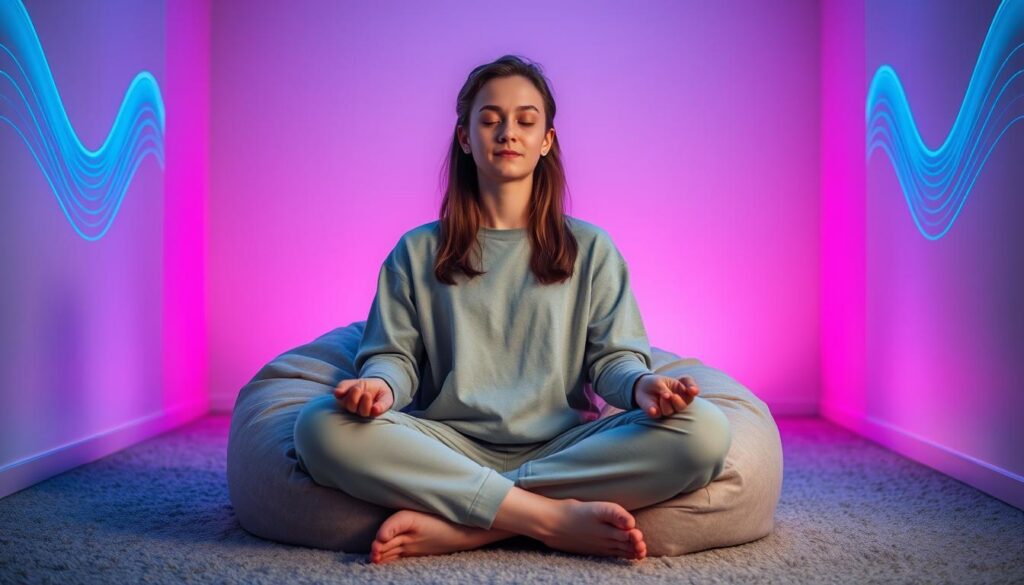
In this framework, beta describes alert or anxious focus. Alpha refers to a calmer state linked with about 7 to 14 Hz, daydreaming, and the edge of sleep. Slow breathing, loose muscles, and steady counting may help you enter alpha during meditation.
Where Theta and Sleep Fit Into the Practice
The model places theta between relaxed awareness and sleep. It connects deeper reflection with alpha theta states, while delta represents deep sleep. These brainwave terms can describe a meditation framework, but they do not confirm every claim about mental processes.
Why Visualization May Help You Think Through Problems
During Silva Method meditation, picture the issue, a trusted helper, or several choices. This technique may sort thoughts and reveal practical next steps. Still, claims about paranormal knowledge or guaranteed healing remain disputed. Use the method as reflection, then test ideas with facts.
| State | Common description | Practical use |
|---|---|---|
| Beta | Alert or tense focus | Notice stress |
| Alpha | Relaxed awareness | Visualize choices |
| Theta | Deep reflection | Observe inner images |
| Delta | Deep sleep | Support rest |
A Simple Silva Mind Control Practice to Try Tonight
Set aside about ten quiet minutes before bed. This Silva Method routine uses breathing, imagery, and focused attention. It is a gentle control method, not a test you must pass.

Relax Your Body and Enter Alpha
Choose a comfortable position and take several slow breaths. Scan from your forehead to your feet, releasing tension as you go. Count backward at an easy pace, using the numbers as a personal cue to enter alpha. No number opens a medically proven state.
Picture the Problem and Ask for a Clear Solution
Select one manageable issue, not a list of problems. Picture it briefly, then imagine one clear next step. Repeat: “I want a useful idea, I believe I can notice one, and I expect to find a practical step.” The Silva Method uses desire, belief, and expectation to focus attention, but belief alone cannot guarantee results.
“A nighttime idea is a starting point, not a final answer.”
In the morning, write down helpful thoughts and check them against real facts. This mind method can support reflection, but it should never replace medical, mental health, or professional advice.
Using Sleep, Dreams, and Intuition Without Overpromising Results
A vivid dream can feel like an answer when you wake before sunrise. After Silva Method meditation, some people notice a morning idea, image, or feeling that seems useful. Dreams also come from stress, memory, daily events, and normal sleep patterns, so meaning is not certain.

Silva materials connect alpha theta exercises with reflection, personal goals, and Silva intuition. José Silva also claimed that mental projection could bring information through images, sounds, smells, tastes, and feelings. These powers like remote viewing remain claims, not established abilities.
The advanced Silva intuition program includes ideas about guidance, remote viewing, and healing. Relaxation may support calm reflection, but this technique cannot diagnose illness or promise healing. It should not replace a doctor, therapist, or other qualified professional.
“Treat an impression as a possibility, then test it.”
For each individual, the safest method is simple: write down the insight, check reliable facts, and seek trusted advice. Notice whether it leads to practical results. This approach respects personal beliefs while recognizing that mental processes can produce vivid experiences without proving their source.
What Beginners Should Know About Evidence and Personal Beliefs
Curiosity is useful, but careful questions protect your time and money. The Silva Method may offer a calm routine for personal development. Yet relaxation does not prove claims about telepathy, clairvoyance, or a “higher brain.”
Self-Help Meditation Benefits Versus Psychic Claims
Self-help meditation may help some people feel calmer or organize thoughts. Those effects differ from claims about healing or paranormal powers. James Randi criticized claims involving memory, learning, telepathy, and psychic skills. No validated tests established the absent-person diagnosis exercises.
“A calming practice can be useful without proving every claim around it.”
Some writers call this approach a self-religion, new religious movement, or pseudoscience. These labels describe public debate, not the character of every student. Anyone considering a course or program should review costs, teacher credentials, promises, and refund terms.
When Practice Shouldn’t Replace Professional Support
Use this method as a supplement, never as treatment. People facing depression, insomnia, severe anxiety, troubling physical symptoms, or thoughts of self-harm should contact a qualified professional. A program can support reflection, but an individual may need medical care, therapy, or urgent help.
Make the Silva Method a Calm, Practical Part of Your Routine
End your day with five to ten quiet minutes. Breathe slowly, relax each body area, and picture one manageable problem. Write down a single question, then review any useful idea in the morning. This silva mind control practice works best as reflection, not a promise of instant answers.
The official app offers guided sessions, original José Silva techniques, and live online classes. You can explore the official Silva Method resources when you want added support. The community reaches more than 110 countries, yet popularity does not prove claims about psychic skills or healing.
Keep your judgment active. Test each insight with facts and choose one practical next step. Use meditation as a calm tool, while seeking qualified help when problems require medical, mental health, or professional support.