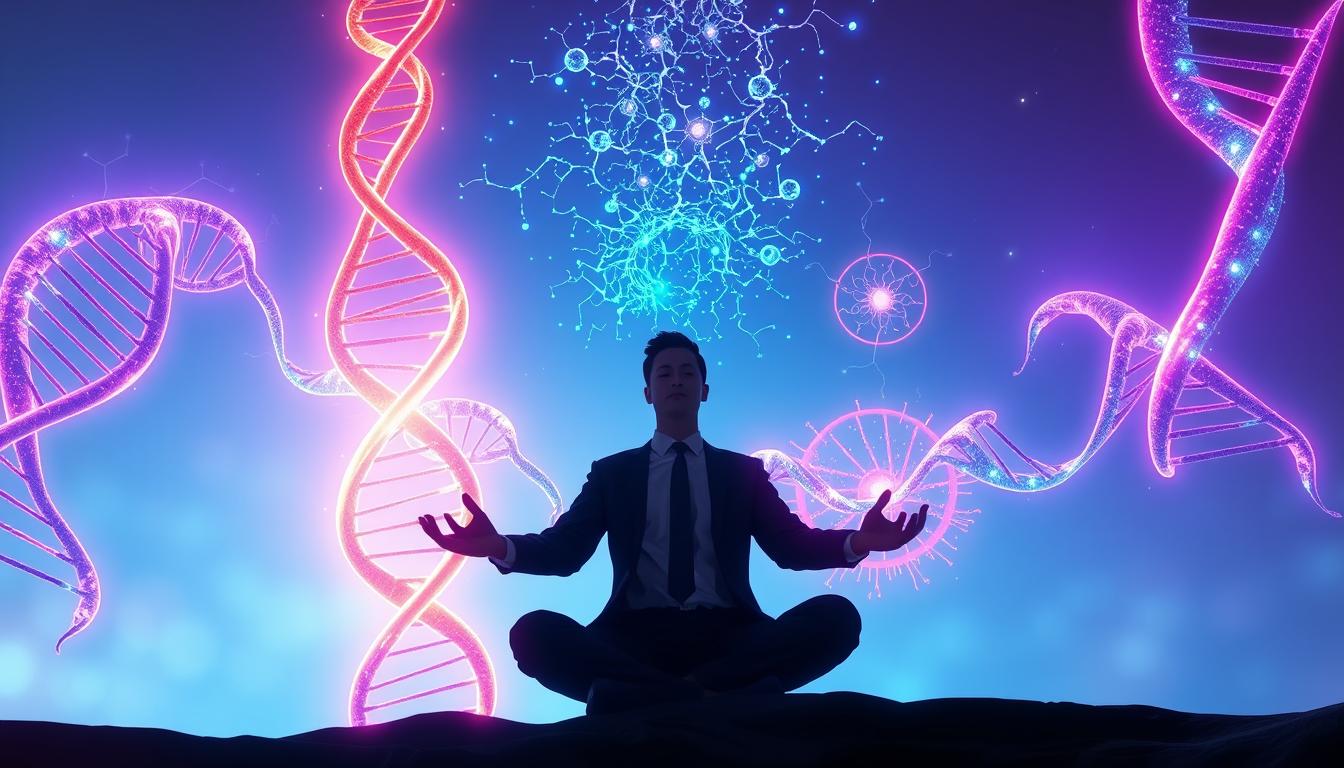
This friendly introduction explores a hopeful question: can thoughts and beliefs influence gene activity? The answer is more nuanced than a simple mind-over-matter claim. DNA does not obey every passing idea. Still, mental states may affect chemical signals that reach cells.
Dr. Bruce H. Lipton is a cellular researcher linked to stem cell research at Stanford Medical School. He also taught at the University of Wisconsin School of Medicine and St. George’s University. His work invites readers to look beyond genetic determinism, the idea that genes control life completely.
The updated tenth-anniversary edition of his book examines brain activity, cell signals, environment, and the mind-body connection. It asks how early childhood experiences, stress, and daily thoughts may shape health.
This opening offers a balanced view. The message can inspire personal responsibility, yet research does not show that thoughts alone cure disease. Hope works best alongside sound medical care and careful evidence.
Key Takeaways
- Thoughts may influence gene activity through cell signals.
- DNA does not respond to every passing idea.
- The book questions genetic determinism.
- Cells connect the mind, body, and environment.
- Health claims need context, research, and care.
Bruce Lipton Biology Of Belief and the Shift Beyond Genetic Determinism
Genes carry vital instructions, yet they do not act alone. The surrounding environment sends chemical signals that can affect genetic expression. This idea supports epigenetics, a field that gained wider recognition during the 1990s.

How Environment Influences Gene Expression
Food, stress, sleep, and toxins may change how some genes switch on or off. These changes can influence cell behavior without changing DNA itself. This evidence does not show that thoughts directly rewrite DNA, but it does show that context matters.
Bruce Lipton’s Cell Biology Background and Core Ideas
Bruce Lipton began shaping his views through cell research during the 1970s. His teaching included the University of Wisconsin School of Medicine and St. George’s University. Work connected with Stanford Medical School and stem cells added context to his claims.
Why The Biology of Belief Challenges Traditional Genetics
The book questions genetic determinism, which treats genes as fixed commands. Lipton presents cooperative cells as active partners that respond to surroundings. The scientific community accepts epigenetic research, while debate continues around broader claims tied to mind and health.
| View | Main idea | Evidence focus |
|---|---|---|
| Genetic determinism | Genes strongly guide life | Inherited instructions |
| Epigenetics | Environment affects gene activity | Cell signals and chemical tags |
| Broader interpretation | Mind and setting shape responses | Still debated by the scientific community |
The Cell Membrane, Signals, and the Biology of Belief
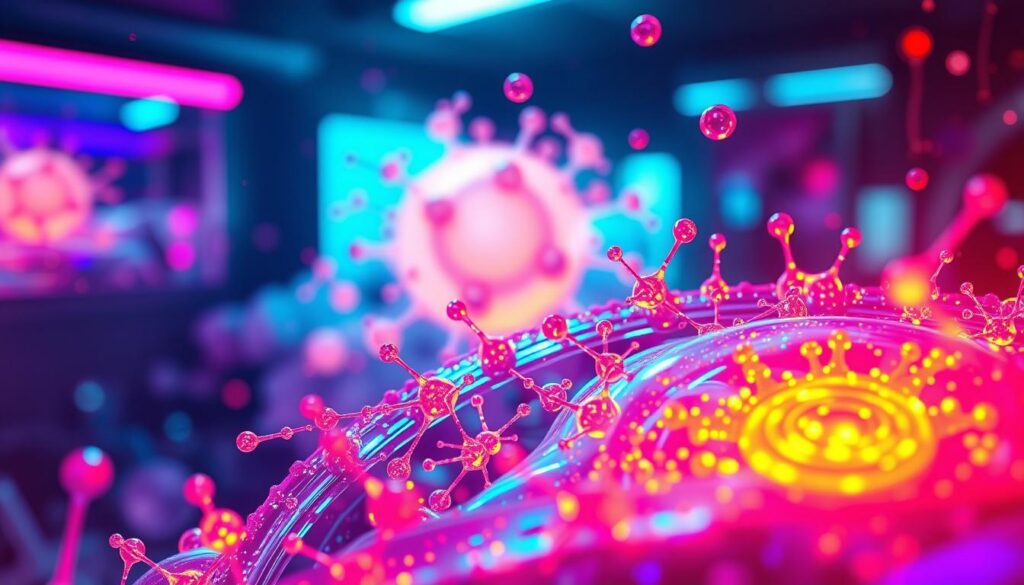
A living cell acts less like a sealed box and more like a busy command post. Its outer membrane receives signals from the surrounding environment. These messages help the cell choose a response, such as taking in nutrients, moving, or conserving energy.
How Cells Respond to Their Environment
One observation in this research is striking: removing a cell’s nucleus does not cause instant death. The cell may keep working for a time, but it cannot reproduce without nuclear DNA. Bacteria offer a useful comparison. They have no nucleus, yet they sense chemicals, adjust behavior, and survive changing conditions.
Why the Membrane Matters
The cell membrane works as a sensory control center, not just a protective layer. Hormones, nutrients, and stress chemicals travel through the body and reach cells. These signals can change cell behavior and help explain how cells operate within a larger system.
This view connects science with daily life without claiming that thoughts control every outcome. It suggests that the cell environment matters for physical health and mental health. Cells respond to messages around them, while careful research keeps the idea grounded.
How Thoughts, Stress, and Emotions Affect the Mind and Body
A tense moment can start a chain that reaches far beyond a single feeling. Brain cells read events, release chemicals, and send signals into the bloodstream. Those chemicals help shape the environment where cells operate, which can influence behavior, energy, and health.
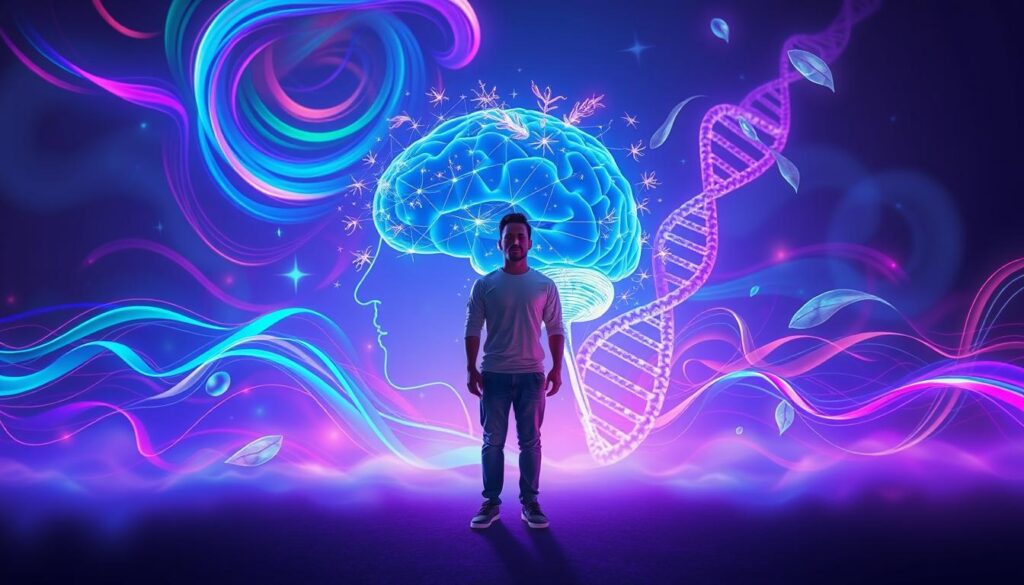
In this view, thoughts affect brain chemistry rather than acting as magical forces. Chronic stress may keep the body in a demanding chemical state. That strain can affect sleep, mood, immune activity, and physical health, but it does not make anyone responsible for every illness.
The book also discusses electromagnetic energy. Research explores links with genetic expression, cell division, nerve growth, and hormone release. These topics add context to biology belief claims, yet many details still need careful study.
Electroconvulsive therapy offers a clear mental health example. Doctors use controlled electrical stimulation to change brain activity. It differs from daily thoughts, but it shows how energy can affect minds, consciousness, and the body. This perspective supports unleashing power consciousness without promising matter miracles.
| Stage | Possible influence | Helpful limit |
|---|---|---|
| Thoughts | Brain chemistry | Not instant DNA control |
| Stress | Body strain | Not every illness cause |
| Electrical treatment | Mental health changes | Requires medical care |
Subconscious Programming and the Power of Rewriting Beliefs
Bruce Lipton’s view gives childhood learning a central role in personal change. He says much subconscious programming takes shape by age six or seven, when children absorb messages with little analysis. Family life matters, yet children also learn from school, media, culture, and the wider community.
Early Childhood Experiences and Behavioral Patterns
Brain wave patterns may help explain this receptive stage. Babies from birth to age two often spend long periods in delta states. From ages two to six, theta activity becomes more common. Lipton links theta with hypnosis and deep meditation. Alpha patterns tend to lead between ages seven and twelve.
These ideas don’t mean parents create every problem. They suggest that early signals can shape behavior, self-worth, and views about safety. Later, mindful attention may help people notice an old program and choose a new response.
Mindfulness, Health, and Personal Change
Mindfulness, meditation, and therapy can support that process. They may calm the mind and help the body respond with greater balance, but they aren’t cures for every illness. This biology belief summary also points to cooperation: single-celled life survived for billions of years before complex life emerged. In any community, shared support can encourage health, energy, and hope.
What The Biology of Belief Means for Health and Everyday Life
This biology belief summary offers a hopeful but grounded view. Bruce Lipton presents genes as responsive to signals, habits, stress, and surroundings. Gene expression can shift without changing the DNA sequence itself. That distinction matters when health claims spread online.
The book links thoughts, energy, and perception with brain chemistry, which can affect cells through the bloodstream. Yet this perspective cannot explain every condition or promise matter miracles. Good science needs testing, context, and open questions.
The updated tenth-anniversary edition expands its discussion of mind, body, and daily life. The audiobook features narration by Jeffrey Hedquist. Readers can explore a research-based mind-body overview for added context.
Care for mental health and physical health with practical steps. Question inherited ideas, build supportive habits, and seek qualified medical guidance when needed. Thoughts may influence health, but they do not control every outcome.