

Online communities made this practice popular with teenagers and young adults during the COVID-19 pandemic. TikTok’s #shiftok and Reddit’s DimensionJumping forum helped spread tips, stories, and guided exercises.
Many people imagine a desired reality through meditation, self-hypnosis, music, affirmations, written scripts, or theta waves. These tools may feel calming, but vivid thoughts do not prove travel to another physical world.
A safety-first approach matters. Sleep loss, frightening sensations, dissociation, and online promises can affect health and daily life. Curiosity is not the issue by itself. Risk begins when an exercise harms sleep, responsibilities, relationships, or clear contact with other people.
This guide offers a calm way to spot unsafe advice and choose grounded visualization instead. You can explore imagination without chasing a dramatic experience or treating every sensation as proof.
Key Takeaways
- The trend grew through TikTok and Reddit communities.
- Visualization tools can feel vivid without proving travel.
- Sleep loss and dissociation deserve serious attention.
- Online claims do not guarantee a personal experience.
- Grounded exercises offer a safer starting point.
What Reality Shifting Methods Claim to Do
Before judging online advice, it helps to learn the language used by these communities. The terms may sound certain, yet they often describe imagination, focus, and personal belief rather than a proven trip to another world.

Current Reality and Desired Reality Explained
Current reality, or CR, usually means everyday life. A desired reality, or DR, means an imagined destination. Some guides also mention a waiting room, or WR, as a mental space between the two.
Many DR stories use fictional settings such as Harry Potter or Narnia. Meditation, affirmations, visualization, and sensory focus may help the mind create vivid scenes. However, closing your eyes or noticing strong sensations does not show that you entered another place.
“A vivid experience is not proof of a literal trip.”
Why Shifting Became Popular During the Pandemic
In 2020, Google searches for boredom, loneliness, worry, and sadness rose. Gallup’s Negative Experience Index called that year the worst for negative experiences in 15 years. Escapist content offered comfort during an uncertain time.
- It gave people a creative activity.
- It supported online connection.
- It promised control when daily life felt limited.
Still, Raven method guide claims should be read with care.
Why Beginners Should Be Careful With Shifting Content
TikTok has made this topic easy to find, especially for adolescents and young adults. A post can seem trustworthy when many users repeat the same story. Yet popular content is not medical evidence or personal support.
Fantasy, Meditation, and Altered States
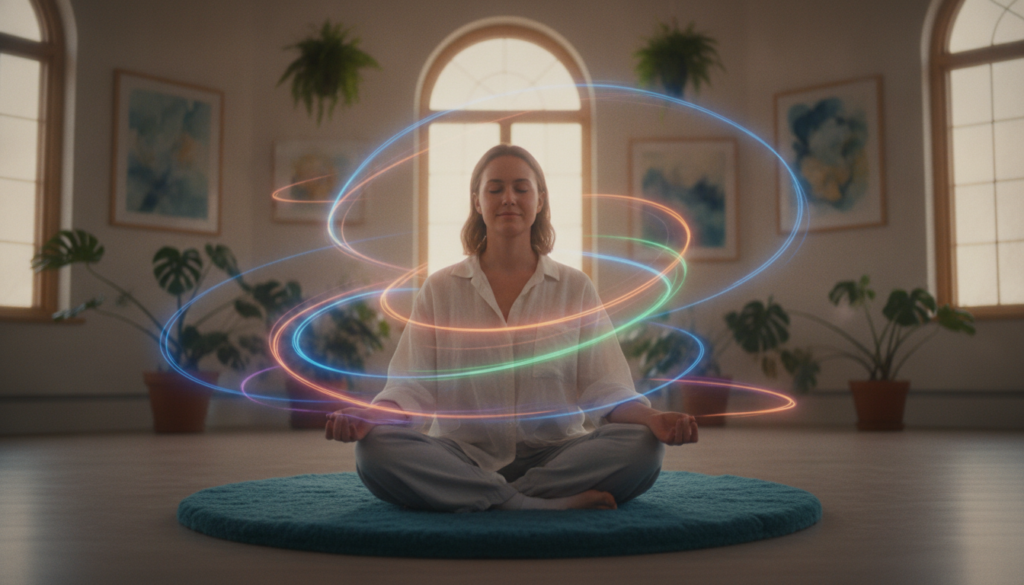
A beginner may lie in a comfortable position, close their eyes, repeat affirmations, and picture a desired reality. Meditation, music, self-hypnosis, theta waves, and a written script may create strong images. The mind can build a vivid room, character, or world while the body remains in current reality.
That experience can feel meaningful, but it does not prove entry into another desired reality. Use a method only when it supports calm, sleep, and daily life. Stop if fear, confusion, or detachment grows.
When Online Advice Starts Replacing Real Support
Be careful when content tells you to ignore stress, friends, school, or work. A fictional world can inspire creativity, but it cannot replace care for the self. Speak with a trusted person or qualified professional if this practice becomes your main response to loneliness, sadness, or fear.
| Content sign | Safer response | Warning sign |
|---|---|---|
| Relaxation exercise | Set a short time limit | Lost sleep |
| Personal story | Check reliable sources | Guaranteed claims |
| Creative script | Return to daily tasks | Isolation from support |
Reality Shifting Methods That Encourage Unsafe Sleep Practices
Sleep should never become the price of a vivid desired reality exercise. Some routines mix meditation with late nights, fixed poses, or sound that keeps the brain alert. These habits can harm rest, even when the goal feels harmless.
Counting Until You Fall Asleep
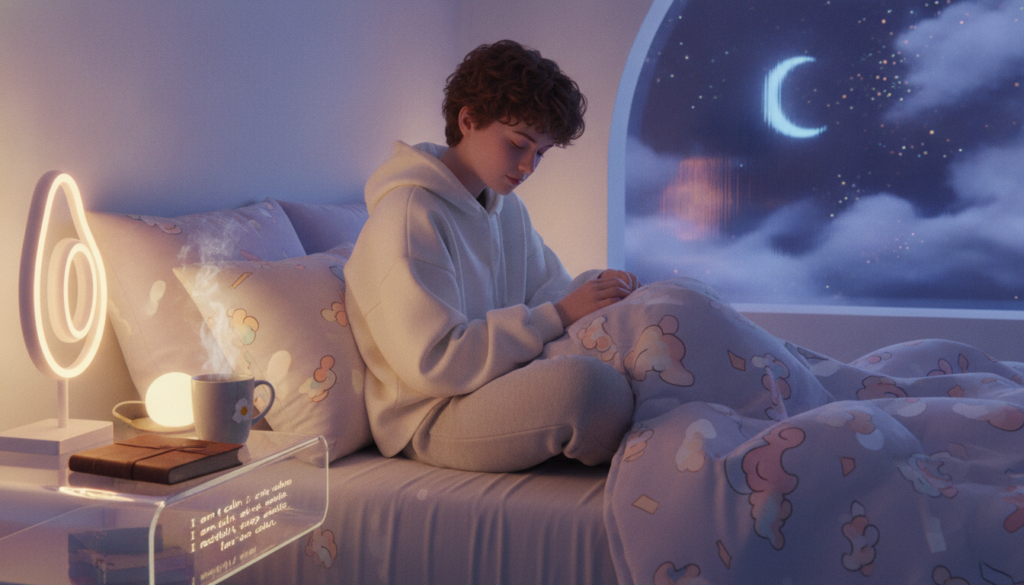
The raven method asks users to lie in a starfish position and count backward from 100. Repeating the count until you fall asleep may cause frustration and lost sleep. The julia method adds “I am” affirmations in the same position. Stop if your body feels numb, sore, or strained.
Using Audio Overnight
Alarms, headphones, music, and loud noise can interrupt healthy rest. Keep sound low, and do not leave devices running all night. Check hearing comfort, battery heat, and the risk of waking in distress.
Staying in One Position Too Long
The alice wonderland method uses a rabbit hole as an imaginative path to a desired reality. A script cannot require discomfort. Choose a comfortable position, let your eyes relax, and leave the bed when needed. Visualization should support current reality, not replace sleep.
Avoid Methods That Promote Dissociation or Escaping Current Reality
Imagination can offer comfort, but it should not pull you away from daily life. A desired reality may feel appealing during stress, yet using it to avoid every hard feeling can increase isolation. Healthy care keeps your body, relationships, and responsibilities in view.

Signs Your Practice Is Affecting Daily Life
Watch for clear changes in your routine. Warning signs include:
- Skipping school, work, meals, or sleep
- Withdrawing from friends and family
- Thinking about a desired reality most of the day
- Using affirmations instead of seeking needed support
Éric Sadin’s “era of the tyrant individual” describes how personalized digital spaces can feel powerful while reducing connection. Hannah Arendt offered a useful contrast: community grows through conversation, difference, and shared life.
When Detachment Feels Scary or Hard to Control
If your body feels distant, your surroundings seem confusing, or fear rises, stop the method. Open your eyes, name nearby things, and contact someone you trust. A mental health professional can help when this experience disrupts safety or daily tasks. Do not try to shift realities harder.
Be Wary of Scripts That Promise Total Safety
A polished plan can feel reassuring, but it cannot control every experience. Treat a desired reality script as creative writing, not a safety device. It may describe comfort characters, appearance, habits, skills, superpowers, or a favorite room. Those details can support imagination, yet they do not protect anyone from pain, illness, trauma, or surprise.
Why a Script Cannot Prevent Pain or Trauma
Statements such as “no death, suffering, or fear” express a wish. They do not set rules for the mind or the outside world. Affirmations may guide attention and mood, but affirmations cannot guarantee protection. Stop the method if its promises make ordinary life feel threatening or unreal.
Problems With Time Ratios and Guaranteed Outcomes
Some shifting guides claim that one hour here equals one week in a desired reality. No accepted measurement system supports that time ratio. A second method cannot make two realities follow a chosen clock.
Keep your eyes open to uncertainty. Use writing script as a creative exercise, and return to your room, routine, and support network. No method guarantees a perfect outcome.
Why You Shouldn’t Treat Shifting Symptoms as Proof
Strong sensations can feel convincing, but they do not confirm a desired reality. The body and brain can create unusual signals during stress, deep focus, or the transition into sleep. A calm check helps you understand the experience without adding fear.
Tingling, Floating Feelings, and Racing Heart
Tingling, numbness, tugging, and floating feelings may follow anxiety, long periods of stillness, or focused breathing. A racing heart can also come from worry or too much stimulation. These signs are not proof that your mind entered another desired reality.
Some tutorials say to ignore physical symptoms. Instead, pause the method and notice your body. Music, headphones, silence, or repeated affirmations can change attention and arousal. That effect may explain part of the experience.
Bright Lights, Sounds, and Changes in Body Sensation
Flashes of bright light, odd sounds, smells, or a changing sense of place may feel intense. Do not focus harder on what you want see. Open eyes, change position, and check familiar things in the room.
Stop all methods if symptoms feel painful, severe, new, or hard to control. Seek medical help for chest pain, fainting, trouble breathing, confusion, or signs that persist.
Popular Methods That Need Extra Caution
Popular names can make an exercise sound tested, even when no evidence shows that it can send someone into another world. Treat each practice as imagination, not a promise. A safe rule is simple: stop when sleep, comfort, or clear thinking begins to suffer.
Raven, Julia, and Alice in Wonderland Methods
The raven method uses a starfish position and counting from 100 toward one. The julia method repeats present-tense affirmations such as “I am.” Neither practice has been shown to help anyone enter a desired reality. Holding one position too long may cause discomfort, while repeated counting can make it harder to fall asleep.
Alice in Wonderland techniques picture a rabbit moving through a rabbit hole toward a chosen world. A script may place that scene in Hogwarts or another fictional setting. Keep your eyes open if you feel uneasy, and do not force yourself to close your eyes.
Lucid Dreaming, Mirror, and Falling Techniques
Mirror, falling, lucid dreaming, pillow, heartbeat, elevator, train, piano, and alarm exercises may blur sleep imagery with waking experience. Music and noise can raise anxiety or disturb your bed-time routine. Stop the method if you notice panic, confusion, pain, detachment, or an urge to avoid ordinary responsibilities.
How to Stop a Shifting Exercise Safely
If an exercise feels uncomfortable, you can stop at any time. A clear plan helps you return to the present without panic. Choose a quiet space and use a sofa, armchair, or bed with a comfortable position.
Use a Simple Grounding Plan
Pick a stopping word, such as “PLECS,” and say it aloud when you want the exercise to end. Stop repeating affirmations. Move out of your position, sit up, and place both feet on the floor.
Take a few normal breaths. If you feel dizzy or detached, do not stand fast. Lower noise, soften the light, and ask a trusted person to stay nearby. These steps can ease uncomfortable symptoms.
Open Your Eyes and Reconnect With Your Room
Open eyes slowly, then name the date, your location, and three objects in the room. Notice the bed, floor, light, and ordinary sounds. You may close eyes briefly, but open eyes again if you feel unsure.
Do not get back into bed to fall asleep until you feel oriented in current reality. If symptoms continue or return often, contact a mental health professional.
Safer Ways to Explore Visualization and Meditation
Creative focus can support calm without asking you to leave ordinary life behind. Use these practices as imagination and self-care, not as proof that you can enter desired reality. Meditation has helped people build present-moment awareness for thousands of years.
Mindful Breathing Without Promising a New Reality
Choose a comfortable position and spend five minutes noticing each inhale and exhale. Keep your eyes gently open or close eyes if that feels natural. Open eyes whenever you feel dizzy, detached, or uneasy.
- Count slow breaths instead of chasing unusual sensations.
- Use affirmations that support calm, such as “I am safe right now.”
- Stop the method if focus harms sleep or daily tasks.
Journaling, Creative Writing, and Guided Imagery
Write about a desired reality, fictional world, character, or new skills. Label the page as imagination. A script or writing script can describe appearance, habits, personal history, and goals without claiming a physical trip.
Try soft light, calm music, or silence. Practice during the day rather than in bed if you struggle to fall asleep. End by naming five objects in the room and returning to your routine.
Choose Your Well-Being Over a Desired Reality
Your health deserves priority over any vivid desired reality. Protect sleep, physical comfort, emotional balance, and close relationships. Meditation, a script, visualization, and affirmations may support reflection, but no method can promise a new world, erase trauma, or control every experience.
Keep practice brief and stop when your mind or body feels strained. If detachment, fear, or compulsive shifting continues, open eyes, name familiar objects, and tell someone you trust. A qualified mental health professional can offer support when daily life feels difficult.
Hannah Arendt’s focus on shared life offers a helpful reminder: well-being grows through conversation and community. Choose a path that leaves you rested and grounded. You do not need to shift reality or chase other realities to care for your self. Let the exercise end when safety, sleep, or connection needs your attention.