
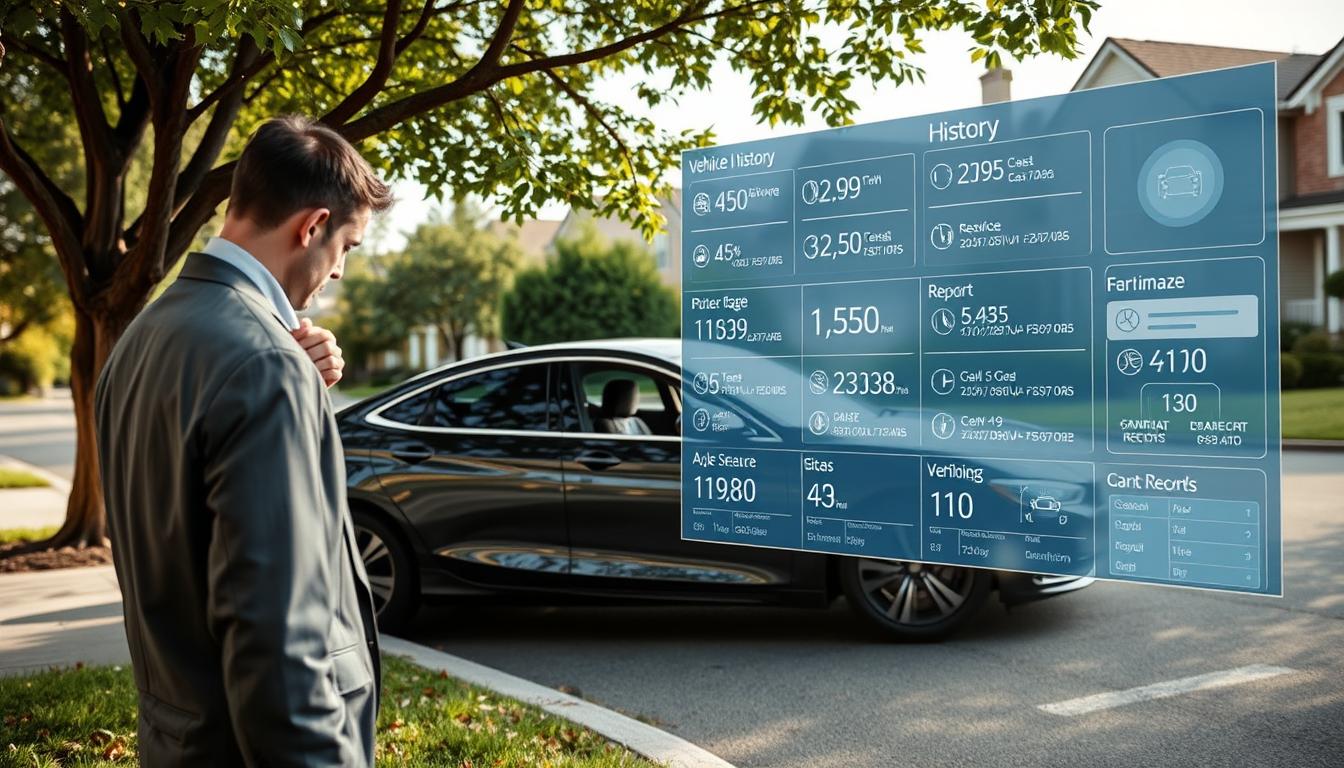
Shopping for a reliable vehicle takes time and care. The average price sits near $28,000, so protecting your money matters. Nearly 30% of buyers may face scams, so a cautious approach pays off.
Start with solid information. Request a vehicle history report from services like Carfax and review service records. A clear history report can reveal title problems, accident damage, or odometer issues.
Work with trustworthy sellers. A reputable dealer will offer a Buyers Guide and answer questions about warranties and past repairs. Always verify registration and title documents before any payment.
Never skip a professional inspection. A mechanic can spot hidden mechanical problems and flag costly repairs that photos won’t show. Take your time and avoid high-pressure sales tactics aimed at quick deals.
Key Takeaways
- Expect to spend time researching price and market trends for the best protection.
- Get a history report and review service records before any purchase.
- Ask the dealer for a Buyers Guide and verify title and registration.
- Hire a trusted mechanic for a full inspection before finalizing payment.
- Avoid pressure; take notes and compare vehicles to prevent common scams.
Essential Preparation Before You Start Shopping
Start by gathering clear facts about sellers and typical prices in your area. Good prep saves time and money when you begin looking for a vehicle. The national average for a used car sits near $28,000, so set realistic expectations before any test drive.
Researching Dealer Reputation
Check your local consumer protection agency for complaints against the dealer. Search the company name plus words like “scam” or “complaint” to see other buyers’ experiences. Remember that reputable dealerships must display a Buyers Guide on each used offering.

Setting Your Budget
Account for registration fees, insurance premiums, and ongoing service costs when you set a price range. Ask sellers for out-the-door prices in writing to avoid surprise fees at payment.
Compare financing offers from banks and credit unions rather than relying solely on dealership financing. Finally, plan for a professional inspection by a trusted mechanic to confirm the vehicle is worth the sale price and title checks.
Save on insurance as part of your budgeting check to protect your money after purchase.
How to Buy a Used Car Without Getting Scammed
Start every purchase with clear verification of the vehicle’s past and the seller’s identity.
Request a vehicle history report from Carfax or AutoCheck before serious talks. A solid history report can reveal accidents, salvage titles, and odometer problems that photos hide.
Treat payment cautiously. Never send funds via wire transfer or gift cards to a seller you have not met in person. Use traceable, secure payment methods and get a written receipt for any sale.
Verify the seller name against the title and registration. If the dealer or private seller refuses documentation, walk away. That simple step prevents many scams in the current market.

- Always hire an independent inspection before finalizing the sale.
- Meet in public places and bring a friend for safety.
- Use a trusted guide or checklist during negotiations to spot red flags quickly.
Identifying Common Fraudulent Tactics
Fraud in the used vehicle market takes many shapes, and knowing the common tricks keeps you safe. Scammers aim at mileage, titles, and identification details. A few quick checks can spot major red flags.
Odometer Rollback Schemes
Fake mileage is widespread. Over 450,000 cars each year have altered mileage. Rollbacks can boost value by 50% or more.
Run a vehicle history report and compare recorded service mileage with the odometer. If numbers jump backward, walk away.
Title Washing Dangers
About 30% of frauds move titles between states to hide flood or salvage damage. Sellers may present clean papers while the vehicle hides prior damage.
Always verify title records with the DMV and inspect for water stains, corrosion, or odd repairs that suggest structural damage.
VIN Cloning Risks
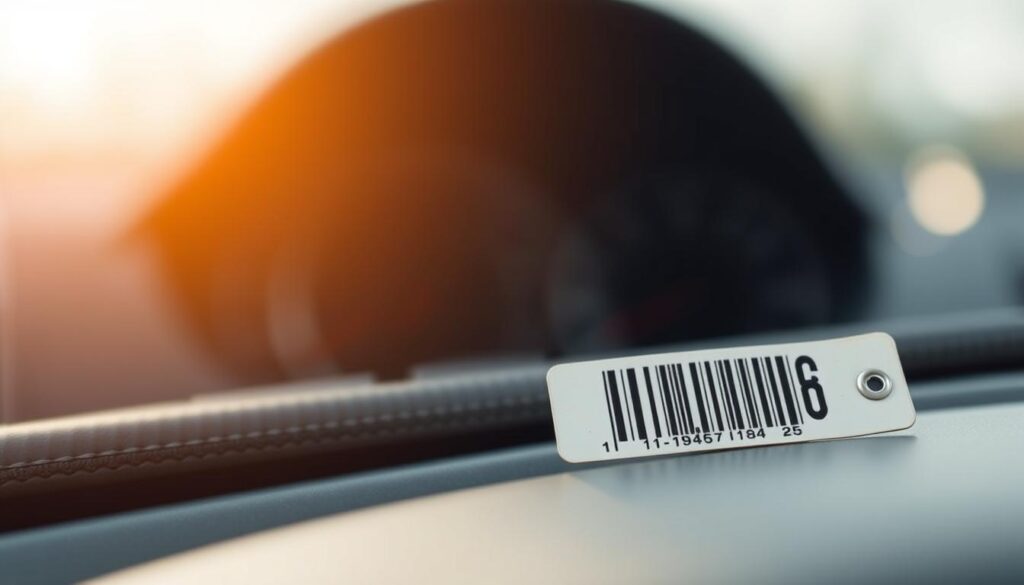
VIN cloning uses a legitimate identification number to mask a stolen or salvaged vehicle. Seventy percent of buyers never check the VIN closely.
Verify the vehicle identification number on the dash, door jamb, and title. Cross-reference with DMV records and run a full history report.
“Cross-check documents and physical VIN locations—small mismatches often reveal big problems.”
| Fraud Type | Key Sign | Quick Action |
|---|---|---|
| Odometer Rollback | Mileage inconsistencies in reports | Request service records and report discrepancies |
| Title Washing | Multiple state titles or missing damage notes | Check DMV title history and inspect for damage |
| VIN Cloning | Different VINs on documents vs. vehicle | Match VIN at three locations and run report |
The Importance of Independent Vehicle Inspections
A trained mechanic often finds hidden damage that photos and paperwork don’t show. One in six cars sold has concealed problems that can cost buyers up to $2,000. An independent inspection gives you a clear, unbiased view of the vehicle condition.
Hire a certified technician who will run a full service and systems check. Ask for a written report that lists the VIN and specific findings. That document helps when negotiating price or requesting repairs.
Finding a Trusted Mechanic
Prefer a local shop with good reviews rather than relying only on dealer claims. Even certified dealer listings can hide issues that only a third-party inspection will flag.
- An independent inspection uncovers mechanical and structural problems a history report may miss.
- Refusal by the seller to allow an inspection is a major red flag; walk away if blocked.
- Mechanics can spot title tampering, flood damage, or frame issues that affect safety and value.
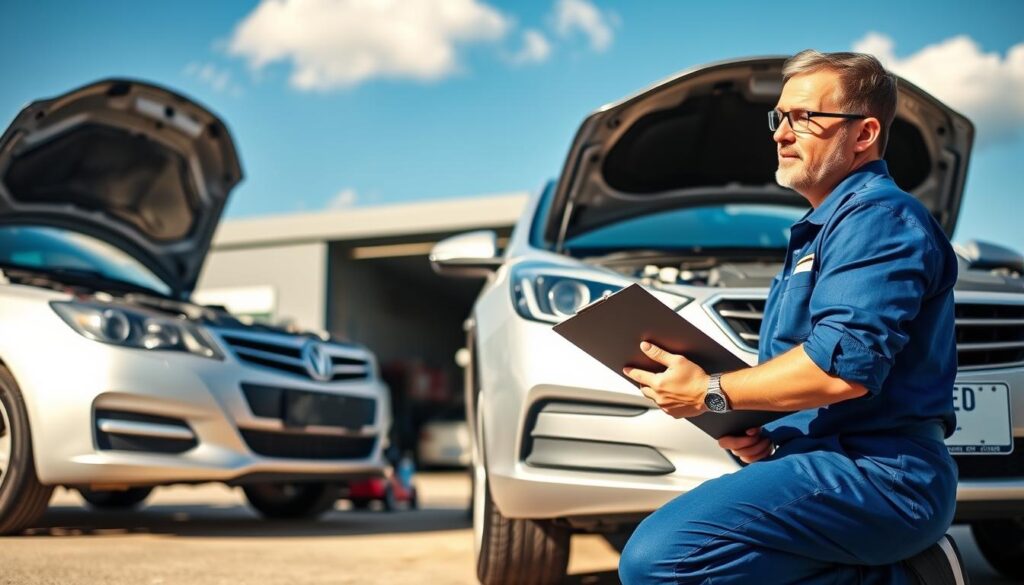
Protect your purchase. Combine a vehicle history check with an inspection, and consider related costs like insurance using resources such as save on insurance.
Navigating Online Listings and Digital Risks
Scammers count on quick clicks; slow down and verify each seller before moving forward.
The online market has real risk. From 2014–2017, buyers lost over $54 million to digital scams. That makes verification essential.
Use reputable platforms and check seller profiles, ratings, and past listings. Avoid any seller who demands wire transfers or upfront payments.
A vehicle history report remains crucial for listings. Match service records and VIN entries before you meet in person.

- Never send personal info or funds before seeing the vehicle and verifying the title.
- Watch for listings that undercut market prices—these often signal fraud.
- Always insist on an independent inspection, even if the seller claims the vehicle is perfect.
Stay vigilant and verify every detail of the vehicle history. For budgeting and planning tips, see save money for a car.
Verifying Titles and Legal Documentation
Clear, matching paperwork prevents many post-sale headaches. Never sign until the title name matches the seller ID and registration. This step cuts risk from stolen, cloned, or improperly transferred vehicles.
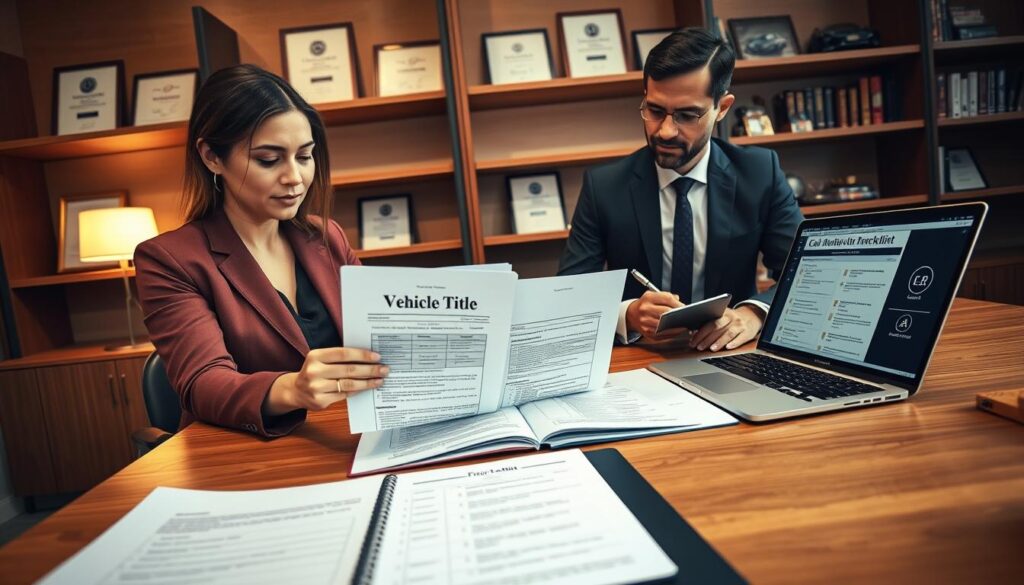
Checking the Buyers Guide
The Buyers Guide is a required disclosure. It explains warranty status and major mechanical systems. Ask the dealer or private seller for the guide and read it aloud if needed.
Missing or altered guides are a red flag. If the seller cannot produce it, pause the sale and verify with state records.
Matching VINs to Titles
Always compare the VIN on the dash, door jamb, and service records with the number on the title and registration.
A history report will confirm mileage and reveal past damage that affects value. If numbers or documents do not match, walk away.
“Confirm every VIN and title entry. Small mismatches often signal bigger issues.”
| Check | What to look for | Action if mismatch |
|---|---|---|
| Title name | Matches seller ID and registration | Delay sale; contact DMV records |
| Buyers Guide | Warranty notes and disclosures present | Refuse sale until provided |
| VIN locations | Same number on frame, docs, report | Run full history report; reject if cloned |
Use FTC resources at saving tips and consult ftc.gov/usedcars for recalls and rights. Proper documents protect your payment and future ownership.
Secure Payment Strategies for Used Vehicles
Make payment plans that leave a paper trail and refuse rushed demands from sellers.
Use traceable funds. Prefer a cashier’s check, bank transfer, or an escrow service for high-value sales. These methods protect your money and create records if a dispute arises.
Avoid large cash exchanges with a private seller; they are hard to trace if a title or document problem appears. At a dealership, insist that final prices and add-ons are listed in the contract before any payment clears.
Bring a trusted mechanic for a final inspection before you hand over funds. A same-day check can confirm condition and support negotiating fair price adjustments.
- Confirm the seller identity and match the VIN on the title and vehicle before payment.
- Resist pressure to pay immediately—scams often use urgency to rush the sale.
- Keep copies of every receipt and signed document for future protection.

Extra safeguard: consider an escrow company for high-end vehicles, and review service records while finalizing payment. For budgeting tips that tie into ownership costs, see save on gas and related costs.
Conclusion
Close each deal only when paperwork, inspection notes, and seller identity match. This buying used car guide helps reduce risk in a busy market. Keep this information handy as you move through listings and offers.
Prioritize a clear history report and an independent inspection. Informed buyers spot issues early and protect their funds. Compare records, ask direct questions, and confirm the seller is legitimate before signing anything.
Verify the title, trust your instincts if something feels off, and walk away from pressure. This approach gives protection and confidence when owning cars. For related ownership costs, see save on gas.