

Winter brings cozy nights and higher energy use. Simple changes around the home can cut bills without sacrificing comfort. The U.S. Department of Energy notes that weatherstripping doors and windows can reduce total energy costs by up to 10%.
This short guide offers practical, friendly tips for managing energy bills and trimming electricity use during the cold months. You will find clear steps for auditing current patterns and spotting quick wins that yield real savings.
For a deeper walkthrough and proven methods, check this detailed resource at how to save money on utility bills in. Use these strategies to keep your home warm and your monthly bill lower.
Key Takeaways
- Small fixes like weatherstripping can cut energy costs significantly.
- Track electricity habits to identify the biggest drains.
- Target inefficient heating sources for the fastest savings.
- Simple, low-cost upgrades boost comfort and lower bills.
- Use an audit strategy to plan longer-term improvements.
Optimizing Your Thermostat Settings
A small thermostat tweak can cut heating use while keeping your house cozy. Heating and cooling make up nearly half of typical annual energy costs. That means thermostat choices matter more than most other quick fixes.
Smart thermostat integration automates day, night, and away times so your system runs only when needed. Set daytime temperature between 68 and 70 degrees, as the Department of Energy recommends, then lower the setpoint a few degrees at night or during away periods.
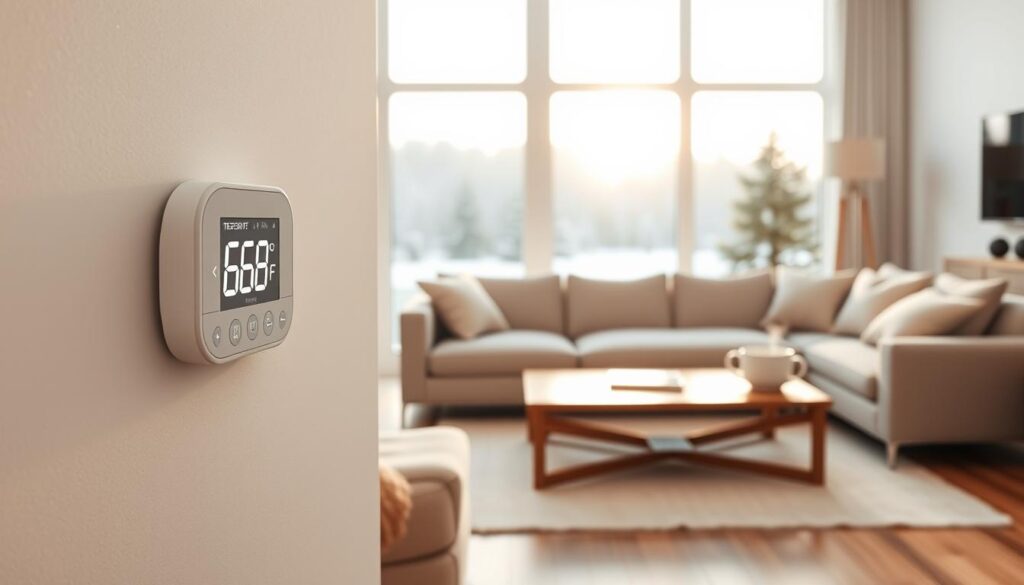
Smart Thermostat Integration
Link a smart controller with your heating system to schedule temperature changes. Automation removes guesswork and keeps the house efficient without constant adjustment.
Adjusting for Sleep and Away Times
Lowering thermostat degrees by 3–5 points at night or when the house is empty reduces strain on your heat system. Place the thermostat in a central, high-traffic room so the reading matches daily living patterns.
- Tip: Use local sensors or room-based controls if some areas run colder or warmer.
- Tip: Review weekly usage on your smart app to capture extra savings.
For guidance on device selection and detailed impact estimates, read more about smart thermostat savings.
Harnessing Natural Heat and Insulation
Let sunlight and good insulation do the heavy lifting for your home’s heating this season.
The Department of Energy notes that nearly one-third of a home’s heat escapes through windows. Use that fact to your advantage by opening sun-facing curtains during the day to warm a room naturally.

Close curtains at night to add an extra layer of thermal protection. That simple move cuts air leaks and lowers how often your furnace runs.
Install thermal-insulated curtains and check window seals. Proper insulation around windows blocks cold air and reduces visible heat loss.
- Let sun in during the day for free heat.
- Close covers at night for added insulation.
- Upgrade curtains and fix gaps around windows to limit air drafts.
These small tips let you harness solar energy and keep your home comfortable with less strain on heating systems. For related long-term savings, read about solar panel savings.
How to Save Money on Utility Bills in Winter Through Appliance Efficiency
Large appliances and everyday electronics often drive the largest share of household energy use. The Energy Information Administration reports that appliances and electronics account for about 45.2% of residential energy consumption.

Focus on the big users first. Refrigerators, water heaters, washers, and dryers use heavy electricity and can raise your monthly bill quickly.
Managing Large Appliance Loads
Run washers and dishwashers with full loads only. Washing with cold water cuts the work your water heater must do and lowers electricity use.
Unplug chargers and media players when not in use to stop phantom draw. Those small devices add up over a month.
| Appliance | Quick Action | Estimated Impact |
|---|---|---|
| Refrigerator | Set 37–40°F, check seals | Up to 10% lower electricity |
| Washer | Use cold cycles; full loads | Reduces hot water use by 50–90% |
| Dishwasher | Run full, use energy mode | Less frequent cycles, lower bill |
| Small electronics | Unplug or use smart strips | Eliminates vampire energy drain |
| New purchases | Choose Energy Star models | Average household saves about $450/yr |
Investing in Energy Star appliances pays off over time. Households that upgrade often see sizable reductions in overall energy use and heating cooling overlap.
Sealing Air Leaks Around Your Home
Blocking drafts at windows, doors, and fixtures delivers quick improvements in comfort and energy efficiency. A well-sealed home keeps warm air inside and reduces how often heating runs. The U.S. Department of Energy estimates weatherstripping can cut total energy costs by up to 10%.

Identifying Drafty Windows and Doors
Walk each room on a cold day and feel for moving air near frames. Check where the door meets the floor and the meeting rails on double-hung windows.
Tip: Hold a lit candle near gaps; a small flicker shows where leaks exist.
Using Weatherstripping and Door Sweeps
Install adhesive weatherstripping around window sashes and door frames for an inexpensive seal. Add door sweeps to block drafts under exterior doors.
These fixes are cheap and fast. They improve insulation and lower the load on your heating system.
Insulating Outlets and Fixtures
Use foam gaskets behind electrical outlets and light fixtures on exterior walls. Seal gaps in the attic and basement where air moves between levels.
Small steps like these stop air leaks, reduce electricity use from heating, and help keep your home comfortable at night and day.
“A tight envelope around the house is one of the best ways to cut waste and increase comfort.”
- Inspect doors and windows for drafts.
- Apply weatherstripping and door sweeps.
- Seal attic, basement gaps, and outlet openings.
For more practical electric bill tips, see electric bill tips.
Maintaining Your Heating and Water Systems
Routine care for furnaces and water heaters cuts waste and keeps rooms warm without extra electricity.
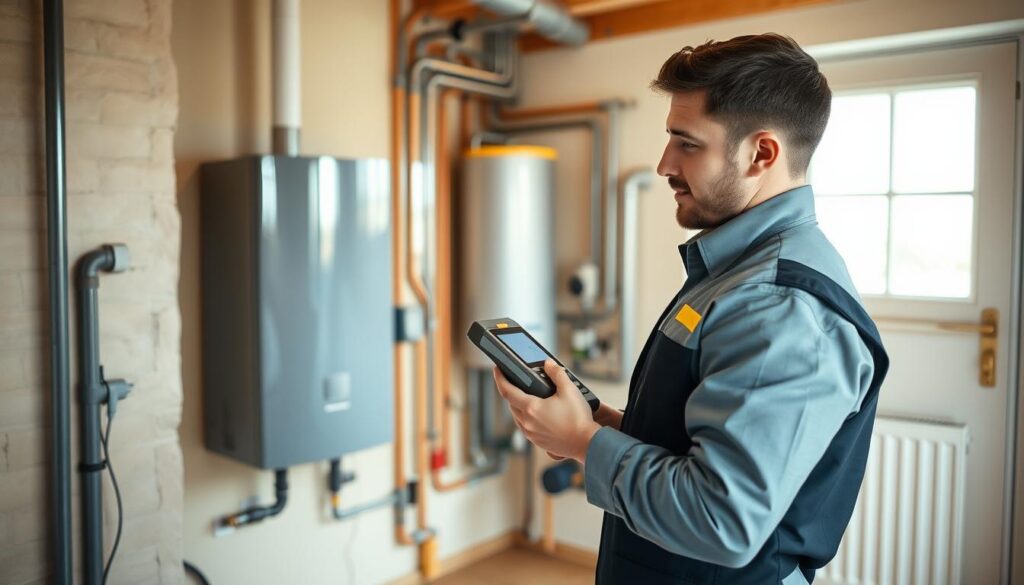
Replace furnace filters every three months. Clean filters mean better air flow and less strain on the heating system.
Flush your hot water heater once a year to remove sediment. This helps the heater run more efficiently and extends its life.
Set the water heater temperature at 120 degrees Fahrenheit. That setting provides hot water for most needs while lowering energy use.
- Keep furniture and curtains clear of vents so warm air circulates freely.
- Check the chimney and HVAC system yearly for leaks and heat loss.
- Inspect attic and door seals to stop unwanted air movement around the home.
Small maintenance steps reduce repair risk and cut the amount of electricity your systems use across the year. For extra tips about trimming electric use, see this guide with practical electric tips.
| Task | Frequency | Benefit |
|---|---|---|
| Replace furnace filter | Every 3 months | Improves air flow; boosts efficiency |
| Flush water heater | Annually | Removes sediment; improves heat transfer |
| Set heater temperature | Once, then periodically check | 120°F balances comfort and energy use |
| Chimney/HVAC inspection | Annually | Prevents heat loss; ensures safe operation |
Conducting a Professional Home Energy Assessment
A home energy assessment turns vague concerns about energy use into a prioritized action plan.
Certified auditors from the Home Performance with Energy Star program inspect insulation, vents, water heaters, and the heating system. They use blower-door tests and thermal imaging to find air leaks around doors and windows.
Gather a year of energy bills before the visit. That history helps the auditor spot usage spikes and patterns for electricity and water. It makes recommendations more accurate and focused.
The audit delivers a clear roadmap of improvements. Typical results include insulation upgrades, water heater tuning, sealing leaks, and thermostat adjustments. These steps raise comfort and cut long-term energy use.

Tip: Ask for cost estimates and projected savings so you can plan repairs or upgrades. For related guidance on gas systems and practical gas savings tips, see gas savings tips.
“A professional audit shows where your home needs work and how changes pay back over time.”
Conclusion
, These practical tips make it simple to act and see results quickly.
Implementing small fixes will help you save money and cut monthly bills. Start with sealing leaks, tuning your thermostat, and keeping vents clear.
Routine maintenance and targeted upgrades lead to bigger savings over time. Monitor usage and adjust habits to keep systems efficient and dependable.
A few easy steps today keep more money in your pocket and lower environmental impact. For targeted gas guidance, check these gas savings tips as you plan improvements.