

This short guide will help you figure out clear targets without guesswork. We use simple math and real-food examples so you can set realistic intake goals and track progress.
OSF HealthCare dietitians Bernadette Grogan and Maddie McManus note that protein supports tissue repair, helps regulate hormones tied to metabolism, and boosts satiety. For fat loss while protecting muscle, they suggest starting near 0.54 grams per pound of body mass, though individual need varies.
More is not always better. This article will show evidence-based targets, meal timing, workout pairing, and common pitfalls that stall results. You’ll get both grams-per-pound and grams-per-kilogram options so U.S. readers can choose the easiest method.
Remember, goals change with body size and activity level. Scale drops do not always mean fat loss; adequate intake helps preserve lean tissue during a calorie deficit. If you have kidney disease, diabetes, or other medical concerns, talk to a clinician or registered dietitian before raising targets.
Key Takeaways
- Start around 0.54 grams per pound as a practical baseline for protecting muscle during a calorie deficit.
- Protein helps repair tissue, supports metabolism-linked hormones, and increases satiety.
- More intake isn’t always better; aim for evidence-based targets and spread intake across meals.
- Track grams by pound or kilogram—pick the unit that fits your routine.
- Consult a clinician or registered dietitian if you have medical conditions that affect nutrition needs.
Why protein matters for weight loss and overall health
Protein supports appetite control, metabolism, and muscle preservation. Donna Matt, RD at UnityPoint Health, explains it lowers ghrelin and raises GLP-1 and leptin, hormones linked with feeling full.
The body digests protein slower than carbs. That slows stomach emptying and steadies blood sugar. As a result, snack urges drop and people find it easier to stick with a calorie plan.
Higher-protein eating also raises the thermic effect of food. Your body burns more energy digesting amino acids than it does for fats or carbs. That gives a modest boost to daily energy use during a deficit.
Finally, protein supplies amino acids that protect muscle when calories are cut. Without enough, muscles can shrink. Pairing adequate intake with resistance training reduces that risk and helps preserve strength and function.

| Benefit | Mechanism | Practical tip |
|---|---|---|
| Greater fullness | Lower ghrelin; higher GLP-1 and leptin | Add a moderate portion at each meal |
| Steadier energy | Slower digestion than carbohydrates | Pair with fiber-rich foods |
| Muscle protection | Amino acids for repair and maintenance | Combine intake with strength work |
“Protein can suppress hunger hormones and support tissue repair.”
How much protein per day to lose weight: evidence-based daily targets
An evidence-based daily target helps protect muscle while trimming fat. For most people aiming for fat loss, a practical starting point is about 0.54 grams per pound of body weight. Treat this as a baseline, not a rigid rule.
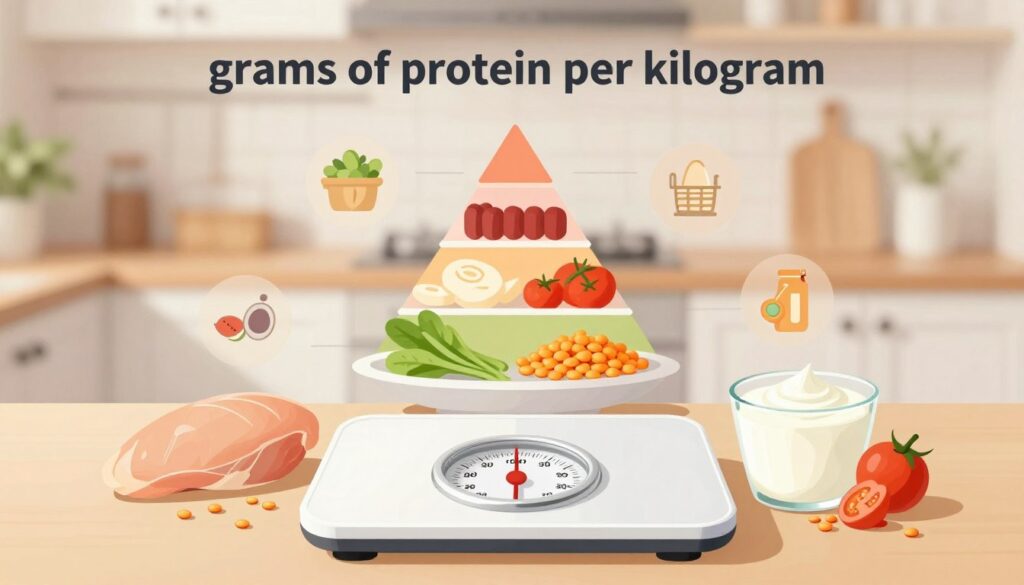
Metric alternative
If you use metric tracking, aim for roughly 1.0–1.2 grams per kilogram of body weight. This matches recommendations many dietitians use for weight-loss plans and nutrition apps that default to kilograms.
Adjusting by activity level
- Less active adults: ~0.36 g/lb.
- Active adults: ~0.54 g/lb (practical starting point).
- Athletes or frequent hard trainers: ~0.68 g/lb.
Choose the higher end if training is intense, if you want to build or keep muscle mass while in a calorie deficit, or if appetite control is a struggle. Remember: total calories still drive results, so fit protein targets into an overall plan you can sustain with real foods.
Quick note: Individual needs vary; pick a target you can hit consistently.
How to calculate your personal protein need (in grams per day)
Use a quick math step that works in both U.S. and metric systems. Pick the method that fits your scale and lifestyle, then check results against activity and goals.
Convert body weight into a daily grams goal
Pounds method: multiply your weight in pounds × 0.54 for a practical starting grams target.
Metric method: multiply kilograms × 1.0–1.2 for a daily range that many dietitians use.

Example: a 150-pound adult
150 lb × 0.54 ≈ 81 grams. Converting: 150 lb ≈ 68.2 kg, then 68.2 × 1.0–1.2 ≈ 68–82 grams.
Both methods land in the same zone: roughly the high-60s to low-80s grams protein per day for weight loss with muscle protection.
Adjust for exercise, muscle goals, and lifestyle
- If you lift regularly or aim to keep muscle mass, choose the mid-to-high end of the range.
- If you are mostly sedentary, the low end is usually sufficient.
- Increase slightly during very aggressive calorie deficits or heavy training blocks.
Practical guardrail: track intake for 1–2 weeks with an app or food log, then close gaps slowly rather than changing everything at once. Remember, grams targets help guide choices but don’t replace balanced calories, fiber, and whole foods.
For a simple recipe and snack ideas that fit these targets, consider this easy comfort snack.
How to spread protein intake across the day for better results
Spreading your intake across meals helps your body use amino acids more efficiently. Aim for moderate portions at each sitting rather than saving most of the total for one large plate.
UnityPoint Health RD Donna Matt notes that the body metabolizes best when roughly 15–30 grams are eaten at a time. Studies show benefits level off above about 40 grams in one sitting. Splitting totals into three meals supports muscle maintenance and steady appetite control.
A simple daily framework
Try a target of 20–30 grams at breakfast, 20–30 at lunch, and 20–30 at dinner. If appetite is low, add small snacks between meals to reach totals without overeating in one meal.
Practical meal ideas and quick boosters
- Breakfast: Greek yogurt with fruit, eggs plus whole-grain toast, or oatmeal made with milk.
- Lunch/Dinner: Start with a protein anchor like chicken, turkey, beans, or tofu. Add vegetables and smart carbs or healthy fats for balance.
- Boosters (add ~10–15 grams fast): a handful of nuts, a slice of cheese, a glass of milk, or a side of beans or yogurt.
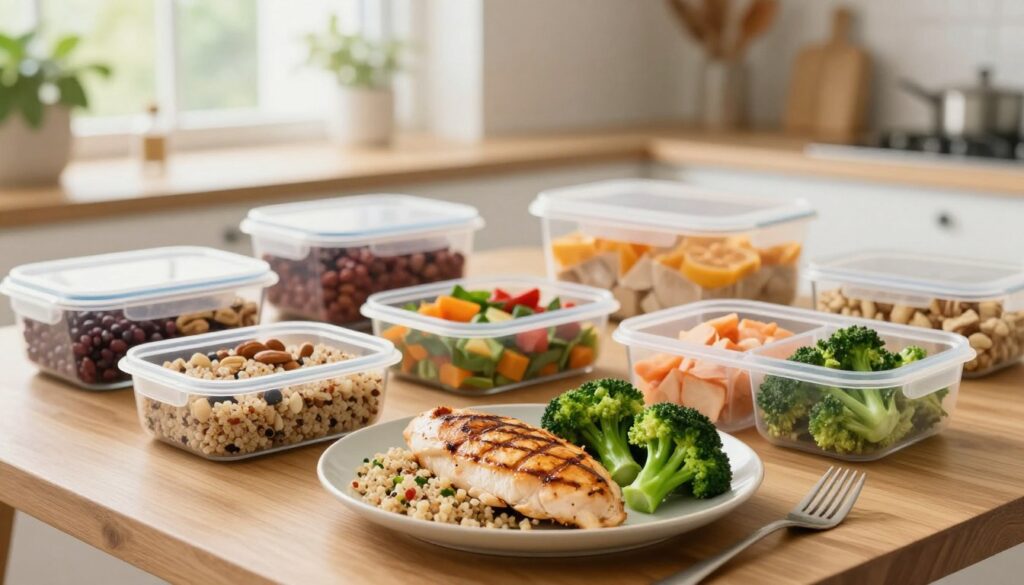
| Meal | Target grams | Example foods |
|---|---|---|
| Breakfast | 20–30 grams | Greek yogurt, eggs, milk in oatmeal |
| Lunch | 20–30 grams | Chicken or turkey salad, bean bowl, tofu stir-fry |
| Dinner | 20–30 grams | Lean meat, fish, legumes with veg and grains |
Tip: Read labels and measure portions so estimated grams are realistic. Small errors add up, and labels help avoid accidental shortfalls.
For simple recipes and snacks that match this approach, check a comfort-food option that fits this plan: comfort-food that is healthy.
Protein timing around workouts to support fat loss and muscle recovery
Timing your intake around workouts can make recovery quicker and training more effective. In a weight-loss plan this is not magic, but it helps keep sessions productive and preserves hard-earned muscle.
Post-workout: eat within two hours for repair
OSF’s Bernadette Grogan recommends getting protein within about two hours after exercise. Aim for a protein-rich meal or snack soon after training so muscles get the amino acids they need to rebuild.
Practical options include a turkey sandwich, Greek yogurt with fruit, or, when food isn’t handy, a simple shake. These choices are fast and effective for recovery.
Training first thing in the morning? Try a light pre-workout option
UnityPoint Health RD Donna Matt notes that a small pre-workout bite helps when you train early. Try milk, yogurt, or half a shake if a full breakfast feels heavy.
Light pre-workout fuel eases performance and reduces breakdown during exercise. Then follow with a post-session meal within the two-hour window.
- Why timing matters: exercise breaks down muscle tissue; planned intake supplies rebuilding blocks.
- Simple plan: small pre-workout if needed, then a protein-rich post session meal or shake within two hours.
- Big picture: total daily intake still rules — timing is a helpful extra for better recovery and consistent training.

For practical recipes and cost-friendly tips that fit this approach, see a helpful money-saving guide: simple meal prep ideas.
High-protein foods that keep you satisfied (best options for a weight loss diet)
Smart choices make meeting targets easier. Pick items that deliver good protein with reasonable calories. That helps fullness and keeps hunger from derailing progress.
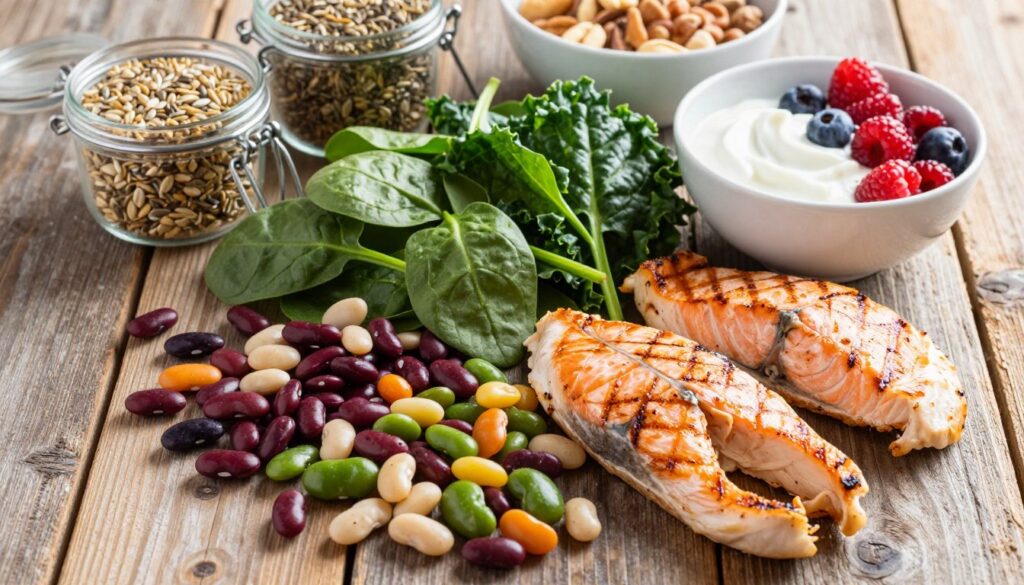
Lean meats and poultry
Chicken, turkey, and lean beef are filling anchors. Choose lean cuts and grill, bake, or broil to avoid added fat. A 3-oz portion gives a strong protein boost with modest calories.
Fatty fish
Salmon and tuna supply protein plus omega-3s that support heart health and may lower inflammation. Aim for two servings a week when possible.
Eggs and dairy
Greek yogurt and cottage cheese are versatile for breakfast or snacks. Use milk or a small portion of cheese to round meals without extra calories.
Plant proteins
Beans, lentils, peas, edamame, tofu, and whole grains add protein and fiber. That fiber helps fullness and gut health while keeping calories reasonable.
Nuts and seeds
Almonds, walnuts, sunflower seeds, and peanut butter are small but mighty. Use 1–2 tablespoons or a small handful because they are calorie-dense.
| Food group | Examples | Why it helps | Portion tip |
|---|---|---|---|
| Lean meats | Chicken, turkey, lean beef | High protein, low calories when trimmed | 3 oz cooked per meal |
| Fatty fish | Salmon, tuna | Protein + omega-3s for heart support | 4–6 oz, 2x weekly |
| Dairy & eggs | Greek yogurt, cottage cheese, eggs | Convenient, high-quality protein | 1 cup yogurt or 2 eggs |
| Plants & nuts | Beans, lentils, tofu, nuts | Protein + fiber; nuts add healthy fat | ½–1 cup beans; 1 oz nuts |
For simple meal ideas that use these staples, try an easy comfort recipe collection like easy comfort recipes.
Complete vs. incomplete protein: what it means and how to “match” proteins
Not all foods give every essential amino acid your body needs. Complete sources provide all nine amino acids. Many animal items fall in this group, while plant food often lacks one or two.
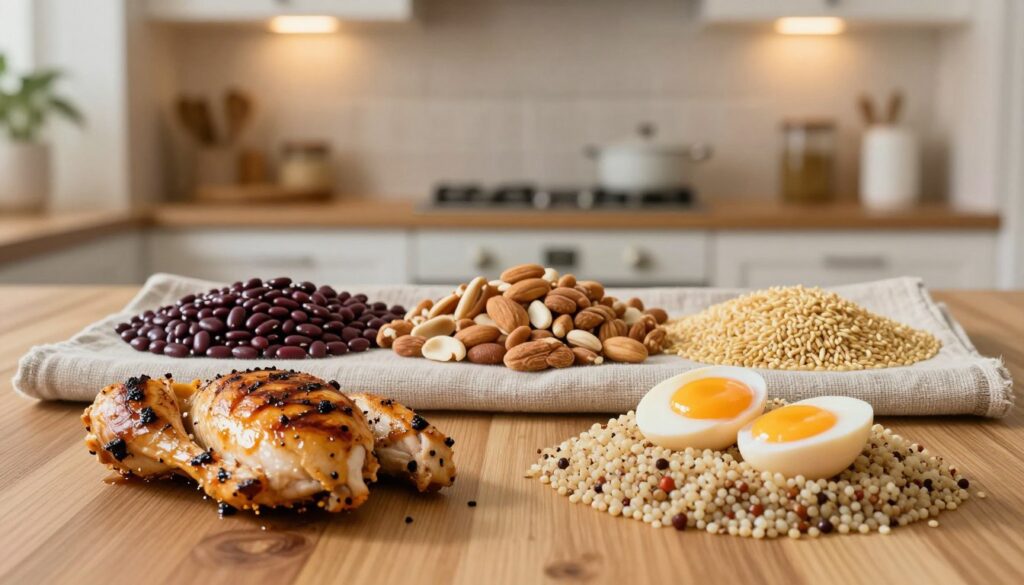
Complete sources and the nine essentials
Complete options supply the full set of amino acids the body cannot make. That makes them simple choices for people aiming for steady recovery and health.
Pairing plant foods the easy way
Plants can be “incomplete” alone, but pairing fills gaps. Classic combos work well in everyday meals.
- Beans + rice — a staple that offers balanced amino acids.
- Lentils + whole grains — fills missing parts without fuss.
- Nuts or seeds with grain-based food — think oatmeal with almond butter.
- Peanut butter sandwich — a memorable, practical example.
Soy as a complete plant-based choice
Soy foods such as tofu, edamame, tempeh, and miso act as a full plant source. They simplify meal planning for anyone following a mostly plant diet.
Tip: You don’t need perfect pairing at every meal. Aim for variety across the day and include some complete sources for balance.
Using protein supplements wisely: powders, shakes, and bars
Not every supplement earns a place in your plan; pick products with purpose. Supplements help when meals fall short, when appetite is low, or on very busy days. They are a convenience, not a complete replacement for whole food.
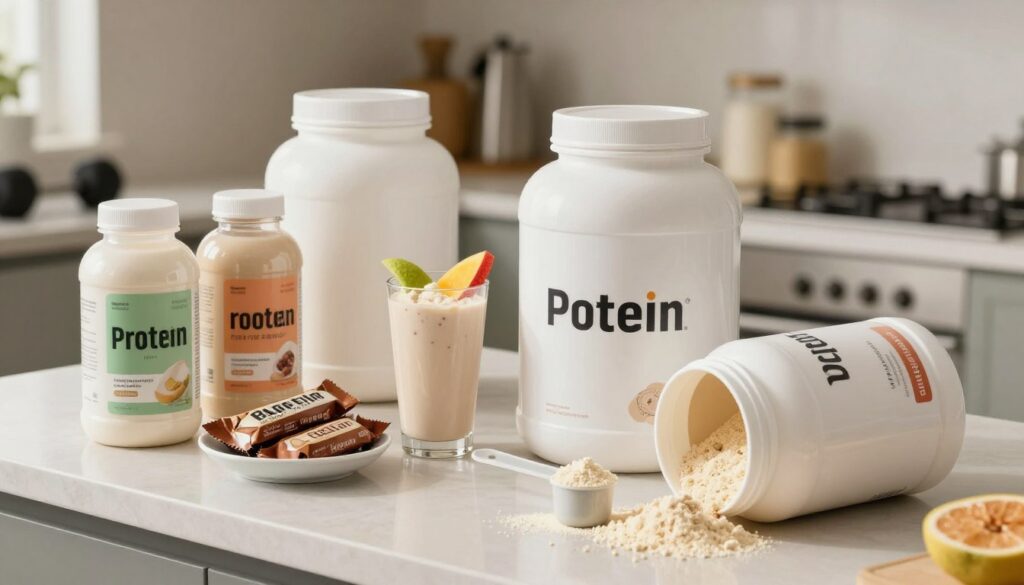
Powder basics and a quick label checklist
Look for 20–30 grams per serving and minimal added sugars. Check the nutrition facts for total grams of protein, and avoid high sugar that adds empty calories.
Whey versus plant options
Whey digests faster and supplies key amino acids like leucine. Common forms are WPC (concentrate), WPI (isolate), and WPH (hydrolysate).
Plant blends work well for dairy-free diets but may need combining for a full amino acid profile.
Safe shake frequency
Limit shakes to about two per day, three at most, per UnityPoint Health guidance. Prioritize meals for fiber and micronutrients and use shakes to fill gaps.
Choosing bars without the marketing spin
- Aim for 10–15 grams protein and under ~200 calories when possible.
- Keep added sugar very low — avoid bars listing >5 g added sugar.
- Remember high-calorie bars can stall progress if they push total daily calories too high.
“Pick products that help you hit targets without adding hidden calories.”
Common mistakes that can stall weight loss (even with “more protein”)
Small changes in portions or snacks can quietly stall progress even when total intake looks right. Many people add protein-rich items but also add extra calories from bars, shakes, or large portions of nut butter and cheese.
Overdoing calorie-dense protein foods, bars, and shakes: packaged bars and sweetened shakes can pack 200+ calories each. If you grab several in a week, the extra energy adds up and slows fat loss.
Sanity-check your typical day
Track one day and note where liquid calories, multiple bars, or big cheese portions appear. Often the fix is trimming one snack or halving a serving.
Keep fiber and balance
A protein-only focus can push out fiber-rich plants. Pairing protein with carbs and healthy fats steadies blood sugar and improves fullness.
- Apple + nut butter — simple carbs and fat slow digestion.
- Greek yogurt with berries and granola — protein, fiber, and satisfyingly slow energy.
- Cottage cheese with pineapple or cheese & whole-grain crackers — practical, balanced bites.
Spread intake across meals
Eating most protein in one sitting misses the 15–30 gram window that aids metabolism and appetite control. Aim to split portions across meals for steadier hunger and better muscle support.
Tip: If progress stalls, try modest portion cuts, better meal distribution, and favor whole foods over frequent bars. For budget-friendly meal ideas that fit this plan, see a guide to save money on food.

Conclusion
Pick a target that fits your body size and activity, then use simple habits to reach it. OSF and UnityPoint Health suggest starting near ~0.54 grams per pound or about 1–1.2 g/kg as a practical range for those wanting to lose weight while protecting muscle.
Spread intake across meals—aim for roughly 15–30 grams at a time—and favor whole-food sources. Use shakes or bars for convenience, but watch added sugars and total calories.
If you have kidney disease, diabetes, or other health concerns, confirm targets with a clinician or registered dietitian. Next step: calculate your grams goal, plan tomorrow’s meals around it, and reassess after 1–2 weeks based on hunger, recovery, and weight trend.