

This short guide lays out a safe, health-first two-week reset that helps create measurable progress without extreme tactics that often backfire.
Expect honest results: early scale drops often mix fat loss with water shifts. Some people see 6–10 pounds in the initial phase, while most move toward a steadier pace after that.
This plan covers calorie control, filling foods, consistent movement, solid sleep, stress steps, and simple tracking. The goal is quick but safe change that protects energy and muscle and sets up longer-term health.
This article is aimed at busy adults in the United States seeking a structured short reset. If you have a medical condition, are pregnant, or are a teen, check with a clinician first. For practical support during the reset, consider a simple snack strategy from comfort snack that fits a balanced routine.
Key Takeaways
- Expect mixed early losses: fat plus water shifts are common.
- Focus on safe habits: calories, high-volume foods, movement, sleep, and stress control.
- Results vary by starting point, lifestyle, and consistency.
- Busy adults can use this short plan as a structured reset.
- Get medical clearance if pregnant, young, or managing conditions.
What “fast” weight loss really means and how to do it safely
Short-term progress often looks dramatic at first; understanding what’s real matters. Fast loss usually means more than 2 pounds per week over several weeks and often needs very low calorie intake. That level of change increases the risk of losing muscle, bone density, and water—not just fat.

Realistic outcomes and why expectations matter
Expect some quick drops from water shifts in the first days. Most people see 1–4 pounds of mixed change over a single two-week sprint, not pure fat loss.
Clear expectations help you stick with sensible habits and avoid extreme swings that make regain more likely.
When rapid change can be risky
- Very fast loss can cause gallstones, gout, fatigue, and GI issues.
- Watch for warning signs: dizziness, extreme fatigue, persistent nausea, constipation or diarrhea.
- These symptoms are safety signals, not a willpower failure.
Who should talk with a health care provider first
People with obesity, diabetes, high blood pressure, high cholesterol, a history of eating disorders, or those on weight‑affecting medications should consult a provider before starting. Rapid plans are generally not safe for children and may be unsafe for pregnant people, teens, or older adults unless monitored.
For practical support that fits a health-first reset, consider planning meals and smart grocery choices—see this tip on smart grocery savings.
how to lose weight fast in 2 weeks with a realistic, health-first plan
Choose a short goal that fits your life and focuses on consistency, not perfection.
Pick a smart two-week goal you can actually maintain. Instead of chasing an extreme number, try a practical target: “In 14 days, I’ll hit my calorie target, walk most days, and strength train twice.” This anchors the plan in habit, not harm.

Establish your baseline
Track current weight, food, activity, sleep, and stress for a few days. Use a notes app or a simple tracker. This gives clear information and prevents guesswork.
Set short-term goals that fit your lifestyle
Pick 2–3 realistic actions you can repeat on work and weekend days. Examples: swap sugary drinks for water, add a 15-minute walk after lunch, prep protein and produce each Sunday.
Plan for setbacks
Normalize off days. Use a “next meal” rule: one off meal doesn’t erase progress. Reset with a short checklist the next morning—drink water, take a 10-minute walk, and eat a protein-rich breakfast.
| Focus | Simple goal | Why it works | Example |
|---|---|---|---|
| Food | Prep protein + produce | Reduces impulse meals | Grilled chicken, mixed salad |
| Activity | Walk most days | Easy calorie burn, low risk | 15–30 min daily walk |
| Sleep & Stress | Track and adjust | Supports hunger control | Set 7–8 hr sleep goal, 5-min breathing |
Even modest progress helps health. Use these two weeks as a start. The aim is steady change that leads toward a healthy weight over time.
Create a calorie deficit without crash dieting
A steady calorie gap is the single simplest driver of quicker pounds lost, but it must be built around real food and sustainable habits.
Start with realistic calorie targets. Common short-term ranges are about 1,200–1,500 calories per day for many women and 1,500–1,800 for many men. Pick a target based on current intake, daily activity, and how hungry you feel.
Very low-calorie diets need medical oversight
Very low-calorie plans — sometimes around 800 calories daily — are used only with meal replacements and under a provider for adults with obesity. They can work quickly but raise risks and need monitoring.
Build meals around filling, nutrient-dense foods
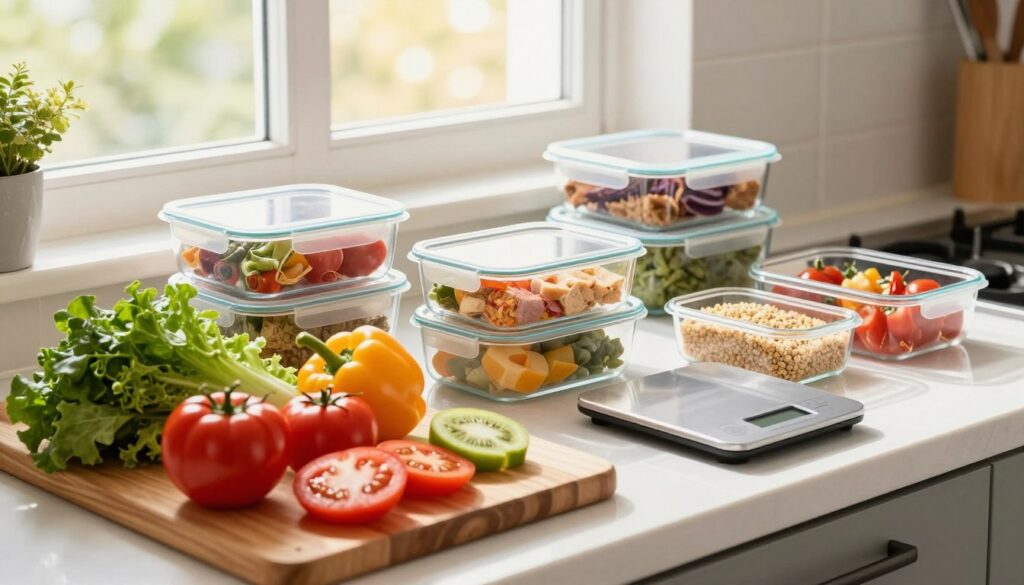
Focus on high-volume foods: non-starchy vegetables, fruits, beans, whole grains, and lean proteins. These deliver nutrients and fullness on fewer calories.
Simple plate guide: half non-starchy vegetables, a palm of protein, a fist of high-fiber carbs, and a thumb of healthy fats at most meals.
Cut added sugar and ultra-processed items
Swapping treats saves calories fast. Try Greek yogurt with berries instead of ice cream, or sparkling water instead of soda. These swaps trim empty sugar and support steady loss.
Use water and low-calorie drinks
Drink water through the day. Liquid calories add up and can block progress. Unsweetened tea, sparkling water, or black coffee help control appetite.
Time-restricted eating as an option
Short eating windows (for example, 16:8) can reduce eating hours and simplify decisions. Evidence shows short-term drops are possible, but long-term sustainability is uncertain and some people should avoid fasting patterns.
- Two-week grocery idea: mixed salad greens, frozen vegetables, berries, canned beans, oats, brown rice, chicken or tofu, Greek yogurt, eggs, nuts, and sparkling water.
- Repeat simple meals for ease and consistent calorie control.
For easy meal ideas that fit this plan, check these easy recipes.
Move more to support fat loss while protecting energy and muscle
Small, repeatable activity patterns help preserve muscle and lift mood during a short reset. Rapid pounds lost come mainly from cutting calories, but physical activity is the support system that keeps you strong and energized.

Pick realistic movement you can repeat
Choose physical activity that fits your schedule and feels doable most days. Good options include brisk walking, cycling, swimming, beginner strength sessions, or low‑impact classes that avoid heavy soreness.
Simple two‑week framework
Aim for daily steps or a short walk most days plus 2–3 brief full‑body strength sessions. This mix helps protect muscle and preserves energy during calorie reduction.
- Quick ways: walk after meals and take short movement breaks during work hours.
- Intensity guide: use the talk test — you should speak in short sentences during cardio, not sprint.
- Safety: start conservative, focus on form, and increase load slowly to protect joints and avoid burnout.
Remember: activity increases daily calorie burn and mood, but it won’t erase a high‑calorie diet. Pick something you enjoy so the habit sticks beyond this short plan.
For simple, satisfying meal ideas that work with increased movement, see comfort food that is healthy.
Sleep, stress, and blood sugar habits that can make weight loss easier
Small shifts in rest and calmness often change appetite, recovery, and steady energy more than you expect.

Sleep routines that help regulate hunger and energy
Sleep acts as a multiplier. Better rest improves appetite control, aids training recovery, and keeps energy steady during the day.
Try consistent bed and wake times, cut late caffeine, and power down screens 30 minutes before bed. These simple habits raise sleep quality and support healthier choices.
Stress management strategies that reduce off-plan eating
Stress often triggers impulsive snacks. Short walks, 4-4-8 breathing, and quick journaling breaks lower cravings.
Keep high-protein snacks handy and pre-decide meals when dining out. These tactics help you stay on track during busy days.
Why modest loss improves blood pressure, cholesterol, and blood sugar
Even about 5% body reduction can yield clear health benefits. Lower blood pressure, better cholesterol numbers, and improved blood sugar control are common gains.
These outcomes are strong motivation beyond the scale and make a healthy lifestyle easier to maintain.
| Habit | Simple action | Benefit |
|---|---|---|
| Sleep | Consistent schedule; no screens 30 min prior | Better appetite control; improved recovery |
| Stress | Short walks; breathing; protein snacks | Fewer cravings; steadier choices |
| Blood health | Small, steady loss; balanced meals | Lower BP, improved cholesterol, stable blood sugar |
These small lifestyle moves increase the odds of reaching a healthy weight and keeping it after the short plan. For extra cost-saving meal tips that support this routine, see smart grocery savings.
Track progress daily and adjust your approach without guessing
Recording a few simple metrics each day turns confusion into clear information. A short check makes it easy to spot trends and keeps the plan honest without overreacting to the scale.

What to track each day besides the scale
Note waist measurement, step count, workout completion, hunger levels, sleep hours, stress level, and water intake. These data points reveal what really affects your weight and energy.
How to evaluate weekly progress and revise your plan
Compare adherence to your calorie target for the week. Identify the biggest calorie “leak” — a snack, drink, or large portion — and change one small thing next week.
Signs your plan is too aggressive
Watch for persistent exhaustion, dizziness, severe irritability, broken sleep, or binge urges. These are signals to raise calories slightly or ease exercise intensity and check with a provider if needed.
Support options that improve results and safety
Professional help speeds progress and reduces risk. Consider a registered dietitian, a reputable program, a workout buddy, or follow-up visits with a health care provider for people with medical issues.
Remember: consistency across weeks matters more than a perfect day. For practical tips that cut food costs while supporting your plan, see smart grocery savings.
Conclusion
Choose habits that reduce risk and build a routine you can keep beyond the short reset., Small changes stack.
Safe progress comes from a modest calorie gap, repeatable meals, regular movement, and better sleep and stress habits. Center plates on vegetables, protein, and fiber so meals feel filling and nutrient rich.
Watch added sugar and alcohol, sip water through the day, and use tracking as feedback instead of judgment. Pick one clear next step for the coming week — the same meal template, a set walking schedule, or a steady eating window — and try it.
If you have medical conditions, a history of disordered eating, or signs that your plan is too aggressive, seek guidance from a provider before continuing.