
Pregnancy brings many questions about body changes and safe plans for growth. Most people gain weight during this time, and weight maintenance is often the safest path for those with higher BMI.
Your doctor is the best guide. Intentional loss is usually discouraged unless a clinician monitors you closely. Losing pounds links with a greater chance of low birth weight, so we prioritize steady, evidence-based choices.
This article reframes the goal toward a healthy pregnancy and safer outcomes for parent and baby. Expect a practical, present-day approach: smarter eating, steady movement, and tracking trends with your care team instead of crash dieting.
We address concerns common for people with higher BMI, offer tools like a pregnancy plate, trimester calorie guidance, the talk test for exercise, and red flags that mean call your clinician. For snack ideas and gentle tips, see a simple option at comfort snack.
Key Takeaways
- Most people need weight gain in pregnancy; individualized plans matter.
- Only clinicians should guide intentional weight loss efforts.
- Focus on balanced meals, steady movement, and tracking with your care team.
- Safe targets depend on BMI, medical history, and baby growth.
- Practical tools ahead include trimester needs, the pregnancy plate, and exercise tips.
Understanding what “weight loss” can mean during a healthy pregnancy
Not every dip on the scale signals a problem; context matters when you’re pregnant. Distinguishing intentional dieting from unplanned changes helps you and your clinician pick safer goals.

Why weight maintenance is often the safest goal
Maintenance can protect growth needs, especially for people with overweight or obesity. Research shows steady habits beat strict deficits for many people in pregnancy.
When unintentional loss happens in the first trimester
Nausea, vomiting, and food aversions commonly reduce intake early on. These issues often ease after the first trimester, and appetite rebounds for most people.
- Intentional dieting aims for fat loss; unintentional change usually reflects appetite or fluid shifts.
- Try small, frequent meals, bland options, and clear fluids if appetite is low.
- Weekly trends matter more than single weigh-ins; short swings often show water or appetite changes, not fat loss.
- Tell your clinician if you’re losing weight, can’t keep food down, or feel weak—your risk profile can change quickly in pregnancy.
For practical tips and related support, see these simple saving strategies: saving strategies.
Is it safe to lose weight during pregnancy? What doctors recommend now
Most clinicians recommend protecting fetal growth instead of pursuing intentional slimming during gestation.
Why intentional dieting is usually discouraged
Pregnancy is not the time for restrictive diets that cut essential nutrients. Low energy intake can harm fetal growth and maternal health.
Key risks linked to weight loss
Dropping more than about 2.2 lb in pregnancy may raise the risk of low birth weight. Babies that are small for gestational age (SGA) are smaller than expected for their weeks and can have trouble keeping warm or steady blood sugar.
“Clinicians monitor growth with ultrasound and measurements when there are concerns about fetal size.”

When slight loss may be monitored
In severe obesity (often BMI over 40), a doctor or healthcare professional may accept minimal gain or a slight drop while checking fetal growth more often.
- Avoid crash diets, detoxes, laxatives, or skipped meals.
- Shared decisions use weight trends, blood pressure, blood sugar, and ultrasound checks.
- Focus on steady habits and nutrient-rich choices rather than quick fixes.
| Scenario | Typical action | Monitoring |
|---|---|---|
| Normal BMI, weight loss | Avoid dieting; adjust meals for nutrients | Routine prenatal visits |
| Overweight or obesity | Prioritize healthy habits over loss | Growth and metabolic screening |
| Severe obesity (BMI > 40) | May allow minimal loss under supervision | Frequent ultrasound growth checks |
For practical budgeting of healthy meals and snack ideas, see these food savings tips.
Use your pre-pregnancy BMI to set a healthy weight gain target
Your pre-pregnancy BMI gives a clear starting point for setting realistic, medical weight targets in pregnancy. Clinicians use that number to pick a range that balances fetal needs and maternal health.
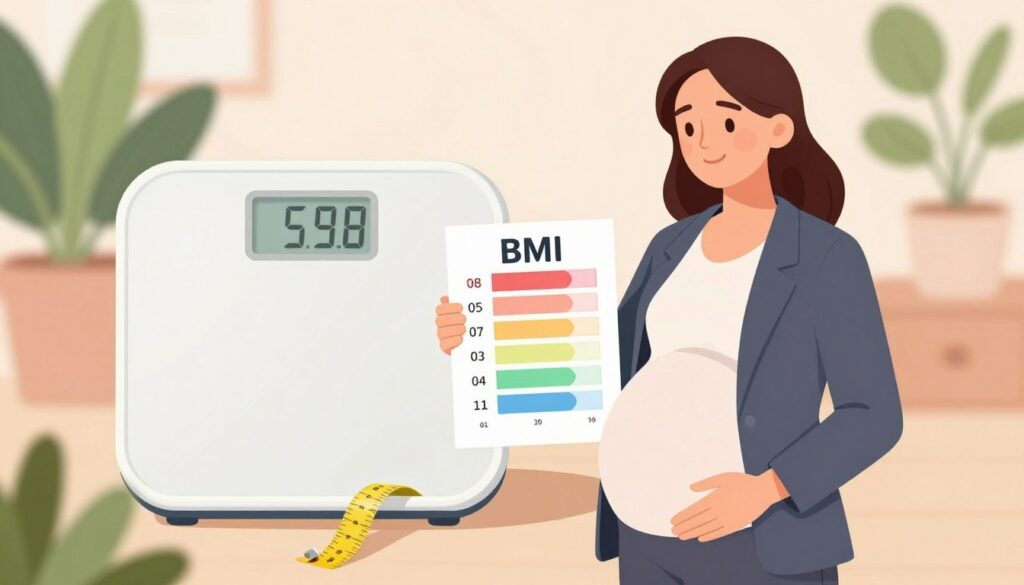
CDC pregnancy weight gain ranges by body mass index
For a single baby, the CDC suggests these ranges:
- Underweight (BMI < 18.5): 28–40 lb
- Normal (BMI 18.5–24.9): 25–35 lb
- Overweight (BMI 25–29.9): 15–25 lb
- Obesity (BMI ≥30): 11–20 lb
What “overweight” and “obesity” mean for your recommended gain
When starting BMI is higher, recommended gain is lower because people with higher body mass often already have metabolic reserves. This lowers the target range while still protecting fetal growth.
When to call your doctor if your trend falls outside the safe range
Most gain begins after week 14, so slow early rise can be normal. Contact your doctor sooner if you experience rapid loss, sudden large increases, severe vomiting, swelling, or if your trend stays outside the range.
Bring weight-tracking questions to prenatal visits; your care team will interpret patterns using growth scans, labs, and symptoms and help make a gradual plan if needed. For related budget-friendly meal ideas, try this grocery guide: smart grocery savings.
How to lose weight while pregnant without restricting the nutrients your baby needs
Smart food moves matter more than strict calorie cuts. Focus on nutrient quality so the baby gets what it needs while you manage excess gain safely.

Shift the goal from “eat less” to “eat smarter”
Aim for fullness and steady energy. Prioritize lean protein, fiber-rich whole grains, fruits, and vegetables at each meal. These choices help with feelings of fullness and support steady blood sugar, which lowers the risk of gestational diabetes.
Why cutting entire food groups can backfire
Removing whole groups can cause nutrient gaps. Missing folate, iron, or calcium raises risks for both you and the baby.
- Choose whole grains most of the time and include dairy or fortified alternatives for calcium.
- Keep healthy fats in measured portions and limit sugary drinks and ultra-processed snacks.
- If losing weight or weight loss is a concern, ask your clinician about a registered dietitian referral.
Final note: For most people, steady healthy pregnancy habits matter more than the scale. A balanced plan protects baby and supports longer-term progress.
Build a pregnancy plate that supports blood sugar, energy, and steady growth
A clear visual for meals makes it easier to eat well across a busy pregnancy day. Use a simple plate model as your guide: half non-starchy vegetables, a quarter lean protein, and a quarter high-fiber carbohydrate. Add a small calcium-rich option like yogurt or cheese if you tolerate dairy.
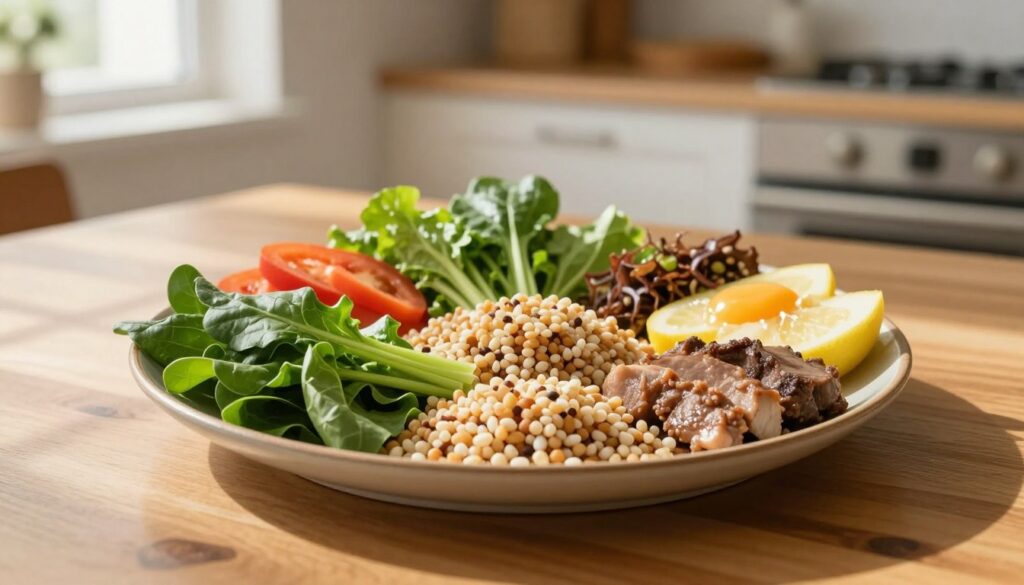
Prioritize lean proteins, whole grains, fruits, and vegetables every day
Pairing protein and fiber helps steady blood sugar and can reduce the risk of gestational diabetes by lowering big spikes after meals.
Snack smart: apple with peanut butter, Greek yogurt with berries, or hummus with raw vegetables all fit this pattern.
Simple swaps that reduce excess calories without feeling deprived
Choose roast over fry, yogurt-based sauces over creamy dressings, and salsa or mustard in place of mayo. These small swaps save calories but keep flavor and satisfaction.
Hydration habits that help reduce sugary drinks and soda
Drink water first and sip flavored seltzer or infused water later. Gradually cut soda to avoid sharp cravings; replacing one sweet drink per day is a realistic start.
- Plate layout: half vegetables, quarter protein, quarter high-fiber carbs, plus dairy or alternative.
- Daily goal: more vegetables and fewer starchy sides for steadier energy and better blood glucose control.
- Consistency matters: what you do each day affects steady growth for your baby and steady energy for you.
“Small, consistent choices at mealtime are more powerful than one perfect meal.”
For comfort-minded, healthy recipes that fit this plate model, try this guide to comfort food that is healthy: comfort food that is healthy.
Manage calories safely by trimester (without extreme deficits)
Energy requirements change as pregnancy progresses; small adjustments keep nourishment steady. Aim for gradual shifts rather than large cuts that risk nutrient gaps.

Typical needs across later trimesters
Trimester 1 usually needs no extra calories. In trimester 2 add about +340 calories per day. In trimester 3 expect roughly +450 calories per day. These are averages; individual needs vary by activity, nausea, starting BMI, and whether you have obesity.
Practical portion strategies
- Start with the plate method and take a moment before a second helping.
- Choose one “extra” at a meal—bread or dessert, not both.
- Cut hidden calories: swap butter for olive oil, pick vinegar-based dressings, skip sugary coffee add-ins.
- Read labels and check restaurant nutrition info when you eat out.
When a food log helps
Recording meals for a few weeks can show patterns—like skipped breakfast that leads to evening overeating. Share a brief log with your care team or a healthcare professional for tailored guidance.
Warning: Avoid extreme deficits. The goal across these weeks is steady nourishment, not rapid loss.
Prenatal vitamins and key nutrients to protect your health and your baby’s development
Daily supplements fill nutrient gaps that food alone can miss during pregnancy. A prenatal vitamin is a simple, reliable way to keep essential nutrients steady when appetite falters or meals vary.

Folate, iron, and calcium: why your needs rise
Folate lowers the chance of neural tube irregularities early in growth. Take it consistently, especially before birth checks begin, because early development is rapid and timing matters.
Iron needs grow because your blood volume expands. More iron helps carry oxygen and lowers anemia risk. If supplements upset your stomach, ask your clinician about different forms or dosing.
Calcium supports the baby’s bones and helps protect your own bone stores. If you can’t meet needs from food, a supplement helps fill the gap without excess calories.
| Nutrient | Main role | Typical dose range |
|---|---|---|
| Folate (folic acid) | Neural tube development | 400–800 mcg daily |
| Iron | Supports blood volume and oxygen delivery | 27 mg daily (or per clinician) |
| Calcium | Bone development for baby; protects parent bone | 1,000–1,300 mg daily |
Review your supplement list with your doctor. Discuss gummies versus pills, iron tolerance, and timing—iron is better absorbed away from calcium and some antacids.
Privacy matters: ask questions at visits and request clear lab explanations. It’s your care team; you can ask for plain answers without judgment.
Remember, supplements support—not replace—a balanced eating plan. For affordable, nutrient-rich shopping tips, check this grocery savings guide.
Exercise during pregnancy to help manage weight and reduce risk
Planned, gentle activity often improves mood, circulation, and metabolic health in pregnancy. Aim for about 150 minutes of moderate exercise each week. That usually looks like five 30-minute walks or three longer sessions plus short movement breaks on other days.

Realistic weekly routines
Split minutes across the week so activity fits your schedule. Try brisk walking, swimming, or prenatal yoga on different days. Mix in short strength sessions for good posture and stamina.
Low-impact options that work well
- Walking: easy, low-risk, and helpful for circulation.
- Swimming / water aerobics: supports the body and lowers joint stress.
- Gardening and prenatal yoga: gentle strength and flexibility gains.
Find a safe intensity with the talk test
Use the talk test: you should speak in sentences while exercising. If you cannot, ease up. Breathlessness often increases as weeks pass, so adjust time and pace.
Activities and situations to avoid
Avoid high fall-risk sports, overheating (like hot yoga), and anything that causes pain, dizziness, or bleeding. Stop and call your clinician if any of these occur.
Position and core modifications after the first trimester
After about 24–28 weeks, skip long periods lying flat on your back to prevent vena cava compression and dizziness. Replace sit-ups and crunches with pelvic rocks, bird-dog, and guided prenatal core moves. Consider a pelvic health physical therapist for tailored progressions.
| Goal | Example session | Safety tip |
|---|---|---|
| 150 minutes/week | Five 30-minute walks | Speak in full sentences while active |
| Low impact variety | 2 swims + 2 yoga classes | Keep hydrated; avoid overheating |
| Core strength | 3 light strength sessions | Use pelvic-safe moves; avoid crunches |
“Regular, moderate activity supports healthier gain patterns and can lower risks like high blood pressure and gestational diabetes when paired with good nutrition.”
Reduce pregnancy complications by focusing on steady habits, not the scale
Small, steady habits often prevent complications more effectively than daily scale checks. Aim for consistent meals, gentle activity, and regular prenatal visits. These moves protect health for you and your baby.

Healthy eating and movement that lower common risks
A 2017 review found that a combined diet and exercise plan can cut excess gain and may reduce the chance of needing a cesarean delivery. Stable patterns also help reduce risk of gestational diabetes and other metabolic concerns like diabetes later on.
Why excess gain raises other dangers
Gaining too much can increase blood pressure, raise the risk of preeclampsia, and boost the chance of preterm labor. These risks climb further with existing obesity, which is why steady habits matter more than strict restriction.
- Recenter success: energy, labs, blood pressure, and fetal growth.
- Weekly habit checklist: produce daily, protein at meals, water most days, 2–3 planned movement sessions.
- Non-scale wins: better sleep, less heartburn, improved stamina, steadier mood.
Postpartum recovery is easier when you build sustainable routines now. Keep prenatal appointments so your care team can spot changes early and adjust the plan as needed.
“Small actions each week can change outcomes more than watching the number on the scale.”
When you need extra medical guidance or monitoring
Some pregnancies need closer follow-up; knowing what that looks like eases worry. If you have higher baseline risk, your doctor may recommend extra visits and scans so care focuses on steady growth and safety.

What “high risk” means in practice
High risk often means more frequent prenatal checks, growth ultrasounds, and closer monitoring of blood sugar and blood pressure. Your care team may recommend additional lab work or referrals to specialists.
When clinicians may recommend extra support
- Severe nausea, persistent vomiting, or rapid changes in weight that affect nutrition.
- Preexisting diabetes, hypertension, or significant obesity that raises complication risk.
- Previous pregnancy complications or complex medical conditions.
Medications and pregnancy: semaglutide and others
If you get pregnant while taking semaglutide (Ozempic, Rybelsus, Wegovy) or other weight-loss or diabetes drugs, contact your doctor right away. Many of these agents lack full pregnancy data and may need pausing or a tailored plan.
Do not start or stop medicines without clinician guidance; your doctor will weigh risks and benefits and may recommend different options.
Underlying conditions that can cause weight changes
Poorly controlled diabetes, thyroid disease, and some GI issues can cause unintentional weight loss or gain. Lab checks and medication reviews help identify causes and guide safe treatment.
“Ask for confidential, stigma-free care; your team should honor privacy and answer questions plainly.”
| Concern | May recommend | Typical monitoring |
|---|---|---|
| Obesity or prior complications | More frequent visits; specialist referral | Growth ultrasounds; metabolic screening |
| Preexisting diabetes | Blood sugar control plan; med review | Glucose logs; labs; maternal-fetal consult |
| Rapid weight change or severe symptoms | Nutritional support; possible hospital care | Weight checks; IV fluids; nutrition consult |
Action plan: report concerning symptoms early, keep all prenatal visits, and ask whether a registered dietitian or maternal-fetal medicine specialist may recommend extra care. Bring a short list of questions and request privacy during sensitive conversations.
Conclusion
Gentle daily choices often matter more than dramatic shifts when managing weight in pregnancy.
Focus on steady habits: follow CDC gain ranges by BMI, build a balanced plate, adjust calories by trimester, take prenatal vitamins, and keep regular, safe movement. These steps protect growth and lower risks for you and the baby.
Avoid restrictive diets and extreme deficits. Call your clinician if trends change quickly or if you cannot keep food down. If you plan to lose more later, discuss a postpartum schedule with your care team for safe, supported progress.
Small changes every day beat big efforts that are short-lived. For easy, nourishing ideas, try these comfort-food recipes: comfort-food recipes.