

Want simple control over your money? This classic approach helps people track spending and meet financial goals with clear steps. It turns vague plans into visible progress.
Using labeled pouches or folders gives every dollar a purpose. You can focus on savings, attack debt, and stop overspending without complex apps.
Start by assigning amounts to each pouch and watch daily choices align with long-term targets. This practical method makes progress easy to see and celebrate.
Want tips to begin today? Check a helpful guide on how to save money to pair with this envelope budget system.
Key Takeaways
- Simple visibility: Assign funds to labeled pouches to control spending.
- Debt reduction: Prioritize payments to speed up progress.
- Clear savings: Designate amounts that match financial goals.
- Behavior change: Physical limits curb impulse buys.
- Easy tracking: Visual cues show when to adjust amounts.
Understanding the Envelope System for Budgeting Cash
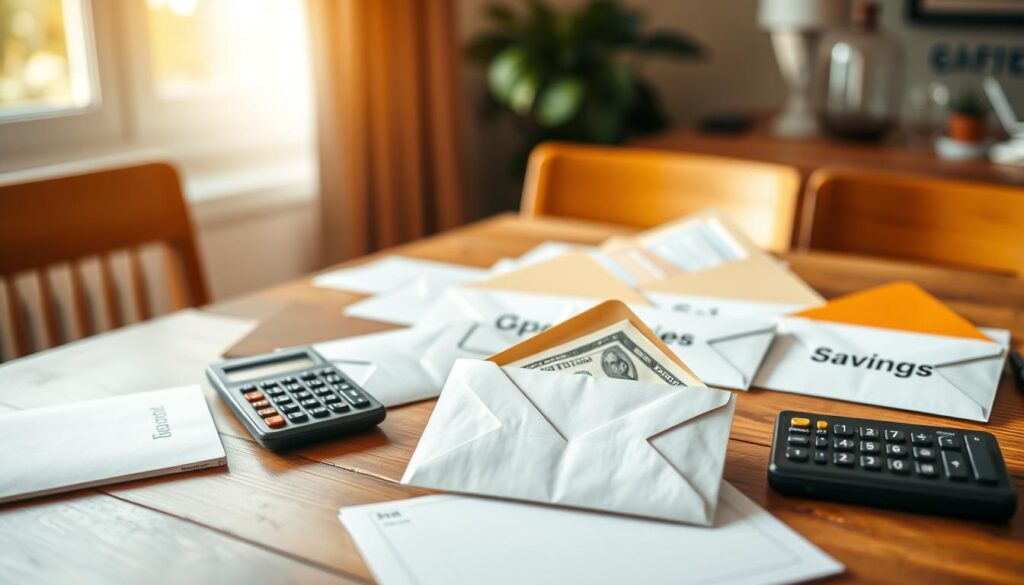
A simple pouch plan turns vague spending into clear monthly actions. This method groups money into labeled envelopes that match expense categories. It makes each purchase visible and intentional.
Visit a bank to withdraw funds and fill your cash envelopes. Doing this gives real tactile feedback about limits and helps curb impulse buys.
Set a budget per category and use only what is inside each pocket. That way, you avoid reaching for a credit card for everyday items.
Many people report that cash envelopes make saving easier because each bill spent feels deliberate.
- Organize money by needs and wants.
- Track monthly spending with simple markers.
- Visualize goals and watch savings grow.
| Step | Action | Benefit |
|---|---|---|
| 1 | Withdraw funds at bank | Physical control over expenses |
| 2 | Label envelopes by category | Clear tracking each month |
| 3 | Use only envelope funds | Reduced credit card reliance |
Want a step-by-step plan to save from salary? See this helpful saving guide to pair with your envelope budget system.
Why This Traditional Method Remains Effective
Seeing paper bills shrink in labeled pouches makes choices clearer and smarter. That simple visual cue turns vague plans into clear actions during each month. It helps people notice patterns and act before small slips grow.

Visualizing Your Spending
Jessica Johnston, NCOA’s Senior Director, notes that using cash lets you touch and see your money, which boosts accountability. When you use the envelope method, you literally watch thickness change as spending happens.
“Using cash allows you to see and touch your money, which encourages greater accountability and better spending habits.”
This real feedback gives valuable information about expenses. You can adjust categories mid-month and avoid surprises.
Building Financial Discipline
Relying on this approach forces a pause before each purchase. That pause lowers impulse buys and reduces unnecessary debt.
Small changes add up: using cash and separate envelopes helps habits shift toward steady savings and clearer goals over time.
- See how funds move each month and tweak categories.
- Stop and think before spending to protect savings.
- Gain quick insights into where money flows and why.
Potential Challenges and Considerations
Physical pouches make spending visible, but they also introduce new risks and chores.
Be aware that older adults often hold at least one credit card. According to U.S. Federal Reserve data, 93 percent of people over age 60 own a credit card. That can mean unintended debt if cards remain in use alongside envelopes.

Time is another factor. Managing paper funds may require a bank visit each month to withdraw money. That extra errand can feel cumbersome.
Safety matters too. Losing envelopes or having them stolen offers little protection compared to a credit card. Tracking also gets harder. Paper records may miss details and skip rewards that come with card use.
- Bank trips each month add effort and time.
- Lost or stolen pouches carry high risk and low protection.
- Paper tracking can hide spending patterns and rewards.
- Poor category planning can lead to overspending and reduced savings.
| Issue | Impact | Practical tip |
|---|---|---|
| Credit card use among seniors | Hidden debt risk | Track card balances monthly and avoid new charges |
| Monthly cash withdrawal | Time cost | Plan a single visit or use bank services to minimize trips |
| Theft or loss | Little recourse | Use a locked pouch or keep minimal funds on hand |
| Poor tracking | Missed rewards, unclear information | Keep a log or pair with an app to record transactions |
Preparing Your Monthly Budget and Categories
Map out fixed costs and flexible items at the start of each month to shape a realistic budget.
Begin by listing all monthly expenses. Include steady bills like rent and utilities, then add variable items such as groceries and entertainment.
Define each category clearly. For example, separate groceries from restaurants so you track spending more accurately.

Defining Fixed and Variable Expenses
Once categories exist, total each line to find the amount needed to fill your envelopes at month start.
Keep primary savings in an interest-bearing account rather than storing all money at home. This protects funds and still lets you use physical envelopes for daily spending.
- List fixed obligations: rent, utilities, subscriptions.
- List variable costs: food, transport, entertainment.
- Calculate totals and allocate exact amounts to envelopes.
| Category | Type | Example Amount |
|---|---|---|
| Rent | Fixed | $1,000 |
| Groceries | Variable | $300 |
| Dining Out | Variable | $100 |
| Emergency Savings | Savings | $150 |
Simple tracking and these tips keep you organized. Small, consistent steps protect savings and help reach long-term goals.
Executing the Cash Stuffing Process
Make a habit of sorting income into labeled holders so every expense has a plan. This quick routine turns a paycheck into clear actions each month and limits guesswork.

Labeling Your Envelopes
Write a category name and the exact amount on each envelope. Use short labels like Rent, Groceries, or Gas. Clear labels reduce confusion and help you stick to limits.
Allocating Your Income
Fill each pouch with the set amount at payday. When you pay rent or buy groceries, take funds only from that labeled envelope and note the transaction on the back.
Managing Remaining Funds
If an envelope is empty before month end, resist borrowing or swiping a debit card. Move surplus to savings or reallocate at month close.
- Record every withdrawal to track spending and spot trends.
- Keep minimal bank visits by planning weekly errands.
- Handle physical money to curb impulse buys better than using a credit card.
Need more steps to build a steady habit? Check this budget and save guide to pair with your method.
Modernizing Your Approach with Digital Tools
Digital tools can turn manual routines into automated habits that protect savings. Chris Powell at Citizens says tech helps customers reach financial goals more efficiently.

Products like Citizens Savings Tracker® let users set goals and save without carrying lots of cash. Over 11,000 goals have been started, with typical monthly progress of $450–$600.
Automation can grow account balances quickly. Some users report balance gains near 21% each month after using automated transfers.
Digital ways of managing money also reduce loss risk from misplaced envelopes. You can pause automatic moves, set transfer limits, and avoid overspending on a debit or credit card.
| Feature | Benefit | How it helps |
|---|---|---|
| Automated transfers | Consistent savings | Funds move to savings without manual steps |
| Goal tracker | Clear progress | Shows amount saved toward goals each month |
| Pause or limit options | Control spending | Limits reduce impulse debit or credit card use |
Try pairing physical envelopes with an app so you keep tactile discipline and gain automation. For extra tips on saving, see this guide on how to save money.
Conclusion
Consistent sorting of funds each pay period builds strong saving habits and less stress.
This envelope system remains a proven way to help people control spending, track expenses, and hit savings goals. Use physical cash envelopes or pair them with digital tools that move money into an account automatically.
If a pouch runs out, treat that as a signal to adjust categories next month rather than borrow. Small, steady steps and simple rules make this method work.
Stay disciplined, review amounts each month, and celebrate progress. For extra tips on how to save, visit save your money.