
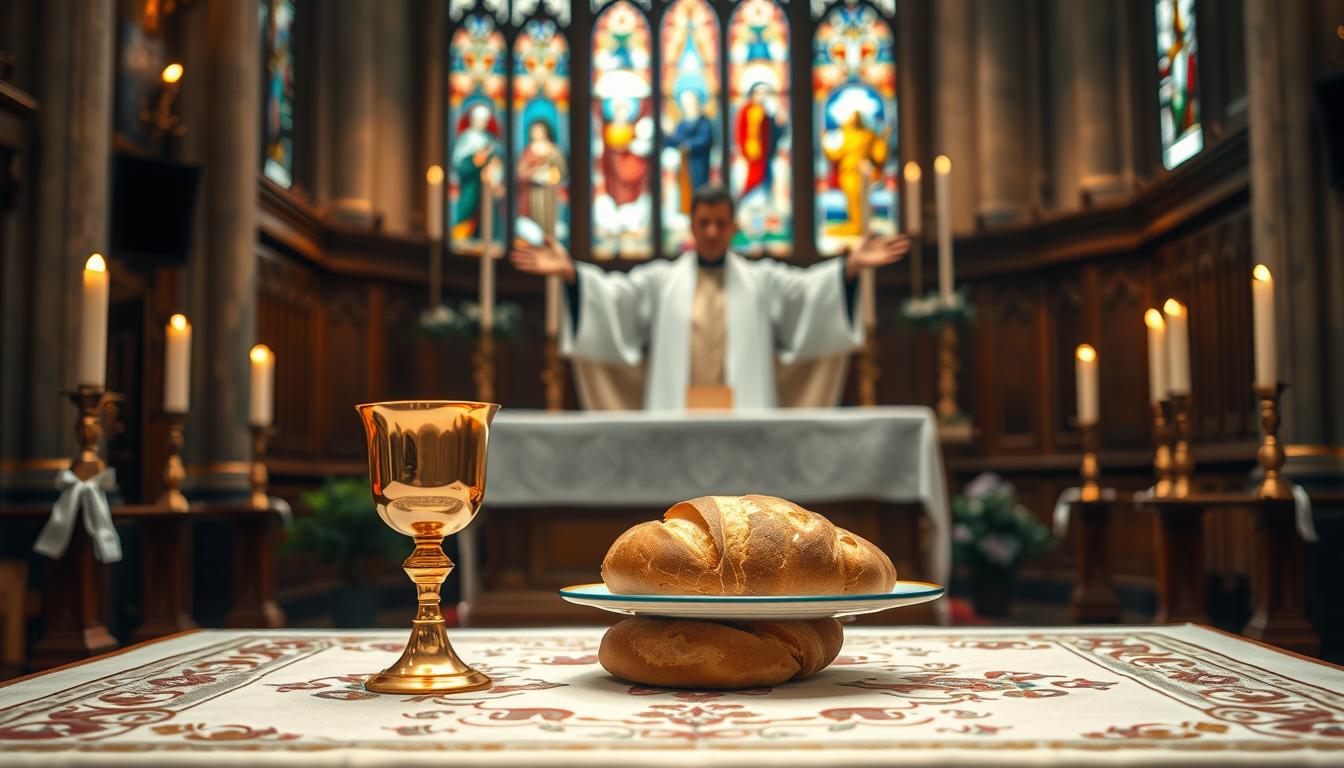
Imagine you’re at Mass. The readings are done, and suddenly, the atmosphere shifts. The priest approaches the altar, and all eyes focus on this sacred moment. This is when the gifts come into play. At the heart of this ceremony, you’ll find bread and wine, but there’s so much more involved. The collection, the water, and even the way people present these offerings all contribute to the significance of this ritual.
This moment seamlessly connects the Liturgy of the Word with the Liturgy of the Eucharist. They aren’t two separate acts; rather, they flow together as one beautiful expression of worship. Historically, this practice traces back to the early Church, where individuals brought bread and wine from their homes, along with gifts for those in need.
Pope Benedict XVI beautifully noted that through the humble offering of bread and wine, all of creation is embraced by Christ. It’s a simple gesture, yet it carries profound meaning. In this article, we’ll explore what these offerings are, how they’re presented, and why they hold such deep significance for the faithful.
Key Takeaways
- The gifts at Mass include bread, wine, and other offerings.
- This moment connects two parts of the service into one act of worship.
- Historically, people brought offerings from their own tables.
- Pope Benedict XVI emphasized the significance of these humble gestures.
- Understanding these gifts enhances personal worship experiences.
What Are the Gifts in Catholic Mass?
When attending Mass, the moment of offering gifts is both sacred and profound. This act encompasses more than just bread and wine; it reflects our collective commitment to faith and community. Understanding these elements enhances the worship experience and connects us to the traditions of the Church.
Bread and Wine: Basic but Essential
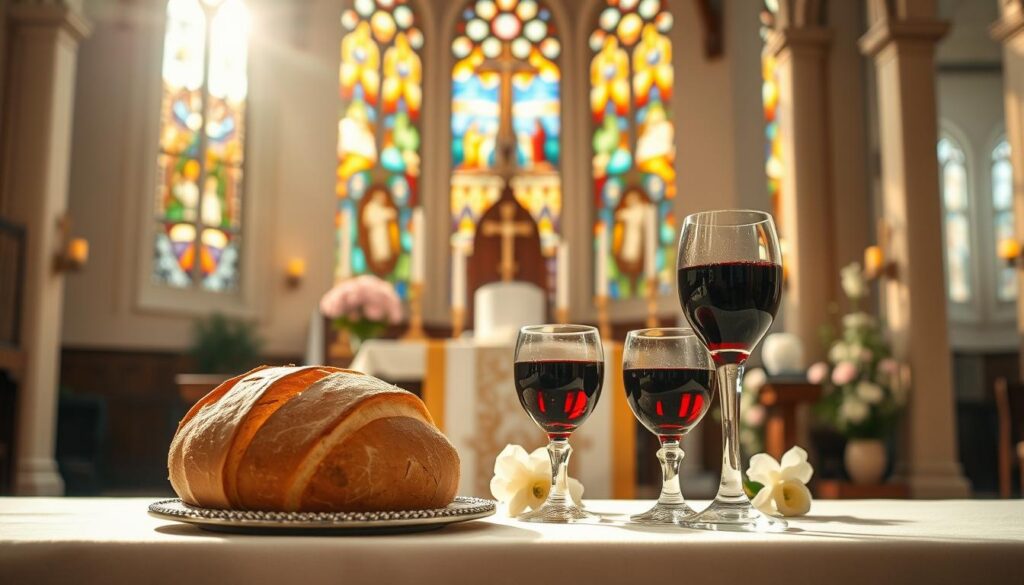
The heart of these offerings lies in the bread and wine. These aren’t just any food items; they are the very elements that Jesus used during the Last Supper. The bread is unleavened and made from wheat, while the wine is derived from grapes. This specificity is crucial for the validity of the sacrament.
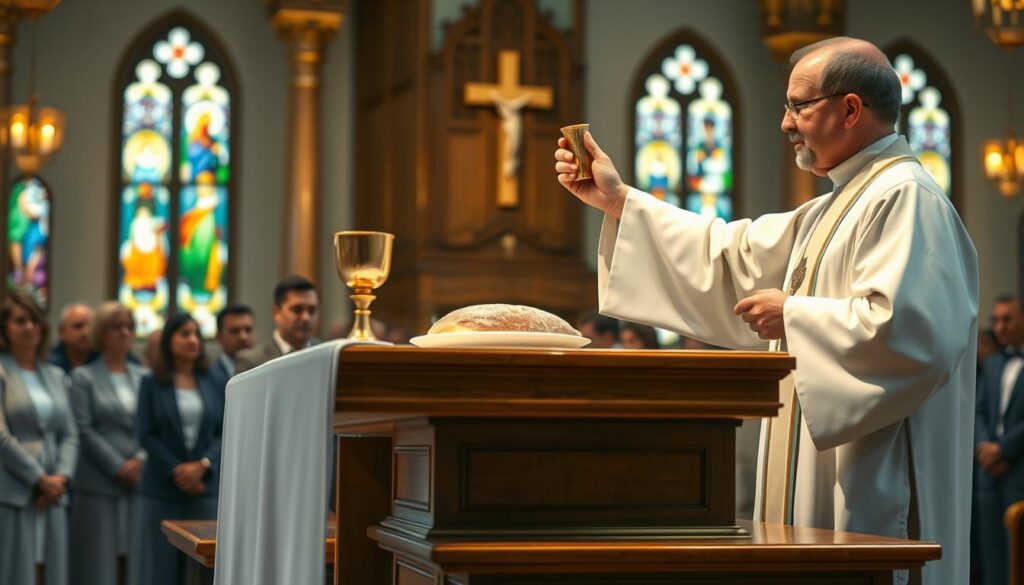
In the Roman rite, the priest presents these elements separately. He lifts the paten with the bread, saying a prayer of blessing, followed by the wine. The prayers begin with,
“Blessed are you, Lord, God of all creation.”
The Role of Water in the Offering
Alongside the bread and wine, a few drops of water are mixed into the wine. Though it seems small, this gesture symbolizes the union of Christ’s divinity with our humanity. It also recalls the water that flowed from His side on the cross, reminding us of His sacrifice.
The Collection and Other Offerings
Money can feel like an awkward topic in church, but it’s been part of the offering since the early days of Christianity. St. Paul wrote about it in 1 Corinthians, where early Christians brought food and goods for those in need alongside the bread and wine. Jesuit Father John Baldovin emphasizes that money is our gift in today’s world. It enables charitable works and sustains the Church’s ministry. It’s not less spiritual than bread and wine; it’s simply a different form of offering.
The General Instruction of the Roman Missal (GIRM) states that the collection basket should be placed near the altar, though not on it. While the money won’t be consecrated, it remains a genuine gift from the faithful. This collection represents our commitment to support the Church and assist those in need.
In summary, the bread, wine, water, and collection come together as one act of giving. They embody our lives, our work, and our care for others. Each element is a reflection of our faith and a reminder of our shared responsibility to support one another.
| Element | Significance | Presentation |
|---|---|---|
| Bread | Symbolizes the Body of Christ | Presented separately by the priest |
| Wine | Represents the Blood of Christ | Lifted and blessed by the priest |
| Water | Symbolizes the union of divinity and humanity | Mixed with wine during presentation |
| Collection | Supports the Church and those in need | Placed near the altar, not consecrated |
For further insights on the presentation of these offerings, you can explore more here.
How the Gifts Are Presented During Mass
As the Mass unfolds, a significant moment arrives after the Prayers of the Faithful. This is when the gifts are brought forward, marking a transition in the service. It’s a time filled with reverence and community spirit.
Typically, three people participate in this procession. According to the St. John Vianney Parish guidelines, one adult carries the collection bowl, while another brings the wine, and a third person carries the bread. Sometimes, an usher will also carry the Book of Intentions.
Families often take part together. If there are more than three family members, the extras can walk along reverently. This inclusion creates a sense of unity and shared faith among the participants.
The Procession: Who Carries What
As the priest moves to the altar, the procession begins. Gift Bearers should leave their pew when the priest says, “Let us profess our Faith.” They walk to the back of the church, reciting the Creed together. Once the priest and altar servers are in place, the gifts are brought up reverently.
What Happens at the Altar
At the altar, the priest takes the paten with the bread first. He lifts it slightly and says:
“Blessed are you, Lord, God of all creation. Through your goodness we have this bread to offer, which earth has given and human hands have made. It will become for us the bread of life.”
Next, he blesses the wine with a similar prayer. The faithful respond, “Blessed be God for ever.” This exchange highlights the sacred nature of the moment.
Customs and Practical Tips for Gift Bearers
When participating, it’s essential to walk slowly and reverently down the aisle. Stand close enough to the priest so he can take the gifts easily. If the wine cruet has a handle, it should face him for easy grasping. After offering their gifts, the Gift Bearers bow together toward the altar before returning down the center aisle.
Remember, the General Instruction of the Roman Missal (GIRM) notes that while a procession is “praiseworthy,” it isn’t required. On weekdays, gifts may simply be placed on a side table, with the priest bringing them to the altar. However, when a procession occurs, it becomes a meaningful act of the faithful bringing their offerings forward.
For those nervous about serving as Gift Bearers, rest assured it’s not complicated. The parish provides clear instructions, and the key is to be reverent and take your time.
| Role | Item Carried | Key Action |
|---|---|---|
| First Gift Bearer | Collection Bowl | Presented by an adult |
| Second Gift Bearer | Wine Cruet | Handed to the priest with care |
| Third Gift Bearer | Bread | Presented last to the priest |
Why These Gifts Matter: More Than Just Symbols
When we present our gifts, we connect our lives to the divine act of sacrifice. This moment during Mass is not merely a transition; it is a vital part of our worship. It symbolizes our participation in Christ’s sacrifice and our commitment to faith and community.
Participation in the Sacrifice of Christ
Offering bread and wine is more than just dropping off supplies. It’s about joining our lives—our work, joys, and struggles—to what Jesus is about to do. The bread and wine represent “the work of human hands” and “fruit of the vine.” These are our contributions, reflecting our daily lives.
Pope Benedict XVI noted that this act is significant. He said,
“In the bread and wine that we bring to the altar, all creation is taken up by Christ the Redeemer to be transformed and presented to the Father.”
This means that every bit of pain and suffering in the world has value in God’s eyes, carried to the altar with those simple gifts.
The Offertory as an Act of Giving and Faith
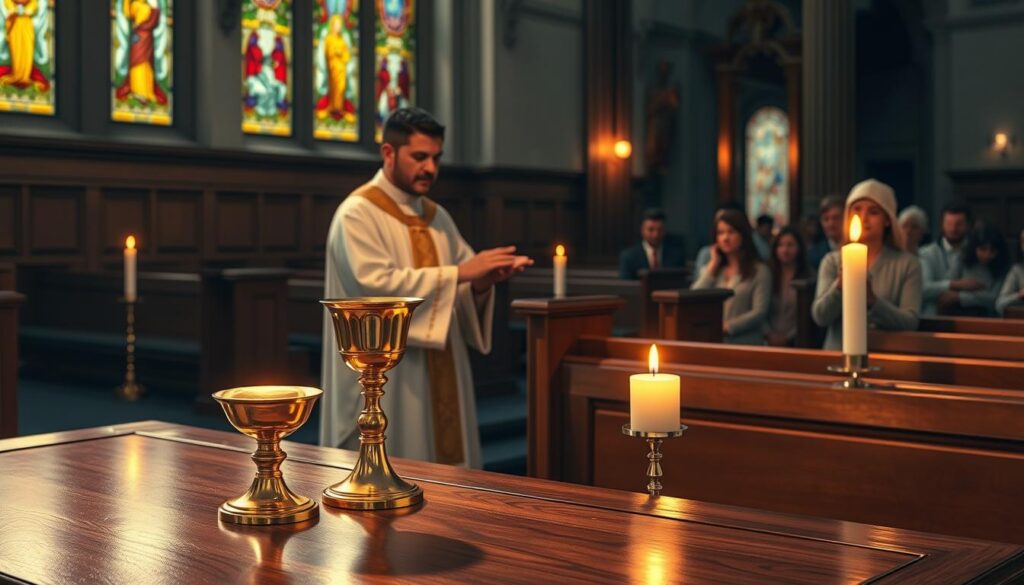
The offertory is a moment of faith. The priest bows and prays for a humble heart. He washes his hands, signifying interior purification. Then, he invites everyone to pray that “my sacrifice and yours” will be acceptable. This makes it personal; it’s not just the priest’s act.
Some parishes may rush the collection basket away, treating it as something shameful. But these are real gifts from real people. They should be honored as part of the offering, received along with the bread and wine.
The Place of Money and Gifts for the Poor
Christopher Carstens reminds us that this moment is marked by sacrifice, by a readiness to give out of love for God, even when it hurts. This applies to our financial gifts too. While automatic transfers are convenient, they can lose that sense of active, personal giving.
Msgr. Kevin Irwin pointed out that we rarely collect actual goods for the poor during this time, except maybe around Thanksgiving. The General Instruction of the Roman Missal envisions this practice. Parishes with food pantries could connect the liturgy to real charity in a powerful way.
Ultimately, these gifts matter because they represent us—our work, our money, our hearts. We place them on the altar with Christ, trusting He’ll transform them along with the bread and wine.
| Element | Significance | Action |
|---|---|---|
| Bread | Symbolizes the Body of Christ | Presented by the priest |
| Wine | Represents the Blood of Christ | Lifted and blessed by the priest |
| Collection | Supports the Church and those in need | Placed near the altar |
| Gifts for the Poor | Connects the liturgy to charity | Encouraged during offertory |
Making the Gift Moment a Meaningful Part of Your Mass Experience
For many, the moment of presenting gifts can feel like a pause, where little seems to happen. But it doesn’t have to be that way. When you see those offerings moving forward, think of your own life—your work, your worries, and your family. All of it is being carried to the altar, even if you’re not physically walking down the aisle.
If you get the chance to serve as a gift bearer, embrace it. This small act can deepen your connection to the Mass. Parishes welcome volunteers and will guide you through the process. During the collection, view your contribution as part of your offering. Whether you give online or in the basket, take a moment to consciously present that gift to God alongside the bread and wine.
Listen closely to the priest’s quiet prayers. They invite you to unite your heart with his. Even at weekday Masses without a procession, you can still make an interior offering. Your intentions and sacrifices can rest alongside the gifts on the altar.
Next time you’re at Mass, don’t let that moment slip by. Watch the procession, listen to the prayers, and offer something of yourself. It might just transform your entire experience of the Eucharist.