
Have you ever sat in the pews, watching others walk down the aisle with bread and wine? It can be a curious moment, wondering about the right time to step up and participate. The transition from the Liturgy of the Word to the Liturgy of the Eucharist is significant. It begins right after the Prayers of the Faithful, marked by the priest moving to the altar as the offertory song starts.
This moment isn’t just about moving items from one place to another. It’s a beautiful act, representing the entire parish community offering back to God a small part of what He has given. The Liturgy of the Eucharist flows seamlessly from the Liturgy of the Word, creating a unified worship experience.
If you’ve been asked to participate at a wedding, funeral, or Sunday service, knowing the right time to stand and walk back can ease any anxiety. Think of this guide as a friendly walkthrough, helping you feel confident and focused on the meaning behind your actions.
Key Takeaways
- The offertory procession starts after the Prayers of the Faithful.
- This act symbolizes the community’s offering to God.
- The Liturgy of the Eucharist follows the Liturgy of the Word.
- Knowing the timing can help avoid awkward moments.
- This guide aims to boost your confidence during the Mass.
Understanding the Right Moment to Bring Up Gifts in Catholic Mass
Picture yourself in the pew, feeling the anticipation as the moment to participate draws near. The offertory is a special time during the service, nestled right between the Liturgy of the Word and the Liturgy of the Eucharist. This transition is marked by a clear shift when the priest leaves his chair and walks toward the altar.
You’ll hear the priest say, “Let us profess our Faith,” and that’s your cue to quietly slip out of your pew. Head to the back of the church where the gifts are waiting. Don’t worry about missing the Creed; you can recite it from your position in line, ensuring you’re still part of the worship.
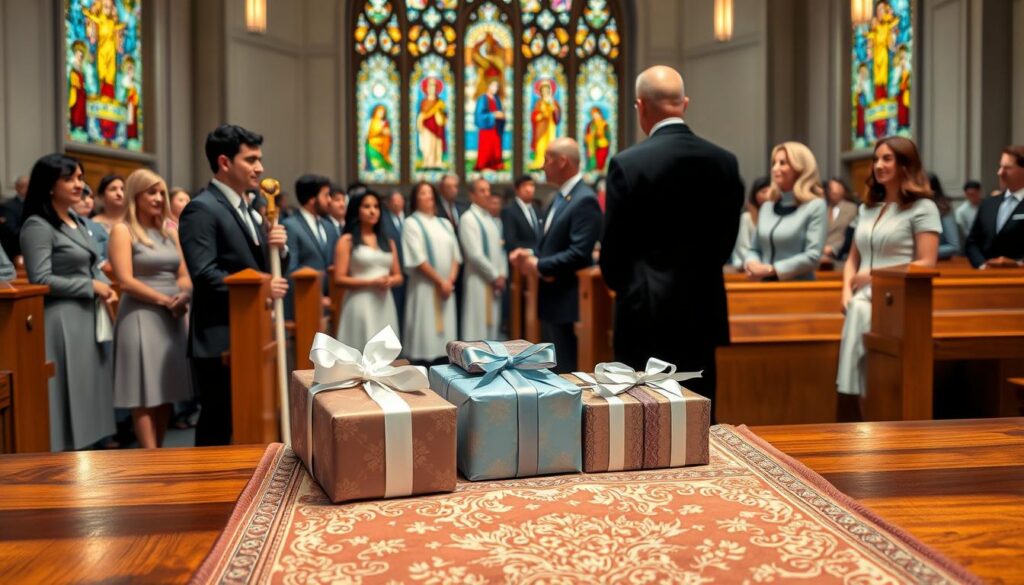
As the priest and altar servers move in front of the altar, that’s your signal to walk down the center aisle slowly and reverently. Typically, three people are assigned to this role: an adult carries the collection bowl, another carries the wine, and a third carries the bread. If a family is serving together, extra members can walk alongside them.
Some parishes might have an usher leading the procession with a Book of Intentions, so pay attention during any brief rehearsal or instructions given before Mass starts. The entire process happens after the Prayers of the Faithful wrap up and the offertory hymn begins. Listen for that music change as your final heads-up.
If you’re sitting with your family, make sure you’re at the end of the pew. This way, you can get up smoothly without making everyone else shuffle around. Remember, this moment is not just about the physical act of bringing items to the altar; it’s a beautiful representation of the community’s offerings to God.
The Offertory’s Place in the Mass Timeline
The offertory sits right between the Liturgy of the Word and the Liturgy of the Eucharist. This timing is crucial for ensuring a smooth transition during the service.
How the Priest’s Cues Help Guide the Procession
The priest’s cues are vital. His words and movements signal when it’s time to participate, helping everyone stay in sync with the service.
Who Typically Brings Up the Gifts and What They Carry
Usually, three individuals are assigned: an adult for the collection bowl, another for the wine, and a third for the bread. Families can walk together, creating a meaningful experience for all involved.
| Role | Item Carried | Notes |
|---|---|---|
| First Gift Bearer | Collection Bowl | Must be an adult |
| Second Gift Bearer | Wine | Can be any age |
| Third Gift Bearer | Bread | Can be any age |
| Additional Family Members | — | Can walk alongside |
How to Bring Up Gifts During the Mass: Step-by-Step Guide
Imagine the moment when the congregation’s energy shifts as the offertory approaches. This part of the service is more than just a routine; it’s a beautiful opportunity to connect with the community and God. Knowing how to participate can ease any nerves you might feel.
Preparing Yourself Before You Leave Your Seat
Before Mass even starts, take a moment to find one of the hospitality ministers. Let them know you’re there, so they’re not scrambling to find you later. This simple step can help ease any anxiety.
Sitting at the end of the pew is also a smart move. Trust me on this one! Trying to climb over three people while everyone watches is not the kind of attention you want.
The Order of the Procession and What to Do at the Altar
Once the Prayers of the Faithful finish, quietly stand up and make your way to the back of the church. The gifts will be waiting on the left-hand side. Hang tight until the offertory collection wraps up. Wait for the priest to stand and walk to the front of the altar before moving to the center aisle.
Walk slowly down that aisle; there’s no prize for speed. Stop close enough to the priest so he can reach what you’re holding without awkwardly leaning. The order matters: the collection bowl goes first, then the wine, and finally the bread.
Offering the Bread, Wine, and Collection with Reverence
When it’s your turn, lift the gift up and forward toward the priest. Don’t just hold it at waist level like you’re waiting for a bus! After handing off your gift, step to the side to allow the next person room.
Typically, the First Gift Bearer presents the collection bowl, followed by the Second Gift Bearer with the wine. If you’re carrying the wine, hold it in your left hand and support the cruet with your right hand, ensuring the handle faces the priest. The Third Gift Bearer will then hand over the gift of the Host.
Returning to Your Seat Without Rush
Once all gifts have been presented, the priest may say a few words of thanks. Then, everyone bows together toward the altar. Afterward, turn and walk back down the center aisle to the rear of the church.
Slip back into your seat from the side; there’s no need to make a grand re-entrance. This process is a meaningful part of the Mass, reflecting the community’s offerings to God.
| Role | Item Carried | Notes |
|---|---|---|
| First Gift Bearer | Collection Bowl | Must be an adult |
| Second Gift Bearer | Wine | Can be any age |
| Third Gift Bearer | Bread | Can be any age |
| Additional Family Members | — | Can walk alongside |
What the Gifts Mean: The Bread, Wine, and Offering Explained
In the heart of the Mass, the gifts of bread and wine hold profound significance. These simple items are not just elements of the service; they represent something much deeper. As they are presented at the altar, they symbolize our connection to God and each other.
From Simple Items to the Body and Blood of Christ
Those plain loaves of bread and basic bottles of wine are about to become something infinitely more. They will transform into the actual Body and Blood of Christ. This change is not just a ritual; it requires reverence and understanding.
The priest lifts the paten with the bread and prays,
“Blessed are you, Lord, God of all creation. Through your goodness we have this bread to offer, which earth has given and human hands have made. It will become for us the bread of life.”
The same pattern follows for the wine, reminding us of the significance of these offerings.
Symbolizing Our Work, Joys, and Sufferings
When bringing these gifts to the altar, it’s essential to remember that it’s not just about the physical items. You’re also symbolically offering part of yourself along with those gifts. Your work, joys, and struggles are all included in this act of worship.
Pope Benedict XVI beautifully stated that in the bread and wine, all creation is taken up by Christ to be transformed and presented to the Father. This includes all the pain and suffering of the world. It’s a reminder that our everyday experiences matter in this sacred moment.
The Collection as An Act of Charity and Community Support
The collection basket is more than a means to support the church; it represents a direct continuation of what Christians have done since the beginning. Just as bread and wine are brought forward, so too are gifts of material assistance for those in need.
When you walk down that aisle, you’re not just participating in a ritual. You’re acting out a journey from this life toward eternal life. The transformation of the bread and wine mirrors the transformation God wants to work in you.
This act echoes the gesture of Melchizedek from the Old Testament, committing the Creator’s gifts into the hands of Christ. His sacrifice brings all human attempts at offering to perfection, reminding us that our contributions, no matter how small, play a vital role in the community.
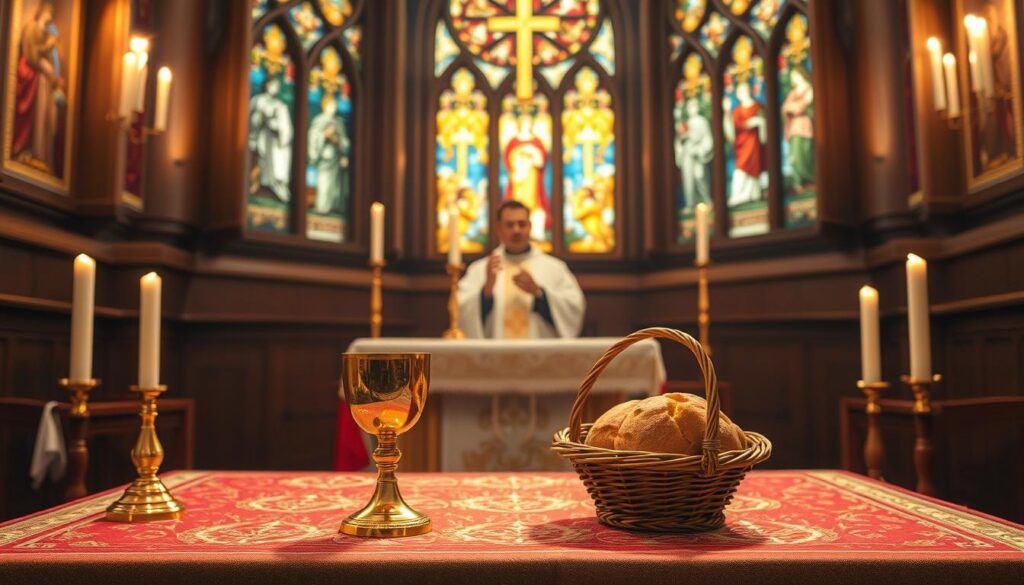
Making the Moment Your Own: Why Bringing Up Gifts Matters
Consider the powerful moment when the community gathers to present offerings at the altar. Many feel nervous or reluctant to participate, and that’s completely normal. Shyness or fear of being in the spotlight can create barriers. However, those barriers often prevent us from responding to a deeply personal invitation.
Even if someone else carries the bread and wine, remember that everyone is included in that gesture. Each person offers themselves alongside those simple items. Saying yes to this act is a way to visibly practice following Jesus. It’s about showing up fully, without holding back.
When the priest prays, “Lord God, we ask you to receive us and be pleased with the sacrifices we offer,” that prayer encompasses your sacrifice too. As the community responds together, your offering becomes part of something greater. Next time you’re invited to serve, reflect on whether it’s about logistics or a deeper call to step forward.