
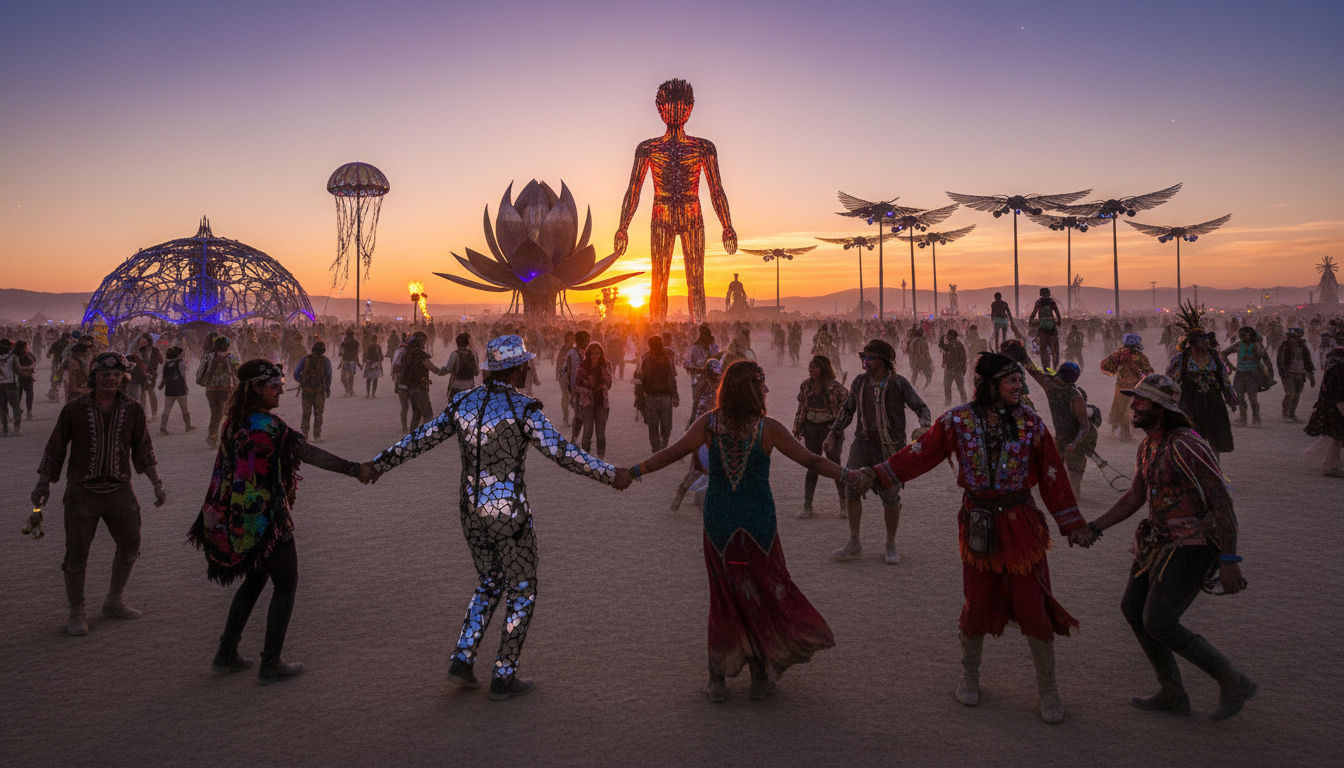
Curious about what happens at Burning Man? Think less of a concert lineup and more of stepping into a living, temporary city. Black Rock City opens Sunday, August 24, 2025 and runs through Monday, September 1, 2025. The Man burns on August 30 and the Temple burns on August 31.
This guide is a friendly primer for first-timers. You’ll get practical clarity on tickets, costs, and self-reliance. It also previews the week: arrival, learning the city, daytime exploration, nights of art and music, and the two big burns that close the event.
Your first visit will feel big and fast. Expect high moments and tough ones. Many people describe strong emotions and surprise. Participation matters: your choices shape the outcome as much as anything on the playa.
Skim for dates and logistics, then return for culture, etiquette, and survival tips. For packing ideas that blend comfort and style, see this short guide on glamping essentials: glamping packing tips.
Key Takeaways
- Black Rock City runs Aug 24–Sep 1, 2025; Man: Aug 30, Temple: Aug 31.
- The festival is a temporary city, not just a concert.
- Bring tickets, supplies, and a self-reliant mindset.
- First-timers should expect emotional highs and lows.
- Participation and contribution shape your overall experience.
What Burning Man Is and Why It’s Different From a Typical Festival
Each year, participants construct a real pop-up metropolis on a salt flat outside Gerlach. This temporary town is known as Black Rock City, and it functions like any small city — streets, camps, services, and surprises — but only for a week.
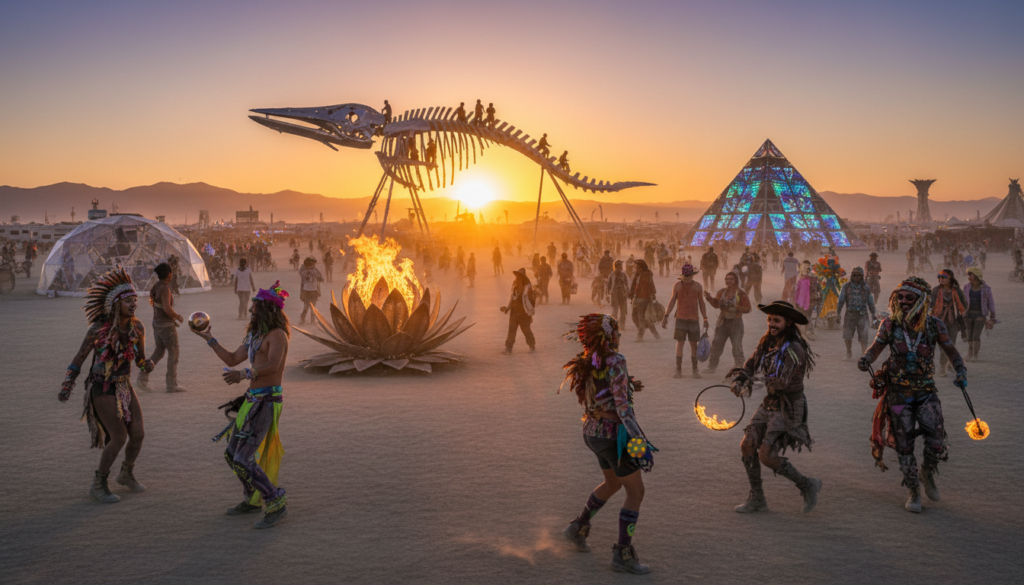
Black Rock City as a temporary metropolis
The open black rock playa changes scale. Art feels monumental and sound travels far. That wide, flat desert makes distance and silence part of the experience, so preparation matters.
Participation over spectatorship
People join workshops, cook for neighbors, or help a theme camp. This is not a passive show. Burners create the program by saying yes and pitching in.
Built by the community each year
The burning man community — artists, volunteers, and camps — build the place and follow shared principles like self-reliance, inclusion, and leave no trace. That culture makes this event feel unlike any other in the world.
Newcomers should expect fewer schedules and more invitations. For packing ideas that blend comfort and style, see glamping packing tips.
What Happens at Burning Man During the Week on the Playa
On the playa, a single week can feel like many weeks rolled into one intense stretch. Something is moving almost every hour, so you’ll see a lot in a short time.
The first days are for arrival and setting up camp. Midweek invites deeper exploration. The final days bring the big rituals and burns.
The pace is nonstop and you still can’t see it all
Expect packed blocks of activities and pockets of quiet. Even if you skip sleep, doing every single thing isn’t realistic. That reality helps manage FOMO.
Planned events vs spontaneous moments
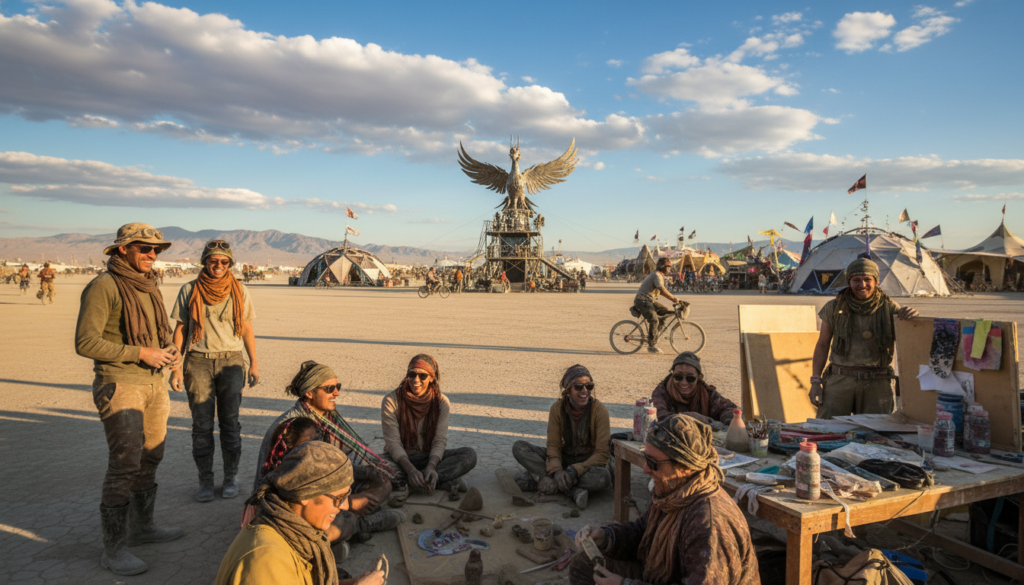
Many camps list classes and meetups in the app or booklet. Yet the most memorable moments often come when you follow sound, light, or an art car and join others.
“Pick one anchor plan a day, then allow time to wander.”
| Phase | Typical focus | How to approach |
|---|---|---|
| Early week | Setup, orientation | Prioritize camp needs and rest |
| Midweek | Exploration, workshops | Pick one anchor activity; wander after |
| Final days | Major rituals, burns | Plan arrival times; expect crowds |
Quick strategy: choose one plan per day, stay hydrated, and treat the event like a buffet—sample many things but avoid overload. This is the best way to enjoy burning man without burning out.
Burning Man 2025 Dates, Key Burns, and the Rhythm of the Event
Event dates: Sunday, August 24, 2025 to Monday, September 1, 2025. Write these into your calendar now so work, travel, and supply runs align with real deadlines.
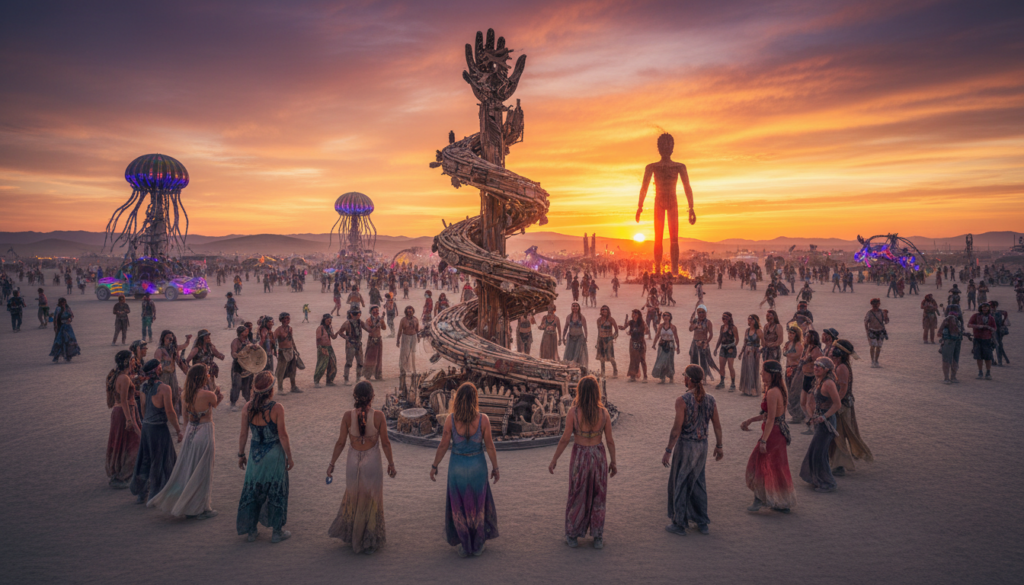
How the week flows
The week follows a clear rhythm. Early days focus on arrival, camp setup, and finding your bearings.
Midweek brings exploration, workshops, and growing energy. The end of the week concentrates the largest communal moments and rituals.
The Man burn — August 30
The Man burn is loud, bright, and full of celebration. Expect crowds, music, and intense communal energy.
“The Man burn feels like the city’s biggest exhale.”
The Temple burn — August 31
The Temple burn shifts the tone. It is quieter and more reflective, and many people experience strong emotions the night after.
Departures and practical timing
Many participants leave after the Man burn; another exodus follows the Temple burn. Traffic lines often spike both times, creating bottlenecks.
- Plan for flexibility: leave buffer days if you can, or expect long waits.
- Stagger exits: consider departing a day earlier or later to avoid peak queues.
- Pack for delays: extra water, snacks, and patience go a long way.
Tip: pick a few must-see moments and allow free time each day. That balance helps you enjoy the spectacle without rushing past the week’s most meaningful parts.
Tickets and Real Costs for First-Time Burners
Before you pack, you’ll want a clear plan for tickets and the true cost of attending. Sales windows and fees set the tone for your budget, so plan carefully and act during the right time window.
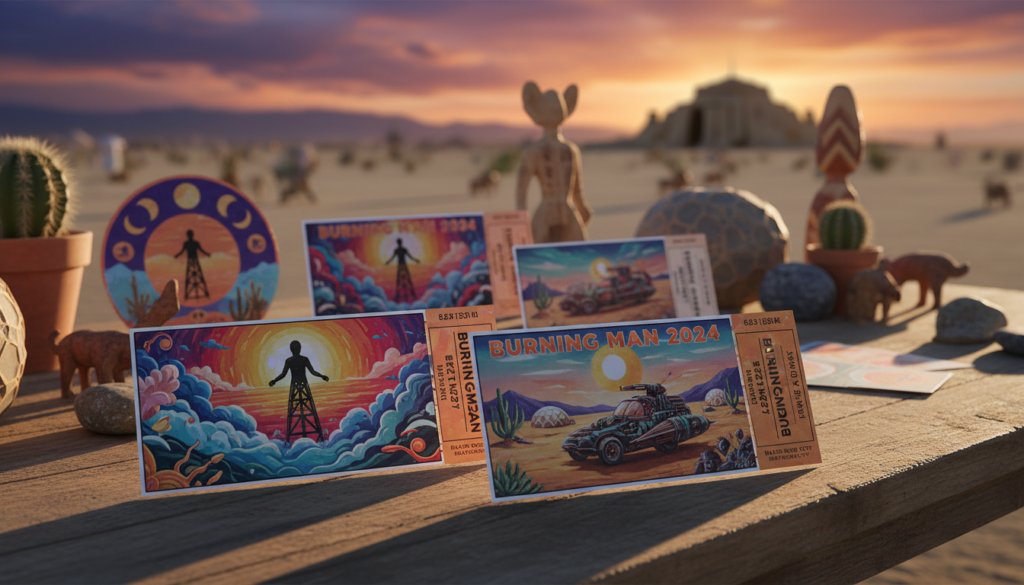
TOMORROW Sale and pre-registration
Pre-registration runs April 21–29, 2025 (closes 12 PM PDT). The TOMORROW Sale opens April 30, 2025 at 12 PM PDT. Make sure you register early; that increases your chance to buy the tickets you need when the sale goes live.
2025 pricing and vehicle pass rules
Ticket tiers: $550, $650, $750, $950, $1500, and $3000. Vehicle passes are $150 each. You can buy a maximum of two tickets plus one vehicle pass per purchase, taxes and fees extra.
Last-chance options: OMG Sale and STEP
The OMG Sale runs July 30, 2025 at 12 PM PDT with registration July 21–29. About 3,000 tickets at $575 and 1,500 vehicle passes may be released; quantities are limited and move fast.
STEP (Secured Ticket Exchange) runs via your Burner Profile until August 24, 2025 at 12:00 PM PST. Use STEP to transfer or buy safely instead of risky third-party resellers.
Budget reality and smart savings
Production costs were about $749 per person in 2024 and breakeven hovered near $750. Expect total trip costs = ticket + vehicle pass + transport + food/water + shelter + bike + gear.
- Share rides and gear to save on transport (see tips to save on gas).
- Simplify camp setup and split bulk supplies with others to lower per-person expense.
- Prioritize water, shade, lights, and dust protection in your budget.
“Budget honestly for tickets and supplies; being self-reliant keeps the week safe and fun.”
Arriving in Black Rock City and Learning How the City Works
Arrival feels like stepping into a huge temporary neighborhood—bright, dusty, and a little disorienting. The first hours are for finding your bearings, meeting campmates, and settling gear rather than trying to pack every activity into day one.
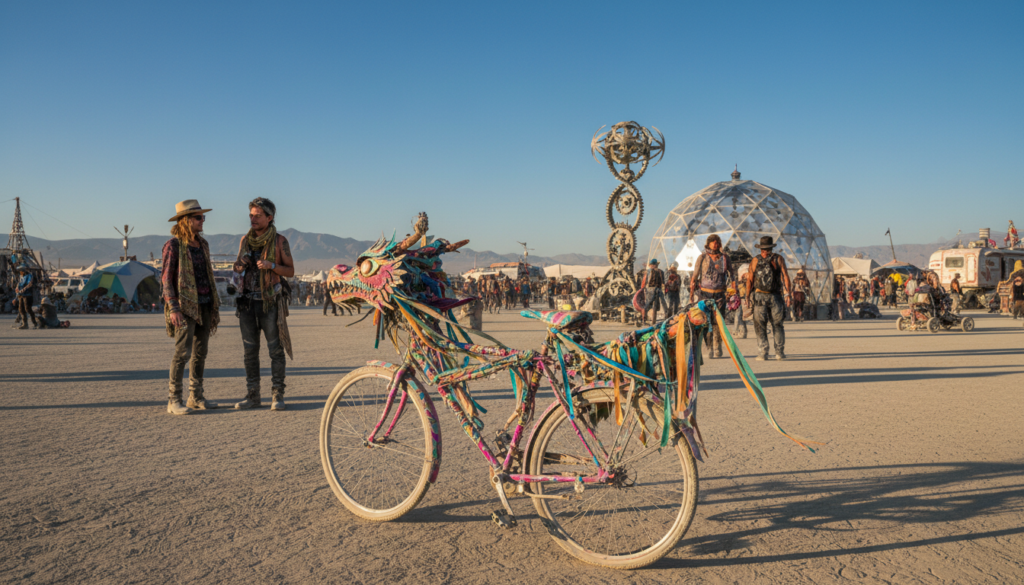
Why a reliable bike matters
A bike is essential. Black Rock City spans roughly 7 miles by 7 miles, and many trips take 20–30 minutes even if they look close on the map. Bikes get you around faster and cut down on standing in lines or missing events.
Make your bike playa-ready: strong tires, a basic repair kit, bright lights, and a unique flag or tape so you can spot it in the dark. Visibility and maintenance keep you moving between camps and activities.
Finding your camp and your place in the community
Use a simple mental map: remember a nearby art piece, an intersection, or a themed camp as a landmark. Pin your camp in the app and mark two backup landmarks for night navigation.
Introduce yourself to neighbors early. Helping with small tasks or sharing a snack turns the city from overwhelming to welcoming fast. Burners build community by pitching in, and your first friendly conversations will make Black Rock City feel like a place you belong.
Travel context and timing
Most people stage supplies in Reno or Sacramento; Gerlach is the closest small town. Expect travel times to change wildly with traffic—Reno is about two hours away without delays, Sacramento about four and a half.
The Culture Shock: It’s Dusty, Hot, Cold, and Not Instagram-Perfect
You’ll quickly notice the desert has its own rules—fine alkaline dust, wide space, and dramatic temperature swings between day and night.
How playa dust affects people and gear
The alkaline dust coats skin, eyes, and throat. It also grinds into camera lenses and moving parts.
Practical tip: avoid lens changes in open air and keep devices in sealed bags when not in use.
Packing for hot afternoons and cold pre-dawn hours
Afternoons can be very hot; mornings and late night get surprisingly cold.
Bring layers: breathable shirts for the day, warm jackets for early hours, and sturdy footwear to protect against dust and heat.
Photos vs reality and basic protection
Outfits can look great in photos, but comfort and safety matter more than perfect shots. Being practical keeps your week fun.
- Expect dusty gear; cleaning supplies and spare zip bags help.
- Use goggles and a bandana or mask for wind and dust.
- Wipe devices regularly and avoid exposing camera sensors.
| Issue | Effect | Quick fix |
|---|---|---|
| Alkaline dust | Coats gear and irritates skin/eyes | Seal devices; use wipes and goggles |
| Temperature swing | Hot day, cold night | Layered clothing and warm hat |
| Open space | Art feels huge; exposure to elements | Respect distances; plan shade and water |
“The desert’s open space makes the art feel unreal—but it also demands preparation and respect.”
Radical Self-Reliance and Not Being a “Sparkle Pony”
Self-sufficiency is the single habit that separates stress from joy on the playa.
radical self-reliance means bringing everything you need to eat, drink, sleep, navigate, and stay safe for the whole week. Pack enough water, reliable shade, warm layers, and a basic repair kit for your bike.
Being a “sparkle pony” describes someone who arrives unprepared and relies on others for basics. That role strains neighbors and breaks shared principles. If this is your first time, preparation is also a form of respect for the community.
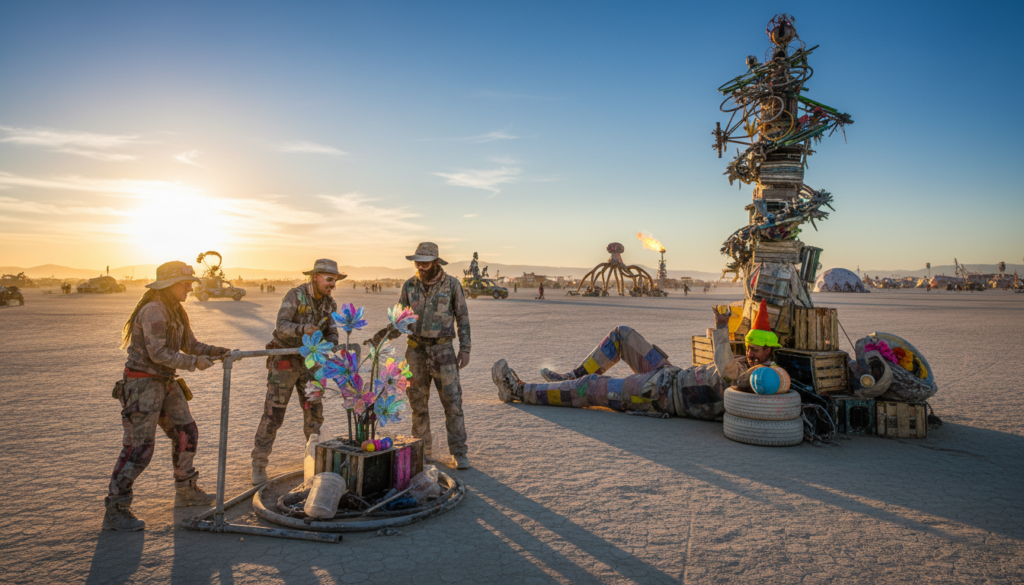
What to expect and what you can buy
You can buy only a very small set of items inside Black Rock City: mainly ice and coffee. Do not depend on on-site stores for toiletries, meals, or missing gear. Make sure your plan covers food that keeps when you’re tired and extra water per person.
- Bring easy meals and snacks that travel well.
- Pack layers for hot days and cold nights.
- Include waste bags and cleanup supplies.
“Read the official Survival Guide, then adapt it to your body, camp style, and comfort needs.”
Good planning honors the event and helps everyone enjoy the festival safely. When in doubt, err on the side of bringing more essentials than you think you need.
Gifting, Generosity, and How Camps Power the Experience
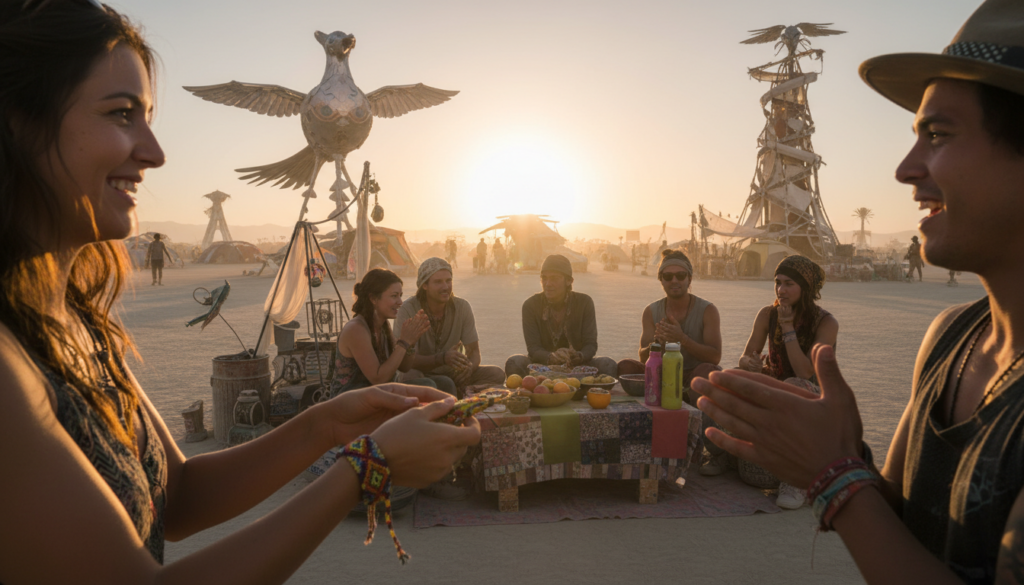
Generosity drives community life. Gifting here means giving without expecting anything in return. It is a cultural habit and a simple way to meet people and build trust.
Gifting as a daily practice
On the ground, gifts are small and sincere: a cup of ramen, a bandage, or a quick bike fix. A genuine compliment or a late-night pep talk can matter as much as a physical item.
How theme camps keep the city alive
Theme camps create classes, meals, and support that no single person could offer alone. These camps stage activities, host help stations, and welcome newcomers. Their generosity shapes the event’s tone and the wider community experience.
Simple gift ideas for first-timers
Pack low-MOOP gifts that travel well and hold up to dust:
- Sealed snacks or electrolyte packets
- Stickers on reusable items and small mending kits
- Instant photo prints or Polaroids to share
“You don’t need an extravagant gift to belong; consistency and kindness matter more than scale.”
| Gift Type | Why it works | MOOP risk |
|---|---|---|
| Sealed snacks | Easy, communal, useful | Low |
| Electrolyte packets | Practical for heat and dust | Low |
| Polaroid prints | Personal, memorable | Low |
| Help with setup | Meaningful, builds ties | None |
Feeling anxious about gifting is normal. Help your camp, share small pleasures, and join in service. That hands-on participation often becomes the most lasting gift in this place and the wider world of burning man.
For related camp ideas and group activities, see glamping activities.
Art, Art Cars, and the Wild Creativity of Burning Man
Art on the playa often reads like a surprise skyline—huge, strange, and totally out of context.
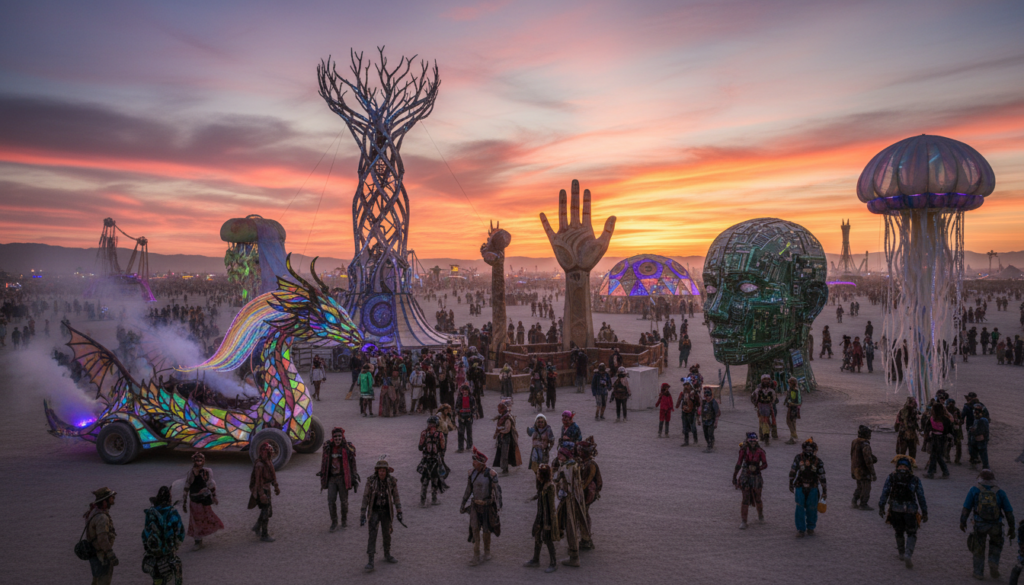
Large-scale installations appear without the usual street or building cues. With a flat horizon and open space, a sculpture can feel house-sized or monumental. That scale makes the work hit differently than gallery pieces.
Interact and choose your role
Many pieces invite touch, climbing, or conversation. If a work asks for participation, join in, attend a talk, or volunteer to help. Interaction deepens the experience.
Art cars: moving neighborhoods
Art cars are mobile worlds of sound and light. They carry music, performers, and surprise. Chase one for a few blocks and your whole night can change in seconds.
- You won’t see every installation or every art car—and that is normal.
- Music threads through the scene, but it’s only one part of the attraction.
- Approach pieces with curiosity and respect for the artist’s rules.
“Follow sound, but keep your head up—art is immersive, and safety matters.”
Safety note: stay alert for bikes and vehicles after dark. Keep lights on your bike and watch visibility near moving pieces.
Daytime on the Playa: Exploration, Workshops, and Getting Sidetracked (in a Good Way)
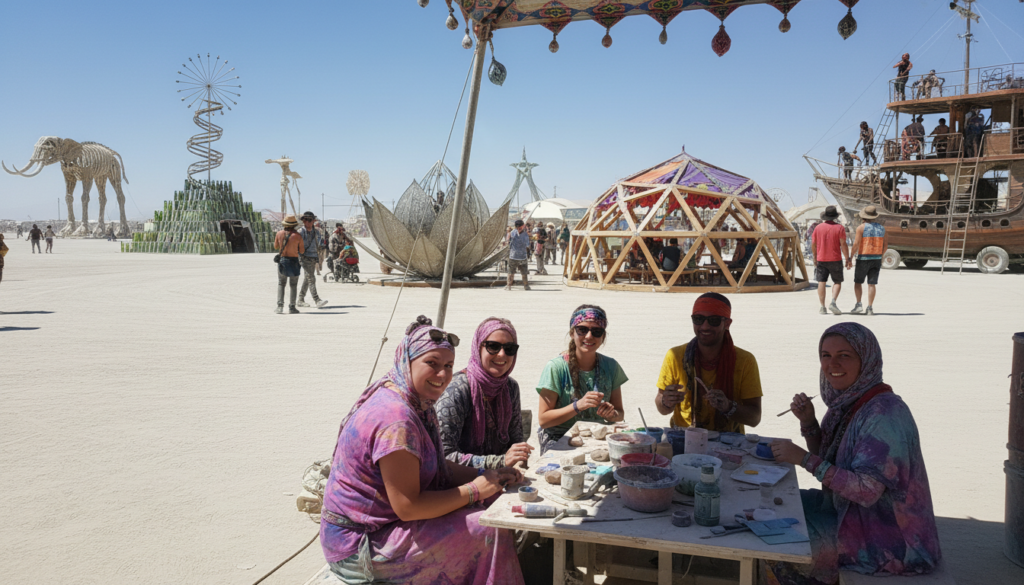
Daylight on the playa is both gentle and intense. It invites curious wandering, short classes, and those accidental moments that become the week’s best stories. Treat the day as open time rather than a rigid schedule.
How to wander without a strict plan
Start small: pick one workshop or meetup as your anchor, then give yourself permission to drift. Use the event listings to find a few items, but leave large blocks free for spontaneous discovery.
Follow curiosity: if a sound or light pulls you, go. Sidetracks are often where the most memorable activities occur. Plan one return point so you can come back to camp easily.
Why sunrise and sunset become daily rituals
Sunrise and sunset on the flat are reliable daily highlights. The light transforms art and landscape, making both quiet mornings and golden evenings feel sacred.
Dress in layers for quick temperature shifts and carry a refillable bottle. Hydration matters: keep water on hand and pace your hours in shade to avoid heat fatigue.
- Pick one anchor activity each morning.
- Take short shade breaks every couple of hours.
- Carry water, a simple map, and bike lights for return trips.
“A loose plan plus curiosity beats checking every scheduled item.”
Embrace getting sidetracked as a feature, not a bug. The city is huge and ephemeral, so prioritize the things in front of you and accept that some spots won’t be there when you try to come back.
If you want quieter daytime ideas off the main arc, see this beach glamping guide for packing and pacing tips that translate well to the playa and to long hours outdoors.
Nighttime in Black Rock City: Neon, Fire, Music, and Safety Basics
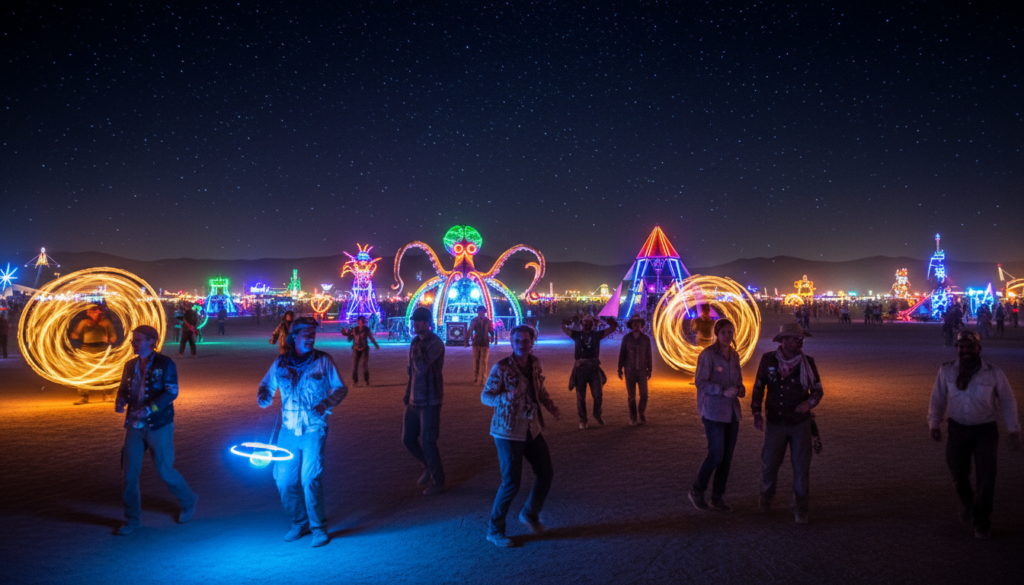
When darkness falls, the city remakes itself—sudden neon, fire-lit art, and pulsing music fill the air. The change can be joyful and disorienting in equal measure.
Lighting yourself and your bike
Lights are non-negotiable. Light yourself, your bike, and your pack so others see you. Bright front and rear bike lights plus side LEDs cut down on collisions.
Attach reflectors and a tall flag to your bike. Clip a small light to your backpack and wear a headlamp for hands-free navigation.
“Good lights keep small mistakes from turning into painful crashes.”
Navigating after dark
Landmarks shift when lit by fire or neon, so mark your camp with a distinctive glow. Use simple route habits: pick two consistent arcs (e.g., follow the Esplanade, then turn at X art piece).
Check your bearings before wandering far and travel slower in dense crowds. Announce when passing on foot or by bike—clear calls reduce surprises for tired people and late-hour riders.
| Challenge | Practical fix | Why it matters |
|---|---|---|
| Poor visibility | Bike lights + helmet lamp + reflectors | Prevents T-bone and rear-end collisions |
| Lost landmarks | Distinctive camp light or color flag | Makes return trips reliable after dark |
| Dead batteries | Carry spare batteries or a power bank | Maintains safety for late hours |
Tip: make sure you pack spare batteries or a charging plan. Lights that die midweek create avoidable risk.
Respect others: slow down in crowds, call when passing, and watch for impaired riders. Night is spectacular, but basic precautions keep the magic safe for everyone.
For ideas on lighting and gear that combine comfort with style, see these essentials for glamping.
The Temple and the Emotional Side of Burning Man
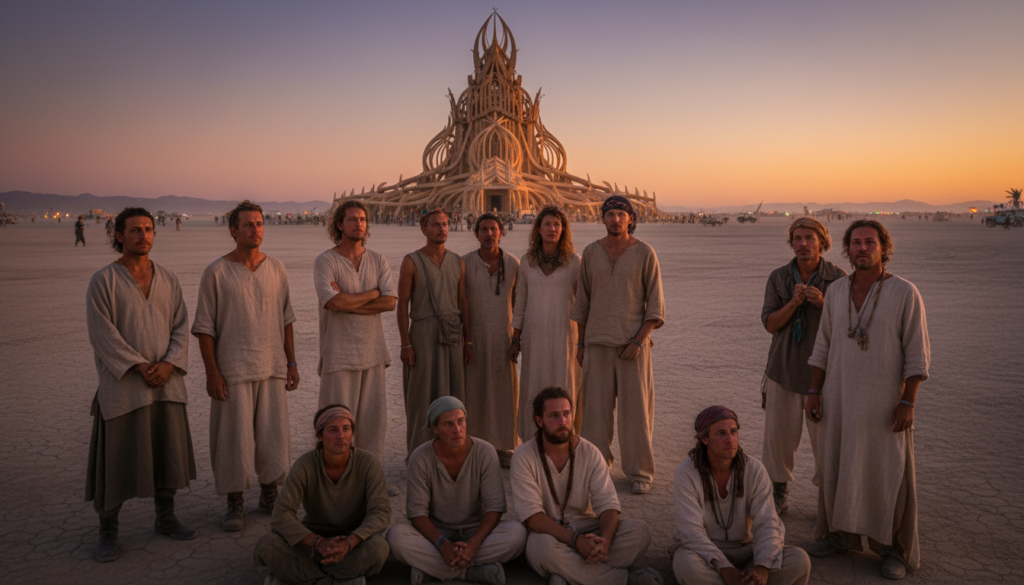
The Temple often becomes a quiet magnet for people carrying stories they need to release.
Why the space feels serene and meaningful
The Temple is a different center of the city. Many visit to grieve, meditate, or mark a transition. The design invites slow movement and inward focus.
How people use the Temple
Visitors leave handwritten notes, small objects, or sit in silence. Some cry openly. Others simply sit and breathe.
“The Temple holds private grief in a public, gentle way.”
How the burn differs from the Man burn
The Temple burn is quieter and more somber. There are fewer party vibes and more stillness. It often feels like a shared moment of closure for the community.
- Respect the hush: move slowly and speak softly.
- Don’t treat the site like a photo set; follow posted guidance.
- Offer space and simple kindness to strangers—no explanation needed.
| Aspect | Temple | Man |
|---|---|---|
| Tone | Quiet, reflective | Celebratory, loud |
| Typical behavior | Meditation, notes, mourning | Dancing, large gatherings |
| Emotional effect | Release, closure | Exhilaration, communal joy |
Survival Tips That Make the Week Better
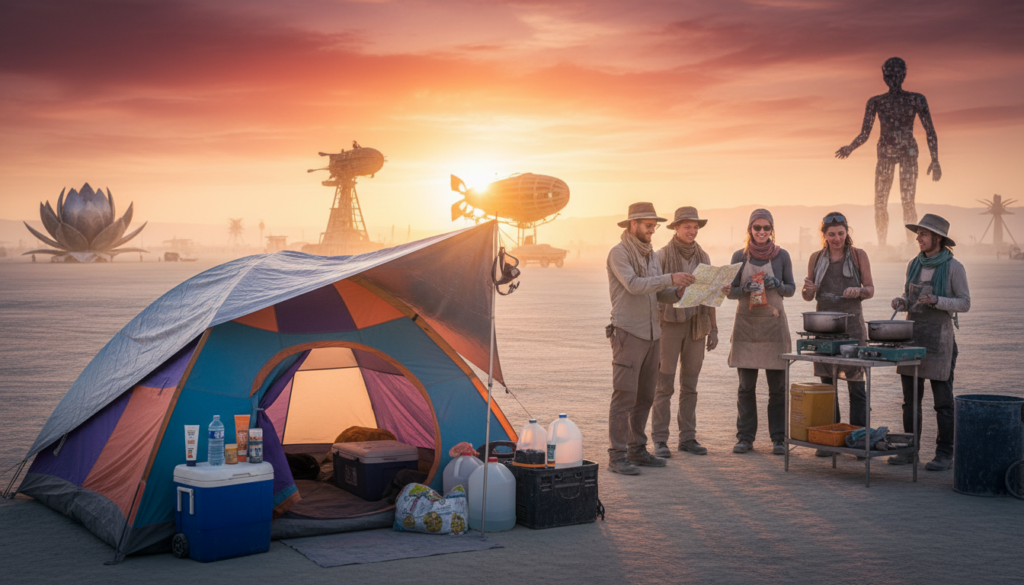
Small rituals—like scheduled naps and regular water checks—save your week. Use simple habits to protect your energy and mood across the week.
Sleep strategy for a 24/7 event
Plan two intentional rest blocks totaling 4–6 hours. Treat sleep like gear: darken your tent, use earplugs, and block early heat with reflective shade.
Short naps between shifts keep you alert for late-night art and daytime workshops.
Hydration, wet wipes, and avoiding “playa feet”
Water is non-negotiable: sip regularly and add electrolytes during hot hours. Wet wipes are a godsend for quick hygiene and dust control.
To prevent playa feet, wear closed-toe shoes, change into clean socks daily, and wipe between toes before blisters form.
Managing FOMO and respecting others
Pick two must-do things per day and accept you will miss some experiences. Presence beats constant chasing.
Always ask before touching, entering intimate spaces, or photographing people—respect and consent protect everyone.
Safety for movement and camera sanity
Ride your bike slowly when tired, keep lights on, and watch for others who may be less alert.
For creators: shoot less, protect lenses from dust, and avoid swapping glass outdoors.
“Pace your hours; small choices now keep the rest of the week joyful.”
| Focus | Action | Why it helps |
|---|---|---|
| Sleep | Two rest blocks (4–6 hrs) | Maintains energy and mood |
| Hydration | Regular water + electrolytes | Prevents heat fatigue and headaches |
| Hygiene | Wet wipes; closed-toe shoes | Limits dust irritation and playa feet |
| Respect | Ask before photos or touch | Protects privacy and consent |
Conclusion
The best summary: large art, curious neighbors, and a steady practice of care and preparation shape the week.
Black Rock and its temporary rock city mix art, community, self-reliance, and constant discovery. First timers often feel overwhelmed; that reaction is normal. Breathe, pick two daily anchors, and come prepared.
Culture here depends on participation, gifting, clear consent, and simple kindness. Burners who share time and skills help the whole city thrive.
Prioritize reliable water, food, shelter, a working bike, bright lighting, and a realistic sleep plan. These basics keep you healthy and ready to take part.
Leave no trace is non-negotiable: pack out everything, hunt for MOOP like feathers or ash, and protect the desert so the city can return.
See yourself as part of this community, not a customer. Many people do come back, but a strong first time depends on presence, preparation, and shared care of this small world.