

Over 40% of U.S. adults live with obesity, and many seek practical ways to improve health and meet realistic goals. This guide outlines evidence-based tips that fit everyday life in the United States. It focuses on repeatable habits, not quick fixes.
You’ll find a clear plan that centers on creating a calorie deficit, choosing an eating pattern you enjoy, managing portions, moving more each day, and adding structured exercise. We also cover tracking behaviors and building support for long-term success.
Bodies respond differently because of age, hormones, stress, environment, and medications. Gradual progress — often about 1–2 pounds weekly — is safer and more sustainable for most adults.
This content is informational. If you have medical conditions or take medicines, please talk with a health care provider for individualized advice before making major changes.
Key Takeaways
- Focus on repeatable, everyday habits rather than extreme rules.
- Create a modest calorie gap and pick an eating plan you can keep.
- Combine daily movement with structured exercise and good sleep.
- Expect gradual progress; roughly 1–2 pounds per week is typical.
- Individual factors affect pace — consult a provider when needed.
Understanding weight loss basics: calories, body fat, and healthy expectations
Knowing how calories and body composition change over time makes goals more manageable. The simplest math is plain: to reduce body fat you need a consistent calorie deficit — eating fewer calories than your body burns.
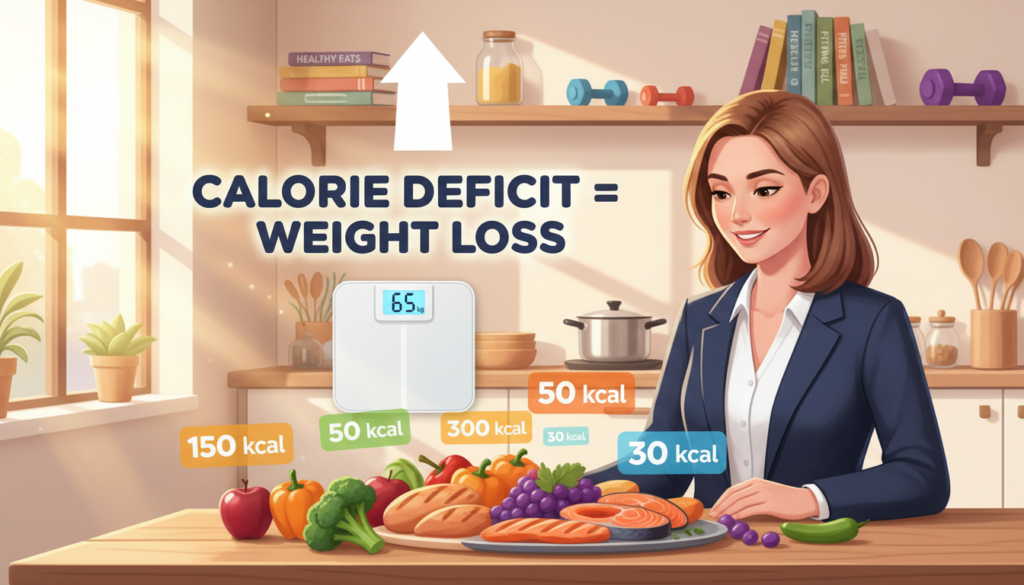
Why a calorie gap matters
Energy balance drives results. Short-term scale swings often reflect water, sodium, or digestion, not actual fat change. Look at trends across weeks rather than a single day.
A realistic pace
Many experts recommend about 1–2 pounds per week. Faster loss can feel unsustainable and may harm muscle and mood. Aim for steady, maintainable progress.
What healthy weight can mean for you
Healthy weight is more than a number. Consider energy levels, blood tests, mobility, and whether a plan feels sustainable without constant deprivation.
- Track trends across several weeks instead of daily fluctuations.
- Recognize individual differences: medications, medical conditions, hormones, stress, age, environment, and genetics affect progress.
- If you want practical budgeting tips that support lifestyle changes, see this simple savings guide.
Set goals you can actually stick to for long-term success
Small, concrete goals change daily choices and make long-term success much more likely. Writing down your personal reasons helps keep motivation visible. Place that note where you will see it each day.

Write down your “why” to stay focused
Clarify motivation by listing specific reasons: family health history, more energy, or being active with friends. Seeing this daily nudges behavior when choices are hard.
Build specific, realistic short-term goals
Turn big outcome hopes into process goals you control. For example, swap sugary drinks for water this week or take a 15-minute walk three evenings.
Pick two or three goals so the plan feels doable. Small changes add up and support management of habits over time.
Plan for setbacks and get back on track quickly
Expect travel, holidays, and busy weeks. Pre-plan simple responses and restart right away rather than waiting for a perfect day.
Use non-food rewards and brief progress check-ins. These steps help people stick with a better way and can help lose momentum loss during weight loss efforts.
How to lose weight with a sustainable eating plan
Pick an eating style that fits your week and your taste—then build simple habits around it. A realistic diet uses whole foods and fits your schedule. Choose a default plan you enjoy and tweak it for your life.

Choose a meal pattern you enjoy
The Mediterranean, DASH, and USDA MyPlate all center on whole grains, fruits, vegetables, lean protein, and some dairy. Pick the one that matches flavors you like and repeat it most days.
Create balanced meals
Aim for half the plate produce, a portion of lean protein, and a whole grain side. Keep simple swaps in mind: Greek yogurt for sour cream, fruit for a sugary snack. Swap, don’t slash—small changes protect satisfaction while cutting calories.
Make planning and prep a weekly routine
Choose 2–3 dinners for the week, repeat breakfasts and lunches, list groceries, and prep a few staples. Packable lunches and quick grocery picks help on busy work days.
Handle shared treats and schedule hurdles
“Portion a treat, keep fruit visible, and bring a healthier snack to share.”
Friendly boundaries and visible healthier foods shift the environment and make it easier to stick with the plan. These practical ways help lose weight without big sacrifice.
Portion control strategies that reduce calories without feeling deprived
Small portion changes can cut daily calories while keeping favorite meals on the menu. These tweaks make progress steady and sustainable rather than strict and temporary.
Use smaller plates and pre-portion snacks
Switch to a roughly 9-inch plate for main meals. It makes servings look fuller and naturally trims portions.
Pre-portion snacks into single-serve containers and avoid eating straight from large bags. This prevents accidental extra servings and saves calories over time.

Build meals around vegetables, broth-based soups, and high-fiber sides. These add volume and satisfaction while lowering overall calorie density.
Choose smaller portions of higher-calorie foods and pair them with a large salad or steamed veggies to keep meals filling.
Restaurant and takeout tips that help prevent overeating
- Order a la carte items or split an entrée with a friend.
- Ask for a box at the start and put half away.
- Pick one “splurge” item and make the rest lighter—swap fries for a side salad or broth soup.
- Eat slowly and use a pause point halfway through your meal to check fullness cues.
“Pause for a minute midway through a plate—your appetite will often catch up.”
Why portion control works
Portion habits reduce overall calories and support long-term fat loss by creating small, consistent deficits. Focus on steady changes and tracking progress in pounds over weeks rather than perfection each day.
For a snack idea that fits portioned living, try this comfort snack.
Move more daily: simple activity boosts that support losing weight
Little bursts of movement across the day add up and make daily progress feel doable. Any extra activity burns calories and makes the overall plan easier to follow, even before formal exercise becomes a habit.

Small changes that burn extra calories throughout the day
Treat movement as an “easy multiplier”—small steps that scale. Take stairs, park farther, or add a 5–10 minute walk break after lunch.
Quick wins include standing during calls, marching in place while watching TV, and doing a tidy-up circuit between episodes.
“Short bursts of movement add up more than a single long session when life feels busy.”
Ideas to sit less at home and at work
At home, set a timer each hour to stand and stretch for a minute. At work, try walking meetings or a lunchtime loop.
These simple changes reduce sitting time and raise daily minutes of activity. Over a week they can make the calorie gap easier to achieve.
| Situation | Simple option | Approx. minutes per day |
|---|---|---|
| Commuting | Park farther or get off one stop early | 5–10 |
| Work | Stand calls or take a short walk break | 10–15 |
| Home | March during TV or tidy between shows | 10–20 |
| Overall | Combine small actions across the day | 30+ possible |
Remember: These are easy ways to help lose excess pounds without long gym sessions. Small changes add up and support steady progress.
Exercise for weight loss: cardio, strength training, and weekly targets
Short, steady sessions and weekly targets make exercise a repeatable habit for lasting results. Physical activity burns calories and helps keep changes off long term, even though progress can begin without movement.

Aerobic activity goals that support management
Cardio raises calorie burn and improves heart and lung fitness. Examples include brisk walking, cycling, and swimming.
A common target is ~150 minutes of aerobic activity per week. Some people need more minutes for extra loss or long-term maintenance.
Strength training at least twice weekly
Build muscle and metabolism support with two sessions per week. Use bodyweight moves, resistance bands, machines, or dumbbells.
Beginners can start with pushups, squats, and band rows and add difficulty over weeks.
Pick workouts you’ll keep doing
Match workouts to taste, schedule, access, and joint comfort. Consistency beats intensity—choose activities you enjoy and can repeat.
Mix short cardio sessions, a longer weekend hike, and brief strength circuits to fit busy lives.
Benefits beyond the scale
Exercise lifts mood, helps sleep, and lowers blood pressure. These benefits often appear before big changes on the scale and keep motivation high.
“Start where you are, add a little time or challenge each week, and plan rest days to prevent burnout.”
Plan a simple progression: add 5–10 minutes of activity or one extra set weekly. Track minutes and recovery, and adjust goals as fitness improves.
For practical tips that support lifestyle changes and budget-friendly choices, see this simple savings guide.
Track what you do to change what you do
Recording what you eat, move, and sleep reveals patterns you can actually change. Tracking is a simple, non-judgmental tool that turns habits into useful data for better management.

Food and beverage tracking to spot easy wins
Track everything you consume for a few days—meals, drinks, and snacks. Short bursts of honest logging often reveal liquid calories, mindless nibbling, or low-protein breakfasts.
- Frame tracking as feedback, not a test of willpower.
- Note portion, place, and feeling (hungry, bored, stressed).
- Look for obvious swaps that save calories and improve nutrition.
Physical activity tracking by time, type, and minutes
Keep a simple log with three fields: time of day, type of activity, and total minutes. This confirms you meet weekly movement targets and shows when energy dips occur.
- Record brief bursts and structured workouts alike.
- Use a notes app, paper page, or a basic tracking app—pick the easiest system.
Sleep and stress tracking to support weight management
Track hours of sleep and a one-word stress note each day. Late nights or high stress often link with cravings, skipped sessions, or overeating.
“Small, regular tracking makes it easy to spot patterns and tweak habits.”
Review your data weekly. Keep what works and adjust what doesn’t. This regular check-in makes weight loss management realistic and repeatable.
Sleep and stress management that protect your weight-loss progress
Good sleep and simple stress habits support steady progress and make daily choices easier.

Sleep habits that make hunger and cravings easier to manage
Regular bed and wake times keep appetite hormones steadier. Aim for a consistent schedule even on weekends.
Avoid afternoon caffeine and power down screens at least 30 minutes before bed. These changes help people feel more rested the next day.
Simple stress-relief routines you can repeat daily
Short actions reduce tension without special gear. Try a 10-minute walk, breathing exercises, journaling, or a quick stretch.
Pick one small routine and repeat it each day so it becomes automatic rather than another big task.
| Routine | Minutes per day | Immediate effect |
|---|---|---|
| Consistent sleep schedule | 480–540 (hours slept vary) | Sharper appetite control |
| Short walk | 10–15 | Lower stress, fewer cravings |
| Breathing or journaling | 5–10 | Clearer mood, less emotional eating |
Quick check: pause before a snack and ask, “What am I feeling?” This separates true hunger from stress-driven eating without shame.
Why it matters: better sleep and stress management reduce risk factors tied to overeating and missed activity. Small changes protect long-term health and can help lose fat while keeping energy and mood steadier. For bedroom design ideas that support better rest, see zen bedroom tips.
Health benefits of modest weight loss and why it matters
Even modest changes in body size can deliver clear improvements in blood markers and daily energy.

Small percent gains that make a big difference
A 5% loss is a realistic target that often brings measurable change. For a person at 200 pounds, 5% equals about 10 pounds. That reduction can lower blood pressure and improve cholesterol and blood sugar readings.
What improves and why it matters
Blood pressure often falls with modest loss, easing strain on the heart. Cholesterol profiles—especially triglycerides and HDL—can shift in a better direction.
Even small declines in body mass help the body manage glucose more effectively, reducing the risk of prediabetes and type 2 diabetes.
“Small progress in health markers matters more than a sudden drop on a scale.”
Longer term: sustained loss lowers the risk tied to obesity and chronic disease, including heart disease. Celebrate lab trends, energy, and stamina as wins alongside pounds dropped.
| Change | Example effect | Why it helps |
|---|---|---|
| 5% body mass reduction | 200 → 190 pounds (10 pounds) | Improved blood pressure, cholesterol, and blood sugar |
| Lower blood pressure | Fewer cardiac events over time | Less strain on the heart and vessels |
| Better cholesterol | Lower triglycerides, better HDL | Reduced plaque progression and disease risk |
| Improved blood sugar | Lower fasting glucose, less insulin resistance | Lower chance of type 2 diabetes |
For practical lifestyle support and planning tips that fit daily life, consider resources like beginning homesteading for simple routines that boost long-term health.
Build support systems and choose programs wisely
A network of encouraging people can turn small actions into lasting habits. Seek allies who will share recipes, join walks, or remind you about goals.

Recruit friends, family, and coworkers
Ask plainly: name one friend as a walking buddy, invite a neighbor for shared meal prep, or request fewer office treats on busy days.
At work, suggest walking at lunch, start a wellness committee, or arrange healthy snack rotations. These simple requests make daily choices easier.
What to look for in a safe management program
Choose programs that offer realistic timelines, education, and behavior change support. Avoid bright promises of rapid results without maintenance plans.
“A solid plan focuses on learning skills that last, not quick fixes.”
Use community resources to make healthy choices easier
Look for farmers markets, parks, trails, and local recreation classes. Food pantries and community programs can lower cost barriers and add practical help.
| Safety marker | What it means | Example | Why it helps |
|---|---|---|---|
| Realistic timeline | Gradual change over months | 12-week skills course | Supports lasting habits |
| Nutrition education | Focus on balanced diet choices | Registered dietitian sessions | Teaches portable skills |
| Behavior support | Coaching or group meetings | Weekly group check-ins | Builds accountability |
| Maintenance plan | Clear post-program steps | Follow-up visits or resources | Prevents quick regain |
If medical questions arise, speak with a health care provider. They can refer you to a dietitian, clinical programs, approved medications, or surgery when appropriate.
Remember: the best plan is the one your circle and community support. Willpower alone rarely lasts; environment and people make success repeatable.
Conclusion
A steady, stepwise plan that blends better food choices, regular movement, and simple tracking makes lasting change practical.
Start with a few clear actions: create a modest calorie gap, pick an eating pattern you enjoy, manage portions, add daily movement, and schedule two weekly strength sessions. Track meals, minutes, sleep, and stress for honest feedback.
Expect gradual progress — often about 1–2 pounds per week. Consistency usually beats intensity. Pick just two or three small changes first and build momentum as habits stick.
Simple next steps: plan three dinners, buy produce and lean protein, add short walks across the week, and book two strength sessions. Setbacks happen; return to the plan without guilt.
If you need support, consult a registered dietitian or clinician and consider community resources like this simple savings steps for budget-friendly planning.