
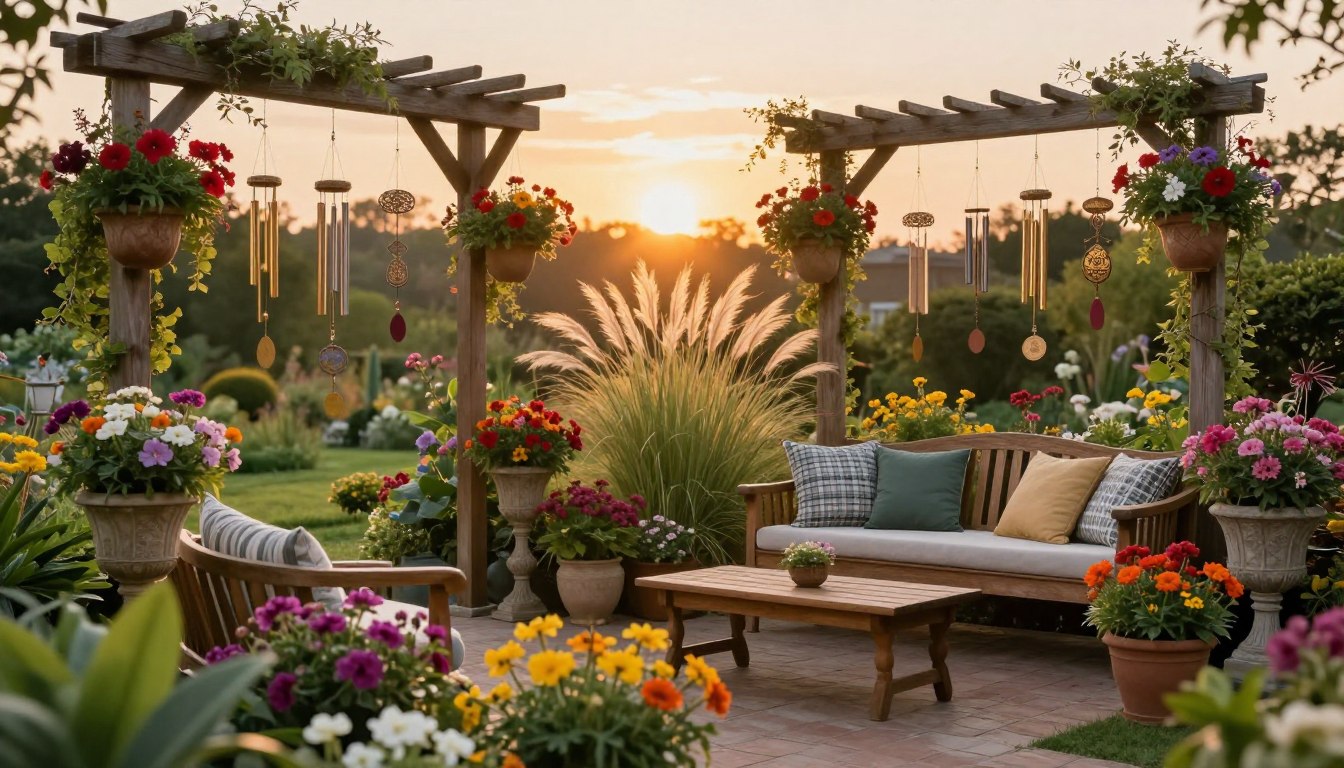
Transforming your outdoor space into a personal sanctuary is a rewarding way to show your style. Small, thoughtful changes can turn a simple patch into a place for rest and fun.
Whether you’re new to projects or you already have experience, these tips help you make the most of your yard. Interior designer Susie Beall notes that a well-planned area should feel like an extension of your home.
By adding smart decor and practical touches, you create a functional space that reflects your taste. Start with easy steps and build from there to craft a spot your family will use all year.
Ready to explore more ways to elevate your outdoor spot? See fresh concepts at designer garden ideas to inspire your next move.
Key Takeaways
- Small updates can make your yard feel like a personal retreat.
- Design should link indoor comfort with the outdoor space.
- Choose decor that matches your lifestyle and storage needs.
- Start simple and scale projects as your confidence grows.
- Use practical elements to boost both beauty and function.
Captivating Garden Decoration Ideas to Enhance Your Yard
Adding colorful, upcycled ornaments lets you refresh your outdoor area with charm and thrift.
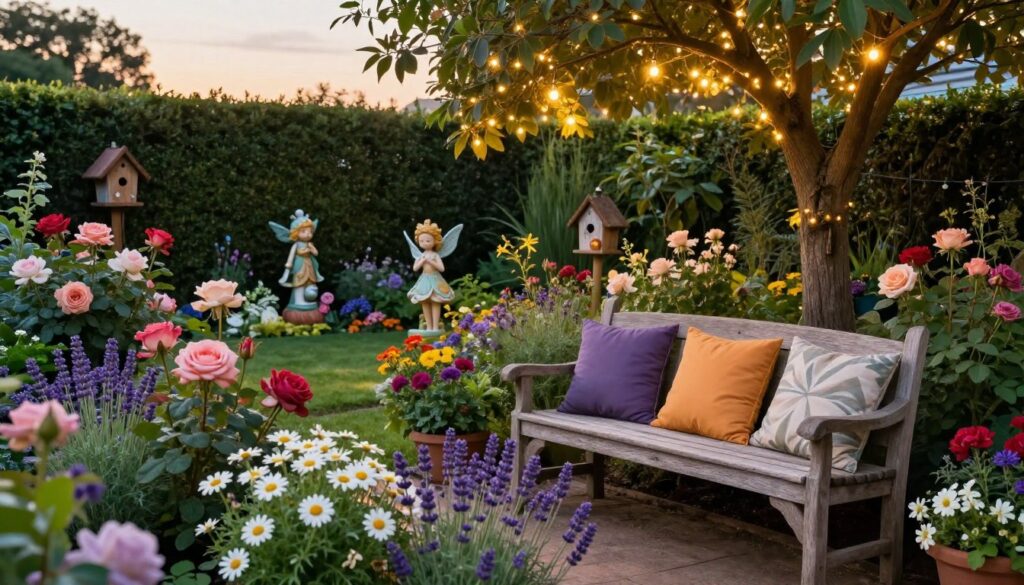
Color Me Thrifty crafts whimsical metal flowers that never wilt. These bright accents bring lasting color and a playful look to any yard.
House of Hawthornes recommends hunting thrift stores for old bowling balls. Turn them into mosaic gazing balls for a low-cost focal point.
Why try these projects? They add personality without breaking the bank. Many homeowners use these garden decor projects to lift a tired backyard fast.
- Metal flowers provide year-round color and low maintenance.
- Mosaic gazing balls offer reflective interest and texture.
- Both approaches are excellent ways add charm and character.
| Project | Main Material | Cost | Visual Effect |
|---|---|---|---|
| Whimsical metal flowers | Repurposed metal | Low | Bold, lasting color |
| Mosaic gazing balls | Thrifted bowling balls + tiles | Low–Medium | Shiny, textured focal point |
| Mixed accents | Found objects | Low | Personalized, eclectic look |
Defining Outdoor Rooms for Better Functionality
Carving distinct areas in your yard makes each corner more useful and inviting. A clear layout turns a simple patch into separate places for dining, quiet reflection, and evening seating.
Architect Ed Beall recommends mapping zones so every plant and path serves a purpose. The Bealls split their space into rooms, which helps their home feel larger and more intentional.
Hardscaping Basics
Hardscaping Fundamentals
Use paving, low walls, or raised beds to define edges and guide movement. These elements anchor each room and give visual structure without heavy upkeep.
Seating and Layout
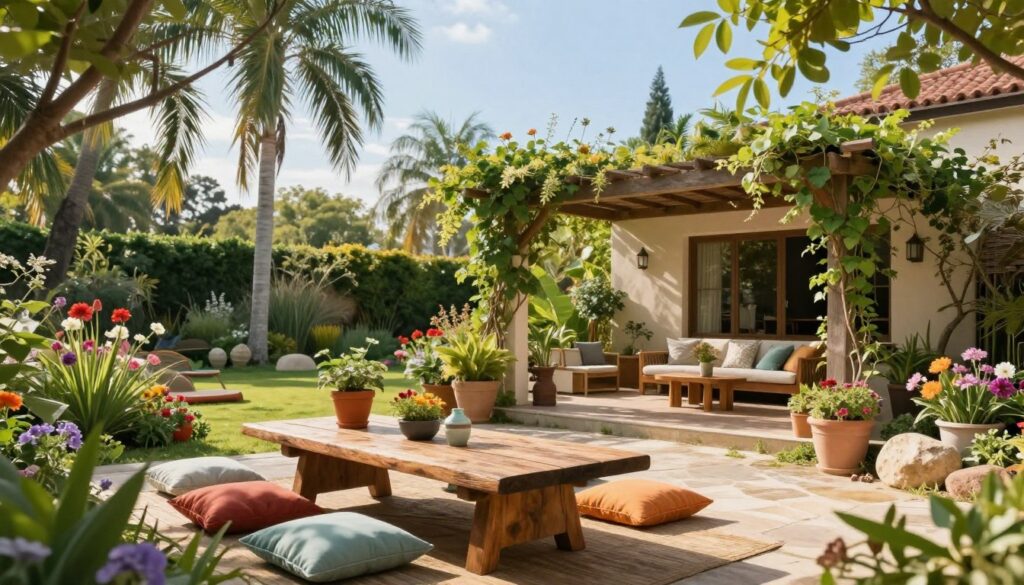
Place durable seating near focal points. The Bealls bought wicker chairs from an import shop to build a cozy outdoor living room that feels like an extension of the home.
Think of a large tree as a natural ceiling; center your seating beneath it for shade and a sense of privacy. Strategic plantings and hardscaping create screens that protect a dining or meditation spot.
- Define zones for eating, lounging, and storage.
- Shop for weatherproof pieces that match each space’s use.
- Balance plants and paving to keep the area functional and calm.
For step-by-step layout tips, see this guide to plan garden design.
| Element | Purpose | Maintenance | Best For |
|---|---|---|---|
| Paved patio | Dining & seating | Low | Entertaining |
| Wicker seating | Comfortable seating | Medium | Lounging |
| Trees & shrubs | Privacy & shade | Medium | Cozy enclosures |
Incorporating Vintage Charm with Repurposed Finds
Old pieces with storied pasts bring instant character and a lived-in feel to your outdoor setting.
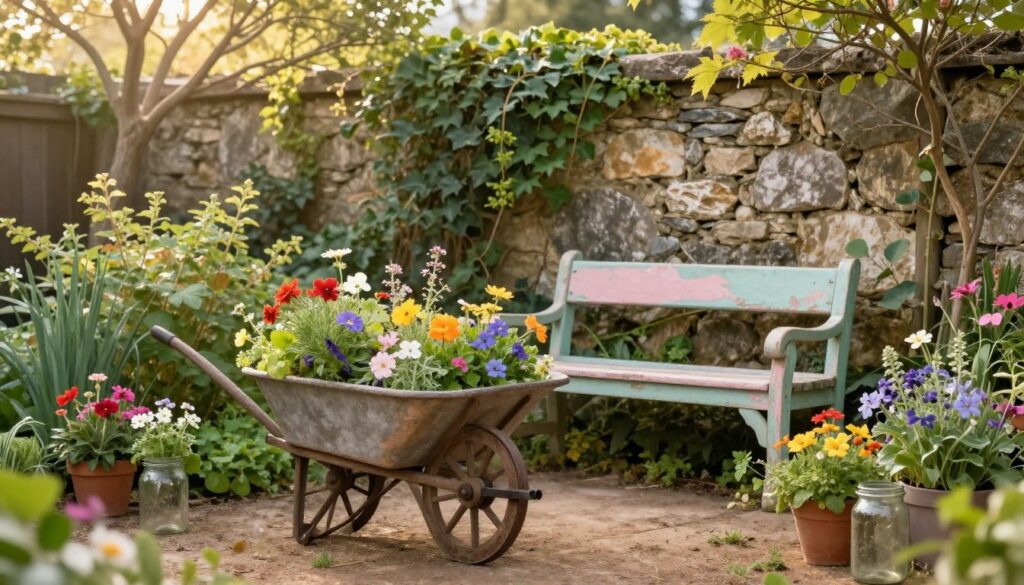
The Bealls tucked Gothic cathedral fragments into borders to create a lost‑city mood. Those bits of stone give scale and a dramatic focal point without much fuss.
You can shop salvage yards and architectural dealers for similar finds. Look for weathered metal, carved stone, and window frames that add texture and history.
Try simple DIY moves:
- Lean a vintage ladder against a wall to make a tiered plant stand that adds height and a rustic touch.
- Hang small frames or ironwork on a brick wall to build layers and visual interest.
- Repurpose old doors or shutters as backdrop pieces for pots and planters.
Repurposing is sustainable and personal. Using salvaged materials keeps costs down and lets your backyard tell a story. Small touches like a ladder or a fragment can lift a plain corner into something memorable.
| Repurposed Item | Use | Effect |
|---|---|---|
| Gothic fragments | Focal points in beds | Dramatic, historical character |
| Vintage ladder | Tiered plant stand | Vertical interest, rustic touch |
| Old shutters/doors | Backdrops on walls | Layered texture, cozy feel |
Creative Planters for Your Favorite Greenery
Give old objects new life by turning them into planters that catch the eye and hold your favorite greenery.
Repurposed Household Items
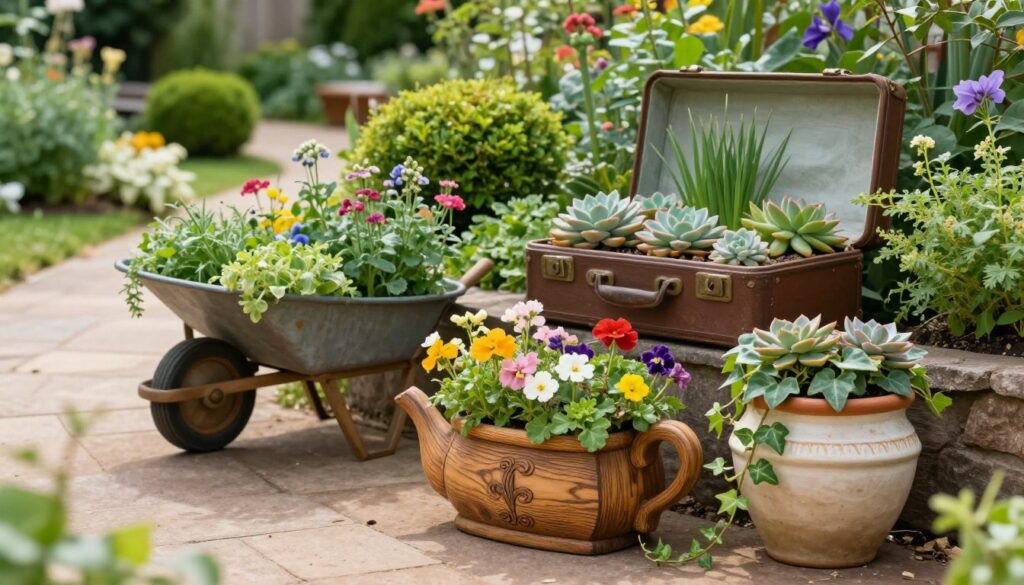
Sadie Seasongoods shows how a metal magazine rack becomes a lovely porch planter when lined with a coco liner. The Bealls used a 1920s drinking fountain as a unique succulent planter that doubles as a conversation piece.
Succulent Displays
Succulents thrive in shallow, quirky containers. Use a fountain basin or shallow bowls to build layered groupings that highlight texture and color.
Drainage Tips
Good drainage is essential. Drill holes or add a gravel layer to prevent waterlogged roots. For non-porous items, use a liner with drainage holes to protect both plant and vessel.
- Shop salvage and antique stores for unusual planters like fountains and metal racks.
- Choose vibrant containers to add color to your yard and complement flowers and potted plants.
- These simple DIY decor ideas let you show personality while keeping plants healthy.
For layout and planning tips that pair well with creative planters, see ideas for planning a garden.
Adding Vertical Interest with Trellises and Arbors
Arbors and trellises lift viewlines and make movement through the yard feel deliberate.
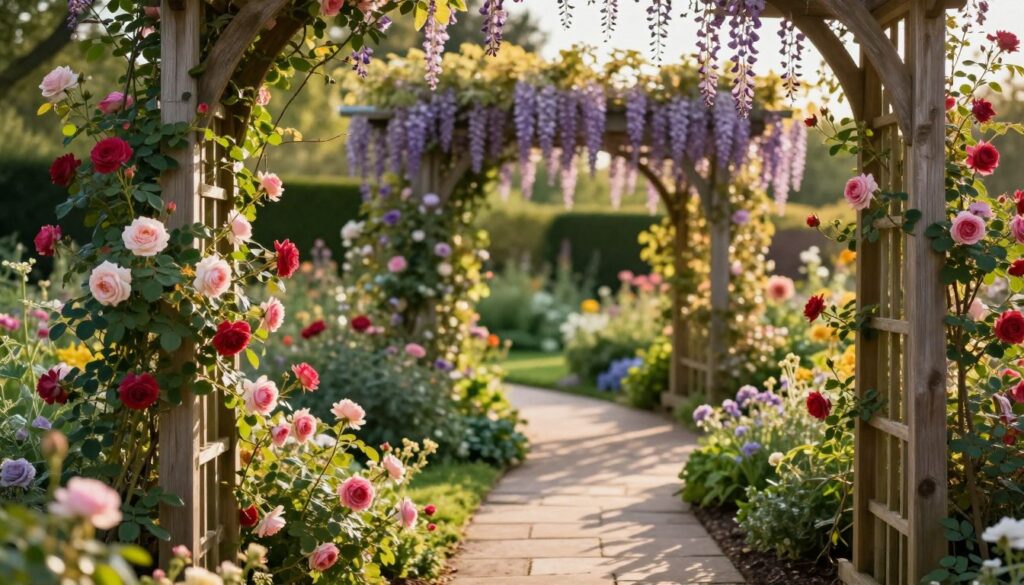
The Bealls used iron arches and gates to mark transitions between outdoor rooms. These pieces define flow and frame sightlines while giving height to climbing plants.
“Vertical elements help guide visitors from one area to another with style.”
You can shop for iron arches and gates to echo that look. Or build a rustic trellis from old rakes and hoes to support climbing flowers.
- Place a small bench under an arbor to create a restful nook.
- Use arbors to span paths and mark entry points.
- Install trellises near a tree or wall to train vines upward and save space.
| Element | Use | Best For |
|---|---|---|
| Iron arch | Frame a path | Formal entry |
| Tool trellis | Support climbers | Upcycled, budget-friendly |
| Arbor + bench | Seating nook | Relaxation spot |
Illuminating Your Space with Magical Lighting
Soft pools of light can turn a plain backyard into a place that invites evening conversation.
Solar Powered Options
Solar fixtures give reliable, energy-smart light without trenching wire or hiring an electrician. They charge by day and glow after dusk.
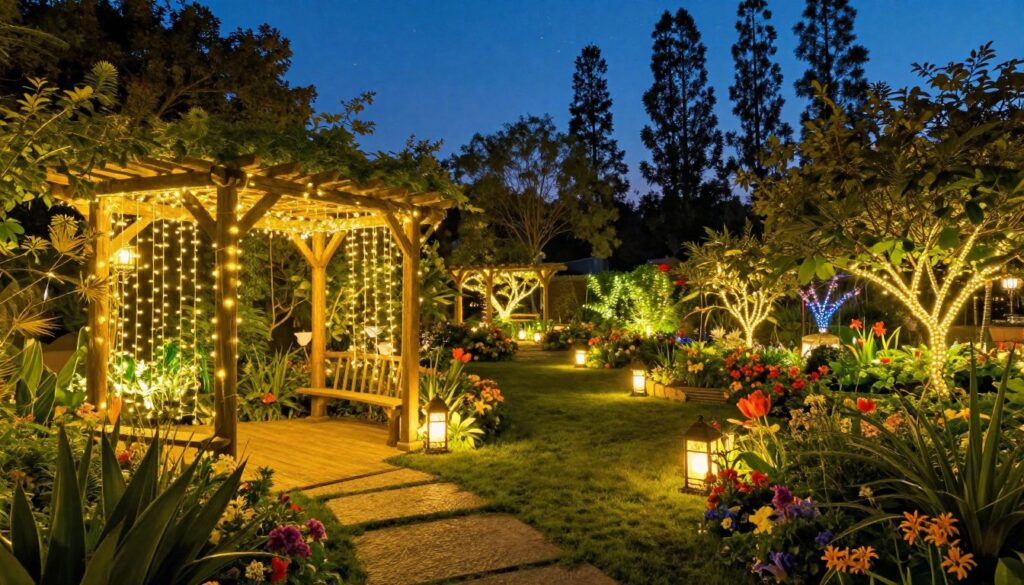
You can shop for solar-powered lighting to safely brighten paths, steps, and seating areas in your garden. Choose warm-toned LEDs for a cozy feel and lower energy use.
Ambient Lanterns
The Bealls hung outdoor lanterns from a tree to create a fairytale-like scene. Hanging ambient lanterns in your yard adds instant charm and makes the night feel special for your family.
- Extend your time outside: Proper lighting turns the garden into a usable space for evening gatherings.
- Warm bulbs matter: The Bealls found warm-toned lights make the area feel inviting and homey.
- Coordinate finishes: Match fixtures with your home exterior to keep a polished, cohesive look.
With a mix of solar and ambient lights, you get safety, mood, and style all at once.
Enhancing Privacy with Natural Screens
Natural screens let you shape privacy without building tall fences or losing the feel of openness.
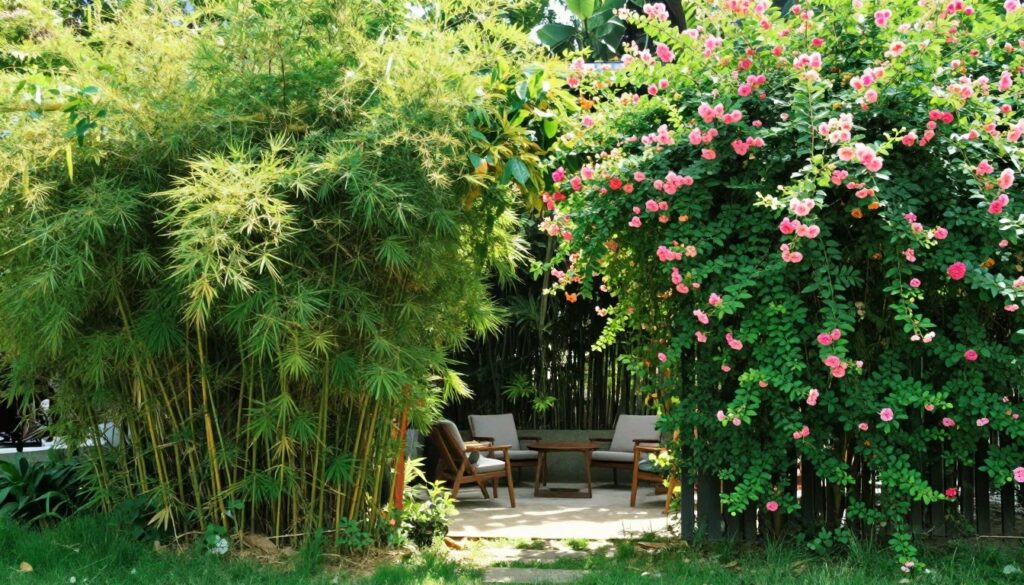
Espaliered shrubs trained on a frame give a neat, living wall that keeps the view green while blocking sightlines.
The Bealls used tall plants to separate dining and lounging zones. Tall planters placed near an outdoor table do double duty: they define the space and add lush height.
You can shop for fast-growing shrubs to speed up coverage. Mix evergreen and flowering species for year-round structure and seasonal color.
- Natural screens reduce sightlines and improve privacy.
- They also soften noise, making seating spots feel more secluded.
- Integrate lighting or lights into screens to highlight texture after dusk.
- Combine planters, trellises, and shrubs so the yard reads as a private sanctuary.
Tip: Use a mix of plants and simple structures to ensure durable, attractive privacy that feels natural and welcoming.
Creating Soundscapes in the Garden
A well-crafted soundtrack for your outdoor space adds layers of calm and invites lingering. Sound matters as much as sight when you plan a restful yard. Simple elements, placed well, can turn a busy backyard into a peaceful retreat.
Water Feature Placement
Place fountains where the sound complements seating and plantings. The Bealls installed an octagonal basin fountain beside their herb beds so the trickle blends with leaf rustle.
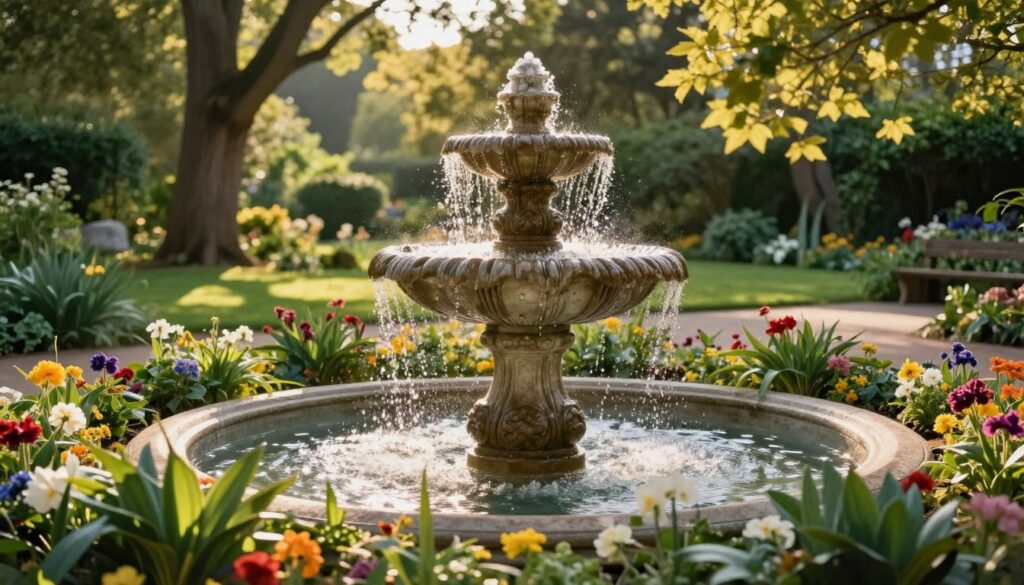
A bubbling columnar fountain also works well; its lively notes attract hummingbirds and add motion. You can shop for styles that fit scale and budget, from tall columns to low basins.
- Position the fountain near seating but not so close the water overpowers conversation.
- Install wind chimes in breezy spots for a soft, melodic layer.
- Add low lights around the feature so the water reads beautifully after dusk.
A well-planned soundscape transforms your garden into a peaceful refuge. For layout tips that pair with sound elements, see garden remodeling ideas.
Using Sculptural Plants as Living Art
A few well-chosen specimen plants make a strong visual statement and anchor seating nooks.
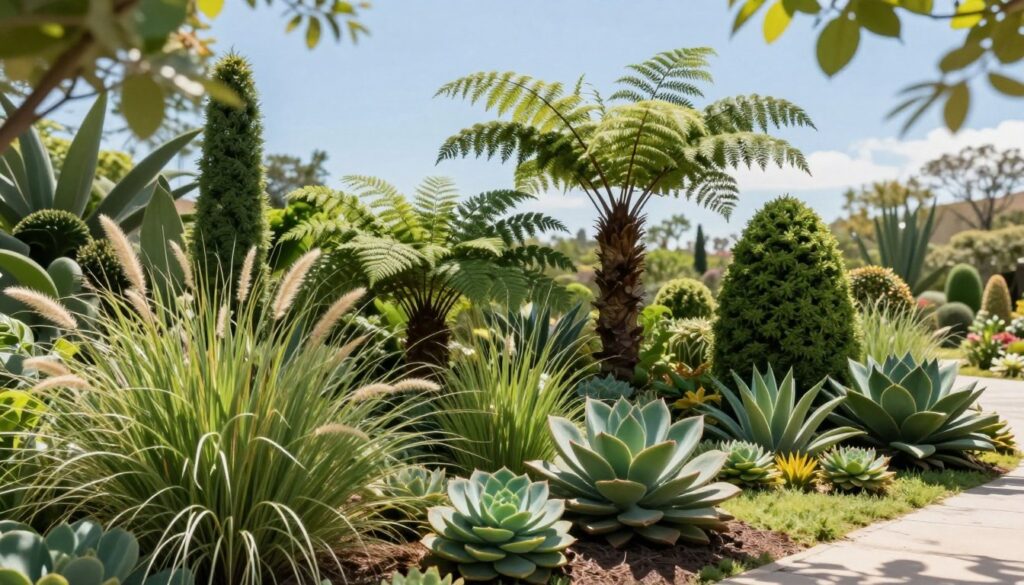
The Bealls planted Italian cypress as green columns to frame hillside views. These tall, narrow trees give structure and draw the eye across the space.
Nearby, a concrete horse head modeled on a Parthenon original sits beside a simple bench. That pairing turns a plain corner into a small outdoor gallery.
- Shop for sculptural plants like Italian cypress to create dramatic focal points that demand attention in your backyard.
- Place a piece of art next to seating to make a sophisticated pause point.
- Use plants as living art to add structure without relying only on man-made decor.
- Install subtle lights to highlight trunks and form so the feature reads well at night.
- Add a low fountain nearby to introduce sound and motion that complements the living sculpture.
Introducing Vibrant Color with Ceramic Accents
A bold ceramic pot can transform a dull corner into an instant focal point.
The Bealls flanked their French doors with teal-blue ceramic pots to frame the patio and lift the entry to their home.
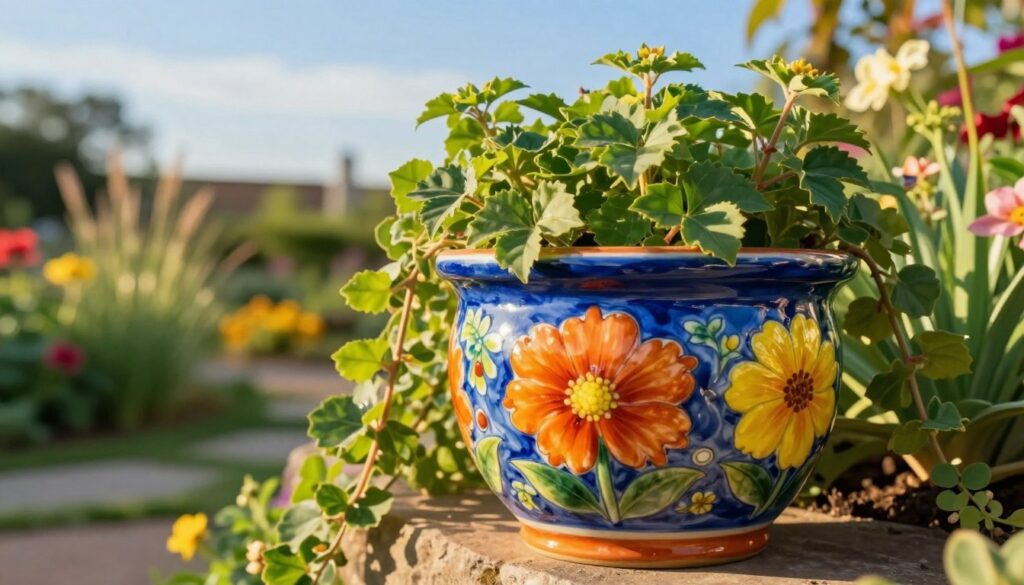
Vibrant ceramic containers provide striking contrast against green plants and stone. They add lasting color and require little upkeep.
Shop for bold ceramic pots to bring a splash of hue to your yard. Group potted plants of varying sizes but similar tones to create a cohesive, layered look.
Place a colorful planter near a fountain or water feature to catch reflections and draw attention after dusk when lights highlight texture.
- Durable choice: ceramics stand up to weather and keep flowers looking fresh.
- Visual guide: use planters to lead the eye and define a garden space.
- Scale tip: mix tall and low planters to add depth without crowding the backyard.
Crafting Whimsical Garden Art from Recycled Materials
Turn forgotten objects into playful sculptures that make your outdoor area sing.
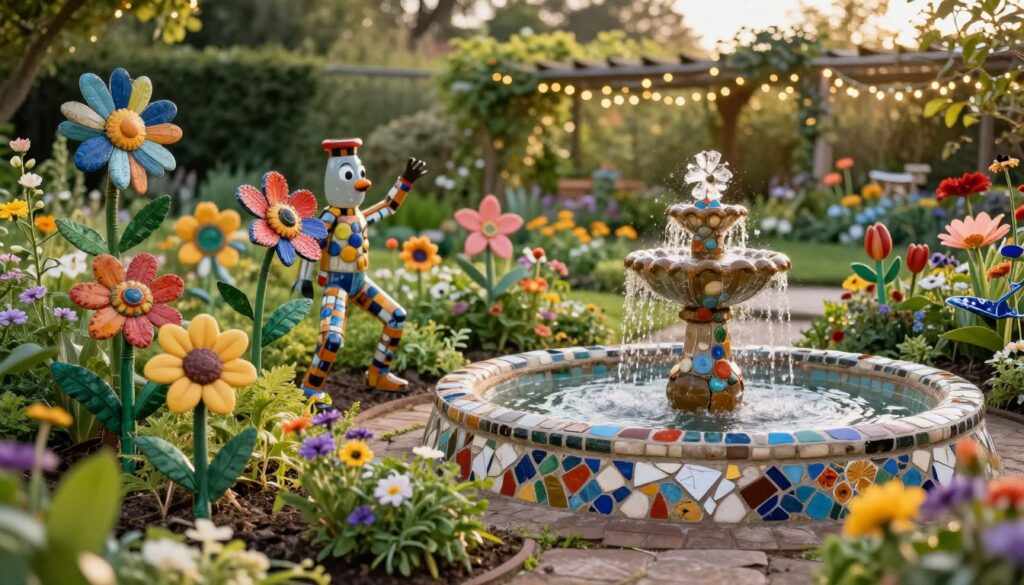
The Bealls turned a 1920s drinking fountain into a succulent planter that feels both useful and nostalgic. Reclaimed pieces like that add instant vintage character and a personal touch to any yard.
Try a small DIY project: shop salvage yards for metal, tiles, and frames. With basic tools you can build hanging pieces, stacked planters, or a focal wall dotted with old finds.
- Use faded mirrors or frames to create a lively wall gallery that anchors a seating space.
- Paint thrifted metal for weatherproof art that pops against green foliage.
- Add low-voltage lights to highlight forms after dusk and extend evening use.
| Recycled Item | Best Use | Night Effect |
|---|---|---|
| 1920s fountain / basins | Succulent planter or tiered display | Soft uplight for sculptural glow |
| Old frames & mirrors | Wall focal point / reflective interest | Fairy lights outline each piece |
| Scrap metal & hardware | Freestanding sculptures | Spotlight to show texture |
Small thrifted moves make big impact. You don’t need a large budget to give your backyard unique art and charm. For more curated finds and feel-good styling, see boho garden decor inspo.
Designing Functional Pathways and Walkways
A well-planned path acts like an outdoor hallway, guiding the eye and protecting planted pockets.
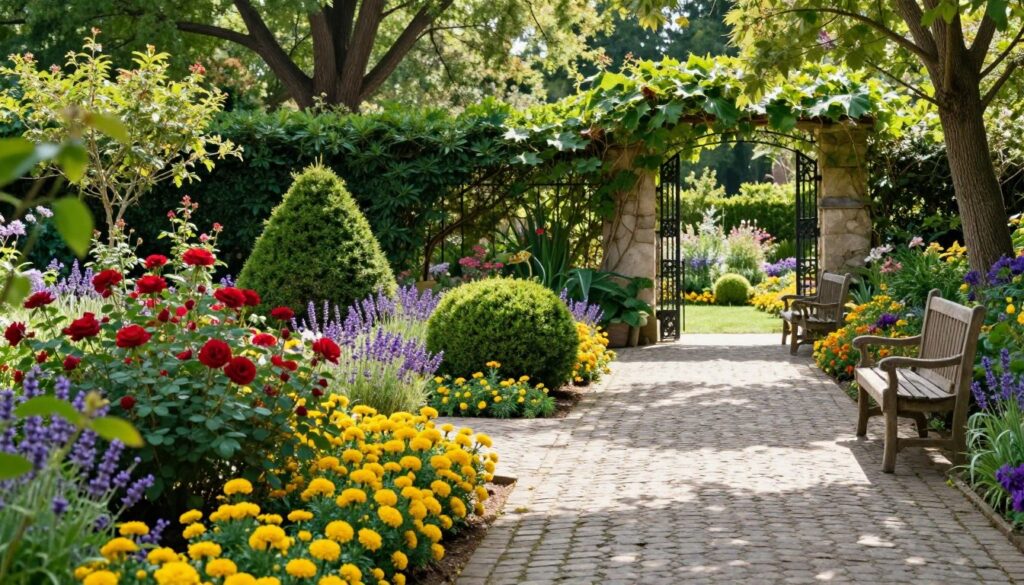
Pathways connect rooms and give your yard a clear flow. Use mismatched bricks or flat stones to add a colorful, personal look that feels lived-in.
Choose materials that suit the overall space. Wood planks, natural stone, or reclaimed brick make a rustic look that ties to planters and walls.
- Shop for unique paving to draw attention to favorite plants and potted plants.
- Line the route with planters to showcase texture while keeping the path usable.
- Add low lights to keep paths safe at night and to highlight a fountain or a stone wall.
- Design walkways to guide visitors away from secluded seating to protect privacy.
Tip: Keep paths wide enough for two people and choose non-slip surfaces for wet hours.
Selecting Durable Furniture for Outdoor Comfort
Choose furniture that stands up to weather and daily use so your outdoor seating stays welcoming year after year.
Select a sturdy table and comfortable seating to make the most of your garden. Durable materials like teak and powder-coated aluminum resist rot and rust while keeping maintenance low.
The Bealls applied marine varnish to wicker chairs to protect them from the elements. A protective finish helps preserve the look of both wood and woven pieces.
Match materials to your climate. In humid areas, pick teak or powder-coated metal. In sunny, dry climates, UV-resistant fabrics and sealed wood work best.
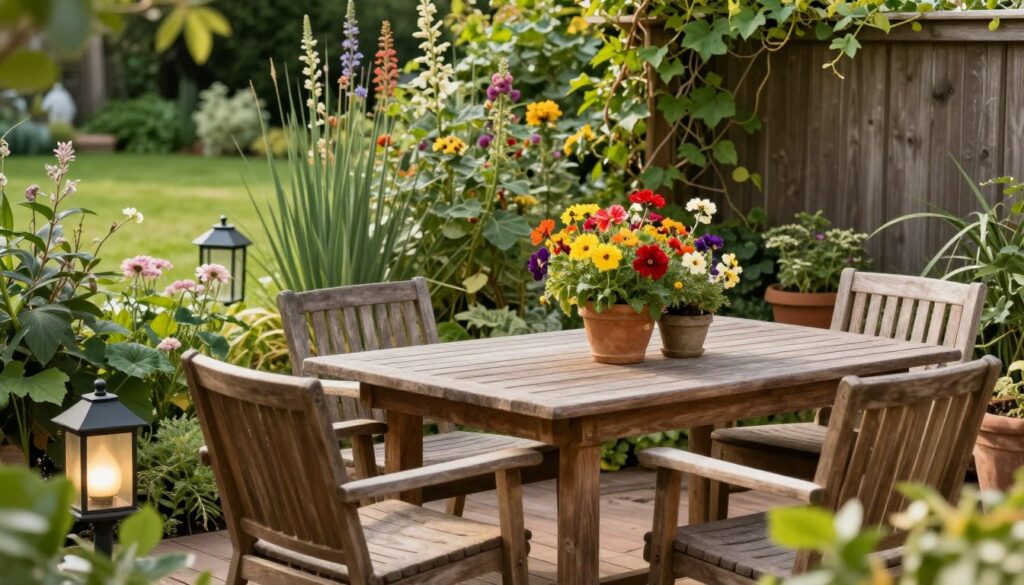
A well-designed seating area invites family and friends to linger. Investing in high-quality pieces means your space stays useful for years, not months.
- Prioritize a sturdy table that resists stains and warping.
- Choose seating that balances comfort with durable fabric and frames.
- Apply protective finishes to extend the life of wood or wicker.
Infusing History with Antique Architectural Elements
Antique finials, stone pedestals, and salvaged fragments can give your outdoor garden a layered, lived-in history that feels intentional. Place a single pedestal by a path or tuck a carved fragment into a bed to create instant focal points.
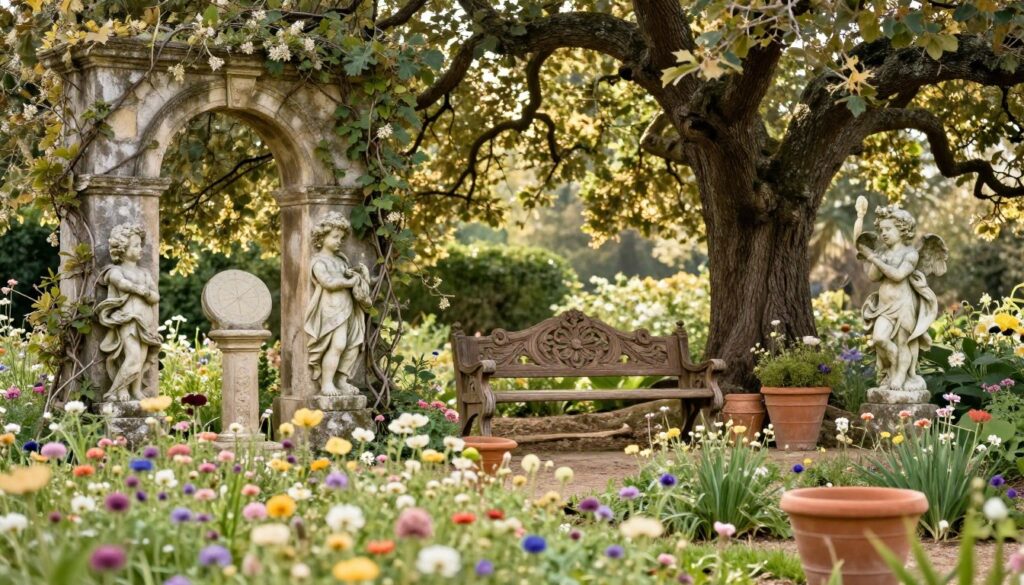
The Bealls used Gothic cathedral pieces to craft a “lost‑city” look that adds depth and quiet drama to their space.
“Small architectural finds give a place the sense it has grown up over time.”
Shop salvage yards and architectural dealers for finials, urns, and vintage planters that complement your home’s style. Mixing these elements with modern seating or a low fountain balances history and livability.
- Use pedestals to lift sculpture or potted plants and tie walls to the landscape.
- Pair carved stone with simple plantings to highlight texture and character.
- Match finishes to your home so the yard reads as a seamless extension.
For moodier inspiration, see this castlecore inspiration to help refine the look and find the right touches for your plot.
Fragrant Plantings for a Sensory Experience
Layering scent-rich shrubs and herbs near seating creates a welcoming, living perfume for your yard.
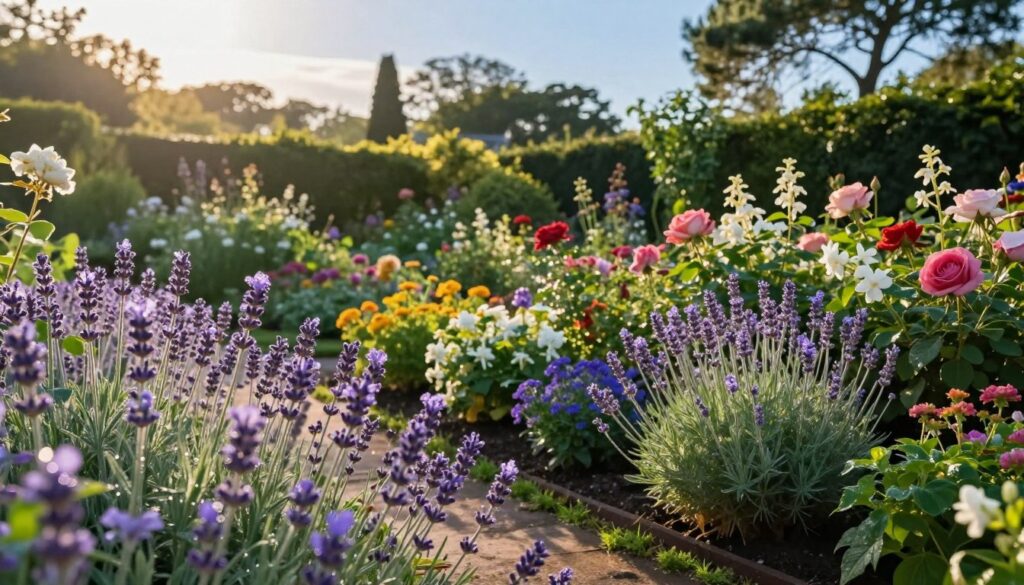
The Bealls planted honeysuckle and jasmine by their entry to greet visitors with warm fragrance. Add a night-blooming cereus near the dining table to give evenings a slightly magical scent when the stars come out.
Balance matters. Mix strong-scented plants with softer-smelling herbs so the space stays pleasant for everyone. You can shop for culinary herbs and scented flowers that do double duty: they smell great and can be used in the kitchen.
Place taller shrubs or a small tree to screen seating and boost privacy. Add wind chimes close to fragrant beds to introduce gentle sound that pairs with the smell of blooms.
Tip: Choose species that bloom at staggered times so fragrance, color, and interest last through the season. For layout help and plant combos, see our garden plant design tips.
Final Thoughts on Personalizing Your Outdoor Oasis
A few curated pieces and simple projects can reshape how your family uses the outside. ,
Personalizing your outdoor space is the best way to make the area reflect daily life and comfort. Use small, budget-friendly touches and playful repurposes to build a look that fits your home.
By choosing practical decor and easy ideas you’ll create a place for rest and shared moments. Have fun with the process, try one small project at a time, and let the space grow with your family.