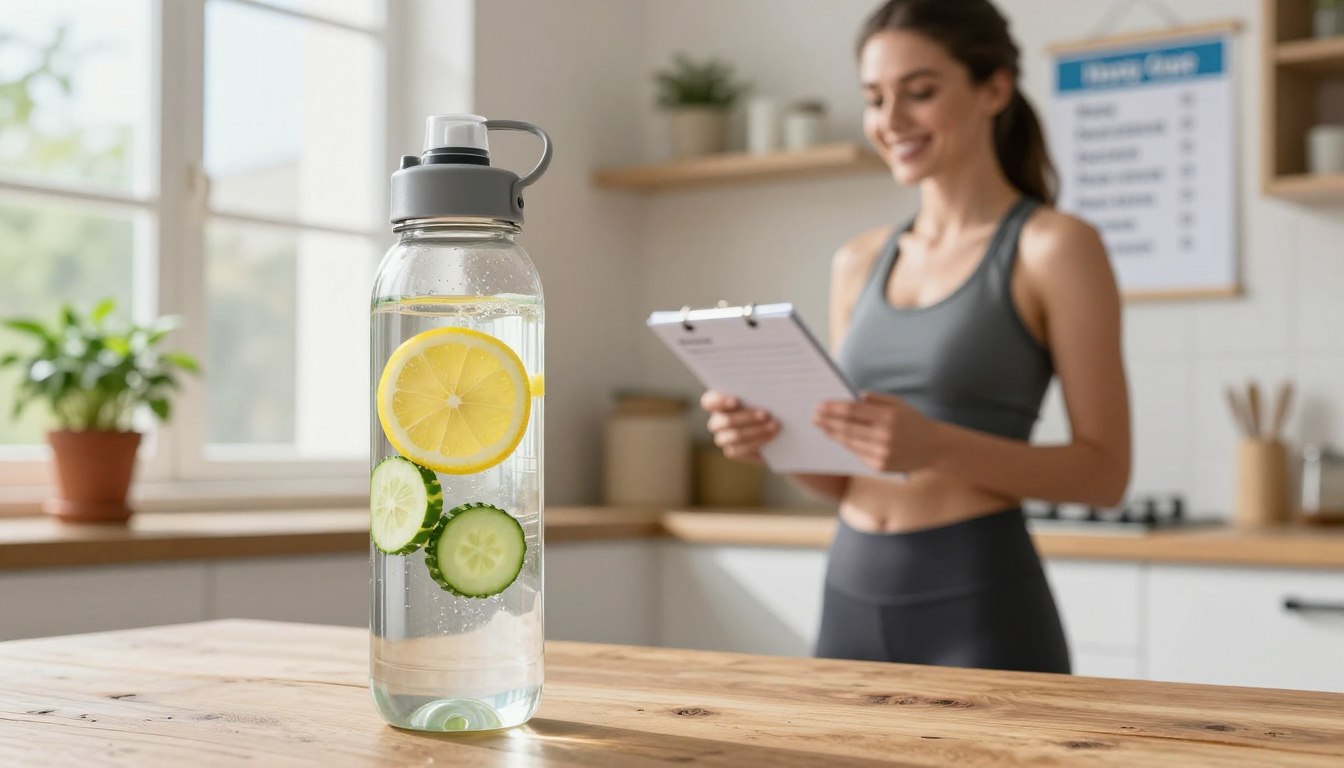
This article answers a simple yet common question about daily fluid targets and smart habits that support fat loss goals.
It sets clear expectations: general U.S. daily targets, a body-based method, and easy tweaks for exercise, heat, travel, and illness. The aim is steady progress, not brief scale drops from dehydration.
Why care about water intake? Proper hydration can help curb appetite, boost workouts, and make routines easier to keep. That support makes a real difference for long-term weight plans.
Ideal amounts vary by body size, activity, and environment. Use a baseline, then add simple adjustments across the day. You’ll get cup/ounce targets, timing tips like sipping before meals, and quick self-checks.
Safety note: drinking more is beneficial for most, but extreme intake is not the goal. If you have medical conditions, follow clinician guidance.
Read on for: why it matters → target ranges → research highlights → best times → changing factors → how to tell if you’re well hydrated → a short recap.
Key Takeaways
- Daily fluid goals support appetite control and workouts.
- Base targets vary by body size and activity level.
- Simple timing tips help make drinking practical each day.
- Adjust targets for exercise, heat, travel, and illness.
- Extreme intake isn’t needed; consult a clinician when in doubt.
- Find practical cup/ounce targets and quick hydration checks in the article: hydration guide.
Why water intake matters for weight loss and overall health
Good hydration keeps the body working well and helps healthy habits stick.
Energy and daily routines: The body loses fluid through breathing, sweat, urine, and stool. When fluid levels dip, workouts feel harder and daily movement often drops. That lower activity can slow progress over time.
Appetite control: Thirst can mimic hunger. Sipping before meals and at key moments helps people make clearer food choices and reduces mindless snacking.
What “water weight” really is: Short-term scale shifts come from stored glycogen, salt, hormones, and hydration changes — not lost fat. Quick drops in scale numbers rarely reflect meaningful fat loss.
Adequate intake also helps digestion and regularity, which makes daily tracking less confusing. For practical tips on building steady habits that fit busy days, see this simple habit guide.

| Benefit | What it affects | Why it matters |
|---|---|---|
| Energy | Workout quality, activity | Better sessions help burn more calories over time |
| Appetite control | Meal timing, cravings | Clearer hunger cues improve food choices |
| Digestion | Regularity, comfort | Smoother digestion makes tracking results easier |
How much water should i drink to lose weight based on your body and day
Use simple daily targets as a starting point, then tune them for your routine.
Start with general daily fluid targets for adults in the United States
Baseline: Aim for about 11.5 to 15.5 cups (2.7–3.7 L) of total fluids per day. Total fluids includes plain water, other beverages, and water-rich foods like fruit and soup.
Using a body-based approach to estimate your personal water intake
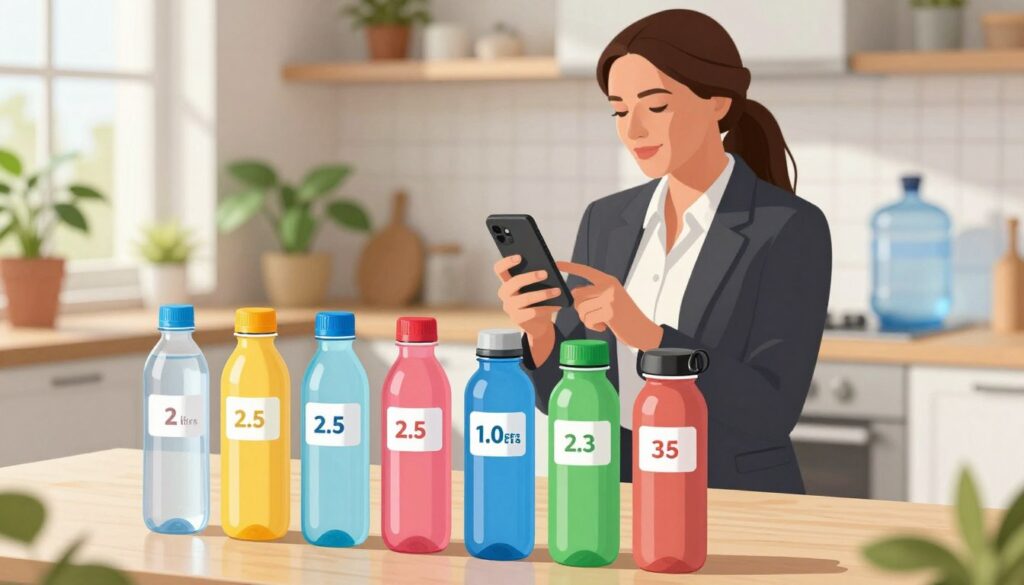
As a second way, scale the baseline by body size and typical activity. Larger bodies and higher daily movement need more fluids. Smaller, less active bodies need less.
Adjusting your baseline for your “normal day” versus higher-activity days
For a normal workday with light activity, pick a simple cups goal within the baseline range and track it. For long runs, hard gym sessions, or outdoor labor, add 1–2 extra cups per hour of heavy sweat loss.
| Day type | Typical cups | Liters |
|---|---|---|
| Light activity / normal day | 11–12 cups | 2.6–2.8 L |
| Moderate activity | 13–14 cups | 3.0–3.3 L |
| High activity / hot day | 15+ cups | 3.5+ L |
Tip: Choose one clear daily number and build habits around it. Hydration helps support weight loss when paired with balanced eating and regular activity, not as a lone fix.
For a practical cost and convenience reference, see this SodaStream savings guide.
What the research says about drinking water and losing weight
A number of studies examined whether boosting daily fluid intake leads to small but consistent body composition shifts.

The 1.5 L per day “extra” protocol in an 8-week study
Protocol: In one 8-week study, 50 overweight young women added 1.5 L per day by taking 500 mL three times daily, 30 minutes before breakfast, lunch, and dinner. They were told not to change diet or activity.
What changed: measured outcomes and actual numbers
The results were modest but statistically significant:
- Body weight: 65.86 ± 3.614 kg → 64.42 ± 3.704 kg (P < 0.01).
- BMI: 26.7002 ± 0.9423 → 26.1224 ± 1.0632 (P < 0.01).
- Sum of skinfolds (proxy for body fat): 79.626 ± 10.385 mm → 76.578 ± 10.477 mm (P < 0.01).
- Appetite score: 36.880 ± 4.170 → 34.673 ± 3.845 (P < 0.01).
Why findings vary and what might explain the effects
Authors suggested water-induced thermogenesis as one mechanism. Drinking cold fluids can boost sympathetic activity and raise short-term energy use in some contexts.
However, results differ across studies. Differences in measurement, baseline habits, body size, meal timing, and activity levels affect outcomes for individuals.
Practical takeaway: The data support extra fluids as a helpful adjunct, especially around meals, not a standalone solution. Treat this as a simple habit that can aid appetite control and small improvements in body fat when paired with a healthy plan.
Best times to drink water to lose weight throughout the day
The timing of your sips matters more than you might expect for appetite control and steady energy.
Pre-meal timing: Follow the 30-minute approach from the study and take about 500 mL roughly 30 minutes before major meals. This can help reduce hunger for some people and encourage smaller portions at the meal.
Space intake across the day: Avoid large late-night chugging by setting small targets linked to routine moments. Try one cup on wake, one mid-morning, one before lunch, and one mid-afternoon.
Workout basics: Before exercise sip enough so you start hydrated. Drink during long sessions to replace sweat and have fluids after activity for recovery and performance.

| Time | Action | Typical volume | Why it helps |
|---|---|---|---|
| 30 minutes before meals | Drink a glass (study model) | 500 mL before big meals | May lower appetite and slow intake |
| Morning | Wake-up sip | 1 cup | Restores overnight loss, boosts alertness |
| During workouts | Sip regularly | 150–300 mL per 15–20 minutes | Replaces sweat, maintains output |
| Evening | Front-load fluids | Sip as needed, avoid late excess | Limits nighttime wakes and supports sleep |
Practical note: Timing won’t melt fat alone, but it supports calorie goals and steady habits. For afternoon slumps, pair a short walk and a cold sip for a quick energy lift.
Factors that change how much water you need
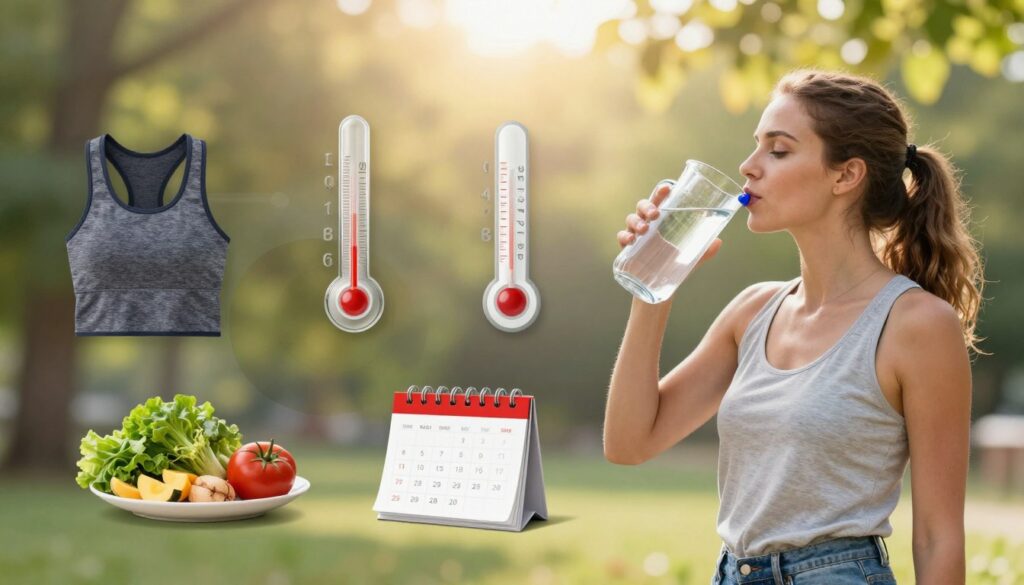
A single daily number rarely fits everyone; conditions like exercise and heat alter needs. Adjusting intake keeps energy steady and helps routines stay on track with long-term weight and health goals.
Exercise intensity, sweat rate, and hot or humid weather
Higher effort and heavy sweat boost fluid losses quickly. Plan extra fluids earlier in the day and carry a bottle during long sessions.
Tip: For long or intense workouts, add electrolyte drinks when sweat is heavy.
High altitude and travel days
Dry air, flights, and schedule shifts raise dehydration risk. Sip regularly and set reminders on travel days to keep intake steady.
Illness and rapid fluid loss
Fever, vomiting, or diarrhea cause fast losses. Small sips, broth, or oral rehydration solutions help replace salts and fluids based on tolerance.
Pregnancy, breastfeeding, and medical conditions
Pregnancy and lactation often increase needs; thirst may rise. Some conditions or medications require tailored guidance—consult a clinician if you’ve been told to limit fluids.
“Adjusting fluids on hard days helps maintain energy and keeps habits consistent.”
For a simple snack and hydration pairing idea, see a helpful comfort snack suggestion that supports appetite control and steady intake.
How to tell if you’re drinking enough water for weight loss goals
Simple daily checks make it easy to know whether your fluids are supporting progress.
Start with a clear target: pick one daily number in cups or ounces and split it into timed check-ins. For example, aim for four to six marks in a marked bottle or log four cups by midday and the rest by evening.
Simple daily tracking: cups, ounces, and consistent check-ins
Practical method: choose a total fluid target and break it into 6–8 checkpoints. Use a marked bottle, a notes app, or a tally on your phone. This keeps intake visible without stress.
Hydration signals to watch during the day
Pay attention to thirst, sudden dips in energy, or headaches. These often mean your body needs fluids sooner rather than later.
Bathroom patterns help too. If you rarely urinate, or urine is consistently dark, raise intake. If you wake overnight to pee, shift a portion of fluid earlier in the day.
Counting fluids and water-rich foods toward total intake
Total fluids include beverages like coffee and tea for many people, plus water-rich foods such as fruit and soup. Add these consciously when you tally cups or ounces.
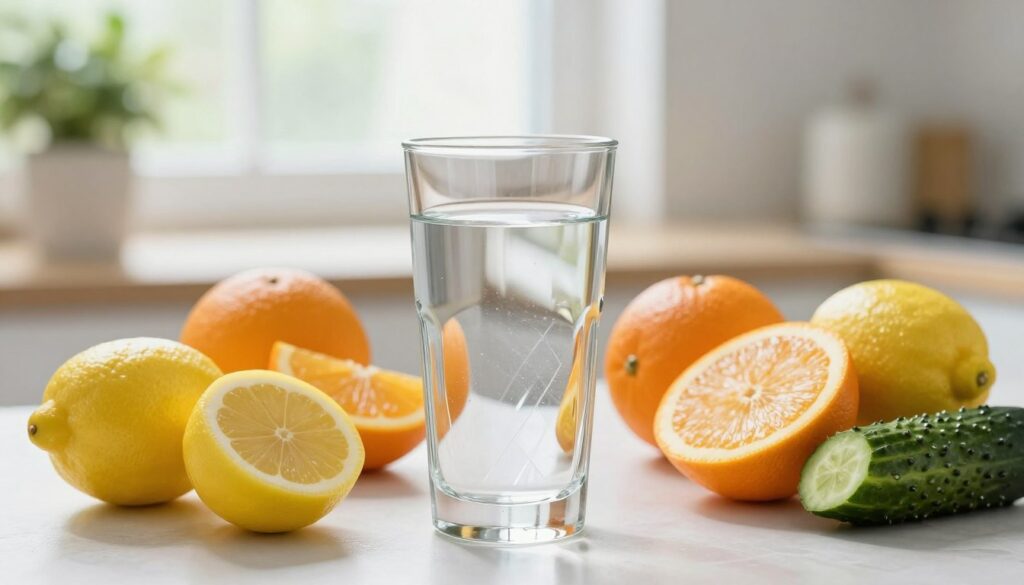
“Tracking small amounts regularly makes meeting targets simple and steady.”
| Check | What to track | When to adjust |
|---|---|---|
| Marked bottle | Cups or ounces per mark | Raise target with heavy sweat or hot days |
| Phone log | Quick tallies after drinks and fruit | Shift timing if nights include bathroom wakes |
| Body signals | Thirst, energy, urine color | Increase intake with workouts, illness, or travel |
If/then rules: if workouts or heat increase, add a cup or two. If you find you wake at night, move volume earlier. These small shifts keep energy steady and support appetite control, which helps with long-term loss goals.
Conclusion
The main takeaway: a clear baseline for water and small day-by-day tweaks help support weight loss. Pick a simple daily target that fits your body and usual activity, then tweak it on hot or active days.
Practical steps: start with the U.S. fluid range, adjust by body size, and use timing tricks like a pre-meal sip if that suits your routine. These moves make habits easier and steady results more likely.
Research showed modest improvements in weight and appetite when extra fluids were added, but individual results vary. Remember that short-term water shifts are not the same as fat loss.
Choose one habit to begin today — space fluids earlier or add a pre-lunch routine. If you have a medical condition, are pregnant, or were told to limit intake, seek personalized guidance before changing drinking plans.
For related household tips, see save on utilities.