

Cryptocurrency runs on a peer-to-peer network that removes banks from the middle of transactions. You set up a secure wallet and create an account on a reputable exchange to start. This system records every crypto move on a public ledger, which adds transparency.
When you enter the market, note that value can shift fast over a short time. Trading means you bet on price moves. That makes trading risky and can affect your hard-earned money.
Many people like cryptocurrencies because they offer a decentralized way to store wealth without relying on traditional banks. This short guide will help you focus on goals and risk management while learning how the market works.
Key Takeaways
- Cryptocurrency uses peer-to-peer networks and public ledgers for transparency.
- Set up a secure wallet and a verified exchange account before trading.
- Crypto prices can swing rapidly; manage risk and money carefully.
- Trading involves speculation on price movements and carries real risk.
- Learn steadily and align moves with your financial goals.
- Explore practical savings tips at smart saving resources.
Defining Cryptocurrency and Digital Assets
At its core, digital currency lets users send value across a global network without a middleman. This shift changes how we think about money and financial technology.

What is Digital Currency
Cryptocurrencies are named for the cryptography that lets people use them securely without a government or bank verifying each transfer. A digital asset like Bitcoin can act as a payment method or an investment outside central bank control.
These assets function as a decentralized form of currency. They let users interact directly, which is a fundamental shift in how people handle value.
The Role of Cryptography
Cryptography provides the core security that protects transaction history and prevents tampering. The system uses math and proofs rather than institutional trust.
That technology creates a secure way for users to transfer value across a global network. If you want practical tips on managing money earned from work, see a short piece on how to save money from salary.
How Blockchain Technology Powers the Network
Think of the blockchain as a shared record that resists tampering by design. Each participant in the network can check entries, which prevents a single actor from rewriting history.

The Role of Cryptography
Cryptography locks data inside blocks and links them in order. That structure solves the double-spending problem and keeps a clear transaction trail over time.
New entries join the chain through a mining process or other consensus methods. Computers validate each batch of transactions, ensuring the ledger stays accurate and verifiable.
- Decentralized checks: Peer nodes confirm records without a central server.
- Transparent history: Blocks form a permanent log anyone can audit.
- Market resilience: These systems let crypto and related cryptocurrencies operate across global markets with fewer political ties.
In short, this technology makes the ecosystem secure and self-checking. That is why many in the crypto space trust blockchain for core services.
A Comprehensive Guide to Understanding Cryptocurrency for Beginners
Start by opening an account on a trusted platform that offers tutorials and demo tools. A clear account setup helps you learn trading steps without risking much money.
Many people put money into crypto because they hope its value will rise and yield a profit. Remember, every investment carries risk, so build your portfolio slowly and with care.
Experienced investors often read a project’s white paper before committing capital. That research shows the technology, goals, and team behind a coin.
Use a reliable platform to monitor positions and secure your account while you learn. If you want practical lifestyle tips as you plan finances, check this short piece on how to start a homestead.
- Open an account: pick a regulated exchange with learning tools.
- Do research: read white papers and team backgrounds.
- Manage risk: start small and track trades on a secure platform.

| Step | Action | Why it matters |
|---|---|---|
| 1 | Open an account | Access tools and secure storage for trading |
| 2 | Research projects | Understand tech and team before investing |
| 3 | Set risk limits | Protect capital and avoid common pitfalls |
Exploring Different Types of Digital Coins
Digital coins come in many forms, each with different goals and risk profiles.
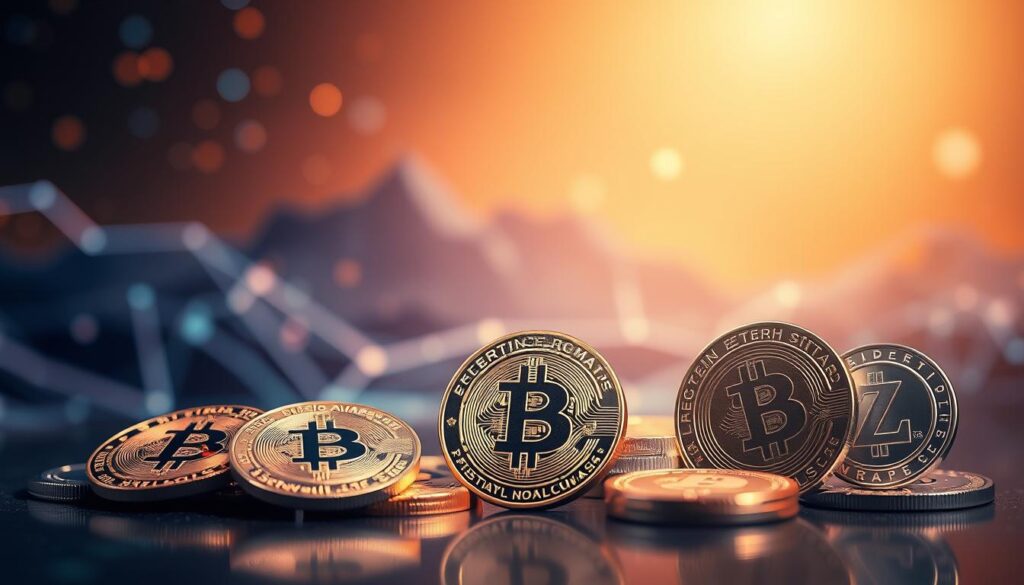
Bitcoin and Altcoins
Bitcoin remains the most influential coin; it topped $100,000 in December 2024, showing massive market impact.
Ethereum is a prime example of a blockchain project that supports smart contracts and whole financial ecosystems.
Stablecoins
Stablecoins peg their value to the U.S. dollar. They aim to combine the speed of crypto with low volatility.
People use stablecoins to move funds on an exchange without facing wild price swings.
Meme Coins
Meme coins like Dogecoin began as internet jokes. Many have little real-world utility and high speculative risk.
Across cryptocurrencies, the range is vast: some assets reach trillion-dollar valuations while others stay almost worthless.
“Diversify and learn how each coin stores value and what role it plays in your wallet.”
- Tip: When you buy coins on an exchange, store tokens in a secure digital wallet.
- Remember: Research each asset and its use case before you invest.
The Mechanics of Mining and Staking
Mining and staking are the engine and the paycheck behind many blockchain networks. Bitcoin mining uses powerful computers that solve cryptographic puzzles to validate transactions. That process consumes an enormous amount of energy—more than U.S. residential lighting in total.
Staking offers an alternative: people lock up crypto holdings to help verify transactions on proof-of-stake blockchains. Stakers earn passive income while supporting the network.
Because the amount of energy for mining is so high, many new projects use more efficient consensus methods. That lowers environmental impact and operating costs.
Mining can be profitable, but it demands heavy upfront investment and ongoing risk. For most people, staking or trading may be easier paths to participate without buying racks of hardware.
- Security role: Both miners and stakers help keep the blockchain honest by processing each transaction correctly over time.
- Cost vs reward: Mining has high energy and equipment costs; staking trades that capex for locked funds.
- Risk note: Trading and staking offer different rewards and risks—know fees, lockup periods, and volatility.

| Method | How it works | Main trade-off |
|---|---|---|
| Mining | Computers solve puzzles to add blocks and earn rewards | High energy use and hardware costs vs potential rewards |
| Staking | Lock tokens to validate blocks and receive rewards | Lower energy use but funds may be locked for a set time |
| Trading | Buy/sell coins to profit from price moves | Offers liquidity but carries market risk and fees |
Factors That Influence Market Prices
Small changes in demand or supply can trigger outsized price swings across coins.
Supply and demand dynamics drive most moves in the market. When buyers overwhelm sellers, prices rise quickly. When sellers flood the book, the opposite happens. This creates sharp swings that can alter your portfolio value in hours.
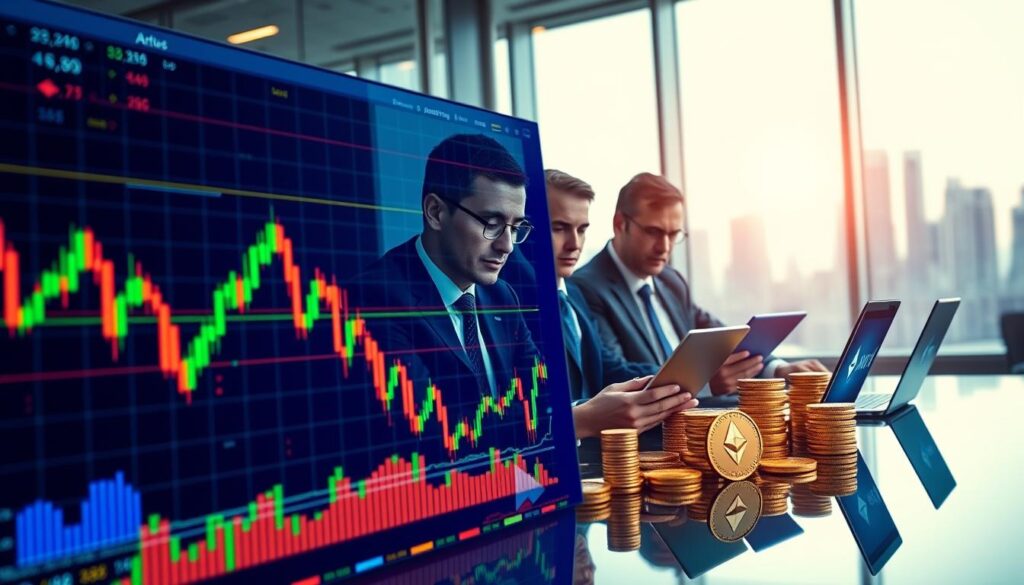
Drivers that shape value
Market capitalization also affects how people view a cryptocurrency. Large caps often feel safer, while small caps can jump or crash fast.
Key events matter. Regulatory updates, exchange outages, or security breaches can push prices across global markets. For example, a hack at a big exchange can trigger a rapid Bitcoin sell-off and spill into other assets.
Press coverage and real-world adoption change demand. When a coin integrates with payments or major platforms, buying interest can rise and lift market value.
Practical note: if you trade, use stop limits and size positions to manage risk. Understanding these forces helps you make calmer choices during volatile swings.
| Factor | What it affects | Typical impact |
|---|---|---|
| Supply & Demand | Short-term price moves | High volatility, fast swings |
| Market Capitalization | Perceived stability | Large caps = lower volatility |
| News & Events | Sentiment across markets | Sudden rises or drops |
| Adoption | Long-term value | Gradual price support |
Essential Security Practices for Your Wallet
Protecting your wallet starts with a few simple habits you can use every day.
Enable two-factor authentication on every account you use. 2FA blocks many automated attacks and adds a second barrier beyond a password.
When you hold cryptocurrency in a personal wallet, you control the private keys. That control is also your responsibility. Back up your recovery phrase and store it offline in at least two secure locations.
Many people keep funds on an exchange or platform for convenience. This reduces your custody burden but raises the risk of hacks or outages. Balance convenience and safety based on your needs.
Review your transactions regularly and keep wallet software current. Small checks catch odd activity before it becomes a disaster.

“A lost recovery phrase often means lost funds—treat backups like cash.”
| Practice | Why it matters | Quick action |
|---|---|---|
| 2FA | Stops many account takeovers | Enable authenticator app |
| Backup phrase | Restores wallet access if lost | Write offline, store securely |
| Transaction review | Detects suspicious moves | Check activity weekly |
Taking these steps cuts common risks and helps keep your crypto safe. For basic financial habits that pair well with digital saving, see smart saving habits.
Comparing Traditional Investing with Crypto Trading
Traditional portfolios often focus on steady growth while crypto trading chases fast price swings.
Buying assets on exchanges means you pay the full amount and hold the coins in a wallet until you sell. This approach gives you direct ownership of the asset and a clear claim on value. It also exposes you to full market moves and custody responsibility.
Buying Assets on Exchanges
Pros: direct ownership, no ongoing margin risk, clear tax events.
Cons: you cover the full cost up front, pay platform fees, and must secure your wallet.

Speculating with Derivatives
Derivatives let you trade price movements without owning coins. Firms like IG Group offer CFDs that track price so traders can go long or short.
Leverage and margin let you open a position with a smaller amount, but they magnify losses if the market moves against you. Fees, overnight charges, and spreads can erode returns over time.
- Ways to profit: buy and hold assets for long-term growth, or use derivatives to speculate on price swings.
- Risk note: high volatility can produce rapid gains or steep losses; size positions and set limits.
- Practical tip: compare platform fees and custody needs before you open an account; small fees add up.
| Approach | Ownership | Main trade-off |
|---|---|---|
| Exchange purchase | Own coins in a wallet | Full cost now, custody responsibility |
| Derivatives (CFDs) | No ownership | Lower upfront amount, higher leverage risk |
| Margin trading | Partial capital | Amplified gains and losses |
“Choose the path that fits your risk appetite and time horizon.”
For families balancing savings and investing, see practical tips for stocking education funds with simple steps at saving for kids.
Navigating Regulatory Landscapes and Taxes
Regulators worldwide are rewriting rules, and those changes can shift risk and returns in days.
In 2025, El Salvador reversed its move to accept Bitcoin as legal tender, a reminder that laws can flip suddenly. In the United States, cryptocurrencies are taxed as property, so you owe capital gains on the difference between purchase and sale price.
When you sell an asset on an exchange, keep accurate records of your transactions. Clear logs protect you during audits and help calculate gains or losses.
Regulatory updates are often market-moving events. Announcements can change prices, affect trading volume, and increase scrutiny of how blockchain technology or a company is used.
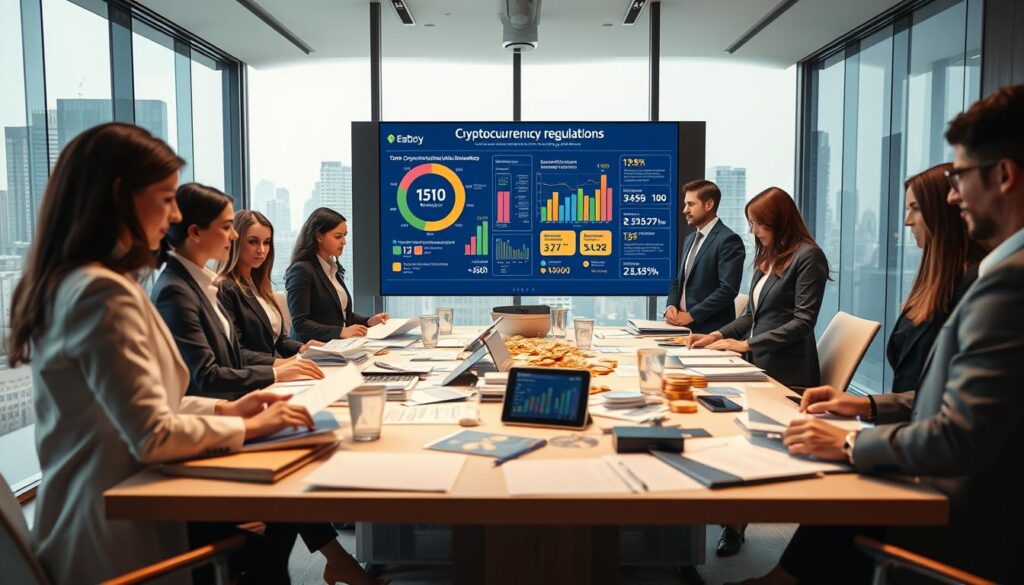
Whether a token is a security or a commodity remains contested. That classification can change a company’s compliance burden and alter fees or the way platforms list an asset.
“Treat compliance as part of your risk plan—rules matter as much as price swings.”
- Know local tax rules and keep receipts and timestamps for each transaction.
- Use reliable platforms and back up wallet records offline.
- Consult a tax professional if you trade often or hold large positions.
| Issue | Impact | Action |
|---|---|---|
| Tax status (property) | Capital gains tax on sales | Track cost basis and reports |
| Regulatory shifts | Fast market moves and new rules | Monitor announcements, adjust positions |
| Classification (security vs commodity) | Listing and compliance changes | Follow platform notices and legal updates |
For practical lifestyle balance while you plan investments and long-term security, consider simple savings and homestead ideas at small homesteading tips.
Managing Risk in a Volatile Market
A clear risk plan helps protect your money when markets move quickly.
Start by assessing your personal tolerance. Decide how much of your total portfolio you will risk on a single trade and stick to that amount.
Diversify across assets and avoid putting most funds into one token or company. Spreading exposure lowers the chance that a single price swing wipes out gains.
Use stop-loss orders on exchanges and in trading platforms. These orders close a position automatically and limit a loss when the market moves against you.
Stay informed. Follow market news, monitor blockchain developments, and track fees and platform reliability. Knowledge helps traders and investors spot problems early.

“High volatility brings opportunity and risk—plan your moves, and protect capital.”
| Action | Why it matters | Quick step |
|---|---|---|
| Position sizing | Limits loss on any single trade | Risk 1–3% of portfolio |
| Stop-loss | Automates loss control | Set at a logical price level |
| Diversification | Reduces correlation risk | Hold mix of coins and stable assets |
For basic money habits that support long-term investing, see a short piece on how to save money.
Conclusion
A steady, disciplined approach will serve you better than reacting to every headline. Keep a strong, steady plan and pace your learning as you build a portfolio.
Learn how blockchain and wallets work so you can spot risks and protect funds. Respect market swings and never stake more money than you can afford to lose.
Stay current on rules, security practices, and platform reliability. Use simple habits—2FA, backups, record keeping—and review positions often.
Whether you hold long term or trade actively, consistency and ongoing education will help you navigate this fast-changing financial space.