
The Latchkey Legend: A Definitive Guide to Generation X

Somewhere between the self-absorbed Baby Boomers and the participation-trophy Millennials exists a generation that nobody talks about. Generation X. The middle child of modern demographics. The forgotten cohort. The latchkey legends who grew up raising themselves while their parents worked late and their older siblings protested everything.
Born between 1965 and 1980, Generation X comprises roughly 65 million people in the United States. They came of age during a period of massive cultural, economic, and technological transformation. They witnessed the Cold War’s end, survived the great recession, and built the digital bridges we all cross today.
This isn’t another fluff piece romanticizing the past or condemning the present. This is the definitive guide to understanding a generation that shaped modern skepticism, pioneered work-life balance, and invented the word “whatever” as a complete sentence. A generation that doesn’t need your validation but deserves your attention.
The Identity: Defining the Middle Child Generation

Generation X officially includes anyone born between 1965 and 1980. Some demographic experts stretch the birth years slightly, but this fifteen-year window captures the essence of what makes Gen X distinct. The United States population of Gen Xers represents about twenty percent of the total.
The name itself comes from Douglas Coupland’s 1991 novel “Generation X: Tales for an Accelerated Culture.” The book captured the zeitgeist of twenty-somethings who rejected traditional career paths and material success markers. Before Coupland, cultural observers used various labels. Some called them the “Baby Bust” generation because birth rates declined compared to the massive Baby Boomer cohort.
The Middle Child Syndrome Reality
Every Gen Xer knows what it feels like to be forgotten. Baby Boomers dominated cultural conversations for decades. They controlled media, politics, business, and education throughout Gen X childhoods. Then Millennials arrived with their massive numbers and digital nativity, capturing everyone’s attention.
This middle position shaped Gen X psychology profoundly. Without the spotlight, they learned self-sufficiency. Without constant attention, they developed independence. The middle child syndrome wasn’t a weakness but a superpower disguised as neglect.
Generational Comparisons and Contrasts
Baby Boomer Influence
Baby Boomers, born between 1946 and 1964, created the world Gen X inherited. Boomers protested Vietnam, championed civil rights, and questioned authority loudly. They had numbers on their side—about 76 million strong.
- Dominated cultural institutions and workplace hierarchies
- Experienced post-war economic prosperity and expansion
- Created the divorce epidemic that defined Gen X childhoods
- Controlled media narratives throughout the 1970s and 1980s
Millennial Competition
Millennials, born roughly 1981 to 1996, received the attention and resources Gen X never got. Parents hovered. Teachers praised. Everyone got trophies. The contrast couldn’t be starker.
- Raised with constant parental involvement and supervision
- Entered workforce during 2008 recession but with education focus
- Digital natives who never knew life before internet
- Larger population commanded marketing attention and resources
The Silent Generation Legacy
Many Gen Xers had parents from the Silent Generation, born 1928 to 1945. These Depression-era children valued hard work, stability, and keeping your head down. Their parenting style was hands-off by modern standards.
- Emphasized self-reliance and personal responsibility early
- Limited emotional expressiveness shaped Gen X communication
- Strong work ethic transferred without work-life balance
- Traditional gender roles began breaking during this transition
Defining Characteristics
Generation X developed distinct traits that separate them from adjacent cohorts. These characteristics emerged from unique historical circumstances and family structures during formative years.
- Skepticism toward institutions, authority, and marketing messages
- Self-reliance learned through actual childhood independence
- Work-life balance prioritization before it became trendy
- Media literacy developed through advertising saturation exposure
Demographics and Population Insights
Generation X represents approximately 65 million people in the United States today. This smaller cohort size compared to Baby Boomers and Millennials created both challenges and advantages. Fewer numbers meant less political clout and cultural influence. But it also meant less competition for college spots in the early 1980s and jobs in the 1990s.
The birth years from 1965 to 1980 encompass significant social changes. Early Gen Xers, born 1965-1972, remember Vietnam War news coverage and Watergate. Late Gen Xers, born 1973-1980, have clearer memories of the 1980s economic boom and the Cold War’s end. These micro-cohorts sometimes identify more with adjacent generations than with each other.
Still Reading? You Might Actually Be Gen X
Get the Gen X Glossary PDF with all the slang we invented that younger generations keep stealing. No spam. No selling out. Just straight nostalgia you can actually use.
The Latchkey Childhood: Freedom or Neglect?

The term “latchkey kid” defined Generation X childhood more than any other phrase. Children wore house keys on strings around their necks or tucked in pockets. They let themselves into empty homes after school. They fixed their own snacks, did homework alone, and entertained themselves until parents returned from work.
This wasn’t occasional occurrence. This was daily reality for millions of Gen X kids throughout the 1970s and early 1980s. Divorce rates skyrocketed. Both parents worked. Single-parent households became common. Children adapted because they had to.
The Rise of Dual-Income Necessity
Economic pressures drove both parents into the workforce during the 1970s. Inflation reached double digits. Gas prices quadrupled. The comfortable single-income family model that worked for Boomers collapsed for Gen X families.
Women entered the workforce in unprecedented numbers. The percentage of mothers with children under eighteen who worked outside the home increased dramatically. In 1970, about forty percent worked. By 1980, more than fifty-five percent held jobs. By 1990, the number approached seventy percent.
This economic shift created the latchkey generation. Affordable childcare didn’t exist at scale. Extended family networks had fragmented. Someone needed to watch the kids, but nobody was available. So kids watched themselves.
Divorce Epidemic and Family Restructuring

Generation X grew up during America’s divorce peak. The divorce rate doubled between 1965 and 1980. By the time many Gen Xers reached their teens, nearly half of all marriages ended in divorce. This wasn’t abstract statistic—this was lived reality.
Children of divorce developed resilience and skepticism simultaneously. They learned early that “forever” often meant “for now.” They witnessed adults breaking promises and restructuring lives. They adapted to split households, step-parents, and complicated family dynamics that previous generations rarely experienced.
The psychological impact shaped Gen X worldview. Trust became conditional. Commitment became questioned. The fairy tale endings promised by Disney movies seemed laughable compared to real-life experience. This created the famous Gen X cynicism that older generations criticized but never truly understood.
Unsupervised Freedom and Independent Play
Gen X children experienced freedom that seems impossible today. They left home in the morning during summer and returned when streetlights came on. Nobody tracked their location. Nobody scheduled their activities. They roamed neighborhoods, played in woods, built forts, and created their own entertainment.
This unsupervised time taught crucial life skills. Kids negotiated conflicts without adult intervention. They assessed risks and managed consequences. They learned to entertain themselves without screens or structured programs. Boredom became a problem to solve, not a condition to avoid.
Daily Latchkey Routine
The typical Gen X latchkey experience followed predictable patterns that shaped independence and self-sufficiency skills from early childhood.
- Walk home from school alone or with siblings
- Use key to unlock empty house door
- Check for note from parents on refrigerator
- Fix snack independently from available food
- Complete homework without supervision or help
- Watch afternoon television programming alone
- Play outside with neighborhood kids until dinner time
- Return home when streetlights turned on automatically
Technology of the Era: Rotary Phones and Three Channels
Generation X childhood existed in the last era before digital saturation. Entertainment options were limited by today’s standards. Most homes had one television with three major networks plus PBS. Cable television began spreading in the early 1980s but remained luxury item initially.
Rotary phones connected to walls. Long-distance calls cost money. Party lines still existed in rural areas. You called friends hoping they were home because no voicemail captured messages. If the line was busy, you tried again later.
This technological limitation forced face-to-face interaction. Kids knocked on doors to see if friends could play. They arranged meetings without confirming texts. They showed up at agreed times because no last-minute communication existed. Reliability and follow-through mattered because alternatives didn’t exist.
The Psychological Impact: Resilience and Self-Reliance
Psychologists debate whether latchkey childhood represented beneficial independence training or harmful neglect. The answer probably lands somewhere in the middle, varying by individual circumstances.
Many Gen Xers credit their childhood independence with developing crucial life skills. They learned to solve problems alone. They became comfortable with solitude. They developed internal motivation rather than external reward dependence. These traits served them well in adult life and careers.
However, some mental health experts point to higher rates of anxiety and attachment issues among Gen X. The lack of consistent parental presence during formative years may have created emotional challenges that manifested later in relationships and parenting approaches.
Freedom Benefits
- Developed strong problem-solving skills early
- Learned genuine self-reliance and independence
- Built resilience through facing challenges alone
- Created strong peer bonds and social networks
- Experienced authentic unstructured childhood play
Neglect Concerns
- Lacked consistent emotional support during development
- Faced safety risks without supervision or guidance
- Developed attachment issues affecting adult relationships
- Experienced academic struggles without homework help
- Felt loneliness and isolation during formative years
Remember Coming Home to an Empty House?
Yeah, we know you hate newsletters. This one’s different. No spam. No selling out. Just Gen X stuff that matters delivered once a month. Unsubscribe whenever. Whatever.
The Pop Culture Explosion: When Entertainment Got Real
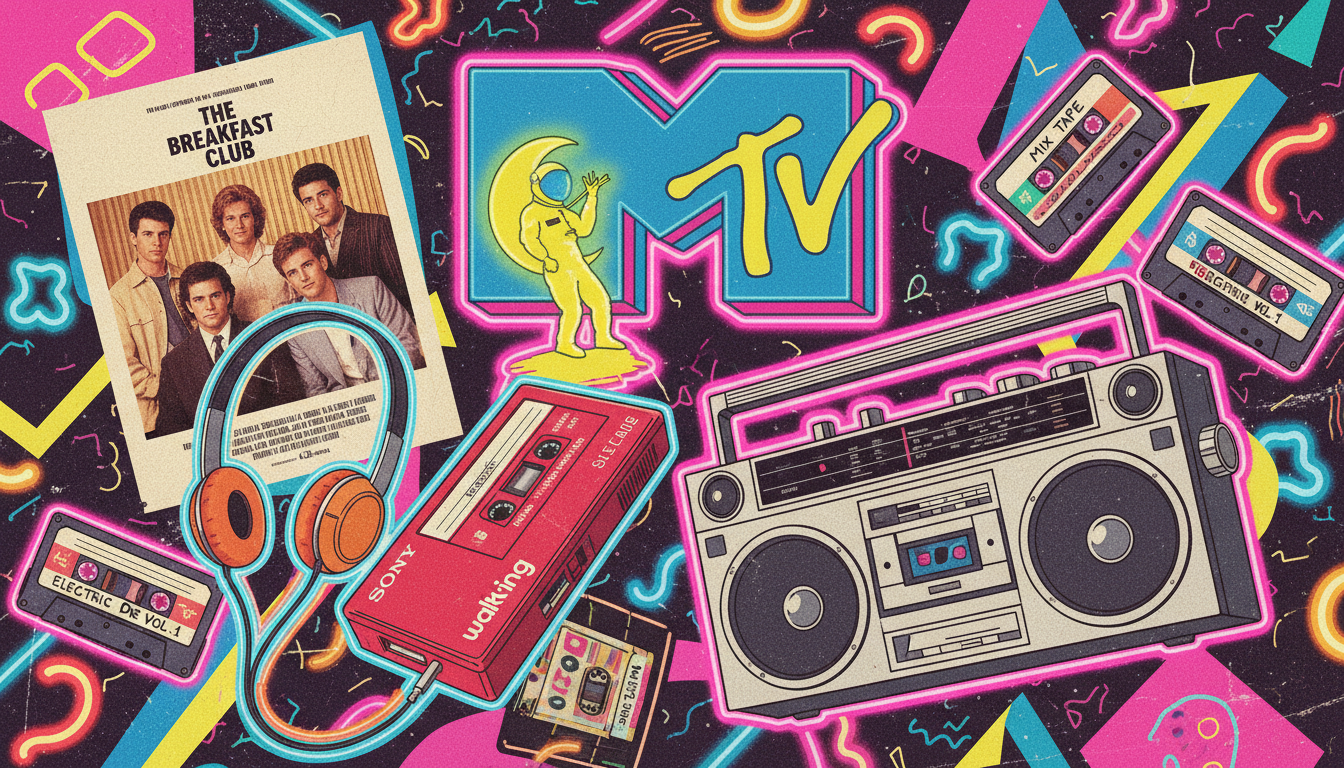
Generation X didn’t just consume pop culture—they lived through its most transformative explosion. The 1980s and early 1990s fundamentally changed how Americans experienced movies, music, and media. Gen X stood at the center of this revolution, absorbing influences that shaped their identity and worldview.
This cultural tsunami arrived through multiple channels simultaneously. John Hughes movies captured suburban teenage angst perfectly. MTV launched and changed music consumption forever. Hip hop emerged from New York streets to reshape American culture. Grunge exploded from Seattle and spoke to Gen X alienation. Summer blockbusters became cultural events.
The Big Screen: John Hughes and the Summer Blockbuster
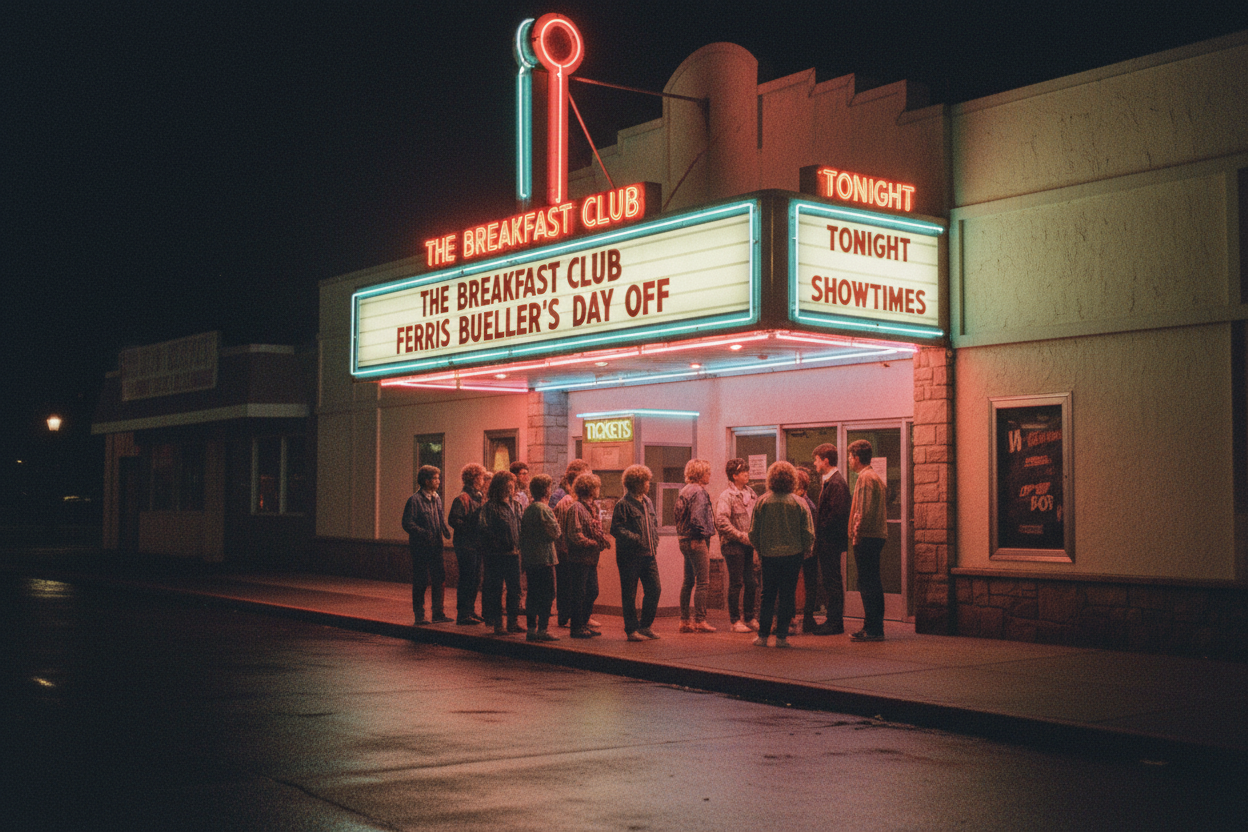
John Hughes understood Generation X teenagers better than any filmmaker before or since. His movies from 1984 to 1989 captured the authentic teenage experience without condescension or sanitization. “Sixteen Candles,” “The Breakfast Club,” “Weird Science,” “Ferris Bueller’s Day Off,” and “Pretty in Pink” became the definitive Gen X cinematic canon.
Hughes showed teenagers as complex people with real problems. Parents were absent or clueless. Authority figures were villains or jokes. Kids figured things out themselves. The messages resonated because they reflected Gen X reality. These weren’t fantasy escapes—they were mirrors showing Gen X their own lives.
Beyond Hughes, the 1980s birthed the modern summer blockbuster. Steven Spielberg and George Lucas pioneered the concept with “Jaws” and “Star Wars” in the late 1970s. But the 1980s perfected the formula. Gen X teenagers spent summers in dark theaters escaping into “E.T.,” “Back to the Future,” “Ghostbusters,” “Raiders of the Lost Ark,” and dozens more spectacular adventures.
The Soundtrack: From Disco to Hair Metal to Grunge
Generation X musical journey tracked through three distinct eras, each representing different phases of their development and cultural mood.
The Disco Decline and New Wave Rise
Early Gen Xers remember disco’s dominance in the late 1970s. But by 1980, disco died spectacularly. The infamous “Disco Demolition Night” at Comiskey Park in 1979 symbolized the cultural shift. Rock returned with vengeance, and new wave emerged from British post-punk scenes.
Bands like The Cars, Talking Heads, Blondie, and Devo created the new wave sound that dominated early 1980s. This music combined punk energy with electronic experimentation. MTV launched with The Buggles singing “Video Killed the Radio Star,” and new wave artists created the visual vocabulary for the video age.
Hair Metal and Mainstream Rock
By mid-1980s, hair metal dominated rock radio and MTV. Bands like Mötley Crüe, Def Leppard, Bon Jovi, Poison, and Guns N’ Roses sold millions of albums. Their music combined hard rock riffs with pop melodies and theatrical performances.
Gen X teenagers embraced hair metal’s rebellion and excess. The music videos featured everything parents hated—loud guitars, wild lifestyles, and aggressive sexuality. For suburban Gen X kids living latchkey lives, hair metal provided the soundtrack to their independence and teenage angst.
The Grunge Revolution

Then everything changed. Nirvana’s “Nevermind” dropped in September 1991, and within months, the cultural landscape transformed completely. Grunge emerged from Seattle and spoke directly to Gen X alienation, cynicism, and rejection of materialism.
Kurt Cobain became the unwilling voice of a generation. His music combined punk aggression with pop sensibility and deeply personal lyrics. Pearl Jam, Soundgarden, Alice in Chains, and dozens of other Seattle bands followed. The flannel-wearing, corporate-rejecting aesthetic perfectly matched Gen X’s independent spirit.
Grunge killed hair metal overnight. By 1992, bands that sold millions in 1989 couldn’t give away tickets. The cultural shift happened with remarkable speed. Gen X embraced the change because grunge authenticity felt real compared to hair metal’s theatrical excess.
Hip Hop’s Golden Era
While rock underwent its transformations, hip hop experienced its golden era during the late 1980s and early 1990s. Artists like Run-DMC, Public Enemy, N.W.A., A Tribe Called Quest, and Wu-Tang Clan created music that addressed social issues, urban reality, and Black American experience with unprecedented directness.
Many Gen Xers, regardless of background, embraced hip hop’s honesty and innovation. The music challenged mainstream narratives and questioned authority—values that resonated with latchkey kids who already viewed institutions skeptically. Hip hop’s influence extended beyond music into fashion, language, and cultural attitudes.
- Nirvana – Nevermind (1991)
- Pearl Jam – Ten (1991)
- Public Enemy – It Takes a Nation (1988)
- N.W.A. – Straight Outta Compton (1988)
- R.E.M. – Document (1987)
- The Smiths – The Queen Is Dead (1986)
- Guns N’ Roses – Appetite for Destruction (1987)
- Metallica – Master of Puppets (1986)
Defining Albums
- Kurt Cobain and Nirvana
- Eddie Vedder and Pearl Jam
- Chuck D and Public Enemy
- Ice Cube and N.W.A.
- Michael Stipe and R.E.M.
- Morrissey and The Smiths
- Axl Rose and Guns N’ Roses
- James Hetfield and Metallica
Breakthrough Artists
- Grunge killed hair metal overnight
- Hip hop challenged mainstream narratives
- Alternative rock became mainstream paradox
- MTV shaped visual music consumption
- Independent labels competed with majors
- Generation X found authentic voice
- Music videos became art form
- Corporate rock rejected publicly
Cultural Impact
MTV: How Music Television Changed Everything
MTV launched on August 1, 1981, with the prophetic words “Ladies and gentlemen, rock and roll” and The Buggles’ “Video Killed the Radio Star.” The cable channel revolutionized music consumption and became the defining media experience for Generation X.
Before MTV, music existed primarily as audio. Album covers provided visual context, and occasional concert footage appeared on television. But MTV made music inherently visual. Artists now needed compelling videos to succeed. Image became as important as sound.
The MTV Generation Identity
Generation X became known as the “MTV Generation” because the channel shaped their cultural literacy. MTV provided shared experience that unified diverse Gen Xers across the United States. Whether you lived in Los Angeles or rural Iowa, you watched the same videos and absorbed the same cultural messages.
The channel created new celebrities instantly. Michael Jackson’s “Thriller” video became cultural phenomenon. Madonna reinvented herself constantly through visual presentation. Prince combined music, fashion, and sexuality provocatively. These artists understood that MTV required more than good songs—it demanded complete artistic vision.
Beyond Music: MTV’s Cultural Programming
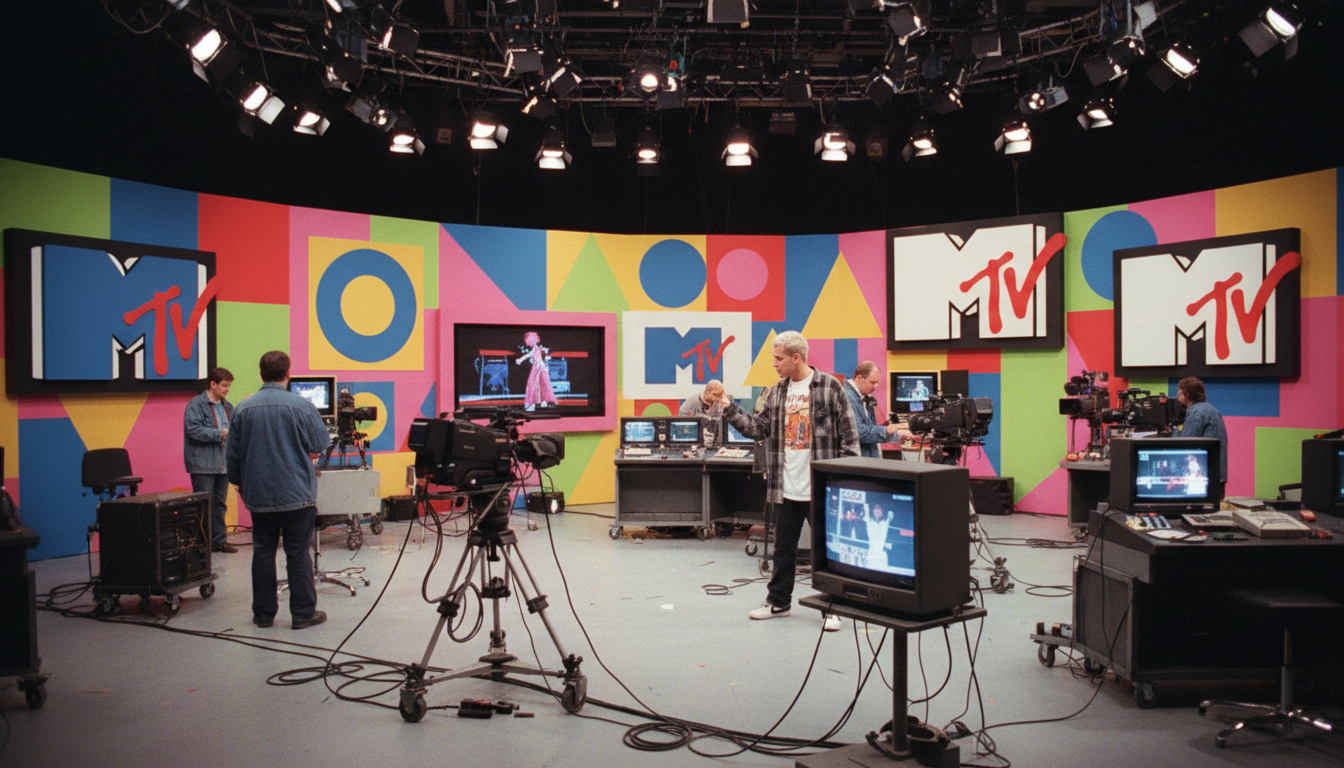
MTV expanded beyond music videos into original programming that resonated with Gen X sensibilities. “Remote Control” made game shows irreverent. “Beavis and Butt-Head” satirized Gen X slacker stereotypes while embodying them. “The Real World” pioneered reality television and addressed issues like AIDS, sexuality, and race directly.
These shows reflected Gen X values—skepticism toward authority, ironic distance from sincerity, and willingness to discuss taboo topics openly. MTV didn’t preach or lecture. It presented situations and let viewers decide. This approach matched Gen X’s preference for independence over guidance.
The Cultural Gatekeeping Power
MTV wielded enormous cultural power during the 1980s and early 1990s. The channel decided which artists achieved mainstream success. “Heavy rotation” could make careers. Exclusion meant obscurity for most acts. This gatekeeping created both opportunities and limitations.
Critics accused MTV of racial bias in early years. The channel initially resisted playing Black artists beyond Michael Jackson. Only after Jackson’s massive success did MTV expand representation. This controversy highlighted how cultural gatekeepers shaped Gen X worldview through inclusion and exclusion decisions.
Share This With Someone Who Spent Their Allowance at Sam Goody
If this brought back memories of recording songs off the radio onto cassette tapes, someone else needs to read it too. Help us remind the world that Gen X actually existed.
The Tech Bridge: Analog Childhood, Digital Adulthood

Generation X occupies unique position in technological history. They represent the last generation to experience childhood completely without internet, computers, or mobile phones. Yet they became the first generation to master digital technology in adulthood. This analog-to-digital bridge makes Gen X invaluable in the modern workforce.
Early Gen Xers remember life before cable television, VCRs, and personal computers. Late Gen Xers grew up with these technologies but still experienced fundamentally analog childhoods. All Gen Xers remember the transition moment when everything changed—when the internet arrived and transformed daily life completely.
The Analog Childhood Experience
Generation X childhood existed in the last era of pure analog technology. Information came from books, encyclopedias, and libraries. Research meant physical trips to library card catalogs. Communication happened through landline phones and handwritten letters. Entertainment came from three television channels, radio, and physical media like records and cassette tapes.
This analog environment taught patience and resourcefulness. Want to know something? Look it up in the encyclopedia or ask an adult. Want to watch a movie? Wait for it to air on television or rent it from the video store. Want to play a song? Buy the entire album or record it from the radio.
Pre-Internet Information Seeking
The pre-internet information landscape seems almost prehistoric to younger generations. Gen X students wrote research papers using physical encyclopedia sets, library card catalogs, and microfiche machines. The Dewey Decimal System wasn’t abstract concept—it was necessary life skill.
This information scarcity created different relationship with knowledge. Facts required verification through multiple sources. Research demanded time investment. Misinformation spread slower because publication created gatekeeping barriers. The internet democratized information access but also eliminated these quality control mechanisms.
The Digital Transition Era

The digital revolution arrived gradually for Generation X. Personal computers entered homes slowly throughout the 1980s. The Commodore 64, Apple II, and IBM PC brought computing to consumers, but most families didn’t own computers until the late 1980s or early 1990s.
Gen Xers remember when schools first got computer labs. They learned BASIC programming and played Oregon Trail on Apple IIe machines. They typed papers on word processors that seemed magical compared to typewriters. They watched technology evolve from curiosity to necessity during their formative years.
The Internet Revolution
The internet changed everything. Early adopters connected via dial-up modems in the mid-1990s. The screech of modems connecting became the sound of the future arriving. Email replaced letters. Instant messaging replaced phone calls. Web browsers opened infinite information access.
Generation X adapted to internet technology with remarkable speed. Unlike Baby Boomers, who often struggled with digital adoption, Gen X embraced the change. Unlike Millennials, who never knew life without internet, Gen X understood both worlds and could translate between them.
This adaptability came from Gen X’s independent childhood training. They’d already learned to figure things out themselves. New technology just meant new problems to solve. No instruction manual? Figure it out. Software crashing? Troubleshoot it. Internet slow? Optimize it. The self-reliance learned in empty latchkey homes transferred perfectly to navigating digital frontiers.
Technological Literacy and Workplace Value
Generation X’s bridge position between analog and digital worlds creates unique workplace value. They understand business processes that predate computers while excelling at digital implementation. They can communicate with both Boomer executives and Millennial programmers fluently.
This technological bilingualism makes Gen X perfect for leadership roles requiring both strategic vision and tactical execution. They remember how things worked before computers but can imagine how technology might improve processes. They combine institutional knowledge with innovation capacity.
Analog Skills Retained
Despite digital fluency, Generation X maintains valuable analog skills that purely digital generations lack. These capabilities create backup systems and alternative problem-solving approaches.
- Reading physical maps and navigating without GPS
- Using libraries and physical research resources effectively
- Handwriting legibly and taking organized notes
- Face-to-face communication without digital mediation
- Troubleshooting without instant online solutions
- Mental arithmetic without calculator dependence
- Using phone directories and reference books
- Operating manual equipment and analog systems
Gaming: From Arcades to Home Consoles
Generation X grew up during video gaming’s evolution from arcade novelty to cultural phenomenon. Early Gen Xers pumped quarters into “Pac-Man” and “Space Invaders” at arcades. They experienced the Atari 2600 crash and the Nintendo resurrection. They navigated pixelated worlds before graphics approached photorealism.
The Nintendo Entertainment System launched in the United States in 1985 and changed home entertainment forever. Gen X kids saved Princess Peach, explored Hyrule, and trained with Mike Tyson. These shared gaming experiences created common cultural touchstones across diverse backgrounds.
As technology improved, gaming evolved with Gen X. Sega Genesis brought “Sonic the Hedgehog” and “Mortal Kombat.” Super Nintendo delivered “Super Mario World” and “The Legend of Zelda: A Link to the Past.” By the time PlayStation launched in 1995, Gen X young adults drove gaming into mainstream acceptance.
Social Media Adoption and Skepticism

Generation X approached social media with characteristic skepticism. They joined Facebook when it expanded beyond college students in the mid-2000s. They experimented with Twitter, LinkedIn, and Instagram. But their adoption pattern differed significantly from younger generations.
Gen X tends to use social media more selectively than Millennials or Gen Z. They maintain privacy consciousness developed before internet oversharing became normalized. Many Gen Xers limit posts, curate friend lists carefully, and avoid performative social media behavior that feels inauthentic.
This measured approach reflects Gen X’s analog childhood lessons about privacy and boundaries. They remember when personal information stayed personal. They watched early internet users learn harsh lessons about digital permanence. Their natural skepticism toward trends protected them from social media’s worst impulses.
The Oregon Trail Generation
A micro-generation born roughly 1977-1983 sometimes identifies as “The Oregon Trail Generation” or “Xennials.” These individuals experienced both Gen X latchkey independence and Millennial digital connectivity. They played Oregon Trail on school computers, remember life before internet, but adapted to digital technology as teenagers rather than adults. This tiny cohort represents the perfect technological bridge position.
You’ve Made It This Far. Impressive.
Most people’s attention span died somewhere around the time MTV stopped playing music videos. Join other Gen Xers who actually finish what they start. Monthly updates. Zero corporate nonsense.
Work and Wealth: The Sandwich Generation Reality

Generation X earned the “slacker” label in the 1990s thanks to Douglas Coupland’s novel and Richard Linklater’s film “Slacker.” The stereotype portrayed Gen Xers as apathetic, unmotivated, and allergic to traditional career paths. This characterization was spectacularly wrong.
The reality? Generation X works harder than previous generations while caring for both aging parents and their own children simultaneously. They pioneered work-life balance concepts because they had to. They questioned corporate loyalty because corporations taught them loyalty was one-directional. They built successful careers despite inheriting recessions, corporate downsizing, and economic instability.
The “Slacker” Myth Debunked
The slacker stereotype emerged during the early 1990s recession when Gen X young adults struggled to find employment matching their education levels. College graduates worked retail jobs and waited tables. They lived with roommates well into their thirties. They delayed marriage, homeownership, and children longer than previous generations.
Critics interpreted these patterns as laziness or lack of ambition. The truth was economic necessity. Gen X entered the workforce during recession. They graduated with student debt into job markets offering few career opportunities. They watched corporations downsize and eliminate pension plans. They learned early that traditional career paths no longer guaranteed security.
Rather than slackers, Gen X proved remarkably resilient and innovative. They created startup companies, launched internet businesses, and built the digital economy. They questioned corporate structures that wasted time and rewarded presenteeism over productivity. They demanded flexibility because rigid schedules conflicted with caregiving responsibilities.
Multiple Recessions and Economic Challenges
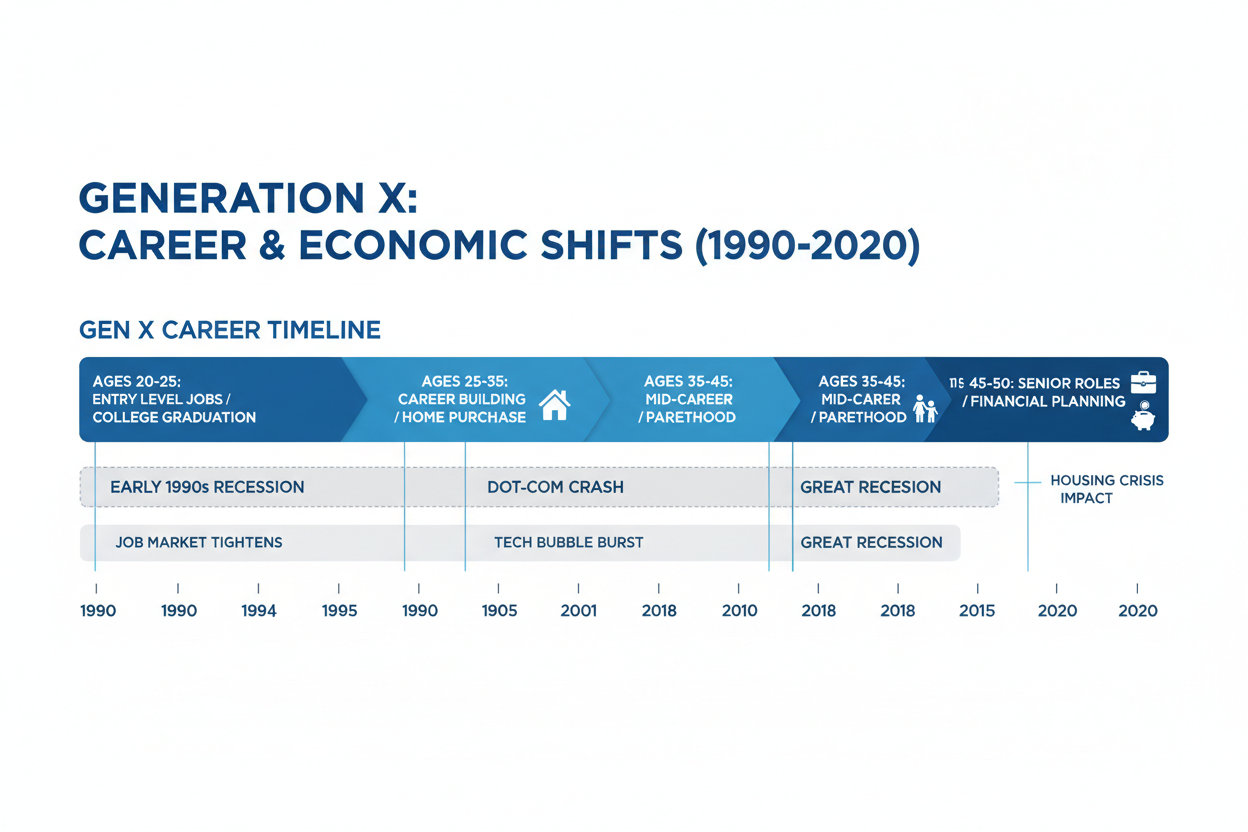
Generation X experienced more economic downturns during their working years than any generation since the Great Depression cohort. They endured the early 1990s recession just as they entered the workforce. The dot-com crash in 2001 destroyed retirement savings and eliminated jobs. The Great Recession in 2008 devastated Gen X wealth during their peak earning years.
Each recession arrived at critical life stages. The 1990s downturn delayed career launches. The 2001 crash hit when Gen Xers were buying homes and starting families. The 2008 crisis destroyed home equity and retirement accounts when Gen X was supposed to be accumulating wealth for later life.
These repeated economic shocks shaped Gen X financial attitudes. They learned not to trust corporate promises or count on institutional stability. They developed multiple income streams and side hustles before gig economy became trendy. They saved aggressively because they knew recessions would keep coming.
Student Debt and Education Costs
Generation X pioneered the student debt crisis that exploded for Millennials. College costs increased dramatically during the 1980s and 1990s. Federal financial aid shifted from grants to loans. By the time late Gen Xers attended college in the late 1990s, student debt had become standard expectation.
Many Gen Xers still carry student debt into their fifties. They watched college transform from affordable public good to expensive private investment. They encouraged their own children to consider education costs carefully because they learned harsh lessons about debt burden.
The Sandwich Generation Squeeze
Generation X faces unique caregiving pressures that define their current life stage. They care for aging Baby Boomer parents while still supporting their own Millennial and Gen Z children. This “sandwich generation” position creates financial and emotional strain that compounds work responsibilities.
Many Gen Xers provide financial support to adult children struggling with student debt, high housing costs, and difficult job markets. Simultaneously, they manage aging parent care as Boomers face health issues and retirement challenges. Some Gen Xers support both generations while their own retirement savings suffer.
| Challenge Area | Impact on Gen X | Percentage Affected | Financial Strain |
| Elder Care Responsibilities | Managing aging parent medical and daily needs | 47% | $7,000-$15,000 annually |
| Adult Child Support | Financial assistance for housing and debt | 53% | $5,000-$10,000 annually |
| Retirement Savings Delay | Unable to maximize retirement contributions | 68% | $50,000-$150,000 lifetime |
| Work-Life Balance Pressure | Managing career and dual caregiving duties | 71% | Career advancement impact |
| Healthcare Costs | Managing insurance for multiple generations | 82% | $8,000-$20,000 annually |
Work-Life Balance Pioneers
Generation X invented work-life balance before the phrase became corporate buzzword. They questioned why people spent more time at offices than with families. They rejected the Boomer model of defining identity through career. They prioritized flexibility over face-time and results over hours logged.
This approach earned criticism from older generations who viewed it as lack of commitment. But Gen X understood something Boomers didn’t—spending sixty hours weekly at the office didn’t make you more productive. It just made you exhausted and absent from family life.
Technology enabled Gen X work-life balance innovations. Email and internet meant work could happen anywhere. Gen Xers demonstrated that remote work succeeded long before COVID-19 forced the issue. They proved productivity came from output, not office presence.
Current Workforce Position and Leadership

Today, Generation X occupies crucial middle management and executive positions. They bridge the gap between retiring Boomer leaders and ascending Millennial managers. Their technological fluency combined with business experience makes them valuable organizational assets.
Many Gen X leaders focus on practical results over symbolic gestures. They cut unnecessary meetings. They eliminate performative work. They trust employees to manage their own time. Their leadership style reflects their independent upbringing—give people autonomy and hold them accountable for results.
However, Gen X faces leadership challenges too. They comprise a smaller cohort than Boomers or Millennials, creating succession gaps in some organizations. Some Gen Xers feel overlooked as companies promote younger workers or retain older executives longer. The middle child syndrome persists in corporate hierarchies.
Entrepreneurship and Innovation
Generation X launched many of the most successful internet companies and technology innovations. While Boomers get credit for earlier tech developments and Millennials dominate recent startup narratives, Gen X built the digital infrastructure everyone uses.
Gen X entrepreneurs include Elon Musk, Jeff Bezos, Larry Page, Sergey Brin, and countless others who transformed industries. They combined technological understanding with business acumen. They took risks because traditional employment offered limited security anyway.
The entrepreneurial spirit extends beyond famous founders. Many Gen Xers built small businesses, freelance careers, and consulting practices. They created portfolio careers mixing multiple income sources. They proved that success didn’t require traditional corporate ladder climbing.
Gen X Wealth Statistics
Generation X controls approximately $29 trillion in household wealth in the United States, roughly twenty-nine percent of total household wealth. However, this wealth distributes unevenly. The top ten percent of Gen X households hold most assets, while many Gen Xers struggle with debt and insufficient retirement savings. Median Gen X household wealth remains lower than what Baby Boomers held at similar ages, adjusted for inflation.
The Legacy: What Generation X Leaves Behind

Generation X won’t dominate headlines like Baby Boomers or capture marketing attention like Millennials. They’ll continue being the forgotten middle child, and honestly, that’s fine with them. “Whatever” remains the perfect Gen X response to being overlooked.
But ignoring Gen X contributions misses their profound cultural impact. They transformed skepticism from character flaw to survival skill. They proved work-life balance wasn’t selfish but sustainable. They built digital infrastructure everyone now takes for granted. They demonstrated resilience through multiple economic disasters.
Skepticism as Cultural Contribution
Generation X normalized questioning authority, challenging institutions, and demanding transparency. This skepticism emerged from watching parents divorce, companies downsize, and governments lie. Watergate, Iran-Contra, and corporate scandals taught Gen X that official narratives deserved scrutiny.
This critical thinking approach now seems obvious. Media literacy, fact-checking, and institutional skepticism are standard expectations. But Gen X pioneered these attitudes when questioning authority still seemed rebellious rather than prudent.
The cynicism that critics mocked as negative actually protected Gen X from many modern problems. They approached social media skeptically rather than sharing everything instantly. They questioned marketing messages rather than believing corporate promises. They maintained privacy boundaries rather than publicizing their entire lives.
Work-Life Balance Revolution
Before Generation X, work consumed identity. Baby Boomers lived to work, defining themselves through career achievement. Gen X questioned this model and asked uncomfortable questions. Why should work dominate life? Why measure worth through job titles? Why sacrifice family time for corporate success?
These questions seemed radical in the 1990s. Today they’re mainstream. Flexible work arrangements, remote employment, and work-life balance are standard expectations largely because Gen X demonstrated their viability. They proved that working differently didn’t mean working less effectively.
The COVID-19 pandemic vindicated Gen X work philosophy completely. When companies worldwide shifted to remote work, Gen X adapted seamlessly. They’d already proven that location independence worked. They’d already established productivity metrics beyond office presence. Younger generations followed the path Gen X carved decades earlier.
The “Whatever” Attitude and Resilience

The word “whatever” encapsulates Generation X philosophy perfectly. It signals both disengagement and acceptance. It means “I don’t care” and “I’ll handle it” simultaneously. This apparent contradiction reflects Gen X reality—they learned to care deeply about what matters while dismissing what doesn’t.
This attitude isn’t apathy. It’s prioritization. Gen X figured out early that you can’t control everything. You can’t fix every problem. You can’t please everyone. So you focus energy on what actually matters and respond “whatever” to the rest.
This philosophy built remarkable resilience. Gen X survived latchkey childhoods, multiple recessions, corporate betrayals, and constant demographic invisibility. They kept moving forward because “whatever” meant accepting reality while refusing to quit.
Parenting Philosophy and Impact
Generation X parents consciously rejected both their own latchkey childhoods and helicopter parenting extremes. They aimed for middle ground—involved without hovering, protective without smothering, supportive without solving every problem.
Gen X parents emphasize independence training while maintaining safety nets. They let kids experience consequences while preventing disasters. They encourage self-reliance while providing support. This balanced approach attempts to give their children both freedom and security that Gen X lacked.
The effectiveness of Gen X parenting remains debated. Some argue they’re too permissive, letting kids avoid necessary struggles. Others suggest they’re too involved, preventing natural independence development. Likely the truth varies by family, as parenting success always does.
Cultural and Technological Bridge
Generation X’s most lasting legacy may be their bridge function between analog and digital worlds. They translate between generations who grew up in fundamentally different technological environments. They remember how things worked before computers while innovating digital solutions.
This bridge role extends beyond technology into cultural translation. Gen X understands Boomer references and values while connecting with Millennial and Gen Z perspectives. They mediate generational conflicts because they speak both languages fluently.
As Boomers retire and Millennials assume leadership, Gen X provides crucial institutional knowledge and transition guidance. They ensure that organizational memory persists while embracing necessary changes. This quiet facilitation rarely receives recognition but makes organizations function smoothly.
Lasting Contributions
- Normalized institutional skepticism and critical thinking
- Pioneered work-life balance as standard expectation
- Built internet infrastructure and digital economy foundations
- Demonstrated resilience through multiple economic crises
- Translated between analog and digital technological eras
- Created independent media and alternative cultural channels
- Questioned corporate loyalty and employment norms
- Maintained privacy awareness in digital age
Ongoing Challenges
- Managing sandwich generation caregiving responsibilities
- Insufficient retirement savings from multiple recessions
- Career advancement limitations from smaller cohort size
- Continued demographic invisibility in cultural narratives
- Work-life balance pressures from dual caregiving roles
- Healthcare costs for aging without adequate planning
- Supporting adult children during economic difficulties
- Maintaining relevance as younger generations advance
The Forgotten Generation Paradox
Generation X remains overlooked in cultural conversations despite significant contributions. Media coverage jumps from Boomer analysis to Millennial trends, skipping Gen X entirely. Marketing campaigns target older and younger demographics while ignoring the middle. Political discussions focus on Boomer politicians and Millennial voters, treating Gen X as invisible.
This invisibility frustrates some Gen Xers but amuses others. Being forgotten means freedom from scrutiny. Nobody writes think pieces criticizing Gen X avocado toast consumption or complaining about Gen X entitlement. They operate below the cultural radar, which has advantages.
The paradox is that Gen X shaped many aspects of modern culture while receiving minimal credit. They pioneered attitudes and innovations that others now take for granted. They proved that middle children can succeed without needing constant attention or validation.
Join the Middle Child Generation Club
Or don’t. We’re used to being ignored anyway. But if you want occasional updates on Gen X culture, nostalgia trips, and reminders that we actually existed, sign up below. No pressure. Whatever.
Gen X Glossary: The Language of a Generation

Generation X created and popularized language that younger generations now use without knowing the origin. These terms emerged from specific cultural contexts—surf culture, hip hop, punk rock, Valley Girl speak—and spread through MTV, movies, and music to become part of mainstream American vocabulary.
Radical / Rad
Meaning: Extremely cool, awesome, impressive
Origin: Surf and skateboard culture of the 1980s
Usage: “That kickflip was totally radical, dude!”
Whatever
Meaning: Dismissive response indicating indifference or resignation
Origin: Valley Girl speak popularized in the 1980s
Usage: “You don’t like my outfit? Whatever.”
Gnarly
Meaning: Difficult, challenging, or dangerously cool
Origin: Surf culture describing dangerous waves
Usage: “That skateboard trick was gnarly!”
Selling Out
Meaning: Compromising artistic integrity for commercial success
Origin: Punk and alternative music culture
Usage: “They sold out when they signed to a major label.”
As If
Meaning: Expression of disbelief or rejection
Origin: Popularized by movie “Clueless” in 1995
Usage: “He thinks I’ll go out with him? As if!”
Talk to the Hand
Meaning: Dismissive gesture indicating someone should stop talking
Origin: 1990s pop culture and music videos
Usage: Used while holding hand up toward person’s face
All That and a Bag of Chips
Meaning: Someone who thinks highly of themselves, or actually is impressive
Origin: 1990s hip hop and youth culture
Usage: “She thinks she’s all that and a bag of chips.”
My Bad
Meaning: Acknowledgment of personal mistake or fault
Origin: Basketball culture and hip hop in the 1980s
Usage: “I forgot to call you back. My bad.”
Phat
Meaning: Excellent, cool, attractive (Pretty Hot And Tempting)
Origin: Hip hop culture in the 1990s
Usage: “Those shoes are phat!”
Word
Meaning: Agreement, affirmation, or “I agree”
Origin: Hip hop and urban culture
Usage: “You think that’s wrong? Word.”
Da Bomb
Meaning: The best, excellent, amazing
Origin: 1990s hip hop and youth slang
Usage: “This pizza is da bomb!”
Duh
Meaning: Expression indicating something is obvious
Origin: Valley Girl speak in the 1980s
Usage: “It’s raining? Duh, I can see that.”
Download the Complete Gen X Glossary
Get the full PDF guide with over fifty Generation X terms, their origins, cultural context, and proper usage examples. Perfect for Millennials trying to understand their parents or Gen Xers wanting to prove they actually invented this stuff first.
Top 10 Quintessential Gen X Artifacts

These physical objects defined Generation X childhood and adolescence. They represent specific technological eras and cultural moments. Younger generations encounter them in museums or vintage stores. Gen Xers remember using them daily.

1. The Walkman
Sony’s portable cassette player revolutionized personal music consumption. Gen Xers walked to school, rode buses, and mowed lawns while listening to mixed tapes on their Walkmans. The device provided private soundtracks to daily life, creating individual music bubbles years before earbuds.
The Walkman also introduced the mixtape culture. Creating the perfect mixtape required skill—sequencing songs, timing to avoid cutting off endings, recording from radio or albums, and decorating the case with elaborate artwork. Giving someone a mixtape communicated deeper meaning than streaming a playlist ever could.

2. Cassette Tapes
Cassette tapes represented Gen X music format throughout the 1980s and into the 1990s. They recorded songs from radio, created mixtapes for friends and crushes, and stored in giant carrying cases or shoeboxes. The technology seems primitive now but felt revolutionary then.
Cassettes required physical interaction—rewinding, fast-forwarding, flipping sides, replacing broken tape with pencils. This tactile relationship with music created appreciation that digital formats lost. Songs had physical presence beyond data files.
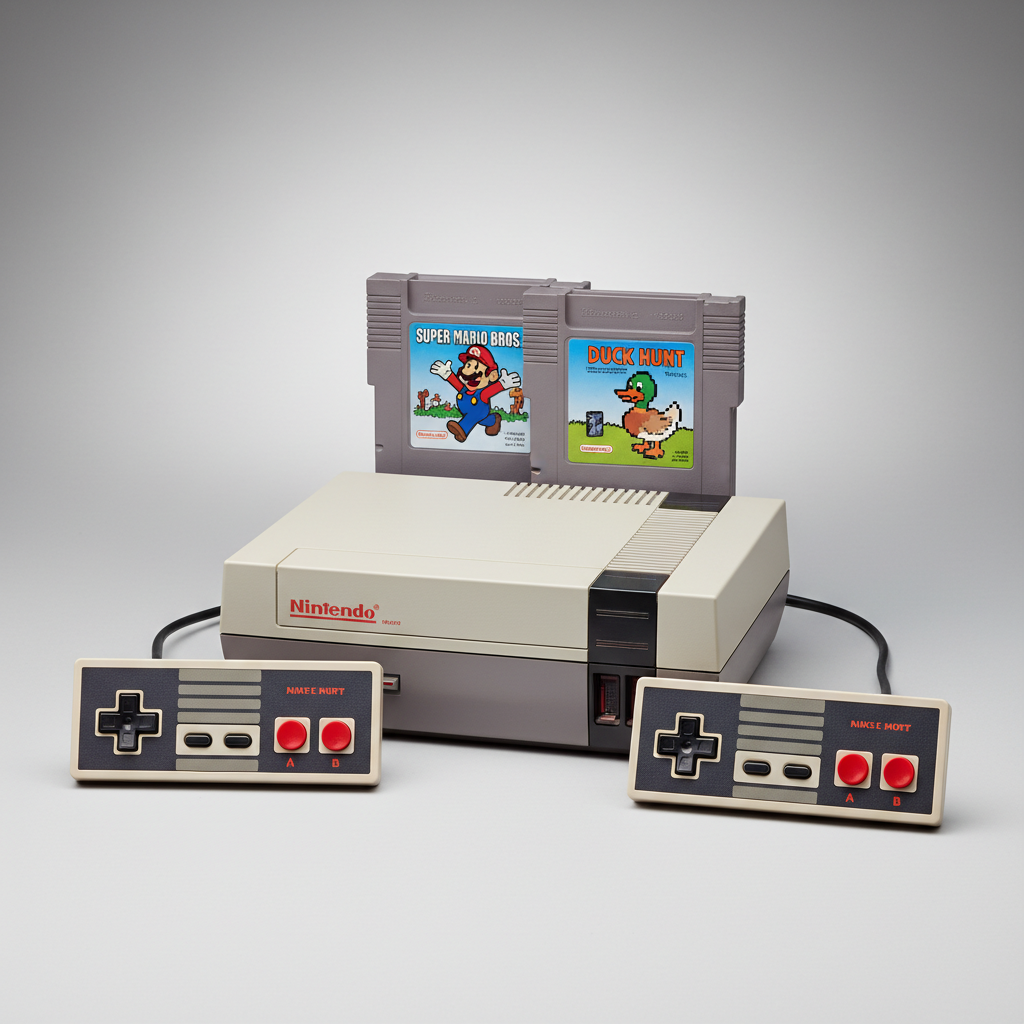
3. Nintendo Entertainment System
The NES saved home video gaming after the 1983 crash and defined Gen X gaming culture. Released in the United States in 1985, Nintendo brought Mario, Zelda, Metroid, and countless other franchises into American homes. Gen Xers spent countless hours mastering difficult games without online guides or walkthroughs.
NES games required persistence and pattern memorization. No save points meant replaying levels repeatedly. Limited continues meant mastering early sections to reach later stages. This difficulty taught problem-solving and resilience that translated beyond gaming.
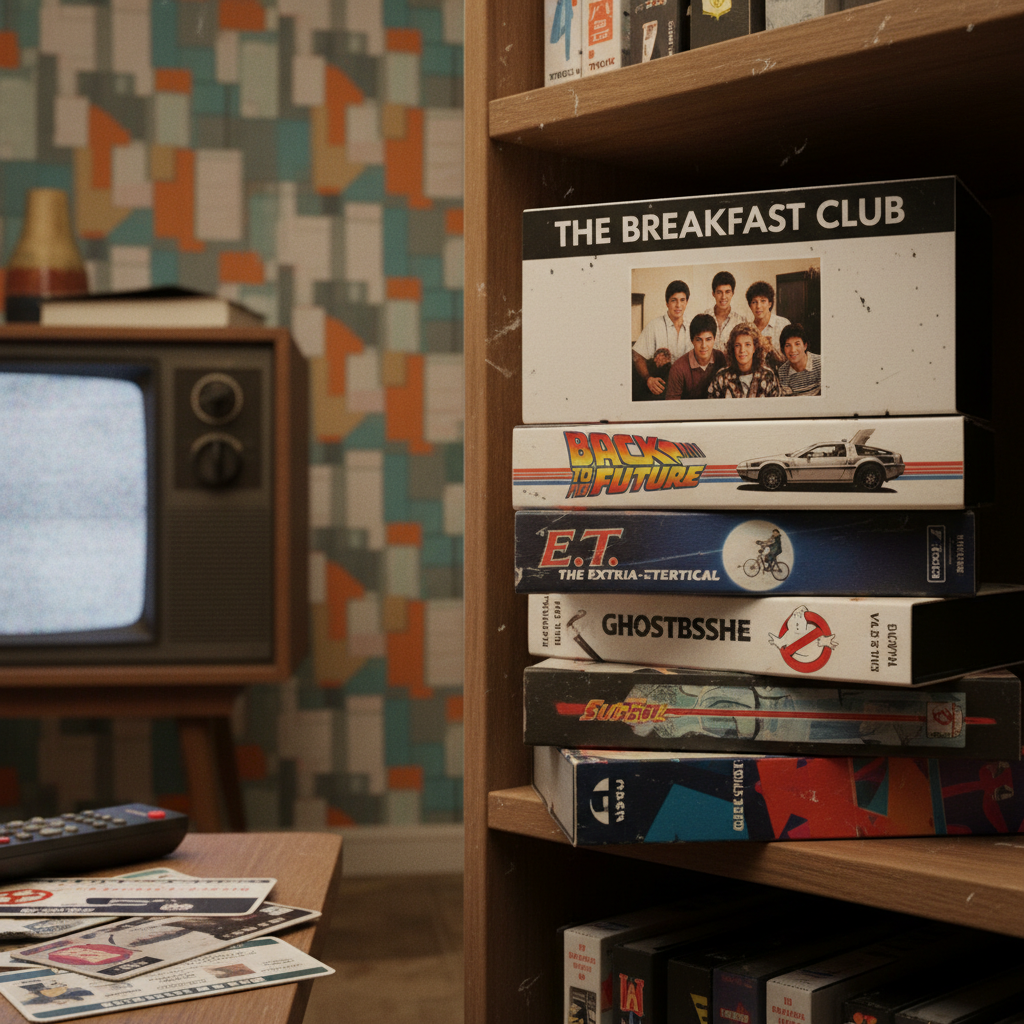
4. VHS Tapes
VHS tapes brought movies home. Blockbuster Video became Friday night destination. Families rented movies, made popcorn, and watched together. Owning movies meant accumulating VHS collections that required significant shelf space.
VHS introduced home recording capability. Gen Xers recorded favorite shows and movies from television, building libraries of content. They fast-forwarded through commercials and rewound favorite scenes. The “Be Kind Rewind” stickers on rental tapes represented pre-digital courtesy.

5. Trapper Keeper
The Trapper Keeper represented peak school supply sophistication for Gen X students. These three-ring binders with interior folders and velcro closures came in countless designs—geometric patterns, sports themes, and pop culture imagery. Choosing your Trapper Keeper design made important identity statement.
The Trapper Keeper organized school life. Papers trapped in folders, pencil pouches velcroed inside, and the satisfying rip sound of opening became daily rituals. Teachers sometimes banned them for being too large or distracting, which made them even more desirable.

6. Rotary Phone
Early Gen Xers grew up with rotary phones attached to kitchen walls or sitting on end tables. Dialing required inserting finger in hole and rotating dial, then waiting as it clicked back. Long phone numbers took time to dial, and mistakes meant starting over completely.
Rotary phones connected families and friends through dedicated effort. No caller ID meant answering without knowing who called. Busy signals meant trying again later. Party lines in rural areas required sharing phone service with neighbors, making private conversations challenging.
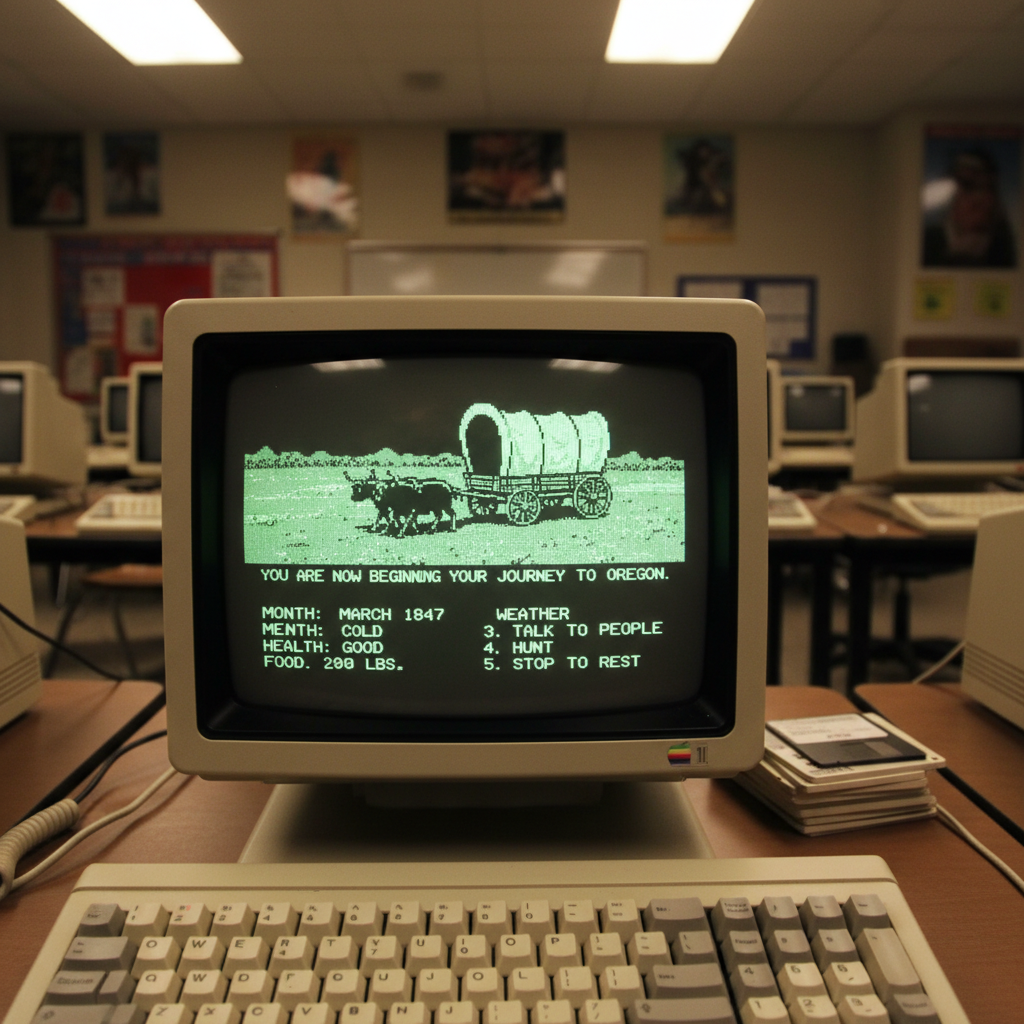
7. Oregon Trail Game
The Oregon Trail defined educational computing for Generation X. This game taught American history through digital simulation of pioneer travel. Students made decisions about food supplies, river crossings, and hunting while watching their virtual families potentially die from dysentery.
Playing Oregon Trail in school computer labs became cherished memory. The game balanced education with entertainment, teaching resource management and decision consequences. The infamous death messages became pop culture references that persist decades later.

8. Boom Box
Boom boxes provided portable music in pre-iPod era. These large portable stereos sat on shoulders, played at parks, and provided soundtracks for breakdancing battles. The bigger the boom box, the more status it conferred. Carrying massive stereos demonstrated both music taste and physical strength.
Boom boxes featured dual cassette decks for recording mixtapes, AM/FM radio for discovering new music, and impressive bass that could be heard blocks away. They required numerous D batteries, creating constant expense, but delivered public music experience that personal devices couldn’t match.

9. Pagers / Beepers
Pagers represented cutting-edge communication technology in the 1990s. These small devices received numeric messages that users decoded. “911” meant emergency. “143” meant “I love you.” Phone numbers meant call someone back from the nearest payphone.
Pagers created delayed communication that now seems impossibly slow. Receiving page meant finding phone to return call. Important conversations couldn’t happen instantly. This delay built anticipation and made communication more intentional than constant connectivity allows.

10. Encyclopedia Set
Encyclopedia Britannica and World Book sets represented major family investments. These multi-volume reference books provided information for homework, settled arguments, and supported general knowledge seeking. Families displayed them prominently in living rooms or dens, demonstrating commitment to education.
Using encyclopedias required locating correct volume, finding alphabetical entry, and reading sometimes outdated information. Annual yearbooks updated major events. This physical information system taught research skills and information literacy that transferred to digital environments.
Frequently Asked Questions About Generation X
Why is Generation X called the forgotten generation?
Generation X earned the “forgotten generation” label because they’re sandwiched between two larger, more culturally dominant cohorts. Baby Boomers dominated media and politics throughout Gen X’s formative years. Then Millennials captured marketing attention and cultural focus with their larger numbers and digital nativity.
Media coverage and political discussions frequently jump from Boomer analysis to Millennial trends, skipping Gen X entirely. This demographic invisibility frustrates some Gen Xers but amuses others who appreciate operating below the cultural radar without constant scrutiny.
What birth years define Generation X?
Generation X typically includes individuals born between 1965 and 1980. Some demographic researchers adjust these dates slightly, with ranges from 1961-1981 or 1964-1979. The most commonly accepted definition uses 1965-1980, creating a fifteen-year cohort of approximately 65 million people in the United States.
The exact boundaries matter less than the shared experiences that unite Gen Xers—latchkey childhoods, MTV culture, analog-to-digital transition, and coming of age during the 1980s and early 1990s economic and cultural shifts.
What makes Generation X different from Baby Boomers and Millennials?
Generation X differs fundamentally in their independent upbringing and skeptical worldview. Unlike Baby Boomers who grew up in post-war prosperity with stay-at-home mothers, many Gen Xers experienced latchkey childhoods with both parents working. Unlike Millennials who received constant parental attention and structured activities, Gen Xers entertained themselves with minimal supervision.
This independence shaped Gen X psychology. They developed self-reliance, skepticism toward authority, and appreciation for work-life balance. They bridge analog and digital worlds, understanding both pre-internet and modern technological environments. Their middle position between larger generations created unique perspectives and adaptive capabilities.
Are Gen Xers really slackers?
No. The “slacker” stereotype emerged from Douglas Coupland’s novel “Generation X: Tales for an Accelerated Culture” and Richard Linklater’s film “Slacker” during the early 1990s recession. Young Gen Xers struggled to find employment matching their education, leading critics to label them unmotivated.
Reality proved different. Generation X works hard while prioritizing work-life balance. They launched internet companies, built digital infrastructure, and created startup culture. They questioned corporate loyalty because corporations taught them that loyalty was one-directional. Far from slackers, Gen Xers demonstrated resilience through multiple economic crises while caring for both aging parents and their own children.
What is the sandwich generation?
The “sandwich generation” refers to people caring for both aging parents and their own children simultaneously. Generation X predominantly fills this role currently. Approximately forty-seven percent of Gen Xers in their forties and fifties provide financial or caregiving support to aging parents while many also support adult children financially.
This dual caregiving responsibility creates significant financial and emotional strain. Gen Xers manage aging parent medical needs, provide housing or financial assistance to adult children struggling with student debt and high living costs, while trying to maintain their own careers and retirement savings. This sandwich position defines Gen X’s current life stage and challenges.
How did MTV influence Generation X?
MTV fundamentally shaped Generation X cultural literacy and worldview. Launching in 1981, the cable channel made music inherently visual and created shared national experience that unified diverse Gen Xers. Artists needed compelling videos to succeed, changing how music was consumed and understood.
Beyond music, MTV programming addressed controversial topics directly. Shows like “The Real World” discussed AIDS, sexuality, and race when other media avoided these subjects. MTV’s irreverent tone matched Gen X skepticism toward authority. The channel provided cultural education that schools and parents didn’t offer, making it central to Gen X identity formation.
What is Generation X’s relationship with technology?
Generation X uniquely bridges analog and digital technological eras. They experienced childhood completely without internet, personal computers, or mobile phones. They remember rotary phones, card catalogs, and encyclopedia sets. Yet they mastered digital technology in adulthood, building much of the internet infrastructure everyone uses today.
This dual fluency makes Gen X valuable in workplaces and families. They translate between Baby Boomers who struggle with technology adoption and Millennials who never knew life before internet. They understand both how things worked pre-computers and how technology can improve processes. This technological bilingualism positions Gen X as crucial bridge generation.
Why does Generation X value work-life balance?
Generation X pioneered work-life balance concepts because their latchkey childhoods taught them that constant work meant absent parents. They watched Baby Boomer parents prioritize careers over family time, leading to high divorce rates and limited parent-child connection. Gen X decided this model didn’t work.
Additionally, corporate downsizing in the 1990s taught Gen X that loyalty wasn’t reciprocated. Companies eliminated positions and pensions without regard for employee dedication. Gen X learned to prioritize family and personal life because employers wouldn’t prioritize their wellbeing. They proved that flexible work arrangements and results-focused productivity succeeded better than presenteeism.
What cultural impact did Generation X have?
Generation X normalized institutional skepticism, built digital economy infrastructure, and pioneered work-life balance philosophy. They questioned authority when doing so still seemed rebellious. They created alternative media channels and independent cultural production. They combined punk DIY ethics with technological innovation.
Gen X launched many transformative internet companies, developed critical media literacy skills now considered essential, and demonstrated that success didn’t require traditional corporate ladder climbing. Their cynicism protected them from many modern problems like social media oversharing. Their contributions often go unrecognized, but they fundamentally shaped how younger generations approach work, technology, and institutional relationships.
How many Generation X members are there?
Approximately 65 million Generation X individuals live in the United States, representing about twenty percent of the total population. This smaller cohort size compared to Baby Boomers (76 million) and Millennials (72 million) contributes to their demographic invisibility and “forgotten generation” status.
The smaller numbers created both challenges and advantages. Gen X faced less competition for college admissions and entry-level jobs than larger generations. However, their reduced political influence and marketing appeal meant less cultural attention and policy focus on their specific needs and concerns.
What defines the latchkey kid experience?
Latchkey kids let themselves into empty homes after school using keys worn around necks or kept in pockets. They fixed their own snacks, completed homework without help, and entertained themselves until parents returned from work. This daily independence shaped Generation X self-reliance and resilience.
The latchkey experience resulted from economic necessity as both parents entered the workforce during the 1970s and 1980s. Divorce rates doubled, creating many single-parent households. Affordable childcare didn’t exist at scale. Children adapted by learning independence earlier than previous generations, developing problem-solving skills and self-sufficiency that defined Gen X character.
What music defined Generation X?
Generation X musical journey progressed from new wave in the early 1980s through hair metal mid-decade, culminating in grunge’s explosion in the early 1990s. Simultaneously, hip hop’s golden era provided soundtrack to urban Gen X experience. Bands like Nirvana, Pearl Jam, Public Enemy, N.W.A., R.E.M., and Guns N’ Roses captured different aspects of Gen X identity.
Grunge particularly resonated because it spoke to Gen X alienation and rejection of materialism. Kurt Cobain became the reluctant generational voice. The music combined punk aggression with pop sensibility and deeply personal lyrics that matched Gen X’s introspective, skeptical worldview. MTV made all these musical movements visual, creating complete cultural experience beyond just audio.
The Enduring Legacy of the Middle Child Generation

Generation X continues navigating life with the same independent spirit and skeptical worldview that defined their childhood. They manage sandwich generation responsibilities while maintaining careers. They translate between technological and cultural eras. They operate below mainstream radar while shaping critical aspects of modern life.
History will eventually recognize Gen X contributions more fully. Their pioneering of work-life balance, institutional skepticism, and technological bridge-building shaped everything that followed. They proved that middle children can succeed through resilience rather than recognition, through substance rather than spectacle.
The “whatever” attitude that critics mocked as apathy actually represents sophisticated prioritization. Gen X learned early to focus energy on what matters and dismiss the rest. They survived economic disasters, corporate betrayals, and demographic invisibility by refusing to quit. They kept moving forward because stopping wasn’t an option.
Future generations will inherit a world that Generation X significantly shaped—one with flexible work arrangements, critical media consumption, technological fluency, and questioning of authority. These contributions rarely receive headlines, but they fundamentally changed how Americans live, work, and understand their relationship with institutions.
The latchkey legends don’t need your validation. They learned self-sufficiency raising themselves. They demonstrated resilience surviving multiple recessions. They built digital infrastructure connecting everyone. They bridged generational and technological divides with quiet competence.
Whatever you think about Generation X, remember this: they shaped modern skepticism, work-life balance, and technological adaptation while receiving minimal recognition. The middle child generation succeeded without constant attention, which might be their most impressive achievement.
Thanks for Actually Reading All This
Seriously. In an era of skimming and scrolling, you made it to the end. That’s very Gen X of you. If you want occasional reminders that this generation existed and actually mattered, join the club below. Or don’t. Whatever works.
Your email stays with us. No sharing. No selling. Privacy still matters to people who remember when it existed.