
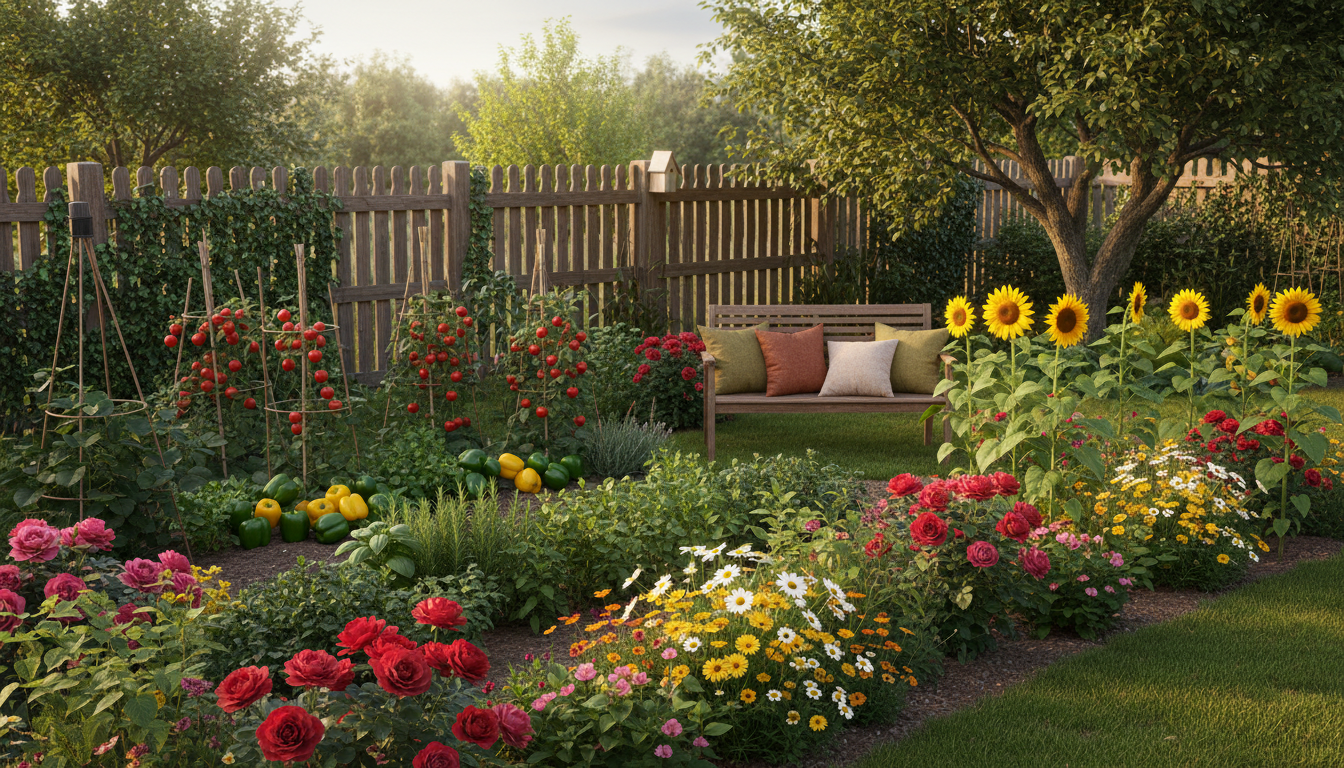
Create a calm, useful outdoor space that fits your lifestyle and looks good year-round. Designer Helena Wagner shows how an Asian-inspired approach brings order and calm to a small area. Use plants, trees, shrubs, and layered beds to make a real oasis that feels intentional.
Think about structure first: paths, seating, a deck or pergola, and spots for containers and perennials. Lori Scott’s waterfall and Morty Bachar’s pond prove that water adds sound and wildlife appeal. Alli Guileria’s garden rooms show how dividing the yard creates functional areas for dining, play, and quiet.
Learn simple design steps and gather inspiration from photos and expert tips. For starter ideas for planning a garden, focus on scale, color, and lighting to extend time outdoors and boost curb appeal.
Key Takeaways
- Plan structure first: paths, seating, and focal points guide the layout.
- Use trees, shrubs, and perennials for shade, privacy, and low maintenance.
- Water features and sound can mask urban noise and invite wildlife.
- Divide the area into rooms for clear uses like dining or play.
- Start with photos and expert ideas to shape your style and timeline.
Assessing Your Outdoor Space
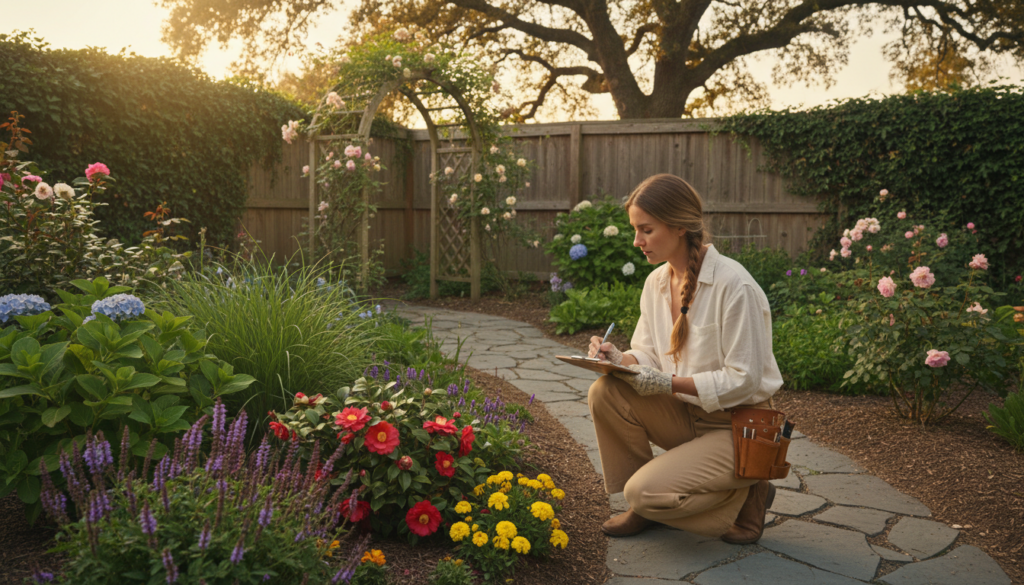
Begin with a site check: measure, note sun exposure, and record slopes. This short survey prevents costly changes later and sets realistic expectations for design and plant selection.
Evaluating Light Conditions
Track how sun and shade shift through the day. Mark full sun, partial shade, and deep shade on a simple sketch of the area.
Existing trees and shrubs change light patterns, so decide if you will keep them or remove them when planning. A patio placed in a sunny spot becomes a natural hub for dining and relaxation.
Measuring Your Available Area
Measure the property lines, house walls, and any fixed features. Note if the lawn is level, sloped, or irregularly shaped.
Quick tips:
- Measure twice to avoid mistakes.
- Use photos of similar layouts to spark garden ideas and landscaping ideas.
- Consider whether existing hardscape or lawn can be salvaged by a landscape pro.
“A clear site assessment is the best first step toward a lasting, beautiful landscape.”
Defining Your Backyard Garden Style
Pick a design direction that ties your home and outdoor space together. A clear style makes plant and hardscape choices simple and consistent.
Start by matching style to your home’s architecture. Helena Wagner of 4 Seasons Gardens recommends picking a theme that complements the house so the landscape feels like an extension of your home.
An Asian-inspired look often brings calm order to a small yard. Its simple lines, layered plants, and restrained color palette help create a restful space.
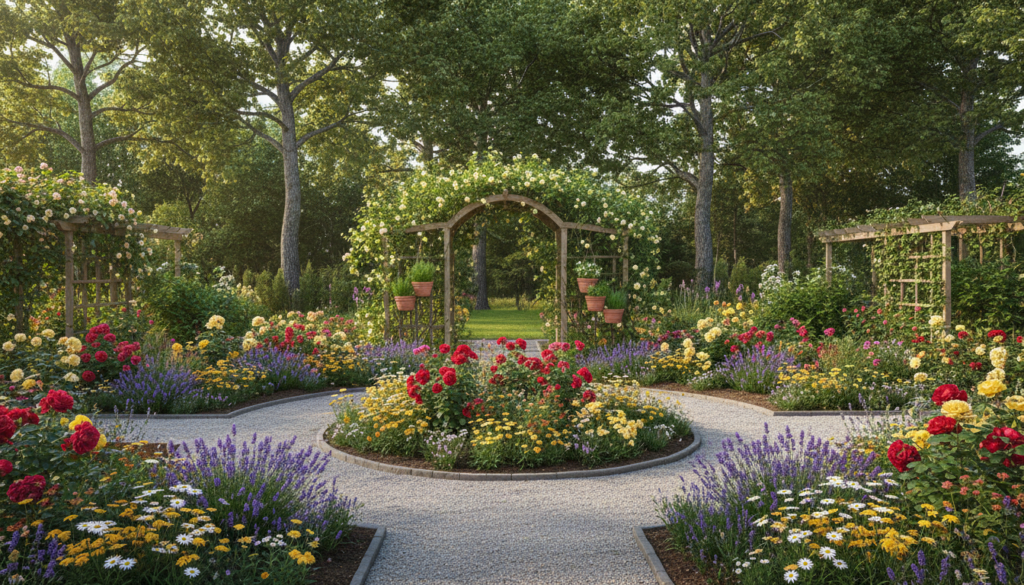
Browse photos of different gardens to spot elements you like. Note how paths, focal points, and plants work together in each image.
- Define a style first: it guides plant choices and hardscape materials.
- Use photos for inspiration: translate ideas to fit your space and climate.
- Keep the look cohesive: a well-defined style makes your home and outdoor area feel unified.
Creating Functional Garden Rooms
Divide your outdoor area into purposeful rooms to make the whole property feel larger and more usable. Start near the house with a living area for seating and socializing, then plan a separate dining spot and a play area for family use.
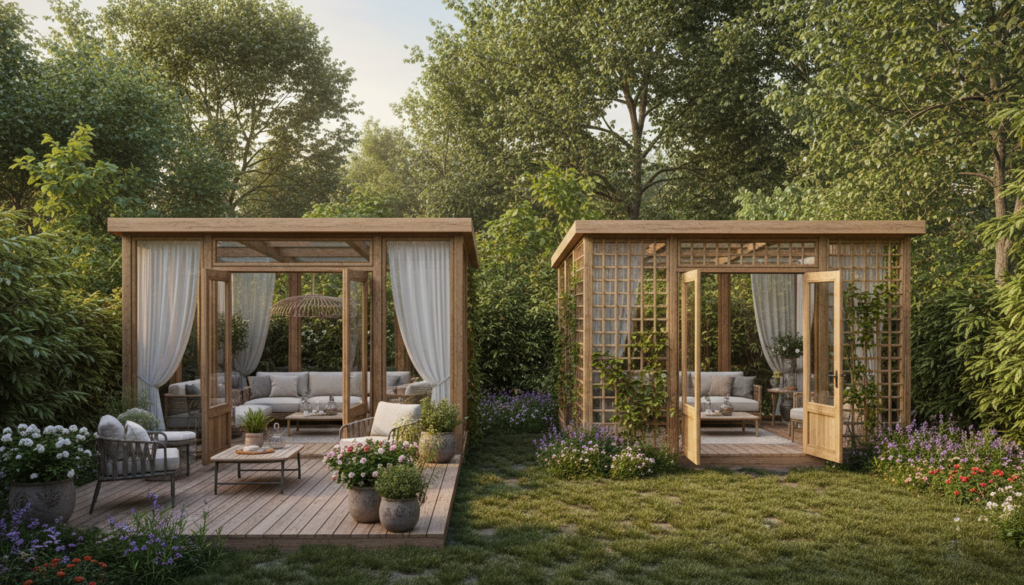
Link rooms with simple paths or transition zones so movement feels natural. Paths guide sightlines and invite people to explore the landscape. They also help define each room without building solid walls.
Tall metal planters work well as semi-private dividers. Use planters and containers to shape rooms and add color. A pergola or canopy over the dining or seating area gives shelter and structure for year-round use.
| Room | Best Divider | Primary Use |
|---|---|---|
| Living room | Tall planters | Seating, relaxed conversation |
| Dining area | Pergola or canopy | Meals, entertaining |
| Play area | Low planting beds | Family activities, games |
Study photos for garden ideas and to see how layering plants and hardscape can create cozy, defined spaces. Plan each room around how your family will use the area, then build paths that tie everything together.
Essential Backyard Garden Design Principles
A solid sketch or pro plan turns ideas into a realistic, buildable layout. Start with a simple plan to set scale, sightlines, and the locations of major features.
Consider scale: a large lot needs broader paths and big trees, while a small yard favors compact seating and layered plants. Prioritize the activities you use most so each zone has enough room for function and ornament.
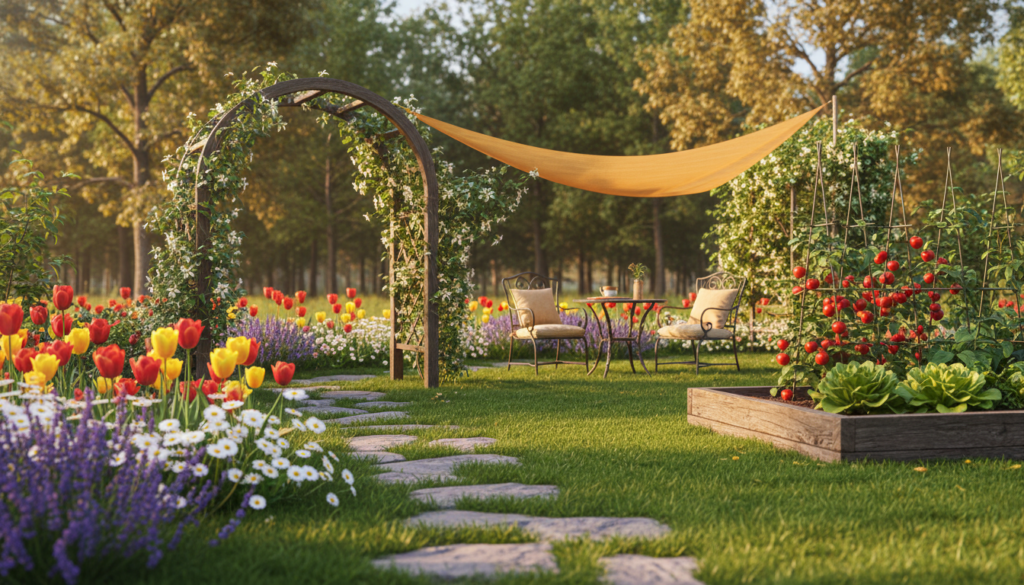
Choose quality materials for patios, furniture, and edging. Durable pieces cost more up front but save time and money later.
- Match furniture and plants to your home’s size and style.
- Use a plan whether DIY or with a pro to achieve landscaping ideas efficiently.
- Study photos to balance hardscape and softscape in your landscape design.
- Stage the work over years to spread costs without losing the overall vision.
“A thoughtful plan makes a small space feel intentional and a large site feel manageable.”
Selecting the Right Plants for Your Climate
Start plant selection by learning what thrives in your local zone and soil type. A quick soil test for pH, texture, and nutrients tells you if the area needs amendment before planting.
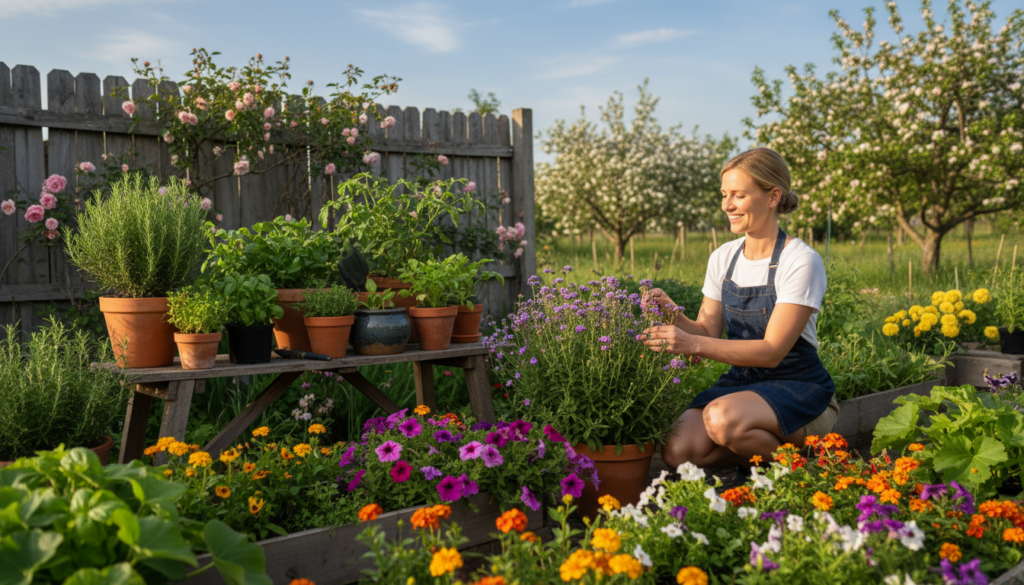
Choosing Native Species
Native species support local wildlife and cut maintenance needs. Pick plants known to your region to attract beneficial insects and birds.
Consider trumpet vine for shade and privacy in a small backyard — it’s fast-growing and blooms with bold color.
Incorporating Perennials for Color
Mix perennials, groundcovers, and annuals that bloom at staggered times. That approach ensures continuous color and interest across the seasons.
Photos of lush areas often show a blend of containers, perennials, and shrubs for year-round structure.
Managing Soil Health
Amend new beds with organic matter to improve drainage and feed trees and shrubs. This creates a hospitable root zone for long-term growth.
“Testing your soil is a small step that pays off with healthier plants and fewer surprises.”
- Test soil pH and nutrients before planting.
- Choose natives where possible for a sustainable landscape.
- Plant perennials for recurring color and low upkeep.
- Use compost or well-rotted mulch to amend planting areas.
Maximizing Vertical Space
Go up instead of out: vertical planting turns walls and fences into usable green space. Trellises and arbors give vines the necessary structure to climb, so you can grow more plants and flowers without losing ground area.
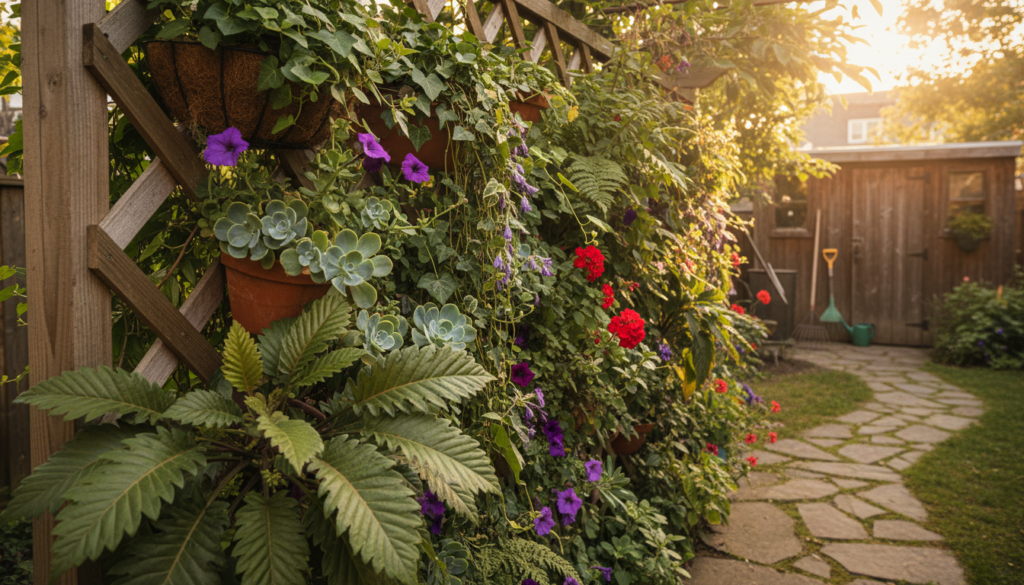
Vines also act as living screens to add privacy or hide an unsightly fence in your backyard. Hanging baskets and window boxes bring trailing plants into eye level and soften hard edges.
Layer plantings by height and shape to create depth. Mixing shrubs, climbers, and trailing species invites birds and adds season-long color to a small yard.
| Vertical Element | Best Use | Visual Impact |
|---|---|---|
| Trellis or arbor | Support climbing vines for shade or privacy | Creates height and focal points |
| Hanging baskets | Display trailing flowers near seating areas | Adds bursts of color at eye level |
| Wall-mounted planters | Maximize wall space for herbs or annuals | Transforms plain walls into living art |
| Stacked pots & shelving | Grow a variety of plants in a small footprint | Layered texture and seasonal changes |
Tip: For more compact design ideas, see this best garden setup guide to plan vertical features that match your landscape and style.
Incorporating Water Features for Ambiance
Adding moving water brings sound, life, and a focal point to any landscape. A waterfall or pond supplies a soothing soundtrack that helps mask urban noise and draws wildlife.
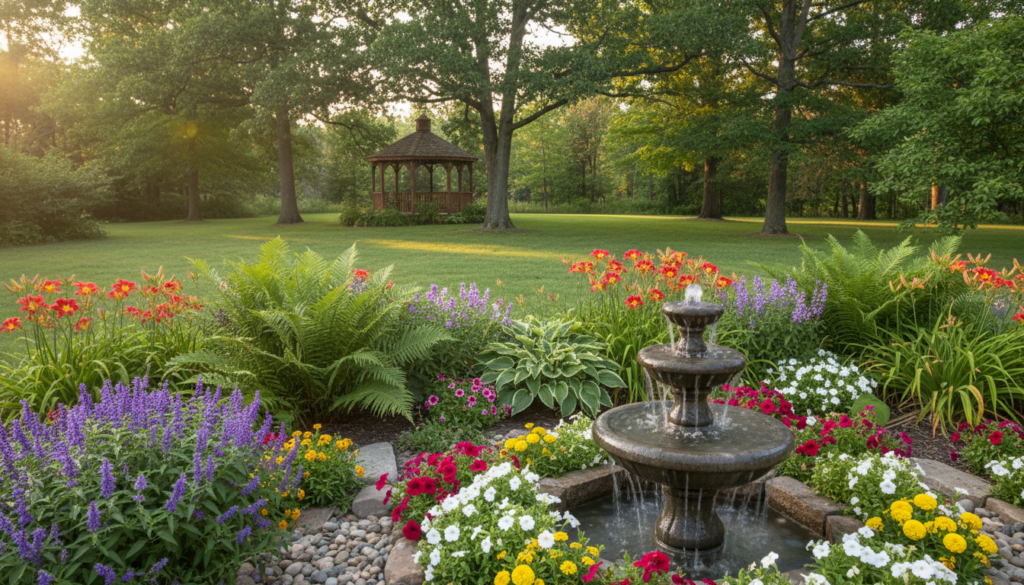
Morty Bachar and Patty Storms built their home around a natural pond, making the patio and seating areas look out onto a living centerpiece. In that Delaware area, stone patios and careful sightlines frame the water so flowers and plants appear brighter.
Even a tiny yard benefits from a tabletop fountain or birdbath. These small additions create a restful mood near a deck, pergola, or dining spot without a large budget.
- Transform space: a pond or fountain becomes the visual anchor for living and dining zones.
- Scale options: large ponds or simple birdbaths fit many yards and budgets.
- In photos: water highlights color and texture among flowers and hardscape.
For more inspiration, see designer garden ideas to match water elements to your design and area.
“Water adds movement and calm, turning a simple outdoor space into a private retreat.”
Lighting Strategies for Evening Enjoyment
Smart illumination makes your outdoor space usable and inviting long after dusk. Use a mix of candles, lanterns, and a central fire pit to create warmth and extend your evening time outdoors.
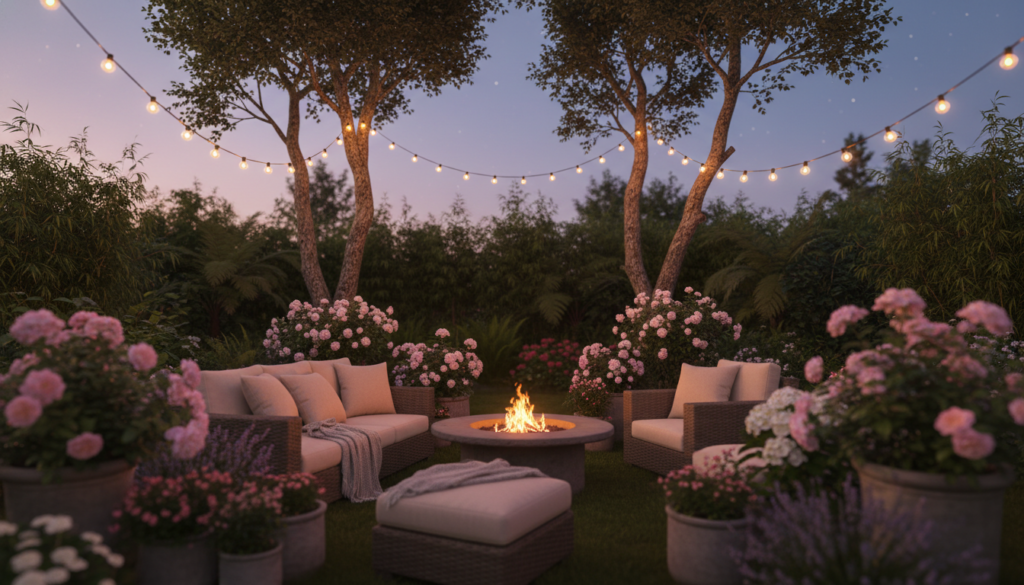
Place porch and patio lights where people enter and gather. Proper lighting for stairs and paths prevents trips and keeps guests safe.
Uplighting on trees and statuary adds drama and depth to the landscape. Aim lights upward to show trunk texture and branch form for a striking night view.
Layer light levels: low path lights, mid-level lanterns near seating, and higher uplights for focal features. This design keeps the dining area comfortable while highlighting plants and hardscape.
- Extend use: good lighting ideas let you dine and relax outdoors longer.
- Safety first: illuminate walkways and steps to prevent accidents.
- Highlight features: use uplights to showcase trees and sculpture.
“Thoughtful lighting turns an ordinary yard into a cozy, usable nightscape.”
Choosing Durable Hardscape Materials
Investing in quality materials reduces repairs and keeps your outdoor areas looking fresh for years. Durable choices save time and money over repeated replacements.
Permeable pavers and gravel are smart, eco-friendly options that help drainage in small urban yards. They cut runoff and work well around planted beds and walkways.
A stone patio creates a durable, stylish base for seating, a couch sectional, or a fireplace. Pick a finish and color that complements your home’s facade and the rest of your garden design.
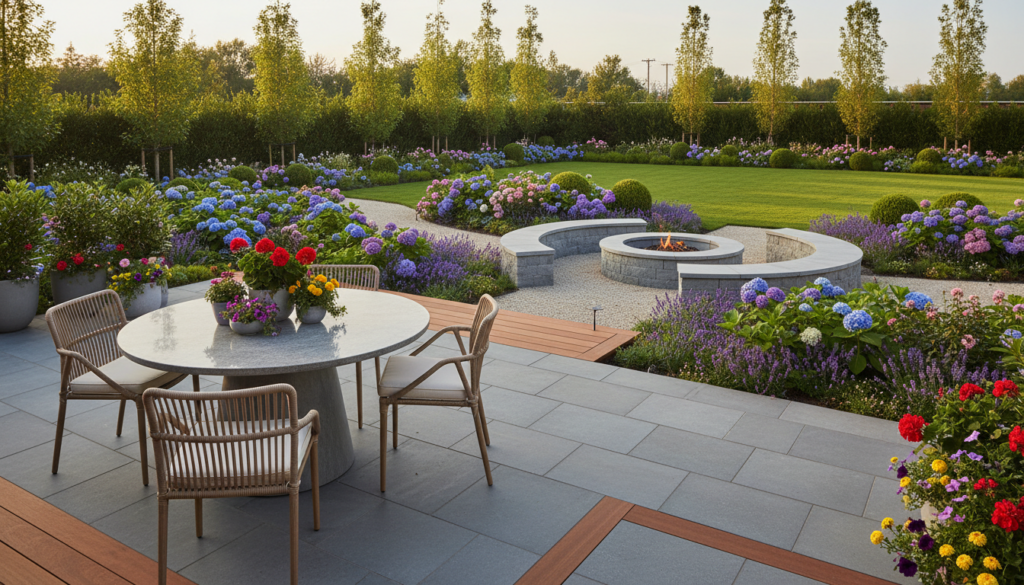
Safety matters: lay stepping stones and pavers level and flush so edges do not create trip hazards. Proper installation prolongs performance and reduces maintenance.
- Smart investment: choose stone or permeable pavers for lasting value.
- Functional heart: a well-built patio anchors furniture and outdoor living.
- Match the style: pick materials that suit your house and garden ideas.
- Inspiration: photos of professional landscaping show how durable materials age well.
Sustainable Gardening Practices
A practical eco plan blends low-maintenance perennials with smart stormwater fixes.
Designer Marina Wynton swapped much turf for a low-care perennial border and a stylish shed with a green roof. This approach cuts water use and gives pollinators places to thrive.
Trade traditional lawn for drought-tolerant beds and native plant mixes. Add a rain garden to capture runoff and create a seasonal show of flowers while protecting local waterways.
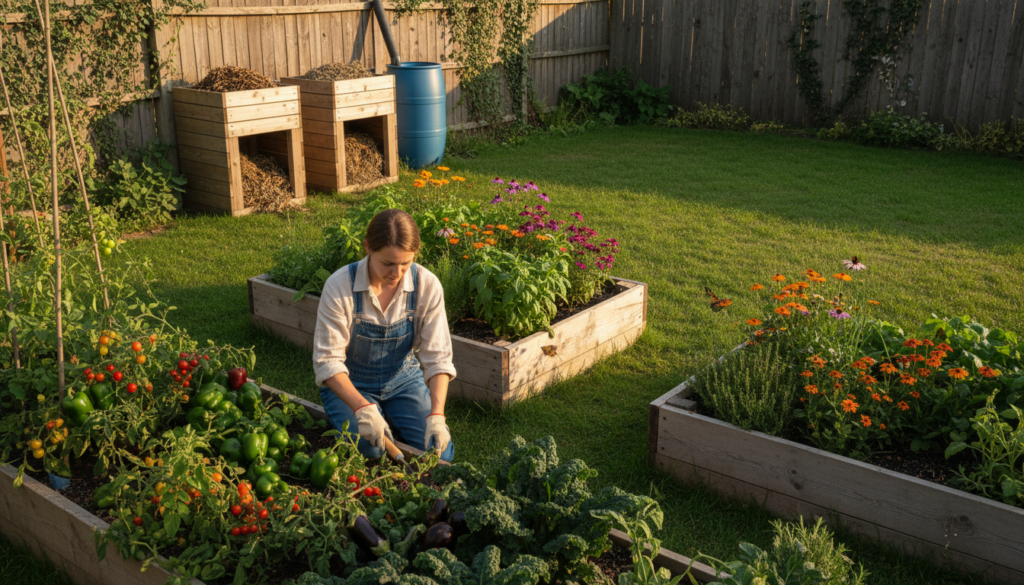
Test your soil before planting. Amend with compost to build a healthy root zone. Strong soil helps perennials and reduces the need for extra fertilizer.
A well-designed shed becomes storage and a feature—place a green roof on the shed to add habitat and absorb rain. Three practical wins: storage, style, and ecology.
- Use native species to support wildlife and cut maintenance.
- Replace turf with planting beds to lower mowing and watering.
- Install rain gardens and green-roof sheds for function and beauty.
“Sustainable choices make outdoor spaces resilient and more beautiful.”
Designing for Privacy and Screening
Use layered screening to craft a private outdoor room that feels cocooned yet bright.
Tall mixed hedges provide dense screening and instant privacy for a cozy seating area in your backyard. Combine evergreen shrubs with seasonal accents to keep the view year-round.
On small urban lots, fencing and staggered plantings solve common privacy challenges. An open pergola adds shade and a semi-private ceiling while still letting light through.
Vines make a quick living screen to hide an unattractive fence or wall. Climbing plants soften hard edges and increase greenery without taking up ground space.
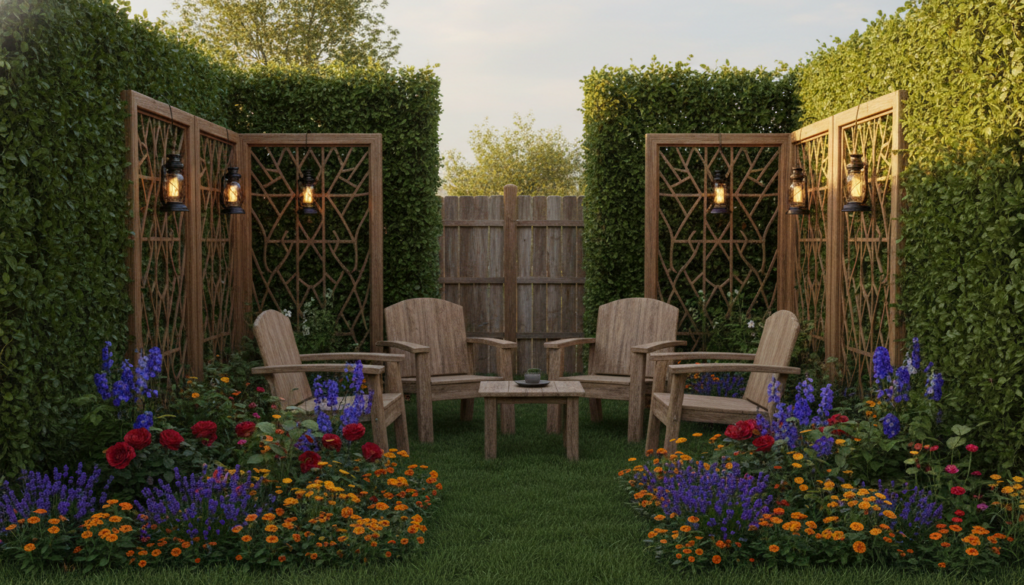
“Layering shrubs, structures, and vines can turn an exposed yard into a peaceful, private retreat.”
| Solution | Best Use | Benefit |
|---|---|---|
| Tall mixed hedge | Seating areas, property line | Year-round screening and noise buffer |
| Open pergola | Dining or lounge room | Shade, defined space, filtered light |
| Vines on trellis | Fence or wall covering | Fast green cover and softer sightlines |
| Layered plantings | Slopes and small lots | Depth, habitat, and visual privacy |
See more private outdoor ideas at private outdoor ideas to match screening to your home and lifestyle.
Adding Personal Touches and Decor
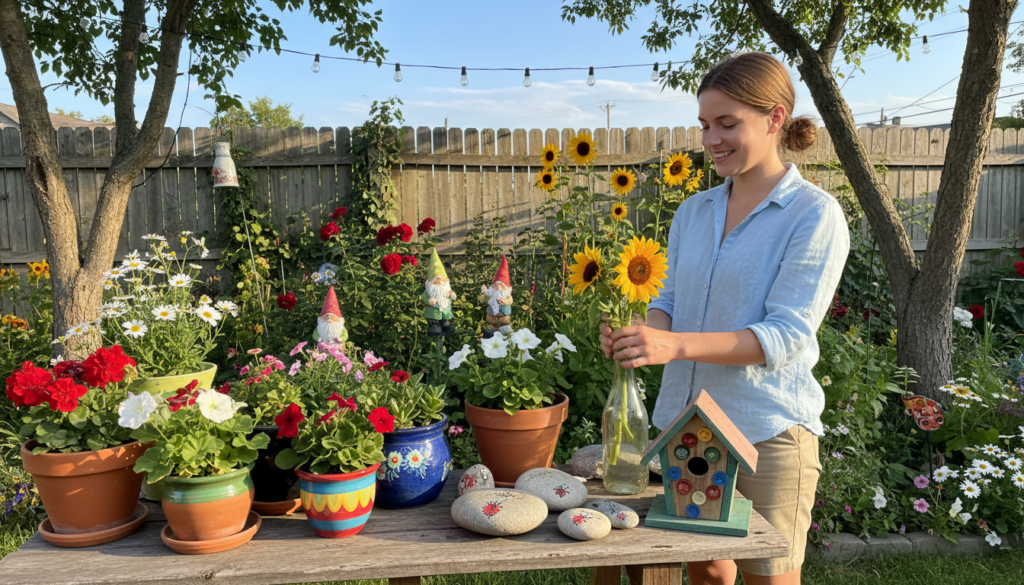
Layer small artworks and living containers to make your space feel personal. Artist Clare Dohna’s clay tile mosaic shows how a single custom piece can be a dramatic focal point.
Use colorful pots, hanging baskets, and window boxes filled with annuals and perennials. These planters bring instant color and life to a patio, deck, or porch without a big budget.
Accessories matter. Statuary, fountains, bird baths, and rain chains add sound and movement. They also support local artists and give your area unique character.
- Make a she-shed cozy: add comfy seating, artwork, and plants to create a private room.
- Mix textures: stonework, mosaics, and metal planters create a layered, personal style.
- Share inspiration: photos of personalized outdoor rooms show how small items change the whole look.
“Customized art and thoughtful containers are the details that turn any outdoor room into a favorite place.”
For more creative ideas, study photos and try one custom piece first. Small additions often deliver the biggest impact.
Future Trends in Backyard Gardening
Expect living walls and moon garden ideas to grow in popularity as people seek green, low-footprint spaces that extend usable hours into the night.
Designers are favoring foliage over strictly floral displays, using texture and deep color to create layered, year-round interest. Vertical structure—from pergolas to green screens—lets tiny plots feel larger and more useful.
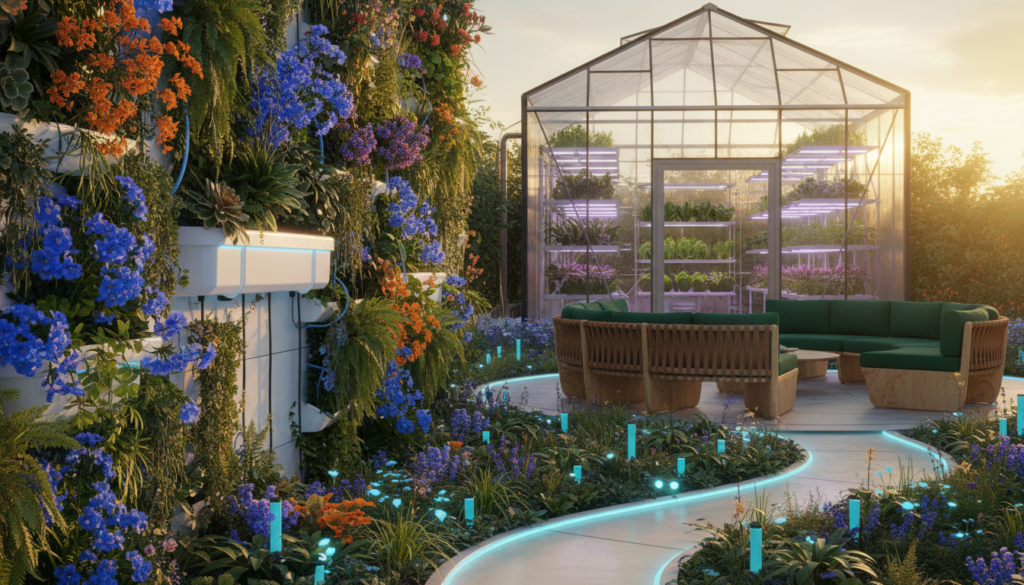
- Vertical living walls and trellises that save ground space.
- Moon gardens planted with white flowers to enhance night-time outdoor living.
- Multiuse sheds and she-shed conversions that boost comfort and storage.
“Sustainable, textured planting and clever structures will define modern gardens.”
Use photos of trending layouts to plan an eco-friendly oasis now. These ideas help you spend more time outside while supporting wildlife and reducing upkeep.
Safety Considerations for Your Yard
A few practical checks can prevent trips, slips, and falls across paths, steps, and patios.
Start with porch steps: fix loose boards and remove exposed nails. These small repairs cut the risk of injury for family and visitors in your backyard.
When installing stepping stones or pavers, make sure they sit level and have no sharp edges. Level surfaces reduce tripping hazards and keep your landscaping looking tidy.
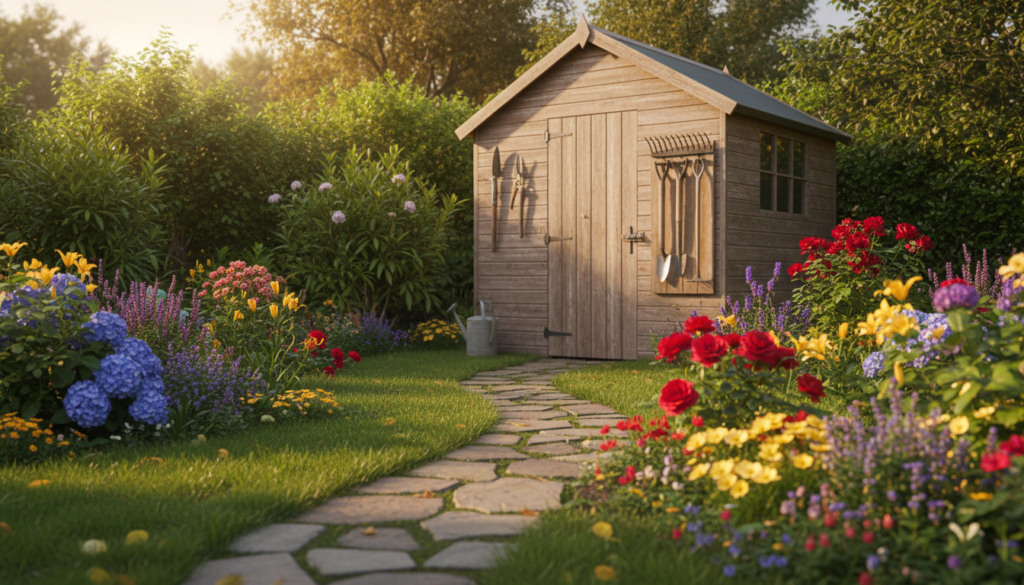
Keep walking areas clear of moss, leaves, and pooling water. Wet stone and shaded surfaces become slippery fast, so regular cleaning matters.
Proper lighting in paths, steps, and near patios is essential for safe evening use. Aim lights at entry points and stairways so people can see changes in grade.
| Hazard | Check | Action |
|---|---|---|
| Porch steps | Loose boards, nails | Repair or replace treads; nail down securely |
| Paths & pavers | Uneven surfaces, exposed edges | Re-level stones; fill gaps with sand or mortar |
| Patios & lawn | Moss, pooling water | Power-wash; improve drainage; add anti-slip finish |
| Water features | Wet surrounds, algae | Trim edges; use textured surfaces; maintain pumps |
- Keep up regular maintenance of the lawn and planting areas to avoid hidden hazards.
- Use photos of safe layouts as references when planning ideas for new features.
- Address these safety items early to make the space more enjoyable and worry-free.
“Clear paths and good lighting turn pretty landscaping into a safe, usable place for everyone.”
Budgeting for Your Landscape Project
Start your project by estimating costs for each major element so surprises won’t derail the plan.
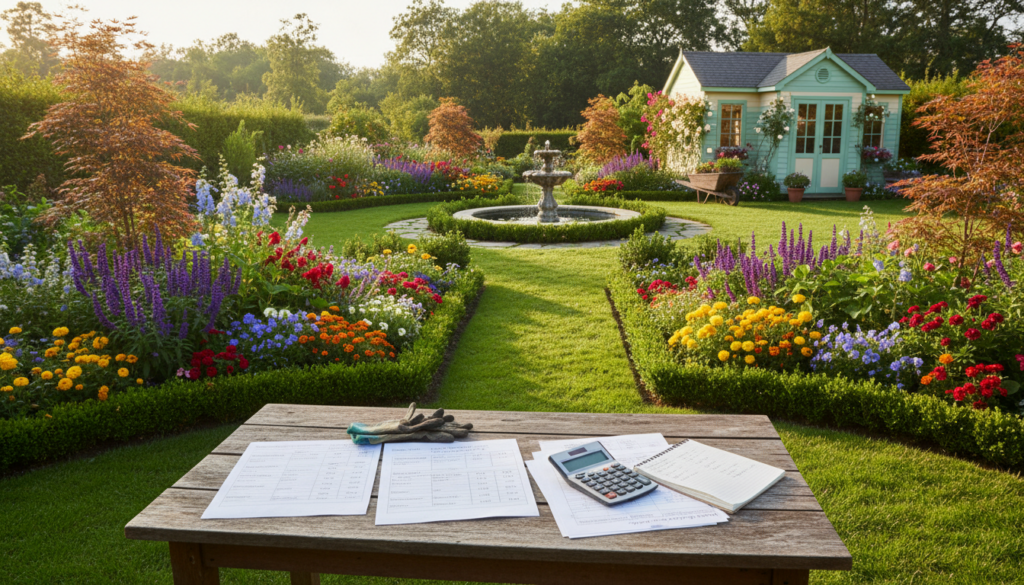
A clear budget helps you decide what to build now and what to phase later. Big upgrades can be costly, so list expenses for hardscaping, plants, and labor up front.
Get more than one quote from pros to compare options and uncover lower-cost ideas without sacrificing quality. Staging work over years spreads payments and makes the plan manageable for your family.
“Plan in stages and choose durable materials for the best long-term value.”
- Prioritize features like a patio, dining area, or seating that will be used most.
- Consider life-cycle costs when selecting materials for your home and outdoor area.
- Use pro estimates to refine the budget and avoid surprises.
| Item | Estimated Range | Cost Notes |
|---|---|---|
| Hardscape (patio, paths) | $3,000–$15,000 | Material choice drives price and longevity |
| Planting & soil | $500–$4,000 | Native plants cut long-term maintenance |
| Labor & installation | $1,000–$10,000 | Multiple bids help control costs |
| Furniture & lighting | $300–$5,000 | Invest in durable seating for family use |
Conclusion
A few thoughtful choices today will make your outdoor space more useful for years,
Creating a successful space is a rewarding journey that grows with time, care, and a spark of inspiration. Use small, practical ideas to shape seating, paths, and plantings so each area feels intentional.
Follow expert tips: assess the site, define your style, and pick plants that suit your climate. These ideas help your project thrive and save maintenance down the road.
Whether you aim for a full redesign or a quick refresh, start with clear layout design layout ideas and a simple plan. These steps turn ideas into a welcoming place your family will use for years to come.