
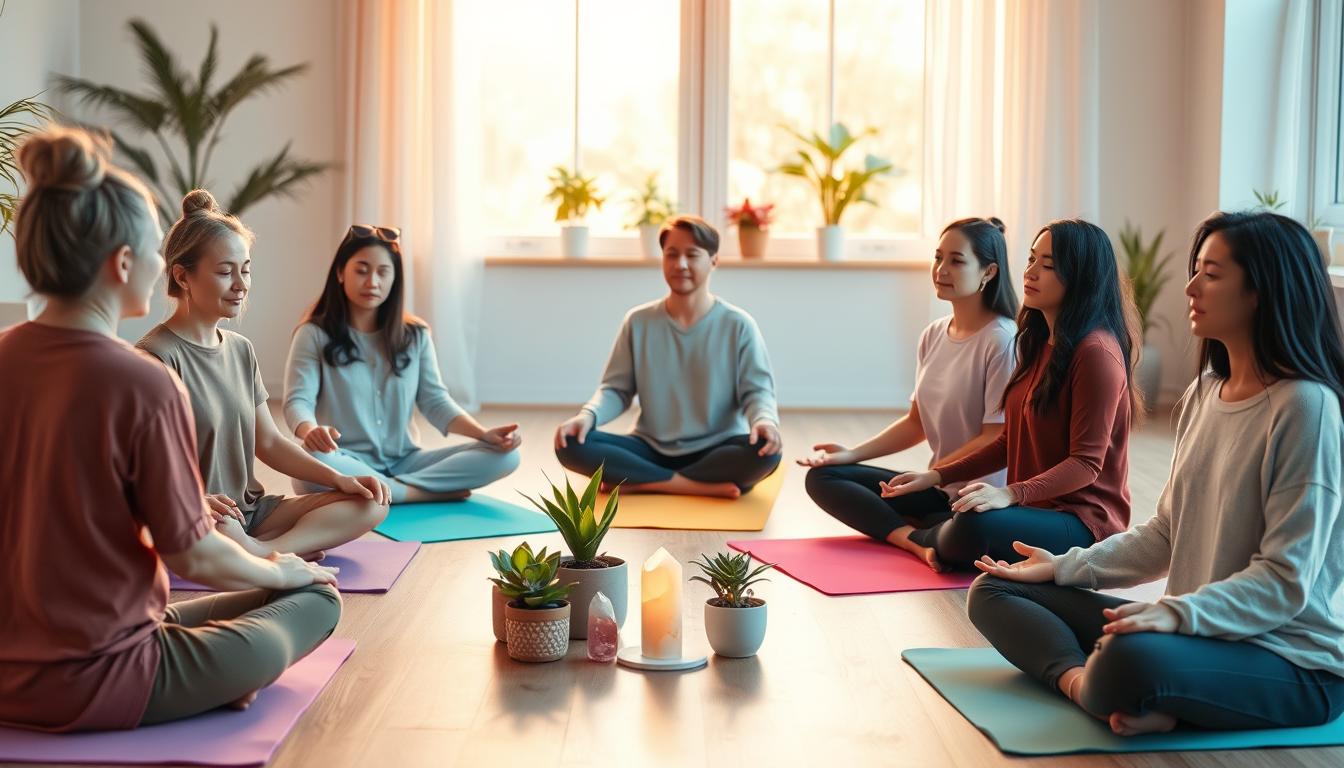
A five-minute chakra balancing reset can create a calm pause in a busy day. It doesn’t promise instant medical or spiritual results. Instead, it gives you a simple way to slow down, notice your breath, and reconnect with your body.
The chakra system describes seven main energy centers. It comes from ancient Indian practices and remains a personal wellness approach for many beginners. Erin Skarda shared her experience on July 22, 2022, after fatigue, anxiety, pelvic pain, low-back pain, and emotional disconnection led her to explore this practice. Though skeptical, she stayed curious.
This guide introduces a gentle routine with breathing, focused attention, color visualization, and easy movement. You can try it at home, at work, or almost anywhere. Your experience may vary. Some people notice relaxation or sharper focus, while others simply enjoy a quiet moment for wellness.
Key Takeaways
- A five-minute reset can offer a peaceful pause.
- The practice uses seven energy centers.
- Breathing and gentle movement support mindful focus.
- Color visualization may deepen attention.
- Results can differ from person to person.
What Is Chakra Balancing?
Chakra balancing is a wellness approach that uses breathwork, meditation, yoga, visualization, or crystals to create a felt sense of balance. Traditional teachings describe seven energy centers linked to security, confidence, communication, connection, and spiritual purpose.
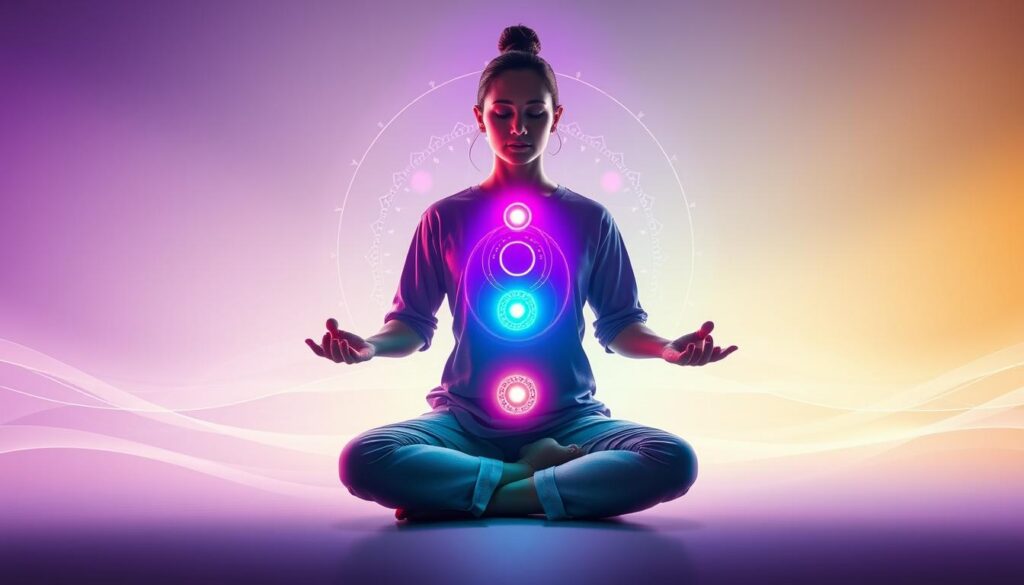
These ideas offer a spiritual lens, not a medical diagnosis. Meditation and yoga may support relaxation and self-awareness, while health concerns still need guidance from a qualified professional. Healing claims remain separate from established medical facts.
How Energy Centers Relate to Mind and Body
Each center represents a theme in traditional practice. Together, the chakras create a story about how emotions, attention, and energy flow through daily life. The goal is not to prove a physical change, but to notice the mind-body connection.
What Beginners Can Expect From the Practice
During Erin Skarda’s 60-minute Denver session, Olivia Kenyon compared energy work with massage. Kenyon described it as easing “knots” in an energy field. Beginners may feel warmth, calm, sleepiness, or emotion—or nothing dramatic. All responses are normal.
| Practice | Common aim | Beginner response |
|---|---|---|
| Breathwork | Steady attention | Calm or ease |
| Visualization | Focused awareness | Quiet reflection |
| Crystal work | Personal ritual | Meaning or curiosity |
Meet the Seven Chakras and Their Roles
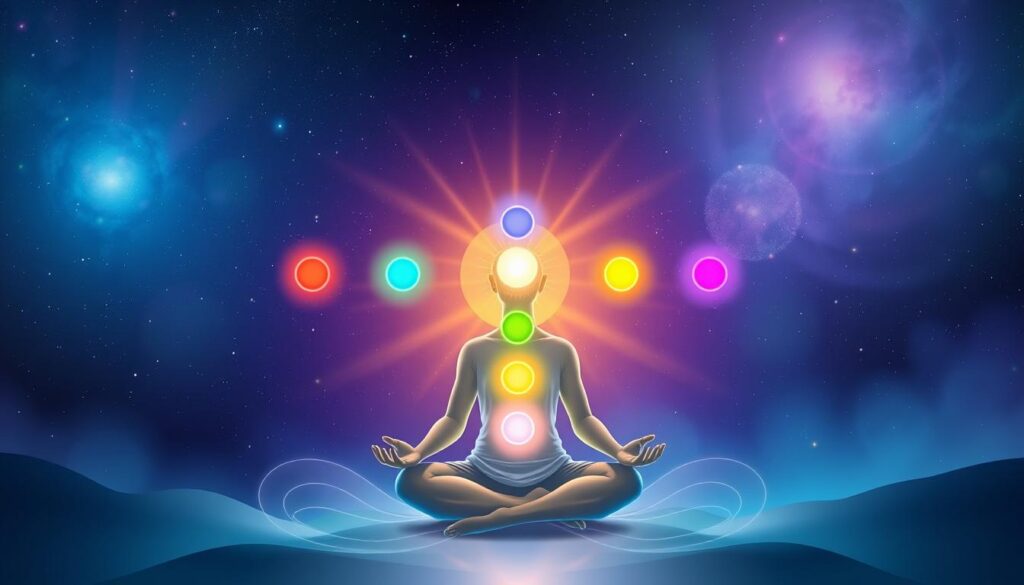
The seven energy centers form a simple map from the base of the spine to the top of the head. Each one carries a traditional theme, such as safety, expression, or purpose. Use this map as a tool for reflection, not a medical test.
Root, Sacral, and Solar Plexus
Muladhara, or the root chakra, rests near the base of the spine. It relates to security and a steady sense of support. Svadhisthana, the sacral chakra, sits below the navel. It connects with creativity, sensuality, and relationships.
Manipura, known as the solar plexus chakra, sits in the upper abdomen. Traditionally, it represents confidence, motivation, and personal power.
Heart, Throat, and Third Eye
Anahata, the heart chakra, sits at the center of the chest. It reflects love, empathy, and connection. Vishuddha, the throat chakra, relates to clear communication and honest self-expression.
Ajna, or the third eye chakra, sits between the eyebrows. It is linked with intuition, insight, and a wider view.
Crown and Spiritual Connection
Sahasrara, the crown chakra, rests at the top of the head. It symbolizes spirituality, mindfulness, and a sense of meaning.
| Center | Location | Traditional theme |
|---|---|---|
| Root | Base of spine | Safety |
| Heart | Center of chest | Connection |
| Throat | Neck area | Expression |
| Crown | Top of head | Purpose |
Signs Your Chakras May Feel Out of Balance
Daily stress can leave you feeling anxious, disconnected, tired, or emotionally heavy. You may also find it hard to settle, even after a quiet night or a change in routine. Traditional practitioners may describe these experiences as blocked energy within the chakras.

Erin Skarda shared a personal account that included fatigue, pelvic pain, low-back pain, anxiety, and a heavy feeling in her heart. During her first session, a practitioner told her that the Root, Sacral, Solar Plexus, Heart, and Crown centers were blocked. Her experience does not create a universal checklist for everyone.
Health professionals may explore very different physical or emotional causes for similar feelings. Use chakra language as a reflection tool, not proof that one center causes illness or affects your body. Notice patterns in your energy, emotions, and daily habits with an open mind.
- Seek qualified care for persistent pain or unusual fatigue.
- Talk with a clinician about severe anxiety or concerning symptoms.
- Let personal reflection support—not replace—your health care plan.
A gentle pause can support balance, but it should never delay needed care.
How a Five-Minute Chakra Balancing Practice Works
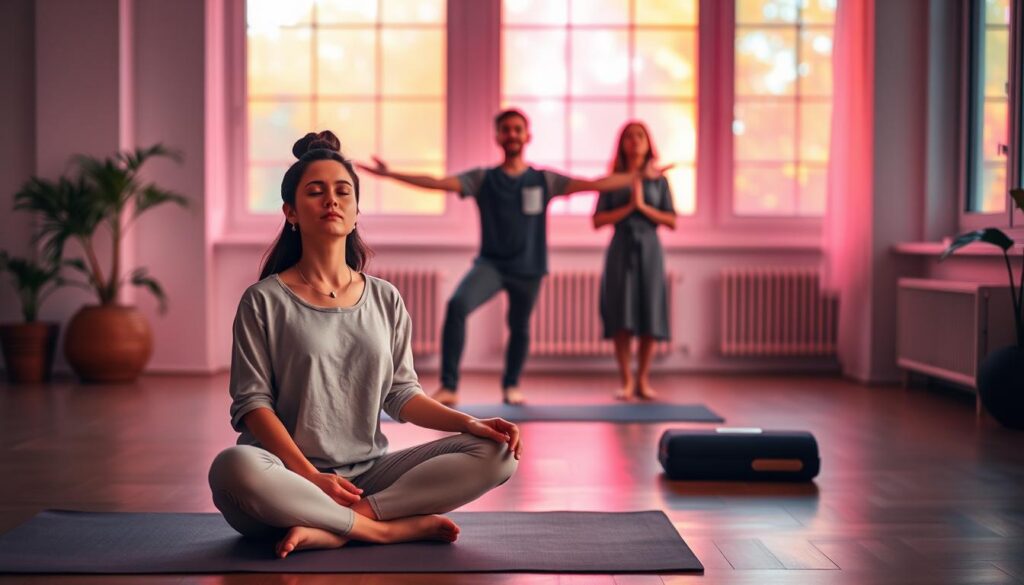
Give yourself one quiet pocket of time to settle, breathe, and notice what you feel. This simple routine supports mindful focus without promising instant healing. Stop if any technique causes strain, dizziness, or discomfort.
Settle Your Body With Grounding Breaths
Start with one minute of easy breathing. Sit or stand tall, relax your shoulders, and notice your feet and the base of your spine. Mountain Pose, or Tadasana, can offer a steady yoga foundation for the root chakra.
Next, try Nadi Shodhana, or alternate nostril breathing, only if it feels natural. Keep each breath soft. Return to normal breathing right away if you feel uncomfortable.
Move Your Attention Through Each Energy Center
For three minutes, guide your attention upward through the seven energy centers. Notice the solar plexus chakra, chest, throat, and crown without forcing an image. You may picture a gentle color. Erin Skarda reported purple, blue, light blue, and green during her session.
Use the final minute for quiet five-minute guided meditation. Repeat a grounding affirmation, then check whether your body feels calmer or more settled. Small practices can help you find balance during a stressful day.
Use Meditation, Colors, and Affirmations to Shift Your Energy
Let your attention rest on one chakra theme at a time. During meditation, you might focus on the third eye chakra as a symbol of insight. You do not need to expect visions or unusual sensations. Simply notice your thoughts, breath, and body.
Color can serve as a gentle visualization prompt. Erin Skarda reported purple associated with the Crown Chakra, blue with the Third Eye Chakra, light blue with the Throat Chakra, and green with the Heart Chakra during a professional session. A five-minute home practice may feel very different.
Choose affirmations that match your needs. Amethyst is often associated with the third eye and may add meaning to a personal ritual, but it does not promise healing. These techniques can support emotional awareness, a quieter mind, and a sense of balance.
- “I am safe” can support grounding.
- “I speak clearly” can encourage honest expression.
- “I trust my next step” can welcome intuition.
Stay curious rather than chasing a specific energetic result. Your experience with the chakras may be subtle, practical, or simply restful.
| Focus | Traditional association | Simple intention |
|---|---|---|
| Crown Chakra | Purple | Meaning |
| Third Eye Chakra | Blue | Insight |
| Heart Chakra | Green | Connection |
Simple Yoga Poses for Chakra Support
Gentle movement can turn a short pause into a grounded wellness ritual. These beginner-friendly yoga poses support breath awareness and help you notice how your body feels. Move slowly, and never force a range of motion.
Grounding Poses for the Root Chakra
Start with Mountain Pose, or Tadasana. Stand tall with relaxed knees, soft shoulders, and steady breathing. Feel your feet connect with the floor as your spine lengthens. This simple yoga practice is traditionally linked with the root chakra.
Next, try Cat-Cow Pose if it feels comfortable. Move slowly between rounded and extended positions. Traditional teachings connect this motion with sacral energy and creative flow.
Heart and Throat Opening Poses
A supported bridge offers a mild backbend when your lower back feels safe. Traditional yoga associates backbends with the heart chakra and open connection. Finish with relaxed neck rolls or a shoulder release to bring attention to the throat.
- Stop for pain, dizziness, or strain.
- Adapt poses for pregnancy, injury, or limited mobility.
- Ask a qualified professional when health concerns affect movement.
Comfort matters more than perfect form. Let these yoga poses support calm, steady practices.
Try Sound, Singing Bowls, and Crystals
Sound can give your mind a gentle path to follow during a wellness pause. Singing bowls, chimes, or a calming playlist may help you relax your body and notice your breath. These techniques support focus, but they cannot diagnose or cure a health condition.
A sound bath often takes place in a quiet studio or group setting. The session may include singing bowls, gongs, and chimes. Their tones can create a steady flow for meditation. You may also rest one hand on your chest or place attention near the throat chakra while listening.
Crystals offer another optional focus object. Amethyst is traditionally linked with the Third Eye center. Hold it in your hand, place it beside you, or simply enjoy its color. Its value comes from personal meaning, not proven healing power.
Erin Skarda visited the Healing Chakra center in Denver for a 60-minute session with Olivia Kenyon. That longer professional service shows one available format, not a five-minute requirement. Choose what feels comfortable, and seek medical care for ongoing concerns.
- Use low volume and stop if sound feels unpleasant.
- Keep crystals away from young children and pets.
- Let relaxation support, not replace, qualified care.
| Option | How to use it | Purpose |
|---|---|---|
| Singing bowls | Follow gentle tones | Relaxed attention |
| Chimes | Listen between breaths | Mindful focus |
| Amethyst | Hold or view it | Personal meaning |
Potential Benefits of Chakra Balancing
People often use this practice as a brief pause for reflection. The potential benefits may include calm, sharper focus, emotional release, and a stronger sense of connection. Results vary with the setting, expectations, and regularity of the wellness routine.
Calm, Focus, and Emotional Balance
Quiet meditation may help you notice stress, emotions, and body signals with less judgment. Attention on the heart chakra can prompt thoughts about compassion and relationships. The third eye chakra may serve as a simple focus for intuition, clarity, or personal insight.
Erin Skarda attended two more sessions after her first appointment. She later reported feeling energized, focused, and clearer about a decision. Her account shows one personal response, not scientific proof or a promise of healing. Olivia Kenyon said her work aims to support quality of life, mindset, and the release of heavy emotions.
Energy, Creativity, and Intuition
Traditional teachings link the solar plexus chakra with confidence and motivation. This theme may encourage creative action without claiming to improve digestion or physical health. The third eye and eye chakra can remain gentle prompts for self-inquiry.
For a calming home setting, explore this zen house aesthetic. Remember that these practices support wellness, not medical treatment. The benefits of this form of balance depend on your needs and experience.
| Focus | Possible personal benefit | Realistic view |
|---|---|---|
| Breath and stillness | Calm | May ease a busy mind |
| Heart reflection | Connection | Encourages self-awareness |
| Solar plexus theme | Motivation | Does not treat illness |
Make Chakra Balancing Part of Your Wellness Routine
Build this ritual around anchors that already exist in your day. A two-minute morning meditation, a few slow breaths, and one easy yoga pose can support a steady sense of balance. You do not need a long session to make these practices part of your lifestyle.
Choose one focus each day. The sacral chakra may inspire creativity, while the root center can suggest grounding. Try a gentle pose, then repeat a short affirmation that fits your personal goal. Use these words for reflection, not as a promise of healing or a substitute for health care.
- Play a calming sound track while breathing slowly.
- Write one sentence about your mood, energy, or stress.
- Notice how your body feels before and after the routine.
A sound bath may feel helpful right away for some people. Take-home testing, however, can take a few weeks to show results. Nadi Shodhana is the traditional name for alternate nostril breathing, but normal breathing works well, too.
Sorelle Aesthetics in Orefield, Pennsylvania, offers wellness services that may interest beginners. Check provider credentials, ask about each method, and choose care that supports your needs. Small steps can help the chakras feel easier to revisit and keep the flow energy gentle.
Practice Safely and Keep Your Expectations Realistic
Wellness services can feel gentle, yet each person responds in a different way. Most described chakra balancing and sound-bath sessions are non-invasive, with little or no downtime. Still, comfort levels and reactions may vary.
Erin Skarda reported nausea and anxiety during her first professional session. Her experience shows that emotional or physical sensations may feel stronger than expected. Stop any practice that causes pain, dizziness, panic, or major discomfort.
These practices cannot diagnose hormone problems, food sensitivities, mental illness, or other health conditions. They may support relaxation, but they do not provide medical healing. A take-home testing kit may return results within a few weeks, but those results should not guide treatment without professional review.
- Ask a qualified clinician about ongoing symptoms or serious stress.
- Seek guidance before using services during pregnancy or after an injury.
- Choose a provider who explains risks, costs, and realistic benefits.
Keep your chakra balancing practice simple and optional. Protect your health first, and treat the chakras as a personal reflection tool.
Feel More Grounded With a Simple Daily Reset
Close your day with five calm minutes. Take slow grounding breaths, guide gentle attention through each chakra, and choose one supportive affirmation. End with a quiet finish. This simple form of chakra balancing can create space to pause without promising a dramatic cure.
The Root Chakra may represent steadiness, while the Heart Chakra can invite reflection on compassion and connection. You might also use the solar plexus as a symbol of confidence and purposeful action.
Make the practice fit your lifestyle. Try meditation, yoga, journaling, or calming music as a daily wellness habit. The potential benefits may include clearer feelings, a calmer mind, and a more settled body.
Notice how your energy and heart feel over time. If symptoms persist or worsen, seek professional health support. Let chakra balancing remain a gentle tool for self-awareness and care.