

Create a lively outdoor space with the right selections and a bit of planning. This introduction shows how to pick colorful, hardy choices that suit your local climate and style.
We also want your browsing to be smooth. If you run into a page blocked extension or an extension blocked alert, try disabling extensions or your ad blocker to load product pages and reviews easily.
Our shop lists clear unit price per item and sale price details so you can compare cost and value fast. Expert reviews help you choose the best plant for your layout and budget this year.
For design ideas and layout tips, check our curated guide at best garden design to inspire your next update.
Key Takeaways
- Choose species that match your local climate and light.
- Disable interfering extensions if a page is blocked.
- Compare unit price and price per item before buying.
- Look for sale price deals to save on quality selections.
- Read expert reviews to pick reliable, low-maintenance options.
Selecting the Right Garden Plants for Your Climate
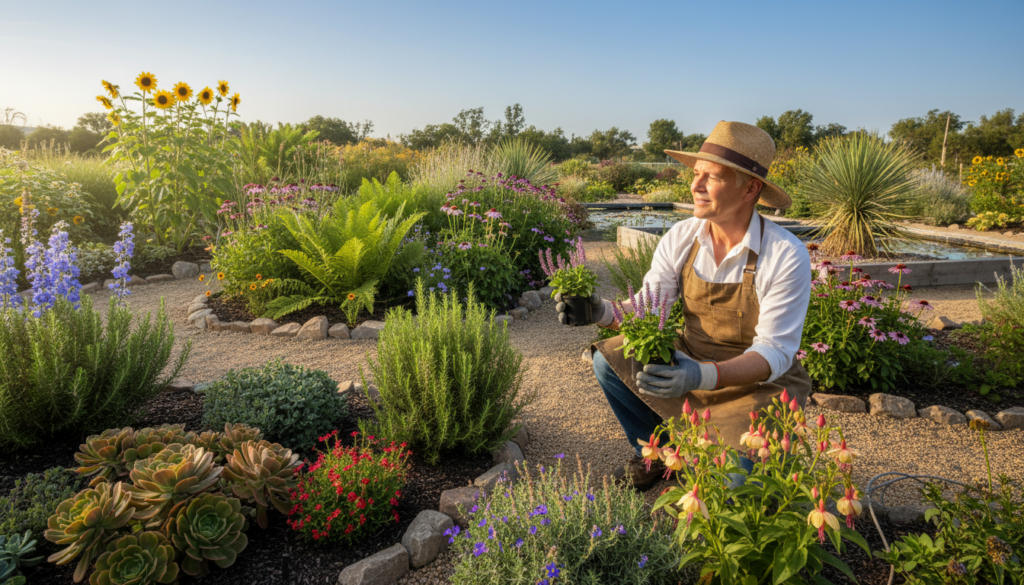
Picking species that match your local climate dramatically increases success and reduces upkeep. Start with your hardiness zone so selections survive winter lows. Match each choice to light and heat for stronger growth.
Hardiness Zones
Find your USDA zone and focus on varieties rated for that range. Zones guide winter survival and help you avoid costly replacements.
Sun Exposure
Check morning and afternoon light where you’ll plant. Some types need full sun, while others thrive in partial shade.
If you see a page blocked extension while browsing our shop, try disabling extensions to view full listings. A blocked extension or extension blocked alert often hides accurate unit price per item and sale price details.
| Zone | Sun | Unit Price | Sale Price |
|---|---|---|---|
| 3–5 | Full sun | $12 (unit price) | $9 (sale price) |
| 6–7 | Partial sun | $10 (unit price) | $8 (sale price) |
| 8–10 | Partial shade | $11 (unit price) | $8.50 (sale price) |
Tip: Read customer reviews for real-world performance in your zone. Proper planting and correct sun exposure will keep your outdoor area healthy all year.
Popular Culinary Herbs for Your Kitchen Garden
Grow easy-to-use herbs near your stove to grab fresh flavor in seconds.
Aromatic Thyme Varieties
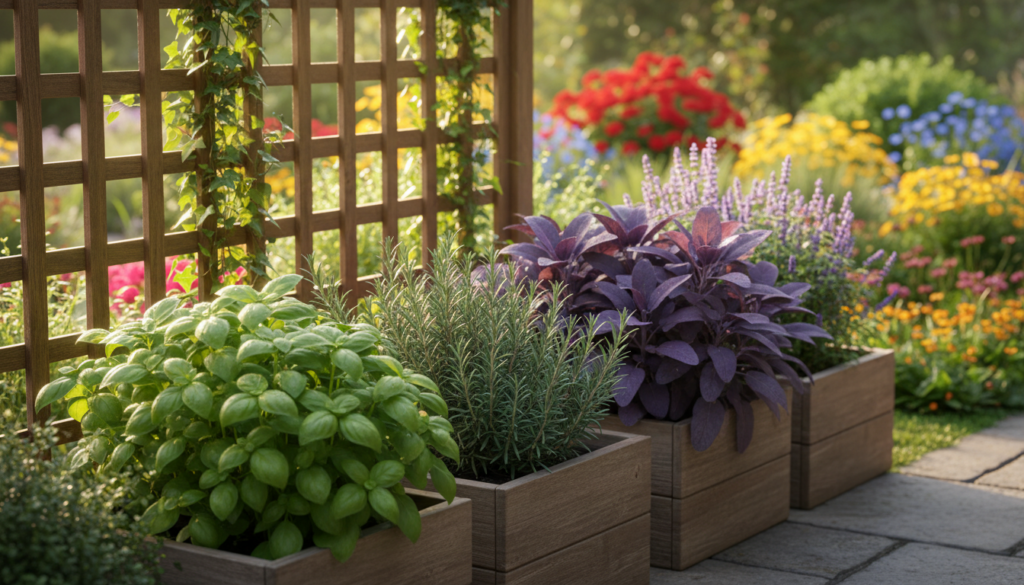
German Thyme is highly aromatic and cold hardy. It stays evergreen in zones 9 and 10 and makes a reliable kitchen staple.
Thyme adds long-lasting color and scent through spring and into winter. Its low maintenance makes it a smart pick for cooks short on time.
Mint and Its Spreading Habits
Mint grows fast and spreads aggressively if planted directly in beds. For neat care, we recommend keeping mint in a container.
If you see a page blocked extension, try disabling extensions to view our collection of mint and other herbs in the shop. That fixes a blocked extension or page blocked issue so you can compare unit price per plant and sale price easily.
Parsley and Cilantro Differences
Parsley tolerates a bit of shade and does well across multiple zones. Cilantro prefers sun and bolts quickly in hot months.
Each herb lists unit price and price per herb so you can check the best sale price. Our reviews note flowers appear in spring and even winter for certain varieties. After years of selection, we focus on value and reliable growth.
- Tip: Match herb choice to your zone and sun exposure for best results.
- For more layout ideas and to plan a small backyard herb patch, see our backyard garden guide.
Growing Delicious Vegetables at Home
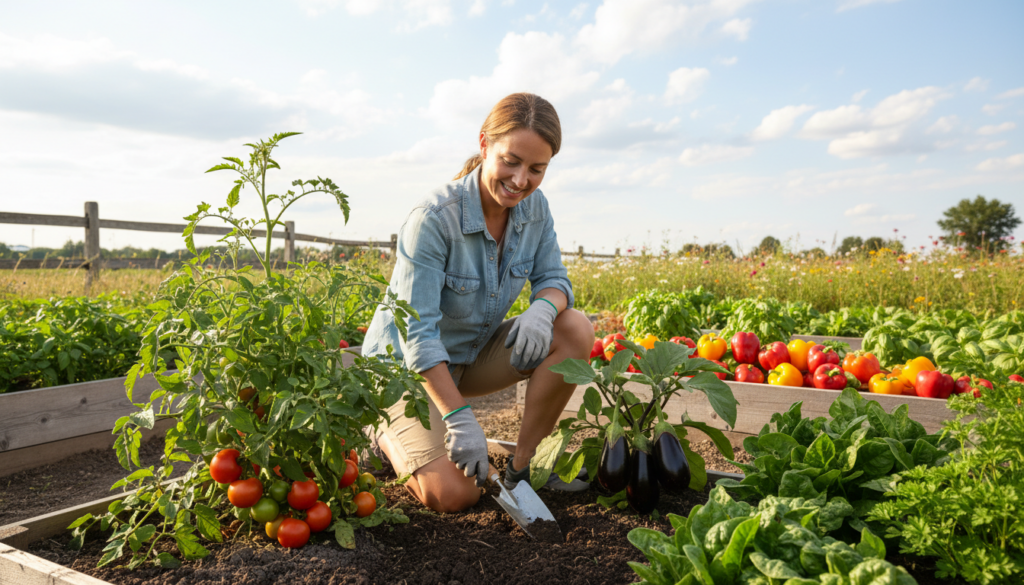
Homegrown vegetables bring fresher flavor and big savings when you pick reliable varieties. Sun Sugar tomatoes earned top taste honors from Sunset magazine, so they’re a great choice for spring and summer harvests.
The Jalapeño has a fun history — it was the first pepper in space aboard Columbia in 1982 — and it performs well in containers and beds. Proper planting at the right time improves yield and taste, as many customer reviews note.
If you encounter a page blocked extension when shopping, try disabling extensions to view complete listings. Disabling extensions clears blocked extension errors so you can see unit price per plant and sale price details in our shop.
We list clear unit pricing and sale events throughout the year so you can compare unit price and price per vegetable. For practical crop suggestions for small spaces, see our backyard crops guide.
Rare and Native Perennials for Unique Landscapes
Add long-lived perennials and native shrubs to boost biodiversity and make your space more resilient.
Tony Avent founded Plant Delights Nursery in 1986 in Raleigh, NC to share rare perennials with gardeners everywhere.
Today, Juniper Level Botanic Garden cares for over 27,000 plants, supporting conservation and research that protect local species for years to come.
Conservation and Biodiversity
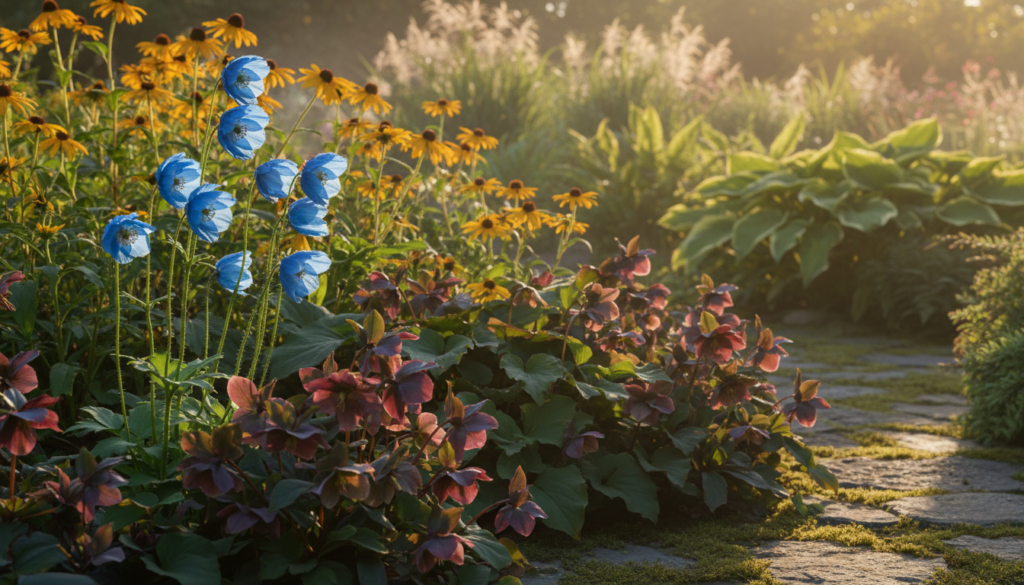
Choosing native perennials and shrubs helps pollinators and local wildlife thrive. These selections often need less water and adapt to varied sun conditions.
Our shop lists each unit price per plant clearly so you can compare unit price and price per perennial to find the best sale price. Sale events reduce price without sacrificing quality.
If you see a page blocked extension or a blocked extension warning, note that our page is optimized for most browsers. Disable extensions if a page blocked alert appears to view full listings and reviews.
- Over 27,000 specimens support long-term conservation.
- Clear unit price info and sale price tags make shopping simple.
- Native shrubs and perennials add season-long flowers and structure.
Essential Tips for Container Gardening
Small spaces shine when you choose the right pots, soil, and simple routines for success.
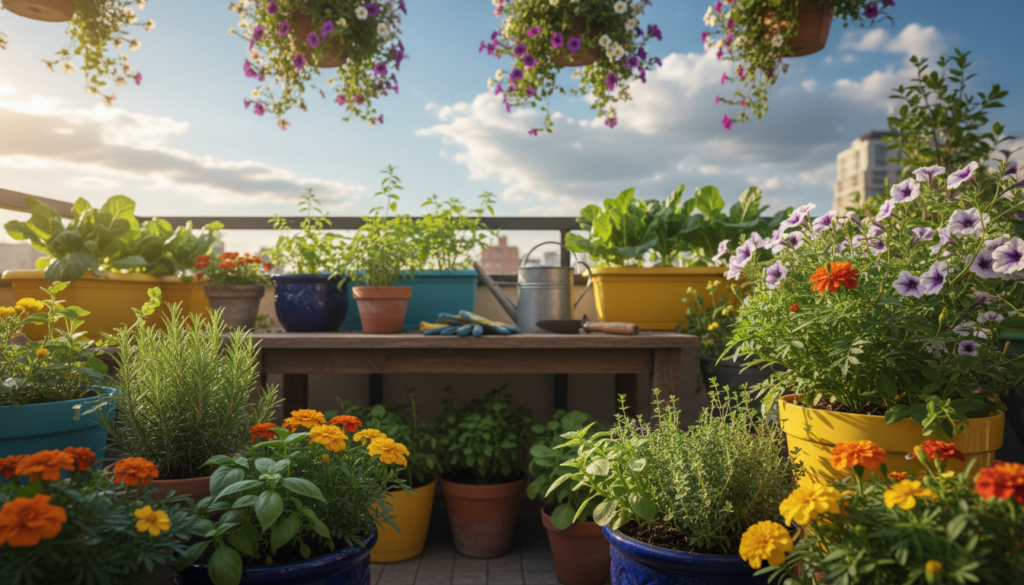
Pick containers with drainage. Good holes and a gravel layer stop root rot and keep watering simple.
Use a high-quality potting mix and feed lightly through the season. Proper planting and regular checks help plants stay healthy all year.
- Shop smart: our shop lists unit price per item so you can compare unit price and price per container before buying.
- Look for sale events to lower the sale price and get more value for each unit.
- If you see a page blocked extension or a blocked extension error, refresh the page or check your browser settings to view full listings.
Tip: Group pots by water need and rotate containers for even light. With these steps, your patio garden will thrive with low effort and a modest price.
For layout ideas, try our ideas for planning a garden.
Understanding Soil and Water Management
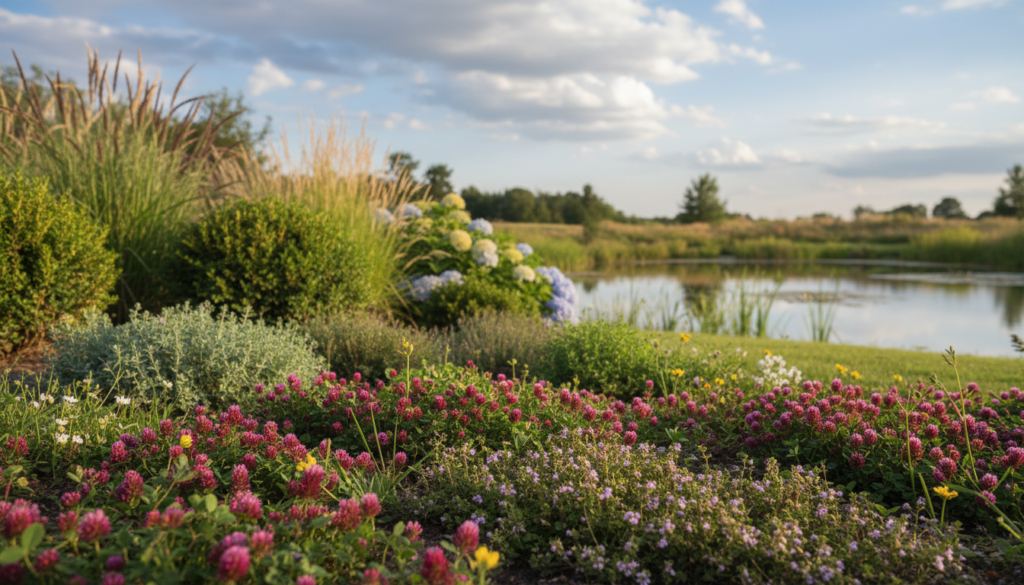
Simple soil tests and timed watering reduce stress on roots and boost flower and foliage color. Good moisture control and soil life matter in every hardiness zone. These steps save time and help blooms and foliage stay vibrant year-round.
Drought Resistance Techniques
Mulch and slow watering. A 2–3 inch mulch layer lowers evaporation and keeps roots cool during hot months. Use a drip line or soaker hose to give water slowly where it is needed.
Tip: Water early in the morning to reduce fungal risk and maximize uptake. Group pots and beds by water need to cut waste.
Preparing Your Soil
Test soil pH and texture each spring and again in winter prep. Amend with compost to improve structure and nutrient hold for better planting outcomes.
- Choose amendments that match your zone and soil test results.
- Check unit price per bag and compare unit price to find the best price at our shop.
- Look for sale events to lower the sale price on soil mixes and amendments.
If you encounter a page blocked extension or a page blocked warning, update your browser or disable the extension to view full guides and unit price per item information. For layout tips and design help, see our garden-plant design ideas.
Best Practices for Shipping and Plant Delivery
Every order is hand-packed and tracked to ensure timely delivery for your spring planting plans. We prioritize safe shipping so plants arrive healthy and ready for your garden.
Check your cart to view order content and shipping results before checkout. Our customer service team is available to help with orders, shipping orders, and any questions about delivery time.
We offer free shipping on qualifying orders. The free shipping orders policy shows which orders qualify and how it affects the final price. Each unit price per plant is listed so you can calculate unit price and price per item. This helps you confirm the sale price and price per selection before you pay.
Our reps hand-pack every unit and provide tracking updates so customers know when their orders arrive. Choosing professional delivery lowers damage risk and improves your results when planting this year.
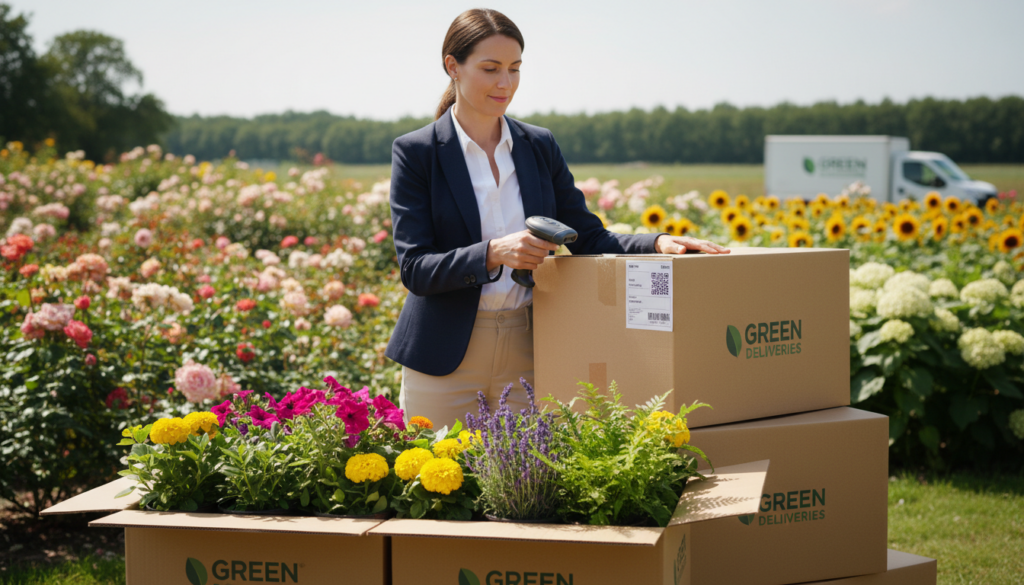
- Tip: Contact customer service for shipping orders or questions about free shipping and unit pricing.
Educational Resources for Every Gardener
Our learning hub packs years of experience into short, actionable guides. These lessons help beginners and advanced users get better results each season.
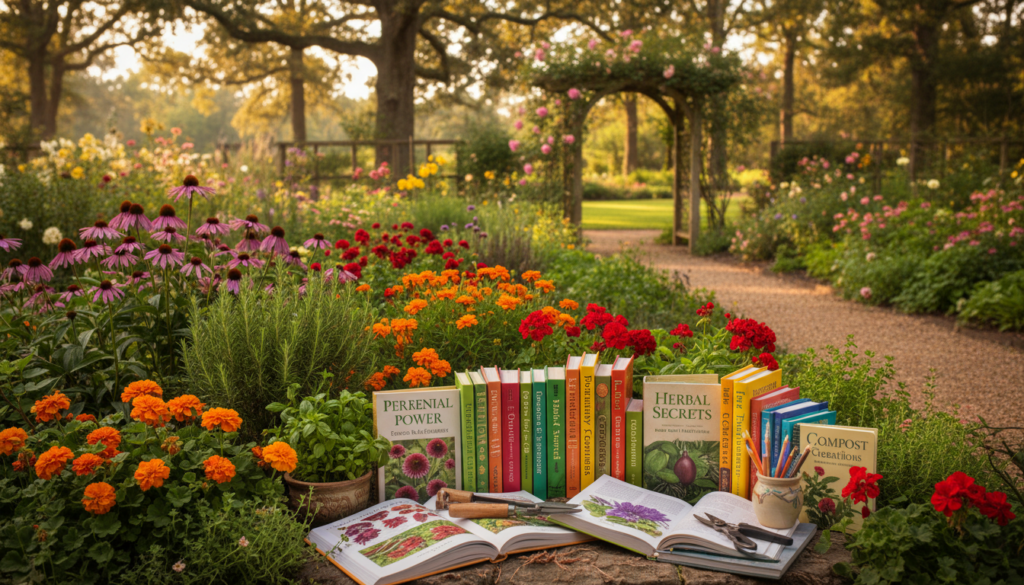
Browse a curated selection of how-to content, videos, and quick checklists. Add guides to your cart and review the results to plan spring projects and timelines.
- Affordable learning: clear pricing and frequent sale events make it simple to buy what you need.
- Each guide shows unit price per copy so you can compare unit price and price per lesson at a glance.
- Resources span basic care to advanced techniques, supporting success for many years.
| Resource Type | Unit | Unit Price | Sale Price | Price Per Topic |
|---|---|---|---|---|
| Quick Start Guide | eBook | $8 | $5 | $1.25 |
| Seasonal Course | Module | $25 | $15 | $3.75 |
| Video Bundle | Unit | $40 | $28 | $4.00 |
Tip: Compare unit price per guide and sale price before checkout. That way you get the best price and the right selection for your yard, plants, and spring plans.
Conclusion
Matching a plant to its microclimate is the fastest path to long-term success.
Start with climate, light, and simple soil checks to reduce stress and lower upkeep. Follow our soil and container tips to help each selection thrive in its spot.
We provide clear resources, expert advice, and a wide selection to support your goals. Our team also ensures safe packing and reliable shipping so orders arrive ready to grow.
Want inspiration? Explore designer ideas for layout and style at designer garden ideas to find options that fit your space.
Ready to begin? Use the tools and guides here to pick the right plants and enjoy better results all season.