
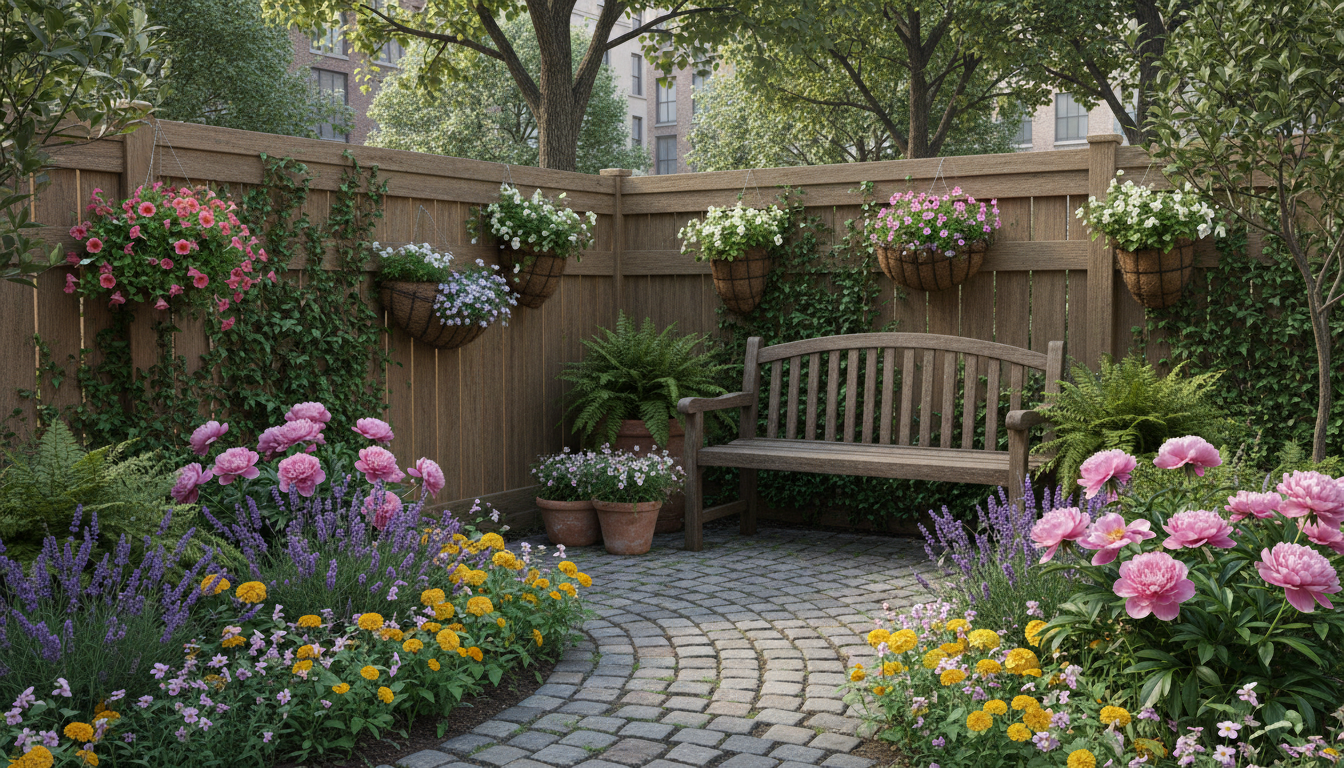
Designer Karen Chapman reminds homeowners that beauty and function do not have to be limited by the size of an outdoor area. A 40-foot by 20-foot plot may seem tight, yet it offers real potential to become a lush retreat.
Prioritize your wish list so every square inch contributes to comfort and style. Look for inspiration in projects where others have reshaped similar spaces into inviting places to relax.
Our guide shares practical ideas and tips from a pro designer to help you maximize a cramped backyard or narrow side yard. For more planting and layout pointers, see a useful collection of garden ideas that spark creativity.
Key Takeaways
- Focus your wish list so each area serves a purpose.
- Use examples from 40′ x 20′ transformations for inspiration.
- Mix function and beauty with simple, smart ideas.
- Apply expert tips to make spaces feel larger and cozier.
- Let your personal style guide planting and layout choices.
Defining Your Priorities for Outdoor Living
Start by listing how you want to use the outdoor area so every choice supports that purpose. Choose whether you need seating for two, twelve, or a flexible mix that changes with gatherings.
Capped retaining walls and raised beds can pull double duty. Built at about 17 inches, they act as durable seating. Add cushions to soften the look and boost comfort.
When planning a patio, think about a gas fire table as an alternative to a wood-burning pit. A gas option saves room, cleans up easily, and can be safer in tight spaces.
Pick versatile furniture to make the most of limited room. Folding bistro sets, extendable tables, or benches with storage free up walking area and help small gardens feel larger.
- Decide if you want a dining area or a patch of lawn in the center of the garden.
- Match seating numbers to your hosting style to avoid overcrowding the space.

Essential Principles of Small Garden Design
Good layout starts with clear purpose: assign each corner a role so the area works smarter, not harder.
Creating Functional Zones
Divide the space into compact zones — a dining spot near the door, a quiet seating nook farther away.
Defined zones let you fit a patio and a separate seating area without crowding. Use low walls or raised beds to mark edges and give each zone a clear function.
Balancing Hardscape and Planting
A 50/50 ratio of planting and furniture to paving or decking creates a balanced landscape. Too much paving looks stark; too many plants can feel cluttered.
Keep lines clean and choose furniture that complements the ground plane. For fresh inspiration, see best garden layouts.

- Use walls and raised beds to define zones and add structure.
- Choose planting and furniture that do not overwhelm the area.
- Look to events like the 2026 RHS Chelsea Flower Show for new ideas and inspiration.
Maximizing Vertical Space for Lush Greenery
Growing up instead of out is a smart way to add greenery while preserving floor area. A living wall or trellis turns plain boundaries into layered, textured features that bring life and height.
Installing green walls and trellises lets you grow vines, trained trees, and mixed planting without losing usable room. Use sturdy frames to support trunks and heavier climbers. This approach helps create privacy and depth in tight spaces.

Installing Green Walls and Trellises
Start with lightweight panels for fast planting, then add stronger supports where you plan to train trees. Choose species that fit the location and maintenance levels you prefer.
“A living wall can transform a bland boundary into the best feature of the yard.”
- Maximize planting capacity by growing upward.
- Use trellises to support vines and espaliered trees.
- Layer vertical elements to guide the eye and enlarge the space.
| Feature | Best Use | Maintenance |
|---|---|---|
| Modular green panel | Fast coverage on a wall | Weekly watering, monthly feed |
| Timber trellis | Support for climbers and light trees | Low; inspect ties seasonally |
| Espalier frame | Trained fruit trees against a wall | Prune annually, protect roots |
For layout tips that tie vertical elements into the broader plan, see a practical garden planning resource. Use vertical features as the backbone of your overall design to make space feel larger and livelier.
Selecting the Right Plants for Compact Areas
Choose plants that give year-round interest so your outdoor area stays lively through each season.
Choosing Multi-Season Trees
Pick trees that offer structure and seasonal change. Upright or columnar trees give height without swallowing the floor space. Choose species with winter bark or autumn color to keep the landscape engaging year-round.
Growing Trained Fruit Trees
Train apples on rootstocks such as M27 to limit growth to about 1.5 meters. This is a smart way to enjoy fruit in a kitchen plot without losing precious space.
Utilizing Container Displays
A single large container makes a strong focal point and reduces the clutter of many pots. Use perennials like Rosa ‘Lady of Shalott’ for long-season flowers from June to October.
- Use raised beds or containers to control soil and planting density.
- Combine a focal point tree with layered ground planting for impact.
- Work with a designer or follow practical ideas for planning a garden to match plant choice to microclimate.

| Plant Type | Best Use | Notes |
|---|---|---|
| Columnar tree | Vertical interest near a wall | Low canopy, minimal ground shadow |
| M27 apple | Productive kitchen tree in pots | About 1.5 m tall, easy to train |
| Rosa ‘Lady of Shalott’ | Long-season flowering | Flowers June–October; repeat blooms |
| Large container | Focal point on patio | Single statement pot reduces clutter |
Clever Furniture and Storage Solutions
Multi-use pieces let you host dinner and hide supplies in the same footprint.
Choose furniture that works harder. A storage bench doubles as seating and stashes cushions, tools, or grill accessories. This cuts clutter and keeps the patio tidy.
Folding bistro tables are ideal for dining guests. Fold them away when not in use to free room and maintain clear walking paths.
- Pick tables that lift to reveal storage to hold dinnerware or a small kitchen kit.
- Use benches with hidden compartments for seasonal items and toys.
- Select stackable stools and nesting tables to adapt to different gatherings.
Integrated storage in planter walls or deck boxes keeps an outdoor kitchen or dining area neat. When every item has a place, spaces feel bigger and more serene.

| Item | Best Use | Why it Saves Space |
|---|---|---|
| Storage bench | Seating and tool storage | Combines two functions in one footprint |
| Folding bistro table | Casual dining for two–four | Folds flat when not needed |
| Lift-top table | Dining or prep surface | Concealed storage under the tabletop |
| Stackable stools | Extra seating for guests | Stack to save floor area |
For more clever picks and layout tips, see designer garden ideas. Choosing the right pieces is a simple way to make space feel generous and functional.
Using Visual Tricks to Enhance Depth
A diagonal axis redraws the viewing lines, turning short distances into perceived vistas. Shifting patios and planting beds 45 degrees to the house is a simple move a designer often uses to help make a space feel longer.

Applying the Diagonal Axis
Turn paver patios or a table slightly on the diagonal to guide the eye toward the far end of the landscape. This creates an illusion of depth that makes a yard look larger.
Place a water feature or a bold focal point where diagonal lines meet. That pull-point draws attention away from boundaries and toward the center of activity.
- Align trees and flowers along the diagonal to extend sightlines.
- Use light-colored landscaping materials to bounce light and add reach.
- Install a low wall or screen to hide storage and reveal a calmer view.
- Set furniture and beds on the same axis to amplify the effect.
“A 45-degree axis is one of the easiest ways to increase perceived depth without adding square footage.”
Incorporating Lighting and Water Features
Lighting and moving water are the quickest ways to add mood and scale to tight outdoor areas. A small recirculating wall fountain or a bubbling tabletop pot gives a soothing focal point that fits easily into a patio plan.
Place a tabletop fountain near a patio table so the water masks street noise and makes seating feel private. The sound also helps each visit feel calmer and more restorative.
Use solar-powered path lights and warm, yellow-toned bulbs to highlight trees and walkways without hard wiring. Solar uplights work well to show trunks and create layers of light that lengthen perceived space.

Combine light and water to create a multi-sensory experience that makes the outdoor space feel larger. Choose pots or units with recirculating pumps for easy maintenance.
“A single glowing fountain and soft uplights will extend use into the evening and lift the mood of any yard.”
For planting and layout ideas that pair well with water and lighting, see a helpful resource on garden planting and layout.
Sustainable Practices for Tiny Landscapes
A few sustainable swaps transform a tight yard into a resilient, wildlife-friendly retreat.
Start by cutting water use: replace a thirsty lawn with gravel, planting beds, or a permeable surface. This lowers maintenance and reduces runoff while freeing up usable space.

Choose native plants and drought-tolerant species to support pollinators and keep upkeep low. Group plants by water need to simplify irrigation and reduce waste.
- Use xeriscaping ideas and mulched beds to retain moisture.
- Install permeable pavers or gravel so water soaks into the ground.
- Try a living roof or vertical walls to expand planting without using the floor area.
Work with a designer if you need help choosing trees, containers, or permeable materials that suit your microclimate. Small changes in lighting and water features can boost habitat value with minimal impact.
“Sustainable planting makes tight spaces both beautiful and easier to manage.”
For pattern ideas that pair well with low-water planting, see a collection of garden patterns.
Conclusion
With the right tweaks, even a compact plot can feel open, lush, and useful. Prioritize function, then add one strong focal point to anchor the plan.
Thoughtful planting and clever furniture make the most of every space. Use layered plants and vertical elements to add height without crowding walkways.
Work with a designer or follow these garden ideas to balance beauty and utility. Focus on a clear vision and simple maintenance to keep the area welcoming year-round.
Consistent care and smart choices will turn your small garden into a favorite spot to relax. Start small, plan well, and enjoy the results.