
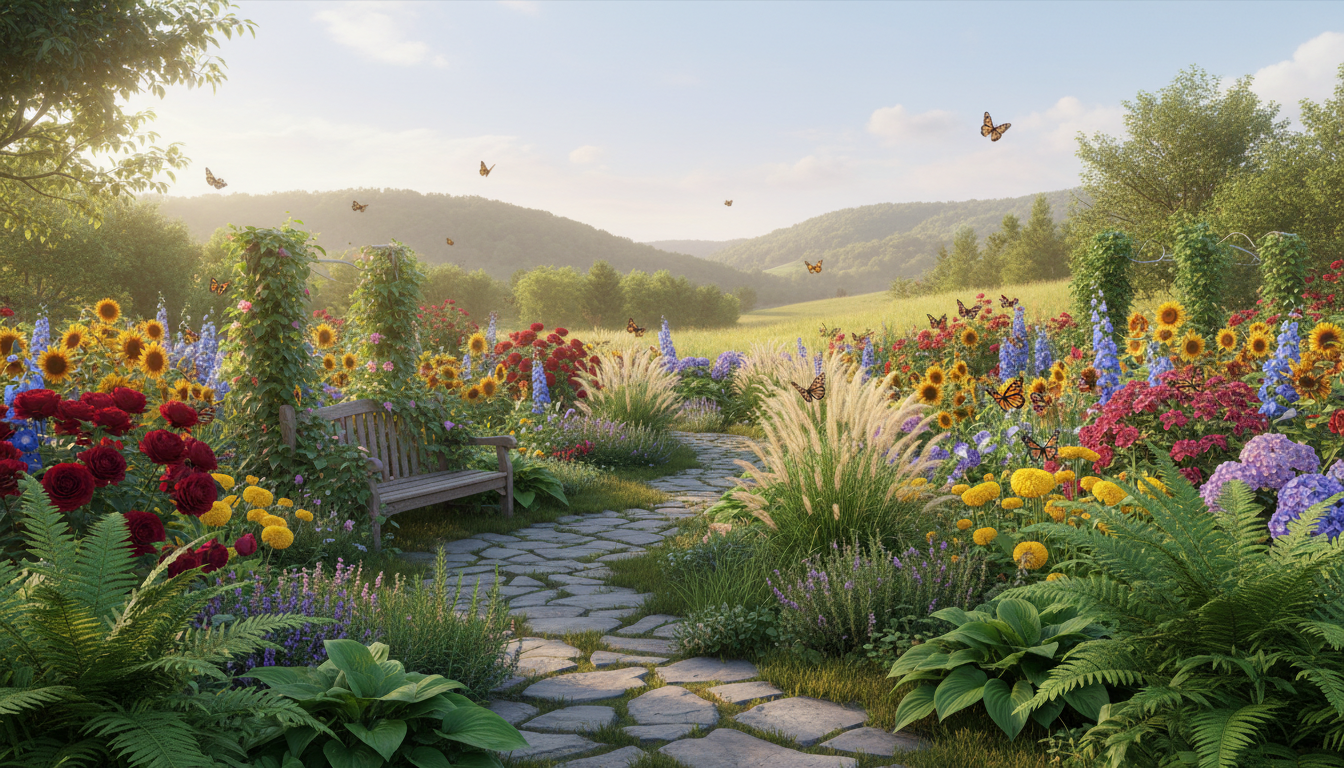
Transforming your home starts with a clear plan. A thoughtful approach helps you create a dream garden that fits your style and daily life.
Good layout links plants, paths, and landscape features so each element works together. This makes small space feel larger and more inviting.
Every project begins by measuring the area and choosing the right plant for each spot. That focus ensures long-term health and visual harmony.
Whether you are starting new or updating existing gardens, smart choices save time and money. Our guide aims to help you plan with confidence and enjoy lasting beauty.
Key Takeaways
- Start with a clear plan to make the most of your space.
- Link plants and landscape elements for a cohesive look.
- Choose plant placement that supports growth and form.
- Small updates can transform your home into a sanctuary.
- Whether new or renovated, planning reduces surprises.
Understanding the Fundamentals of Garden Design
Start by shaping how people move through your outdoor space.
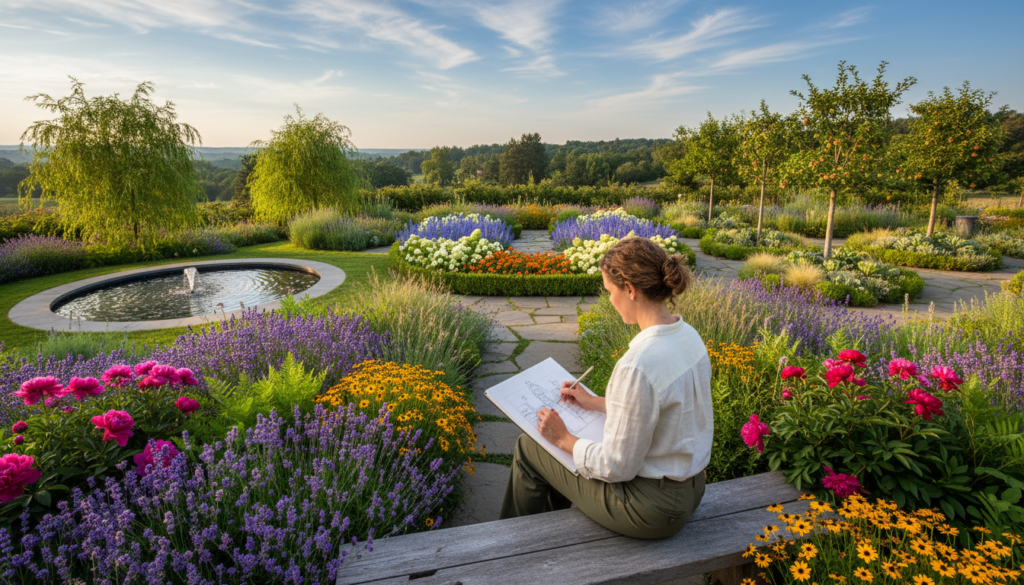
Core Principles of Landscape Layout
Balance and flow are the backbone of any successful plan. Prioritize clear paths and sightlines so the space feels purposeful.
Scale matters. Match plant size and hardscape to the area to avoid overcrowding or emptiness.
- Group elements to create viewing zones.
- Use focal points to guide movement.
- Allow for future growth and maintenance access.
“A well-planned layout grows with you, not against you.”
Personalizing Your Style
Choose elements that reflect your lifestyle. Seating, lighting, and textures turn an outdoor area into a living room outside.
Tip: Start with one unifying theme and add accents to keep the look cohesive and adaptable.
| Principle | Practical Benefit | Quick Action |
|---|---|---|
| Flow | Improves movement and usability | Create 3-4 clear routes |
| Scale | Prevents overcrowding | Match plant size to space |
| Personal Style | Makes the area feel like home | Add textiles and lighting |
Essential Elements for a Balanced Landscape
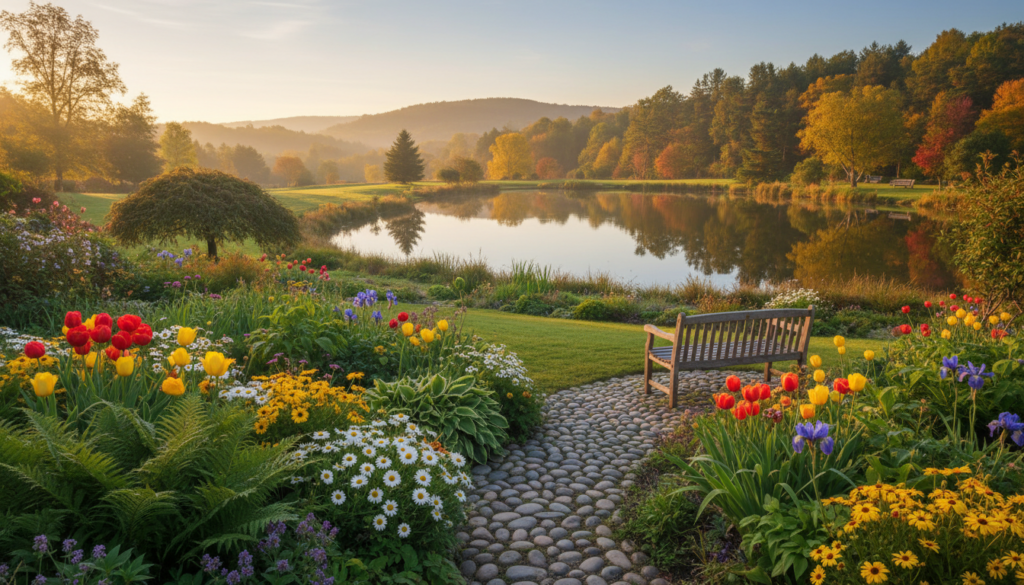
A clear set of core elements helps every outdoor area feel unified and intentional.
The 10 elements offer a simple framework for balancing color, form, and texture. Use them to guide plant placement, paths, and focal points.
Start with a single idea that anchors the plan. That central thought keeps your choices consistent and purposeful.
Our short guide gives practical ideas for homeowners who want useful, attractive spaces. Whether you seek a simple update or a full overhaul, these elements support lasting results.
“A central idea turns scattered features into a cohesive whole.”
| Element | Purpose | Quick Action |
|---|---|---|
| Unity | Create a consistent theme | Choose one focal idea |
| Balance | Even visual weight | Place large forms opposite small groups |
| Texture | Add tactile interest | Mix leaf shapes and materials |
| Color | Guide the eye | Use 2–3 repeating hues |
For a step-by-step plan, see our plan guide that walks through each element.
Utilizing Digital Tools for Garden Planning
Seeing a 3D view of your outdoor plan makes choices feel clear and simple. Virtual tools let you test scale, materials, and layouts before any work begins.
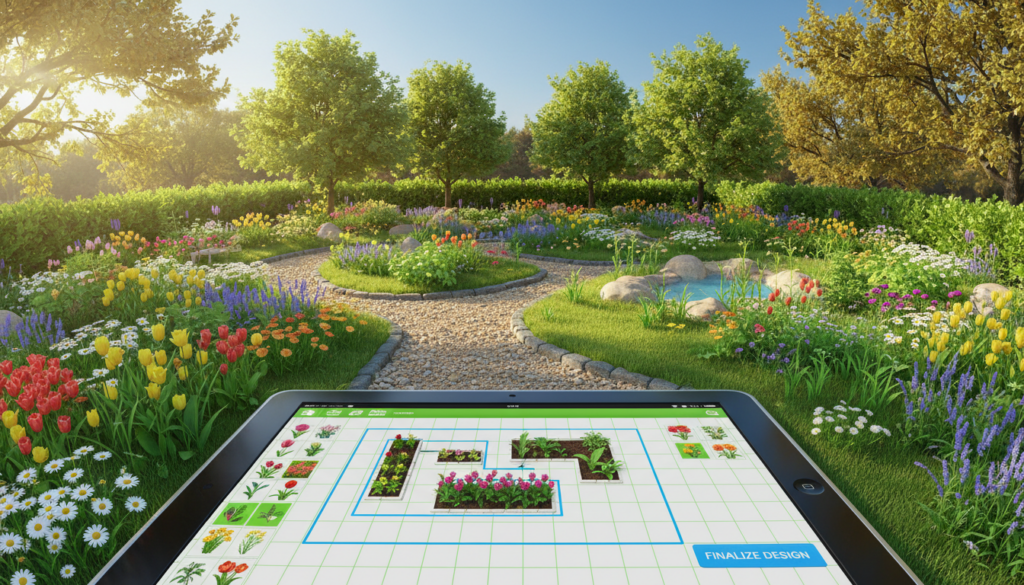
Start with a free planner to create both 2D and 3D renderings. This helps you visualize the space and refine plans without wasting time or money.
Using 3D Visualization Tools
Drag-and-drop interfaces make the process easy for beginners. You can move paths, seating, and plants to see how they fit your yard.
- See realistic views to avoid costly mistakes on your backyard project.
- Adjust color and dimensions for every object so the final plan matches your life and taste.
- Access advanced features with a premium account—often offered at a 50% off first-year rate.
| Feature | Benefit | Best Use |
|---|---|---|
| 2D & 3D Renderings | Clear visual preview | Early concept checks |
| Drag-and-Drop | Fast edits, beginner-friendly | Layout experiments |
| Color & Size Controls | Matches vision precisely | Finalizing material and plant choices |
Use these digital tips to master planning and create accurate plans for your project. The right tools cut time and make execution smoother every step of the way.
Incorporating Trellises for Vertical Growth
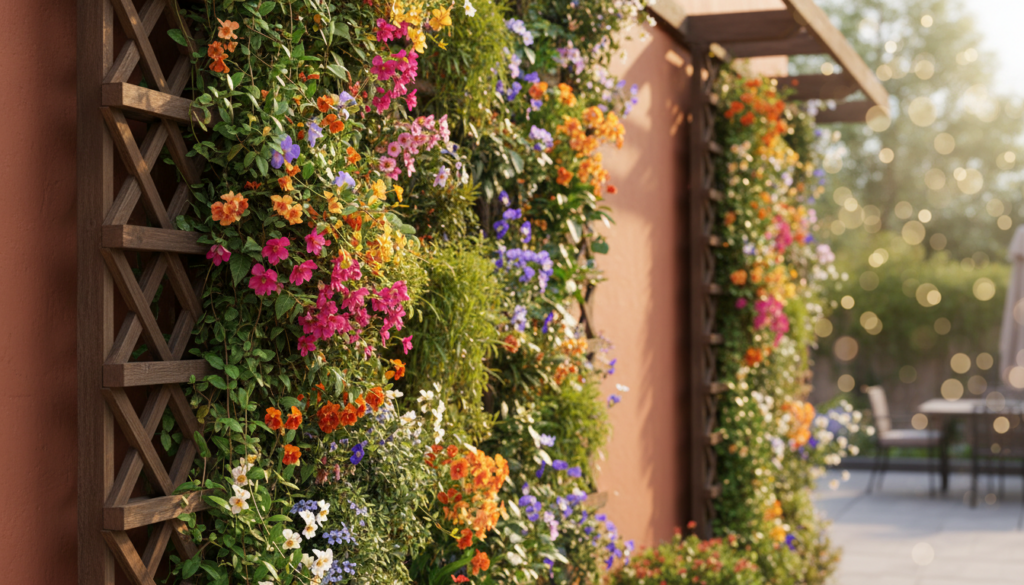
Trellises turn vertical space into productive, beautiful growing areas. They add height without crowding beds and let you grow more in less space. Gardenary signature trellises support vining plants like cucumbers and pole beans while maximizing your planting area.
Benefits of Vertical Structures
Vertical supports: save space, improve yield, and add instant beauty.
They free ground room in a bed and make the most of limited space. For layout tips, see a basic layout to position trellises where they help traffic and light.
Improving Plant Health
Airflow and light matter. Trellises raise each plant so leaves dry faster and pests have fewer hiding spots.
Plants also get better access to water and sunlight, which cuts disease and boosts harvests.
Creating Living Walls
Train vines upward to form a living wall that enhances your landscape year-round.
Even in winter, the structure adds form and interest while keeping beds organized over time.
- Gardenary signature trellises add beauty to a bed while supporting vining plants like sugar snap peas.
- Vertical growth saves space and helps each plant get sunlight and water.
- Using trellises reduces overcrowding and increases harvests in small spaces.
Mastering Color Theory in Your Outdoor Space
A well-chosen palette guides the eye and sets mood across your outdoor rooms. Use hue, value, and saturation to craft scenes that feel calm, vibrant, or cozy depending on your goals.
Intentional choices matter. Pick a dominant hue, a supporting tone, and one bright accent to avoid visual clutter. This simple rule keeps each space balanced and clear.
Texture pairs with color to add depth. Matte foliage and glossy leaves read differently under sun and shade. Combine textures so colors read stronger and last through seasons.
Our expert color and pattern ideas guide shows how to select plants that work together. Follow those guides to ensure every choice enhances your home landscape.
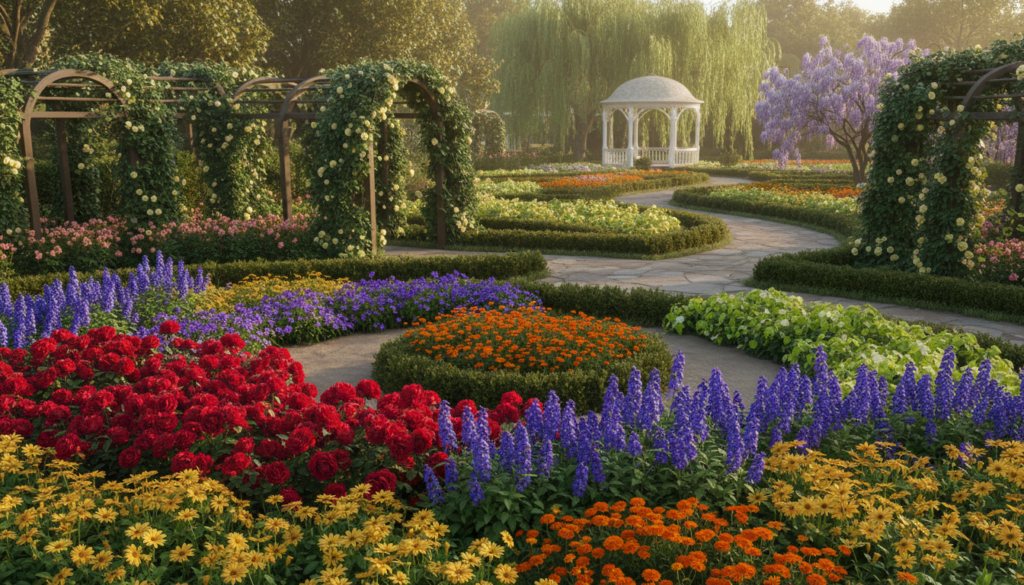
Tip: Test palettes in small beds and view them at different times of day. When you make intentional choices, the entire yard becomes a cohesive, visually stimulating masterpiece.
Selecting Plants for Texture and Form
Mixing soft, feathery foliage with bold, structural forms creates layered depth without extra space. This approach helps any bed read as intentional and polished.
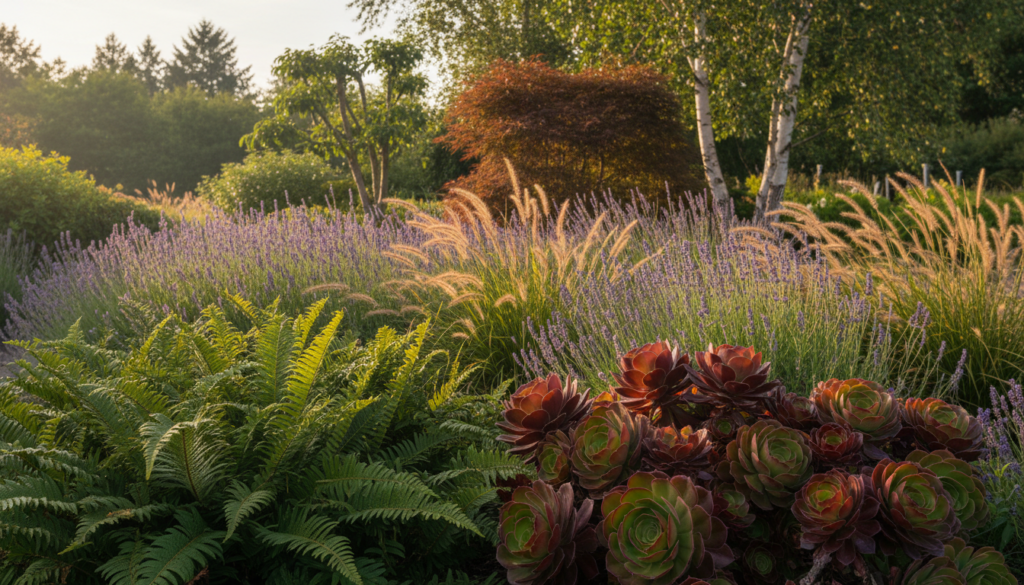
Choose plants that add contrast in leaf size, edge, and posture. A mix of fine, broad, and architectural shapes keeps the area lively all year.
Every plant should pull its weight. Aim for pieces that build the overall shape and balance of the layout. That way, the space feels full even when blooms fade.
- Combine three texture types—soft, coarse, and glossy—for visual interest.
- Layer heights so low, medium, and tall elements create depth.
- Pick reliable species that keep form through seasons for steady structure.
Careful choices make a small plot feel larger and a large plot more intimate. For tips on arranging these elements in a plan, see how to design a layout.
“Texture and form are the quiet stars that hold a landscape together.”
Tip: Test combinations in one bed before committing to the whole plan to ensure the final design matches your vision.
Designing for Small and Large Garden Beds
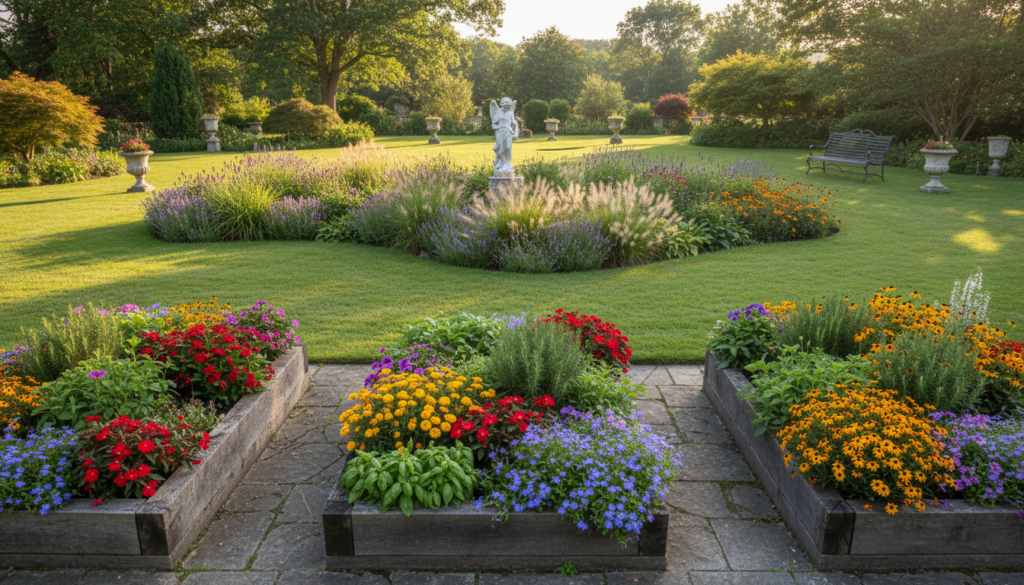
Smart bed layouts work for both a tiny patio and a wide yard. Start by noting each bed’s shape, sun exposure, and access paths. That snapshot guides plant placement and care routines.
Arrange plants in layers: low in front, medium in the middle, tall at the back or center for round beds. This keeps sightlines open and lets every plant get light.
Use simple plans to unite multiple beds across a property. Repeat a few key plants, textures, or colors to make the landscape feel cohesive without being uniform.
“Planning beds by shape and scale turns scattered plots into usable, beautiful places.”
| Bed Size | Best Approach | Quick Tip |
|---|---|---|
| Small patio bed | Use vertical planting and compact plants | Pick 2–3 repeatable varieties |
| Medium border | Layer by height and season | Mix perennials with seasonal accents |
| Large yard bed | Create focal groups and paths | Design clusters that read well from a distance |
- Practical tip: leave maintenance paths wide enough for tools and trimming.
- Test one bed before copying plans across all your beds to save time and money.
Adapting Your Garden to Different Climates
Knowing seasonal patterns in your region helps you pick plants that need less care. Climate-aware choices reduce failures and keep beds healthy year after year.
Use local hardiness maps and microclimate notes to choose species suited to your soil and weather. Regional guides list varieties proven in similar conditions, saving time and expense.
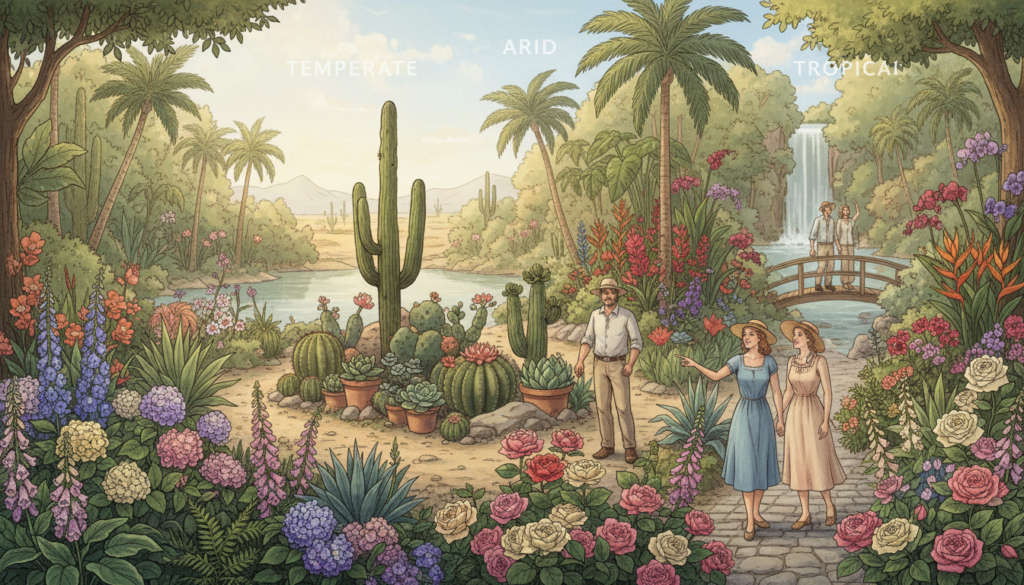
Focus on drought tolerance, frost dates, and heat tolerance when selecting any plant. Protect young specimens with mulch, wind breaks, or temporary covers during extremes.
- Select native and well-adapted plants to increase resilience.
- Group plants by water and sun needs to simplify care.
- Use seasonal protection tips to shield blooms and roots from shock.
“Adapting to your local climate is the single best step toward long-term success.”
With the right approach, your gardens will need less upkeep and look better through every season. This short guide helps you match choices to your specific environment and build a lasting, thriving outdoor space.
Creating Seasonal Interest Throughout the Year
A rolling sequence of bloom times is the secret to continuous color from spring to winter.
Plan so one group hands off to the next. Start with spring bulbs for an early show.
Follow bulbs with hardy perennials that carry the scene through summer. Then add late perennials for autumn impact.
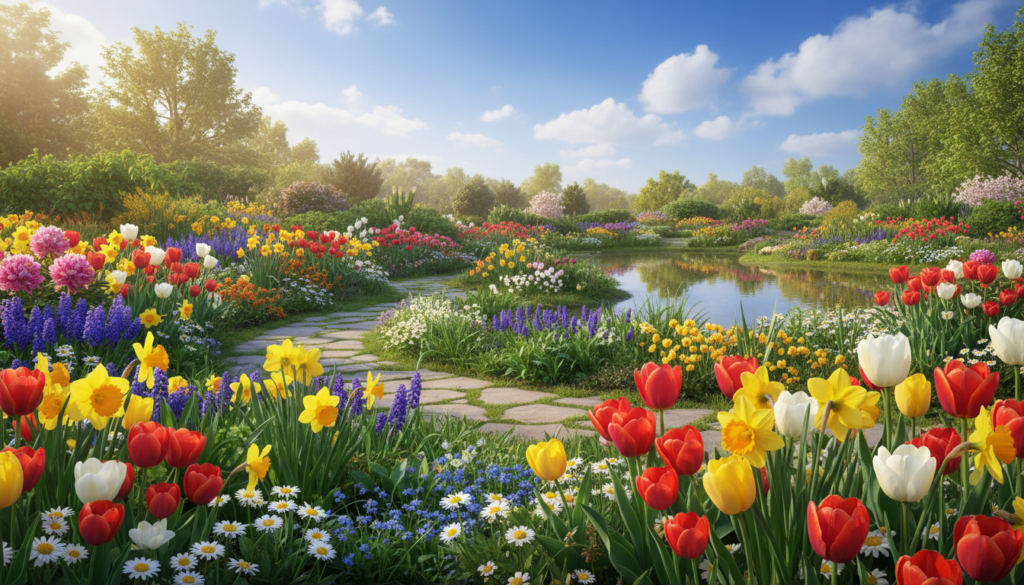
Choose each plant for a role and a season. That ensures the garden looks lively at every time of year.
“A well-timed mix of bulbs and perennials keeps beds active from thaw to frost.”
| Stage | Choice | Benefit |
|---|---|---|
| Early (spring) | Bulbs (tulips, daffs) | Fast, bright starts |
| Mid (summer) | Clumping perennials | Lasting structure |
| Late (fall) | Late perennials (asters) | Extended color and seed interest |
- Mix heights and bloom windows to fill every space.
- Pick plants that repeat color and texture across beds to link gardens visually.
Implementing Drought-Resistant Landscaping Techniques
Drought-friendly methods cut water use while keeping outdoor areas attractive. Implementing drought-resistant landscaping is one of the best ways for gardeners to save water and keep a healthy garden space.
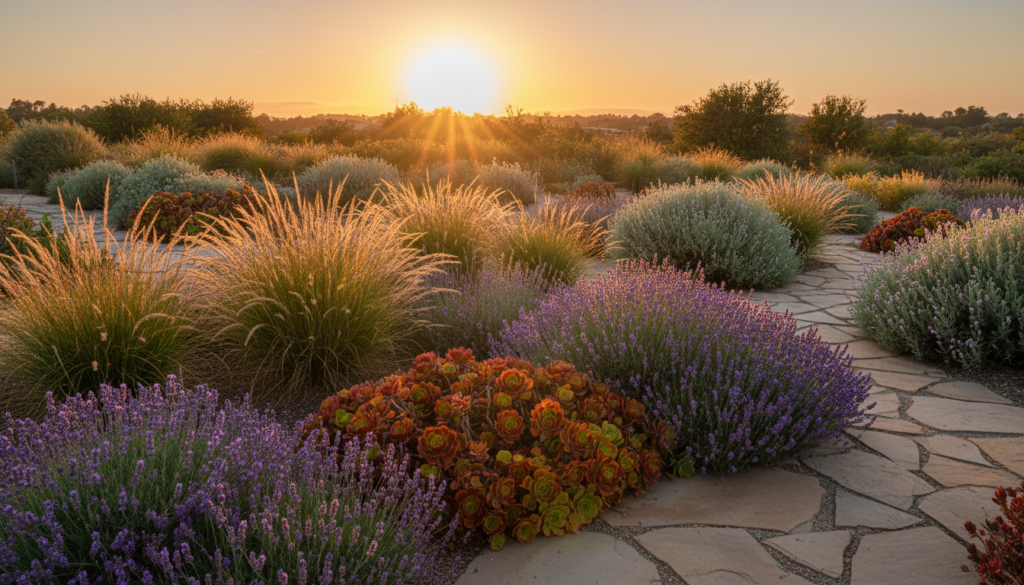
Start by choosing hardy plants that thrive with less irrigation. Group the same water needs together so you only irrigate where required. Mulch deeply to retain moisture and suppress weeds.
Simple layout changes make big differences. Swap thirsty turf for low-water groundcover or native species. Add drip irrigation and timers to deliver water straight to roots.
- Select resilient plant varieties to reduce maintenance and water use.
- Use mulch and soil amendments to hold moisture longer.
- Zone planting so each part of the landscape gets the right care.
These practical tips help create sustainable gardens that stay vibrant in hot months. Every gardener will find these ways useful for saving water while keeping plants healthy and attractive.
Finding Inspiration in Real World Landscapes
Real landscapes show how small choices in plant combos and color can lift an entire yard.
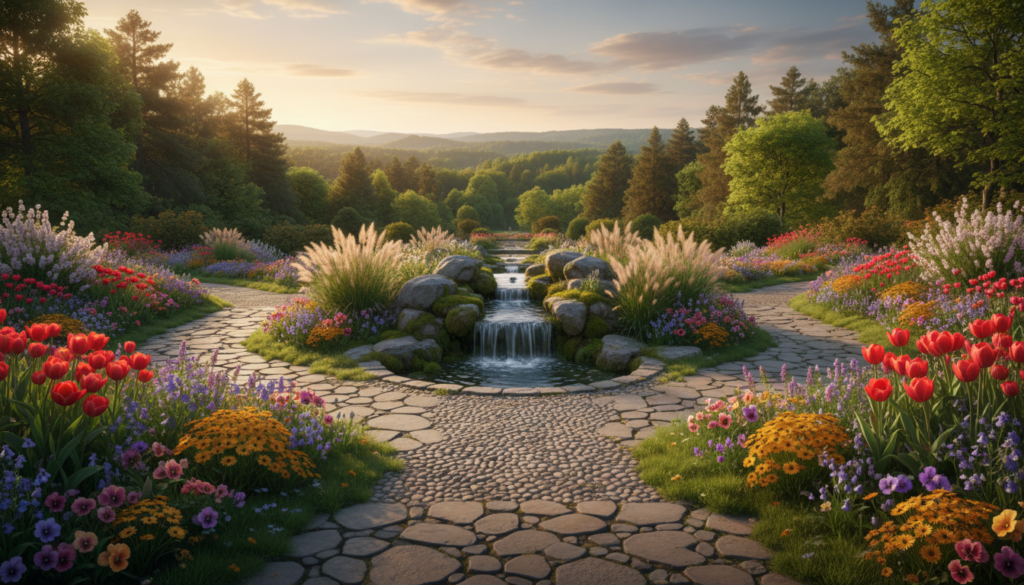
Proven Winners installations across the country are a great resource. They demonstrate practical ways to mix texture and hue so a space reads as intentional and lively.
Look for one idea you can copy: a bold border, a seasonal repeat, or a compact planting cluster that fits your scale.
- Note how pros place plants to save room and increase impact.
- Record color pairings that feel like your personal style.
- Adapt ideas from a patio or backyard project to suit your own life.
“Study real examples—then simplify them to fit your plot.”
Tip: Keep a photo journal of places you love. Over time you’ll collect a variety of inspirations that help shape your dream garden without overwhelming choices.
Preparing Your Soil and Site for Success
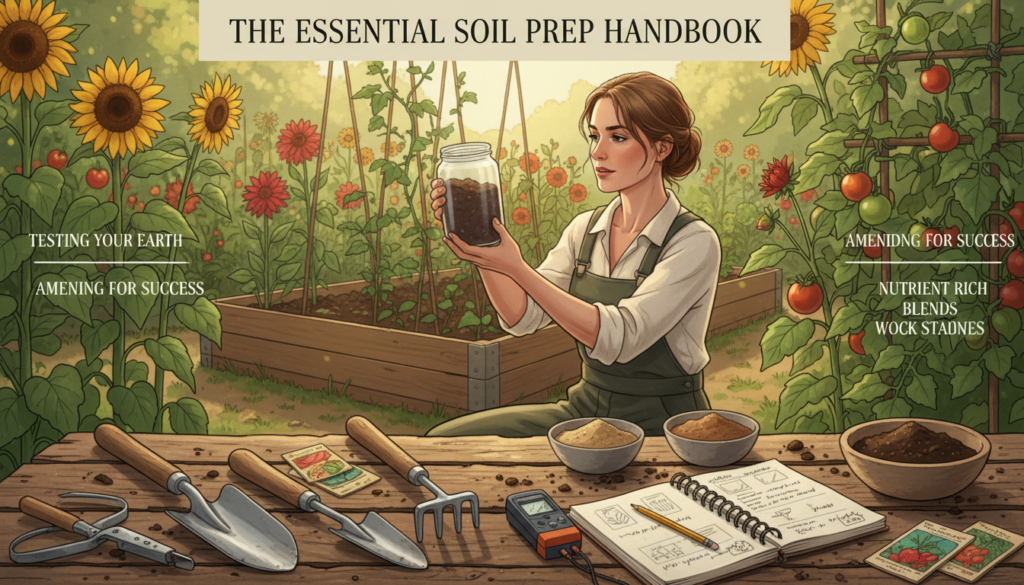
Start by testing your soil so every bed gives plants a strong, healthy start. A simple pH and texture test tells you if soil needs lime, compost, or sand to improve drainage and fertility.
Plan the site around sun, water access, and existing paths. Position beds near a water source and leave space for easy maintenance.
Focus on the center of your backyard to create a balanced landscape that supports all beds. Good placement improves light and reduces competition between plants.
Work the soil by adding organic matter and loosening compacted areas to a depth of at least 8–12 inches. This helps roots take hold and reduces future watering needs.
“Taking time to prep the bed correctly saves effort and helps gardens thrive all season.”
- Test and amend soil before planting.
- Ensure proper drainage and nearby water access.
- Create a central layout that supports each bed’s health.
Conclusion
Every choice you make can add lasting beauty and purpose to your outdoor area. Use the core elements from this guide to shape beds, paths, and focal points that suit your life.
Your dream garden is a living project. Tweak plant picks, color, and texture each season so the space keeps improving over time.
Whether you plan a new bed or update a backyard, these practical plans and ideas will help you create a cohesive landscape that reflects your personal style.
Want a quick refresher? Check our ideas for planning a garden for simple steps and inspiration to move your project forward.