

Goal: lose fat while staying satisfied and protect lean mass during a calorie deficit.
This short guide gives a simple starting target and practical steps.
A common evidence-based target is about 0.54 grams per pound of body weight. That number helps set daily protein goals in clear grams per day, so you can plan meals and track intake without guesswork.
Protein helps curb hunger and lowers the risk of muscle loss when calories drop. This makes it a key macro when aiming for better body composition and steady weight loss.
This article will cover: target ranges, how to convert the formula into grams from body weight, balancing macros and calories, meal timing, high-protein foods, and when supplements are useful.
How to use this guide: pick a starting target, track for 1–2 weeks, then adjust based on hunger, performance, and progress. If you have health conditions, follow medical advice; those cases are discussed later.
For extra beginner tips on simple living and planning, see a short starter resource at beginning homesteading.
Key Takeaways
- Start around 0.54 grams per pound as a practical daily protein target.
- Higher intake can improve fullness and help protect lean mass.
- Convert body weight into grams, then track for 1–2 weeks and adjust.
- Balance macros and meal timing for best results.
- Consult a clinician if you have medical issues that affect needs.
Why protein helps you lose weight while protecting muscle
Protein plays a key role in hunger control and body composition during calorie reduction. It helps rebuild muscle after exercise and aids tissue repair. Amino acids also support hormone balance and immune function, which ties into overall health.
Satiety: feeling full longer to curb cravings and overeating
Higher-protein meals tend to keep people full longer. That reduces grazing, late-night snacking, and “calorie creep” without relying on willpower.
Managing hunger makes it easier to sustain a calorie deficit. When you feel satisfied, sticking with a sensible diet becomes less stressful.
Body composition: supporting muscle mass during a calorie deficit
In a calorie drop, the body can lose both fat and lean tissue. Adequate protein supports muscle so more of the change comes from fat.
Keeping muscle matters because it helps daily strength and can keep energy needs higher than if lean mass declines.
Metabolic support: protein’s role in hormones and tissue repair
Protein helps with hormone production and repairs tissues after training. Small boosts in intake can improve recovery and long-term function.
Note: Needs vary by body size, training level, and overall intake. Use a simple baseline now and fine-tune later.

For a practical snack that fits higher-protein plans, try a balanced comfort snack that pairs protein with fiber and healthy fats.
Evidence-based protein intake targets for weight loss right now
Start with a practical daily target, then adjust based on hunger, training, and results.
Start here: about 0.54 grams per pound
A simple action-ready number: aim for about 0.54 grams per pound of body weight per day as a starting point for fat loss. This is an evidence-informed target used in clinical guidance and practice.
Activity-based context
Use a sliding scale so targets match activity level and goals.
- Less active adults: ~0.36 g/lb — fine for minimal training.
- Active adults: ~0.54 g/lb — the practical starting point above.
- Athletes or heavy lifters: ~0.68 g/lb — higher need for recovery and muscle maintenance.
Why it rises with training: resistance work creates more demand for amino acids during repair and growth, so higher intake supports recovery and preserves lean mass.
Metric alternative: per kilogram range
Prefer metric? Use 0.8–1.8 g/kg as a common recommended range. Note that 0.8 g/kg is often cited as a minimum baseline, not an ideal target for active fat loss.
| Category | Imperial (g/lb) | Metric (g/kg) | When to use |
|---|---|---|---|
| Less active | ~0.36 | ~0.8 | Light activity, maintenance focus |
| Active (start) | ~0.54 | ~1.2 | Calorie deficit with regular training |
| Athlete / heavy lift | ~0.68 | ~1.5–1.8 | High training volume or aggressive deficit |
Sanity check: pick a target you can reach with regular meals and whole foods rather than relying on shakes alone. If hitting the chosen amount feels unrealistic, lower it slightly and focus on consistency.
For tips on saving money while planning meals that meet these targets, see this grocery and meal budgeting guide.

How much protein should i eat to lose weight based on your body weight?
Turn your current mass into an actionable daily grams goal with a few quick steps.
Step-by-step: convert your weight into a daily grams goal
1. Choose a target. A practical starting point is ~0.54 g per pound (OSF HealthCare view).
2. Multiply that number by your body weight and round to an easy number.
3. Track intake for 7–14 days using labels or an app, then tweak.
Quick math examples
- US units: 150 lb × 0.54 = 81 grams protein per day → round to 80–85 g.
- Metric: 68 kg × 1.2 g/kg ≈ 82 g per day → round to 80–85 g.
Adjustments for activity and goals
Lift heavy or want muscle gain? Increase toward 0.68 g/lb or 1.5–1.8 g/kg on training days.
For light activity, a lower target near 0.36 g/lb may fit your calorie budget.
Tip: Round results (127 g → 125–130 g) so tracking stays simple and consistent.
When to ask a pro
People with kidney disease, liver issues, diabetes, or other medical conditions must get personalized guidance from a clinician or registered dietitian.
For site policies and data use, see our privacy policy.
How to balance protein, calories, and macros for sustainable weight loss
Treat protein as the anchor of each day so meals stay filling and goals stay realistic. Set your protein target first, then plan the rest of your day’s calories around it. This makes meals predictable and helps hunger stay manageable.
Calories still drive loss. A steady calorie deficit is needed for body change, but protein makes that deficit easier to follow by boosting fullness and protecting lean mass.
What “higher protein” means in macro terms
Protein is often counted as 10–35% of total calories. When dieting, aim toward the higher end of that range so the protein intake supports recovery and reduces muscle loss during a calorie drop.
Example: If your daily calories drop but your protein target stays steady, protein will become a larger slice of your diet without extra effort.
Balance matters. Include carbs for fuel and fats for hormones and taste. No macro is inherently bad; each plays a role in adherence and performance.
- Protein anchor: lock the daily grams first.
- Calories next: set a modest deficit for steady loss.
- Round out meals: add carbs and healthy fat for energy and satisfaction.
For practical meal planning and budget-friendly tips that keep intake consistent, see this grocery and meal budgeting guide.

How to spread daily protein across meals for better results
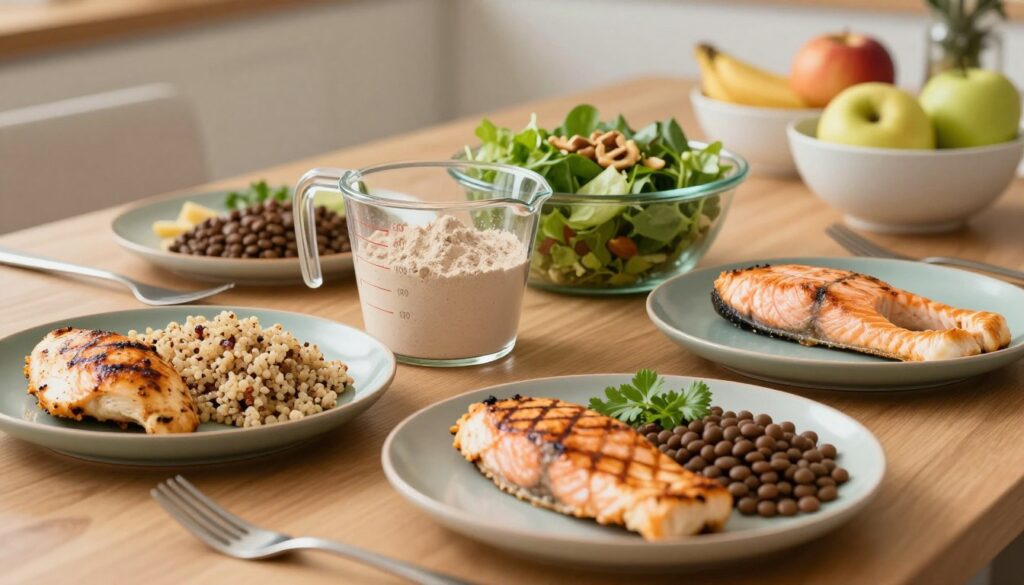
A simple per-meal routine turns an abstract daily target into easy, repeatable choices. Pick a daily grams goal, then divide it across three meals and one snack so totals feel achievable.
Rule of thumb: aim for a similar protein per meal at breakfast, lunch, and dinner, and use a snack to close any remaining gap. This steady distribution supports satiety and makes it less likely that one large dinner must carry the whole day.
Build a “protein per meal” routine that’s easy to repeat
Example split for a target near 80–90 grams per day:
- Breakfast: ~20–25 grams
- Lunch: ~20–25 grams
- Dinner: ~25–30 grams
- Snack: ~10–15 grams
Post-workout timing
OSF HealthCare dietitians recommend having a protein-containing meal or shake within two hours after training. That window helps recovery and supports muscle repair without obsessing over exact minutes.
Smart snack strategy
Choose real foods or bars with clear labels and limited added sugar. Good options include Greek yogurt, cottage cheese, tuna packets, and edamame. For comfort-forward choices that still fit higher-protein plans, see comfort-food that is healthy.
High-protein foods that keep you satisfied (animal and plant options)
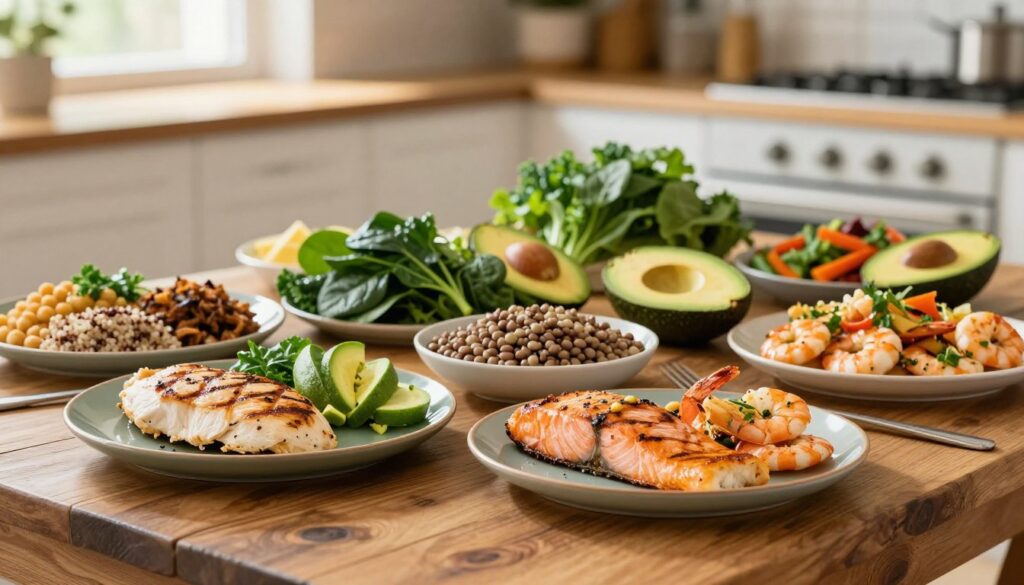
No single food guarantees success, but choosing filling, protein-rich options makes daily targets easier to meet.
Pick reliable sources that pair well with plants and grains. This helps hunger, supports muscle mass, and keeps meals simple.
Fatty fish like salmon and tuna
Fatty fish deliver solid grams along with omega-3s that support heart health and may lower inflammation.
Lean meats, eggs, and dairy
Simple staples such as chicken, turkey, eggs, Greek yogurt, and cottage cheese give dependable grams per serving and make meal planning straightforward.
Plant-based options
Beans, peas, lentils, edamame, and tofu add amino acids plus fiber. That combo helps fullness and steady energy.
Whole grains and pairings
Quinoa, buckwheat, and other whole grains add extra grams and fiber. Mixing grains with legumes boosts amino-acid variety.
Nuts and seeds
Nuts and seeds supply grams alongside healthy fats. Watch portions since calories accumulate quickly.
- Mix-and-match ideas: salmon bowl with quinoa; lentil chili; Greek yogurt with chia; tofu stir-fry with buckwheat.
- Tip: combine a protein source, a whole grain, and vegetables for a balanced plate that supports long-term health and steady progress.
Complete vs. incomplete proteins and why variety matters
Some foods deliver every essential amino acid, while others pair well across meals. The human body needs nine amino acids from the diet. Complete sources contain them all, which simplifies planning.
Complete proteins: common animal and plant options
Animal foods such as meat, eggs, dairy, and fish are classic complete choices. Plant-based complete options include soy, quinoa, and buckwheat. These types give full amino-acid profiles in a single serving.
Mix-and-match meals: combine grains and legumes
Many plants are incomplete, and that is okay. Combine beans and grains across a day or in one meal to cover needs.
- Familiar combos: beans + rice, hummus + pita, peanut butter on whole-grain toast.
- One-bowl ideas: tofu + quinoa bowl, lentil chili with barley.
Practical note: research and data show variety supports nutrient intake and long-term health. Rotating sources keeps meals enjoyable and helps adherence when following a calorie plan.

Using protein supplements wisely: powders, shakes, and bars
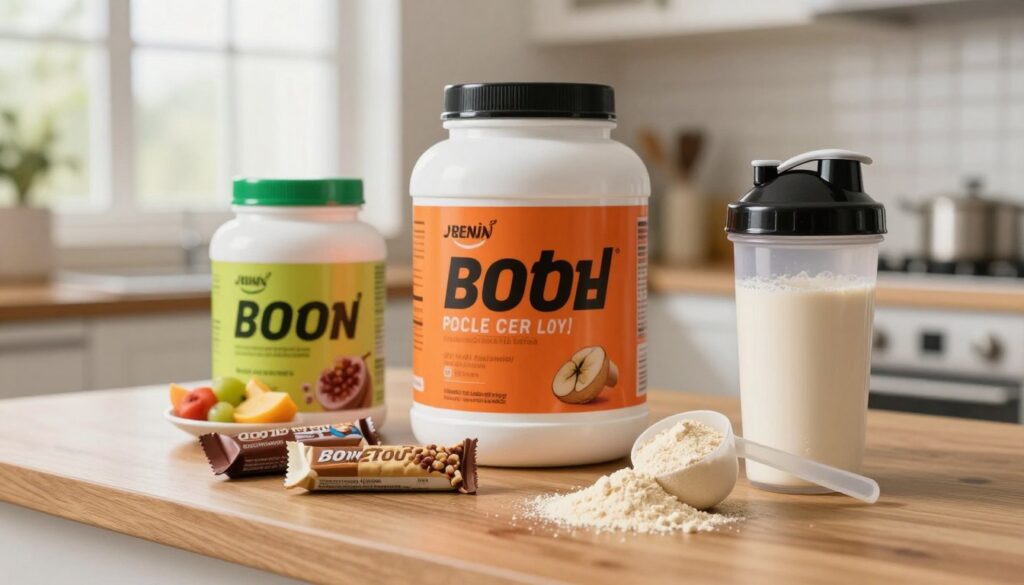
Treat powders and bars as tools for convenience rather than magic fixes. Whole foods remain the best foundation. Use supplements when time, travel, or recovery calls for a quick, reliable boost.
Protein powder: what to look for
Aim for about 20–30 grams per serving. Pick blends with limited added sugar and a calorie count that fits your daily plan.
Tip: check ingredient lists for fillers and artificial sweeteners if you prefer cleaner options.
Whey versus plant-based choices
Whey is dairy-based and offers a full amino-acid profile. It mixes easily and suits many post-workout needs.
Plant-based blends can be complete, dairy-free, and gentler on digestion for some people. Choose one that matches personal tolerance and taste.
Protein bars: when they help and what to check
Use bars as a snack, not a meal substitute. Look for 10–20 grams of protein and under 10 grams of sugar.
Scan labels for total calories and fiber. A bar that fits your intake and keeps hunger down is most useful.
Quick rule: supplements fill gaps. Prioritize whole meals, then add powders or bars for convenience, recovery, or travel.
| Product type | Typical grams protein | Sugar limit | Best use |
|---|---|---|---|
| Whey powder | 20–30 grams | Low ( | Post-workout or quick shake |
| Plant-based powder | 20–30 grams | Low to moderate | Dairy-free option, gentle digestion |
| Protein bar | 10–20 grams | High-protein snack between meals | |
| Ready-to-drink shake | 15–30 grams | Varies — check label | On-the-go recovery or meal bridge |
Watch outs: “High-protein” labels can hide calories and sugar. Always compare the amount per serving with your daily intake and calories target.
Conclusion
, Bottom line: choose a starting grams-per-day number (about 0.54 g/lb for many) and track it for a couple of weeks.
Why this works: steady intake boosts fullness and helps preserve muscle during a calorie deficit, making loss easier to sustain.
Quick steps: pick a target per kilogram or per pound, calculate grams per day, split the total across meals, and pick satisfying high‑quality sources.
Remember: calories still drive actual weight change. Treat protein as an anchor that holds meals together and curbs hunger. Aim for consistency over perfection — hit your goal most days.
Safety note: if you have kidney or liver disease, diabetes, or other concerns, get personalized guidance before changing intake. For budget-friendly meal tips, see smart grocery ideas.