

Intermittent fasting is an eating pattern that alternates between eating and fasting windows. It often allows only zero-calorie drinks like water, tea, or black coffee during fasting periods.
This guide aims to explain this approach in a simple, realistic way that favors safety and steady progress over extreme measures. If a plan feels wrong, change it—no guilt.
We preview popular options such as time-restricted eating (like 16/8) and whole-day styles (like 5:2), so readers can pick what fits their routine. Success usually comes from better adherence and a consistent calorie deficit, not starvation or crash tactics.
Note: certain people — pregnant individuals, teens, those with diabetes at risk of low blood sugar, people with an eating disorder history, or anyone underweight — should consult a clinician before trying fasting.
Food quality and portions still matter. This article covers what IF is, how to start, best methods, what to eat, possible side effects, research, and who should be cautious. For practical snack ideas, see a helpful comfort snack resource at comfort snack.
Key Takeaways
- Intermittent fasting can simplify calorie control but is not a magic fix.
- Choose a schedule that fits your life for better, steady results.
- Only zero-calorie drinks are usually allowed during fasting windows.
- Food quality and portion control remain essential for weight loss.
- Talk with a clinician if you are pregnant, young, underweight, or have certain health concerns.
Intermittent fasting for weight loss: what it is and why it works
At its core, intermittent fasting sets windows for eating and windows for not eating. It is an eating pattern, not a traditional diet, and it lets people focus on meal timing instead of strict food lists.
Fasting vs. dieting: focusing on when you eat, not just what you eat
Dieting usually changes what you pick at meals. Fasting changes the time you eat. Still, lasting results often come from mixing smart timing with better food choices.

How shorter eating windows can reduce calorie intake
When you compress meals into fewer hours, many people naturally eat fewer calories. That smaller intake over a week creates a calorie deficit, and steady weight loss follows without constant counting.
What happens after 10–16 hours without food
After about 10–16 hours, the body often starts using fat stores and makes ketones for energy. Researchers link this shift to beneficial cellular responses, though much of the detailed work comes from animal studies.
“Consistency matters more than the specific fasting type you choose.”
Some human research shows improved insulin markers and other possible benefits, but long-term results are still being studied. Pick a plan you can repeat—consistency drives results more than any single approach.
How to fast to lose weight without feeling miserable
Choose a schedule that matches work, family, and sleep so fasting feels doable. A plan that fits real life will feel like a habit, not punishment. Small changes held long-term drive more success than strict rules you can’t keep.

Pick a schedule that fits your routine
Match eating hours to school drop-offs, shifts, or workouts. If mornings are busy, delay your first meal by 30–60 minutes every few days until you reach a comfortable window.
Start gradually and lower overeating risk
Try one easy fasting day per week before tightening your plan. Tiny steps help the body adapt, and most early side effects ease within a month.
Hydration rules during fasting hours
During fasting hours, stick with water, black coffee, and unsweetened tea. These drinks keep you hydrated and won’t add hidden calories that break a fast.
Plan your eating window for steady energy
Prioritize protein, fiber, and healthy fats so meals sustain energy and curb cravings. Avoid “earning” junk food—overeating in the eating window can erase your calorie deficit.
“Treat fasting as a skill your body learns, not a willpower contest.”
Quick mindset tip: track sleep, mood, and work performance and tweak timing if afternoons drag. For simple, satisfying meal ideas that pair well with fasting, see a guide on comfort food that is healthy.
Best fasting methods to try right now
Not every plan works for every life—choose a method you can repeat weekly. Below are practical options that match busy schedules or a flexible week.

The 16/8 method for busy days
16/8 means fasting 16 hours and eating within an 8-hour window. It cuts meal decisions and helps create a steady routine.
Sample noon–8 p.m. schedule
Skip breakfast and eat from noon until 8 p.m. Mornings: water, black coffee, or unsweetened tea keep you hydrated and alert.
Save calories for a protein-rich lunch and a balanced dinner so meals feel satisfying.
The 5:2 diet for a few fast days per week
The 5:2 diet means eating normally five days and reducing intake on two nonconsecutive days. It suits people who prefer weekly flexibility over daily rules.
Fast-day calorie targets
On 5:2 fast days aim for roughly 500 calories for many women and 600 for many men. Focus on protein and fiber so low calories still feel filling.
Other types you may see
Alternate-day fasting and whole-day fasting are also common. They can yield results but often feel harder to sustain for long periods.
“Pick the simplest plan you can repeat for weeks, not the most intense plan you can tolerate for days.”
What research says: trials show modest short-term weight loss across fasting styles. One 2025 BMJ review found alternate-day fasting slightly outperformed continuous restriction in shorter trials, but long-term data remain limited.
What to eat during your eating window to support fat loss
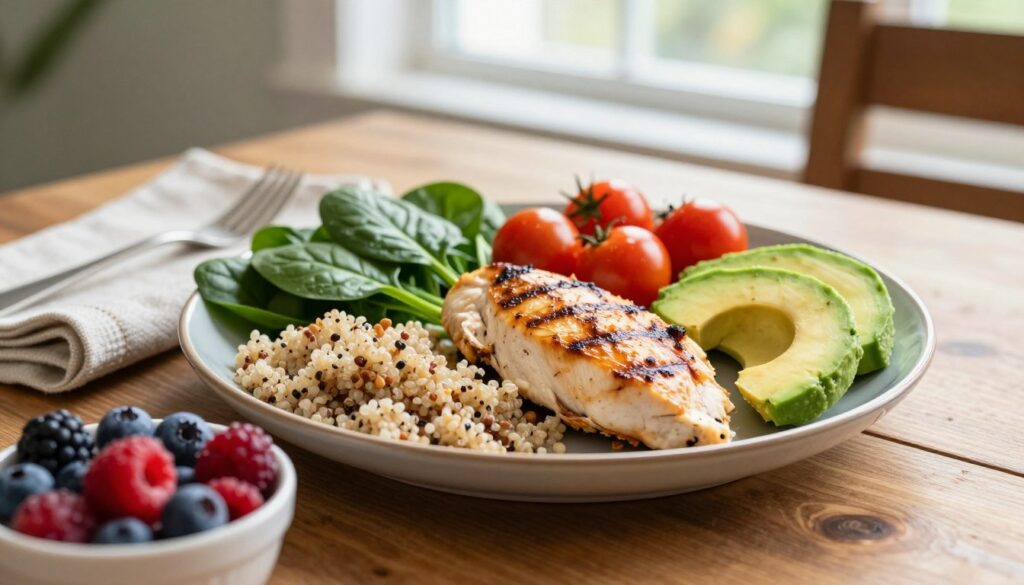
Focus meals on real, nutrient-dense choices that keep energy steady and hunger low. Prioritize lean protein, fiber-rich plants, and healthy fats so meals feel satisfying and support overall health.
Nutrient-dense basics
Non-negotiables: lean protein for fullness, vegetables and whole fruits for fiber, and olive oil, nuts, or avocado for steady energy.
Try a simple plate: half vegetables, a palm-sized portion of protein, a fist of whole grains or beans, and a thumb of healthy fat.
Foods to limit
Ultra-processed snacks and sugary drinks can quickly blow calorie goals. They spike cravings and make it easy to overshoot intake during an eating window.
Fast-day meals for 5:2
On 5:2 diet days, center meals on protein plus fiber. Eggs with spinach, a tuna salad with beans, or Greek yogurt with berries are small but filling choices.
Keep beverages calorie-free and plan meals ahead so grazing is less likely on low-calorie days.
Balanced patterns that pair well with fasting
Mediterranean-style eating complements intermittent plans: lots of vegetables, legumes, fish, whole grains, nuts, and limited ultra-processed food.
This pattern supports long-term health benefits beyond scale changes and fits many grocery budgets and family routines. For more satisfying, family-friendly options, see a comfort foods list that pairs with nutritious eating.
Side effects, hunger, and common mistakes
Feeling rough during the first weeks of intermittent fasting is common and usually temporary. Headaches, low energy, nausea, lightheadedness, and mood shifts can appear as the body adapts. Most people see these ease within a few weeks.

Early symptoms and why they happen
Dehydration is a frequent cause of headaches and tiredness. Missing steady fluids or leaning on extra caffeine can make symptoms worse.
Poor sleep and breaking a fast with a large, sugary meal also trigger nausea and digestive upset.
Fixes for digestion and hydration
Break your fast with a balanced plate: protein, fiber, and a little healthy fat. Eat slowly and add fiber gradually to prevent bloating or diarrhea.
Hydration tip: sip water and calorie-free tea during fasting windows to avoid lightheadedness and constipation.
Stop bingeing — the biggest mistake
The main pitfall is overeating during eating windows. Bingeing wipes out calorie deficits and can worsen stomach discomfort.
- Plan meals and pre-portion snacks.
- Start meals with protein and vegetables.
- Set a cutoff time that protects sleep and appetite control.
“Small, consistent changes beat extreme swings.”
If symptoms are severe or last longer than a month, pause and get professional advice. People with medical conditions should consult a clinician before continuing intermittent fasting. For a practical home tip while adjusting, consider checking smart thermostat savings that reduce stress at home.
What the research says about results and realistic expectations
When researchers pool the data, results point to modest short-term gains that hinge on calorie balance. A large 2025 BMJ review looked at 99 trials (3–52 weeks, ~6,500 people with excess weight or obesity) and found that common intermittent patterns and continuous low-calorie plans all beat typical eating in producing small weight loss.
Key study note: alternate-day fasting showed about 1.3 kg more loss than continuous restriction in trials under 24 weeks, but that gap is small for most people.
Why results differ in real life
Adherence drives outcomes. Some people find timing simplifies meals and eats fewer calories across the week. Others struggle with rebound hunger and overeat on non-fasting days, which cancels the weekly deficit.
Limits of the evidence
Many touted benefits come from animal work or short trials. Few human studies run beyond one year, so long-term effects on the body and health need better study.
“Focus on steady habits over weeks and months, not daily scale swings.”
Update your goals with measures beyond the scale: energy, cravings, blood sugar stability, and consistency. The best plan is the one you can repeat safely and without major disruption to life.

| Comparison | Typical short-term result | Practical note |
|---|---|---|
| 16/8 and time-restricted types | Modest loss over weeks | Simplifies meals; works if weekly intake falls |
| Alternate-day fasting | ~1.3 kg more vs continuous in | May suit some people but can be harder to sustain |
| Continuous low-calorie diets | Similar modest loss | Effect depends on weekly calorie deficit and adherence |
For practical savings that help sustain any plan, consider simple food-budget tips like those in this guide on saving money on food.
Who should be cautious or avoid fasting for health reasons
Not every body or life stage suits extended eating windows; certain risks deserve extra care. If you have medical concerns, pause and get guidance before trying intermittent fasting.

When intermittent fasting isn’t appropriate
Avoid or get medical clearance if you are:
- Living with diabetes and at risk of low blood sugar or on insulin/secretagogues.
- Pregnant or breastfeeding — nutrient needs are higher and steady intake matters.
- Underweight or still growing, including children and teens.
- With a history of eating disorders — fasting can trigger harmful patterns.
Why extra caution matters
People with diabetes can experience dangerous blood sugar drops when meals are skipped. Pregnant people and teens need consistent nutrients for growth and development.
A prior history of disordered eating raises the chance that strict timing will harm mental well-being. If medications require food, timing can change dosing and safety.
“No timing strategy is worth sacrificing safety, sleep, or mental health.”
Next steps and safer options
Talk with your primary care provider or a registered dietitian before starting. If fasting isn’t right, a balanced calorie-controlled or Mediterranean-style diet can still support weight goals.
If cleared, start gently, monitor symptoms, and stop immediately if you feel dizzy, faint, or emotionally worse. For practical household savings that ease stress while you adjust, see a short guide on saving money on a low income.
Conclusion
A simple, repeatable plan helps people stick with intermittent fasting without extra stress.
Pick one method—16/8 or 5:2—start gradually, stay hydrated, and plan balanced meals during your eating window. This short playbook sets clear steps you can follow for days and across a week.
Core idea: fasting works when it helps create a weekly calorie deficit without constant hunger.
Prioritize nutrition: lean protein, fiber-rich plants, and healthy fats so energy and cravings stay steady. The biggest make-or-break factors are consistency over time and avoiding overeating in eating windows.
Expect modest short-term weight loss; long-term gains need sustainable habits. If you have diabetes risk, are pregnant, underweight, a teen, or have an eating disorder history, talk with a clinician first.
Ready for a next step? Try one schedule for 2–4 weeks, track how you feel, and adjust. For practical budget tips that ease the transition, see this save money guide.