

This short guide outlines a safe, practical week-long plan that aims for visible change without risky extremes.
Expect realistic results: the focus is on a sane calorie deficit, protein-forward meals, higher fiber, steady hydration, and light daily movement. This routine fits busy U.S. schedules and uses simple recipes that take about 30 minutes of active cooking.
The method centers on roughly a 1,500-calorie baseline with easy options to modify to 1,800 or 2,000. Targets include about 86 g protein and 31 g fiber per day, plus swap ideas and quick prep tips.
What you will get: safety checks, calorie guidance, protein and fiber goals, a seven-day meal example, and lifestyle habits that support steady loss. Results vary by body size, starting weight, sodium, and consistency.
Note: this article is for informational use and is not a substitute for personalized medical advice. Consult a clinician if you have health conditions or take medications. See a handy snack option at Comfort Snack.
Key Takeaways
- Set safe, realistic expectations for a single week.
- Follow a repeatable routine: consistent meals and simple prep.
- Focus on protein, fiber, hydration, and modest activity.
- Use calorie targets (1,500 with 1,800–2,000 options) and swaps.
- Results depend on size, sodium, and how steady you are.
- Seek medical advice if you have health issues or medications.
What you can realistically lose in a week (and what “quick weight loss” really means)
In the first week, many people see fast changes that come largely from fluid shifts and stored carbs.

Fat loss requires a sustained calorie deficit and takes time. Water and glycogen changes move the scale faster because glycogen binds water in the body.
Why the scale moves fast at first
Cutting carbs or sodium often sheds glycogen and excess water. That can look like large loss even when true fat drop is modest.
When rapid loss is a red flag
Watch for dizziness, fainting, chest pain, extreme fatigue, or signs of dehydration. Pause and seek medical care if these appear.
- Expect appetite or bathroom pattern shifts early in the week.
- Eating fewer processed foods reduces bloat and often improves comfort.
- Focus on process goals — meals, movement, sleep — rather than a single number.
| Type | Typical cause | What it reflects |
|---|---|---|
| Water-weight | Low carbs, low sodium | Fluid and glycogen changes |
| Fat loss | Sustained calorie deficit | Reduced stored body fat |
| Rapid drop warning | Very low intake, dehydration | Health risk — seek care |
Think of a one-week plan as a jump-start. Use it to build habits that make future loss steadier and easier to maintain. For practical shopping tips, see smart grocery savings.
Safety first: who should not attempt rapid weight loss
Safety comes first: rapid plans are not a fit for everyone and deserve a quick risk check. Small, temporary programs can shift fluids and calories quickly, so certain people need medical oversight before changing intake.

Medical conditions and medications that warrant a clinician check‑in
Speak with a clinician if you have diabetes, thyroid disease, kidney disease, or heart disease. These conditions can make blood sugar, electrolytes, or blood pressure unstable during sudden changes.
Also consult if you are pregnant or postpartum, have a history of eating disorders, are an adolescent, or are an older adult with frailty risk.
Why ultra‑low‑calorie approaches can backfire
Very low calories (for example, levels under 1,200 for most adults) often cause low energy, poor sleep, mood changes, and intense cravings.
These effects increase the chance of rebound eating after the plan ends and can create nutrient gaps. Many highly restrictive diets are controversial for safety and may miss key vitamins and minerals.
- Medications matter: insulin, sulfonylureas, diuretics, and some blood pressure drugs alter responses to big intake changes.
- Better approach: a balanced diet that keeps protein, fiber, and micronutrients steady supports adherence and steady progress.
- Watch warning signs: extreme fatigue, dizziness, headaches, or fainting—adjust intake or stop and seek care.
| Risk group | Why a check matters | Practical note |
|---|---|---|
| Diabetes | Blood sugar swings with rapid calorie change | Adjust meds only with clinician guidance |
| Thyroid disease | Metabolism and medication needs can shift | Monitor symptoms and labs |
| Kidney or heart disease | Fluid and electrolyte balance is critical | Small dietary changes can have big effects |
| Pregnancy/postpartum | Higher nutrient needs for mother and baby | Avoid restrictive plans; seek prenatal guidance |
Calorie deficit basics for weight loss in the United States
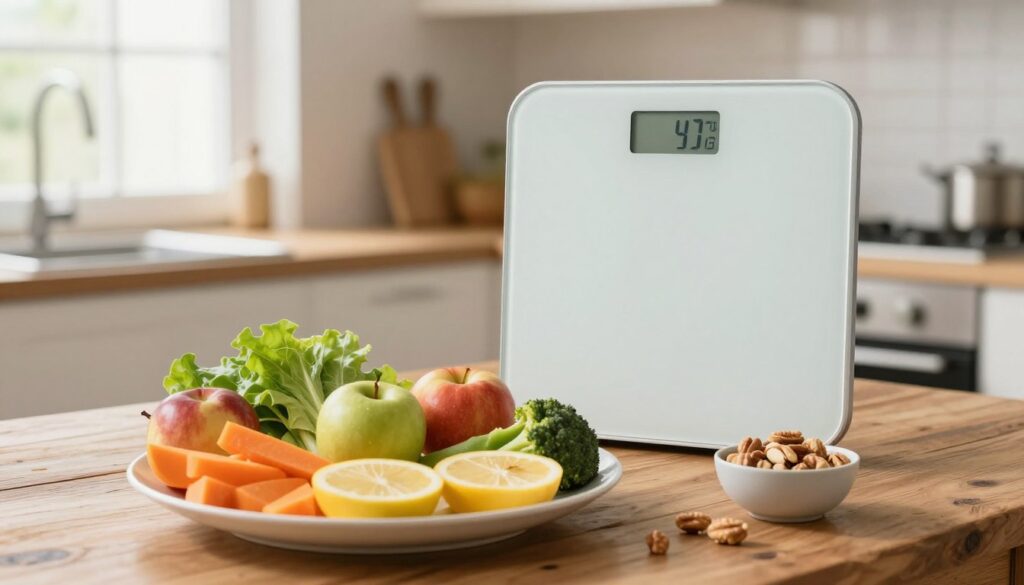
A clear calorie plan gives you a predictable path: eat slightly less energy than your body uses each day. That shortfall — called a calorie deficit — is the main driver of weight loss, regardless of the diet style you pick. Keep choices simple and consistent so the plan is usable for a full week.
Why 1,500 calories is a common starting point
Many U.S. meal plans set a 1,500-calorie day because it often creates a sensible deficit for average adults while still allowing balanced meals. It avoids extreme cuts like 1,200 calories that can leave people low on energy and poor in nutrition, per the 2020–2025 Dietary Guidelines.
Adjusting up to 1,800 or 2,000 calories
If hunger is high, activity is greater, or your body size needs more fuel, move the plan to 1,800 or 2,000 calories per day. Add a protein serving, a higher-fiber carb portion, or a small snack instead of empty treat calories. That helps preserve nutrition and satiety.
Estimate maintenance and set a sane deficit
Use a reputable calculator, pick your activity level, and note the estimated maintenance calories. Subtract a modest amount (for example, 250–500 calories) to set a target that supports energy and adherence.
- Simple rule: pick a plan you can follow for seven days without feeling miserable.
- When increasing intake: prioritize extra protein or fiber-rich carbs for fullness.
- Practical tip: if budgeting matters, see ways to save money on food while sticking to your goals.
| Daily target (calories per day) | Best for | What to add |
|---|---|---|
| 1,500 | Average adult seeking steady loss | Balanced meals, 80–100g protein target |
| 1,800 | More active people or larger bodies | Extra protein serving or hearty snack |
| 2,000 | Very active people or higher needs | Higher-fiber carbs + extra protein |
Protein and fiber targets that help you feel full and promote weight loss
Clear targets make a short diet plan easier to follow. Aim for at least 80–100 grams of protein and roughly 30–40 grams of fiber per day. A 1,500-calorie beginner plan can hit about 86 g protein and 31 g fiber when you pick the right foods.
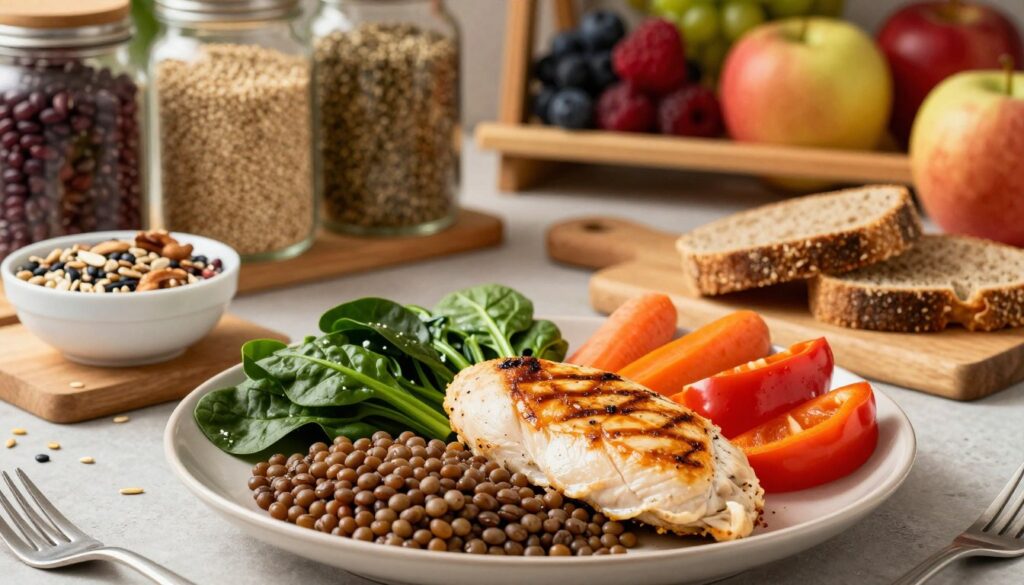
Why this matters: protein helps preserve lean mass and curbs hunger so you can stay in a calorie deficit without feeling weak. Fiber slows digestion and makes meals more satisfying, which helps promote weight loss by reducing snacking and big portions.
Practical plate-building
Start each meal with a protein anchor, add a generous serving of produce, then include a high-fiber carb. That simple order keeps meals balanced and helps you feel full longer.
- High-protein picks: eggs, Greek yogurt, cottage cheese, fish, poultry, beans, tuna, tofu.
- High-fiber choices: oats, berries, legumes, vegetables, whole grains, and fruits like apples or pears.
“Set daily protein and fiber goals — they turn a calorie plan into a sustainable routine.”
Increase fiber gradually and drink water with meals to avoid GI discomfort. Pay attention to portions: protein portions matter for calories, and simple swaps can keep intake steady while you promote weight loss without starving.
How to lose weight in 7 days with a simple, repeatable routine
A predictable schedule for meals and snacks helps the body adapt and supports steady progress.
Use a consistent meal schedule for the week: pick three main eating times and one planned snack window each day. That regularity cuts decision fatigue and makes it easier to hit calorie and protein targets without extra guessing.
Keep active cooking time under 30 minutes. Use sheet-pan proteins, microwave grains, bagged salad kits, and frozen vegetables. These choices save time and make a diet plan realistic for busy mornings or evenings.

Build every meal with a simple template
Center each plate on: protein + produce + high-fiber carbs. For breakfast, try Greek yogurt with berries and oats. For lunch, a turkey pita with salad greens. For dinner, a fillet with steamed veg and quinoa.
Track portions for calories and limit high-calorie add-ons like sauces and oils. A quick check with a kitchen scale or measuring cups keeps the plan honest and repeatable.
- Weekly formula: same meal times, planned snack, predictable grocery list.
- Why it works: consistency reduces random calories and helps you tell real hunger from habit eating.
- Adherence tip: expect modest hunger waves early; appetite steadies once protein, fiber, and routine are consistent.
“Small, repeatable habits win a week — and make the next week easier.”
For simple recipe ideas that fit this plan, see a quick collection of comfort-friendly meals at easy comfort recipes.
Meal prep and grocery strategy to make the plan easier
Batch-cooking makes busy weeks manageable and keeps meals consistent with your goals. Spend one session on proteins, whole grains, and chopped produce so daily plate-building is fast.

Prep once, eat all week: proteins, grains, and chopped veggies
Cook a large roast, grilled chicken breast, or turkey and divide into portions. Cook a whole cup of quinoa or brown rice for several meals.
Chop a mix of bell peppers, carrots, and leafy greens. Store them in clear containers so assembling a meal takes minutes.
Stock smart snacks that fit your calorie intake
Portion snacks into single cups so they match daily calories and do not become mindless extras.
Good picks: Greek yogurt with berries, fruit plus string cheese, hummus with sliced veggies, and cottage cheese cups. These choices hit protein and fiber goals for the diet plan.
- Grocery framework: proteins, produce, high-fiber carbs, and flavor boosters like mustard, vinegar, and spices.
- Measure oil: a tablespoon of oil is about 120 calories—small drizzles add up across the week.
- Food safety: refrigerate prepped foods promptly and use cooked items within 3–4 days. Make sure containers are airtight.
“Prep once, plate fast—small steps save time and keep calories steady all week.”
| Prep item | Why it helps | Quick tip |
|---|---|---|
| Cooked protein (chicken, turkey) | Saves cooking time and fills plates with protein | Slice cold for salads or reheat with steamed veg |
| Whole grains (quinoa, brown rice) | High-fiber base that reheats well | Cook one cup yields several servings |
| Chopped veggies | Fast volume for meals and snacks | Store in airtight cups for grab-and-go |
| Portioned snacks | Prevents overeating and matches calorie intake | Use small containers or snack bags |
A 7-day meal plan example at about 1,500 calories per day
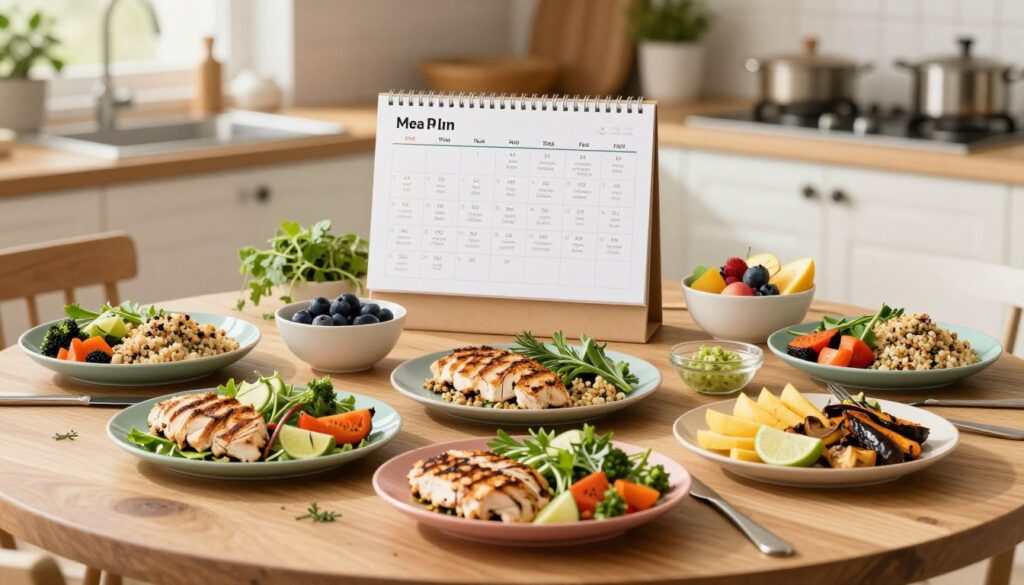
Use this seven-day sample as a blueprint—each day lists breakfast, lunch, dinner, and a simple snack option. Exact calories depend on brand and portions, so treat this as a flexible meal plan rather than a strict prescription.
Day one
Breakfast: 3/4 cup bran flakes + 1 banana + 1 cup fat-free milk. This adds fiber and morning protein from milk.
Lunch: mini whole-wheat pita with 3 oz turkey, roasted pepper, 1 tsp mayo, mustard, lettuce, plus string cheese and 2 kiwis. Dinner: 4 oz flounder, 1 cup cooked couscous, 1 cup steamed broccoli. Optional single-serve ice cream for dessert.
Day two
Breakfast: berry smoothie (1 cup frozen berries + 1/2 banana + 8 oz low-fat milk) + 1–2 hard-boiled eggs. Protein and fruits are frontloaded early.
Lunch: 1 cup vegetable soup + veggie burger on whole-grain muffin + 1 cup grapes. Dinner: barbecue cutlets with citrus slaw or sautéed spinach + 1/2 baked potato.
Day three
Breakfast: 1/2 cup quick oats with soy milk, 1/2 apple, 1 tsp honey. Lunch: chicken salad (4 oz shredded chicken, grapes, almonds, celery, Greek yogurt) over lettuce with multigrain toast.
Dinner: 4 oz shrimp + baked potato with salsa and Greek yogurt + 3 cups steamed spinach. Optional 1 oz dark chocolate or small ice cream bar.
Days four through seven
Day four: Greek yogurt parfait for breakfast; tomato soup + roast beef pita for lunch; poached salmon + quinoa for dinner. Day five: cereal + berries + almonds; mushroom quesadillas; pork tenderloin with roasted butternut squash.
Day six: whole-grain waffle with nut butter + banana; light tuna salad lunch; spicy sausage jambalaya + spinach for dinner. Day seven: egg-and-spinach English muffin breakfast; black bean salad lunch; choose a dinner swap that matches calories and keeps protein and fiber similar.
“Protein at breakfast, lunch, and dinner helps keep you full. Fiber-rich choices support digestion and satiety.”
- Prep note: many meals are mix-and-match bowls, pitas, smoothies, and quick-cook proteins for easy prep.
- Protein sources: milk, eggs, turkey, Greek yogurt, chicken, shrimp, salmon, and tuna appear across the week.
- Fiber sources: bran flakes, berries, oats, whole grains, beans, and plenty of vegetables.
- Flex tip: include a small dessert occasionally (ice cream bar or chocolate) to keep the diet plan doable.
Smart swaps so you don’t quit when you dislike a meal
Simple swaps keep meals interesting while holding your daily targets steady. Use this approach when a listed food feels bland or you need a quick substitution.

Mix and match while keeping calories, protein, and fiber similar
Swap rule: pick replacements that match calories, protein, and fiber so the weekly trend stays consistent. Aim for a daily target near 1,500 calories and about 80 g protein and 30 g fiber.
- Swap turkey for chicken, flounder for salmon, or couscous for quinoa.
- Swap berries for apples, or beans for lentils if you need plant protein.
When repeating breakfast or lunch is actually helpful
Repeat meals when it reduces decisions. Using the same breakfast or lunch every few days lowers impulse eats and makes tracking calories easier.
If dinner runs higher in calories, rebalance by choosing a lighter snack or a higher-protein, lower-carb lunch the next day.
“Consistency beats perfection—small swaps keep the plan usable and the results real.”
Quick meal checklist: one solid protein, at least one produce serving, and one high-fiber carb if it fits your calories. This simple rule keeps eating practical and supports steady diet progress.
Hydration and sodium: dropping water retention the healthy way
Plain hydration habits can cut scale noise and make progress easier to read.

A practical daily water target
Aim for about 10–12 glasses every day as a simple benchmark. That target fits many adults during a short diet week, but needs vary by activity, climate, and body size.
Make sure you sip steadily rather than gulping large amounts at once. If you raise fiber intake, increase fluids so digestion stays comfortable.
Why sodium can hide real progress
High sodium makes the body hold fluid, which can mask real fat loss on the scale. Reducing salt often brings a quick drop in retained water that looks like fast loss.
Use herbs, citrus, vinegar, garlic, and pepper for flavor instead of extra salt. These swaps keep meals tasty without boosting retention.
“Better hydration smooths scale swings and helps you see true trends.”
| Target | Practical tip | What to watch for |
|---|---|---|
| 10–12 cups per day | Carry a reusable cup and sip hourly | Steadier scale readings |
| Lower sodium meals | Use fresh herbs and lemon juice | Less bloating |
| Increase fluids with fiber | Add a cup of water with each high‑fiber meal | Smoother digestion |
| Medical caution | Limit fluids if clinician advised | Follow medical guidance |
Exercise and sleep habits that can support fat loss in seven days
Short bursts of planned movement and steady sleep can change how your body uses energy over a single week. Combine light aerobic work with brief strength sessions and prioritize nightly rest to make diet efforts more effective.

Aerobic training, resistance training, or both
Daily walking raises overall calorie burn and aids blood sugar control. Aim for 20–30 minutes of brisk walking most days this week.
Add 2–3 short resistance sessions that cover basic movements: squats (lower), hinges (posterior chain), a pushing move, and a pulling move. A single circuit of 8–12 reps per exercise, repeated 2–3 times, is an effective minimum.
Why movement helps
Exercise increases daily energy use and improves how your body handles carbs and appetite signals. That makes it easier to stick with a lower intake while protecting lean mass.
- Minimum effective dose: 20–30 minutes brisk walk + one 10–20 minute strength circuit.
- Best type: the activity you will do consistently—consistency beats intensity on short plans.
Sleep targets linked to better metabolic health and less visceral fat
Poor sleep under about 5.5 hours per night ties to insulin resistance and higher visceral fat. Aim for ~8 hours of quality rest to support metabolic health and appetite control.
Practical tips: set a steady bedtime, dim screens an hour before bed, limit alcohol near bedtime, and keep the room cool and dark.
“Good movement and better sleep make diet changes easier and more sustainable.”
For simple, comforting meals that match this approach, see a selection of balanced options at comfort food that is healthy.
GM diet overview: why restrictive 7-day diets aren’t a long-term plan
The GM regimen arranges days around specific food groups, which helps explain short-term results that many users report.
Daily pattern in brief
Origin claim: proponents say the plan was made for General Motors employees and that strict daily rules can prompt big early changes.
Typical layout: Day 1 fruits only (bananas usually avoided), Day 2 vegetables only (often a boiled potato at breakfast), Day 3 mixed fruits and vegetables, Day 4 bananas plus low‑fat milk, Day 5 lean proteins with tomatoes, Day 6 proteins plus vegetables, Day 7 fruits, vegetables and brown rice.

Why results often vary
Short-term scale drops come from very low calories, less processed foods, and big water and glycogen shifts. Those factors can look like rapid weight changes even when fat loss is modest.
Main downsides to consider
The plan is highly restrictive. That raises the risk of nutrient gaps, low energy for daily activity, and poor workout performance.
Rebound eating is common once normal meals return, which can erase early gains. People with diabetes, thyroid issues, or other medical concerns should avoid this pattern unless cleared by a clinician.
A better takeaway
Use the GM idea of a focused, short plan but keep it balanced. Prioritize a steady calorie deficit, consistent protein, plenty of fiber, and repeatable routines that fit your life.
Simple structure: build each meal with a protein source, produce, and a high‑fiber carb instead of single‑food days. That approach promotes healthier, more sustainable loss over time.
“Short plans can jump-start habits—keep what helps and replace overly restrictive rules with balanced choices.”
Publishing note: include a width=device-width meta in templates so the article reads well on phones and other small screens.
Conclusion
Wrap up your week with realistic steps that build steady progress, not sudden fixes.
Stay practical: keep a modest calorie deficit, prioritize protein, hit a fiber target, and make meals simple and repeatable. These choices form a clear plan that supports steady weight loss and your daily goals.
Expect some early loss to be fluid shifts rather than fat. Gentle routines and consistent eating protect energy and long-term progress. If you have medical conditions or take medications, check with a clinician before changing intake or activity for safety and health.
Next step: pick one breakfast, one lunch, and two or three dinners you enjoy, prep once, and repeat the plan for another week if it feels good. For a quick meal prep guide that saves time, see this helpful resource.