

Planning a wedding in the United States can feel overwhelming when industry trends push big spending. Couples often find more joy by focusing on what truly matters: the vows, the people, and the start of married life.
Simple choices can cut costs without losing meaning. Remove elements that don’t reflect your values and keep the things that do. This mindset shift reduces stress and lowers the chance of starting married life with unnecessary debt.
The goal is a beautiful, personal celebration that reflects your priorities. Identify essential items like venue and guests, then trim extras that add price but little value. For practical tips and real-life examples, check this planning resource.
Key Takeaways
- Focus on meaningful elements to lower overall costs.
- Set a clear vision early to avoid unnecessary spending.
- Cut extras that don’t reflect your values.
- Keep planning active and debt-free for a strong financial start.
- Small, intentional choices often create the most memorable weddings.
Setting a Realistic Wedding Budget
Know your full financial picture first, then let priorities shape spending.
Start by totaling available funds before you sign any vendor contracts. That one step prevents late surprises and keeps cost estimates honest. Couples who plan strategically often cut about 25% from overall expenses through clear limits and smart choices.
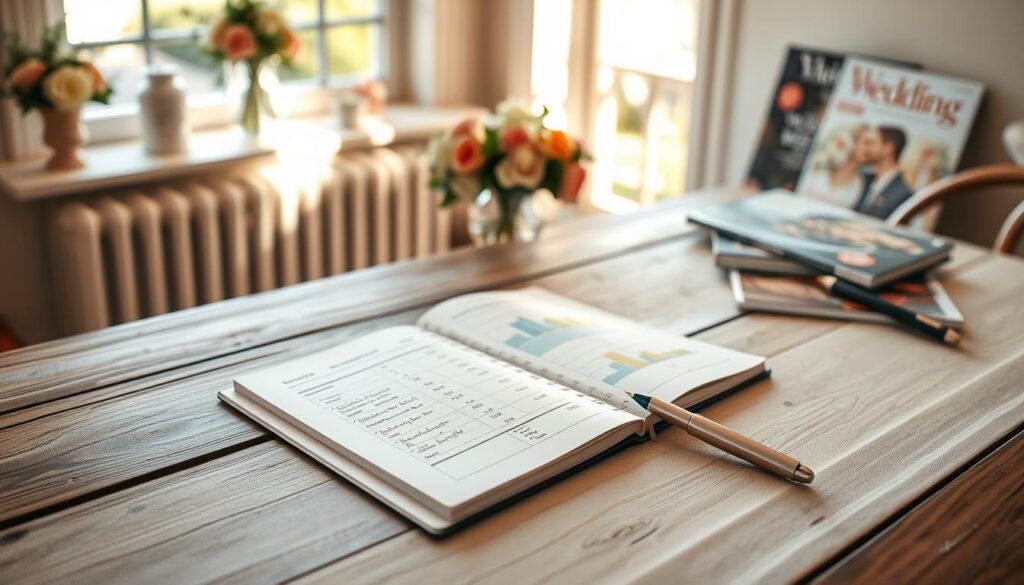
Use a simple spreadsheet or a dedicated app to log every line item. Track deposits, vendor fees, and small extras so hidden costs don’t pile up.
- Break the total into categories like catering, attire, photography, and decor.
- Prioritize the two areas that matter most and shift funds away from lesser items.
- Review the plan monthly and update numbers as quotes and payments arrive.
With discipline, you will protect your money and keep planning joyful rather than stressful. Regular checks make staying inside your wedding budget realistic and achievable.
How to Save for a Wedding on a Tight Budget
Agree on three non-negotiables and let those items shape where your money and time go.
Prioritizing Your Values
List what truly matters: ceremony tone, guest experience, or photography. When values guide choices, you cut costs without losing meaning. A focused guest list and a smaller wedding party reduce many hidden expenses like bouquets, gifts, and transport.
Hiring an experienced wedding planner can feel like extra spend. Yet a good planner often negotiates lower vendor rates and finds deals unavailable to most couples. That can free up money for the priorities you choose.
Tracking Every Expense
Use a simple spreadsheet and record every quote, deposit, and refund. Track line items weekly so small costs never pile up.
- Update totals after each meeting with vendors.
- Flag items that drift from your budget and adjust quickly.
- Review the list together; keeping accountability saves a lot of stress.

Strategic Venue Selection
Picking an unconventional location can deliver big style without high venue charges.
Exploring non-traditional spaces
Non-traditional sites like public parks, botanical gardens, art galleries, or ships such as the MV Skansonia by Landmark Event Co. often charge lower rental fees than hotels or clubs. These places can look great au naturel, which helps you save money on decor, flowers, and extras.
When your ceremony and reception happen in the same spot, you cut transport fees and reduce stress for guests. That choice also lowers overall cost and simplifies planning.
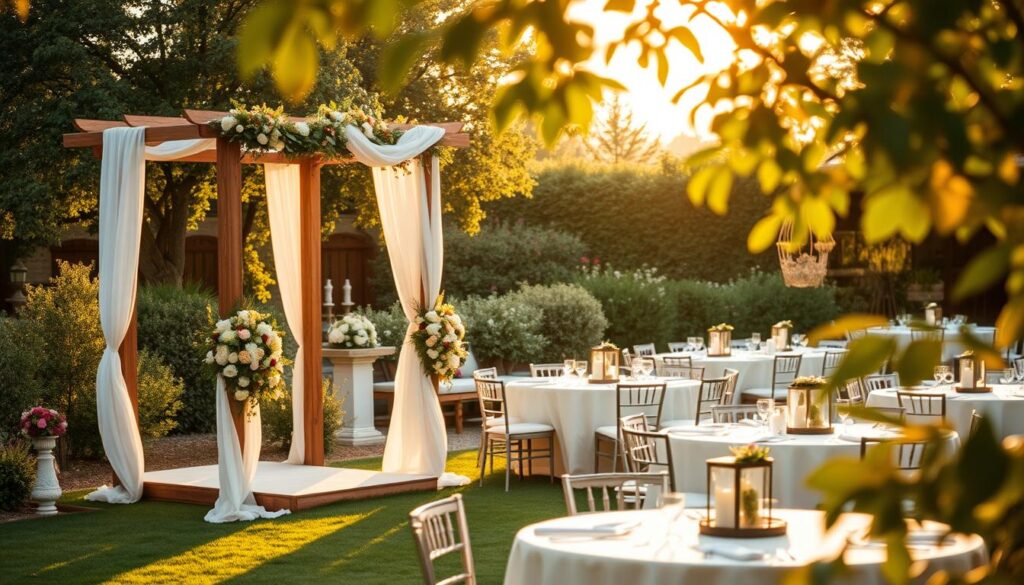
- Choose a site that needs little dressing to free money for food or photography.
- Compare rental fees and any permit or insurance costs so there are no surprise charges.
- Smaller venues create intimate moments and limit excess costs for guests and staff.
- Ask about all-inclusive packages; they can bundle services and offer better value.
Smart venue selection shapes the day and protects your budget while giving guests a memorable experience and more options for where to allocate funds.
Managing Your Guest List
Who you invite shapes the tone, size, and price of your celebration.
In 2024, the average number of wedding guests rose to 145. That jump directly increases catering, seating, and venue fees. Trimming your list from 300 to 150 can make planning far more manageable and cut major costs.
Start by sorting names into essential and non-essential groups. Be honest and kind. This method makes hard choices clearer and less emotional.

“Every guest you invite adds to the total cost—be intentional about who you include.”
- Limit plus-ones to committed partners; this keeps headcounts steady.
- Smaller gatherings allow more quality time with each guest and a cozier atmosphere.
- Fewer guests often let you pick a unique venue that feels special without high fees.
- Communicate choices clearly with family to avoid misunderstandings.
In the end, let your guest list reflect the people who matter most. A thoughtful list protects your pockets and preserves the meaning of the day.
Timing Your Big Day for Maximum Savings
Picking the right season and weekday can trim large costs without shrinking the celebration.
Off-season dates usually run from November through March. Many venues offer lower rental fees during these months. That means more room in your budget for food, photos, or a nicer cake.
Saturday is the most expensive day. Choosing a Sunday or a weekday often unlocks vendor discounts and better availability. Vendors frequently lower rates for less popular days, which adds up fast.

Daytime ceremonies and receptions tend to cost less. You need less lighting and simpler decor. If guests can attend a noon event, you may reduce catering and rental fees.
- Pick off-season between November and March for lower venue rental fees.
- Consider weekdays or Sundays to get vendor discounts and better time slots.
- Have a clear backup plan for weather if you choose winter dates outdoors.
Being flexible with date and time gives you meaningful savings and often a more relaxed planning process. For more timing ideas and booking tips, see this planning resource.
Streamlining Your Wedding Stationery
Smart stationery choices will cut costs and make guest communication simple. Digital tools can centralize event details and remove the need for piles of paper.
Going Digital
Create a wedding website using platforms like The Knot or Zola to share schedules, travel notes, and registry links in one place. Free templates handle RSVPs and reduce postage and printed reply cards.
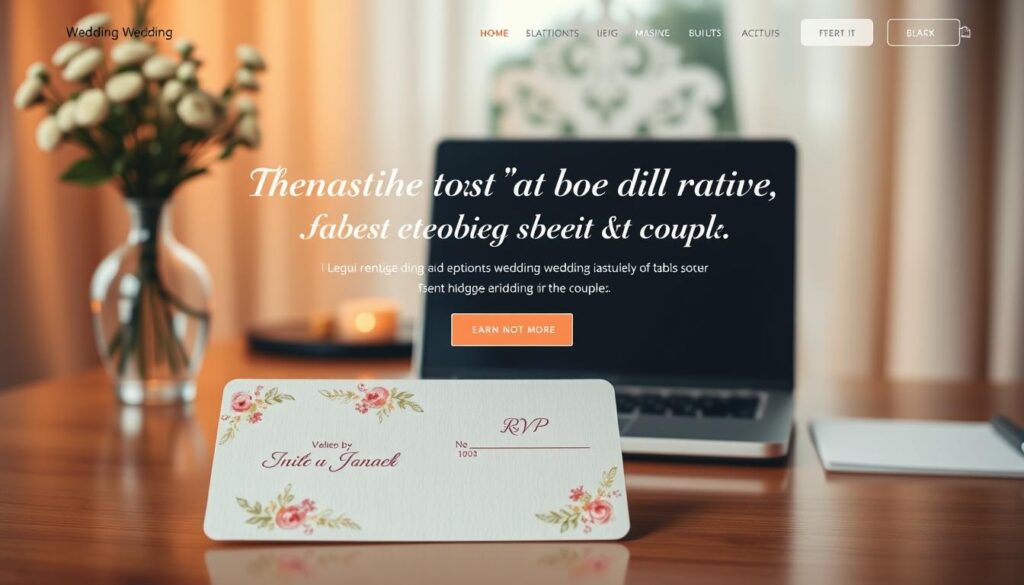
Digital invitations are eco-friendly and clear. They let you update times or venue changes instantly. Guests will appreciate easy directions and quick RSVP buttons.
- Manage RSVPs and meal choices online.
- Include hotel and transport details on one page.
- Keep a mix: print a few physical invites if needed.
“A well-designed site gives guests a better experience and keeps planning streamlined.”
| Option | Cost | Benefits |
|---|---|---|
| Digital | Low | Real-time updates, RSVP tracking, eco-friendly |
| Printed | Medium–High | Tangible keepsakes, formal tone |
| Hybrid | Medium | Best of both: reach all guests, control costs |
Smart Catering and Beverage Choices
Food and drink choices shape the mood of the reception and the final price tag.
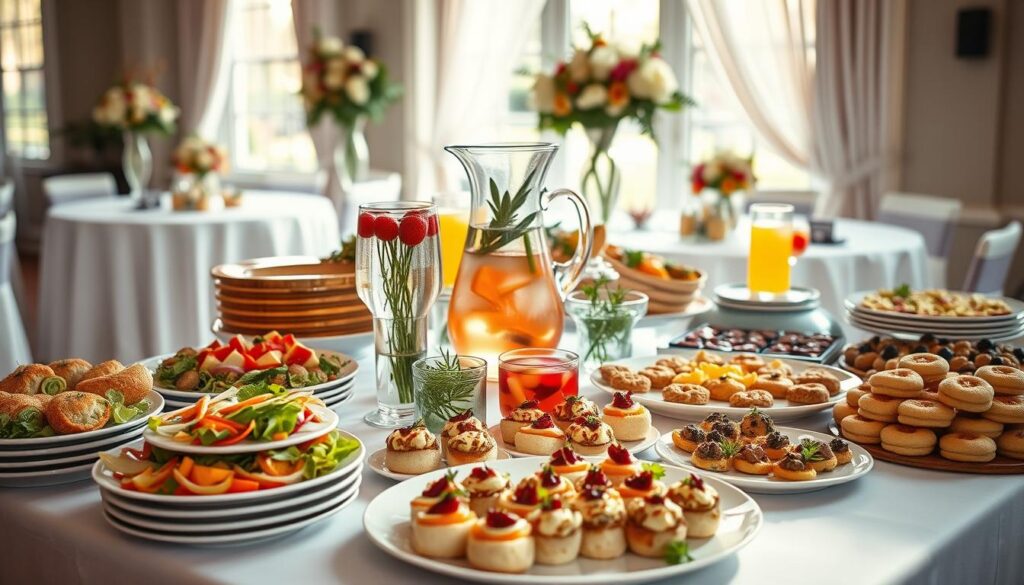
Choose service styles that match your guest list and overall vision. Family-style and buffet lines cut staff needs and let guests pick portions they like. That approach often lowers per-plate costs while keeping the dinner lively.
Buffet and Family Style Options
Buffets work well for mixed tastes and reduce waste. Family-style service feels warm and personal and uses fewer servers than plated meals. Both ways free money for wine or photography.
Limiting the Bar
Offer beer and wine plus one signature cocktail rather than a full open bar. Many venues allow you to bring your own alcohol, which avoids heavy vendor markups. Skipping the champagne toast can cut glassware and service fees.
Rethinking the Cake
A small display cake with sheet cake behind the scenes feeds everyone for less. Or set a dessert table with varied treats instead of a multi-tiered cake. Food trucks or local restaurant catering are fun, price-friendly alternatives that guests remember.
| Choice | Typical Price Impact | Guest Experience |
|---|---|---|
| Plated dinner | Higher | Formal, polished |
| Buffet | Medium | Flexible, casual |
| Family-style | Medium–Low | Warm, communal |
| Food truck / local caterer | Low–Medium | Unique, relaxed |
- Tip: Skip passed hors d’oeuvres and use large self-serve charcuterie displays.
- Double-check bar and catering rules with your venue before signing vendor contracts.
Creative Approaches to Wedding Photography
Great photos capture the mood, not just the moments. Choose a photographer whose portfolio matches the vibe you want for the day.
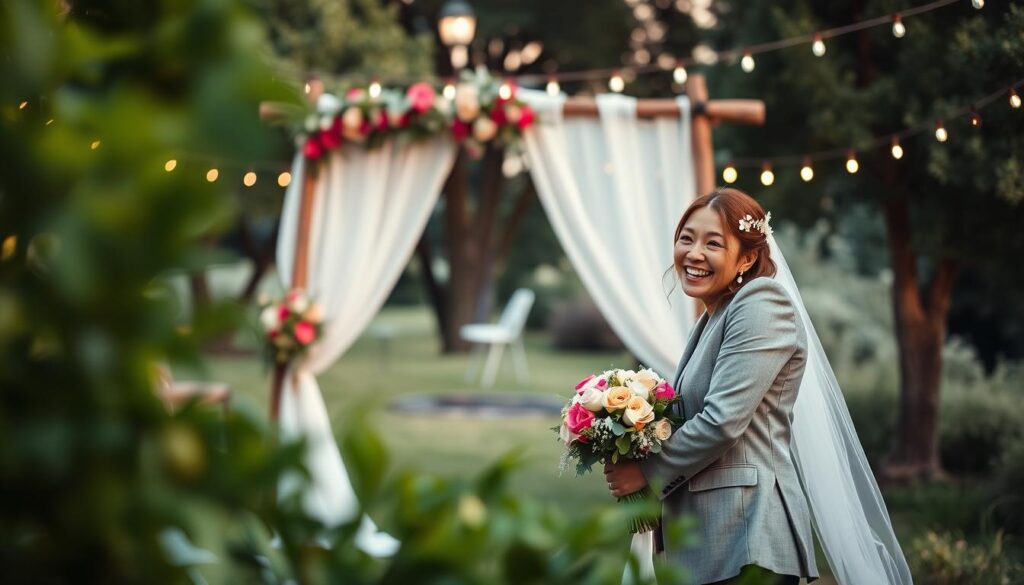
Consider buying digital negatives so you can print images later and avoid added lab fees. Ask photographers if an associate can cover your day at lower rates while keeping the lead’s style.
Book shorter coverage that focuses on getting ready, the ceremony, and first dances. Many pros offer customizable packages so you only pay for what matters most.
- Invite a few trusted guests to capture candid shots that supplement the pro images.
- Skip engagement photos if you need to reallocate funds to the main day.
- Always request full rights to your digital files for long-term use.
“Your wedding photos are one of the few tangible items that remain after the day.”
| Option | Typical Cost | Best Use |
|---|---|---|
| Lead photographer + digital negatives | Medium–High | High-quality images and full rights |
| Associate photographer | Medium | Similar style at lower rate |
| Shorter coverage | Low–Medium | Key moments only, lower fee |
| Guest-contributed photos | Low | Candid, supplemental coverage |
Prioritize a pro whose work you love—these photos last well beyond the day. For related planning tips, see this planning resource.
Floral and Decor Alternatives
Choosing versatile pieces lets you get more value from every centerpiece.
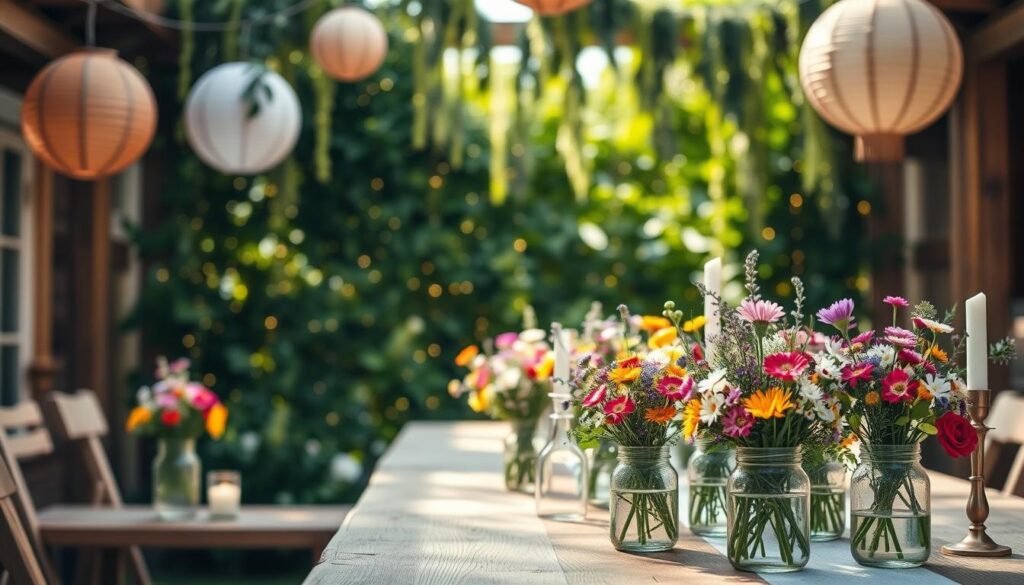
Repurposing ceremony flowers is an easy way to stretch your floral budget. Move bouquets and aisle arrangements to reception tables after the ceremony. That reduces duplicate orders and lowers overall costs.
Use greenery and local blooms rather than exotic stems. Foliage creates a lush look and usually costs less. Ask for seasonal options from your florist; they often offer lower prices.
- Choose non-floral centerpieces like candles, lanterns, or potted herbs that guests can take home or you can reuse.
- Skip aisle markers and heavy chair swag; guests rarely notice them, and that trimming cuts cost quickly.
- Consider artificial flowers for boutonnieres and long-lasting pieces that need no water.
Work with your florist and be clear about your budget and priorities. Many pros suggest creative swaps that keep your wedding personal while helping you save money.
“Decor that reflects your style can feel luxurious without high costs.”
Budget-Friendly Wedding Attire
Designer looks can come from rentals, pre-owned finds, or family heirlooms.
Consider rental services like Rent the Runway for a high-end gown at a fraction of retail. Generation Tux offers suit rentals that keep groom and groomsmen costs low without sacrificing fit or style.
Shop bridal sample sales and trunk shows for deep discounts on quality gowns. Marketplaces such as Stillwhite and Poshmark list pre-owned options that often match designer styles for far less.
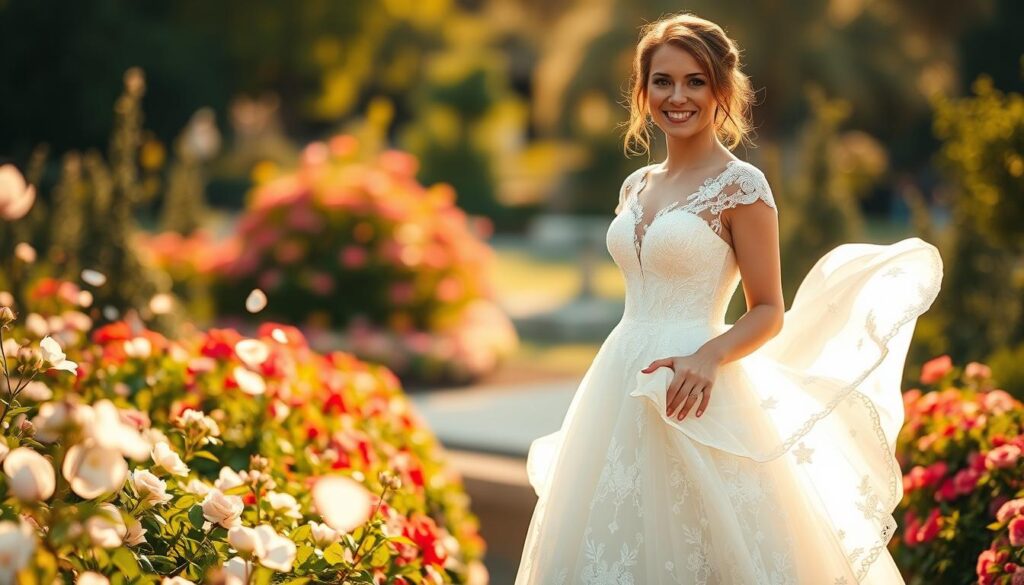
Factor in alterations when you buy. Tailoring makes a secondhand or heirloom dress feel custom. A family gown can add meaning and save money when updated by a trusted seamstress.
“Choose pieces that reflect your style—comfort and confidence matter more than price.”
- Rent for one-day designer wear.
- Buy pre-owned for major savings.
- Provide a bridesmaids color palette so they pick affordable dresses.
- Always budget for alterations and fittings.
| Option | Typical Cost | Best Use |
|---|---|---|
| Rent the Runway (rental) | Low–Medium | Designer look for one day |
| Sample sales / trunk shows | Low | Discounted new gowns |
| Pre-owned marketplaces | Very Low | Designer styles at deep discounts |
| Heirloom with tailoring | Low–Medium | Sentimental, custom-fit option |
Final tip: research before visits so you find the best deals and leave room in your plan for perfect alterations.
Simplifying the Wedding Party
A compact bridal party frees up time, reduces logistics, and lets you enjoy the day more.
Choose only those who truly support your relationship. A smaller wedding party means fewer gifts, less transport, and lower hair and makeup costs. That keeps the focus on the ceremony itself and the people who matter most.
Many couples hire a professional planner to manage timing, run sheets, and vendor coordination. A planner handles logistics for the party so you can relax and spend quality time with each attendant.
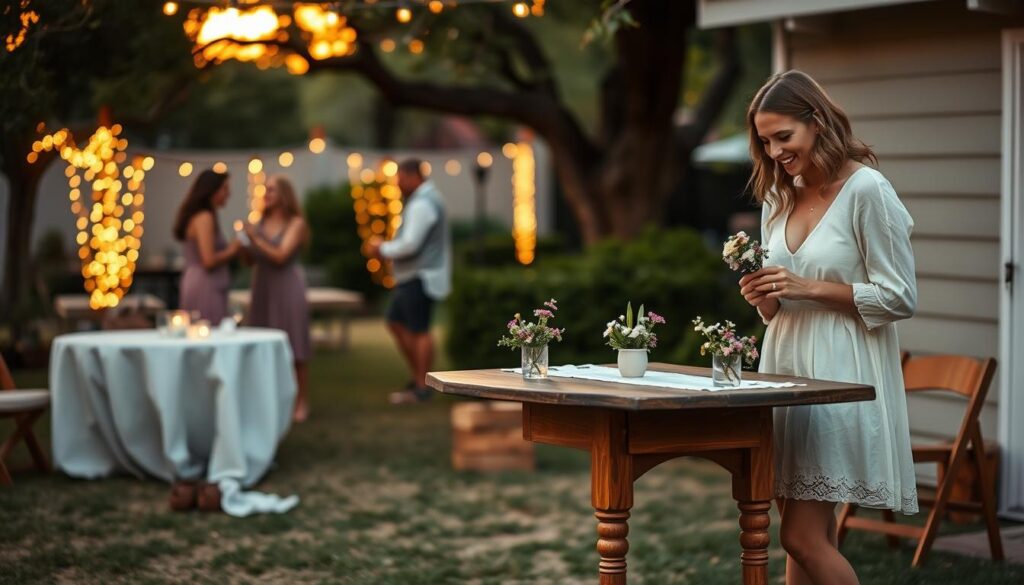
- Fewer attendants cuts costs for bouquets, transport, and photos.
- Skip a traditional party if it fits your budget and vision.
- Tell participants expectations early to avoid last-minute stress.
- A planner can advise on roles and reduce day-of chaos.
“Keep your celebration circle small and meaningful—this protects your wallet and your time.”
By simplifying the party, your wedding day stays personal and calm. You’ll spend real moments with the people who helped shape your relationship.
Leveraging All-Inclusive Packages
All-inclusive packages bundle many essentials, turning complex planning into one clear price.
Bundling often includes catering, staff, rentals, and decor. That reduces the number of vendors you must hire and coordinate. Fewer contacts mean fewer scheduling conflicts and less day-of stress.
Many venues already negotiate local discounts with trusted partners. For example, Silver Hearth Lodge offers a 15% discount for Friday bookings, which can translate into roughly $1,500 in savings on larger events.
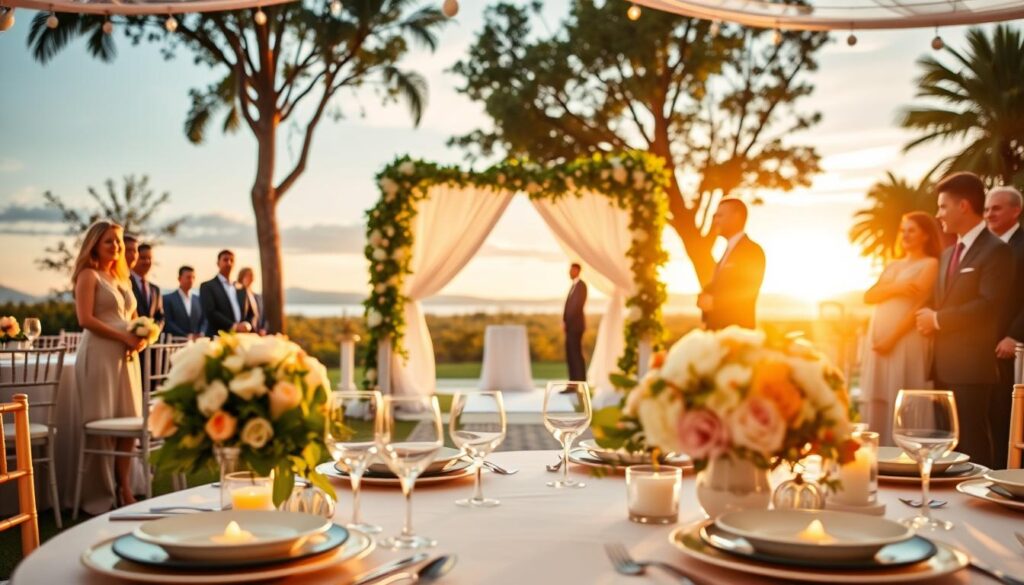
Before you sign: read the fine print. Confirm what is included, which items carry extra fees, and whether outside vendors are allowed.
- Compare an all-in-one package against separate vendor pricing to confirm value.
- Ask the venue about preferred vendors and any bundled discounts they pass along.
- Use packages to simplify logistics and free time for meaningful planning choices.
“An all-inclusive package can streamline planning and deliver measurable savings while keeping your day cohesive.”
For related planning ideas, check this budget planning resource.
DIY Elements and Personal Touches
Small handmade details often make the day feel deeply personal.
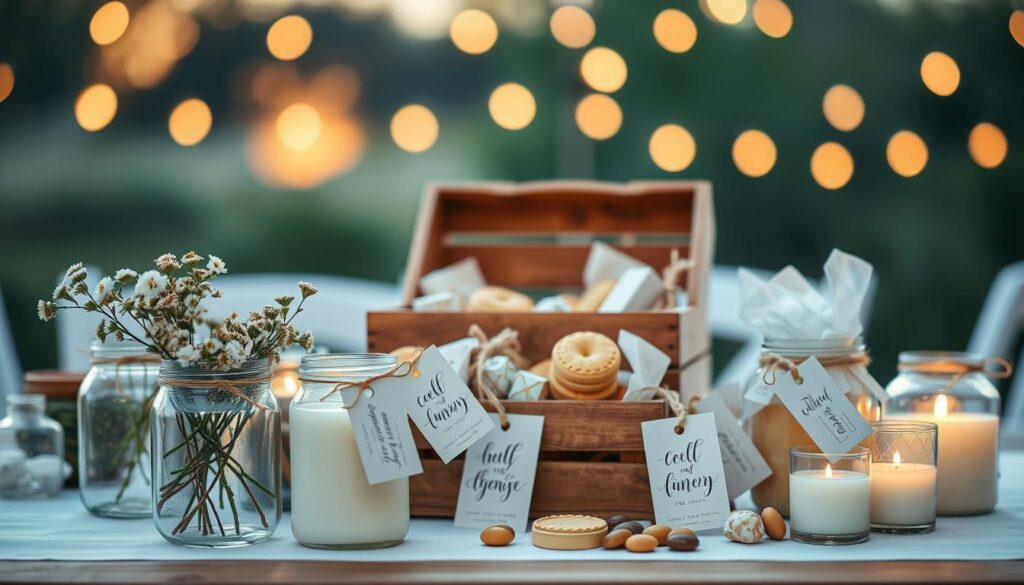
Create simple, meaningful favors like jars of jam, seed packets, or baked cookies. These items add personality and tend to be more memorable than costly store buys.
Use online design platforms for invitations and signage. They cut printing costs and let you tweak layouts quickly.
- Pick projects that fit your skill level and schedule.
- Invite friends and family to help; group craft sessions can be fun and efficient.
- Start early so you avoid last-minute rushes and extra fees.
Handwritten notes and custom signs cost little but make a big impression. Focus on a few key DIY elements rather than trying to do everything yourself.
“Thoughtful, handmade touches often mean more to guests than expensive extras.”
| DIY Item | Estimated Cost | Time Needed |
|---|---|---|
| Homemade cookies | Low | 6–10 hours (batch baking) |
| Seed packet favors | Low | 3–5 hours (assembly) |
| Custom invitations (print at home) | Low–Medium | 2–4 hours (design + printing) |
Navigating Hidden Wedding Costs
Unexpected fees can quietly erode your wedding budget if you don’t watch each line item closely.
Many couples miss charges like cake cutting fees, setup surcharges, and overtime rates. Ask vendors for full cost breakdowns and get everything in writing. That reduces surprises the week of the day.
Reserve a room block for guests — it often delivers 15–40% savings on hotel rates. Always ask about the attrition policy so unbooked rooms won’t fall back onto your tab.
Tip vendors and factor those amounts into your totals. Tipping, service charges, and cleanup fees add up fast.

“A clear checklist for hidden costs prevents sticker shock in the final weeks.”
- Confirm setup and breakdown fees with your venue.
- Review any service charges for catering and the bar.
- Discuss photography deliverables and rights with your wedding photographer.
| Hidden Cost | What it Covers | Typical Price |
|---|---|---|
| Cake cutting fee | Staff time, plates, service | $1–$5 per guest |
| Setup / breakdown | Labor before and after the event | $200–$800 flat |
| Room block attrition | Penalty for unbooked rooms | Varies; ask venue |
| Vendor tips / service charges | Gratuities for staff and vendors | 10–20% of service cost |
Pro tip: a planner can spot these items early and protect your money. For extra guidance on organizing travel and lodging, see this room block savings.
Planning for the Honeymoon
Delaying your honeymoon lets you build a dedicated travel fund and removes immediate pressure from the ceremony week.

Consider treating the trip as its own vacation. That gives you flexibility in timing, budgeting, and destination choices. Start putting aside a small monthly amount well before the big day.
Use a travel agent who focuses on romantic getaways. Many agencies earn commissions from hotels and airlines, so their planning help often costs you nothing extra.
Choose destinations that offer strong value. Less-touristy spots can feel luxurious without the sticker shock. Research the best months to travel so you get better rates and smoother weather.
- Set a separate savings goal for the honeymoon fund.
- Ask agents about promos and commission-covered perks.
- Prioritize shared experiences that bring joy, not just pricey packages.
“Separating the honeymoon from wedding costs helps you enjoy both the day and the trip without stress.”
Conclusion
A final review of spending and priorities keeps your plans realistic and your memories bright. Focus on a few meaningful elements — the ceremony, the guest list, and the moments you’ll remember most.
Keep tracking every line item, and use tools such as a wedding website for clear guest communication. Lean on sample sales, a trusted planner, or a friendly wedding photographer when choices get hard.
Choose simple floral accents and one cherished cake instead of excess decor. A well-paced plan protects your wedding budget and leaves room for the big day you truly want.
Congratulations on this step. Enjoy the planning journey and the life that follows.