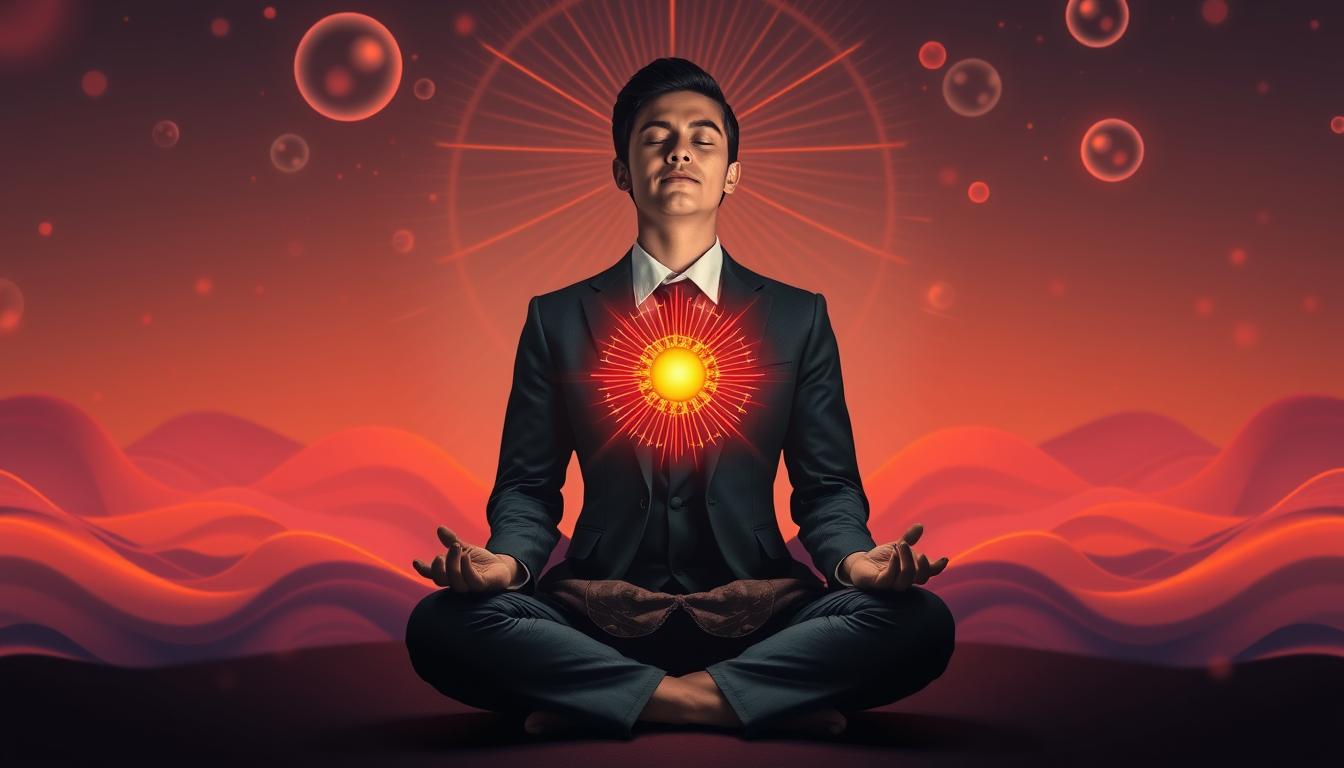
The sacral chakra, called Svadhishthana in Sanskrit, is the second of seven traditional energy centers in yoga philosophy. Its name may mean “one’s own place” or “dwelling place of the Self.” This center connects with desire, creativity, emotions, pleasure, and the confidence to express what you truly want.
Attracting a soulmate is not an instant promise from chanting or ritual. Instead, these practices can help you become more self-trusting, open, and emotionally available. That inner shift may support healthier attraction and deeper intimacy.
Tradition links this area with the lower belly, the color orange, and the water element. Some teachings also list a frequency of 288 Hz. Meditation, affirmations, yoga, creative expression, and clear boundaries offer a grounded way to explore its power in daily life. For more ideas, explore these ancient practices for love and abundance.
Dr. Ram Jain’s August 26, 2020 guide presents these teachings as traditional yogic ideas, not modern medical science.
Key Takeaways
- Svadhishthana is the second traditional energy center.
- It relates to desire, creativity, emotions, and pleasure.
- Orange and water are common symbols in its tradition.
- Mindful practices may build confidence and openness.
- Healthy boundaries support stronger emotional connections.
- These teachings belong to yoga philosophy, not medical science.
What the Sacral Chakra Means for Your Energy and Emotions
Desire, feeling, and creative spark often meet in one symbolic part of yoga philosophy. This view can help you notice how your inner world shapes daily choices, social bonds, and romantic relationships.

Svadhishthana and the Second Chakra
Svadhishthana is known as the second chakra. Its name suggests an inner “dwelling place” for desires, feelings, creativity, and personal expression. Rather than promising instant attraction, this energy center invites honest self-awareness.
What This Energy Center Is Linked With
Traditional teachings connect this chakra with pleasure, sexuality, intuition, emotional movement, and flexible connection. Love involves more than physical attraction. It also calls for trust, communication, and respect for personal limits.
Yoga describes Vyana Vayu as one of five pranas that circulates energy through the body. When this flow feels balanced, you may find more joy, sociability, adaptability, and ease during change.
Dr. Ram Jain, PhD (Yoga), published his guide on August 26, 2020. He founded Arhanta Yoga Ashrams in 2009 and its online academy in 2017. These ideas come from traditional yoga, not medical science.
Where the Sacral Chakra Is Located in the Body
Picture a point in the lower abdomen, about four fingerbreadths, or roughly two inches, below the navel. Traditional yoga places this energy center near the pelvis. It offers a simple body map for quiet breathing and mindful awareness.

Teachings connect this area with the reproductive organs, bladder, kidneys, and lower back. They also link it with the body’s water element. The related glands are the gonads, including the ovaries and testes, which produce hormones. These associations do not mean energy exercises can treat hormonal conditions.
“Notice the area gently; never force awareness into pain.”
To explore the area, rest one hand below your navel while breathing slowly. Avoid pressure over a tender or sensitive spot. Ideas about a blocked sacral or signs blocked energy belong to spiritual and wellness traditions. They do not diagnose physical symptoms.
Lower-back pain, urinary changes, pelvic discomfort, or other concerns need assessment from a qualified medical professional. Use mindful practices as supportive self-care, not as a replacement for proper treatment.
| Body area | Traditional association | Safe reminder |
|---|---|---|
| Lower abdomen | Energy focus below the navel | Use a light touch |
| Pelvis and lower back | Movement and emotional flow | Stop if pain appears |
| Gonads | Ovaries and testes | Do not claim hormone treatment |
Sacral Chakra Symbols, Color, Element, and Meaning
Symbols give Svadhishthana a simple visual language. They connect color, sound, nature, and personal reflection without promising instant change.
Orange Color and Water Element
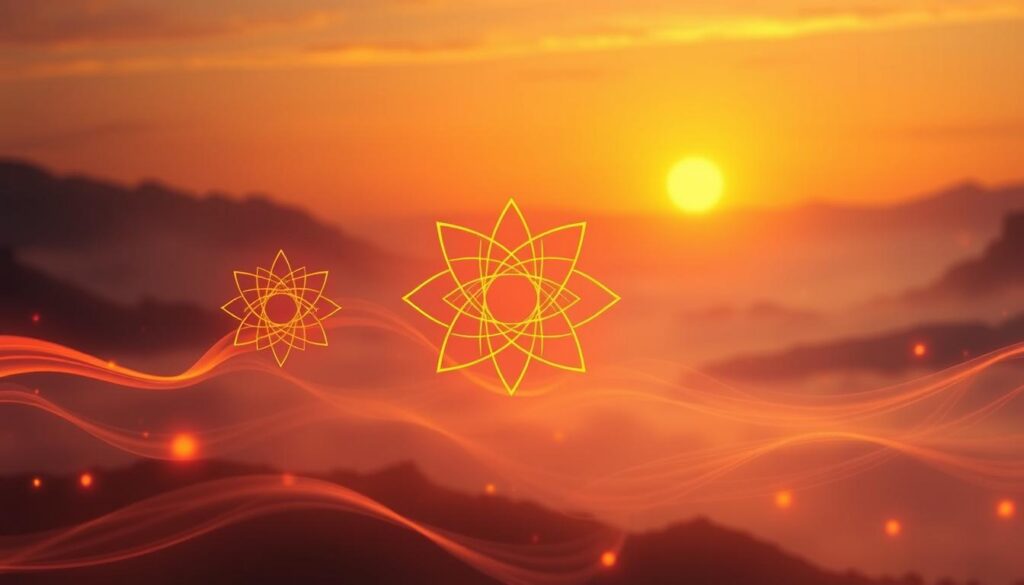
Orange suggests warmth, activity, rising awareness, and creative vision. It blends the red of the root with the yellow of the solar plexus. Water represents emotional flow, flexibility, and freedom of expression. It invites you to accept change rather than grip every feeling.
The Crescent Moon and Six-Petaled Lotus
The Svadhishthana design includes circles, a crescent moon, and a six-petaled lotus. Traditional teachings link these forms with birth, death, and rebirth. The petals carry the sounds vaṃ, vaṃ, śaṃ, ṣaṃ, saṃ, and baṃ.
“Let each symbol support reflection, not replace practical action.”
The VAM Mantra and Symbolic Stones
VAM is the seed sound. Chant it softly while focusing on the lower abdomen. Carnelian, Orange Calcite, Moonstone, Amber, and Tiger’s Eye may support a calm evening routine. Use these stones as reminders, not cures.
| Symbol | Traditional meaning | Simple practice |
|---|---|---|
| Orange | Warmth and creativity | Wear or visualize it |
| Water | Flexibility and change | Breathe beside water |
| VAM | Seed sound | Chant gently |
Signs Your Sacral Chakra May Be Blocked or Overactive
Daily patterns can offer clues about how you relate to pleasure, creativity, and connection. In yoga, these signs describe an energy center, not a medical diagnosis.

Emotional and Creative Signs of a Blocked Sacral
A blocked sacral may appear as low creativity, fear of intimacy, low desire, fatigue, or trouble sharing feelings. You may also notice emotional swings, insecurity, detachment, or dependence on others. These patterns can affect relationships and honest expression.
Traditional teachings connect fear, guilt, chronic stress, suppressed feelings, and unhealthy relationships with reduced emotional flow. Gentle journaling, meditation, or affirmations can help you observe your mind without judgment.
When Sacral Energy Feels Excessive
Some people describe extreme mood swings, addictive behavior, intense affection, or urges that feel hard to control. Treat these signs as prompts for support, not labels. A therapist or qualified health professional can help when distress disrupts life.
Physical symptoms need medical care. Chronic low-back pain, urinary infections, reproductive concerns, impotence, pain during intercourse, pelvic discomfort, or bladder and kidney problems are not proof of blocked energy.
| Pattern | Possible experience | Helpful next step |
|---|---|---|
| Low flow | Low creativity or desire | Journal and seek support |
| High intensity | Compulsive urges or mood swings | Speak with a professional |
| Physical concern | Pain or urinary symptoms | Contact a medical provider |
How a Balanced Sacral Chakra Can Shape Love and Relationships
A healthy romantic bond begins with how well you trust your own inner voice. In traditional yoga, a balanced sacral chakra may support stable emotions, creativity, pleasure, and flexible responses during dating. These qualities can make it easier to build genuine connection.
Confidence, Desire, Boundaries, and Emotional Intimacy
This energy center encourages you to name your wants and express your needs. You can enjoy desire and passion while honoring consent, patience, and another person’s feelings. That balance creates room for trust instead of pressure.
Confidence also gives you the power to choose nurturing relationships. You are less likely to chase intensity, dependency, or outside approval. Instead, you can notice whether a connection supports your values and daily life.
“Real intimacy grows when honesty and respect move together.”
Emotional closeness takes time. Listen with care, share feelings clearly, and keep personal boundaries in place. In this sense, soulmate attraction works as a metaphor: energy work may help you become available to a compatible partner, but it cannot guarantee a match.
Practices That Help Balance the Sacral Chakra
Small, steady rituals can help you notice desire, feelings, and creative energy in daily life. Try one practice at a time, and stop if your body feels strained. For more ideas, explore this guide to balance sacral chakra energy.
Breathwork and Self-Trust
For a five-minute meditation, sit comfortably and breathe slowly. Place attention below the navel and picture warm orange light. You may softly chant VAM or try Yoni, Apan, or Prana Mudra from yoga. Skip any pose or hand shape that feels uncomfortable.
Simple Daily Choices
Repeat affirmations such as “I embrace my emotions,” “I allow pleasure in my life,” and “I am creative and inspired.” A warm bath, dancing, art, journaling, or time near water can support expression. Try Sweet Orange, Ylang Ylang, Sandalwood, Neroli, or Jasmine oils only as directed. Carnelian, Moonstone, and Orange Calcite stones can serve as visual reminders.
| Option | Friendly use | Safety note |
|---|---|---|
| Food | Fruit, nuts, seeds, oranges, carrots | Not a treatment or required diet |
| Oils | Use diluted products | Check sensitivities first |
| Stones | Hold during meditation | No proven medical effect |
Sacral Chakra Yoga Poses for Creative and Emotional Flow
Gentle movement can help you explore energy, comfort, and self-expression. These practices do not require deep flexibility. Use each pose to build calm awareness, support balance, and invite more creativity into your routine.
Hip-Opening and Grounding Poses to Try
Begin with Pigeon Pose, Goddess Pose, Bound Angle Pose, or Happy Baby. Breathe slowly and notice sensations in the pelvis, lower back, and lower abdomen. Never force the hips or hold a painful position.
- Choose Seated Forward Bend for longer exhales and a quiet transition into meditation.
- Try Malasana with a folded blanket under the heels for extra support.
- Use a wall during Utkata Konasana if your legs or back need stability.
- Practice Ananda Balasana gently, keeping the knees comfortable.
“Move slowly enough to listen to your body.”
This chakra area traditionally relates to the bladder, reproductive organs, kidneys, and lower back. Yoga may support relaxation and body awareness, but it cannot cure urinary, pelvic, reproductive, or kidney conditions. Stop for sharp pain and seek medical guidance when needed.
A Simple Sacral Chakra Routine for Confidence and Connection
Set aside ten quiet minutes for a personal reset. Sit comfortably, slow your breathing, and place gentle attention about two inches below the navel. Picture a warm orange light spreading through your body. This chakra meditation can help you pause before you react.
- Repeat “VAM” several times in a soft voice. Then use the affirmation, “I have boundaries that protect me.”
- Spend five minutes dancing, drawing, journaling, or making music. Let emotions move through creative expression without judgment.
- End with a glass of water, a warm shower, or a few minutes near a natural water source.
- Write one honest intention for your relationships, such as listening more closely or communicating clearly.
A Carnelian stone or familiar oils can remind you to pause and reconnect. These items support reflection, not healing claims. The source lists 288 Hz as a traditional frequency, but science has not confirmed it as a treatment.
Track feelings, confidence, and relationship choices for several weeks. Notice signs of greater balance, but seek professional help for troubling symptoms or concerns about blocked sacral energy. For broader wellness goals, explore these healthy lifestyle ideas.
Let Your Sacral Energy Support the Love You Want
In yoga tradition, the sacral chakra represents creativity, emotional expression, pleasure, desire, and nurturing relationships. Its orange color, crescent symbol, and flowing water offer simple reminders to welcome change and listen to your emotions. These ideas form part of a symbolic map of the body’s energy centers.
A balanced routine can blend chakra meditation, gentle yoga, affirmations, creative work, and time near water. Pair meditation with honest communication and practical judgment. Notice emotions in your body, respect boundaries, and choose mutual care over fantasy. This approach may help balance this center without promising instant soulmate results.
Dr. Ram Jain’s work shows how yoga education continues in new formats. He founded Arhanta Yoga Ashrams in 2009 and its online academy in 2017. Return to your practice often. Confidence and connection grow through steady choices, clear communication, and the power to make room for love that feels mutual, respectful, and real.