
The 10 Greatest 1990s Music Videos That Revolutionized Visual Storytelling
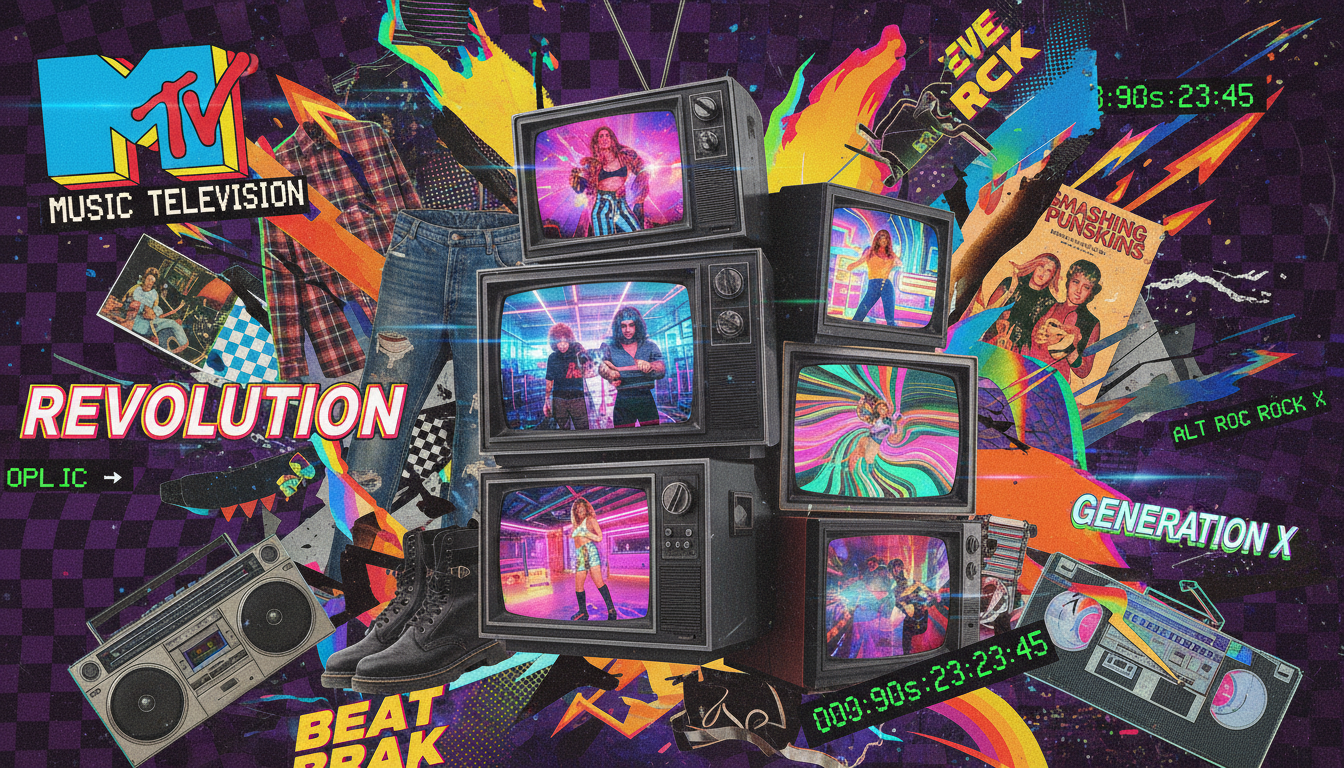
The 1990s transformed music videos from simple performance clips into groundbreaking works of art. This decade brought us visual masterpieces that changed how we experience music forever. Directors like Spike Jonze, David Fincher, and Hype Williams pushed creative boundaries in ways people had never seen before.
Music videos became more than promotional tools during this time. They evolved into cultural statements that shaped fashion, influenced film, and defined an entire generation. MTV reigned supreme, and a great video could launch a band from obscurity to superstardom overnight.
This collection celebrates the ten most influential music videos from the 1990s. Each clip represents a milestone in visual storytelling, artistic innovation, or cultural impact. From grunge rebellion to hip-hop excellence, these videos continue to inspire artists decades later.
1. Nirvana – “Smells Like Teen Spirit” (1991)
Director Samuel Bayer captured lightning in a bottle with this video that became the anthem of Generation X. The clip features Nirvana performing in a high school gymnasium filled with anarchic students who eventually riot. Kurt Cobain’s raw energy and the band’s explosive performance created an unforgettable visual experience.
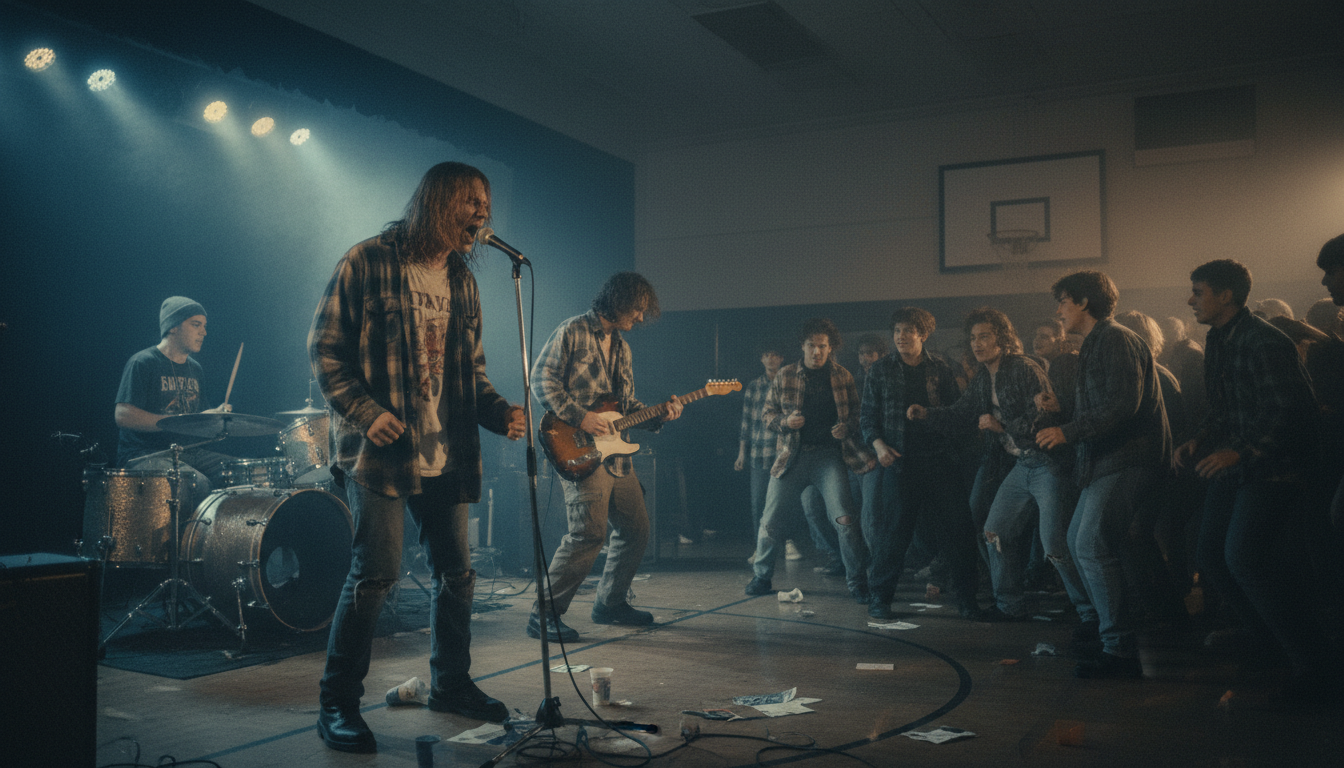
The video’s aesthetic perfectly matched the grunge movement’s anti-establishment ethos. Dark lighting, shaky camera work, and the gymnasium setting rejected the polished glamour of hair metal videos that dominated the previous decade. This deliberate raw approach felt authentic and revolutionary.
Bayer drew inspiration from the film “Over the Edge” and the punk rock documentary “The Decline of Western Civilization.” The janitor character who appears throughout became an iconic element, representing the older generation watching youth culture explode. This imagery resonated deeply with teenagers feeling disconnected from mainstream society.
The impact of “Smells Like Teen Spirit” extended far beyond music. The video helped kill hair metal, launched alternative rock into the mainstream, and changed MTV’s programming forever. Fashion trends shifted overnight as flannel shirts and ripped jeans became the new uniform of cool. Stream the complete album “Nevermind” on Spotify to experience the full sonic revolution.
“The video looked like nothing else on MTV at the time. It was dirty, chaotic, and real in a way that felt dangerous and exciting.”
Kurt Cobain reportedly hated being called the spokesman for a generation, yet this video cemented that role. The song and clip became inseparable from early 90s culture, defining an era of disaffected youth seeking something genuine in an increasingly commercial world.
2. Sinéad O’Connor – “Nothing Compares 2 U” (1990)
Director John Maybury created one of the most emotionally powerful music videos of all time through radical simplicity. The clip features almost nothing except extreme close-ups of Sinéad O’Connor’s face as she lip-syncs Prince’s devastating lyrics. This minimalist approach proved that sometimes less truly is more.

The famous tear that rolls down O’Connor’s cheek around the three-minute mark became one of the most iconic moments in music video history. Many viewers believed it was genuine emotion caught on camera, though O’Connor later explained it was a deliberate artistic choice. Either way, the moment’s authenticity moved millions of people worldwide.
Maybury interspersed the close-ups with brief shots of O’Connor walking through Paris, providing subtle visual breaks from the intensity. These moments let viewers breathe while maintaining the video’s emotional grip. The black background focusing all attention on O’Connor’s expressive face created an intimate connection between artist and audience.
This video proved that compelling visuals need not rely on elaborate sets, costumes, or special effects. The power came entirely from O’Connor’s vulnerable performance and Maybury’s confident direction. In an era of increasingly elaborate productions, this stripped-down approach stood out dramatically.
The clip earned numerous awards including the MTV Video Music Award for Video of the Year. O’Connor’s shaved head and direct gaze challenged conventional beauty standards while her emotional transparency connected with viewers on a deeply human level. Explore more of her groundbreaking work on Apple Music.
3. Beastie Boys – “Sabotage” (1994)
Spike Jonze’s parody of 1970s crime shows created an instant classic that showcased his unique directorial vision. The Beastie Boys play ridiculous detective characters in a hilarious homage to shows like “The Streets of San Francisco” and “Hawaii Five-O.” The video overflows with energy, humor, and perfectly timed editing.
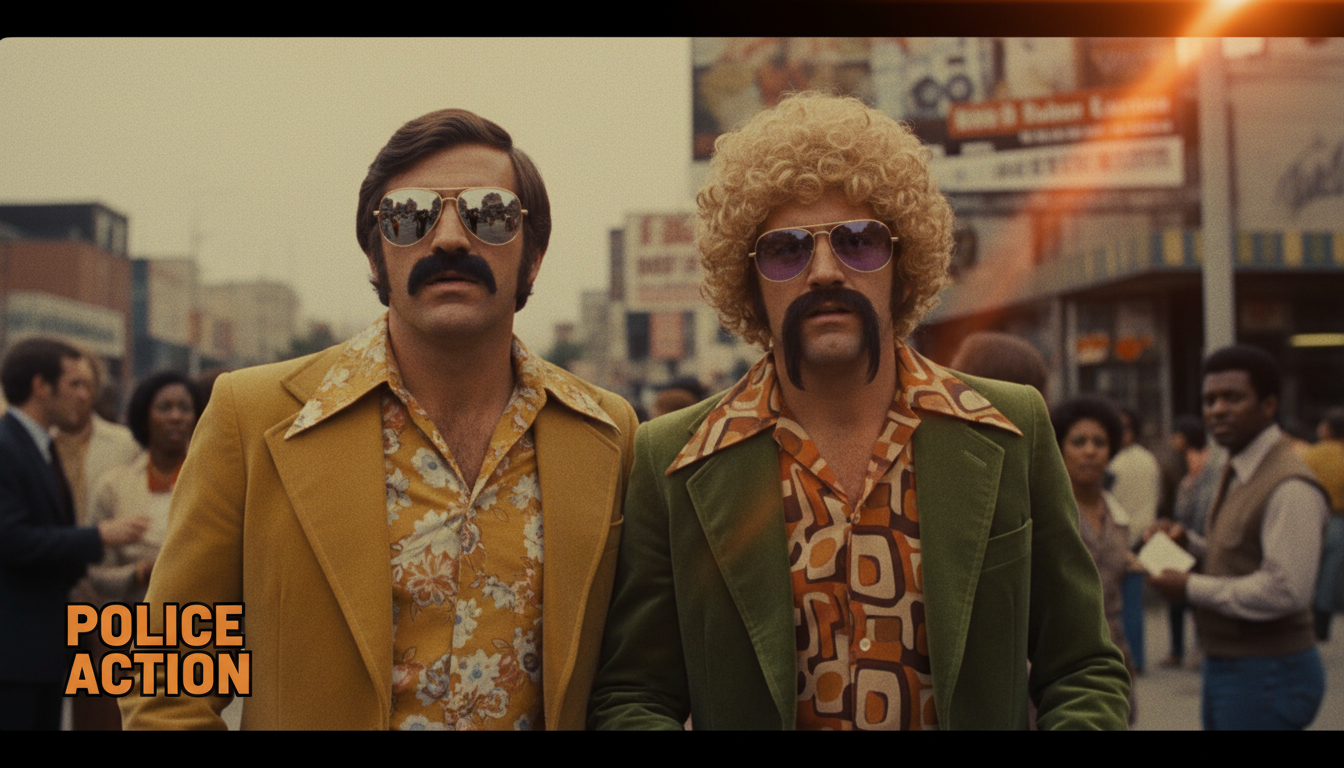
Jonze shot the entire video on 16mm film in just two days with a budget under $50,000. The grainy film stock, whip pans, zooms, and crash zooms perfectly recreated the visual language of vintage cop shows. This attention to detail elevated a simple concept into something genuinely memorable and endlessly rewatchable.
The Beastie Boys appear in outrageous disguises throughout, committing fully to the absurd premise. Their comedic timing and willingness to look ridiculous made the video funnier than it had any right to be. The group understood that great music videos combine strong concepts with fearless execution.
Spike Jonze would go on to become one of the most celebrated directors in both music videos and feature films. “Sabotage” demonstrated his ability to take a simple idea and execute it with such style and personality that it transcends its influences. The video feels both like an authentic 70s artifact and a contemporary masterpiece.
This clip influenced countless music videos that followed, establishing the parody genre as a legitimate artistic approach. The Beastie Boys’ willingness to not take themselves seriously while still creating innovative art became a template for many artists. The song remains a cultural touchstone, frequently appearing in movies and commercials decades later.
Fun Fact: Spike Jonze made his directorial debut with this video after working as a skateboard photographer and appearing in Sonic Youth’s “100%” video.
4. Nine Inch Nails – “Closer” (1994)
Director Mark Romanek created a dark, surreal masterpiece that pushed boundaries and sparked controversy. The video features disturbing imagery inspired by the works of Joel-Peter Witkin, Man Ray, and early industrial films. Trent Reznor appears in various states throughout, surrounded by bizarre set pieces and unsettling visuals.

The video’s aesthetic drew from various art movements including Dadaism and German Expressionism. Romanek shot it on grainy 16mm film stock and used techniques like bleach bypass processing to achieve the distinctive aged look. The intentional degradation of the image quality added to the overall sense of decay and darkness.
MTV initially banned the uncensored version due to its explicit content and disturbing imagery. The network eventually aired a heavily edited version during late-night programming. This controversy only increased the video’s mystique and cultural impact, making it essential viewing for anyone interested in pushing artistic boundaries.
Despite the dark subject matter, the video represents meticulous artistic craftsmanship. Every frame was carefully composed, and the symbolic imagery operated on multiple levels. Trent Reznor’s intense performance grounded the surreal visuals in genuine emotion, preventing the video from becoming merely shocking for shock’s sake.
The clip influenced industrial and alternative music aesthetics for years afterward. Directors studying at film schools analyzed its techniques and symbolic density. “Closer” proved that music videos could function as legitimate art while still serving promotional purposes. Experience the full “The Downward Spiral” album on Spotify for the complete sonic journey.
Artistic Influences
- Joel-Peter Witkin’s disturbing photography
- Man Ray’s surrealist compositions
- Early German Expressionist cinema
- Dada movement’s anti-establishment ethos
Technical Innovations
- 16mm film with bleach bypass processing
- Practical effects over digital manipulation
- Carefully choreographed symbolic imagery
- Vintage optical printing techniques
5. Madonna – “Vogue” (1990)
Director David Fincher created a stunning black-and-white homage to Hollywood’s golden age and the Harlem ballroom scene. Madonna appears in various glamorous poses inspired by classic Hollywood portraits, while dancers execute the precise hand movements that defined voguing. The video’s high-contrast cinematography and art deco aesthetic made it instantly iconic.
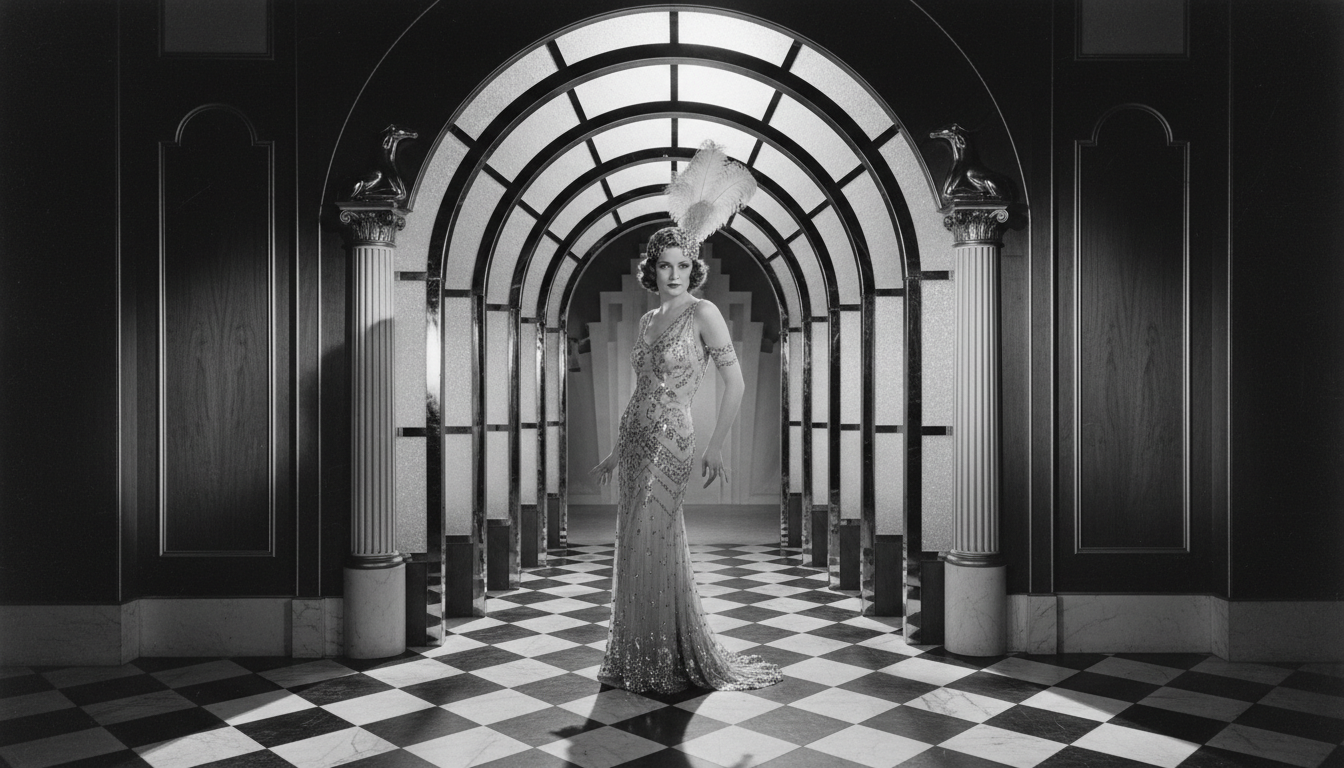
Fincher drew inspiration from photographers like Horst P. Horst and George Hurrell, recreating their signature lighting techniques. The video celebrates both old Hollywood glamour and underground ballroom culture, introducing mainstream audiences to voguing for the first time. This cultural crossover brought visibility to a marginalized community while creating unforgettable imagery.
The choreography by Jose Gutierez and Luis Camacho brought authentic ballroom culture to MTV. Madonna had become fascinated with the New York ball scene and wanted to celebrate it through her work. The video’s release sparked a voguing craze and introduced ballroom terminology into mainstream vocabulary.
Technically, the video showcased Fincher’s masterful control of visual composition. Every frame could stand alone as a photograph worthy of gallery display. The seamless integration of Madonna’s lip-synced performance with the dancers’ choreography required precise timing and expert editing.
The clip earned numerous awards and became one of Madonna’s most celebrated works. It proved that music videos could honor cultural movements while creating commercially successful pop art. Decades later, “Vogue” remains a touchstone for discussions about cultural appropriation, artistic homage, and mainstream visibility for marginalized communities.
Can’t Get Enough 90s Music Videos?
Watch our complete curated playlist featuring all 10 of these groundbreaking music videos plus bonus tracks from the era. Experience the decade that changed music visuals forever.
6. Weezer – “Buddy Holly” (1994)
Spike Jonze struck gold again by seamlessly integrating Weezer into classic “Happy Days” footage. The band performs at Arnold’s Drive-In while characters from the beloved sitcom dance and interact around them. The technical achievement of matching new footage with decades-old television made this video a groundbreaking technical marvel.
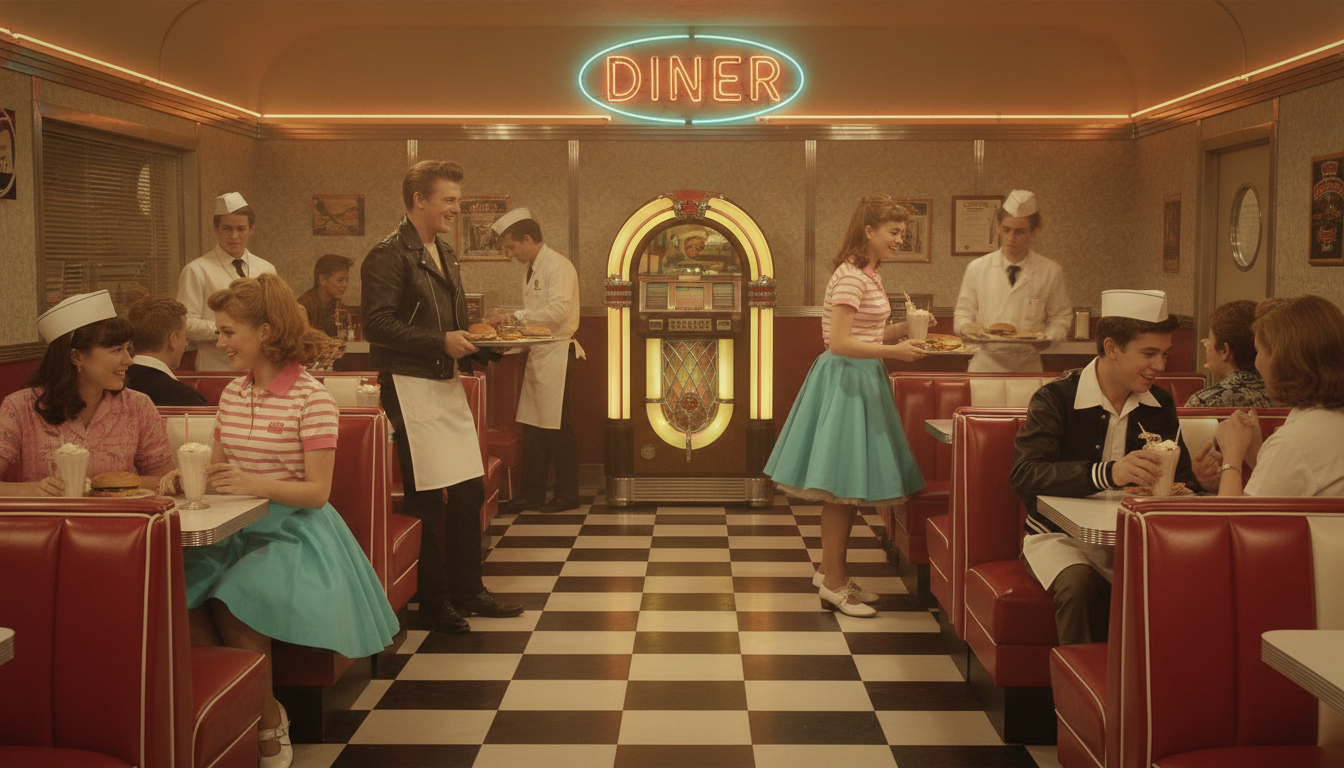
The video required painstaking effort to match the color, grain, and lighting of the original “Happy Days” episodes. Jonze studied the show extensively to recreate camera angles, movements, and the distinctive three-camera sitcom aesthetic. This attention to detail made the integration feel completely natural rather than forced or parodic.
Weezer embraced the concept completely, with Rivers Cuomo’s glasses-wearing geek persona fitting perfectly into the “Happy Days” universe. The band played the song live on set while actors recreated the show’s typical dance scenes and diner interactions. This commitment to authenticity elevated what could have been a simple gimmick.
The video became a massive MTV hit and introduced Weezer to mainstream audiences. It demonstrated that clever concepts executed with technical precision could compete with big-budget spectacles. The nostalgic appeal worked across generations, pleasing both people who remembered the original show and younger viewers discovering it for the first time.
Spike Jonze’s creative vision shone through once again, proving his ability to find innovative approaches to music video storytelling. The clip’s success helped establish him as the premier director of the era. “Buddy Holly” remains one of the most beloved and frequently referenced music videos of the 1990s. Discover more from Weezer’s debut album on Apple Music.
7. Pearl Jam – “Jeremy” (1992)
Director Mark Pellington created a haunting narrative video addressing teen alienation and violence. The clip tells the tragic story of Jeremy Wade Delle, a student who committed suicide in front of his classmates. Pearl Jam singer Eddie Vedder based the lyrics on this real event, and Pellington’s video brought the disturbing story to vivid life.

The video employed innovative editing techniques, mixing performance footage with narrative scenes and surreal imagery. Quick cuts, flash frames, and jarring transitions created a sense of psychological disorientation matching Jeremy’s mental state. This stylistic approach influenced countless music videos that followed.
Pellington cast Trevor Wilson as Jeremy, and the young actor delivered a powerful performance. The video’s climactic final scene, showing Jeremy’s classmates covered in blood, sparked controversy and led MTV to eventually restrict airplay. The shocking imagery forced uncomfortable conversations about teen violence and mental health.
Pearl Jam refused to make traditional music videos after this, feeling the medium had become too focused on commercial appeal. “Jeremy” represented what they believed videos should be: artistic statements addressing serious subjects. The band’s subsequent absence from MTV changed their relationship with mainstream media permanently.
The video won four MTV Video Music Awards including Video of the Year and Best Group Video. Its cultural impact extended beyond music, contributing to broader discussions about bullying, mental health resources, and school violence. “Jeremy” remains one of the most powerful and disturbing music videos ever created, refusing to let viewers look away from uncomfortable truths.
Important Context: The video was made before the Columbine tragedy and other school shootings brought these issues to national prominence. Its prophetic quality makes it even more haunting in retrospect.
8. Missy Elliott – “The Rain (Supa Dupa Fly)” (1997)
Director Hype Williams introduced the world to Missy Elliott with one of hip-hop’s most visually innovative videos. The clip features Elliott in an inflated patent leather suit performing against surreal backdrops. The fish-eye lens distortion, vibrant colors, and futuristic aesthetic created a completely unique visual language that influenced hip-hop videos for years.
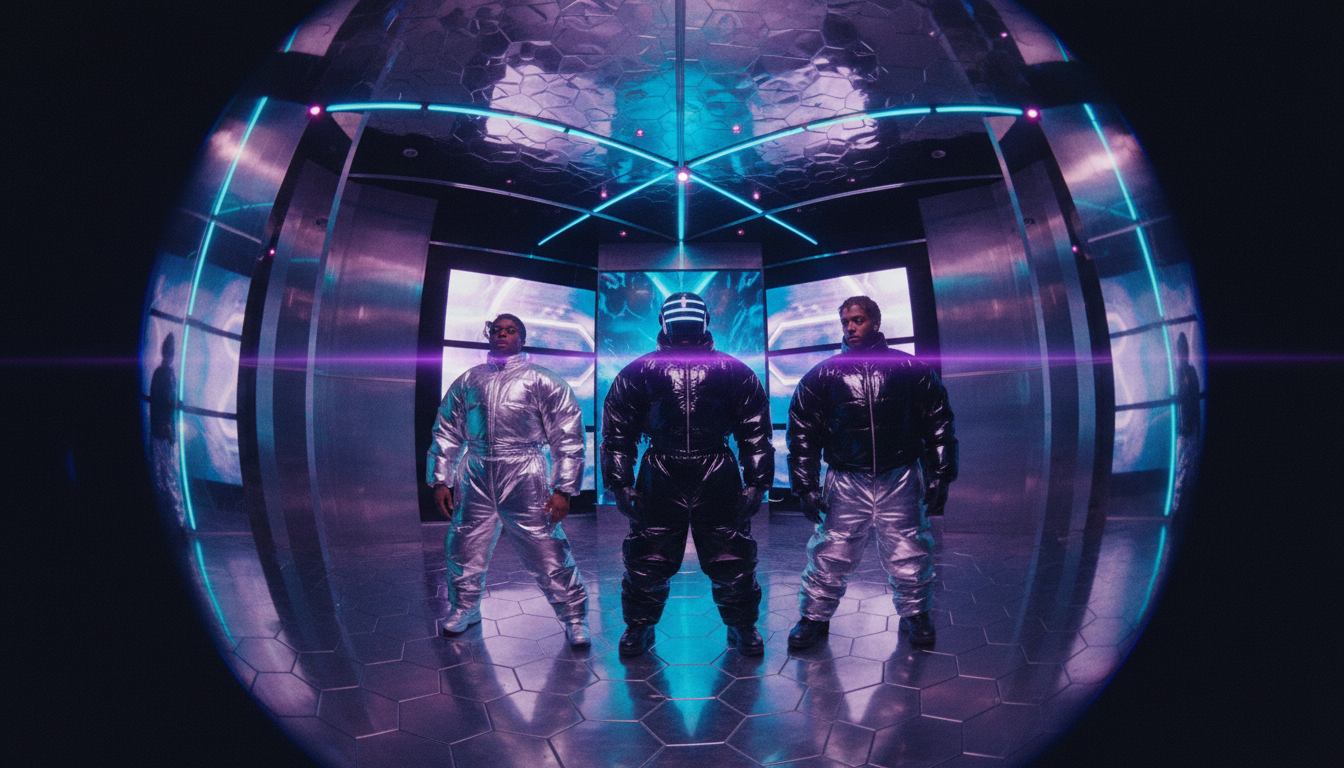
Williams employed visual effects that were cutting-edge for the time. The fish-eye lens created a dreamlike distortion that made everything feel otherworldly. Combined with Elliott’s confident performance and the song’s futuristic production, the video announced a major new talent who would reshape hip-hop aesthetics.
The inflated suit became instantly iconic, appearing on countless magazine covers and in fashion retrospectives. Elliott’s willingness to eschew conventional sex appeal in favor of bold artistic statements challenged how female rappers were typically presented. This revolutionary approach to image and style influenced a generation of artists.
The video’s color palette mixed deep purples, silvers, and blacks in combinations rarely seen in music videos. Williams’ signature style of high-contrast lighting and saturated colors made his work immediately recognizable. The visual excess matched Timbaland’s innovative production perfectly, creating total sensory immersion.
Missy Elliott’s debut video established her as a visionary artist willing to take risks. The clip won numerous awards and appeared on every “best of the 90s” list published since. It proved that hip-hop videos could be as artistically ambitious as any other genre. Stream Missy Elliott’s groundbreaking debut album “Supa Dupa Fly” on Spotify to experience the complete revolution.
Visual Innovations
- Extreme fish-eye lens distortion
- Inflated costume design
- Futuristic set pieces and backdrops
- High-contrast color grading
- Abstract visual storytelling
Cultural Impact
- Redefined female rapper image standards
- Influenced hip-hop video aesthetics
- Launched Hype Williams to superstar status
- Inspired fashion and costume design
- Proved artistic vision over sex appeal
9. Radiohead – “Just” (1995)
Director Jamie Thraves created an enigmatic narrative that has frustrated and delighted viewers for decades. The video shows a man lying on the sidewalk refusing to get up while a crowd gathers around him. Through subtitled dialogue, people demand to know why he is on the ground. When he finally reveals his reason, the subtitles disappear, and everyone else lies down too.
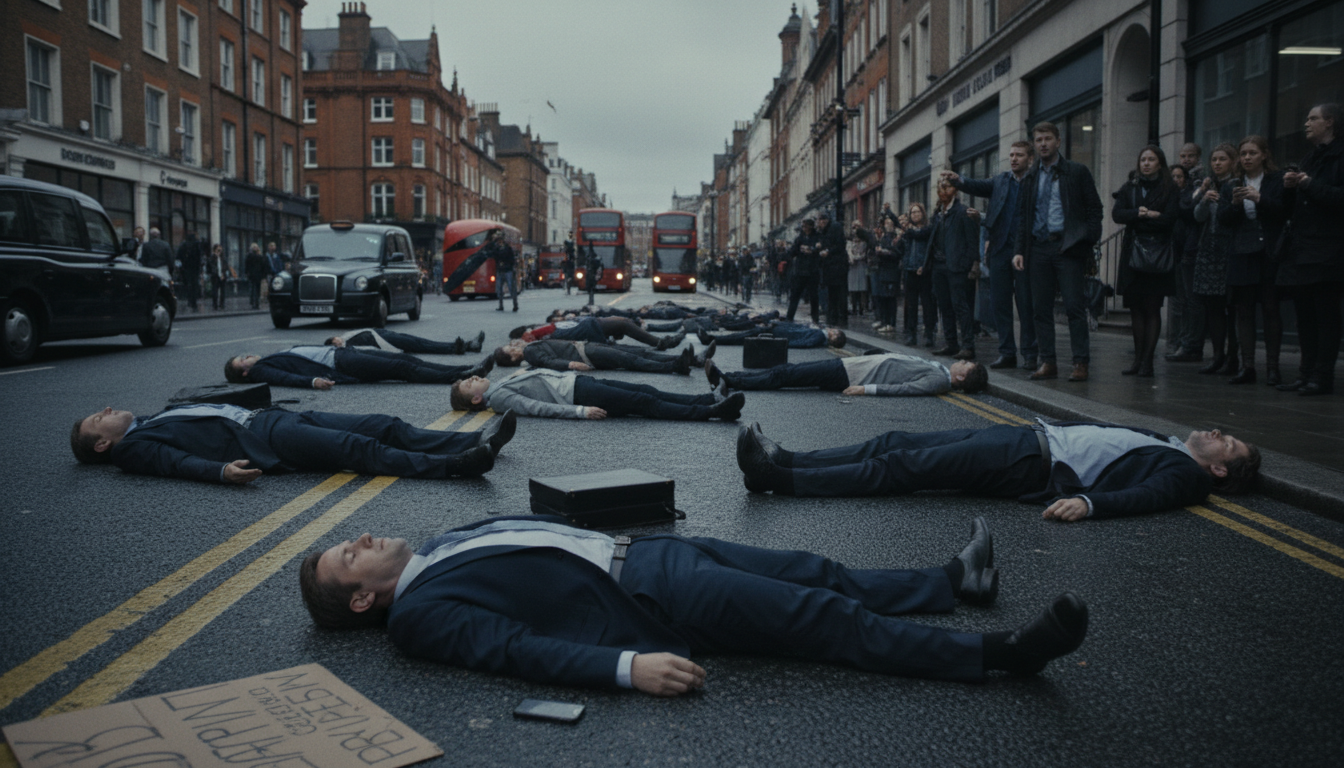
The deliberate withholding of information makes “Just” endlessly rewatchable. Viewers have speculated for years about what the man says that convinces everyone to join him on the ground. Thraves has never revealed the answer, maintaining the mystery and ensuring the video remains perpetually discussed and debated.
The video alternates between the street narrative and performance footage of Radiohead playing in a confined apartment. The claustrophobic indoor scenes provide stark contrast to the outdoor drama, mirroring the song’s themes of frustration and confinement. This dual narrative structure added depth and complexity to the storytelling.
Thraves shot the video in widescreen format, giving it a cinematic quality unusual for music videos of the era. The precise framing and careful composition elevated the material beyond typical MTV fare. Every shot was meticulously planned to maximize visual impact and narrative efficiency.
Radiohead’s willingness to embrace ambiguity and reject easy answers reflected their artistic philosophy. The band consistently pushed boundaries and refused to give audiences what they expected. “Just” became one of their most beloved videos precisely because it trusted viewers to engage with mystery rather than demanding resolution. Explore Radiohead’s complete “The Bends” album on Apple Music for more groundbreaking work from this period.
“The whole point is that you don’t know what he says. It’s about the curiosity and the frustration of not knowing.”
10. Smashing Pumpkins – “Tonight, Tonight” (1996)
Directors Jonathan Dayton and Valerie Faris created a magical homage to Georges Méliès’ silent film classic “A Trip to the Moon.” The video follows a couple’s fantastical journey through space and underwater realms. The meticulous recreation of early cinema techniques resulted in one of the most visually enchanting music videos ever made.
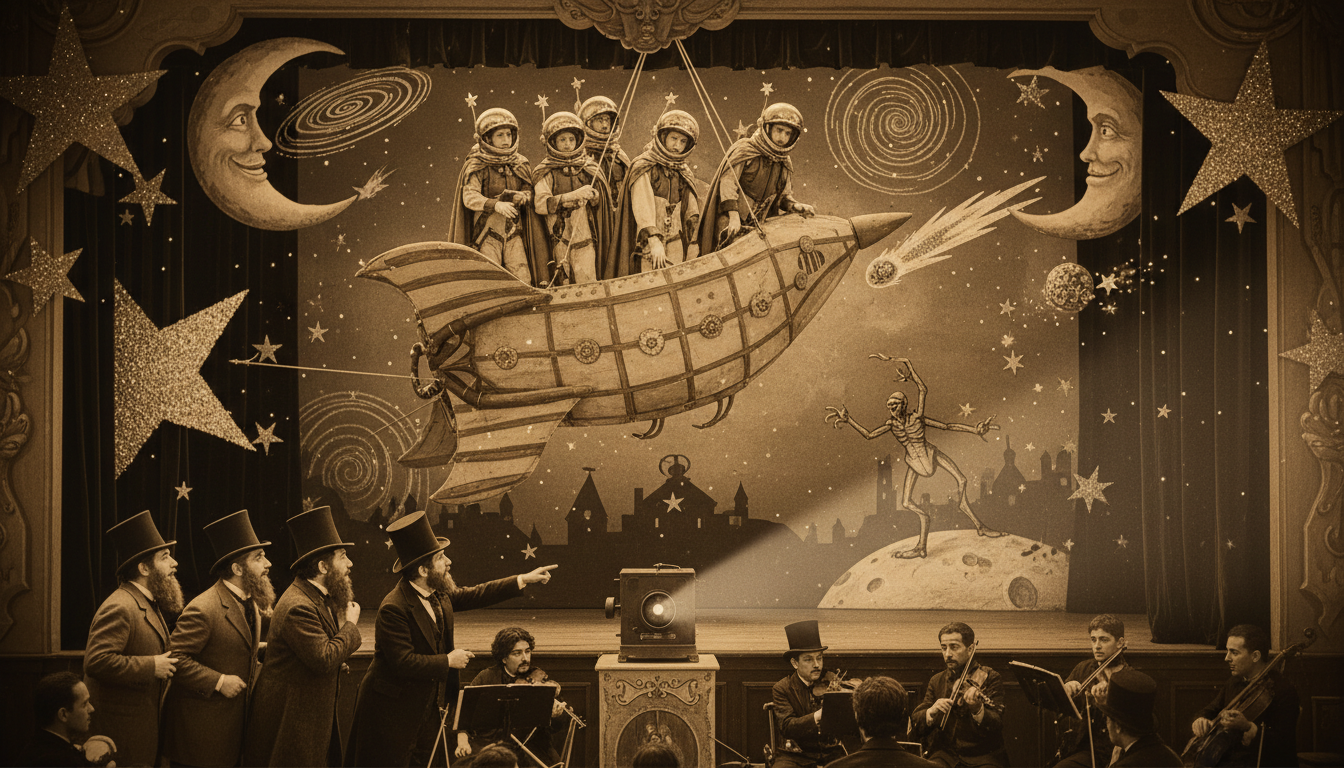
The directors employed practical effects and staging techniques from the silent film era rather than modern digital effects. Hand-painted backdrops, forced perspective, and theatrical staging recreated the charming artificiality of early cinema. This commitment to period-appropriate techniques made the video feel like a genuine artifact from another time.
The costume design and art direction demonstrated extraordinary attention to detail. Every element from the Victorian-era clothing to the papier-mâché moon referenced early science fiction films and literature. The video celebrated the wonder and imagination of early cinema pioneers who created magic with limited technology.
Billy Corgan’s soaring vocals and the song’s orchestral arrangement perfectly matched the video’s epic scope. The sweeping emotional journey of the music found its visual equivalent in the couple’s fantastical voyage. This harmony between audio and visual created a complete artistic statement that transcended either medium alone.
The video won six MTV Video Music Awards including Video of the Year, beating out much higher-budget competitors. Its success proved that artistic vision and craftsmanship could triumph over expensive special effects. “Tonight, Tonight” remains a masterclass in how music videos can function as short films worthy of serious artistic consideration. Experience the full “Mellon Collie and the Infinite Sadness” double album on Spotify.
The Lasting Impact of 1990s Music Videos on Modern Visual Culture
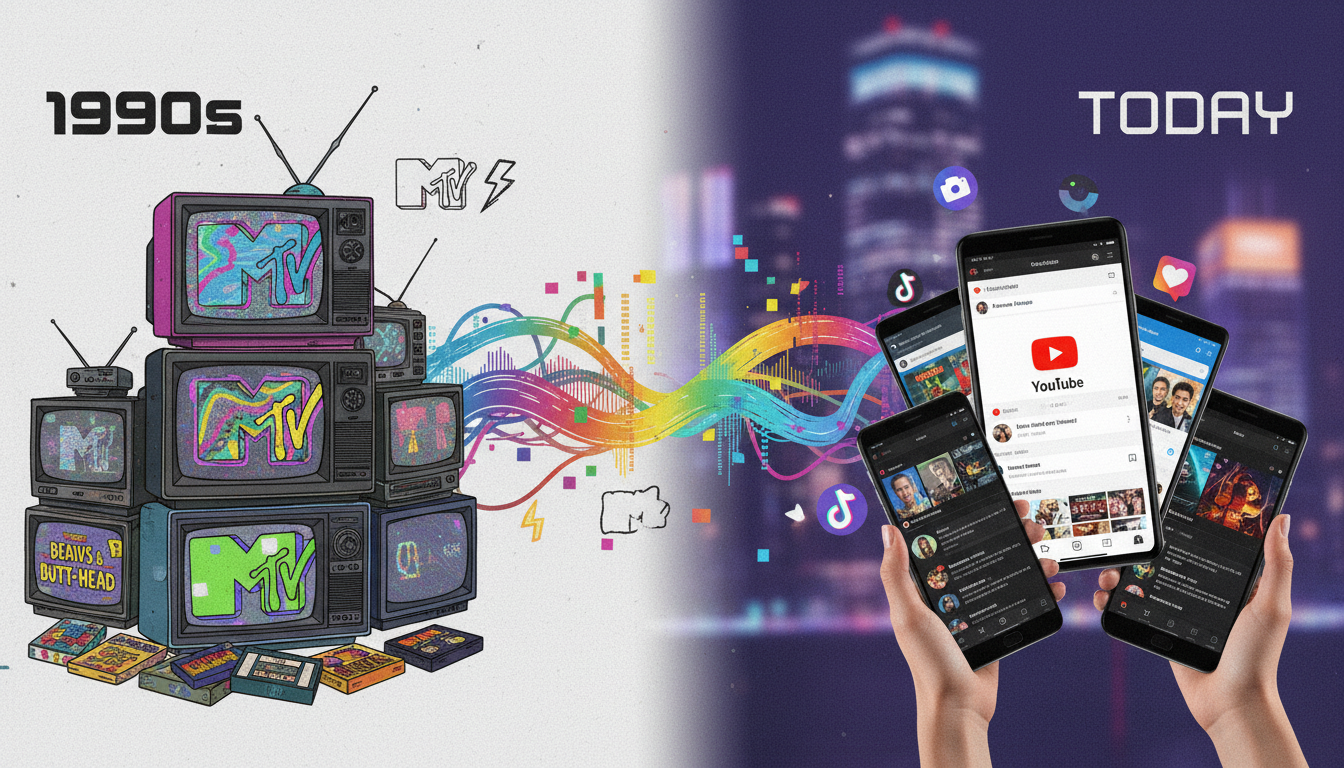
The music videos from the 1990s established visual languages that continue influencing directors, musicians, and content creators today. Techniques pioneered by Spike Jonze, David Fincher, and Hype Williams became foundational elements of modern music video production. These directors proved that the medium could rival cinema in artistic ambition and technical achievement.
MTV’s dominance during this era created a cultural moment when music videos truly mattered. Artists invested significant budgets and creative energy into these short films because they knew a great video could transform their careers overnight. This golden age of music video production pushed boundaries and experimented in ways rarely seen before or since.
Technical Innovations That Changed Everything
The 1990s saw rapid advancement in video production technology. Directors gained access to better cameras, editing equipment, and visual effects capabilities than ever before. This technological progress combined with artistic vision created an explosion of creativity that defined the decade’s visual aesthetic.
Film vs. Digital
Most iconic 90s videos were shot on film, giving them a distinctive texture and quality. The grain, color saturation, and depth of field characteristics became synonymous with the era’s aesthetic. Modern digital productions often add artificial film grain to recreate this look.
Practical Effects
Directors relied heavily on practical effects, creative set design, and in-camera techniques rather than digital post-production. This approach created tangible, believable worlds that viewers could connect with viscerally. The physicality of these effects gave videos a weight that digital effects sometimes lack.
Editing Revolution
Non-linear editing systems became more accessible during the 90s, allowing editors unprecedented control. Quick cuts, match cuts, and experimental transitions became standard tools. The editing techniques developed during this period still dominate music video production today.
Cultural Shifts Reflected in Visual Storytelling
These music videos captured and influenced the cultural zeitgeist of their time. From grunge’s anti-establishment ethos to hip-hop’s bold confidence, each video reflected broader social movements and attitudes. Directors worked as cultural anthropologists, documenting and shaping the world around them through their art.
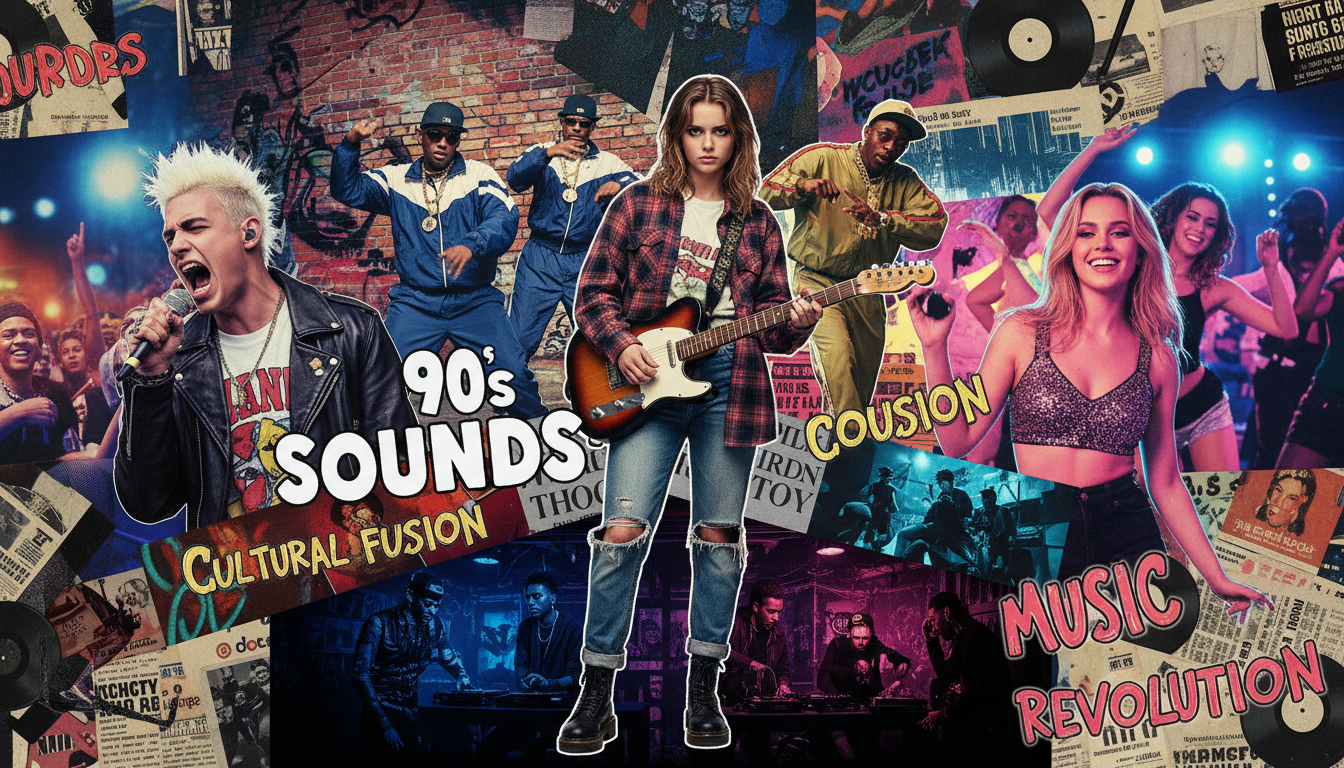
The decade witnessed unprecedented diversity in music video aesthetics. Hip-hop videos celebrated urban culture and Black excellence. Grunge videos rejected polish and glamour. Pop videos embraced spectacle and choreography. Alternative rock videos explored art film techniques and narrative experimentation. This diversity enriched visual culture immeasurably.
Directors Who Defined a Generation
Many directors who made their names in 90s music videos went on to acclaimed careers in feature films. David Fincher directed “Fight Club,” “Se7en,” and “The Social Network.” Spike Jonze created “Being John Malkovich” and “Her.” Mark Romanek made “One Hour Photo.” These directors honed their craft making music videos before transitioning to longer-form storytelling.
What Made 90s Videos Special
- Unlimited creative freedom and risk-taking
- Substantial budgets for ambitious projects
- MTV providing massive distribution platform
- Film stock creating distinctive aesthetic quality
- Emphasis on concept over celebrity
- Directors given auteur control of vision
Challenges of the Era
- Limited special effects capabilities compared to today
- Censorship battles with MTV standards
- High production costs limiting output
- Slower post-production without digital tools
- Geographic limitations for collaboration
- Limited distribution beyond television broadcasts
The MTV Factor and Cultural Dominance
MTV’s power during the 1990s cannot be overstated. The network served as the primary gatekeeper for music video distribution, and getting into heavy rotation could make or break an artist. This centralized power structure created intense competition for airtime, driving up production values and creative ambition.
Shows like “Total Request Live” made music videos appointment viewing for millions of teenagers. Carson Daly introduced new videos daily, and fans would rush home from school to watch. This cultural moment when music videos were essential viewing will likely never be repeated in our fragmented media landscape.
From MTV to YouTube: The Paradigm Shift
The decline of MTV as a music video platform changed everything. As the network shifted toward reality programming in the early 2000s, music videos lost their primary distribution channel. The rise of YouTube eventually provided a new platform, but the cultural context had fundamentally changed.
Modern music videos reach potentially larger audiences through online platforms, but they compete with infinite other content. The focused attention that MTV provided is now fragmented across countless platforms and formats. This democratization has advantages, but the shared cultural experience of watching music videos together largely disappeared.
Legacy Perspective: The 1990s represented the peak of music video as an art form precisely because of the unique convergence of technology, budget, creative talent, and distribution power that existed during that specific cultural moment. These conditions may never align again in quite the same way.
Breaking Down the Technical Artistry Behind Iconic 90s Music Videos
Understanding what made these music videos so effective requires examining the technical craft behind them. Directors, cinematographers, editors, and visual effects artists worked together to create seamless artistic visions. Their techniques and approaches established standards that influence visual media production decades later.
Cinematography Techniques That Defined the Decade
The 1990s saw cinematographers experimenting with camera movement, lenses, and lighting in bold new ways. Handheld cameras brought visceral energy to performance footage. Fish-eye lenses created distinctive distortion. High-contrast lighting added drama and mood. These choices weren’t arbitrary but carefully considered artistic decisions that enhanced storytelling.
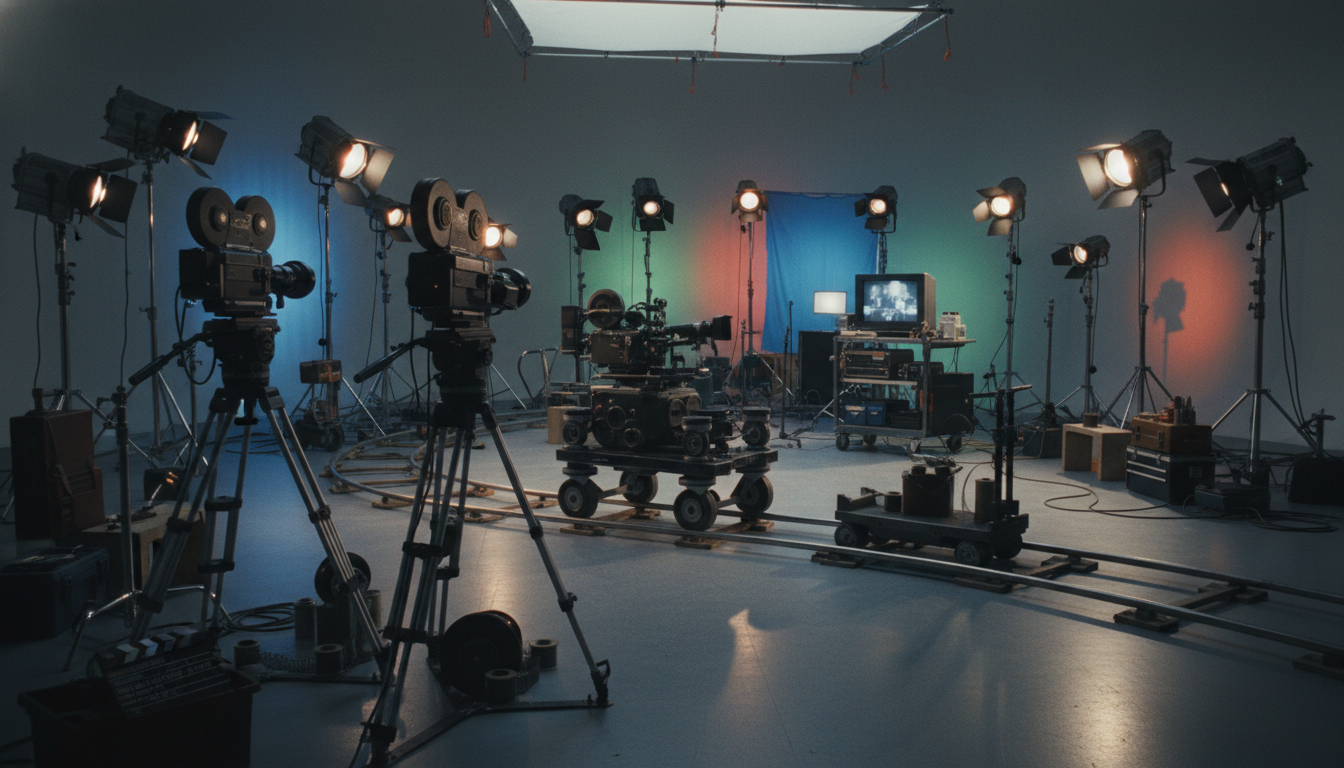
Directors like Mark Romanek approached music videos with the same rigor as feature films. They storyboarded every shot, tested lighting setups extensively, and demanded multiple takes to achieve perfection. This professionalism elevated music videos from promotional tools to legitimate art forms deserving critical analysis and appreciation.
The Power of Editing and Rhythm
Music video editors face unique challenges matching visual rhythm to musical structure. The best 90s videos achieved seamless integration where edits felt motivated by the music itself. Cuts aligned with drum hits, transitions matched chord changes, and visual pacing reflected the song’s energy.
Editing Innovations
- Match cutting between performance and narrative
- Flash frames creating subliminal impact
- Jump cuts maintaining energy and pace
- Cross-cutting between multiple timelines
- Rhythmic editing synced to music beats
- Seamless integration of visual effects
The transition from linear tape editing to non-linear digital systems during the 90s revolutionized the craft. Editors gained unprecedented flexibility to experiment with different cut points, try alternative sequences, and refine their work.
Programs like Avid and Final Cut Pro democratized editing capabilities that previously required expensive specialized equipment. This technological shift contributed to the creative explosion of the era.
Color Grading and Visual Tone
The distinctive color palettes of 90s music videos came from both film stock choices and post-production color timing. Bleach bypass processing created the desaturated look of “Closer.” Vibrant saturation defined Hype Williams’ hip-hop aesthetics. Black-and-white photography gave “Vogue” its timeless elegance. These choices communicated mood and meaning before a single lyric was heard.
Colorists worked closely with directors to establish visual signatures for each video. The process required technical expertise and artistic sensitivity. Modern color grading software offers more control, but the fundamental principles established in the 90s remain unchanged.
Set Design and Production Value
Ambitious set design transformed soundstages into complete worlds. Art directors created environments that existed nowhere else, from the surreal laboratory of “Closer” to the Victorian space voyage of “Tonight, Tonight.” These elaborate sets required significant budgets and extensive pre-production planning.
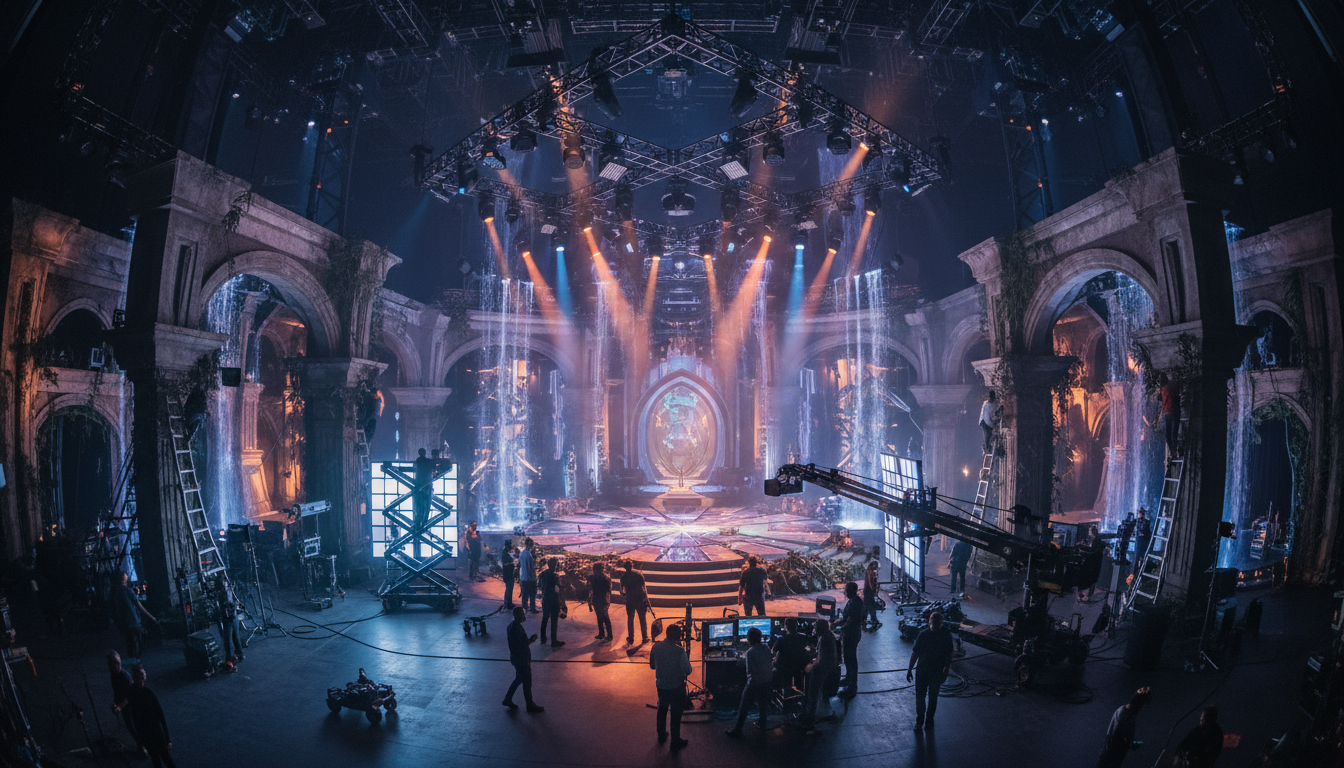
Production designers collaborated with directors to ensure every visual element supported the overall concept. Props, furniture, wall textures, and background details received meticulous attention. This commitment to total visual coherence separated great videos from mediocre ones.
Performance Direction and Artist Collaboration
The best music videos resulted from true collaboration between directors and artists. Directors helped musicians deliver authentic performances while artists ensured videos aligned with their artistic vision. This partnership produced work that neither could have created alone.
Performance direction required psychological insight and technical knowledge. Directors needed to make artists comfortable while pushing them to take creative risks. The trust built during these collaborations often led to multiple successful partnerships between specific directors and bands.
How much did typical 90s music videos cost to produce?
Budgets varied dramatically based on the artist’s popularity and label support. Major label videos averaged between $50,000 and $500,000, with superstar projects occasionally exceeding $1 million. Michael Jackson’s “Scream” famously cost $7 million. Independent and alternative videos often worked with budgets under $50,000, relying on creative solutions over expensive effects.
What camera formats were most commonly used for 90s music videos?
16mm film was extremely popular for its portable size and distinctive grainy aesthetic. 35mm film offered higher quality for bigger budget productions. Toward the end of the decade, digital video cameras like the Sony DVCam began appearing, though film remained the preferred medium for most professional productions until the early 2000s.
How long did it typically take to produce a music video in the 1990s?
Pre-production including concept development, storyboarding, and location scouting often took 2-4 weeks. Principal photography ranged from one day for simple performance videos to a week or more for elaborate productions. Post-production including editing, color correction, and visual effects typically required 1-3 weeks. The entire process from concept to completion usually spanned 4-8 weeks for most videos.
Why did MTV stop showing music videos throughout the day?
MTV shifted programming toward reality shows and scripted content in the early 2000s because these formats attracted more consistent viewership and advertising revenue. Reality shows like “The Real World” and “Jackass” proved more profitable than music video programming. The rise of internet platforms also meant viewers could watch music videos on-demand, reducing the need for MTV’s curatorial role.
How Different Music Genres Shaped Visual Aesthetics in the 1990s
Each musical genre developed its own visual language during the 1990s. These aesthetic codes helped viewers immediately identify what kind of music they were about to hear. Directors working within genres both honored established conventions and pushed boundaries to create fresh approaches.
Grunge and Alternative Rock: Embracing Raw Authenticity
Grunge videos rejected the polish and glamour of hair metal that dominated the 80s. Directors favored raw, documentary-style footage over elaborate staging. Dim lighting, handheld cameras, and minimal editing created an aesthetic of authenticity that matched the music’s emotional directness.
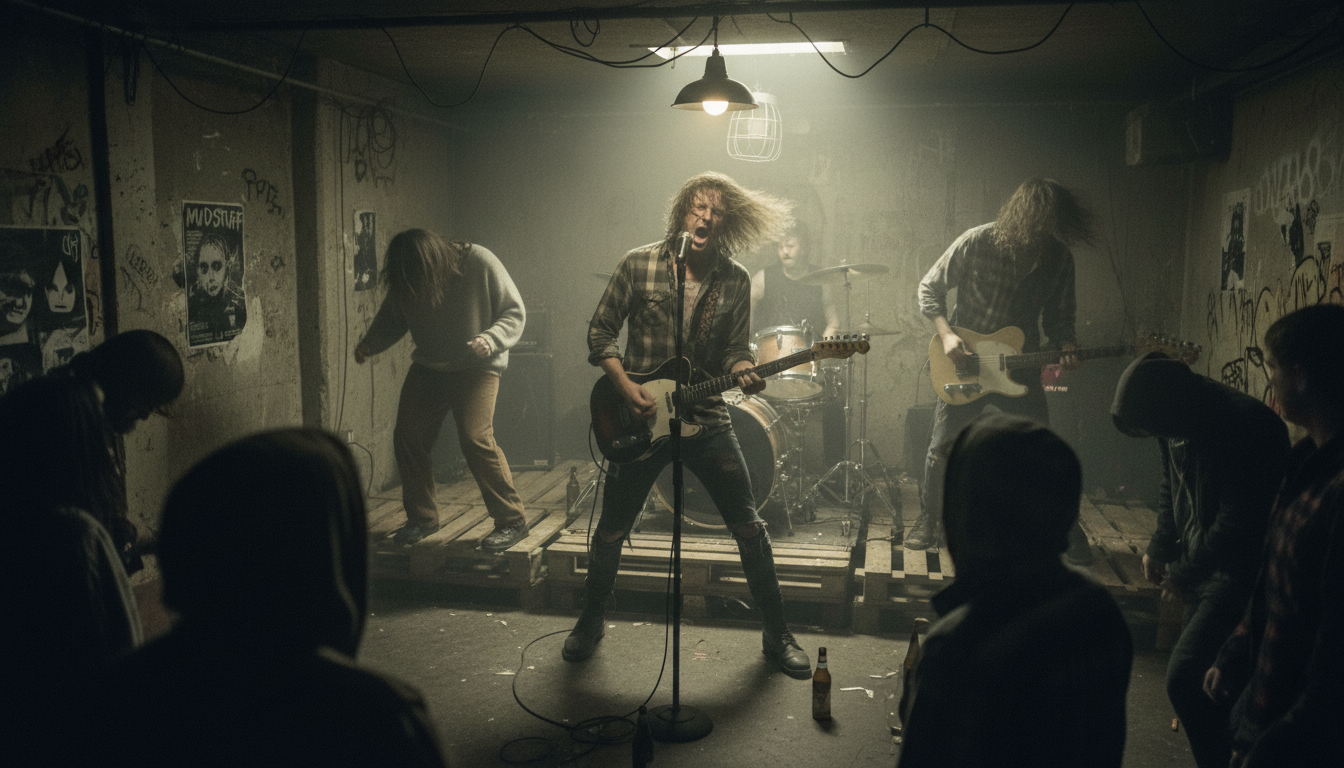
This deliberately anti-commercial approach became its own aesthetic code. Videos like “Smells Like Teen Spirit” proved that rejecting conventional music video glamour could be more powerful than embracing it. The grunge aesthetic influenced alternative rock videos throughout the decade and beyond.
Hip-Hop: Bold Colors and Innovative Techniques
Hip-hop videos of the 1990s established visual languages that celebrated Black culture, urban life, and creative innovation. Directors like Hype Williams pioneered techniques including fish-eye lenses, vibrant color grading, and elaborate choreography. These videos exuded confidence and style that matched the music’s swagger.
East Coast Hip-Hop Visual Style
- Gritty urban locations and street scenes
- Documentary-style realism
- Dark, moody color palettes
- Focus on lyrical performance and storytelling
- Emphasis on community and crew
West Coast Hip-Hop Visual Style
- Sunny California locations and car culture
- Party atmosphere and celebration
- Bright, saturated color palettes
- Lowriders and hydraulics featured prominently
- Beach and poolside settings
Southern Hip-Hop Visual Style
- Regional pride and local landmarks
- Strip club and nightlife settings
- Gold and luxury imagery
- Dance-focused choreography
- Emerging futuristic aesthetics by decade’s end
The diversity within hip-hop videos reflected the genre’s geographic and stylistic variety. Each region developed its own visual signatures that helped define local scenes and artist identities. This visual differentiation contributed to hip-hop’s cultural richness and continued evolution.
Pop Music: Spectacle, Choreography, and High Production Values
Pop music videos of the 90s embraced spectacle and entertainment. Elaborate choreography, costume changes, and high-concept narratives became standard elements. Artists like Madonna, Janet Jackson, and the Spice Girls created videos that functioned as mini-movies with beginning, middle, and end structures.
These videos required substantial budgets and extensive pre-production. Choreographers worked for weeks perfecting dance routines. Costume designers created multiple looks for single videos. The production value signaled the artist’s commercial success and mainstream appeal.
Electronic and Dance Music: Visual Experimentation and Technology
Electronic music videos often embraced experimental visual techniques that matched the music’s futuristic sound. Computer-generated imagery, animation, and abstract visuals created dreamlike experiences. Directors treated these videos as opportunities for pure visual experimentation unbound by narrative conventions.

Artists like The Prodigy, Björk, and The Chemical Brothers pushed visual boundaries with each release. Their videos influenced the broader visual culture of electronic music festivals, club visuals, and VJ culture that exploded in the late 90s and early 2000s.
Alternative and Indie Rock: Art Film Influences
Alternative and indie rock videos often drew inspiration from art cinema and experimental film. Directors employed unusual narrative structures, symbolic imagery, and self-conscious artificiality. These videos rewarded multiple viewings as audiences discovered new layers of meaning.
Bands like Radiohead, R.E.M., and Pavement worked with directors who understood their artistic sensibilities. The resulting videos felt like natural extensions of the music rather than separate promotional entities. This artistic coherence built stronger connections between bands and their audiences.
The Cultural Context That Made 90s Music Videos Possible
The explosion of creative music videos in the 1990s didn’t happen in isolation. Multiple cultural, technological, and economic factors converged to create the perfect environment for this artistic flowering. Understanding this context helps explain why this particular decade produced such exceptional work.
The MTV Generation Comes of Age
By the 1990s, an entire generation had grown up watching MTV since childhood. These viewers had sophisticated visual literacy and high expectations for music videos. Directors could reference earlier videos, employ complex editing techniques, and trust audiences to understand visual storytelling conventions.
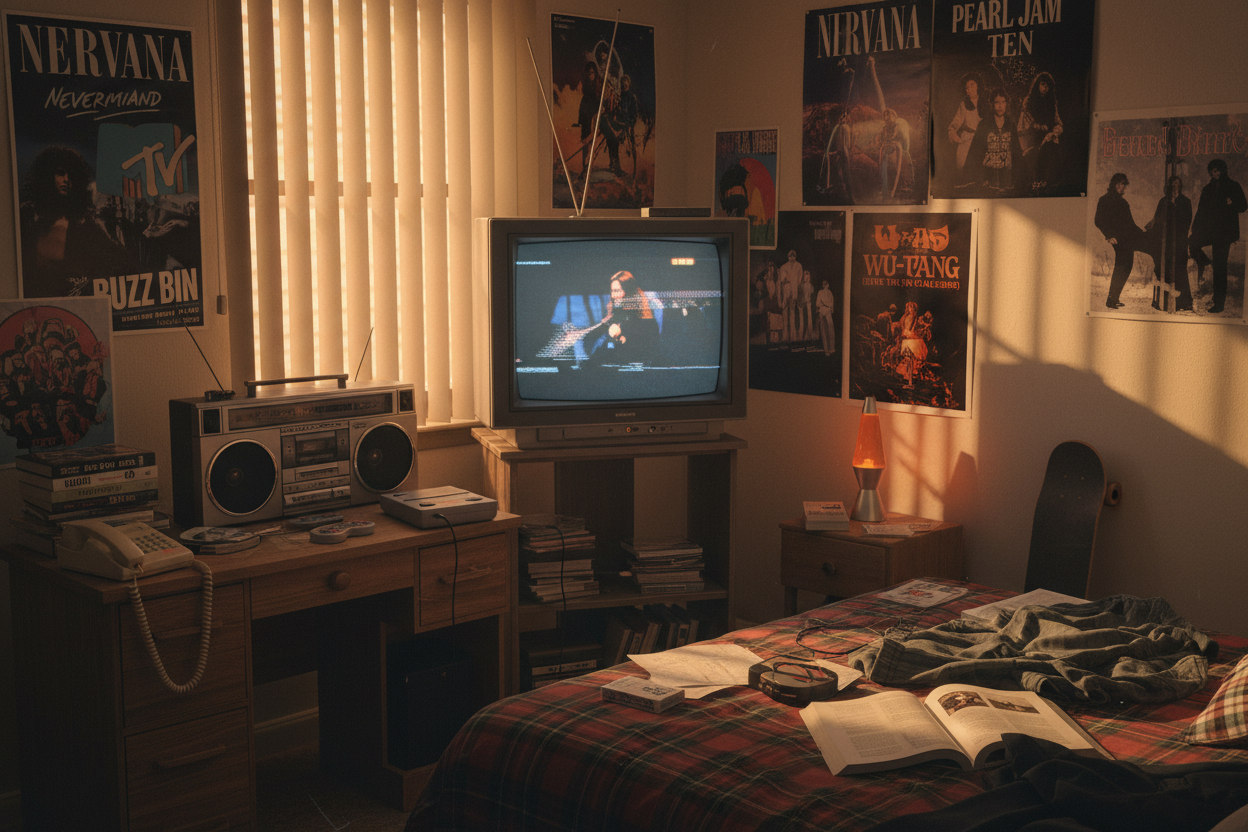
This visual sophistication allowed directors to create more ambitious and experimental work. They could subvert expectations, reference other videos, and play with genre conventions. The shared cultural vocabulary between creators and audiences enabled more complex communication.
Pre-Internet Media Consumption Patterns
Before widespread internet adoption, music videos on MTV provided one of the few ways to experience visual content beyond movies and television shows. This scarcity created intense anticipation when new videos premiered. Fans would gather around televisions to watch debut screenings of highly anticipated releases.
The appointment viewing nature of MTV programming created shared cultural experiences. People across the country watched the same videos simultaneously, discussing them at school or work the next day. This communal aspect of music video consumption amplified their cultural impact in ways fragmented modern media cannot replicate.
Record Label Investment and Support
Major record labels understood music videos as essential marketing tools during the 90s. They allocated substantial budgets for video production, viewing it as necessary investment rather than optional expense. This financial support enabled directors to pursue ambitious visions that would be impossible with limited resources.
How Labels Supported Video Production
- Dedicated video production budgets separate from recording
- Relationships with top directors and production companies
- Marketing campaigns built around video premieres
- Multiple videos per album for major releases
- Freedom for established artists to pursue creative visions
- Investment in emerging directors and new techniques
The Business Case for Quality Videos
- MTV rotation directly correlated with album sales
- Videos provided content for promotional appearances
- Awards show recognition increased artist visibility
- International markets relied heavily on visual content
- Home video sales generated additional revenue streams
- Videos extended album campaign longevity
Technological Advancement and Accessibility
The 1990s saw significant technological progress in video production equipment. Professional-quality cameras became more portable and affordable. Non-linear editing systems revolutionized post-production workflows. These advances democratized video production while maintaining quality standards.
The gap between low-budget independent videos and major label productions narrowed as technology improved. Talented directors could achieve impressive results with modest resources through creativity and technical skill. This accessibility contributed to the decade’s stylistic diversity and innovation.
Cultural Optimism and Creative Risk-Taking
The 1990s, particularly the first half, represented a period of relative cultural optimism and economic prosperity. This environment encouraged creative risk-taking and experimental approaches. Directors felt empowered to pursue unusual concepts and push boundaries without excessive commercial pressure.
Record labels tolerated more creative freedom because the industry remained financially healthy. The willingness to take risks produced some of the decade’s most memorable and influential videos. Commercial success didn’t require playing it safe, and artistic ambition often proved commercially viable.
“There was a magical moment in the 90s where budgets were still decent, technology was advancing rapidly, and MTV actually cared about showing videos. That convergence of factors probably won’t happen again.”
Cross-Pollination Between Music Videos and Cinema
The 1990s saw increased movement of talent between music videos and feature films in both directions. Film directors brought cinematic techniques to music videos while music video directors graduated to feature films. This cross-pollination elevated both mediums and expanded creative possibilities.
Studios recognized that music video work showcased directorial talent in compact form. Many directors used videos as calling cards to secure feature film opportunities. Meanwhile, established film directors brought prestige and sophisticated techniques to music video production.
The Enduring Legacy of 1990s Music Video Artistry
The music videos from the 1990s represent a unique cultural and artistic moment that has never been replicated. The convergence of creative talent, technological capability, substantial budgets, and MTV’s distribution power created ideal conditions for groundbreaking work. These ten videos showcase the best of what the era produced, from grunge rebellion to hip-hop innovation to pop spectacle.
Each video in this collection pushed boundaries and influenced countless artists who followed. Directors like Spike Jonze, David Fincher, and Hype Williams established visual languages that continue shaping how we experience music visually. The techniques, aesthetics, and creative approaches they pioneered remain relevant decades later.
Modern music videos operate in a fundamentally different media landscape. YouTube and social media platforms provide unlimited distribution but also unlimited competition for attention. The focused cultural impact of a music video premiere on MTV cannot be recreated in today’s fragmented environment. This makes the 90s videos even more significant as artifacts of a specific cultural moment.
The artistry demonstrated in these ten videos proves that music videos can function as legitimate art form deserving serious critical attention. They combined music, visual art, performance, and storytelling into complete artistic statements. The best examples transcended their commercial purpose to become culturally significant works that continue resonating with new generations.
For anyone passionate about music, visual storytelling, or 1990s culture, these videos remain essential viewing. They capture the creative energy, stylistic diversity, and artistic ambition that defined the decade. Whether you experienced them when they first aired or discovered them later, these videos continue to inspire, entertain, and demonstrate the power of visual creativity in service of music.

The legacy of 1990s music videos extends beyond the medium itself. These works influenced fashion, film, advertising, and visual culture broadly. They demonstrated that commercial art could achieve genuine artistic merit without compromising either quality or accessibility. The decade’s best videos proved that popularity and artistic significance need not be mutually exclusive.
As we look back at these groundbreaking works, we can appreciate both their historical significance and their continued relevance. The creativity, craft, and cultural insight they embody remain as impressive today as when they first aired. These ten videos represent the pinnacle of music video artistry, reminding us of a time when visual creativity and musical innovation combined to create something truly special.