
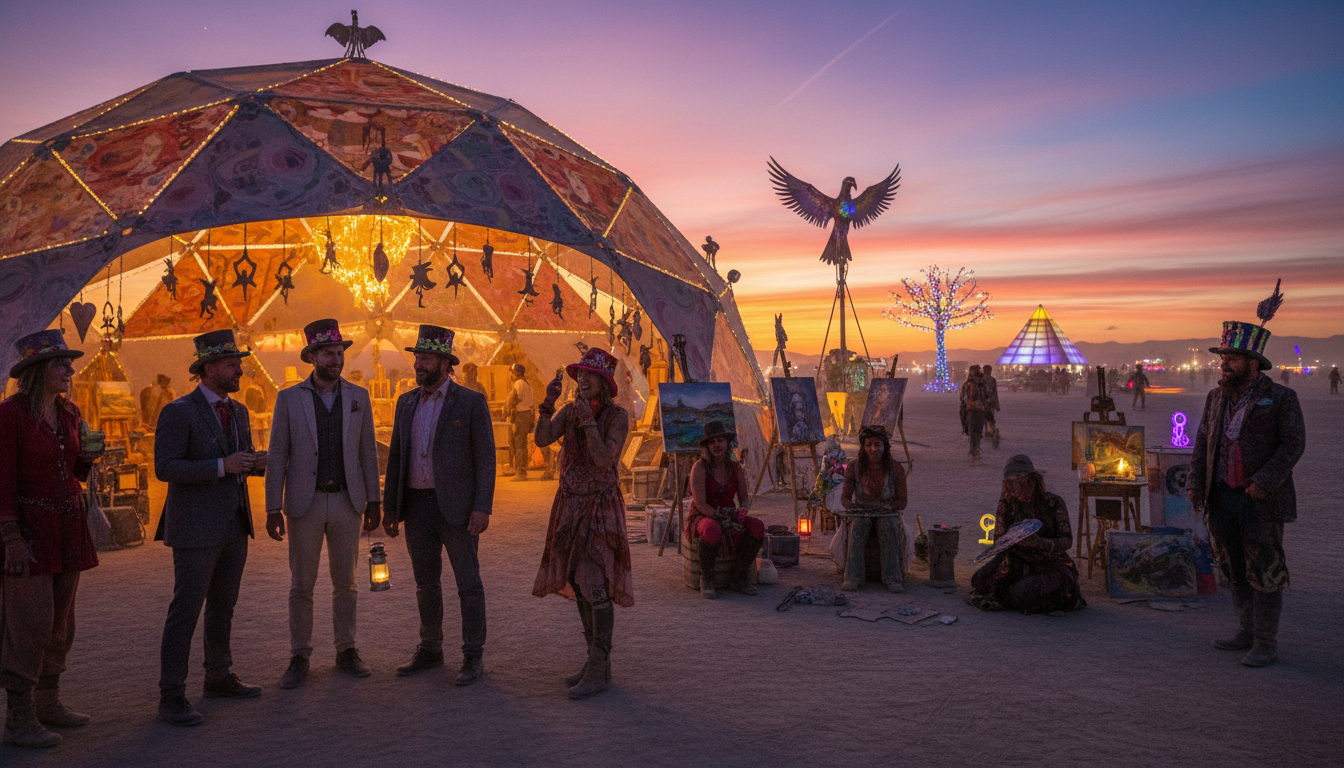
Title: A clear, friendly preview that explains what the Orgy Dome means in the context of a large festival.
Description: This article explains how a well-known camp space works, and what visitors can expect beyond rumor and hype.
Burning Man began as an experimental temporary city in Nevada’s Black Rock Desert. In recent years, about 70,000 people join this weeklong event, turning open playa into a vibrant place of art and community.
One camp that draws attention is the orgy dome. It often functions more like a tent than a rigid dome, yet it carries a strong presence in festival culture. Volunteers run it with clear rules focused on consent and respect.
This short preview outlines what this article will cover: purpose, layout, entry requirements, consent steps, etiquette, cleanliness, and desert logistics. Readers in the United States will find practical tips on how it works, who it serves, and what to bring.
Key Takeaways
- Burning Man is a one-week temporary city with a wide range of themed camps.
- The orgy dome is a known place on playa built around consent and rules.
- Structures called domes often look more like tents in practice.
- Expect clear entry rules, hygiene emphasis, and community etiquette.
- For related camp setup tips, see this bell tent guide.
What the Orgy Dome is and why it’s talked about at Burning Man
A recurring fixture on playa appears less like a polished venue and more like a practical, staffed tent. It serves as an adult, sex-positive space guided by clear consent rules rather than spectacle.
A designated, consent-first area in the Nevada desert
Purpose: volunteers run entry checks, brief visitors on consent, and keep safety front and center. This matters in a dusty, high-energy festival where normal club comforts are absent.
Dome versus tent: how it looks
From outside, the structure may suggest a hemisphere, yet many reports call it “really more of a tent.” That expectation helps visitors prepare for a makeshift, functional interior rather than a luxury room.
Why it appears in so many stories and media pieces
Attention comes from a provocative name and the idea that anything can happen. In practice, it stays notable because it runs by rules: ID checks, consent briefings, and on-site etiquette that reporters and attendees cite again and again.
“A sex-positive, consensual space for couples and moresomes to play.”
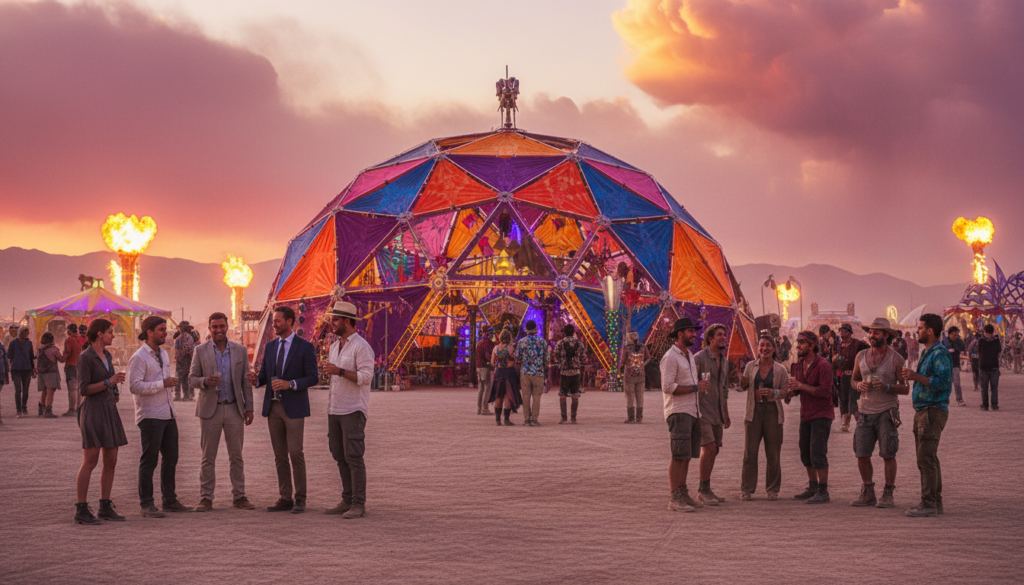
- Organized camp with clear entry rules
- Practical setup suited to desert conditions
- One kind of many camp experiences at the festival
| Feature | On-playa reality | Why it matters |
|---|---|---|
| Structure | Hemispherical look but tent-like inside | Sets visitor expectations for comfort and gear |
| Rules | ID checks, consent briefings, hygiene | Protects participants and reduces confusion |
| Cultural role | High curiosity, frequent media mention | Symbols of festival freedom meet real-world safety |
For related setup tips and camp planning, see this bell tent guide.
what is the orgy dome at burning man
A clear, plain description helps cut through hype. The space is a staffed, consent-first camp built for partnered, adult play. Volunteers run intake, and the setting focuses on safety and respect rather than spectacle.
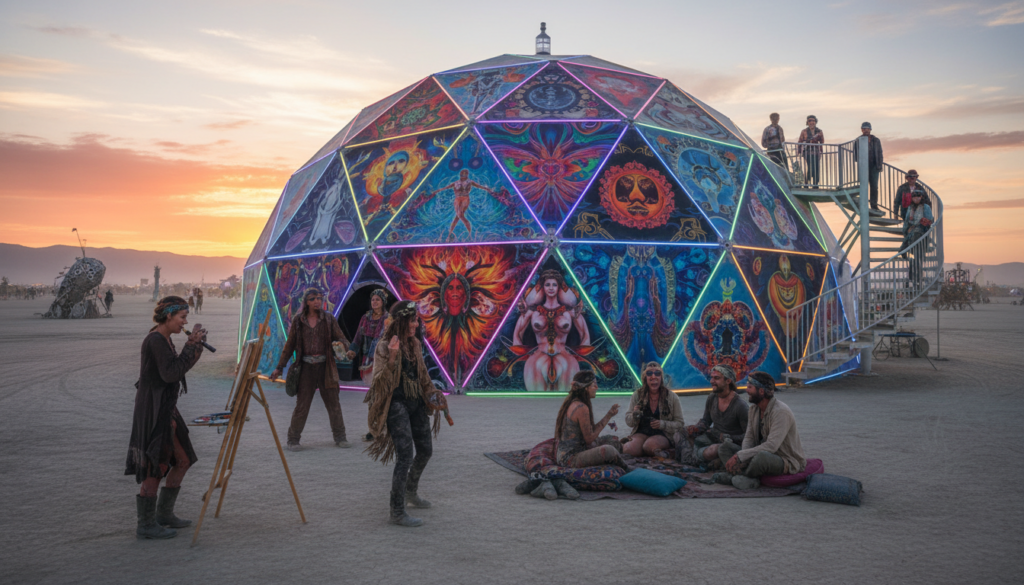
The simplest definition: a consensual play space for couples and moresomes
In short: this area serves couples and moresomes who arrive together. It is not a walk-in singles scene. Entry usually requires a consenting partner or partners and clear agreement from everyone involved.
Popularity and scale
Reports cite roughly 5,000 visitors last year. That number shows interest without implying that thousands of people attend every hour. It helps set realistic expectations about crowding and line length.
What sex-positive and consent look like in practice
Practices include: intake briefings, explicit permission for any interaction, and shared responsibility to respect boundaries. Staff and participants enforce norms through social checks and intake procedures.
“A sex-positive, consensual space for couples and moresomes to play.”
| Feature | On-playa reality | Why it matters |
|---|---|---|
| Who it serves | Couples and moresomes with partners | Limits uninvited approaches, promotes safety |
| Scale | ~5,000 visitors last year | Shows popularity, not ubiquity |
| Consent model | Intake briefings and explicit permission | Keeps interactions respectful and clear |
One key point for newcomers: operational details like line, intake, and layout shape the real experience as much as headlines. For related camp setup tips, see this glamping hacks guide.
Inside the Orgy Dome: what participants can expect
Step inside and you’ll find a low-lit, organized area set up for comfort and clear boundaries. Soft mattresses, couches, pillows, and drapes create private nooks. A calm waiting or ante area helps steady the vibe before entry.
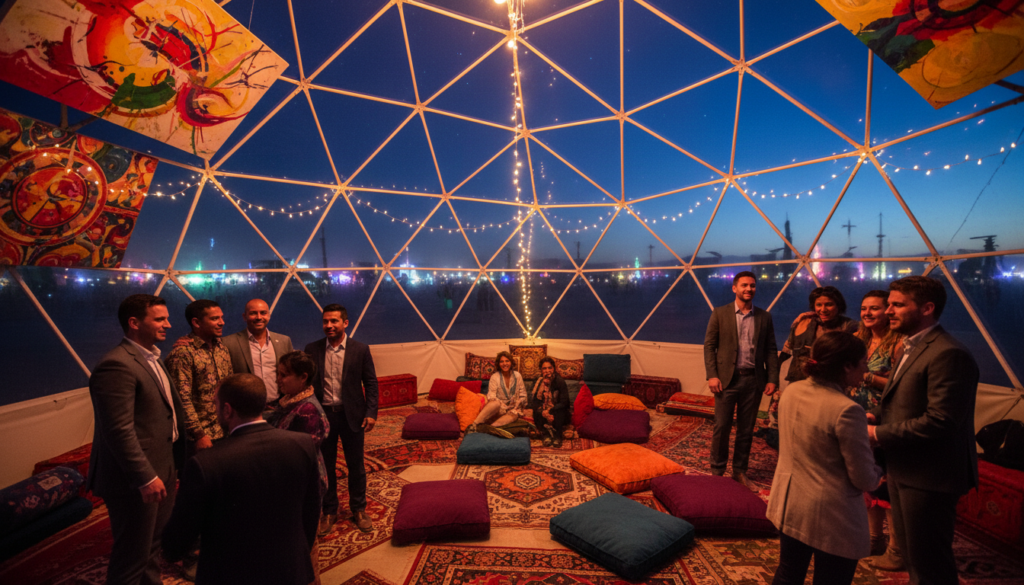
Entry and intake
Arrive with a consenting partner or partners. Staff run ID checks and a quick consent briefing. The intake can feel “DMV-style”: take a number, confirm rules, and wait your turn.
Navigation and etiquette
Inside, sections divide couples-only zones from areas open for more approaches. One side often functions as a no-approach space while the other allows respectful invites. Volunteers remind people to ask, listen, and stop on cue.
“A consent-first setup keeps things safer and more predictable in a festival setting.”
| Feature | On-playa reality | Why it matters |
|---|---|---|
| Interior | Mattresses, couches, drapes, pillows | Comfort and semi-privacy for sex-positive play |
| Intake | ID checks, briefings, number system | Keeps age verification and consent clear |
| Layout | Couples-only vs open-for-more; left/right flow | Guides behavior and reduces unwanted contact |
Point: clear rules and social norms aim to protect people and keep this tent experience respectful and safe.
Desert realities, cleanliness, and festival conditions
Hot, dry conditions on playa make simple comforts feel essential for any camp setup.
Why air conditioning matters in a hot, dusty environment
Air conditioning shows up in reports for a reason: cool, filtered air changes how people cope with heat and dust. A tent or shaded room with AC can turn an otherwise miserable hour into a manageable one.
On a dusty plain, cooled air also reduces airborne grit inside shared spaces and helps volunteers maintain a calm, safe area for participants.
Hygiene norms: sanitizer, baby wipes, towels, and keeping the space “super clean”
Visitors often describe the place as “super clean.” That comes from simple rules: hand sanitizer at entry, baby wipes for quick cleaning, and towels or sheets to sit on.
Staffed checks and visible cleaning supplies keep standards high. These small steps help people feel safe and respected.

What to bring and why
Pack smart for dust and heat. Bring a clean sheet to sit or lie on, lube, nonlatex condoms, and gloves to protect hands from playa grit. A towel and hand sanitizer matter too.
Also plan for water, a camp wash station, or a simple rinse setup. That before-and-after care improves everyone’s experience.
Weather and logistics: dust storms, damaged camps, and a year the structure blew away
Storms and strong winds can wreck gear and move tents. Reports note dust storms have damaged camps and injured people.
One year high winds even blew away the structure, reminding everyone that festival plans must stay flexible.
“Preparation, cleanliness, and respect matter more than headlines.”
| Concern | How it appears on playa | Practical step |
|---|---|---|
| Heat | High daytime temperatures | Use AC or shaded, ventilated zones |
| Dust | Fine grit in everything | Bring gloves, wipes, sheets |
| Storms & wind | Camp damage and closures | Secure gear; have contingency plans |
| Hygiene | Shared spaces need upkeep | Sanitizer, towels, routine cleaning |
Scale note: roughly 5,000 people visited last year in some reports, so expect lines, limited capacity, and careful intake during busy hours.
For related camp planning and shelter ideas, see this glamping types guide.
Conclusion
This article finds that, for many attendees, the orgy dome at burning man reads less like chaos and more like a staffed, consent-forward space with rules, ID checks, and clear flow.
Bottom line: consenting adults — usually arriving with partners — choose levels of interaction within a guided, respectful setup. Rules and etiquette matter more than headlines.
Expect lines, intake procedures, and practical limits tied to time and weather. Conditions can change year to year, so availability and comfort vary.
Burning Man culture is broader than any single place or story. Stay curious, stay respectful, and read the title and description for factual preview and safety tips. For related camp planning, see this glamping structure guide.