
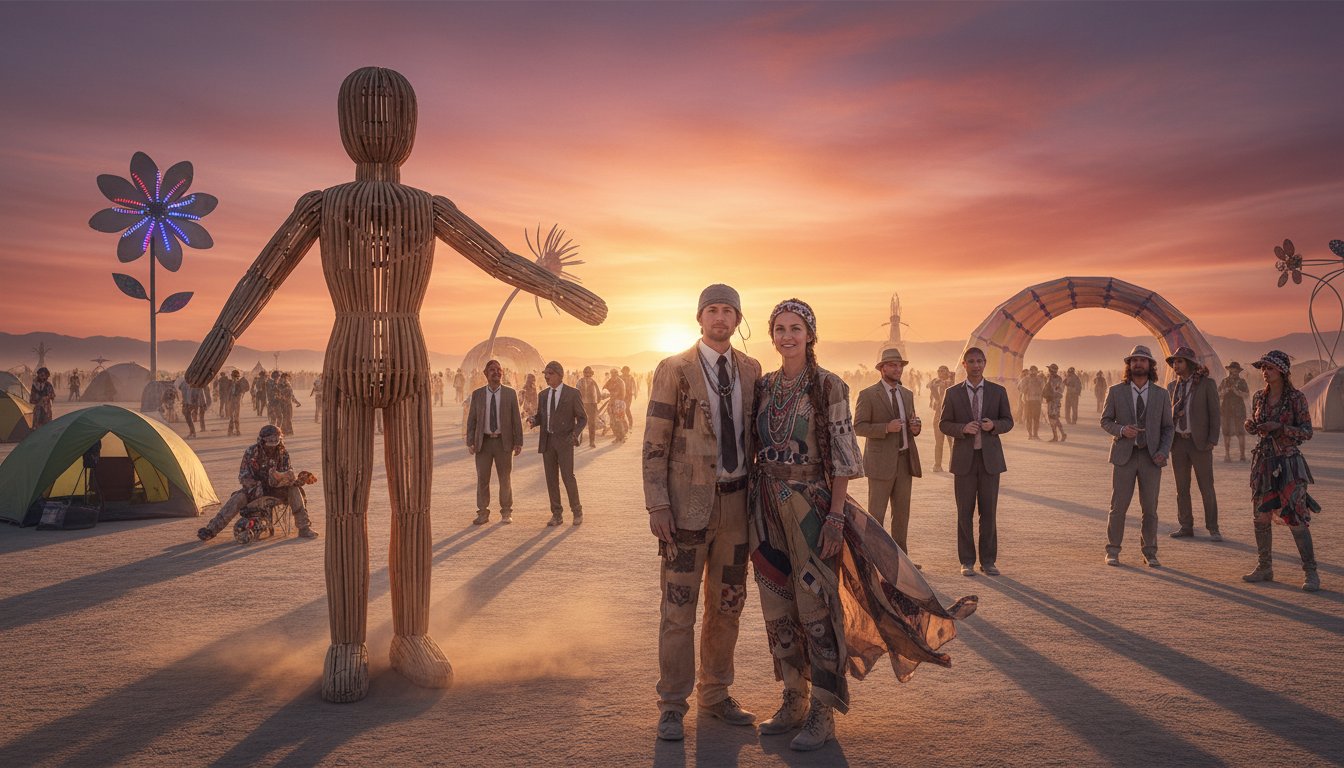
when did burning man start is the question this short history answers. The event began on June 22, 1986, with a small beach gathering on Baker Beach in San Francisco. Founders Larry Harvey and Jerry James led a modest wooden effigy burn that later became a lasting ritual.
The gathering moved over time to the Black Rock Desert in northwestern Nevada and evolved into Black Rock City. Burning Man shifted from a local bonfire to a large desert festival shaped by art, participation, and community values.
This introduction outlines what you will learn: the exact origin date, the Baker Beach roots, and key turning points that turned a beach ritual into a major cultural event. Expect a clear timeline-style description that highlights permits, safety systems, the Ten Principles (formalized in 2004), and modern disruptions like COVID and the 2023 wet playa.
Read on for factual milestones, names, and cultural shifts. This brief section sets the title and scope for a plain-language history useful to U.S. readers and curious newcomers.
Key Takeaways
- Origin: June 22, 1986 on Baker Beach, San Francisco.
- Founders: Larry Harvey and Jerry James.
- Moved to Black Rock Desert and became Black Rock City.
- Central ritual: the burning of the wooden effigy.
- Event grew into an art-focused community festival guided by the Ten Principles.
When did burning man start?
The first public burn that launched this tradition occurred on June 22, 1986, and that date is treated as the official inauguration of the event.
The first burn date: June 22, 1986
June 22, 1986 marks the day a small group gathered to set fire to a wooden effigy. The ceremony was modest, but it became the ritual that defined the community.
The first location: Baker Beach, San Francisco
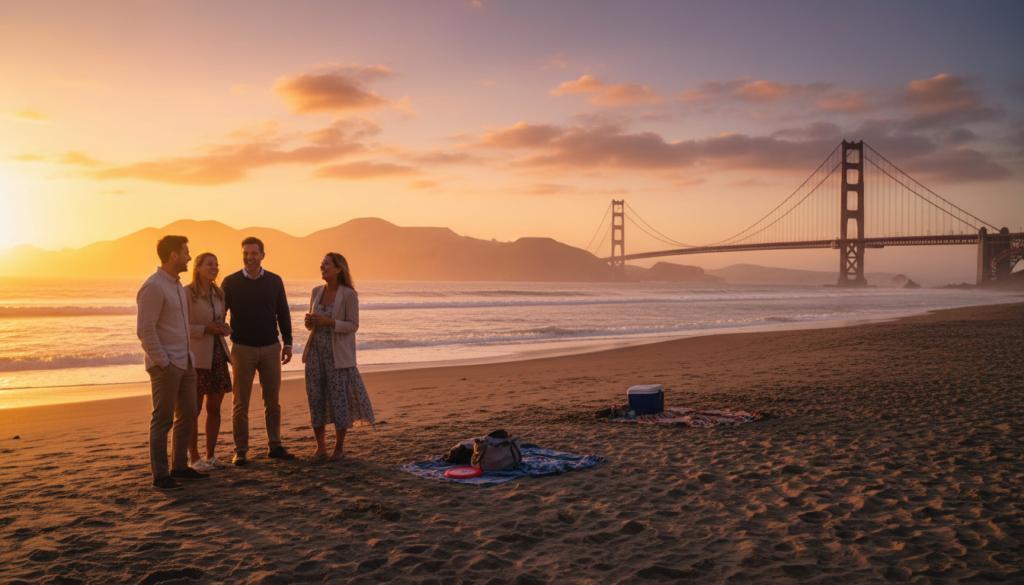
The spot was Baker Beach in San Francisco. This was a simple beach gathering rather than a festival. A local summer bonfire on the sand grew into something much larger over time.
The first creators: Larry Harvey and Jerry James
Larry Harvey and Jerry James built and burned the first roughly 8-foot wooden figure. About 35 people watched the effigy go up in flames, setting a baseline for later growth.
The ritual’s core — the symbolic wooden man and its burning — shifted from a small beach scene to an expansive desert city. That contrast helps explain why the 1986 gathering is seen as the origin.
- Exact inauguration: June 22, 1986.
- Setting: Baker Beach, San Francisco — a local beach event.
- Organizers: Larry Harvey and Jerry James; an ~8-foot effigy and ~35 attendees.
The Baker Beach beginnings in San Francisco
A small summer solstice bonfire on the San Francisco shore quietly became a ritual that people returned to year after year.
From a summer solstice bonfire to a new ritual
The gathering felt like a local summer rite on Baker Beach. Neighbors and passersby paused to watch as a wooden figure caught flame.
That repeatable quality turned a single night into something people wanted to be part of again.
How the first wooden “Man” was built from scrap wood
The effigy was pieced together from scrap lumber and found materials. Its rough, DIY build reflected a creative, low-cost approach that later became central to the event’s aesthetic.
Early crowds and spontaneous performance
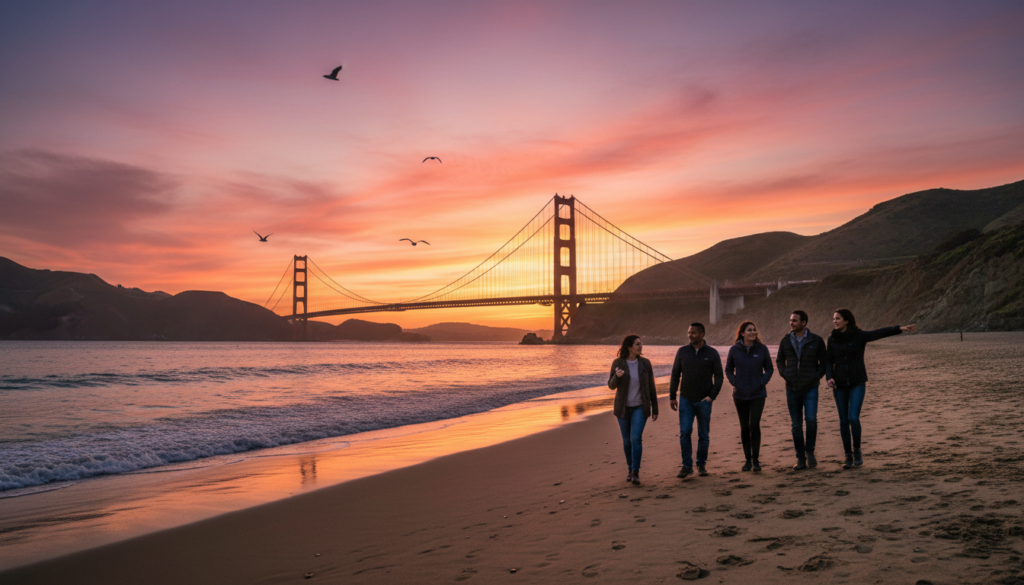
At first there were only a few friends and curious onlookers. As the figure burned, more people gathered, talking, dancing, and improvising in the moment.
Spontaneous performance—acts of art and interaction without a program—was part of the experience from the beginning. That participatory spark moved the event from a spectacle to a lived form of art.
- Place: Baker Beach on the San Francisco coastline in the mid-1980s.
- Roots: a summer beach ritual made with scrap materials.
- People: small crowds that swelled and joined in creative acts.
- Legacy: early participation foreshadowed later large-scale art and community focus.
| Aspect | Detail | Why it mattered |
|---|---|---|
| Setting | Baker Beach, beach san francisco | Coastal, informal gathering spot that encouraged curiosity |
| Construction | Scrap wood, improvised | Established DIY art and resourceful building as values |
| Crowd | Small group growing into a larger audience | Showed early momentum and the appeal of live participation |
| Culture | Spontaneous performance and shared experience | Linked the ritual to later immersive art practices |
As word spread, repetition and word-of-mouth nudged attendance up and ambitions higher. For readers curious about related seaside gatherings or beach glamping, the Baker Beach origin shows how a simple night can grow into a lasting communal art experience.
How the Man grew in the late 1980s
Between 1987 and 1989 the central figure grew dramatically, signaling rising ambition among the core group and the wider community.
1987 to 1989: from 15 feet to 40 feet tall
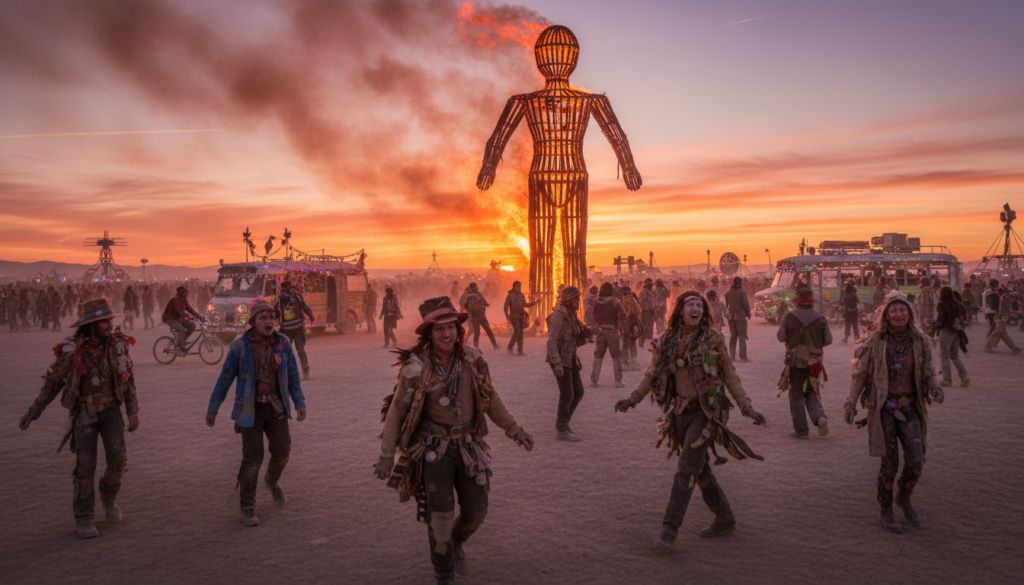
In 1987 the effigy measured about 15 feet. By the next year it rose to roughly 30 feet. In 1989 the structure reached near 40 feet, a clear visual cue of expanding scope and participation.
Why the name appeared in 1988
Burning Man first showed up on printed flyers in 1988. Larry Harvey used that title partly to avoid links to the “wicker man” image. The label stuck and helped shape public identity.
Early promotion and the Cacophony Society link
Promotion was analog: handbills, posters, and conversation. The Cacophony Society spread the idea through newsletters and gatherings, bringing new people and fresh energy.
| Year | Approx. Height | Impact |
|---|---|---|
| 1987 | 15 ft | First big step up |
| 1988 | 30 ft | Name formalized |
| 1989 | 40 ft | Greater visibility |
The success of these years was cultural momentum, not commercial growth. The larger scale increased scrutiny and set the stage for major changes as the next year approached.
The pivotal 1990 shift to Black Rock Desert
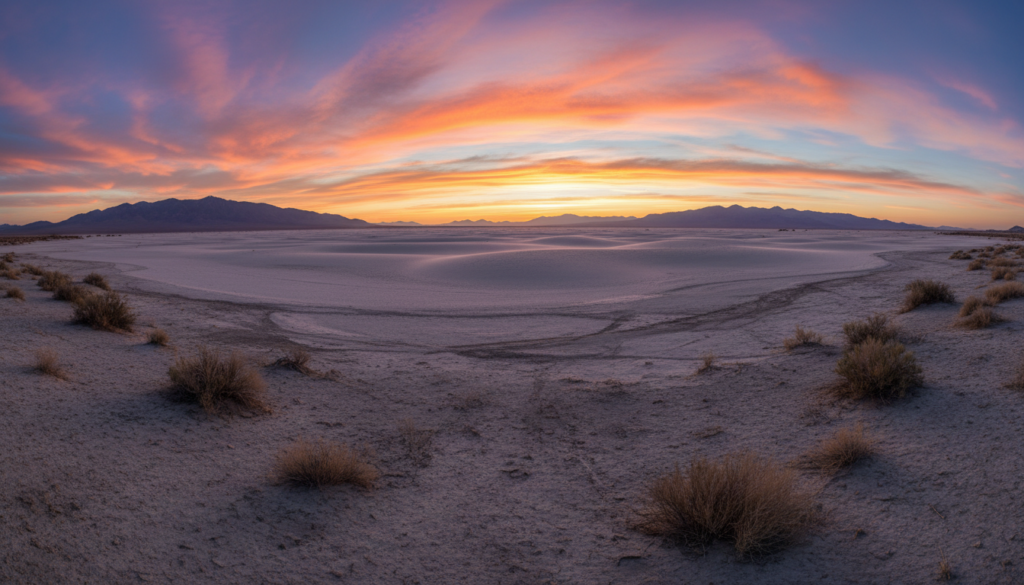
In 1990, park police at Baker Beach stopped the ritual because organizers lacked a permit and officials worried about fire risk. The blockage forced a quick choice: cancel or relocate.
Zone Trip No. 4, nicknamed “A Bad Day at Black Rock,” provided the answer. That desert excursion on the playa adopted the effigy and held the first desert burn later that year.
From beach ritual to desert reality
The Black Rock setting changed everything overnight. The open playa allowed far larger structures and more people.
Isolation also demanded self-reliance. Attendees had to plan for navigation, safety, and supplies. That need pushed the gathering toward a more organized festival model.
Timing, money, and logistics
As the event shifted into late summer and aligned with Labor Day schedules, modest donations and early ticketing ideas appeared. Small costs helped cover growing logistics.
The 1990 move turned a local beach act into a desert community with new rules, safety systems, and a larger cultural footprint. This pivot set the stage for Black Rock City and the next chapter in its history.
| Aspect | 1990 Change | Impact |
|---|---|---|
| Location | Black Rock Desert playa | More space; larger art and crowds |
| Safety | Permits and fire concerns | Stronger planning and rules |
| Timing | Late summer / Labor Day alignment | Consistent annual schedule |
| Finance | Donations / early tickets | Operational funding begins |
For a sense of how seaside gatherings differ from playa life, see a short guide to what is glamping.
When Black Rock City became the home of Burning Man
Organizers chose the Black Rock playa in northwestern Nevada because it offered vast, empty space and few nearby residents. That openness let art and community experiments grow without the limits of a city park.
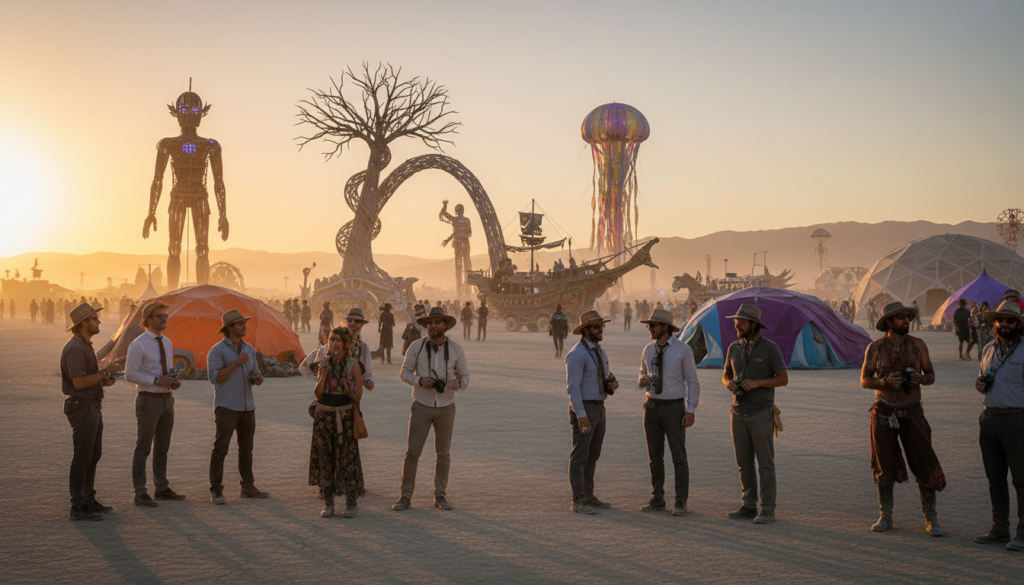
Why the Nevada playa stayed the long-term choice
The flat basin gave room for huge structures and large gatherings. Fewer neighbors meant fewer complaints and more tolerance for loud, experimental work.
Open space and isolation made it practical to build large art and test bold ideas.
What Black Rock City is in practice
Black Rock City is a temporary city assembled each year on the playa. Streets, services, and camps are built, lived in for days, and then dismantled and removed.
Where it sits and how the setting shapes the experience
The playa coordinates are 40.7869°N, -119.2042°W, roughly 100 miles north‑northeast of Reno. The Nevada rock desert is flat, dusty, and subject to extreme weather.
That harsh setting demands preparation. Navigation by nighttime lights, community infrastructure, and self‑reliance are part of the culture and the daily routine at the event.
| Feature | Detail | Impact |
|---|---|---|
| Location | Black Rock Desert / playa | Large scale art; low population nearby |
| Coordinates | 40.7869°N, -119.2042°W | About 100 miles N‑NE of Reno |
| Environment | Flat, dusty, extreme weather | Drives preparedness and community systems |
| City model | Temporary, built and removed annually | Requires permits, logistics, and local coordination |
Because Black Rock City is an intentionally created urban space on an empty playa, it requires real permits and safety systems. That practical reality leads into the next discussion about permits and public safety at the site.
For a small practical guide to comfort and planning in remote gatherings, see this glamping packing guide.
Permits, safety, and the “hypergrowth” years
Rapid expansion in the early 1990s forced a change in how the gathering operated. What had been informal now needed permits, teams, and clear safety systems.
1991 and the first legal permit
1991 was a turning point: a formal permit from the Bureau of Land Management gave the event legitimacy on federal land. That permit meant planning for sanitation, traffic, and emergency access as attendance rose and tickets became more common.
Danger Ranger and the Black Rock Rangers
Michael Mikel, known as Danger Ranger, launched volunteer patrols to help lost or dehydrated people. The Black Rock Rangers grew as a community-led safety force to guide participants and manage vehicles on the playa.
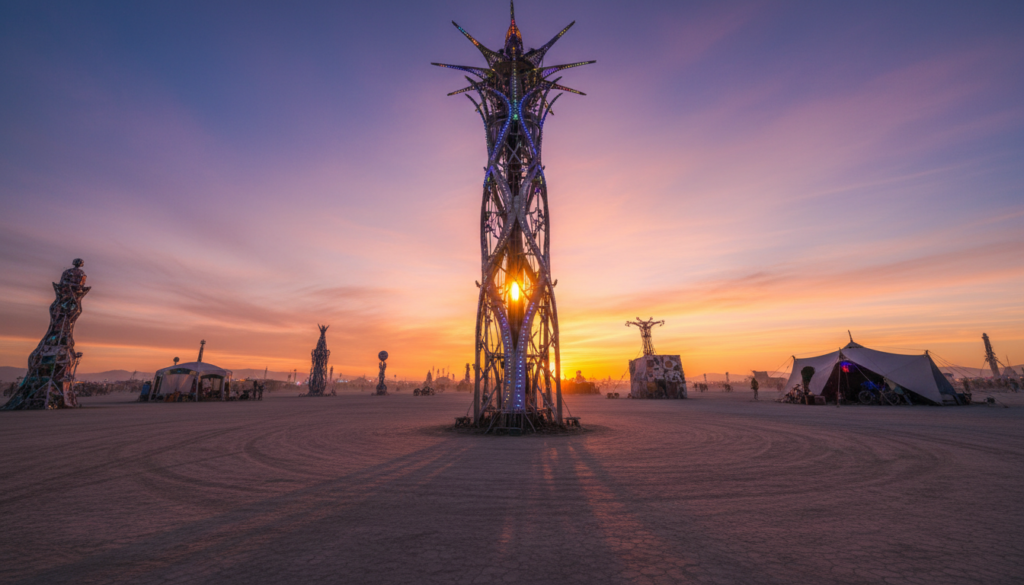
Neon on the effigy and participant culture
Beginning in that year, neon tubes wrapped the central effigy so it acted as a night beacon. The light helped navigation before formal streets existed and made the center visible for miles.
Even as rules arrived, the core idea stayed the same: no headliners, no scheduled performers, and everyone creates the experience. Safety and culture developed together as camps, art, and vehicles expanded across Black Rock and Black Rock City.
For tips on creative camp design that fit this community spirit, see cozy campsite ideas.
From informal gathering to organized festival infrastructure
Small practical additions—shade, coffee, and sound—changed how people lived and moved across the playa. In the early 1990s the community added loose systems that made the event feel more like a festival while staying participant-driven.
The rise of theme camps, art, and amplified music
Theme camps emerged as organized groups offering gifts and shared experiences. The 1993 “Christmas Camp” is often cited as the first example of this shift.
Art installations spread beyond the central effigy, turning the flat playa into a network of works to explore. This change made the environment a distributed art scene, not just a single spectacle.
Amplified music arrived in 1992. Sound camps began shaping nightlife and camp placement, which influenced how people navigated Black Rock and set informal zones across Black Rock City.
Center Camp and basic services
As attendance grew from hundreds into thousands, practical services became necessary. By 1995 the Center Camp Cafe sold coffee and offered a reliable social hub.
- Scale: More attendees meant more coordination.
- Culture: Participants still created the program—no passive spectators.
- Risk: Larger size raised stakes for safety and responsibility.
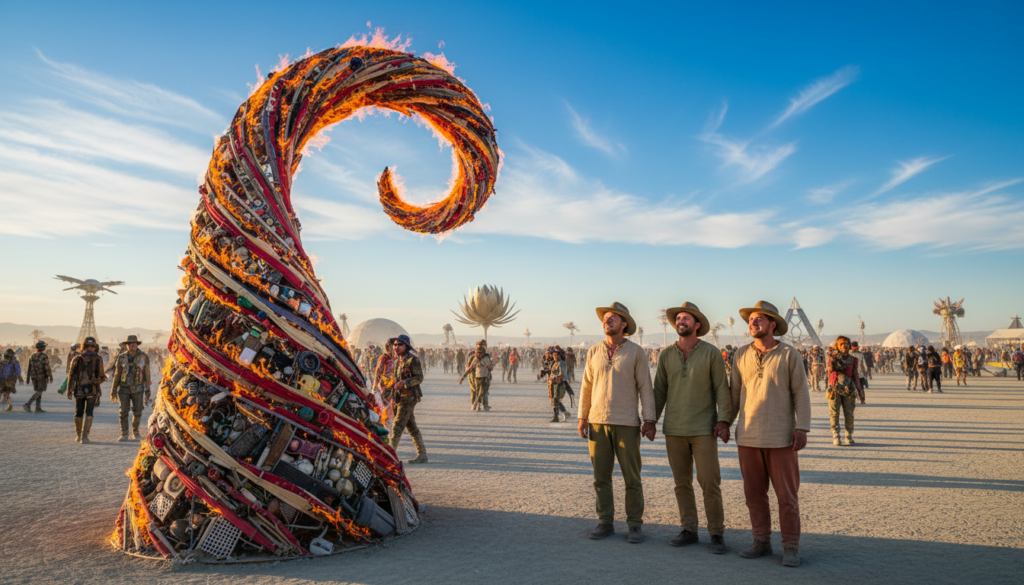
1996: a turning point for risk, rules, and responsibility
A sharp shift arrived in 1996 as rapid growth met real, tragic consequences on the playa. That year exposed how scale and openness could turn hazards into fatalities and near‑misses.
Fatal incidents and why they changed the approach
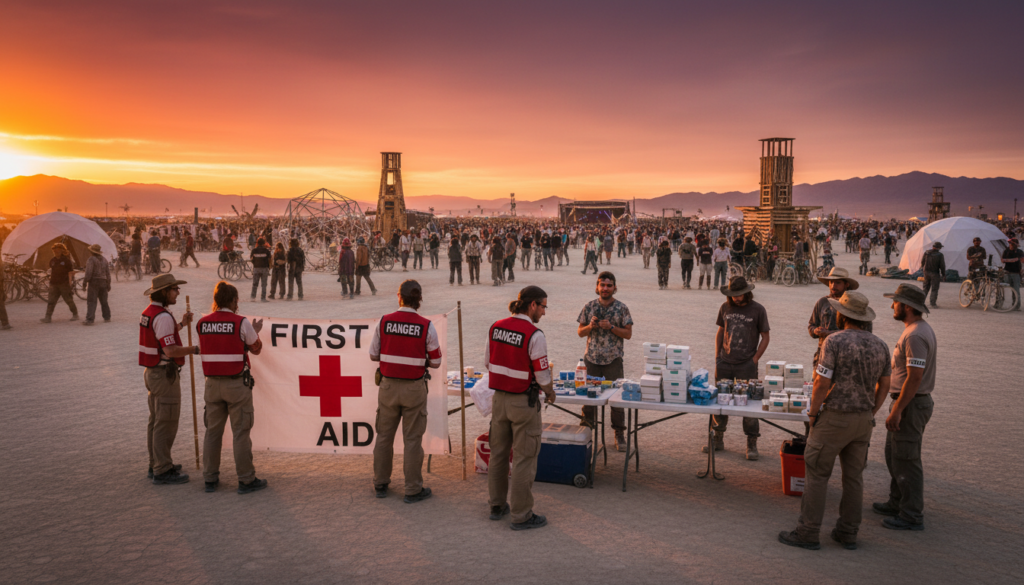
In 1996 a worker died in a motorcycle crash before gates opened. Another incident involved an art vehicle and serious harm to participants. These losses pressed organizers and camps to take responsibility more formally.
The impact was plain: volunteer systems, traffic rules, and medical planning needed clear roles and limits. The event could not rely on informal norms alone as crowds grew.
The last year without a fence in the middle of the playa
1996 was also the last year the gathering took place in the middle of the black rock desert with no fenced perimeter. Earlier Burns had wide, loose boundaries that let people and vehicles roam freely.
As distances grew and night navigation became harder, vehicle traffic and remote camps raised real risk. Darkness, dust, and speed made accidents more likely.
- Inflection point: rapid growth met real consequences.
- Consequences: fatalities and serious incidents pushed policy changes.
- Boundary change: fences and controlled access helped manage safety and tickets.
These events foreshadowed permit fights and the temporary relocation debate that shaped the 1997 response. For practical prep tips and comfort ideas for festival life, see this glamping hacks guide.
Why 1997 forced a temporary move
A permit clash in 1997 forced organizers to find an alternate site and rethink how the event ran. Local authorities denied access to the usual playa because a higher‑priority permit covered land speed trials on that same stretch.
Permit denial and the Fly Ranch choice
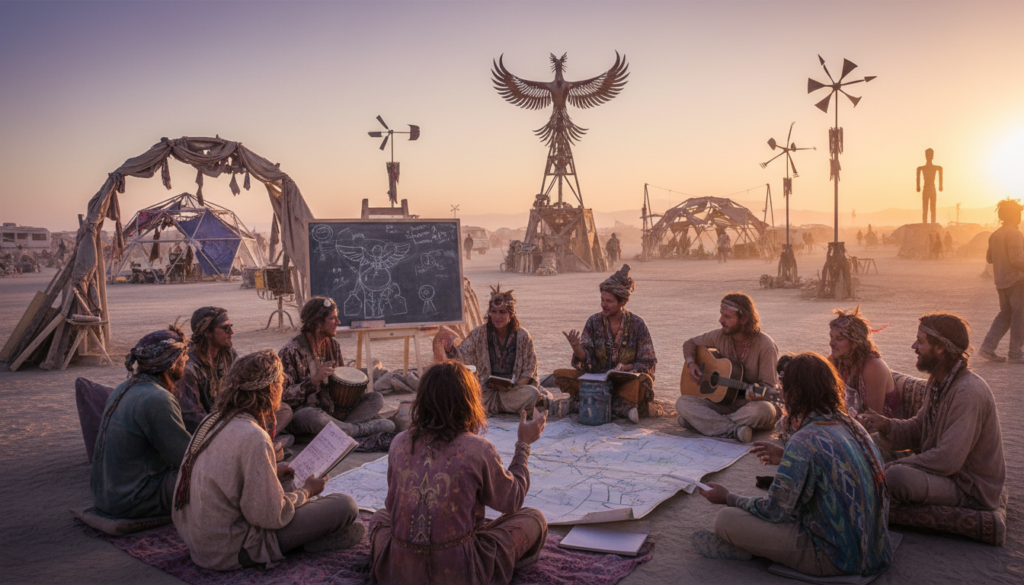
With Black Rock off limits, organizers relocated to Fly Ranch and the adjoining Hualapai dry lakebed. That new place worked for one year, but it came with different logistics and safety needs.
County rules and a push to formal management
The move placed the festival under Washoe County jurisdiction. New permit conditions required more documentation, tighter access control, and clearer emergency plans.
- Conflicting land use (land speed trials) ended the original permit for 1997.
- Fly Ranch/Hualapai served as a workable alternate site for that year.
- County oversight accelerated formal systems for safety, tickets, and access.
The rapid success and growing size of the community made these changes unavoidable. Organizers learned that larger scale needs formal management to protect participants and win future permits. This experience set up the return to Black Rock with new streets, departments, and enforced limits.
How Black Rock City got its streets, limits, and systems
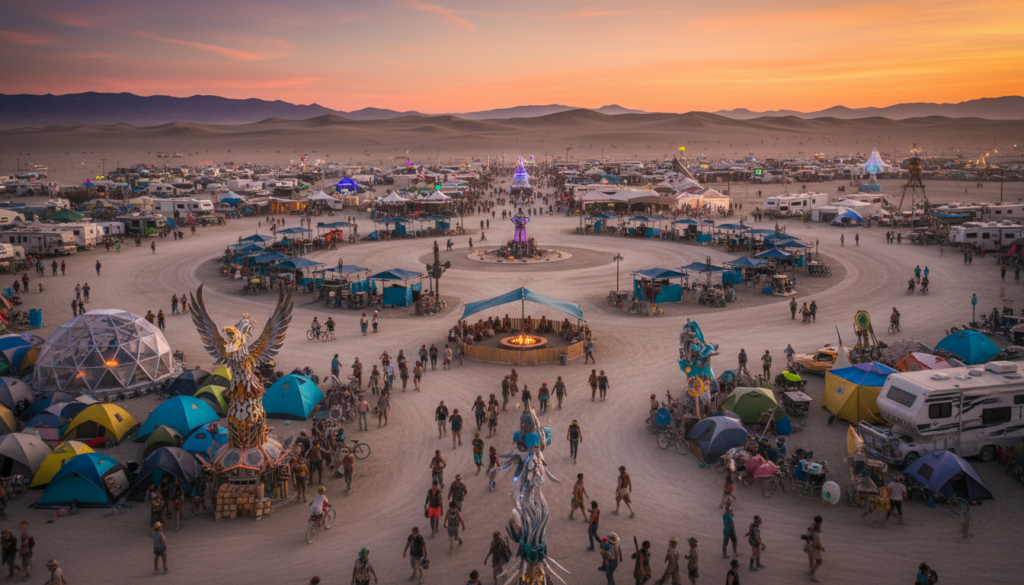
Black Rock City moved from informal camps to a mapped, functioning city to protect people and art. A clear street grid and numbered addresses let emergency teams find incidents fast across the playa.
DPW and the grid layout
The Department of Public Works (DPW) builds streets, markers, and essential infrastructure. This was city‑making, not typical festival staging: teams grade routes, set street signs, and install lighting for safe navigation.
Core restrictions that shaped the modern event
Rules followed: a 5 mph speed limit, restricted driving except for approved service and artistic vehicles, safety standards for altered vehicles, burn platforms for art, and bans on fireworks and animals. These limits reduced accidents and clarified responsibility.
The trash fence and Leave No Trace logistics
The temporary plastic trash fence runs roughly 9.2 miles and catches wind‑blown debris before it leaves Black Rock. Since 2002 the fenced area has defined the event footprint.
Systems like streets, rules, and the fence connect logistics to values. They make the playa safer and help the community practice Leaving No Trace. For practical context about community transitions and living small, see new homesteading.
Burning Man’s guiding principles and when they were defined
In 2004 Larry Harvey wrote a clear set of values to share the emerging culture with regional organizers and newcomers. These ideas were meant as a guide, not a rulebook.
The Ten Principles in plain language
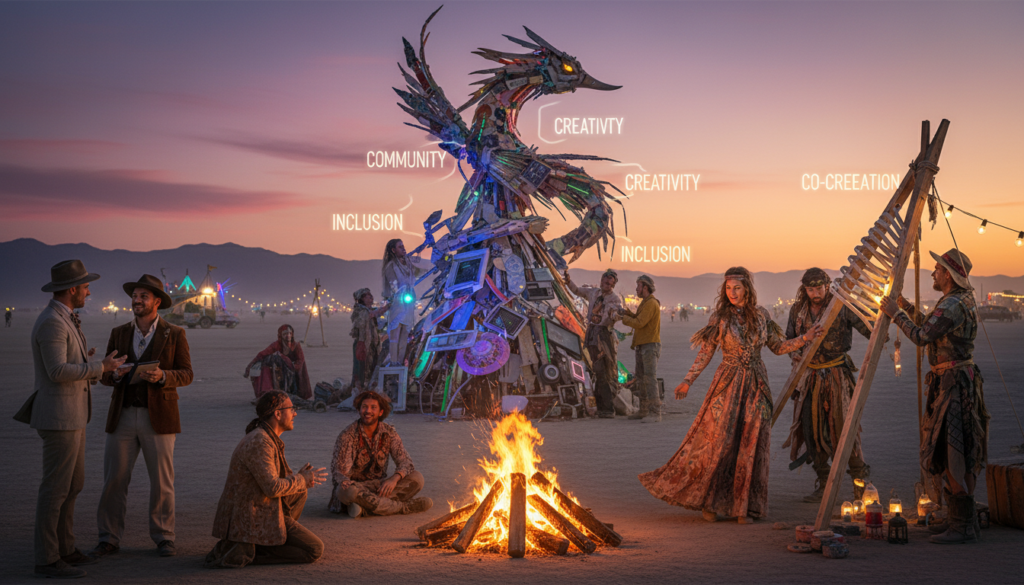
The Ten Principles include Radical Inclusion, Gifting, Decommodification, Radical Self‑reliance, Radical Self‑expression, Communal Effort, Civic Responsibility, Leaving No Trace, Participation, and Immediacy.
How Radical Inclusion works on the ground
Radical Inclusion means newcomers are welcomed and social barriers are discouraged. Camps and volunteers help attendees feel part of the community quickly.
Gifting and Decommodification: examples
People share food, water, art, and services without expecting payment. Official sales are rare; the focus is on generosity and direct exchange, not commerce.
Participation and Immediacy: why spectatorship feels off
The event asks participants to make, help, or perform. Watching from the sidelines is possible, but the core experience rewards active contribution.
These principles trace back to the DIY beach origins, the desert emphasis on self‑reliance, and Leave No Trace logistics. They show up most clearly in large-scale art, mobile art vehicles, and performance — which we cover next.
Art, mutant vehicles, and performance as the main event
The heart of Black Rock City is participant-made: art, performances, and interactions replace scheduled headliners. This form of creative self‑organization makes the event a living, changing experience.
No headliners: how attendees create the experience
There are no headline acts. Instead, attendees and participants design installations, host pop-up happenings, and run informal events. The result is an open program where anyone can contribute.
Mutant vehicles and art cars as moving public art
Mutant vehicles—decorated art cars—serve as rolling sculptures and practical transport across the playa. They are licensed, often guided by safety rules, and act as mobile stages for surprise encounters.
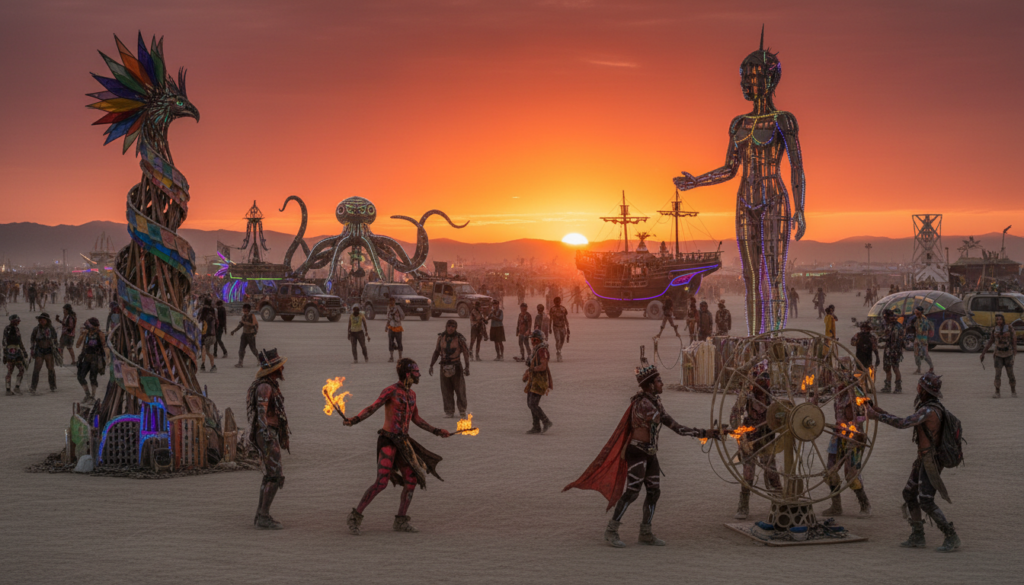
The Temple and the emotional counterpoint to the burn
The Temple offers a quieter place for reflection. It complements the central burn with ceremonies for remembrance, release, and private messages left by participants.
Art grants and support through Burning Man Arts
Burning Man Arts funds projects via Global Art Grants and Black Rock City honoraria. These programs help artists build sculptures, interactive pieces, and experiential spaces that define the festival.
“Art here is public by design: it asks you to join, touch, or become part of the work.”
As the art program grew, small gatherings grew into a vast, art‑heavy community — a shift that set up the next question: how large did this experiment become?
For coastal event contrasts and comfort ideas, see glamping on the water.
How big is Burning Man now?
Attendance has swelled from a few friends on a beach to a temporary city of organized creativity.
From 35 to tens of thousands
The first gathering had about 35 people. Today the event routinely draws tens of thousands of active participants to Black Rock City.
2019 as a benchmark
Official participation in 2019 reached 78,850. That figure is a clear pre‑pandemic benchmark for scale and logistics.
Timing and planning
The festival runs nine days, ending on Labor Day. Planning for time on the playa matters: travel, camp set up, and ticket windows all follow that nine‑day rhythm.
Scale changes life on the ground: more demand for tickets, mapped camps, city services, and clear navigation. Streets, numbered blocks, and landmarks make it possible for thousands of participants to find art and aid.
“A temporary city needs systems: permits, teams, and a backbone of volunteers.”
| Measure | Detail | Impact |
|---|---|---|
| Origins | ~35 people (1986) | Grassroots, DIY culture |
| Modern peak | 78,850 participants (2019) | Complex logistics, tickets, services |
| Event length | Nine days ending Labor Day | Travel and planning window |
Next: a city this size needs formal governance and operations to run smoothly.
Who runs Burning Man: from LLC to nonprofit
By the late 1990s, the project needed an organization that could handle insurance, contracts, and growing public scrutiny.
Black Rock City LLC and rising liability
Rapid growth raised legal exposure. Larger art pieces, vehicles, and bigger crowds meant more permits and contracts.
In response, organizers formed Black Rock City LLC in 1999. The LLC managed operations, signed permits, and held liability protections for the core team.
The nonprofit transition in 2013
In 2013 the organization evolved. The Burning Man Project became the nonprofit parent and the LLC moved to subsidiary status.
This change shifted emphasis toward mission, reinvestment, and community grants. As a nonprofit, funds often support art, safety, and civic programs rather than private profit.
| Entity | Founded | Primary role |
|---|---|---|
| Black Rock City LLC | 1999 | Operations, permits, legal shield |
| Burning Man Project (nonprofit) | 2013 | Mission stewardship, grants, long-term governance |
| Subsidiary model | Post-2013 | Combines operational continuity with nonprofit oversight |
This evolution mirrors practical needs: more tickets, larger budgets, and higher public visibility required formal governance. The structure helps Black Rock City scale while aiming to protect the event’s creative spirit and long-term success.
“Formal organization made it possible to build a city each year and support a growing art community.”
Next we examine recent disruptions that tested that structure and reshaped expectations for the playa and the wider rock city scene.
Recent disruptions that shaped the modern history
The past few years tested Black Rock City’s resilience and forced a fresh look at safety, scale, and sustainability.
COVID cancellations and the pause in 2020–2021
Public health restrictions led organizers to cancel the event for 2020 and 2021. This was the first complete halt in annual continuity since the early days.
Impact: planned art, camps, and logistics were postponed and many people who rely on the city model had to adapt.
Unofficial gatherings and a return-to-basics debate
During the cancellations, informal gatherings cropped up. An unofficial 2021 meetup drew an estimated 20,000 participants.
Those makeshift events sparked broad conversations about scale, self-reliance, and the core values of the community. Some attendees favored smaller, low‑impact experiences.
2023 wet playa: rain, lockdown, and survival
Heavy 2023 rains flooded parts of the playa and led organizers to restrict movement. Officials repeatedly told people: no driving until the surface dries.
Information flowed through BMIR 94.5 FM and GARS 95.1 updates. Those channels helped coordinate supplies, medical response, and vehicle recovery.
Mid-2020s finances and unsold tickets
By 2024 reports showed unsold tickets for the first time since 2011. Fundraising pressures and budget gaps followed, prompting new financial planning and community fundraising efforts.
- Resilience: safety planning and infrastructure were upgraded.
- Responsibility: participants faced clearer expectations about preparation.
- Culture: the community debated how big the event should be going forward.
Bottom line: these disruptions reshaped expectations for future events. Even as the playa faces environmental and financial tests, the wider culture and regional communities continue to carry the experience beyond Black Rock.
Burning Man’s influence beyond the Black Rock Desert
A creative network that began on a San Francisco beach has branched into year‑round gatherings across the country.
Local producers now run regional events that borrow the Ten Principles and the participatory ethos of the Project.
Regional means smaller, locally organized gatherings that adapt the culture to new neighborhoods while keeping the same core values.
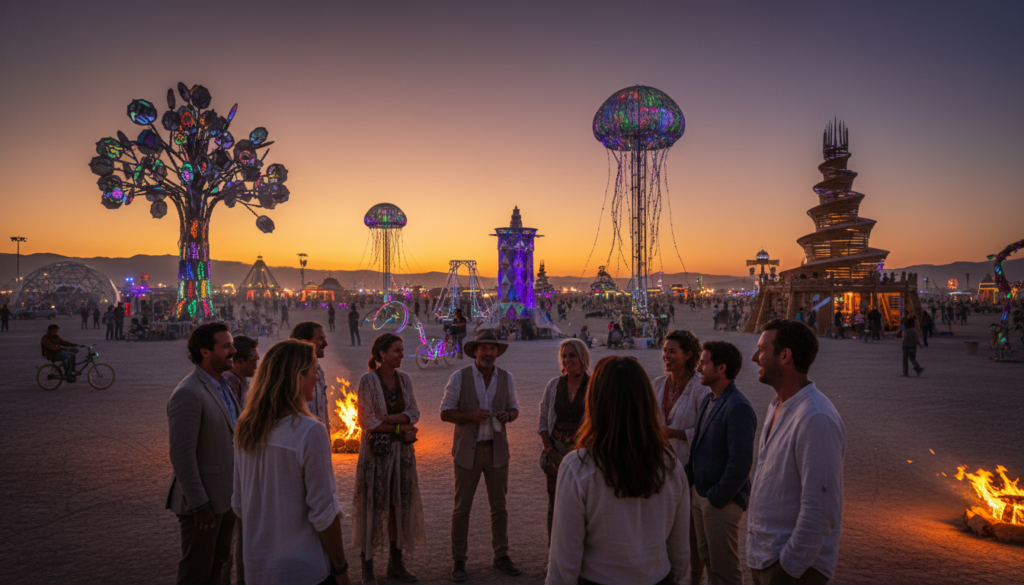
Regional events guided by the principles
The Burning Man Project endorses many grassroots events. These gatherings emphasize gifting, participation, and communal effort.
They let communities practice generosity and self‑reliance year round, not just on the playa.
Iconic art that lives on in places like Reno
Public artworks from the festival have found permanent homes in nearby cities. Examples include the Space Whale and BELIEVE, both installed in downtown Reno.
Such pieces show how art from Black Rock Desert resonates in urban places and keeps the creative network visible off playa.
From San Francisco roots to local camps and public sculpture, the movement keeps growing as a living, community‑led culture.
Conclusion
From a one-night effigy burn to a mapped temporary city, the story traces practical choices and creative leaps.
Burning Man began on June 22, 1986, and grew across the late 1980s into a larger ritual. The 1990 move to Black Rock and early permits set rules for safety and scale. In 2004 the Ten principles clarified values that guide community action today.
The festival remains built by participants. Art, camps, and volunteer teams shape the public program, not paid headliners. Recent years tested that model with COVID cancellations and a wet playa in 2023, which reinforced preparation and shared responsibility.
Use this concise history as a foundation. It explains why Black Rock City’s culture favors participation, Leave No Trace, and a strong, practical ethic of self‑reliance and care.