

Short answer: the event does not offer free admission. Tickets carry a face price, and most attendees spend well beyond that number on travel, gear, and camp needs.
This guide helps you see the real cost, plan a budget, and skip the common traps first-time visitors face. You will learn how ticket fees differ from total trip expenses like travel, supplies, and vehicle passes.
Timing matters. Key items to watch are ticket sales, a vehicle pass, and camp setup windows. Start planning early so you can grab tickets and arrange logistics without stress.
Why it matters: the participant-built city shapes the overall experience. What you bring and how you contribute will change what you get back.
Key Takeaways
- Admission is paid; expect extra costs beyond the ticket.
- Budget for travel, supplies, and camp setup before you buy tickets.
- Secure a vehicle pass and watch sale windows early in the year.
- The participant role affects the overall experience greatly.
- Confirm current prices and rules each year with official sources.
Is burning man free? The short answer and what “participation” really means
Paying for admission covers the city; everything else is on you. Tickets allow entry to Black Rock City, but they do not cover shelter, water, food, or transport.
Participation means you help build the event. Unlike a typical festival with vendors, attendees create stages, art, camps, and services. That flips many costs from organizers to the people who attend.
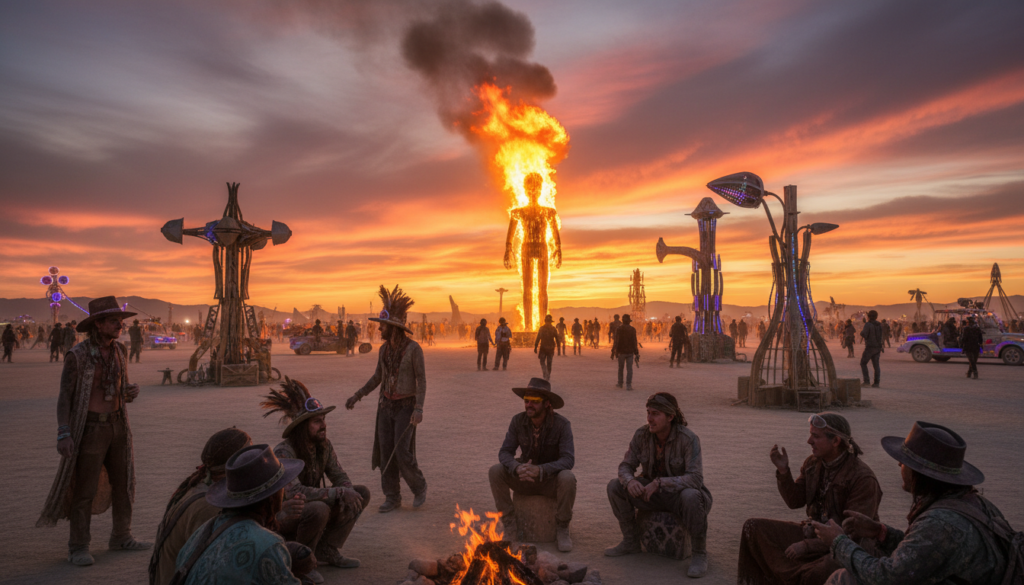
Why the desert changes the cost
The playa demands self-reliance. Bring shade, secure shelter, and ample water. Those essentials add up fast and are non-negotiable for safety.
What a ticket pays for — and what you must bring
Tickets fund gate access, public safety, and basic infrastructure for the temporary city. You still supply personal survival gear, camp setup, and any art or costumes you want.
- Entry and city grid maintenance — covered by ticket revenue.
- Personal shelter, food, water, and transport — your responsibility.
- Art, gifts, and costumes — optional, and where budgets diverge.
Many burners cut costs by simplifying gear and choosing community participation over luxury. For practical packing ideas, see glamping life.
What you need to attend Burning Man in the Black Rock Desert
Before you buy, confirm the gate requirements. To enter Black Rock Desert you’ll need a valid ticket and an online Burner Profile set up ahead of sale windows.
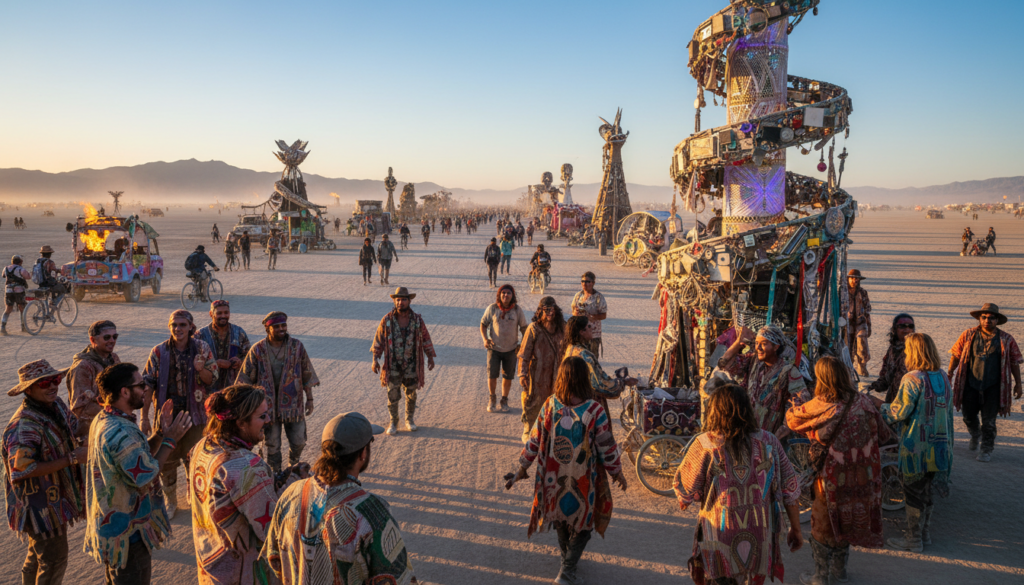
Tickets and a burner profile: items to prepare
Create your Burner Profile early. It speeds checkout, reduces account errors, and helps in limited ticket drops.
Ticket sales are fast. Having profiles ready means fewer surprises and faster transactions.
Vehicle pass rules for driving into Black Rock City
If you plan to drive, you’ll need a vehicle pass in addition to an entry ticket. The pass registers your vehicle and controls vehicle counts on playa.
Decide now if you’ll drive, carpool, take a shuttle, or arrive with a camp. That choice changes what you buy and how you budget.
| Requirement | Who needs it | When to get it |
|---|---|---|
| Ticket | All attendees | During official sale windows |
| Burner Profile | All ticket buyers | Create before sales start |
| Vehicle pass | Drivers entering Black Rock City | Buy with/after ticket purchase |
| Shuttle/Bus reservation | Non-driving attendees | Book early with provider |
Note: rules and fees can change yearly. Confirm details on official channels before you purchase.
Next up: buying tickets the right way matters — scams exist and off-site resale can be risky. For travel budgeting, check tips on saving for gas at ways to cut fuel costs.
How to buy tickets the right way (and avoid scams)
Buy tickets only through the official portal to avoid headaches and scams.
YOU CAN ONLY GET YOUR TICKETS FROM TICKETS.BURNINGMAN.COM.

Simple rule: use tickets.burningman.com for all official purchases and resale. Treat off‑site listings with extreme skepticism.
Why many off-site offers fail
Scammers often send fake PDFs, duplicate barcodes, or last‑minute “can’t attend” stories on social media to pressure buyers. These tricks look real until you try to enter.
Once you reach the gate, fraudulent tickets are hard to fix. Avoid screenshots, wire transfers, and strangers who promise a good deal.
How legitimate resale works
Only use the event’s official resale or transfer pathways when available. That guarantees valid barcodes and a record of ownership.
Legitimate resale keeps the original sale trail and protects buyers. If a listing won’t route through the official system, walk away.
Plan for limited supply and changing rules
- Create accounts early and verify profiles before sale time.
- Be ready at the exact start time; ticket sales move fast.
- Expect multiple attempts: main sale, later drops, and camp allocations are common.
- Confirm the current year’s ticket system rules before you commit travel money; the process can change in a future year.
Safe‑buy checklist: confirm the URL, save confirmation emails, avoid private payment methods, and never accept screenshots as proof.
For related policies and buyer protections, see our privacy and purchasing guidance.
Burning Man ticket cost breakdown: base price, taxes, and fees
Ticket face values rarely match the final charge on your card. A listed price is the starting point. Taxes, processing, and delivery add dollars that quickly change the total.

Example: a $550 ticket tier can end up at $628 after extra charges. Here’s the itemized math so you can replicate it for other tiers.
Example “$550 tier” total
- Base ticket: $550
- Nevada Live Entertainment Tax (9%): $49
- Service fee: $4
- Processing fee (4.068%): $24.55
- UPS 2nd Day delivery: $30
- Total: $628
What a vehicle pass can add
If you drive, add a vehicle pass. A pass is listed at about $150 before taxes and ticketing fees. That extra vehicle line item raises the trip cost before you reach the playa.
Fees change yearly, so budget a cushion above the advertised price and multiply totals early if you buy multiple tickets. Planning in advance keeps payments smooth and splits costs fairly for your group.
Next, we’ll cover the bigger expenses after the ticket: transport, shelter, water, and power.
How much it really costs beyond the ticket: the big budget categories
Your ticket buys entry; everything else falls into five clear budget buckets.
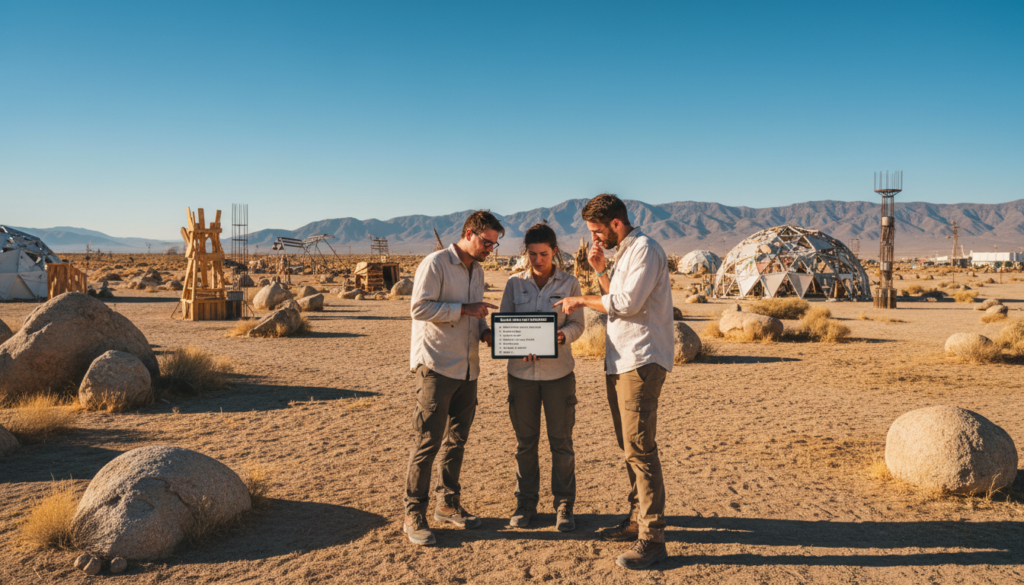
Getting to the rock desert: transport, timing, and fuel
Travel choices shape the largest line items. Driving long distances adds gas, wear, and possible hotel nights for safety.
Flying shortens drive time but adds rental fees and shuttle costs to the playa. RV rental rates often run $4,000–$9,000 for the week and push totals fast.
Camping essentials that you cannot skip
Plan shelter, shade structures, water, food, and survival supplies first. Cheap tents or flimsy shade fail in dust and make replacements costly midweek.
For a couple, expect roughly $1,500 for food, water, and basic consumables. Large camps can reach six figures for full infrastructure.
Power, showers, and environmental responsibility
Generators bring comfort but add rental or purchase costs plus fuel. Budget for fuel deliveries and quiet hours to respect neighbors.
Shower setups create grey water. You must capture and pack out wastewater; dumping on the playa is not allowed.
Radical self-expression and clothing budgets
Outfits range from thrifted DIY to custom looks. A realistic example: ~$1,500 for two people on costumes and accessories.
Combine choices: an $8,000 couple budget (Kumta example) shows how RVs, camp amenities, and art contributions boost totals per person quickly.
“Art and installations are part of the experience, but contributing a piece or gifts will add optional expenses.”
Use these buckets—travel, gear, consumables, power, and expression—to build a simple spreadsheet. That helps you compare driving vs. flying, tent vs. RV, and solo costs per person before you buy tickets or commit to a camp.
For camp comfort ideas and packing tips, see glamping life.
Choosing your camp setup: open camping vs. theme camps
Your camp choice sets the tone: lone survival or shared infrastructure and rhythm.
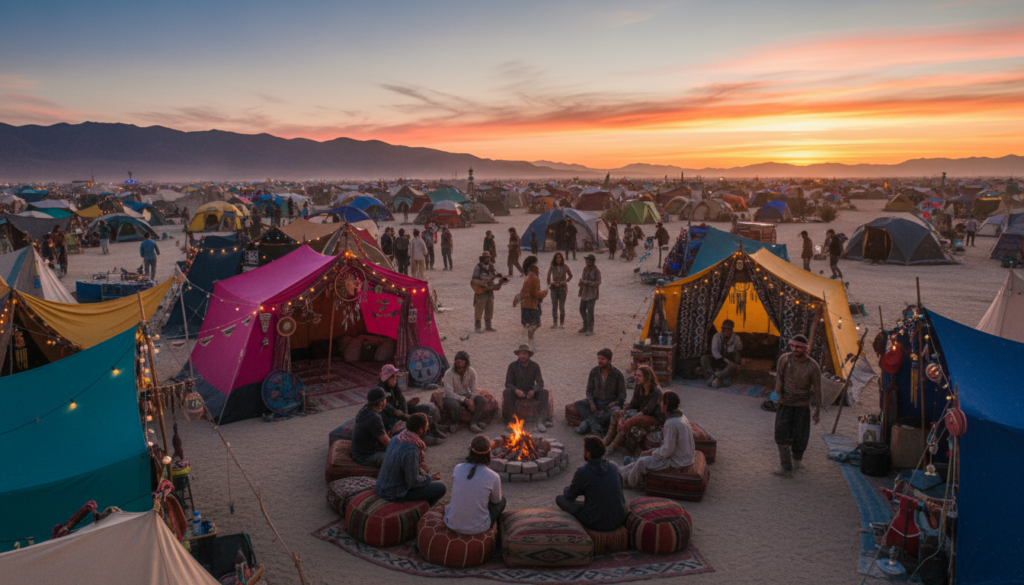
Open camping (“raw dogging it”)
Raw dogging it means you bring your own shelter, shade, water, food, and tools. You keep costs low if you already own gear or can borrow it.
Expect to manage your own waste, power, and shifts. A personal generator may be useful, but it adds fuel and noise responsibilities.
Theme camps and camp dues
Joining a theme camp trades independence for shared resources. Dues typically fund transport, storage, build materials, fuel, repairs, and grey‑water removal.
That money pays real logistics, not just convenience. Camps often provide group meals, shade structures, and infrastructure that make the playa week easier.
Real camp examples and per-person costs
The Twisted Swan / Temple of Bacchus charges about $350 per person. That covers transport and storage, kegs, repairs and new equipment, fuel, and grey‑water handling. They also run a meal‑share: cook once for ~25 people; eat all week.
By contrast, Agave Lounge is a large camp (150+ people). Their camp budget nears six figures. Typical dues run about $500 per person. One founder reported a full budget that included roughly $1,500 for two tickets plus a vehicle pass.
| Setup | Typical per person dues | What dues usually cover |
|---|---|---|
| Open camping | $0–$200 | Personal shelter, water, food, generator, vehicle pass |
| Small theme camp | $200–$400 | Transport, storage, fuel, basic infrastructure, shared meals |
| Large theme camp | $400–$600+ | Extensive builds, paid staff, large generators, grey‑water handling, event programming |
Decide by priorities. If you value showers, shade, and community, dues often pay for comfort and reliability. If you want to keep spending low and value independence, open camping fits better.
Before committing, ask any camp exactly what is included and what you must bring personally: sleeping gear, water allotment, meals, power needs, and scheduled duties or shifts. For more on comfortable outdoor stays, see glamping life.
How to keep Burning Man affordable without missing the experience
A little coordination saves money without softening the core playa experience.
Low-income tickets and a resilience program exist to help people who face hardship. Low-income tickets are limited. Apply early and have documentation ready if the current year asks for it.
The resilience program supports those hit by financial crisis or disaster. Check official pages for eligibility, deadlines, and the exact program process before you plan travel.
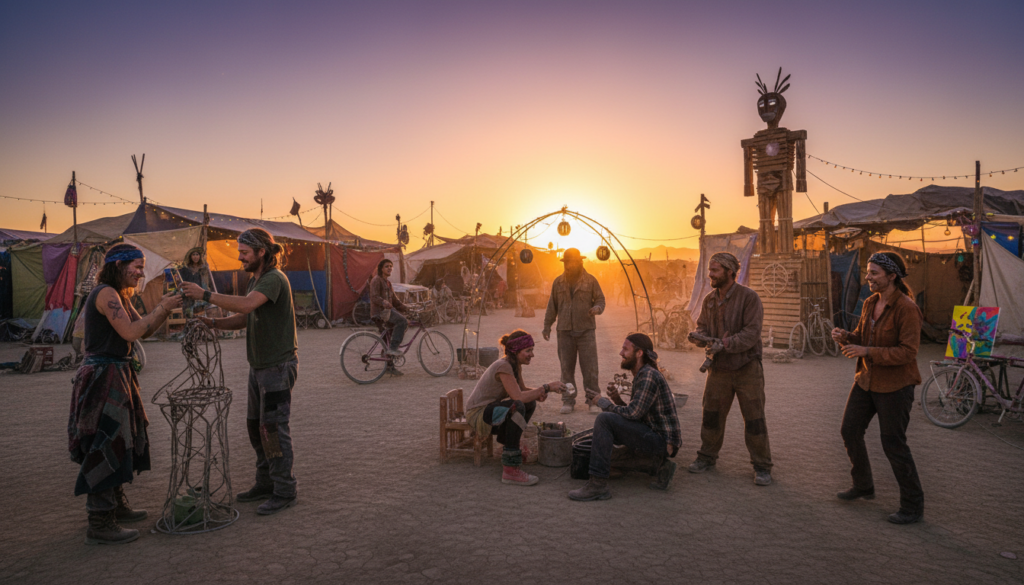
Practical cost-cutting tactics that fit the culture
- Share gear and split shade structures to cut individual cost and reduce vehicle load.
- Carpool so one vehicle handles more people; that cuts vehicle fees and fuel per person.
- Skip RVs when possible — rentals often run $4,000–$9,000 and can dominate your budget.
- Build a minimum viable packing list: buy only essentials now, borrow or rent extras later.
- Pace purchases over time and watch sale windows to spread cost across months.
Action steps this week: apply to any ticket program you qualify for, confirm timelines, and set a simple shared spreadsheet with friends to divide gear and vehicle duties.
Note: verify all program rules and ticket timelines on official channels before spending.
Conclusion
Remember: the ticket opens the gate, but choices shape the real expense for Burning Man. Entry carries mandatory fees, and your travel, shelter, and camp choices drive the final cost.
Quick how-to: create a Burner Profile, buy through official channels, add a vehicle pass if you drive, then plan gear, water, and power. Stick to verified resale paths and avoid off-site offers to prevent ticket scams.
Major budget levers: RV versus tent, open camping versus theme camps and dues, and spending on power, comfort, or outfits. Decide what matters and build a simple spreadsheet.
Confirm current-year pricing and rules, start early, and pick the setup that fits your goals for Black Rock City and the playa. For comfort ideas try glamping for the whole family.